Northwest Blooms · Groundcovers
Ceanothus gloriosus
Point Reyes Ceanothus
- Family
- Rhamnaceae
- Height
- 2 to 3 feet
- Width
- 6 to 8 feet
- Flower color
- Clusters of bright blue to lavender flowers
- Foliage color
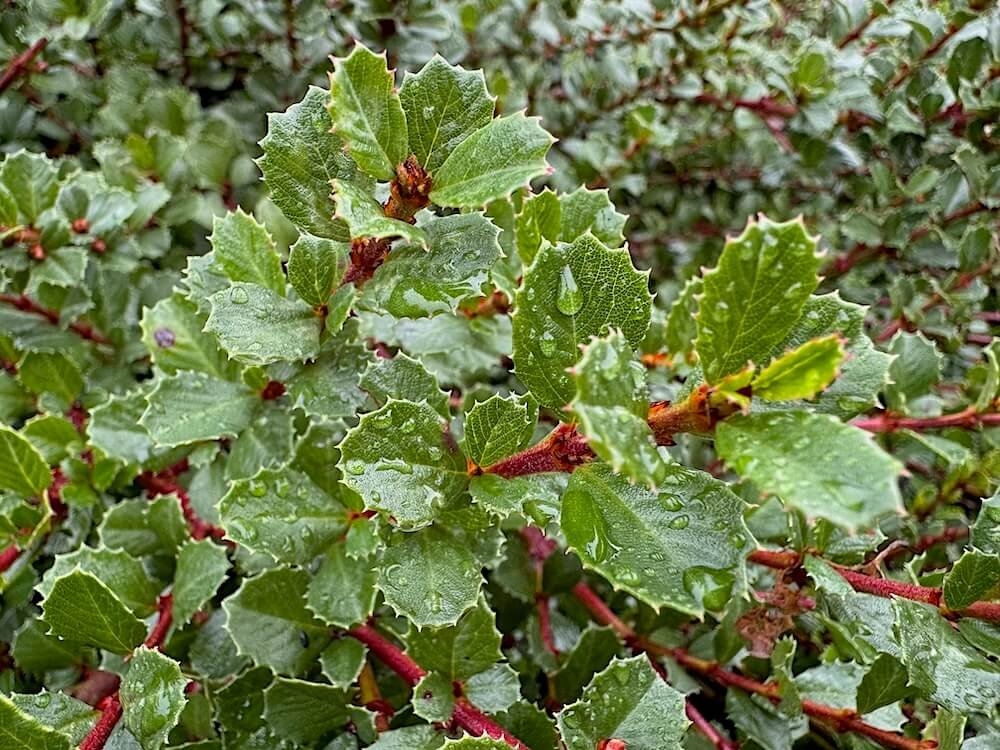
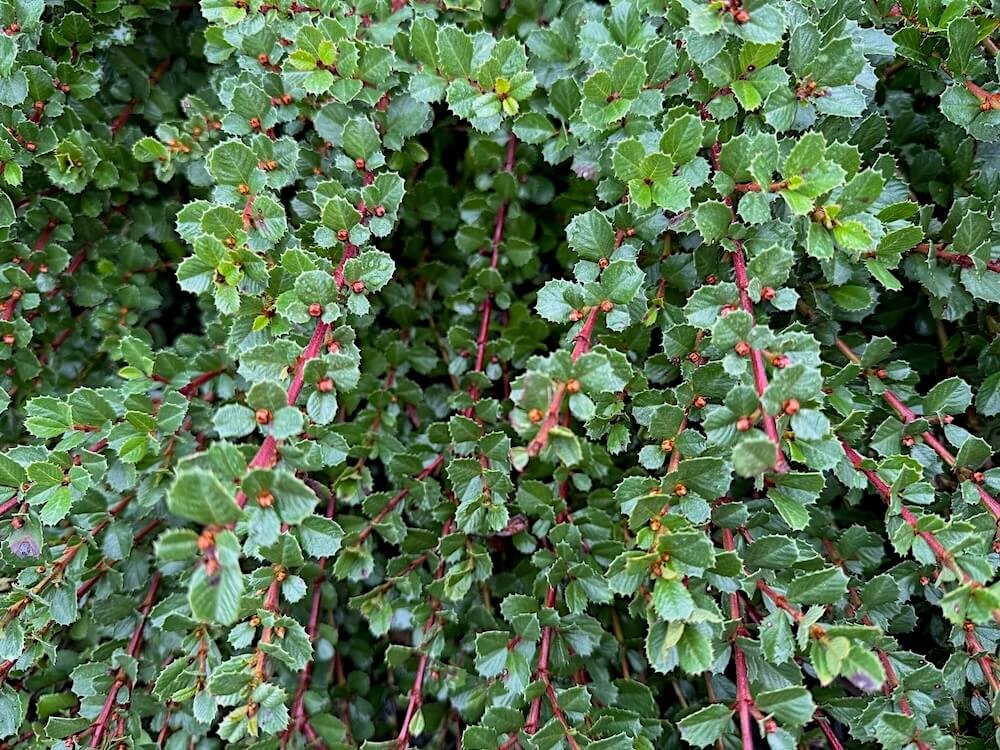
- Glossy, dark green toothed leaves with a leathery texture
- Bloom time
- Spring (typically March to May)
- Light
- Full sun to partial shade
- Water
- Low
- Maintenance
- Low; occasional pruning to shape after flowering
- Growing zone
- USDA Zones 8 to 10
- Wildlife
- Bees, butterflies, and birds
About this plant
Ceanothus gloriosus, commonly known as Point Reyes ceanothus, is a low-growing evergreen shrub admired for its vibrant spring blooms and distinctive foliage. From March to May, it produces dense clusters of vivid blue to lavender flowers that contrast beautifully with its glossy, heavily toothed dark green leaves. The plant's red stems add another layer of visual interest, providing a striking framework for the foliage and blooms. These features make it a valuable source of nectar for pollinators like bees and butterflies during the flowering season.
Native to California's coastal regions, Ceanothus gloriosus thrives in sandy dunes and rocky slopes, where it has evolved to endure tough conditions. Its dense growth habit and adaptability make it an excellent choice for erosion control and native plant gardens. With its seasonal blossoms, red stems, and textured leaves, this shrub offers a dynamic combination of year-round interest and ecological value in woodland gardens, or container plantings.
Works well in
Pollinator Gardens · Native Gardens · Deer-Prone Areas · Coastal Gardens
Companion plants
Penstemons · Woolly sunflowers · Yarrow · California fescues · Manzanitas · California poppies
Design tip
Use this broad, spreading groundcover to unify the edges of dry garden beds and soften transitions into natural landscapes. Its low profile creates a gentle visual flow, helping larger shrubs and ornamental grasses blend seamlessly into surrounding plantings.
Where to see it
This plant can be seen at the Bellevue Botanical Garden.