Northwest Blooms · Groundcovers
Anemone nemorosa ‘Vestal’
Vestal Wood Anemone
- Family
- Ranunculaceae
- Height
- 4 to 6 inches tall
- Width
- 6 to 12 inches wide
- Flower color
- White
- Foliage color
- Green
- Bloom time
- Early to mid-spring
- Light
- Part shade to full shade
- Water
- Medium; prefers moist, well-draining soil
- Maintenance
- Low; can be left undisturbed once established
- Growing zone
- USDA zones 4 to 8
- Wildlife
- Attracts bees and butterflies; deer resistant
About this plant
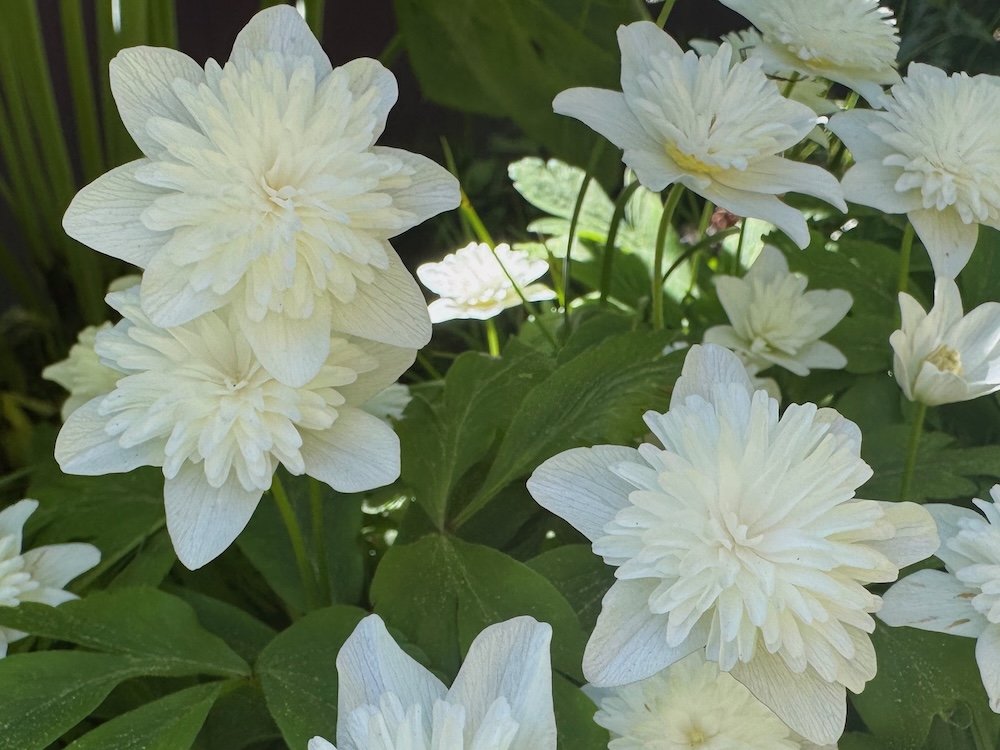
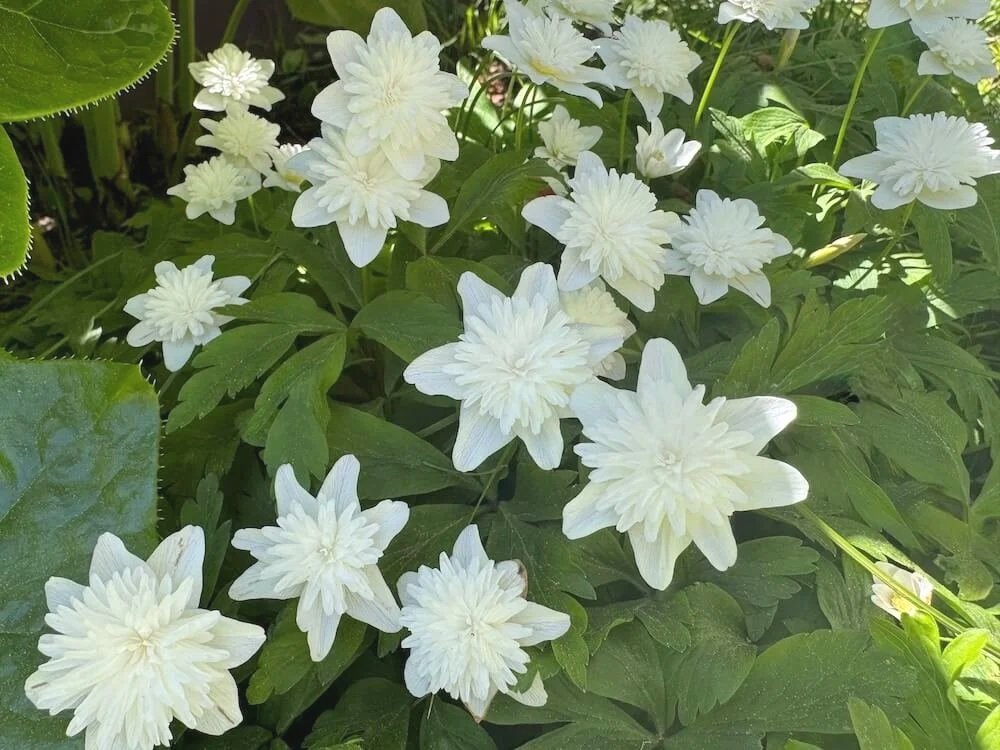
Anemone nemorosa 'Vestal', also known as wood anemone 'Vestal', is a charming herbaceous perennial prized for its delicate pure white flowers and early spring bloom time, making it a valuable addition to woodland gardens and shaded borders. Forming low-growing clumps of deeply lobed, dark green leaves that emerge in early spring, the plant provides an attractive backdrop for its star-shaped flowers borne on slender, wiry stems that rise above the foliage. The pure white flowers contrast beautifully with the dark green leaves, creating a striking and elegant display.
Thriving in partial to full shade, 'Vestal' prefers moist, well-draining soil rich in organic matter and is well-suited for woodland gardens, shaded borders, and rock gardens with consistent moisture. This relatively low-maintenance plant does not require much pruning or grooming and benefits from regular watering and mulching to retain moisture. Generally resistant to pests and diseases, 'Vestal' is a reliable and beautiful addition to shaded or partially shaded garden areas.
Works well in
Pollinator Gardens · Woodland Gardens · Borders · Rock Gardens
Companion plants
Hellebores · Epimediums · Brunneras · Hostas · Ferns · Pulmonarias
Design tip
Position where the brilliant white blooms brighten shaded gardens and stand out against emerging spring foliage. Their crisp color adds definition to woodland plantings while bringing a fresh, refined elegance that complements both informal and structured landscape designs.
Where to see it
This plant can be seen at the Center for Urban Horticulture.