Northwest Blooms · Groundcovers
Anemone nemorosa
Wood Anemone
- Family
- Ranunculaceae
- Height
- 6 to 12 inches
- Width
- 6 to 12 inches
- Flower color
- White, sometimes tinged with pink or blue
- Foliage color
- Dark green
- Bloom time
- Early spring (March to May)
- Light
- Part shade to full shade
- Water
- Medium moisture, well-drained soil
- Maintenance
- Low maintenance; can be left undisturbed once established
- Growing zone
- USDA Zones 4 to 8
- Wildlife
- The flowers attract bees and butterflies, while the seeds are eaten by birds
About this plant
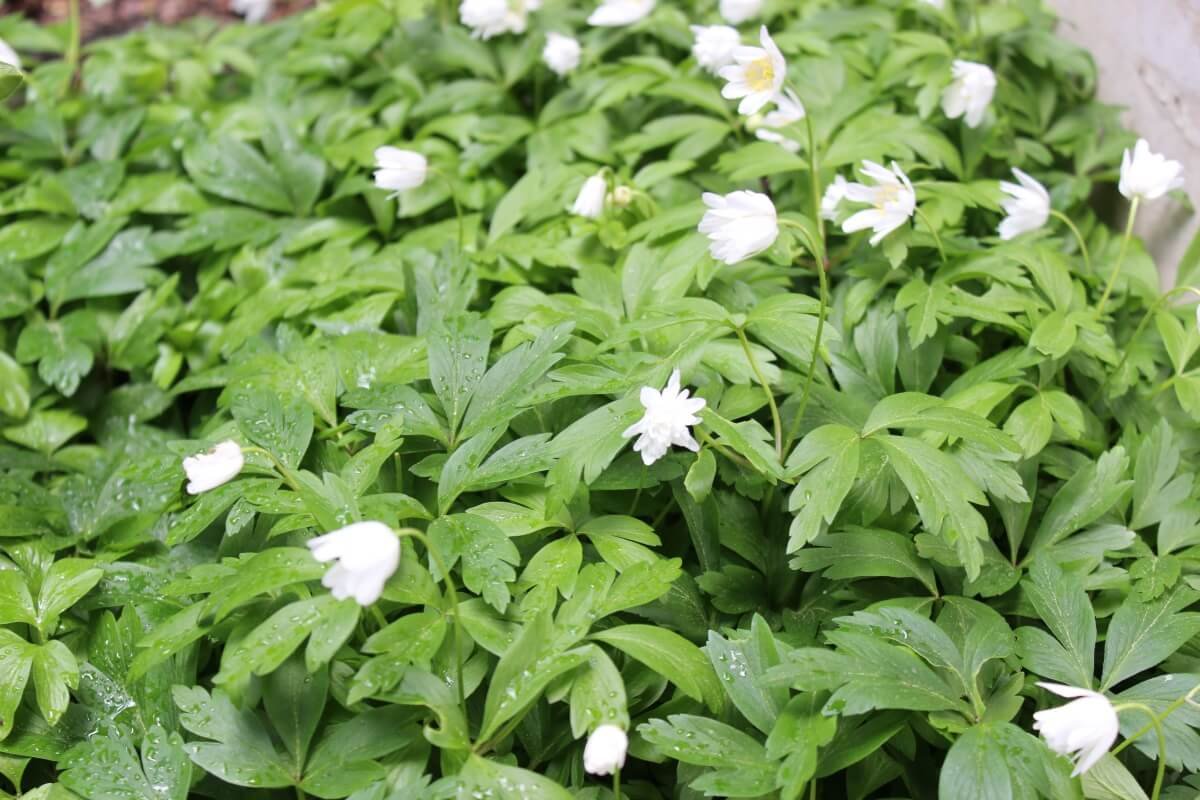
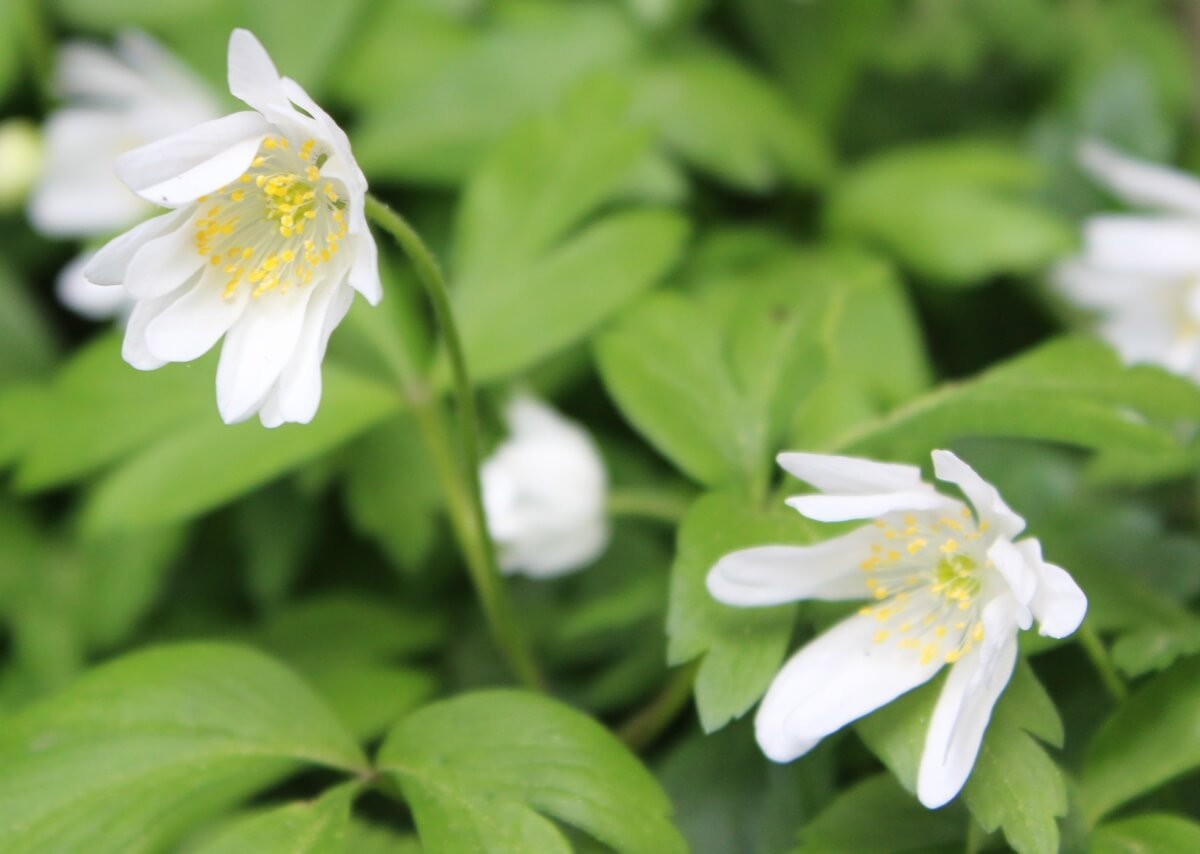
Anemone nemorosa is an enchanting perennial that heralds the arrival of spring with its delicate, star-like flowers. Native to Europe and parts of Asia, this plant is well-suited to woodland gardens, shady borders, and naturalized areas. The flowers of Anemone nemorosa are solitary, with six to eight petal-like segments surrounding a cluster of yellow stamens. They rise above the foliage on slender stems, creating a lovely contrast against the backdrop of dark green leaves. This plant spreads slowly via rhizomes to form attractive colonies over time. It thrives in moist, humus-rich soil and prefers dappled shade or filtered sunlight. Wood Anemone is deer-resistant and generally pest-free, making it an excellent choice for wildlife-friendly gardens.
In the garden, Anemone nemorosa combines beautifully with early spring bulbs such as snowdrops and crocuses, as well as with other woodland plants like ferns and hostas. It can also be planted under deciduous trees and shrubs, where it will naturalize and create a carpet of white blooms in early spring.
Works well in
Pollinator Gardens · Woodland Gardens · Borders · Deer Prone Areas
Companion plants
Hellebores · Epimediums · Brunneras · Ferns · Hostas · Pulmonarias
Design tip
Plant beneath deciduous trees where its early blooms provide seasonal interest before the canopy fills with leaves. Encourage natural colonies to develop over time, creating a graceful woodland carpet that returns with greater impact each spring.
Where to see it
This plant can be seen at the Bellevue Botanical Garden.