Northwest Blooms · Groundcovers
Cardamine trifolia
Three-leaf Cardamine
- Family
- Brassicaceae
- Height
- 6 to 12 inches
- Width
- Similar to height, forming a clump
- Flower color
- White
- Foliage color
- Vibrant green
- Bloom time
- Late spring to early summer
- Light
- Partial to full shade
- Water
- Moist, well-drained soil
- Maintenance
- Low; regular watering during dry spells, occasional division to control spread
- Growing zone
- USDA zones 3 to 8
- Wildlife
- Bees and other pollinators
About this plant
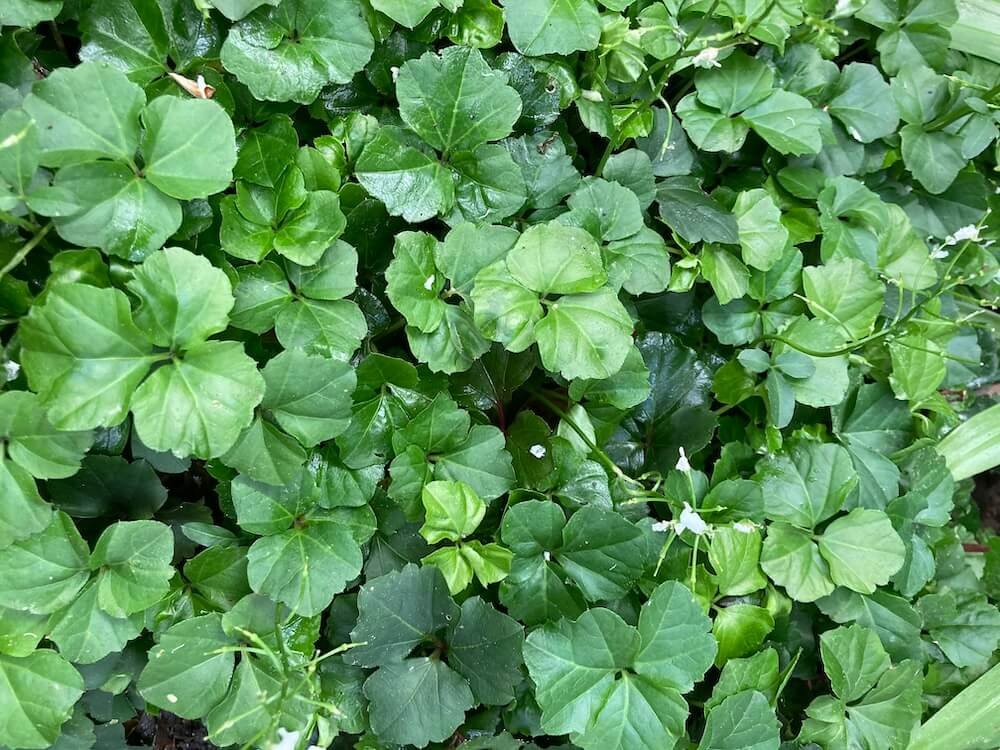
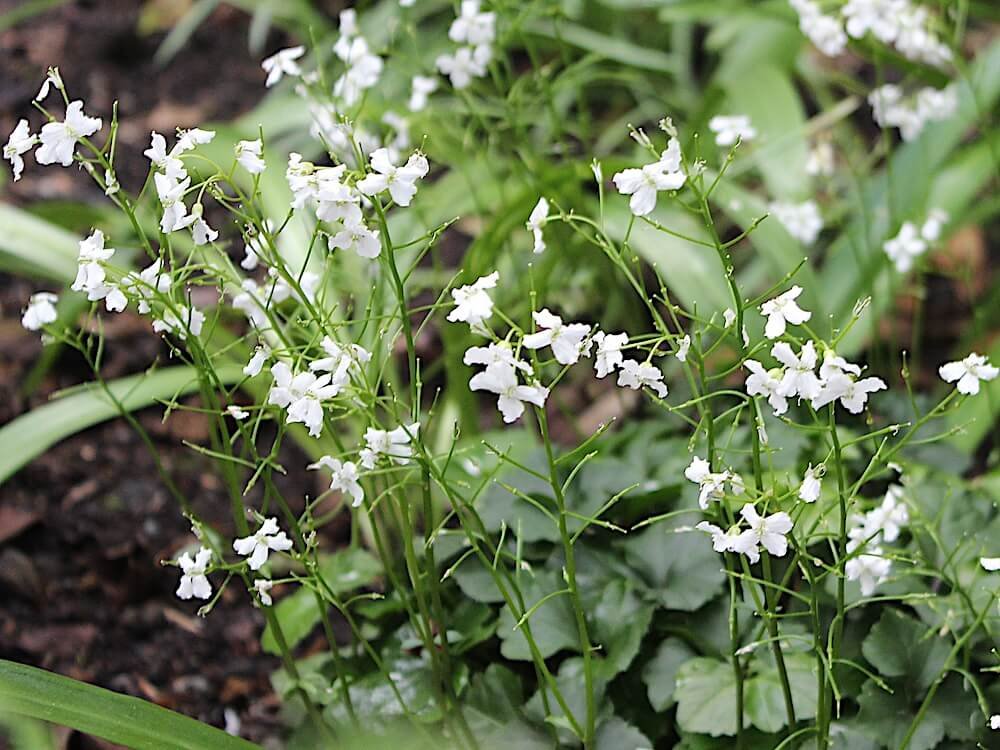
Cardamine trifolia is a delightful perennial plant native to moist woodlands, stream banks, and other damp areas of North America, Europe, and Asia. Growing to about 6-12 inches in height and width, it features deeply lobed, shamrock-like leaves arranged in whorls of three, with vibrant green foliage that brightens shady corners. In late spring to early summer, it produces delicate clusters of small, four-petaled white flowers on slender stalks, attracting bees and other pollinators. Preferring partial to full shade and moist, well-drained soil rich in organic matter, Cardamine trifolia is ideal for woodland gardens, boggy areas, and along streams or ponds, where it can naturalize and form an attractive ground cover. This low-maintenance plant requires regular watering during dry spells and occasional division to control its spread. Additionally, its leaves have a pungent, bitter flavor similar to watercress, making them a unique addition to salads or as a garnish.
Works well in
Pollinator Gardens · Rain Gardens · Borders · Woodland Gardens
Companion plants
Ferns · Primroses · Trilliums · Virginia bluebells · Marsh marigolds · Japanese forest grasses
Design tip
Allow this woodland groundcover to spread beneath deciduous shrubs where it can knit together open pockets of soil. The continuous carpet creates a seamless transition between larger plants, giving shaded gardens a settled, natural appearance without feeling overly formal.
Where to see it
This plant can be seen at the Bellevue Botanical Garden.