Northwest Blooms · Groundcovers
Convallaria majalis
Lily-of-the-Valley
- Family
- Asparagaceae
- Height
- 6 to 8 inches tall
- Width
- Spreads via rhizomes to form dense colonies
- Flower color
- White
- Foliage color
- Dark green
- Bloom time
- Late spring to early summer
- Light
- Part shade to full shade
- Water
- Medium; prefers consistently moist soil
- Maintenance
- Low; remove spent flowers and thin overcrowded patches as needed
- Growing zone
- USDA zones 2 to 7
- Wildlife
- The flowers attract bees and other pollinators. The berries are attractive to birds but are toxic to humans and many animals
About this plant
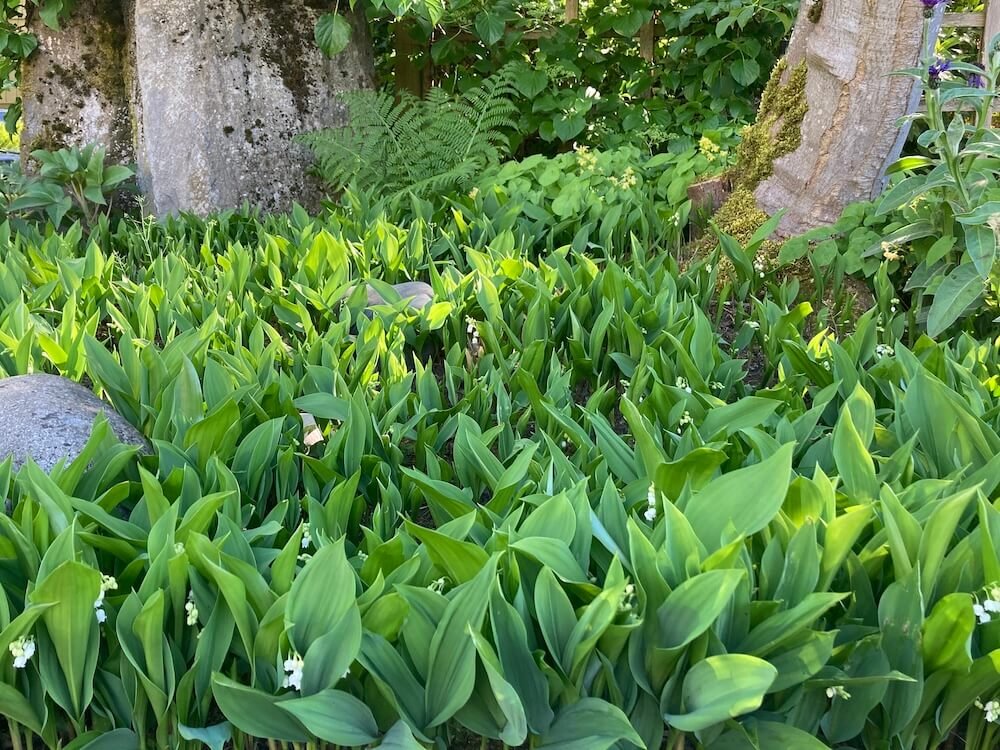
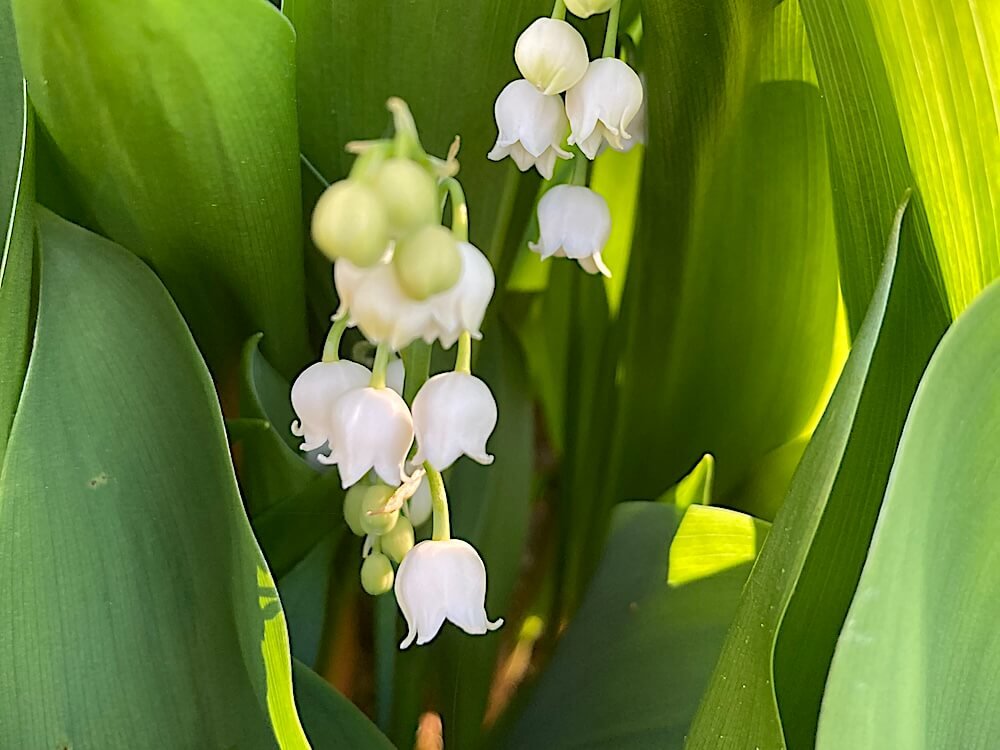
Convallaria majalis, commonly known as Lily-of-the-Valley, is a graceful and fragrant perennial plant valued for its delicate bell-shaped flowers and spreading habit. Native to Europe, Asia, and North America, it belongs to the Asparagaceae family and is popular in gardens for its sweet fragrance and dainty appearance. Blooming in late spring to early summer, its highly fragrant, small white flowers appear in clusters at the tips of slender, arching stems above attractive foliage. Following the blooms, small red berries attract birds but are toxic to humans and pets if ingested. Thriving in shaded or partially shaded areas with moist, well-draining soil rich in organic matter, it is often used as a ground cover in woodland gardens and shaded borders. Convallaria majalis is low-maintenance, resistant to pests and diseases, and does not require much pruning, making it a reliable and beautiful garden addition.
Works well in
Pollinator Gardens · Woodland Gardens · Borders · Deer-Prone Areas
Companion plants
Ferns · Japanese forest grasses · Hostas · Siberian buglosses · Hellebores · Toad lilies
Design tip
Plant this fragrant groundcover beneath deciduous trees where spring sunlight reaches the garden floor before the canopy fills in. As surrounding plants emerge, its dense foliage continues providing structure, creating a layered woodland planting that remains attractive well beyond flowering.