Northwest Blooms · Perennials
Ageratina altissima 'Chocolate'
Chocolate White Snakeroot
- Family
- Asteraceae
- Height
- 3-4 feet tall
- Width
- 2-3 feet wide
- Flower color
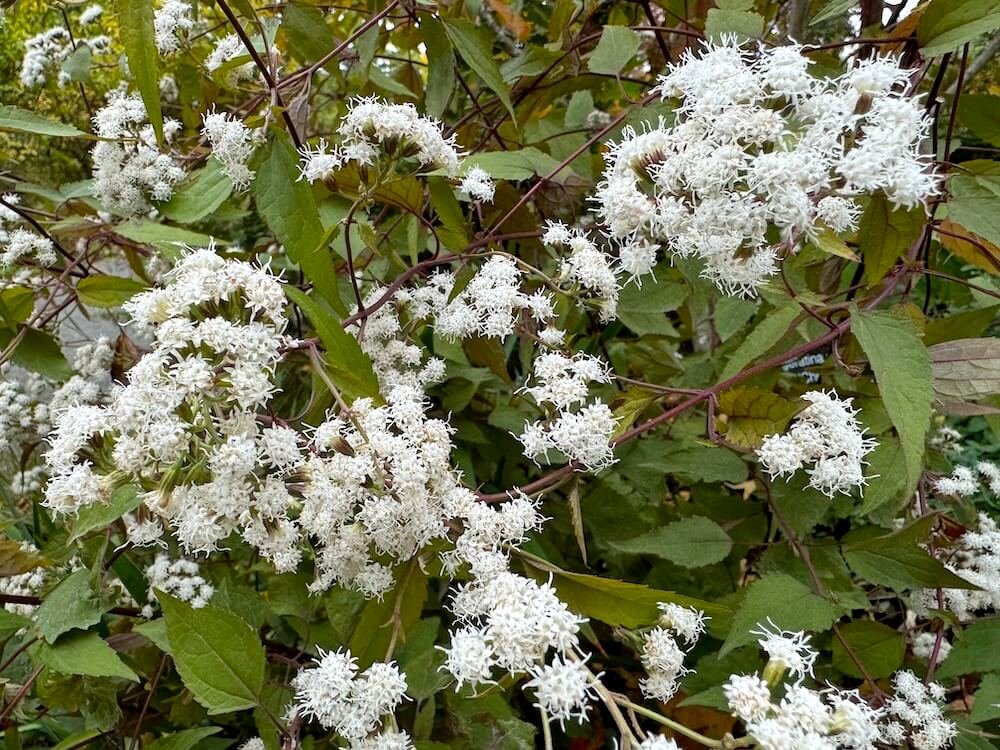
- Small, fluffy white flowers in clusters
- Foliage color
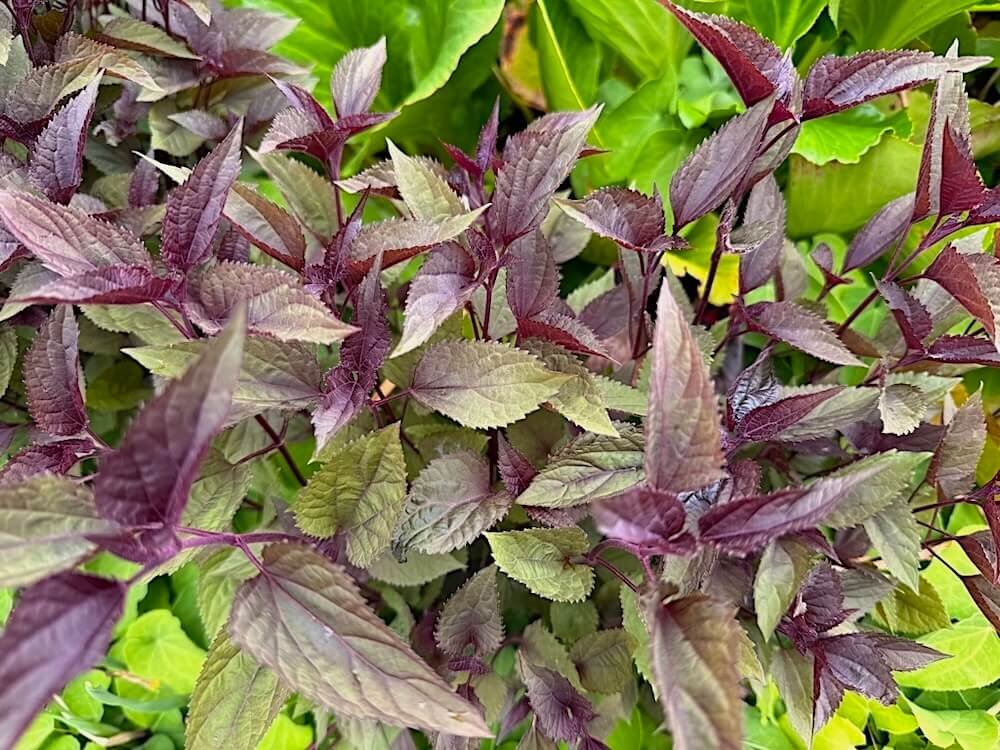
- Dark chocolate-purple leaves in spring, maturing to a deep green with purple tones
- Bloom time
- Late summer to early fall
- Light
- Partial shade to full sun
- Water
- Moderate
- Maintenance
- Low; cut back in late fall or early spring to encourage fresh growth
- Growing zone
- USDA Zones 4-8
- Wildlife
- Attracts butterflies and pollinators
About this plant
Ageratina altissima 'Chocolate' is a unique cultivar known for its dark chocolate-brown foliage, which provides a rich, moody backdrop in the garden. In late summer to early fall, it produces clusters of fluffy, white flowers that sit atop the dark leaves, creating a striking contrast and bringing brightness to the garden as other plants may be winding down for the season. The small, cloud-like flowers are especially attractive to pollinators, adding life and movement to the garden.
This variety, commonly known as white snakeroot, is native to North America, where it naturally thrives in woodland and shaded settings. 'Chocolate' is particularly appreciated for its adaptability and unusual foliage color, making it a standout choice in mixed borders or naturalistic plantings. Its late-season blooms and deep foliage bring depth and seasonal interest, blending beautifully with other perennials and enhancing the garden's visual appeal well into fall.
Works well in
Borders · Cottage Gardens · Pollinator Gardens · Cut Flower Gardens
Companion plants
Columbines · Lungworts · Daylilies · Japanese anemones · Bleeding hearts · Catmint
Design tip
Fall bloom is its strength, and it earns a place near a path or seating area used late in the year. It takes sun or light shade, which makes it useful along the changing light of a bed edge or a partly shaded border.
Where to see it
This plant can be seen at the Center for Urban Horticulture, and in the perennial border at the Bellevue Botanical Garden.