Northwest Blooms · Perennials
Asclepias tuberosa
Butterfly Milkweed
- Family
- Apocynaceae
- Height
- 2 to 3 feet
- Width
- 1 to 2 feet
- Flower color
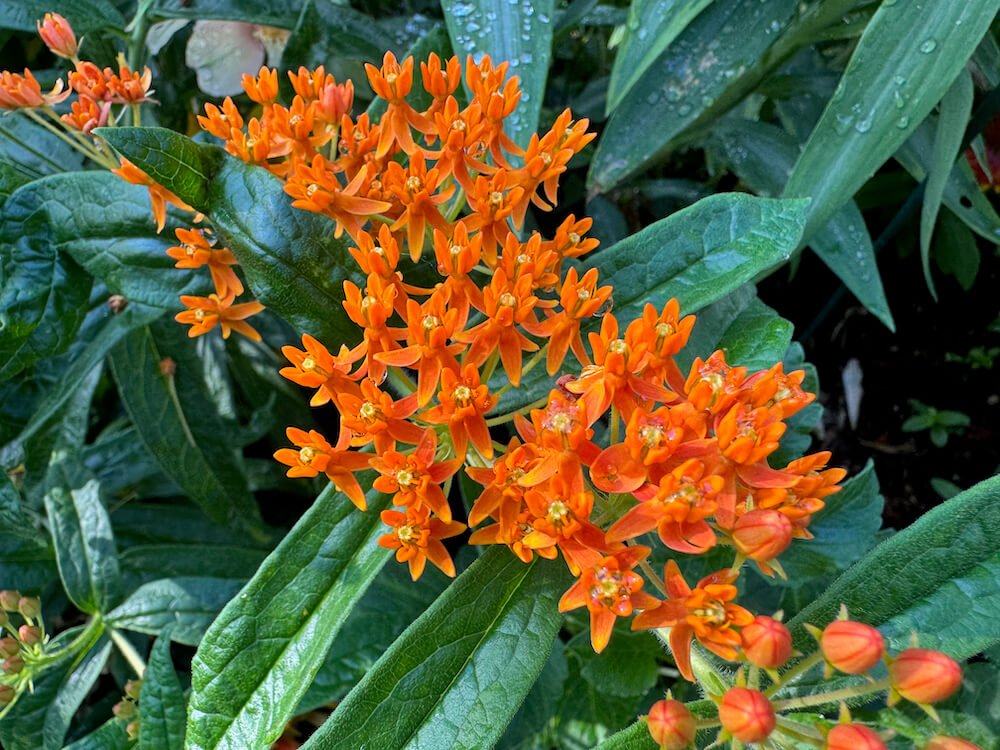
- Bright orange clusters
- Foliage color
- Green, lance-shaped leaves
- Bloom time
- Late spring to early fall
- Light
- Full sun
- Water
- Low; drought-tolerant at maturity
- Maintenance
- Low; cut back in late fall or early spring to encourage new growth
- Growing zone
- USDA zones 3–9
- Wildlife
- Butterflies, especially monarchs, and other pollinators
About this plant
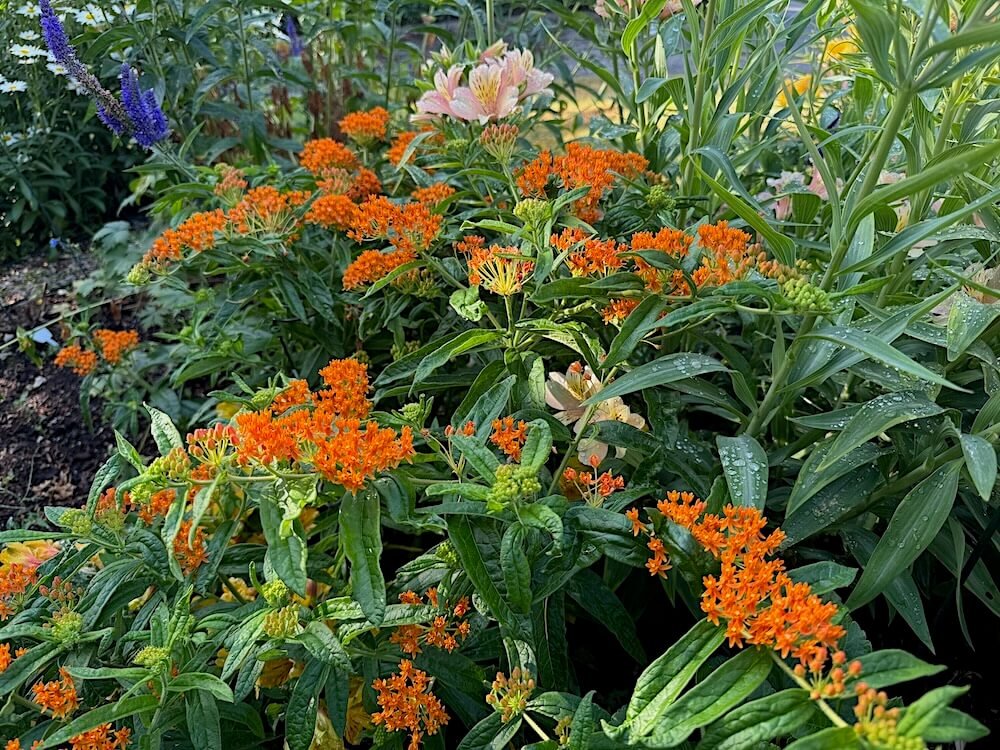
Asclepias tuberosa, commonly known as butterfly milkweed, is a vibrant perennial that produces clusters of bright orange to reddish-orange flowers during its blooming season, which extends from late spring through summer. The showy blooms are highly attractive to pollinators, particularly butterflies, making it a favorite for wildlife gardens. Its upright stems and lance-shaped leaves provide a handsome backdrop to the colorful flower heads.
Native to North America, Asclepias tuberosa thrives in open fields, prairies, and sunny meadows, reflecting its origins as a resilient wildflower. It is also known for its role in supporting monarch butterfly populations, as it serves as a host plant for their caterpillars. This plant's adaptability and pollinator-friendly nature make it a cherished addition to naturalized and pollinator-focused landscapes.
Works well in
Borders · Sun Gardens · Pollinator Gardens · Waterwise Gardens · Cut Flower Gardens
Companion plants
Coreopsis · Russian sage · Sedums · Peonies · Coneflowers · Salvias
Design tip
Late flowers extend the season, so set it behind or beside plants that finish in midsummer. Give it open sun and room to fill out, and repeat it in threes or fives so the planting reads as one sweep instead of scattered dots.