Northwest Blooms · Perennials
Hemerocallis 'Wineberry Candy'
Wineberry Candy Daylily
- Family
- Asphodelaceae
- Height
- 1 to 2 feet
- Width
- 1 to 2 feet
- Flower color
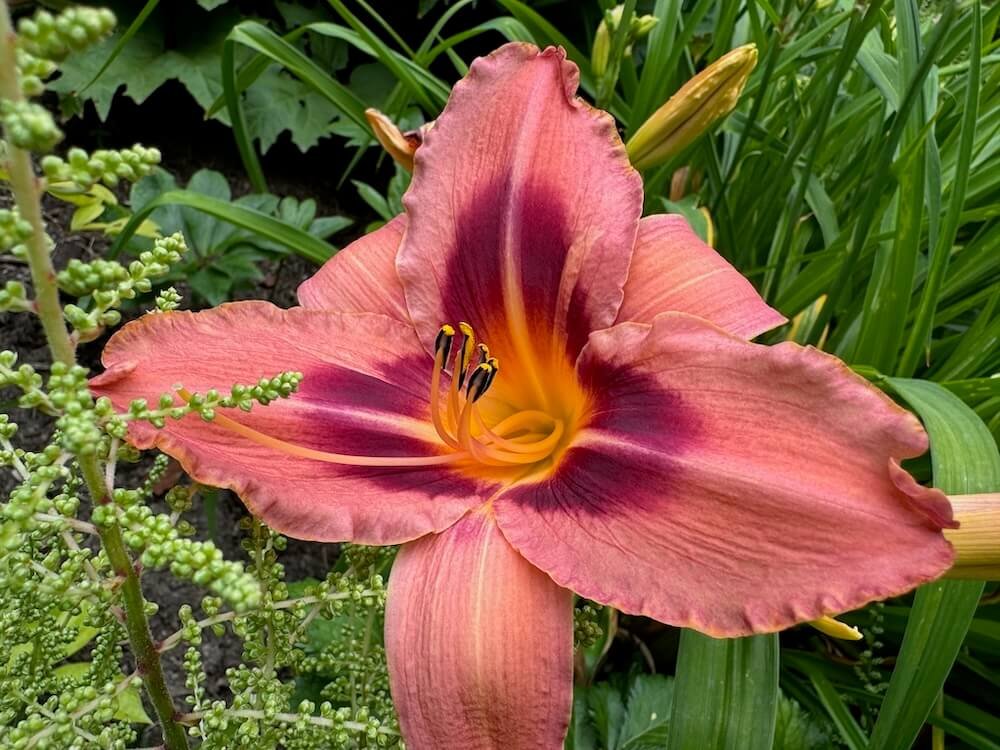
- Rich pink with a dark wine-purple eye
- Foliage color
- Green, grass-like
- Bloom time
- Mid to late summer, with repeat blooming
- Light
- Full sun to partial shade
- Water
- Moderate
- Maintenance
- Low; deadhead spent flowers
- Growing zone
- USDA zones 3 to 9
- Wildlife
- Attracts butterflies and hummingbirds
About this plant
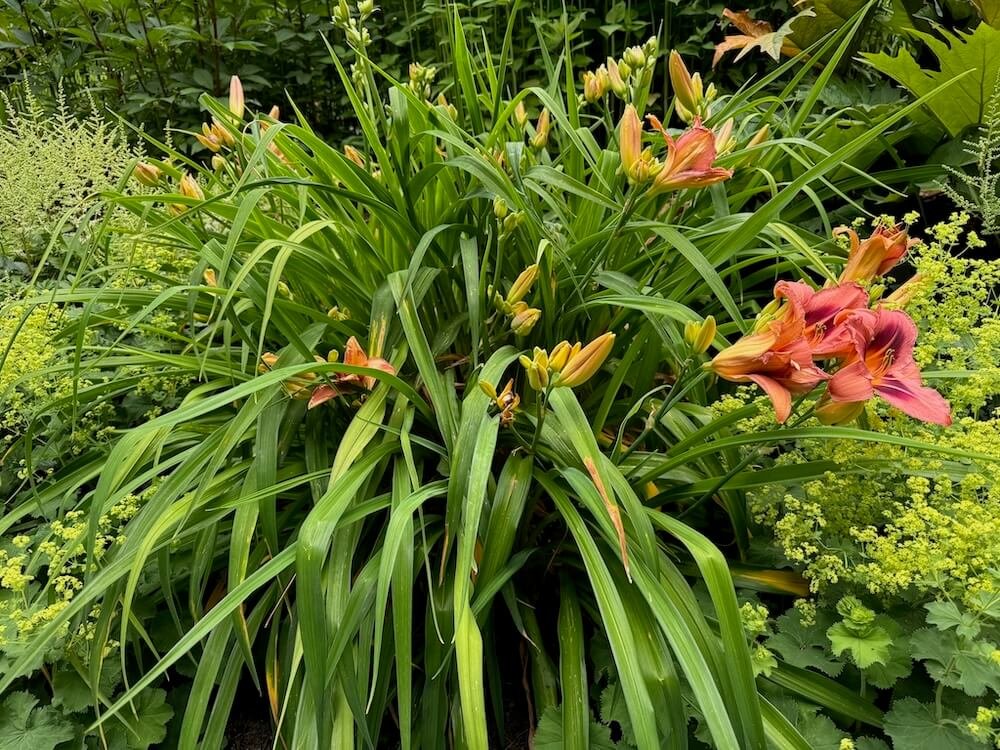
Hemerocallis 'Wineberry Candy' is a stunning daylily known for its vibrant blooms and distinctive color pattern. From mid-summer to early fall, this variety produces large, fragrant flowers. Each bloom features rich pink petals with a deep, wineberry-colored eye zone that surrounds a greenish-yellow throat. The ruffled petals add a delicate texture, enhancing the flower's visual appeal.
The blooms are short-lived, as with all daylilies, but they come in succession, providing a continuous show of color over the blooming season. 'Wineberry Candy' is also known for its strong re-blooming habit, often producing multiple flushes of flowers in ideal conditions.
'Wineberry Candy' is part of a vast genus native to Asia, particularly China, Japan, and Korea. This specific cultivar was bred for its striking color contrasts and extended blooming period, making it a popular choice in ornamental gardens worldwide. Its vibrant flowers attract pollinators like bees and butterflies, adding even more life to the garden.
Works well in
Borders · Cottage Gardens · Pollinator Gardens · Hummingbird Gardens · Containers
Companion plants
Lungworts · Daylilies · Japanese anemones · Bleeding hearts · Catmint · Heucheras
Design tip
The long summer show pairs well with plants that peak earlier, keeping one area interesting for months. It takes sun or light shade, which makes it useful along the changing light of a bed edge or a partly shaded border.
Where to see it
This plant can be seen in the perennial border at the Bellevue Botanical Garden.