Northwest Blooms · Perennials
Miscanthus sinensis 'Morning Light'
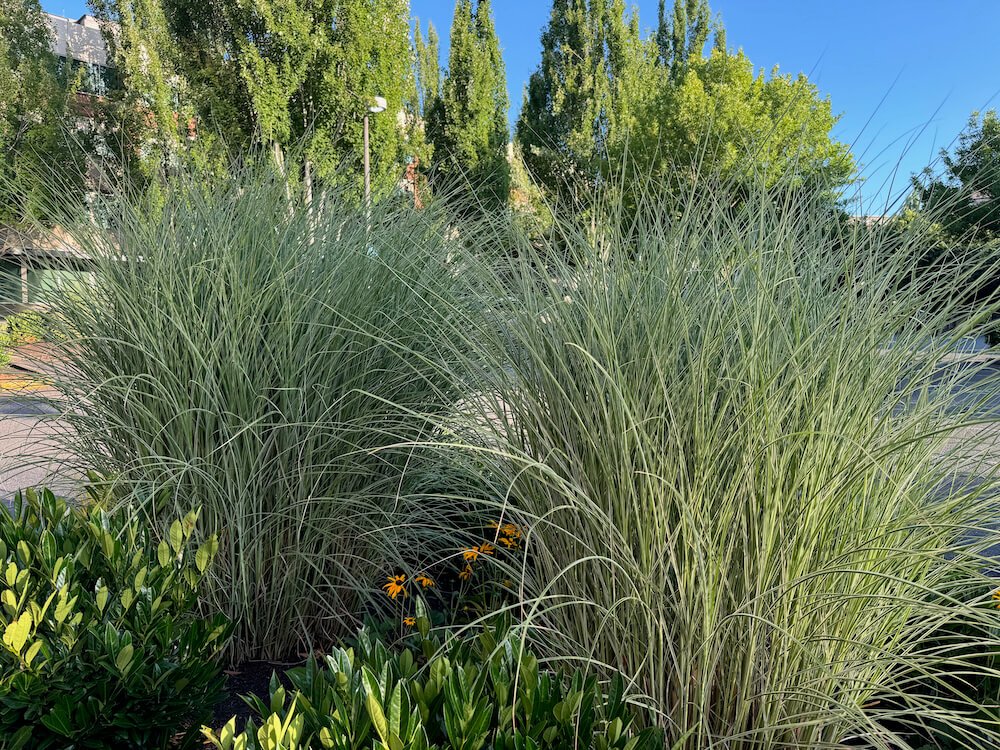
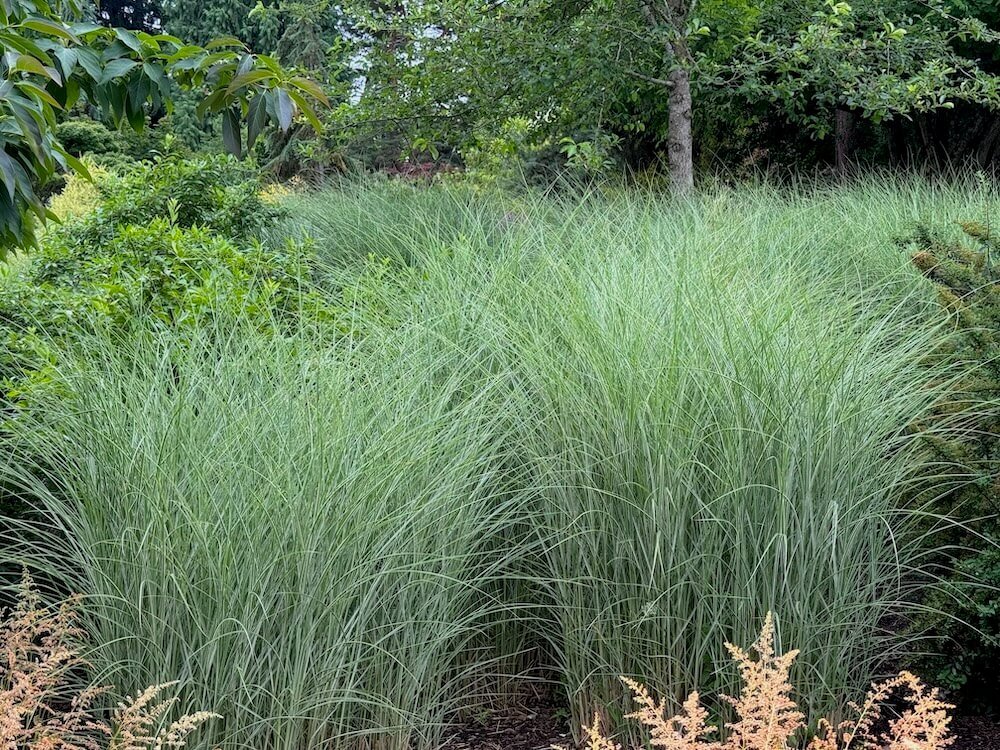
Morning Light Maiden Grass
- Family
- Poaceae
- Height
- 4–6 feet
- Width
- 3–4 feet
- Flower color
- Reddish blooms maturing to silvery white
- Foliage color
- Green with white margins, giving a silvery appearance when backlit
- Bloom time
- Late summer to early fall
- Light
- Full sun to partial shade
- Water
- Drought-tolerant at maturity
- Maintenance
- Prune to 4–6 inches above the ground in late winter or early spring before new growth emerges
- Growing zone
- USDA zones 5–9
- Wildlife
- Attracts birds; deer-resistant
About this plant
Miscanthus sinensis 'Morning Light' is an elegant ornamental grass with narrow, green leaves that are edged with creamy white, creating a delicate variegation. This gives the plant a soft, glowing appearance, especially in the morning sun, which is how it earned its name. In late summer to early fall, 'Morning Light' produces feathery, reddish-copper flower plumes that rise above the foliage, adding an airy texture to the landscape. These flower heads persist into winter, continuing to provide visual interest even as the season changes.
'Morning Light' thrives in well-drained soil and full sun, making it an excellent choice for borders, mixed plantings, or as a statement plant in the garden. It is drought-tolerant once established and requires minimal maintenance throughout the growing season. The combination of its variegated foliage and soft, late-season flowers makes it a versatile addition to various garden styles, offering both visual texture and seasonal beauty.
Works well in
Borders · Cottage Gardens · Bird Gardens · Waterwise Gardens · Cut Flower Gardens
Companion plants
Sedums · Columbines · Lungworts · Daylilies · Japanese anemones · Bleeding hearts
Design tip
Late flowers extend the season, so set it behind or beside plants that finish in midsummer. Because it is easy about light, use it to carry a planting from a sunny end of the bed into the shadier side.
Where to see it
This plant can be seen at the Bellevue Botanical Garden.