Northwest Blooms · Shrubs
Berberis thunbergii 'Orange Rocket'
Orange Rocket Japanese Barberry
- Family
- Berberidaceae
- Height
- 4 to 5 feet
- Width
- 1.5 to 2 feet
- Flower color
- Small, pale yellow flowers
- Foliage color
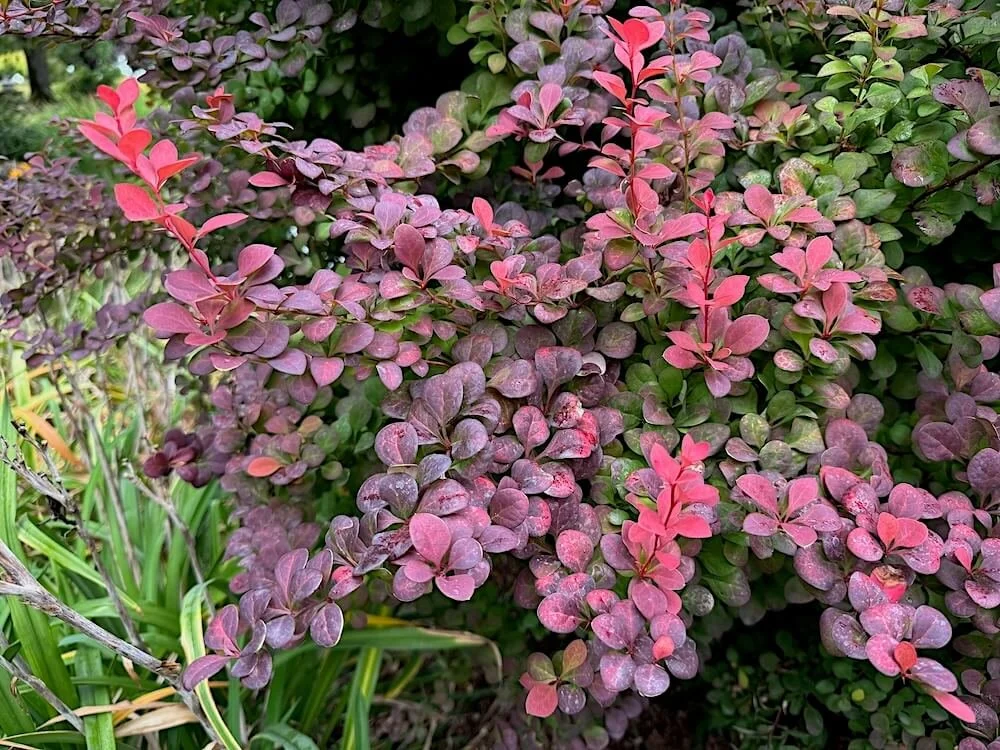
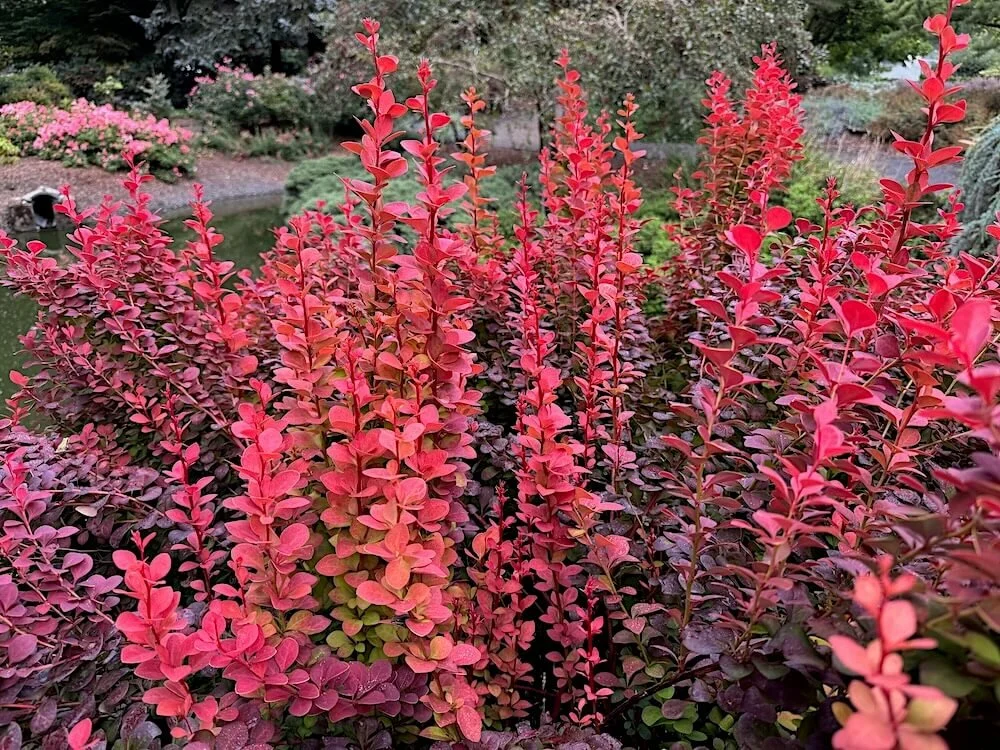
- Vibrant coral-orange foliage in spring, maturing to ruby-red in summer and transitioning to bright orange-red in fall
- Bloom time
- Mid to late spring
- Light
- Full sun to partial shade
- Water
- Low to moderate
- Maintenance
- Low; prune in late winter or early spring to maintain shape and height
- Growing zone
- USDA Zones 4 to 9
- Wildlife
- Birds, attracted to the small red berries that develop in fall
About this plant
Berberis thunbergii 'Orange Rocket' is a deciduous shrub admired for its vibrant, upright growth habit and dynamic foliage. In spring, new leaves emerge as a bright coral-orange, creating a bold splash of color in the garden. As the season progresses, the foliage matures to a rich red, retaining a warm glow throughout the growing season. In late spring, small, pale yellow flowers appear, adding a soft contrast to the colorful leaves, and by autumn, the shrub develops clusters of small red berries that persist into winter.
Bred for its unique color and columnar form, 'Orange Rocket' is a versatile addition to landscapes, fitting well in borders, hedges, or as an accent plant. Its dramatic foliage transitions and seasonal interest make it an excellent choice for gardeners seeking vibrant color and texture year-round with minimal maintenance.
Works well in
Foundation Plantings · Hedging & Privacy · Borders · Specimen Plants
Companion plants
Oleaster · Mexican orange blossom · Sneezeweed · Black-eyed Susan · Sea thrift · Common sage
Design tip
A narrow border or small entry garden is a perfect spot for the strong vertical shape of this colorful shrub. Softer, rounded plants around its base will balance the upright form, while repeating warm foliage elsewhere helps carry color naturally through the garden.
Where to see it
This plant can be seen in the Oregon Display Garden at Monrovia.