Northwest Blooms · Shrubs
Mahonia repens
Creeping Oregon Grape
- Family
- Berberidaceae
- Height
- 1 to 2 feet
- Width
- 5 to 8 feet (spreading habit)
- Flower color
- Bright yellow
- Foliage color
- Evergreen, glossy green leaves that can turn bronze to reddish in cold weather
- Bloom time
- Late winter to early spring
- Light
- Partial sun
- Water
- Low
- Maintenance
- Low; requires minimal pruning and is slow-spreading
- Growing zone
- USDA Zones 5 to 9
- Wildlife
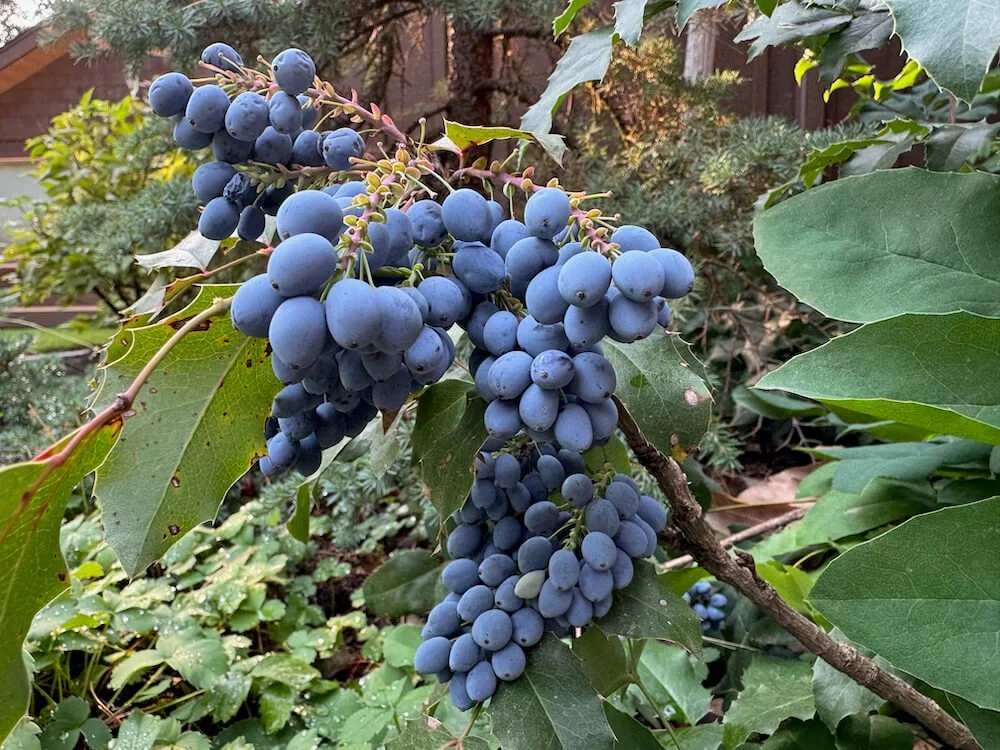
- Attracts bees, butterflies, and hummingbirds; blue berries are a food source for birds
About this plant
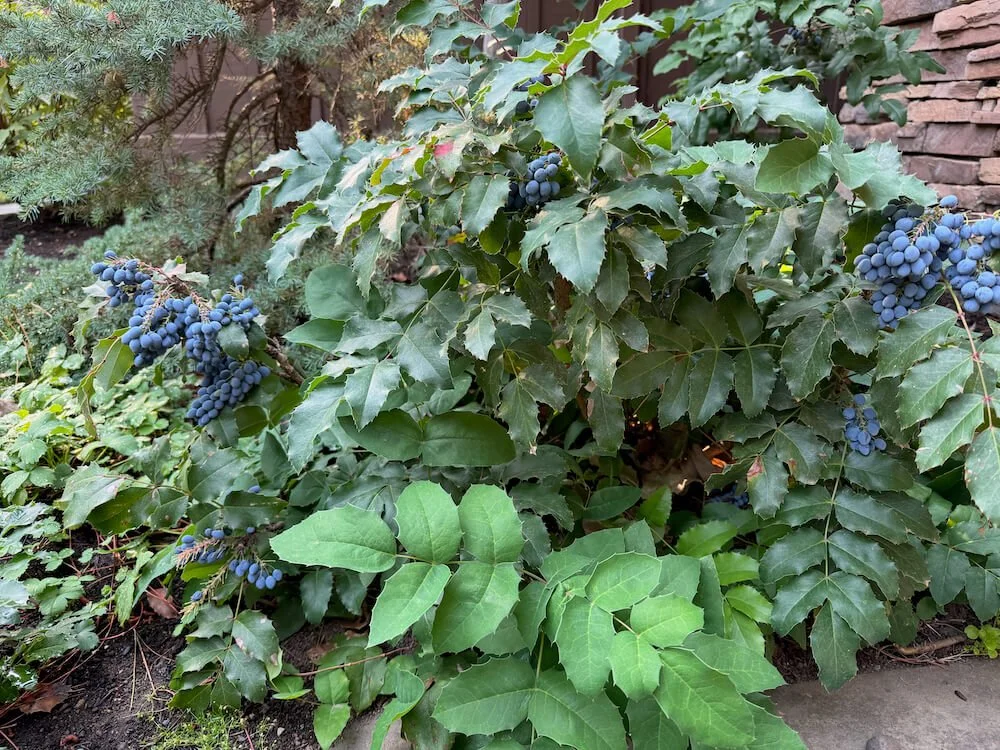
Mahonia repens, commonly known as Creeping Oregon Grape, is a hardy evergreen shrub native to North America. It thrives in woodland and rocky environments, offering vibrant yellow flowers that bloom in late winter to early spring. These blooms give way to clusters of blue berries that attract a variety of wildlife, including hummingbirds, bees, and butterflies. The plant's natural range spans dry, rocky slopes and open forests, making it a great choice for erosion control on slopes or as a groundcover in native or woodland gardens.
Mahonia repens low-growing, rhizomatous habit allows it to spread effectively, creating dense foliage that is drought-tolerant once established. The glossy, holly-like leaves turn a deep bronze hue in colder months, adding seasonal interest. As a deer-resistant and low-maintenance plant, it is an excellent addition to gardens seeking year-round greenery and ecological value.
Works well in
Native Gardens · Woodland Gardens · Slopes & Banks · Bird Gardens
Companion plants
Hydrangea · Viburnum · Pulmonaria · Japanese forest grass · Wood sorrel · Epimedium
Design tip
Use creeping Oregon grape as a spreading evergreen layer beneath taller shrubs or along slopes, where its low growth can knit together open areas of the planting. Allow it to form broad drifts rather than isolated specimens to take advantage of its groundcover habit and create a more naturalistic effect.
Where to see it
This plant can be seen at the Oregon Monrovia Display Garden.