Northwest Blooms · Vines
Hedera algeriensis 'Gloire de Marengo'
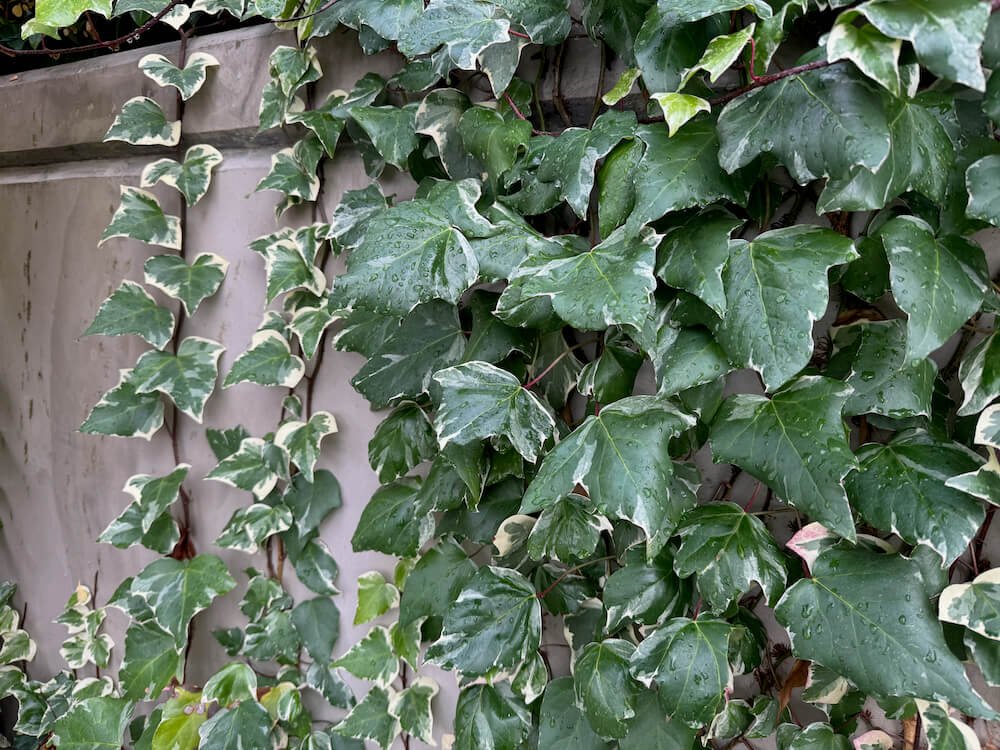
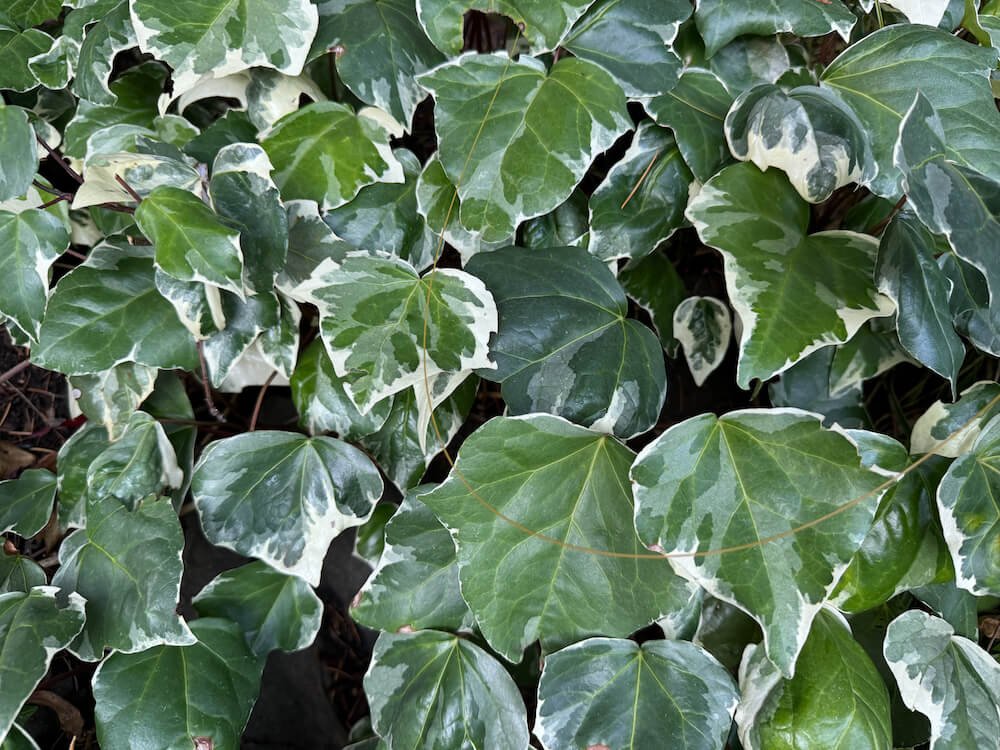
Gloire de Marengo Algerian Ivy
- Family
- Araliaceae
- Height
- 20 to 30 feet
- Width
- Varies with support or spread
- Flower color
- Small, yellow-green (not ornamental)
- Foliage color
- Variegated green with creamy white edges
- Bloom time
- Late summer to early fall
- Light
- Partial shade to full shade
- Water
- Moderate
- Maintenance
- Low; can be pruned to control growth
- Growing zone
- USDA zones 6 to 10
- Wildlife
- Attracts bees when flowering, provides shelter for small wildlife
About this plant
Hedera algeriensis 'Gloire de Marengo' is a vibrant, variegated form of Algerian Ivy, admired for its large, leathery leaves that feature striking cream or silvery-white margins around deep green centers. The leaves are often tinged with pink or red, especially in cooler weather, adding to the plant's year-round visual appeal. The glossy texture of the foliage catches light beautifully, making this variety stand out in both shaded and sunny locations.
In late summer to early fall, 'Gloire de Marengo' produces small clusters of greenish-yellow flowers. These flowers are subtle and often overlooked, but they later give way to dark, spherical berries in late fall or winter, which can persist through the colder months and attract birds.
This cultivar originates from North Africa, like its parent species, Hedera algeriensis. It was developed in Europe and named 'Gloire de Marengo' to honor the 1800 Battle of Marengo, a significant French military victory. It has since become a popular ornamental plant for walls, trellises, and ground cover, appreciated for its elegant variegation and adaptability.
Works well in
Arbors & Trellises · Fences & Walls · Shade Gardens · Woodland Gardens · Pollinator Gardens
Companion plants
Hostas · Bleeding hearts · Solomon's seal · Hydrangeas
Design tip
Fall bloom is its strength, and it earns a place near a path or seating area used late in the year. Train the main stems early on a trellis or fence so the growth spreads sideways rather than bunching at the top.