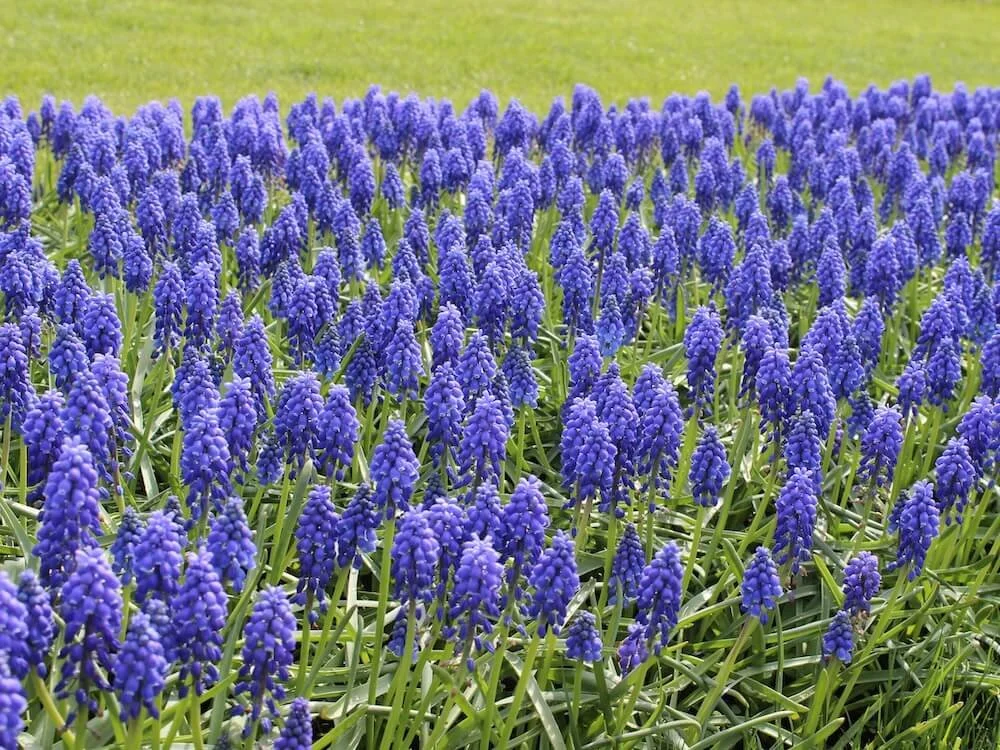
 1 / 4
1 / 4Key characteristics
- Family
- Asparagaceae
- Height
- 6 to 10 in
- Width
- 4 to 6 in
- Flower color
- Deep blue dense clusters of urn-shaped flowers (grape-like)
- Foliage color
- Medium to bright green, narrow grass-like leaves
- Bloom time
- Early to mid spring
- Light
- Full sun to partial shade
- Water
- Moderate moisture
- Maintenance
- Low, remove spent flower stalks after bloom, allow foliage to die back naturally before removal, divide crowded clumps in fall after dormancy
- Growing zone
- USDA zones 3 to 9
- Wildlife
- Bees and early-season pollinators
Bulbs
Muscari armeniacum
Grape Hyacinth
Muscari armeniacum produces compact spikes of tightly packed, urn-shaped flowers in deep cobalt blue, often accented by a lighter rim at each floret opening. Blooming in mid to late spring, the blossoms emerge above narrow, grasslike green leaves that appear in early season and create a soft, upright backdrop. The flower clusters develop from the base upward, extending the display as spring progresses.
Native to southeastern Europe and western Asia, this species has been cultivated in gardens for centuries.
Works well in
- Borders
- Cottage Gardens
- Under Trees
- Woodland Gardens
- Rock Gardens
Companion plants
Hardy geraniums · Hostas · Ferns · Daffodils · Creeping phlox · Columbines
Design tip
The early flowers arrive when the garden is still waking up, so give it a spot you pass often in spring. Drift them in uneven groups for a natural look, and interplant with perennials that fill the gap after the leaves die back.
More bulbs
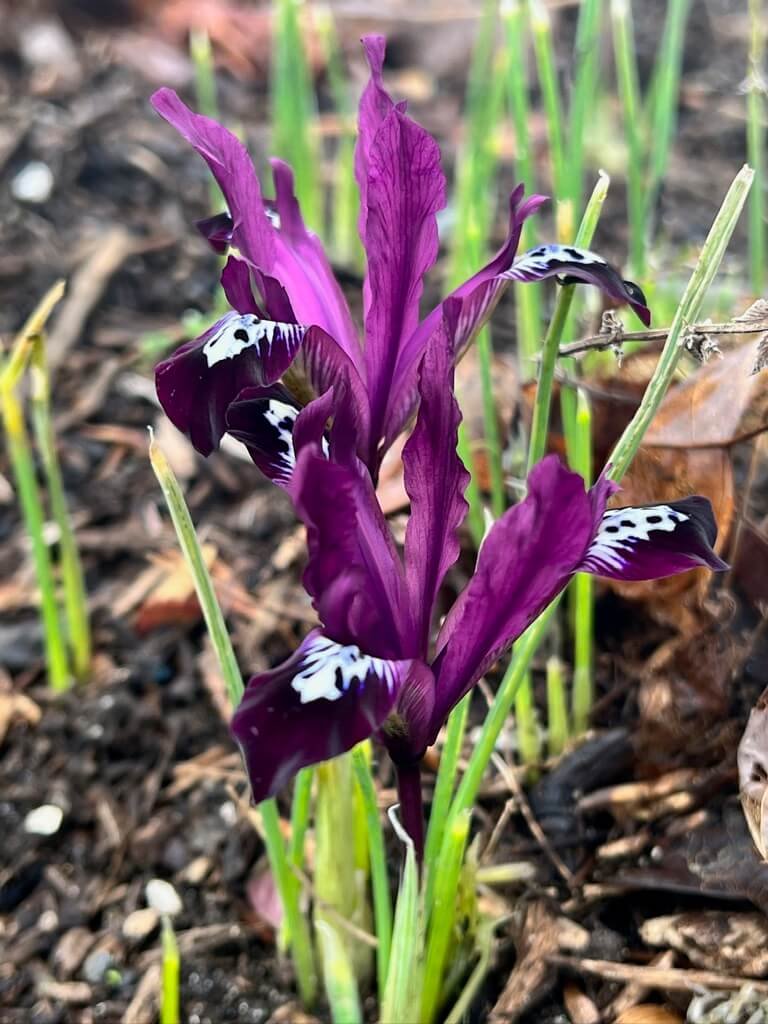
Iris reticulata ‘Spot On’
Spot On Dwarf Iris
Blooms blue-violet with white and yellow markings
Full sun to partial shade
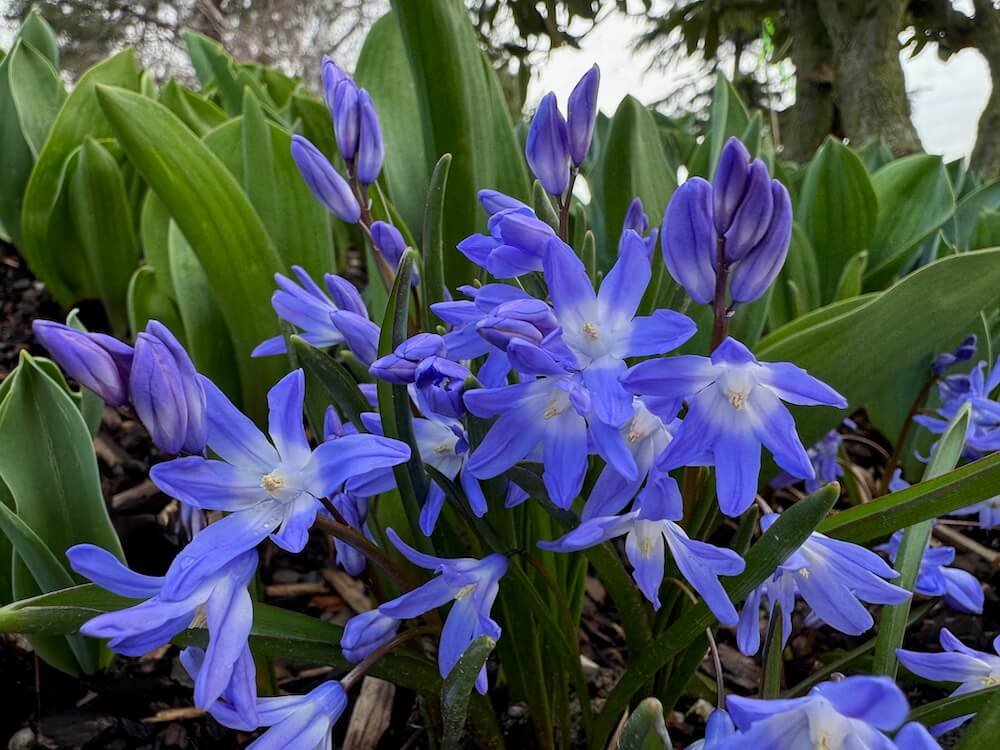
Scilla forbesii
Glory of the Snow
Blooms bright cobalt blue to violet-blue star-shaped flowers on short upright stems
Full sun to partial shade
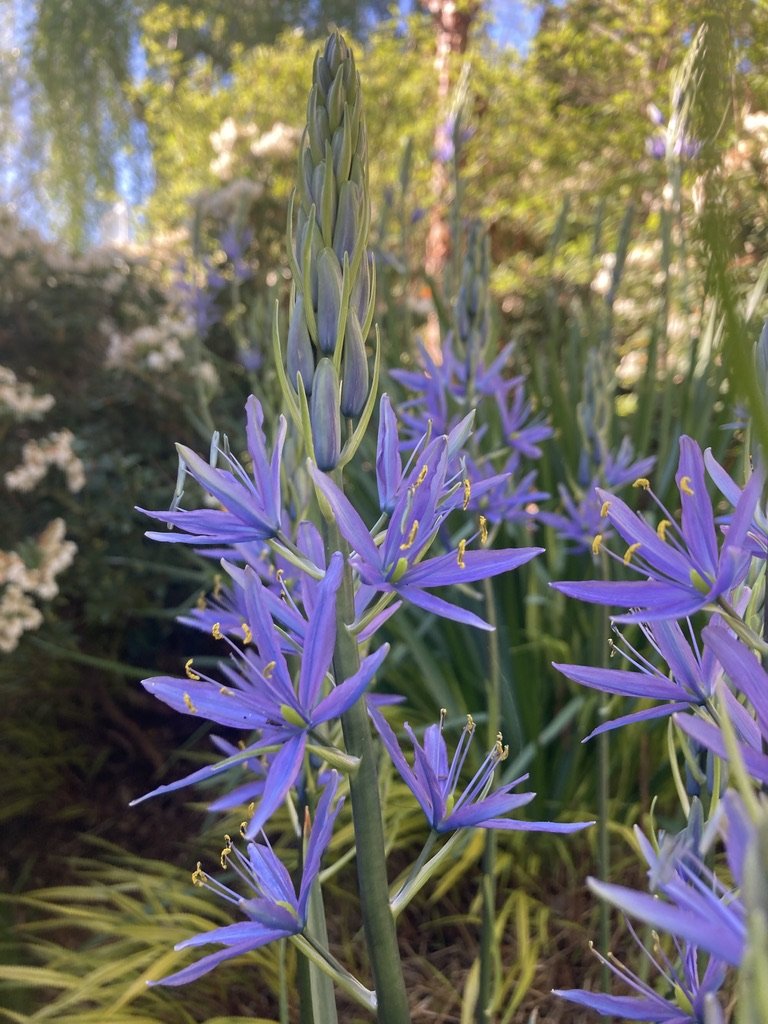
Camassia quamash
Common Camas
Blooms pale to deep blue
Full sun to part shade
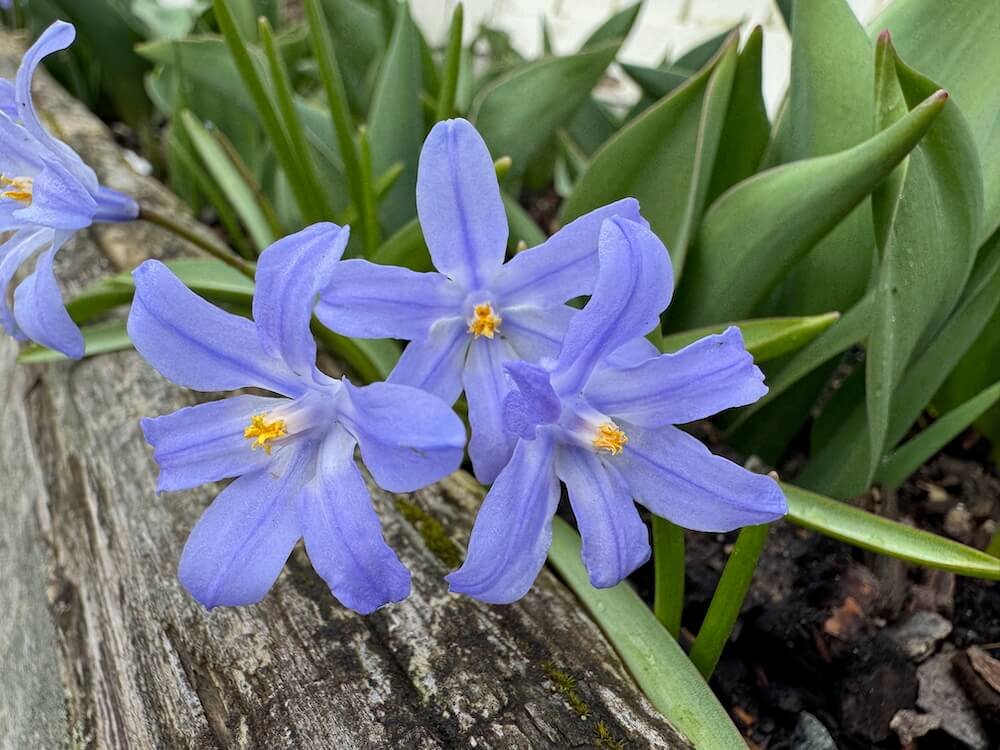
Scilla luciliae
Lucile's Glory of the Snow
Blooms star-shaped light blue to lavender flowers with a white center
Full sun to partial shade