 1 / 4
1 / 4Key characteristics
- Family
- Amaryllidaceae
- Height
- 12 to 20 in
- Flower color
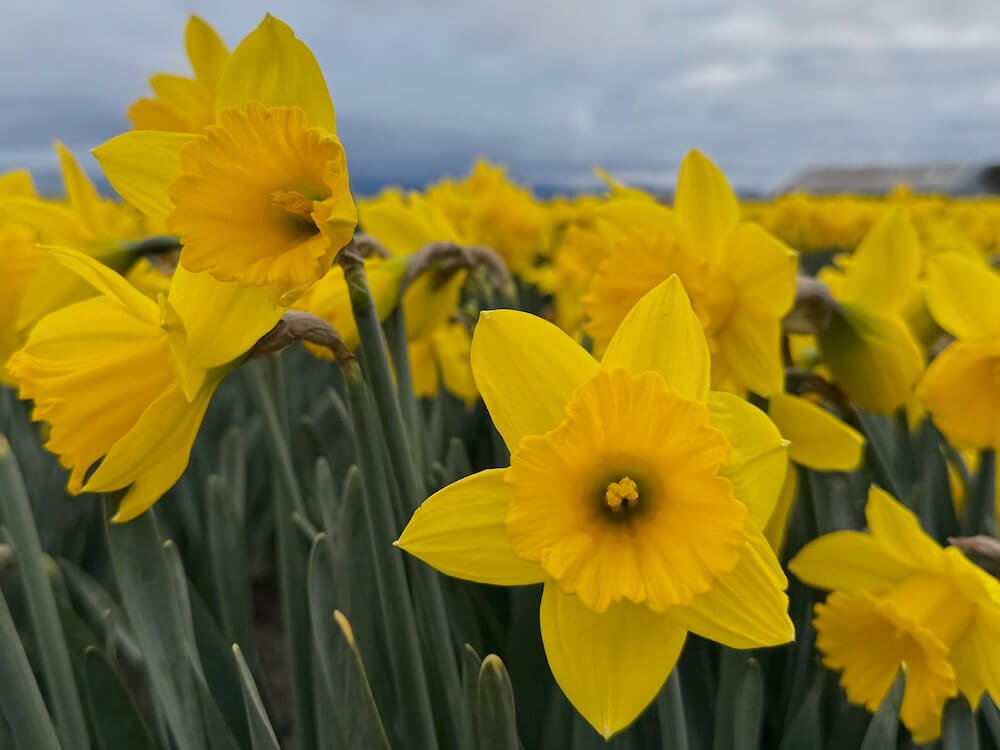
- Pale yellow petals with a darker yellow central trumpet
- Foliage color
- Gray-green to blue-green, long narrow basal leaves
- Bloom time
- Early to mid spring
- Light
- Full sun to partial shade
- Water
- Moderate
- Maintenance
- Low, remove spent flowers to prevent seed formation, allow foliage die back naturally before removal
- Growing zone
- USDA zones 3 to 9
- Wildlife
- Occasional visits from bees and other spring pollinators
Bulbs
Narcissus pseudonarcissus
Flower Carpet Daffodil
Narcissus pseudonarcissus bears clear yellow flowers with broad outer petals surrounding a long, flared trumpet in matching golden tones that brighten early spring landscapes. Smooth, blue-green foliage rises in upright clumps, giving the plant a clean, architectural appearance as buds open. The overall habit is tidy and dependable, with each stem presenting a single, well-defined bloom that brings steady color to seasonal plantings.
This trumpet daffodil blooms in early to mid spring and is native to western Europe.
Works well in
- Borders
- Cottage Gardens
- Under Trees
- Woodland Gardens
- Containers
Companion plants
Bergenias · Sedums · Forget-me-nots · Japanese anemones · Bleeding hearts · Catmint
Design tip
The early flowers arrive when the garden is still waking up, so give it a spot you pass often in spring. Drift them in uneven groups for a natural look, and interplant with perennials that fill the gap after the leaves die back.
Where to see it
This plant can be seen at Roozengaarde.
More bulbs
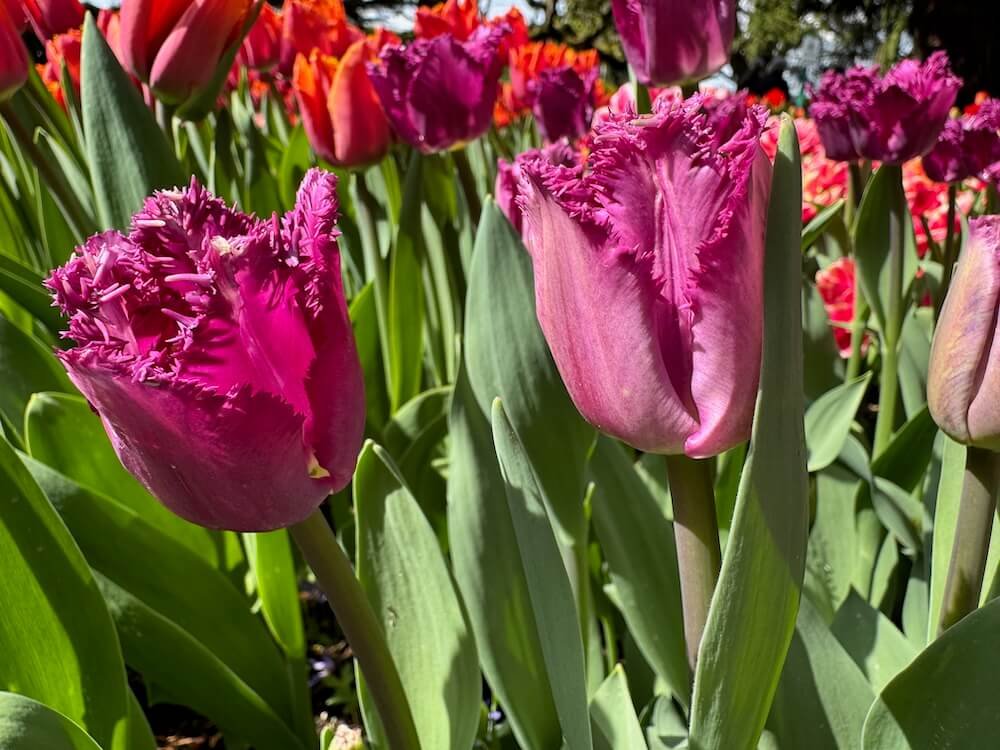
Tulipa 'San George'
San George Fringed Tulip
Blooms royal purple blossoms with lightly fringed petal edges
Full sun to part sun
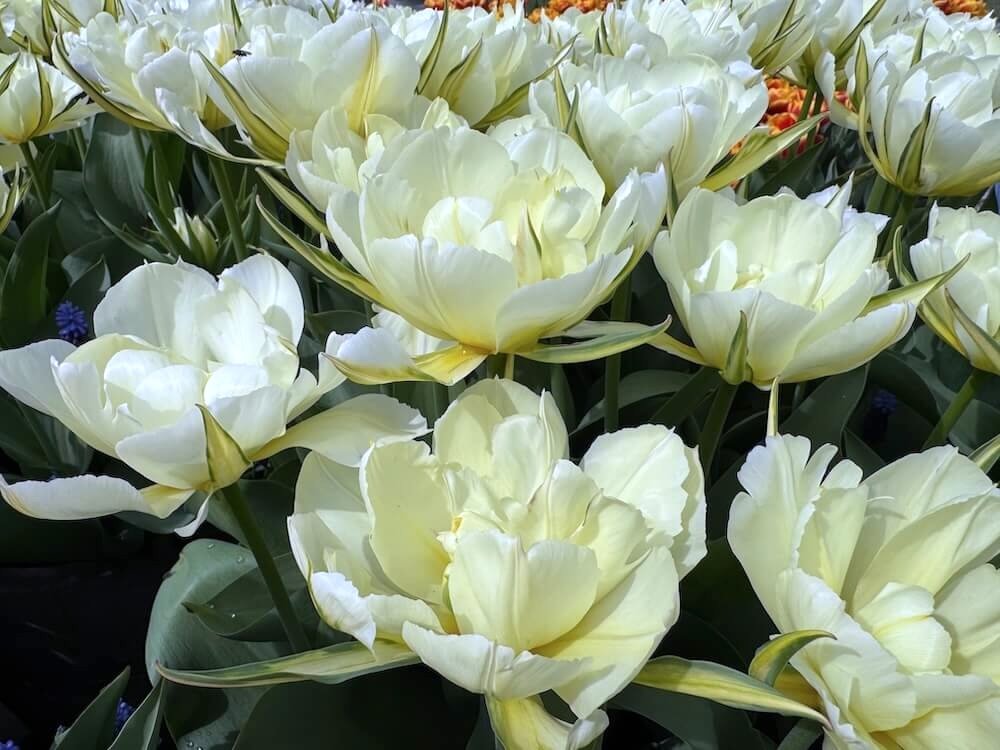
Tulipa 'Exotic Emperor'
Exotic Emperor Fosteriana Tulip
Blooms creamy white with green feathering and subtle green flames on the petals
Full sun
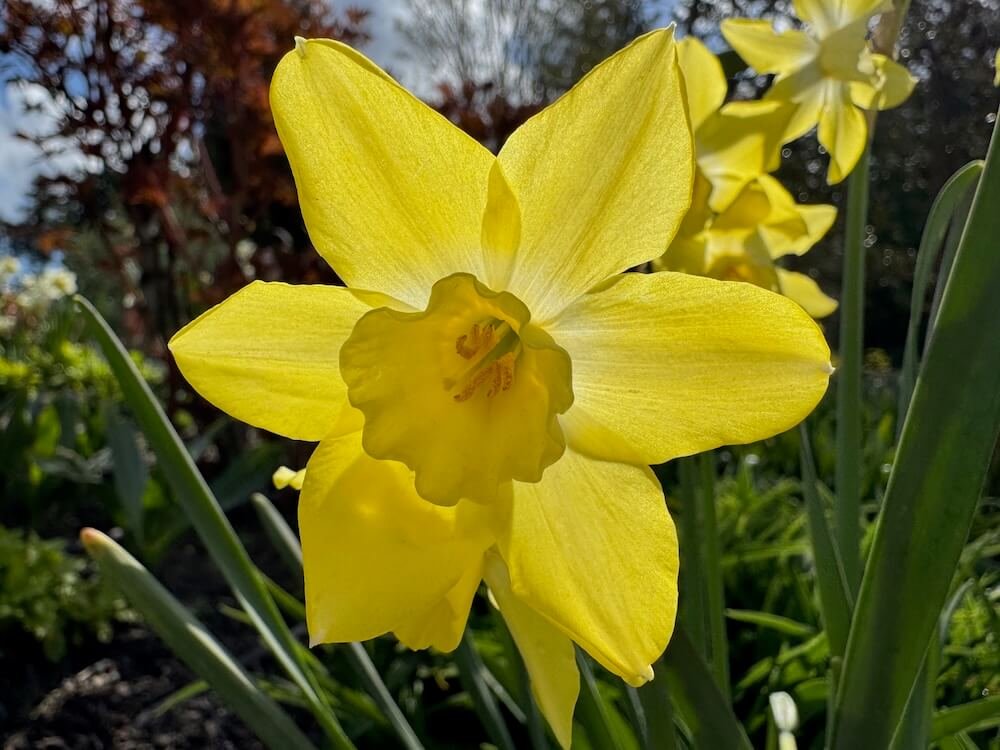
Narcissus 'Pipit'
Pipit Daffodil
Blooms lemon yellow flowers that mature to creamy white to white in the cup and at the base of the petals
Full sun to partial shade
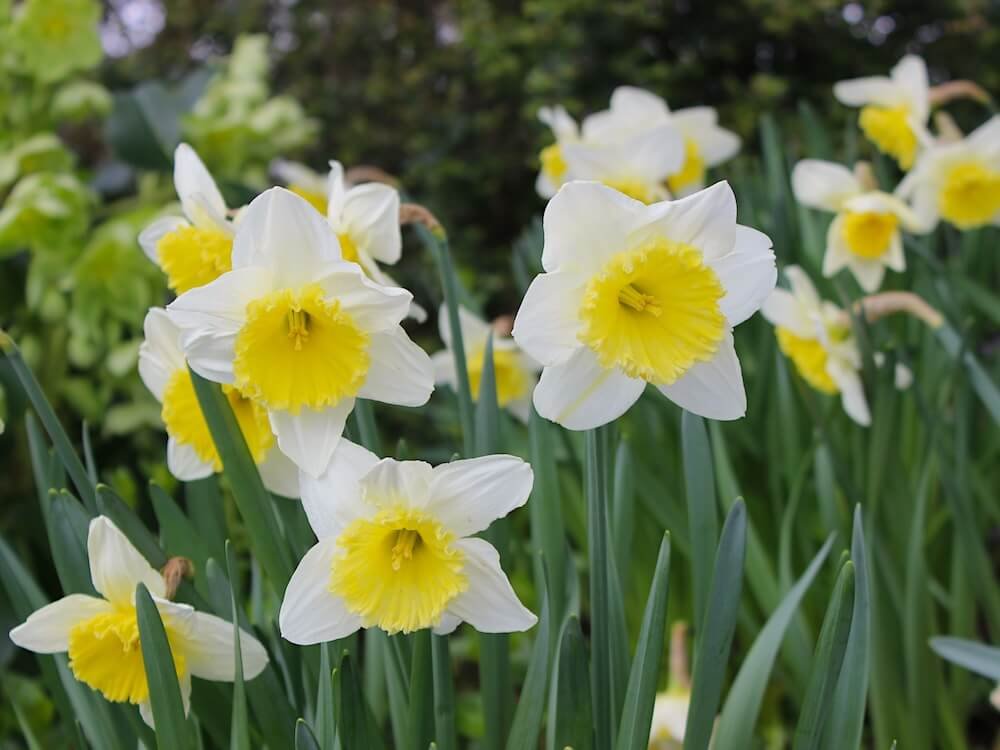
Narcissus 'Ice Follies'
Ice Follies Daffodil
Blooms white petals with a ruffled yellow cup
Full sun to partial shade