 1 / 3
1 / 3Key characteristics
- Family
- Ranunculaceae
- Height
- 6 to 10 in
- Width
- 6 to 12 in
- Flower color
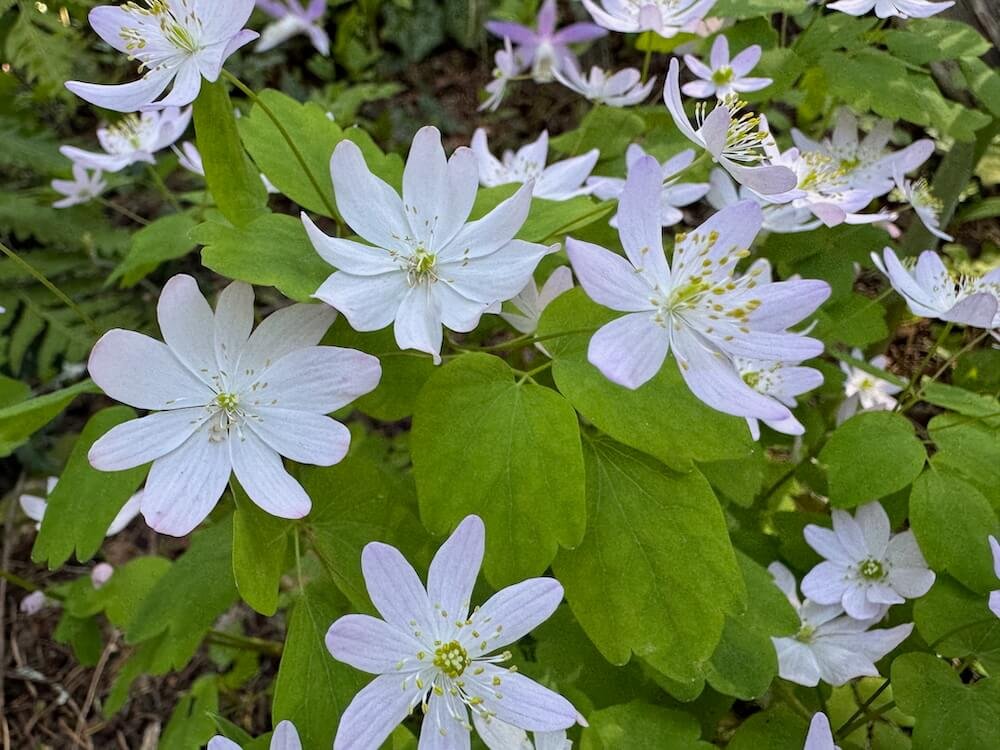
- Soft white to pale pink, solitary saucer-shaped blooms with contrasting yellow centers
- Foliage color
- Medium green, delicate compound leaves
- Bloom time
- Early spring
- Light
- Partial shade to light shade
- Water
- Moderate moisture
- Maintenance
- Low; remove spent flowers to tidy planting, allow foliage to die back naturally after bloom
- Growing zone
- USDA zones 4 to 8
- Wildlife
- Bees and other early-season pollinators
Groundcovers
Anemonella thalictroides
Rue Anemone
Anemonella thalictroides produces delicate, star-shaped flowers in shades of soft white to pale pink, often accented by yellow stamens. Blooming in early to mid spring, the blossoms float above finely divided, blue-green foliage with a fernlike texture. Slender stems create an airy appearance that complements its gentle woodland character.
Native to eastern North America, this spring ephemeral emerges briefly before summer dormancy. It is well suited to woodland gardens, shaded borders, and naturalized plantings beneath deciduous trees.
Works well in
- Pollinator Gardens
- Woodland Gardens
- Borders
- Rock Gardens
Companion plants
Trilliums · Virginia bluebells · Ferns · Hellebores · Hostas · Epimediums
Design tip
Reserve this delicate spring ephemeral for intimate garden spaces where its fine texture can be appreciated without being overshadowed by larger plants. Woodland trails, small clearings, and shaded seating areas all provide ideal settings for close viewing.
Where to see it
This plant can be seen at Heronswood Gardens.
More groundcovers
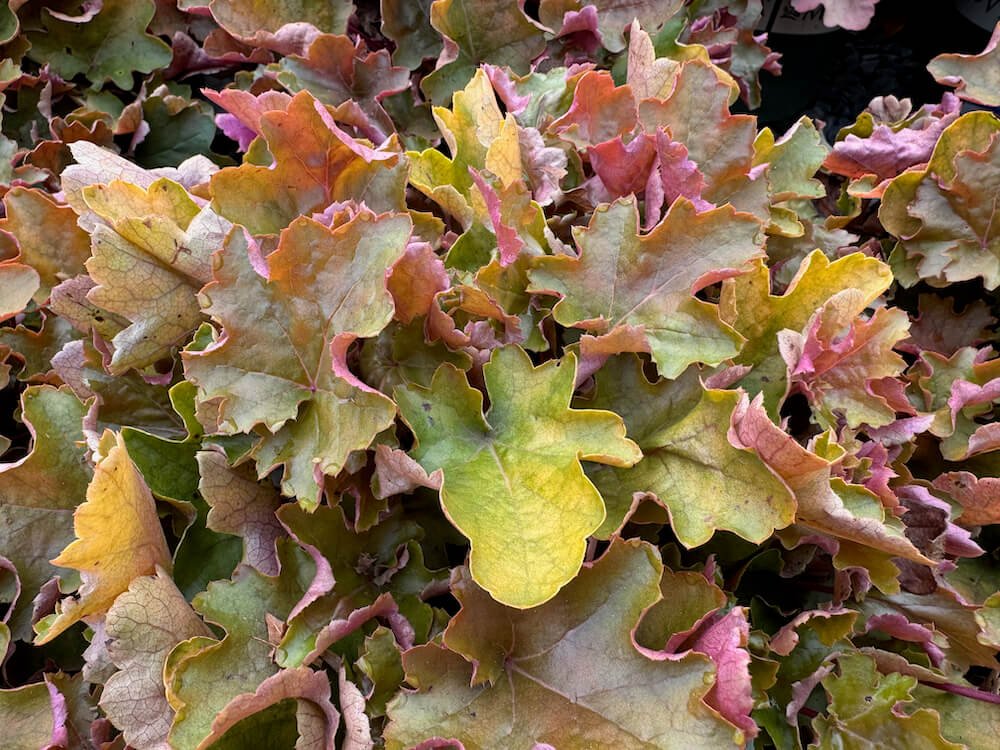
Heuchera 'Doheugaberu'
Sienna Sunrise Coral Bells
Blooms white to light pink
Partial shade to full sun
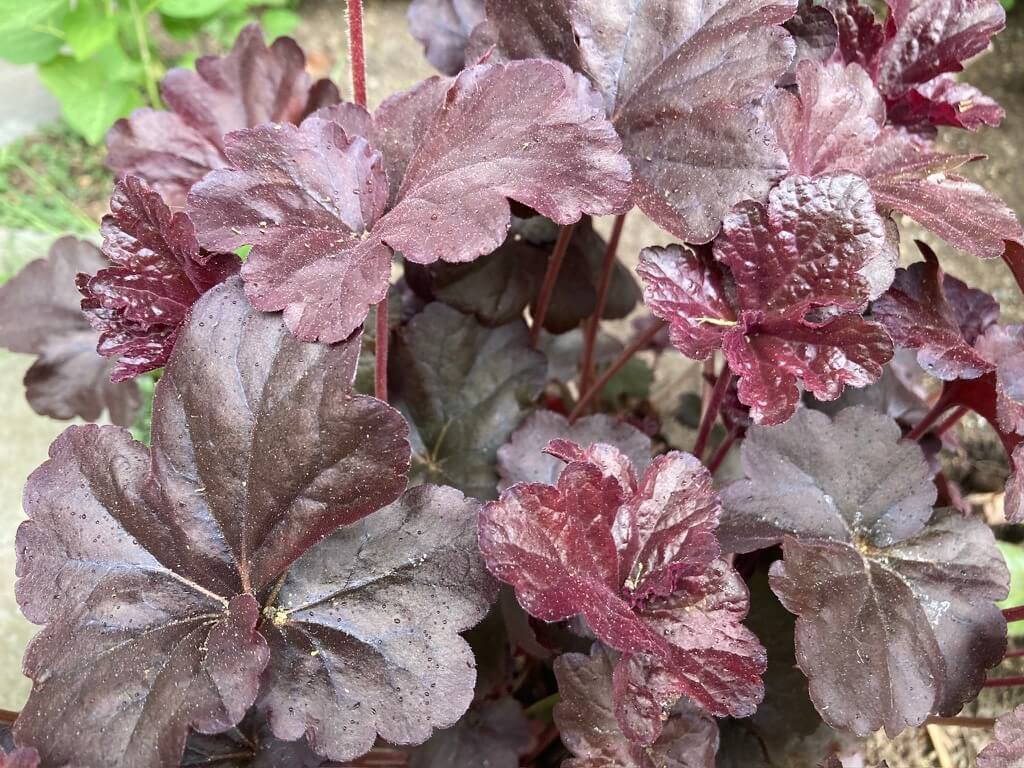
Heuchera ‘Obsidian’
Obsidian Coral Bells
Blooms delicate flowers on airy spikes range from cream to light pink
Partial sun to full shade
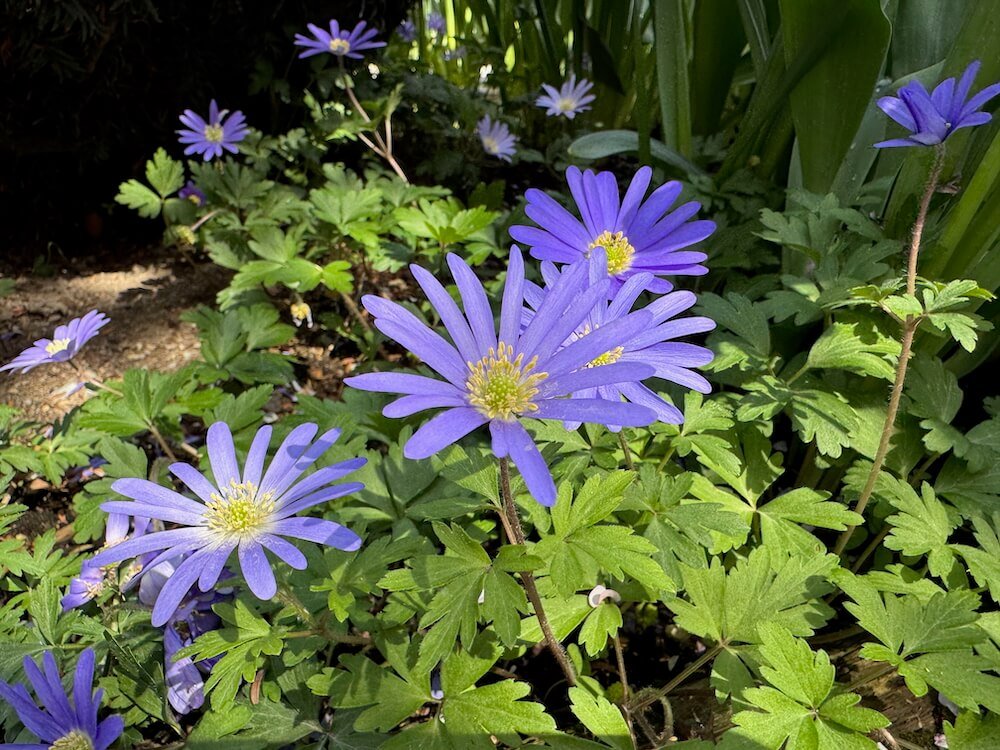
Anemonoides blanda
Grecian Windflower
Blooms bright blue, violet-blue, white, or pale pink, with a contrasting yellow center
Full sun to part shade
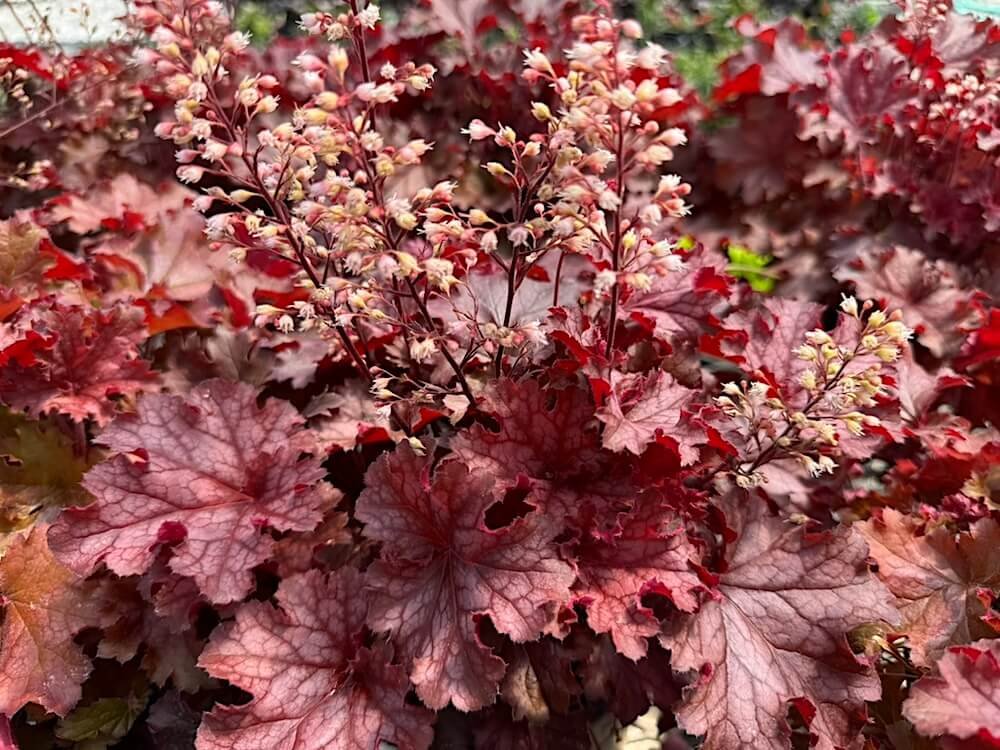
Heuchera 'Ruby Tuesday'
Ruby Tuesday Coral Bells
Blooms white to pale pink
Partial shade to full sun