 1 / 5
1 / 5Key characteristics
- Family
- Rosaceae
- Height
- 6 to 12 inches
- Width
- 3 to 5 feet
- Flower color
- Small flowers that can range from pink to white
- Foliage color
- Dark green, glossy leaves
- Bloom time
- Late spring to early summer
- Light
- Partial shade
- Water
- Prefers moist, well-drained soil
- Maintenance
- Low
- Growing zone
- USDA Hardiness Zones 5 to 8
- Wildlife
- Attracts pollinators with its flowers
Groundcovers
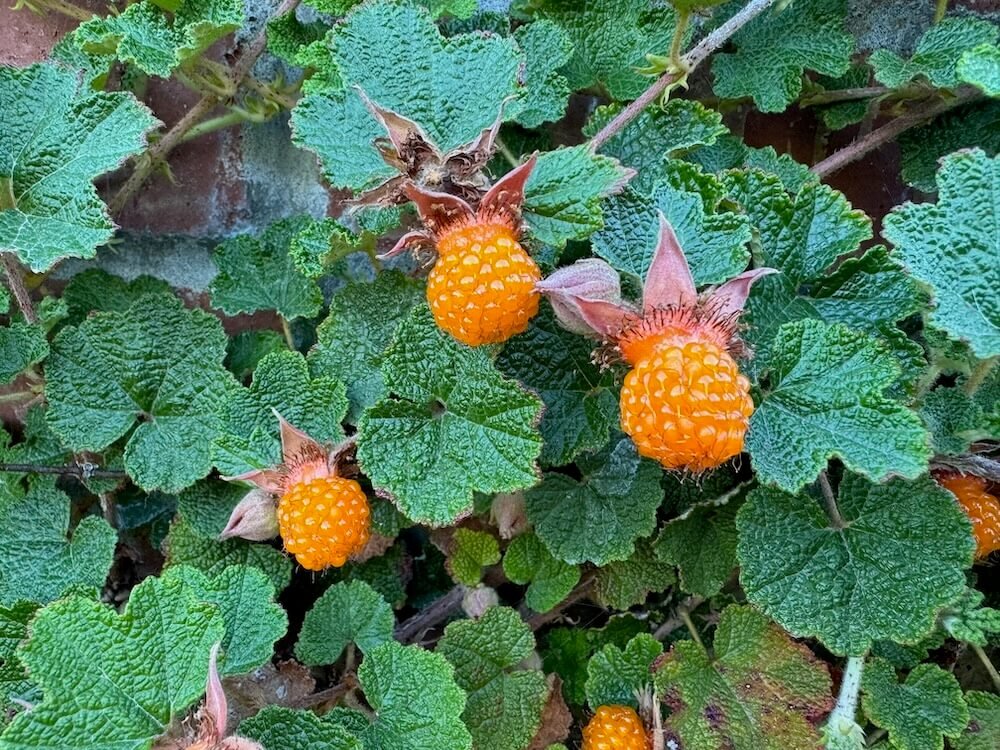
Rubus calycinoides
Creeping Raspberry
Rubus calycinoides produces small, five-petaled white flowers in late spring to early summer, attracting bees and other pollinators before developing ornamental orange to red berries that mature to nearly black. Rounded, leathery leaves are deep green with a glossy, quilted surface that turns rich shades of bronze and burgundy during cooler weather, creating year-round texture and color. Trailing stems root as they spread, forming a dense evergreen carpet that effectively covers the ground while suppressing weeds and stabilizing slopes.
Works well in
- Woodland Gardens
- Slopes & Banks
- Pollinator Gardens
- Under Trees
Companion plants
Acorus · Skimmias · Heucheras · Blechnums · Carexes · Hellebores
Design tip
Allow this evergreen groundcover to spread naturally across shaded slopes or beneath trees where it can soften the landscape year-round. Layer evergreen shrubs, bold foliage, and contrasting woodland textures to create a stable planting with depth, seasonal interest, and natural character.
More groundcovers
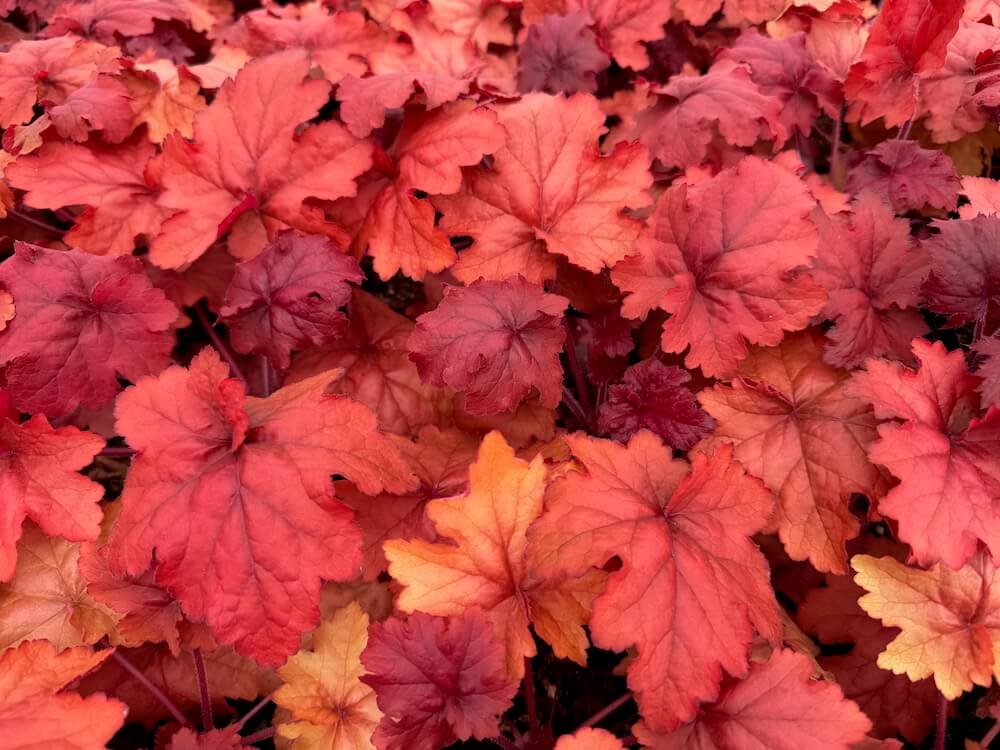
Heuchera 'Fire Alarm'
Fire Alarm Coral Bells
Blooms white to pale pink
Partial shade to full sun
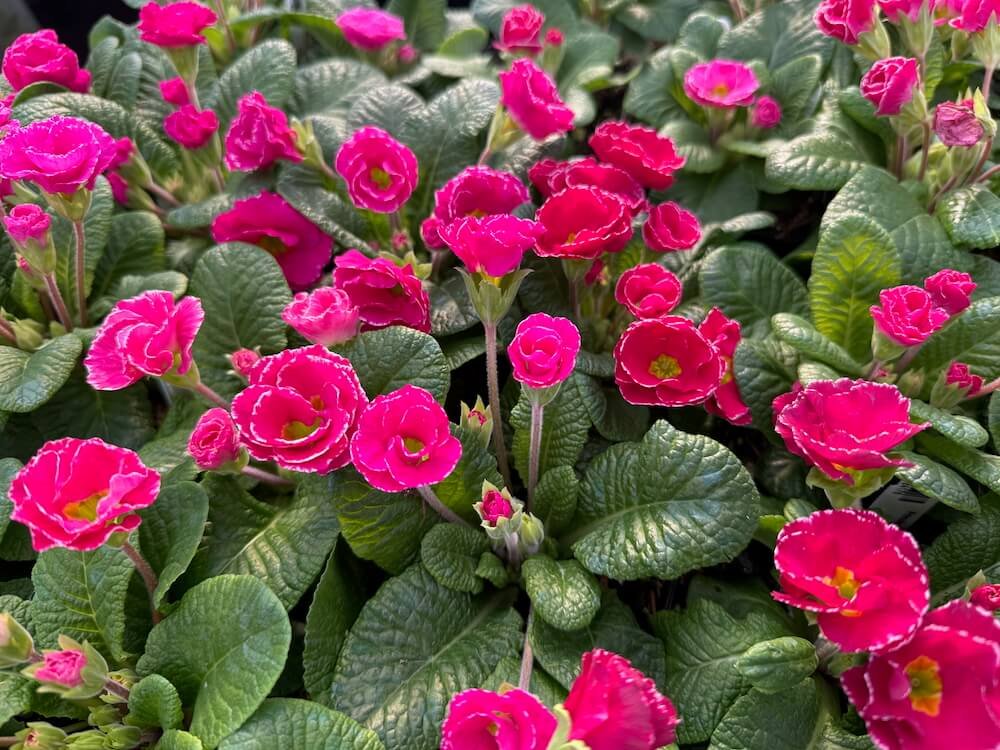
Primula 'Rose Edge'
Rose Edge Primrose
Blooms rosy pink flowers with yellow centers and white edges
Partial shade
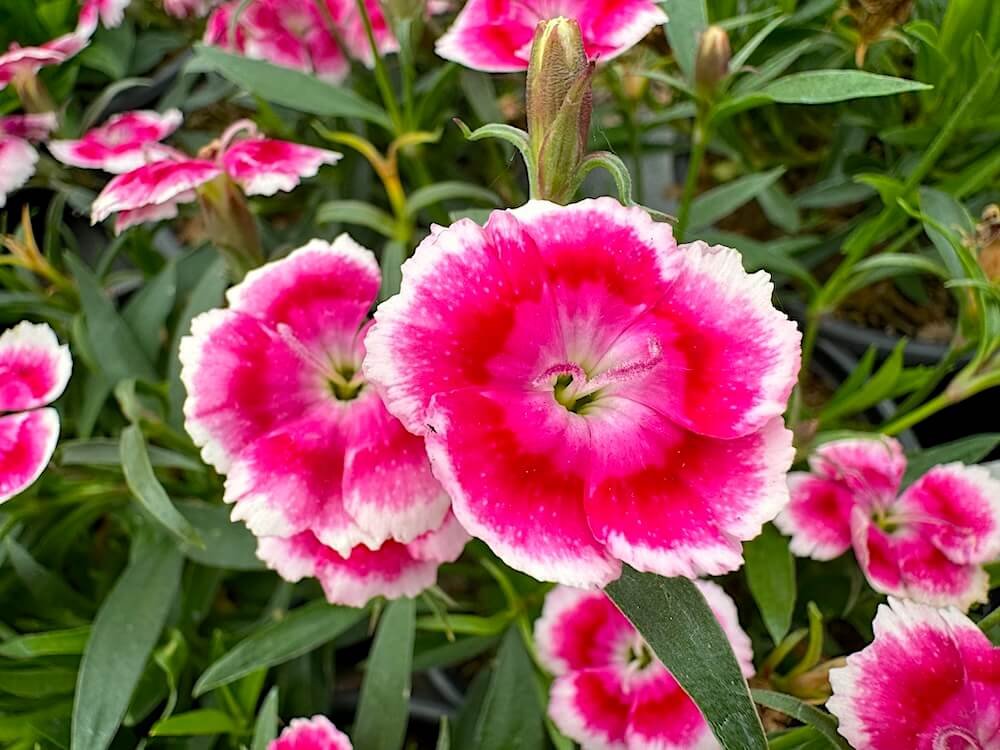
Dianthus 'Olivia Bella'
Olivia Bella Dianthus
Blooms dark pink with a red eye and white edge
Full sun
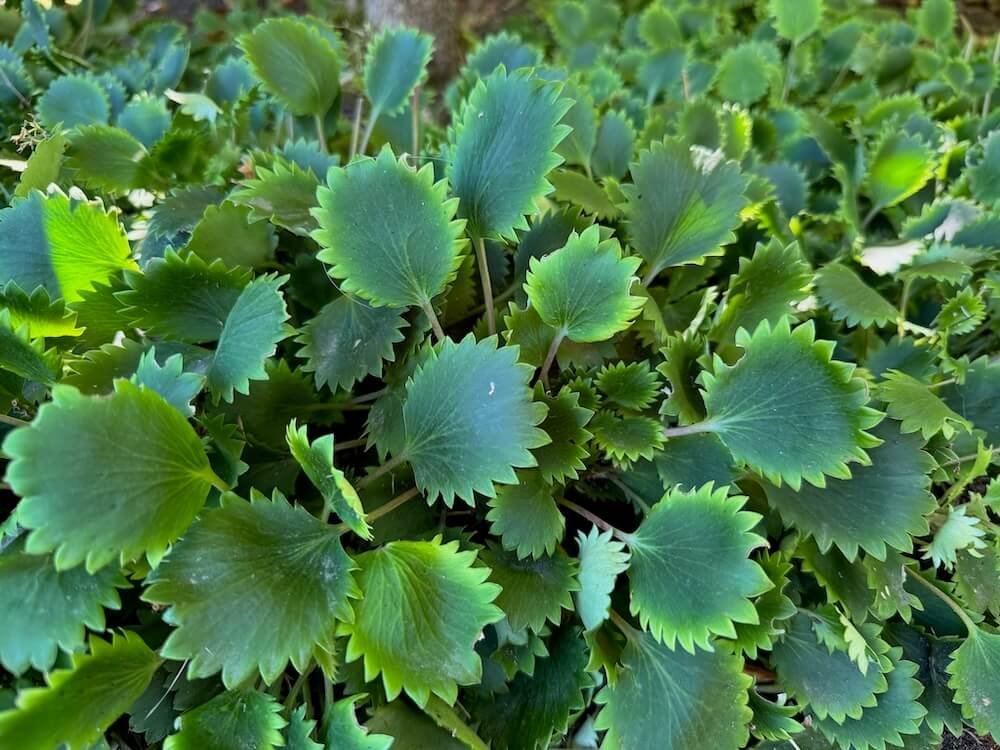
Saxifraga x geum ‘Dentata’
Dentata Saxifrage
Blooms white or light pink
Partial shade to full shade