 1 / 5
1 / 5Key characteristics
- Family
- Violaceae
- Height
- 3 to 6 inches
- Width
- 6 to 12 inches
- Flower color
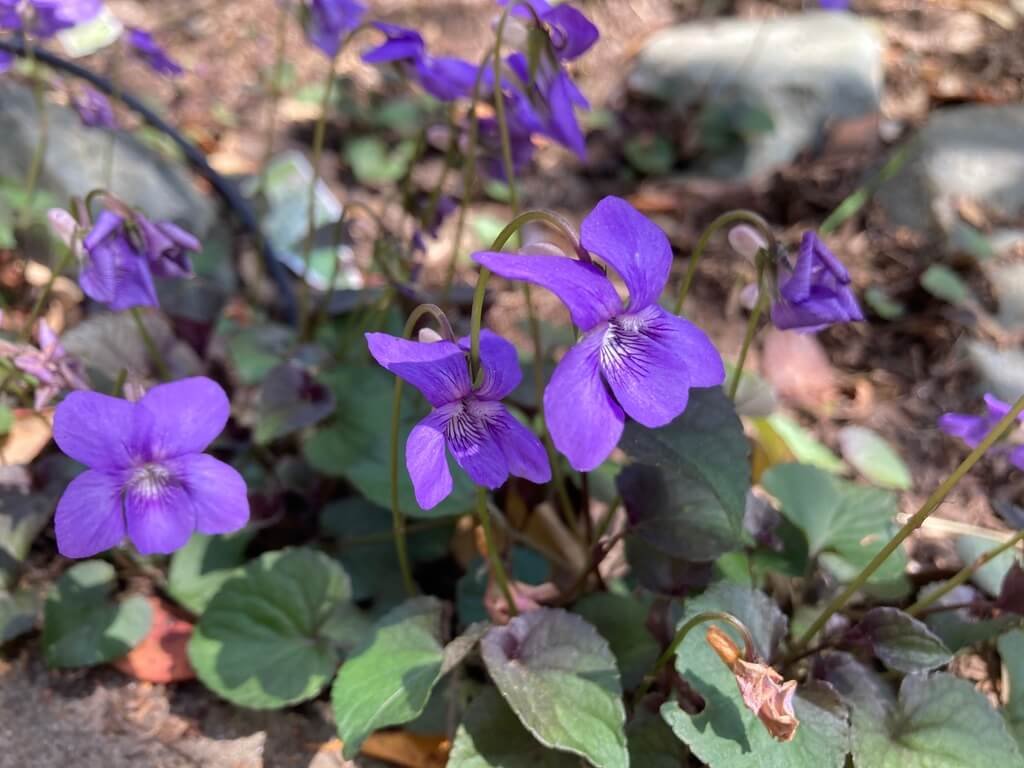
- Deep purple
- Foliage color
- Green
- Bloom time
- Spring to early summer
- Light
- Part shade to full shade
- Water
- Medium; prefers moist, well-draining soil
- Maintenance
- Low; remove spent flowers to promote reblooming
- Growing zone
- USDA zones 3 to 9
- Wildlife
- The flowers attract bees and butterflies
Groundcovers
Viola labradorica
Labrador Violet
Viola labradorica, commonly known as Labrador violet, is a charming perennial native to North America, prized for its dainty, deep violet-purple flowers and attractive heart-shaped leaves with purple undersides. Belonging to the Violaceae family, this low-growing plant thrives in shady areas, forming spreading clumps of semi-evergreen foliage that provide year-round interest in mild climates.
Ideal for shaded or partially shaded gardens, it is often used as ground cover in woodland gardens, shaded borders, and rock gardens.
Works well in
- Under Trees
- Woodland Gardens
- Rock Gardens
- Pollinator Gardens
Companion plants
Epimediums · Sarcococcas · Pulmonarias · Japanese forest grasses · Omphalodes · Primroses
Design tip
Tuck small groups into shaded openings where their spring flowers can emerge naturally between ferns and woodland perennials. Repeat patches of violet blooms beneath trees to create a relaxed, naturalized look that gains richness as the planting matures.
More groundcovers
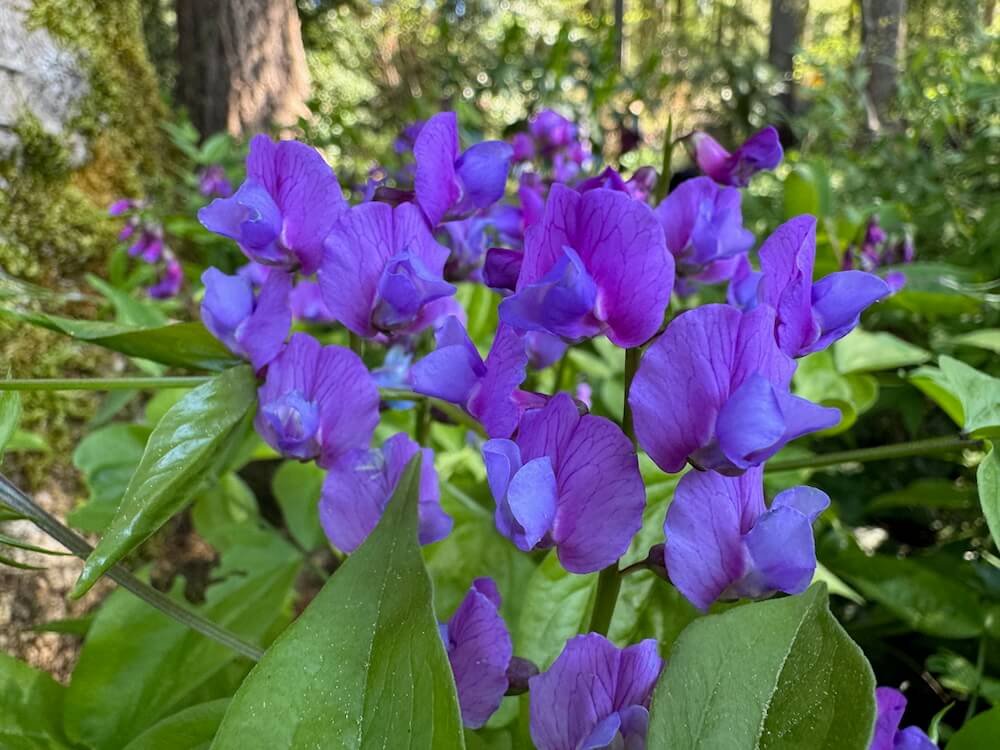
Lathyrus vernus
Spring Pea
Blooms deep purple to violet, often fading to blue tones with age
Partial shade to full sun
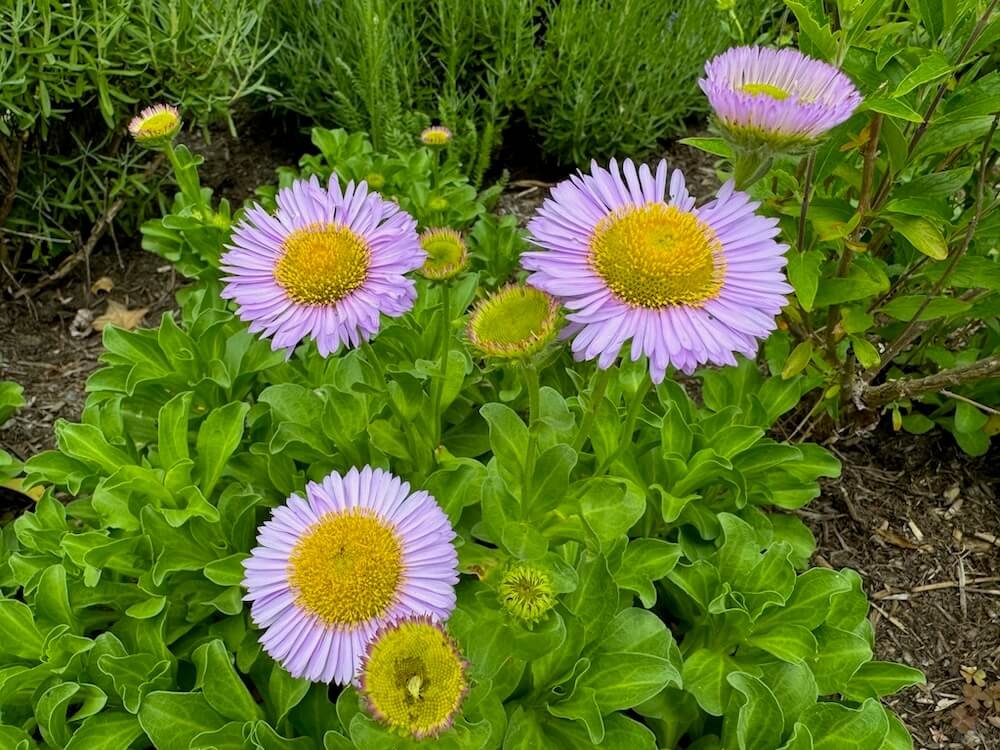
Erigeron glaucus ‘Bountiful’
Seaside Daisy
Blooms lavender to purple with yellow centers
Full sun to partial shade
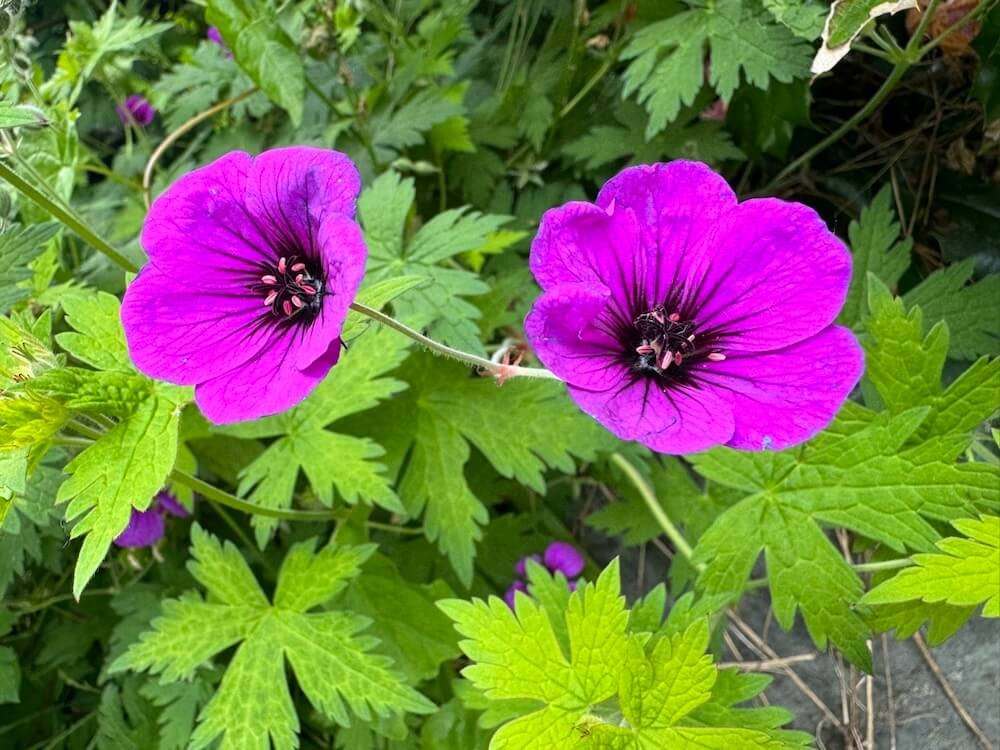
Geranium 'Ann Folkard'
Ann Folkard Cranesbill
Blooms magenta-purple with a black center
Full sun to partial shade
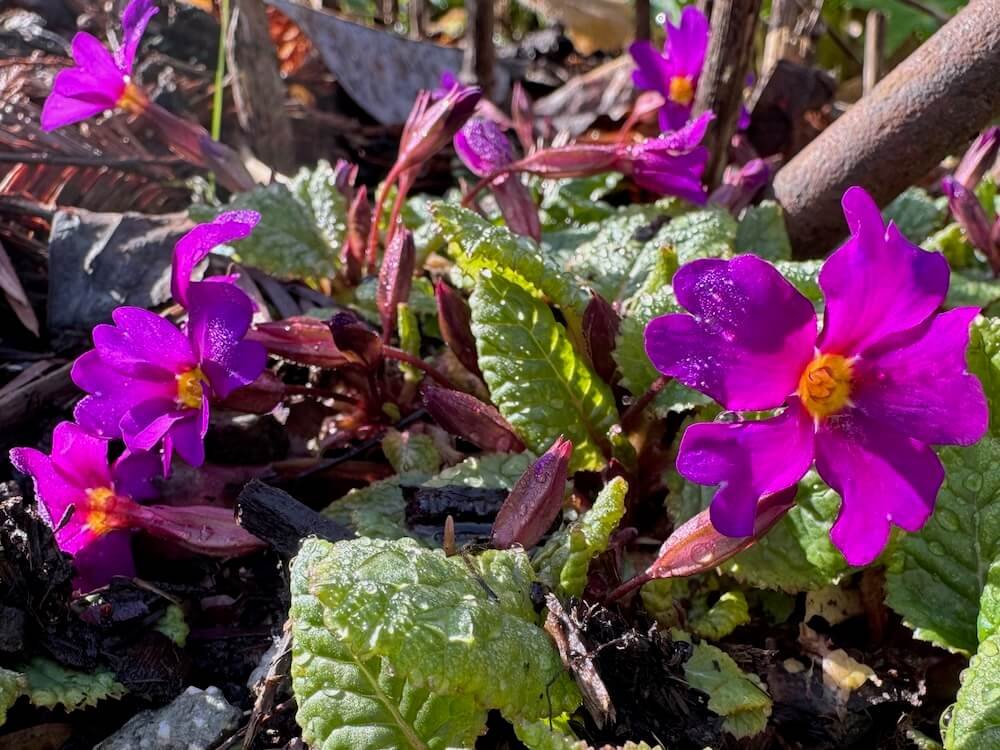
Primula x pruhonicensis 'Wanda'
Wanda Primrose
Blooms rich magenta to deep purplish-pink with a small yellow eye
Part shade to light shade