 1 / 5
1 / 5Key characteristics
- Family
- Ranunculaceae
- Height
- 3 to 6 inches
- Width
- 3 to 6 inches
- Flower color
- Bright yellow
- Foliage color
- Dark green
- Bloom time
- Late winter to early spring
- Light
- Partial shade to full sun
- Water
- Moist, well-draining soil
- Maintenance
- Low; occasional watering once established
- Growing zone
- 4 to 8
- Wildlife
- Attracts pollinators such as bees
Groundcovers
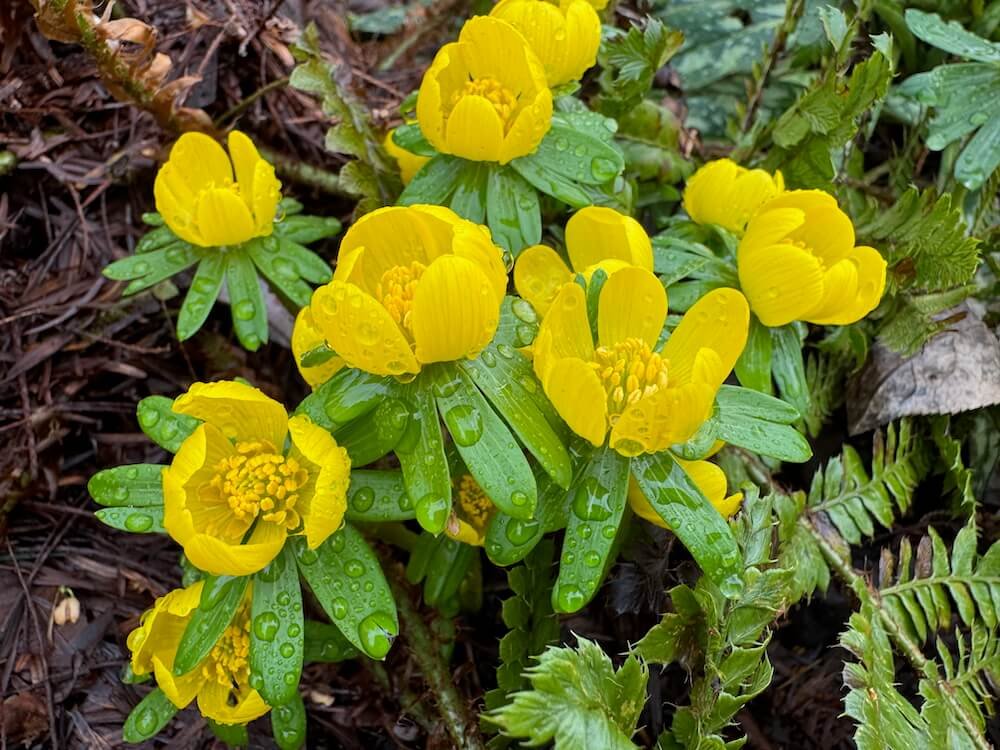
Eranthis hyemalis
Winter Aconite
Eranthis hyemalis, commonly known as Winter Aconite, is a cheerful perennial plant in the buttercup family, Ranunculaceae, typically reaching a height and spread of 3-6 inches. Emerging in late winter to early spring, it bears bright yellow, cup-shaped flowers atop sturdy stems, often appearing before its glossy, dark green, lobed leaves fully develop into a basal rosette. Preferring partial shade to full sun and thriving in moist, well-draining soil, Winter Aconite is relatively low-maintenance, requiring only occasional watering once established.
Works well in
- Woodland Gardens
- Under Trees
- Rock Gardens
- Pollinator Gardens
Companion plants
Snowdrops · Lenten roses · Primroses · Wild ginger · Brunneras · Japanese forest grass
Design tip
Plant generous drifts where they will be easily seen from windows or frequently used walkways during late winter. Repeating clusters beneath deciduous trees creates cheerful ribbons of color that brighten the landscape well before the main spring display begins.
More groundcovers
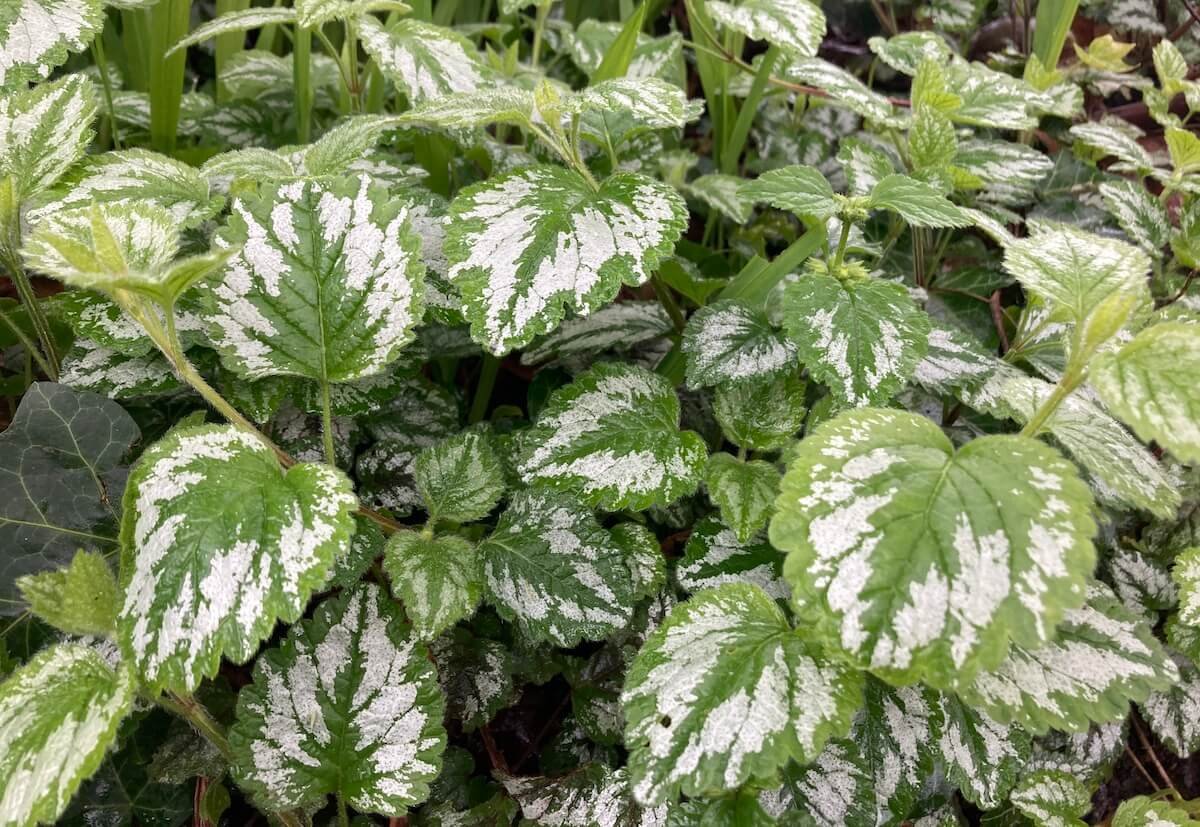
Lamium galeobdolon
Golden Deadnettle
Blooms yellow
Partial shade to full shade
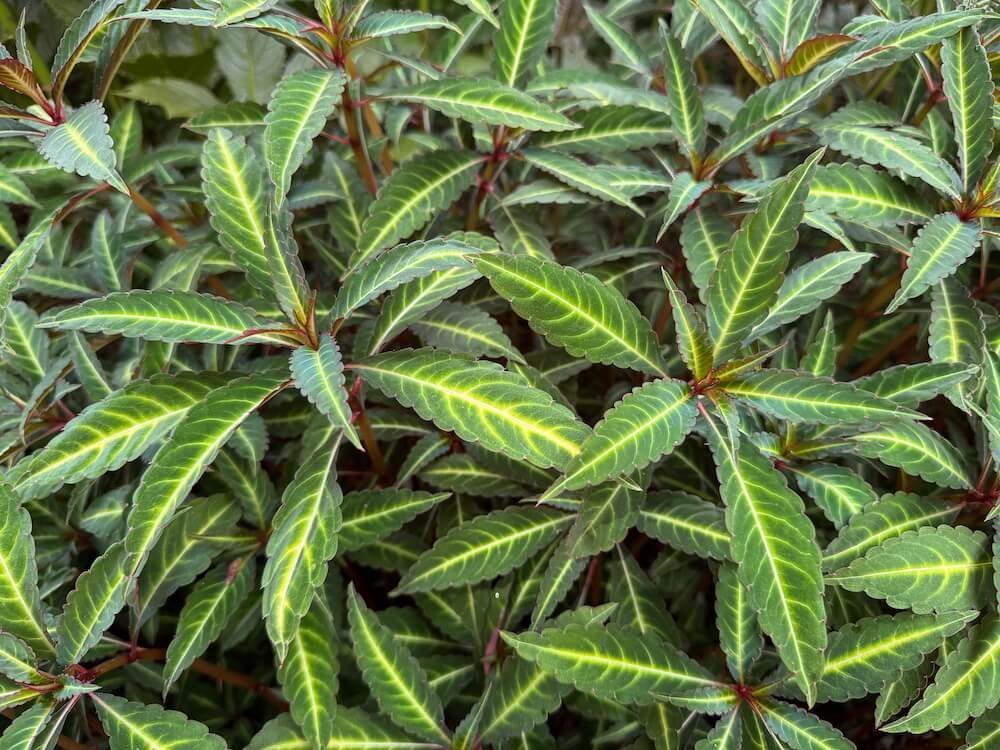
Impatiens omeiana
Hardy Chinese Impatiens
Blooms yellow, tubular flowers
Partial shade to full shade
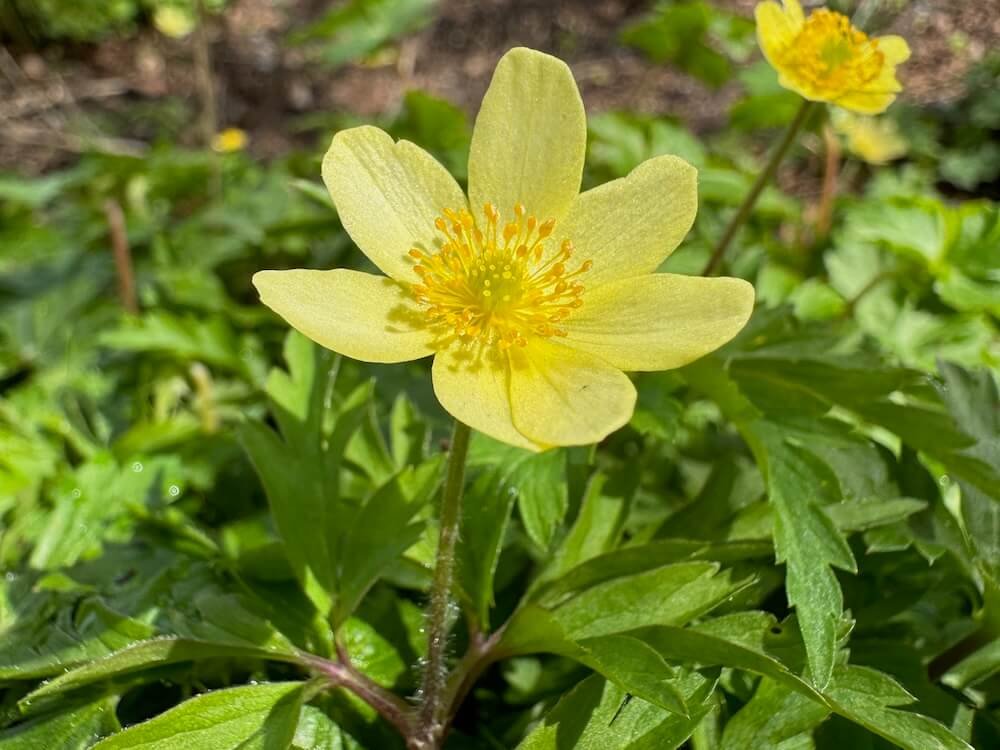
Anemone x lipsiensis
Lipsi's Anemone
Blooms soft yellow blossoms, sometimes with yellow center; petals may be slightly ruffled
Part shade
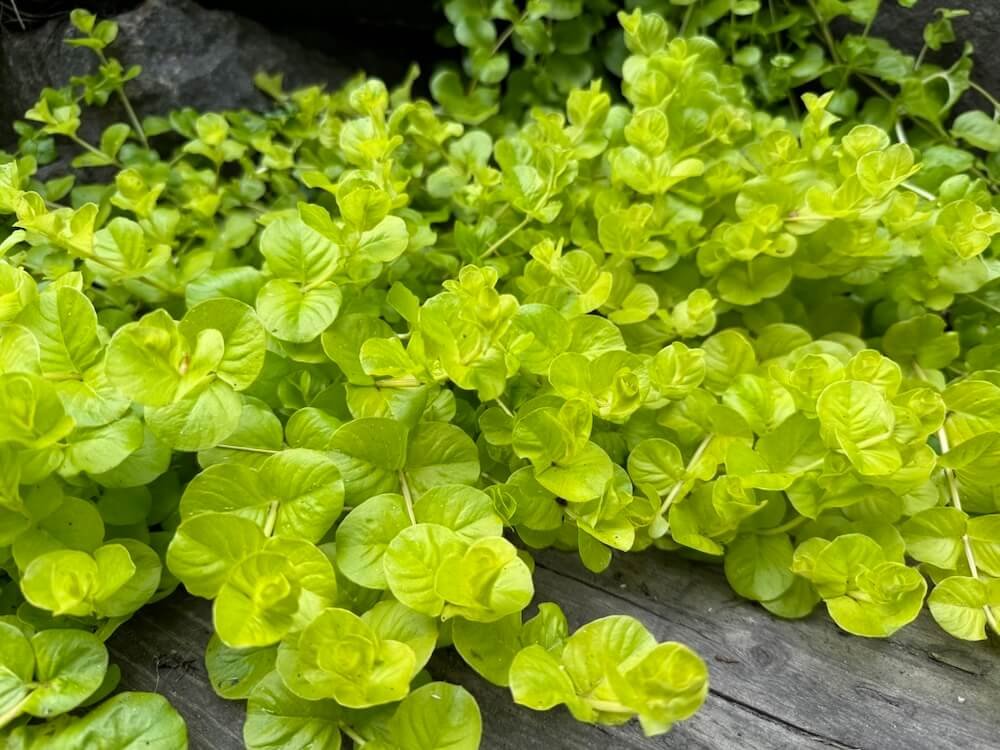
Lysimachia nummularia ‘Goldilocks’
Goldilocks Moneywort
Blooms yellow
Full sun to partial shade (brighter foliage in full sun)