 1 / 3
1 / 3Key characteristics
- Family
- Liliaceae
- Height
- 6–12 in
- Width
- 6–12 in
- Flower color
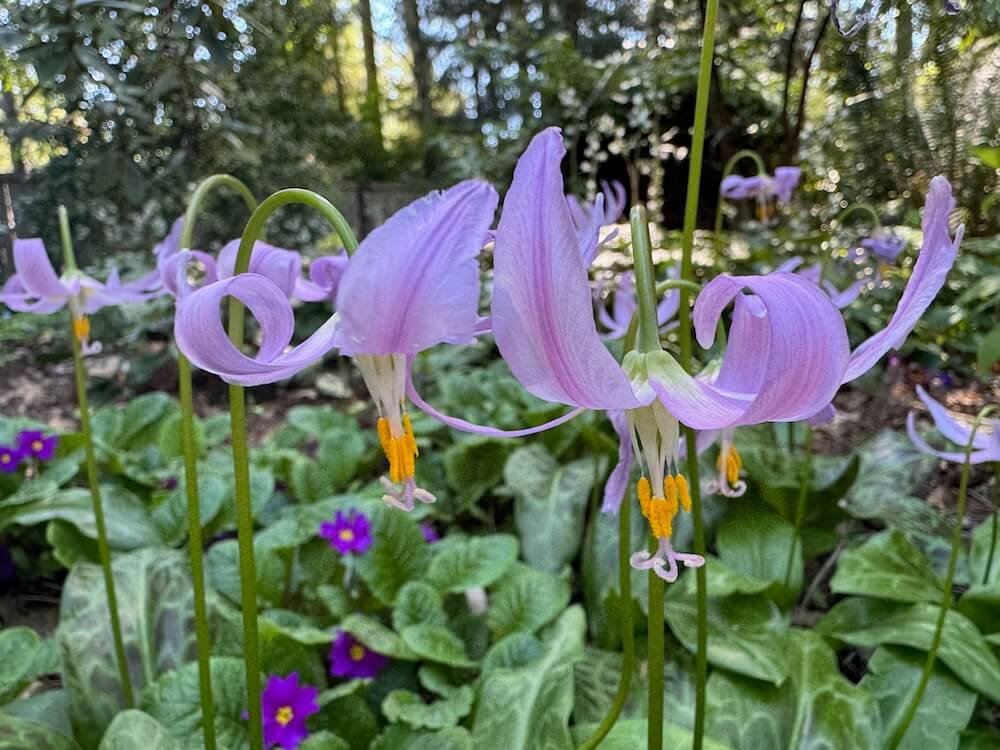
- Rose-pink to lavender-pink with darker ring and yellow base
- Foliage color
- Green with brown or maroon mottling, deciduous
- Bloom time
- Mid-spring
- Light
- Partial shade to full shade
- Water
- Moist, well-drained soil in spring, drier during summer dormancy
- Maintenance
- Low; allow natural dormancy and avoid disturbing bulbs
- Growing zone
- USDA zones 4–9
- Wildlife
- Native bees and other early spring pollinators
Perennials
Erythronium revolutum
Coast Fawn Lily
Erythronium revolutum unfolds nodding flowers in soft shades of rose to lavender-pink during early to mid-spring, each bloom marked by a deeper yellow center and gracefully recurved petals. Broad, mottled leaves spread beneath the flowers, patterned in tones of green and brown that bring quiet texture to shaded woodland settings while supporting the delicate display above.
Native to moist coastal forests and streamside habitats of the Pacific Northwest of North America, it follows a seasonal rhythm of cool-season growth and summer dormancy typical of spring-flowering woodland bulbs. Gentle naturalizing growth allows colonies to expand gradually where conditions remain undisturbed.
Works well in
- Borders
- Shade Gardens
- Woodland Gardens
- Pollinator Gardens
- Rain Gardens
Companion plants
Heucheras · Siberian bugloss · Sweet woodruff · Foamflowers · Epimediums · Hostas
Design tip
The early flowers arrive when the garden is still waking up, so give it a spot you pass often in spring. Keep it out of hot afternoon sun and layer it with woodland companions for a full, settled look.
Where to see it
This plant can be seen at Heronswood Garden.
More perennials
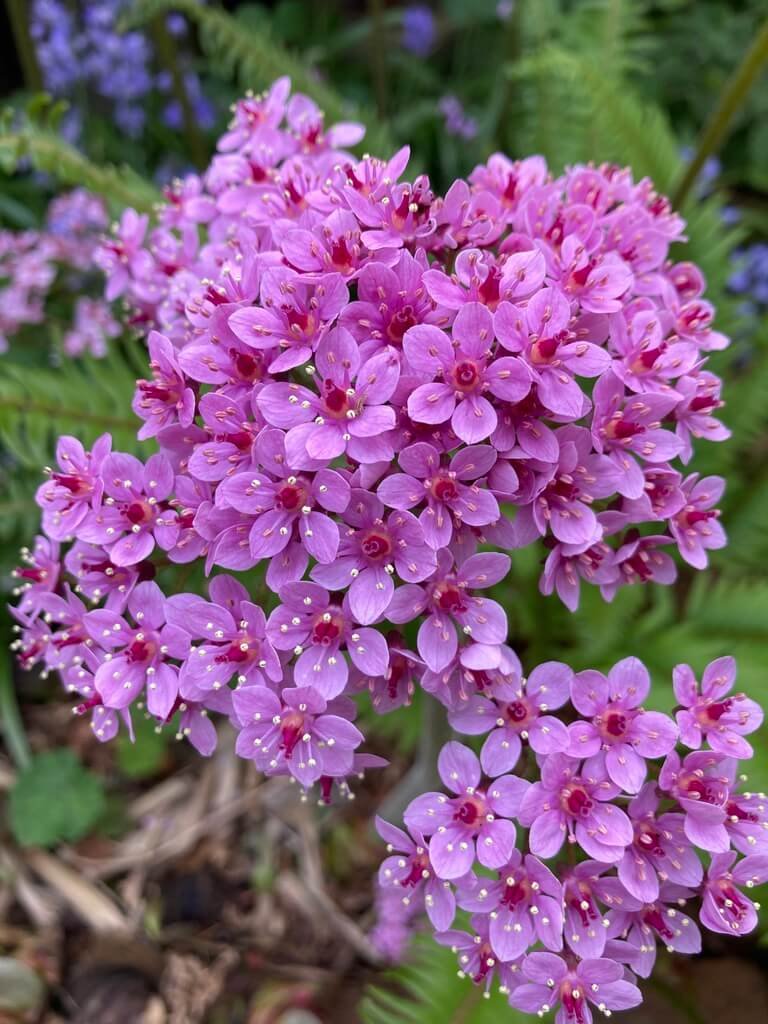
Darmera peltata
Umbrella Plant
Blooms pale pink to white
Partial shade to full shade
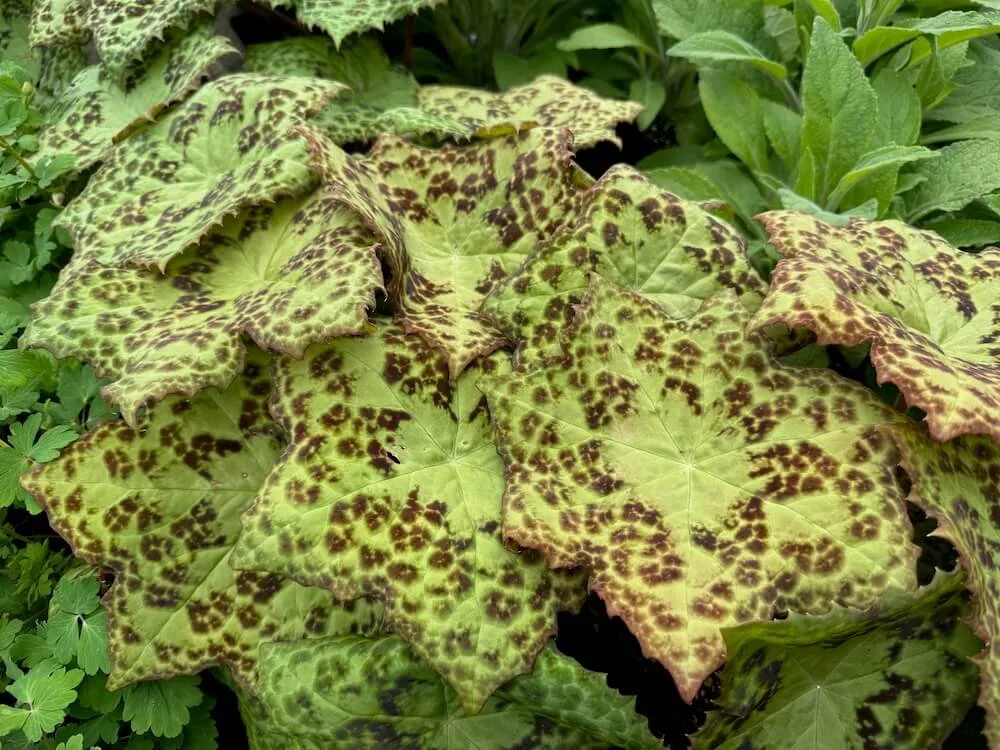
Podophyllum versipelle ‘Spotty Dotty’
Chocolate Spotted Chinese Mayapple
Blooms red to burgundy
Partial shade to full shade
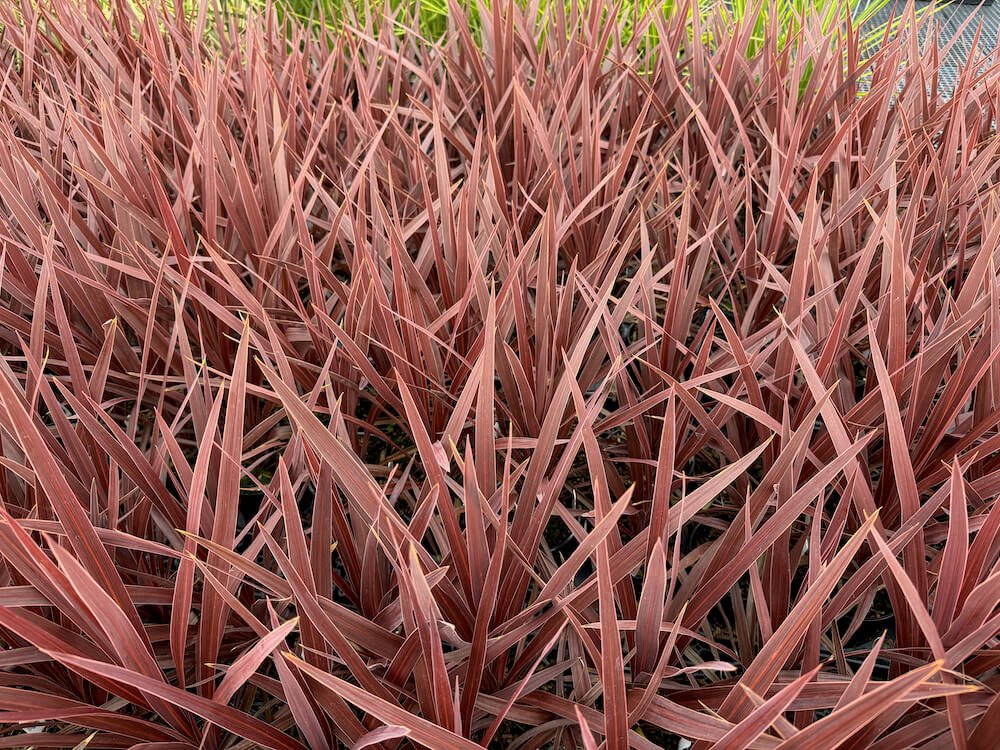
Cordyline australis 'Red Star'
Red Star Giant Dracaena
Blooms fragrant white flowers
Full sun to partial shade
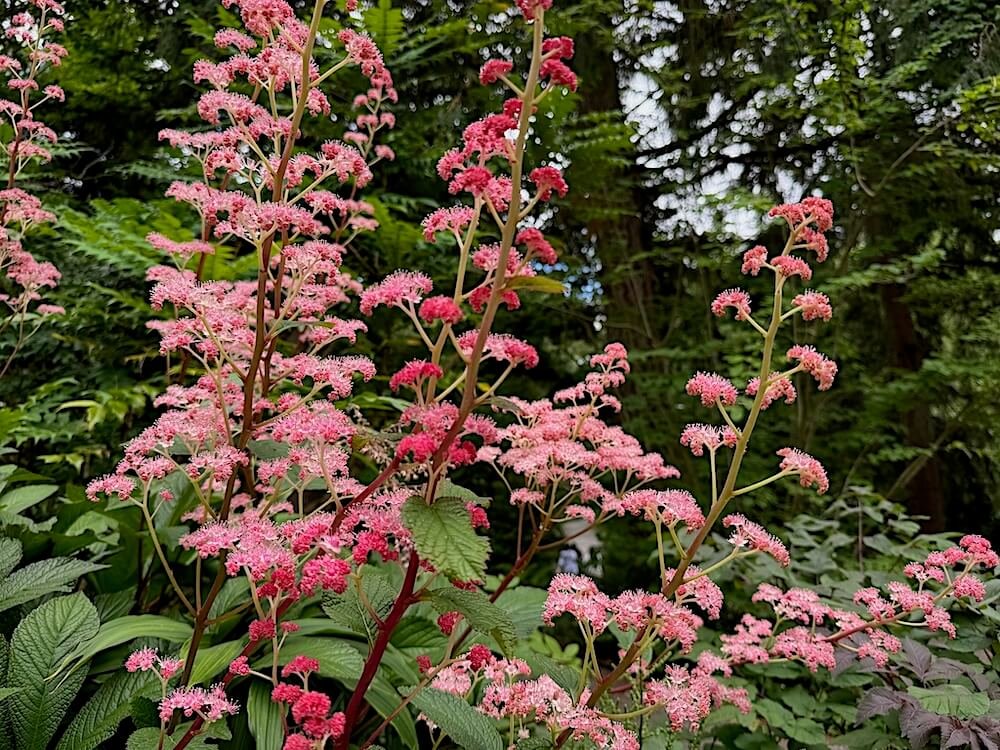
Rodgersia pinnata 'Bronze Peacock'
Bronze Peacock Rodger's Flower
Blooms light to dark pink blooms on tall, airy spikes
Partial shade to full shade