 1 / 6
1 / 6Key characteristics
- Family
- Papaveraceae
- Height
- 8–10 inches
- Width
- 6–8 inches
- Flower color
- White, yellow, orange, red, or salmon
- Foliage color
- Gray-green
- Bloom time
- Late spring to mid-summer
- Light
- Full sun
- Water
- Medium
- Maintenance
- Low; remove faded flowers to encourage rebloom; may self-seed in favorable conditions
- Growing zone
- USDA zones 4–6
- Wildlife
- Attracts bees; deer-resistant
Perennials
Papaver alpinum
Alpine Poppy
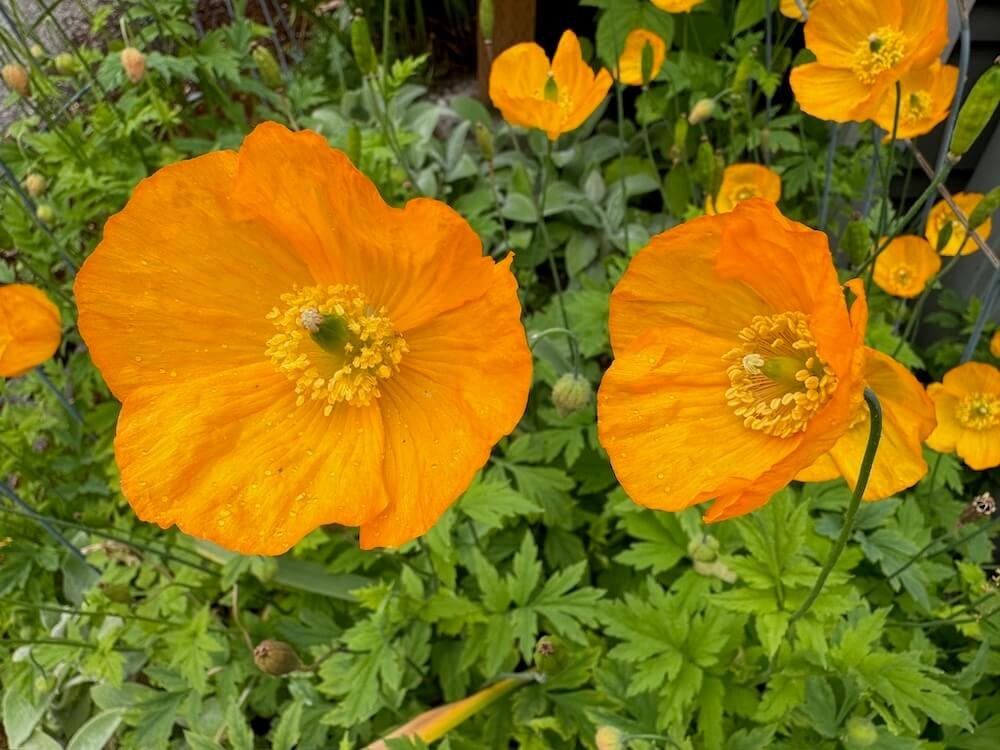
Papaver alpinum is a charming perennial that thrives in rocky, well-drained soils and high-altitude environments. It is known for its white, orange or yellow flowers, which appear in late spring to early summer. The blooms are delicate, with four rounded petals, and are set atop slender, wiry stems that rise above the mound of foliage. This plant does best in full sun, where its flowers can catch the light and stand out against its green, fern-like leaves.
Works well in
- Borders
- Sun Gardens
- Pollinator Gardens
- Rock Gardens
- Containers
Companion plants
Lavender · Coreopsis · Russian sage · Sedums · Peonies · Coneflowers
Design tip
Summer flowers carry the middle of the season, so place it where the bed needs color once spring bulbs fade. In full sun it holds its shape best, and grouping several together keeps the color strong enough to be seen from across the garden.
More perennials
Salvia moorcroftiana x indica
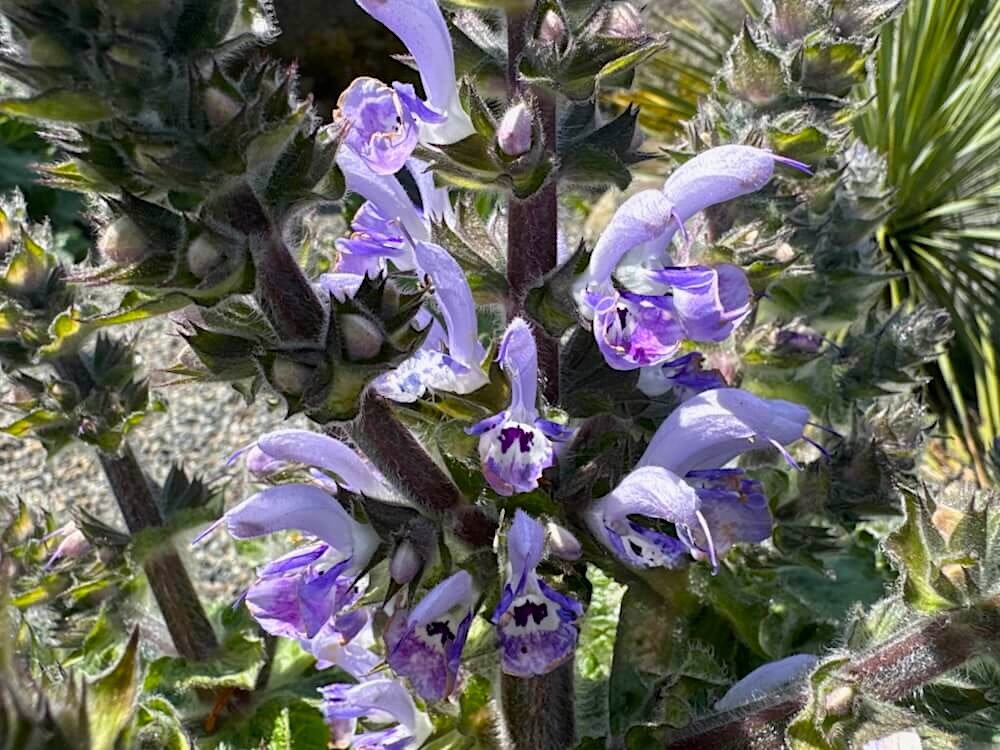
Shangri-la Sage
Blooms lavender-blue to pale purple blooms, occasionally with paler lower lips and subtle spotting
Full sun to part sun
Achillea millefolium 'Terracotta'
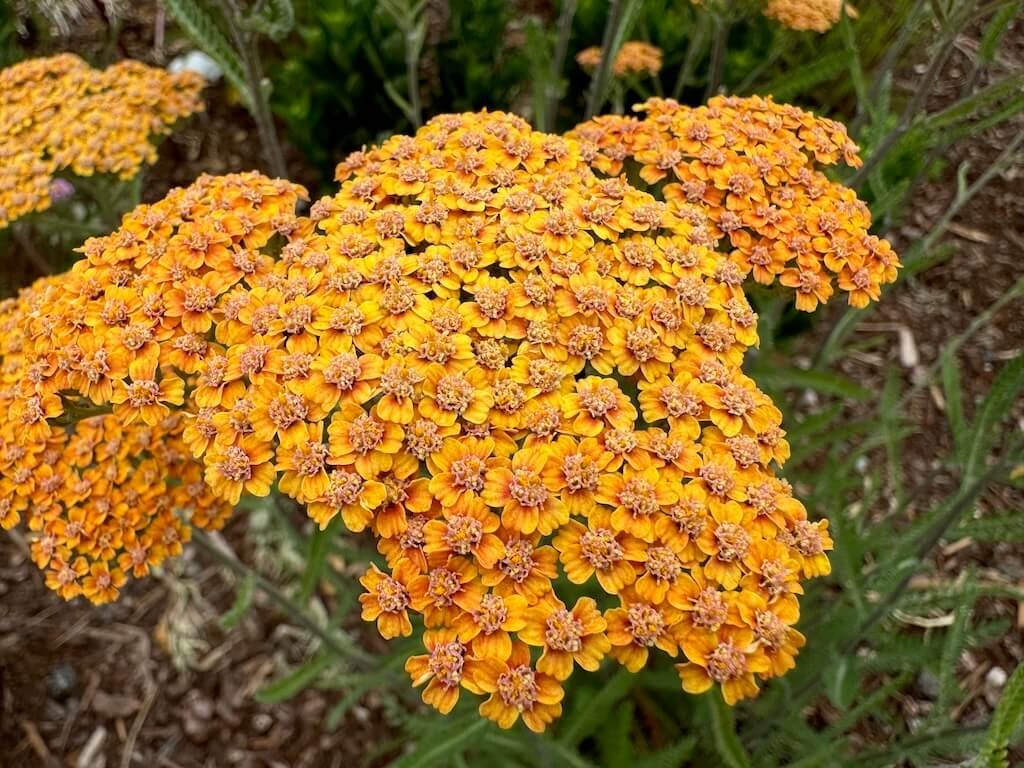
Terracotta Yarrow
Blooms warm terracotta-orange fading to soft yellow
Full sun
Hosta 'Canadian Blue'
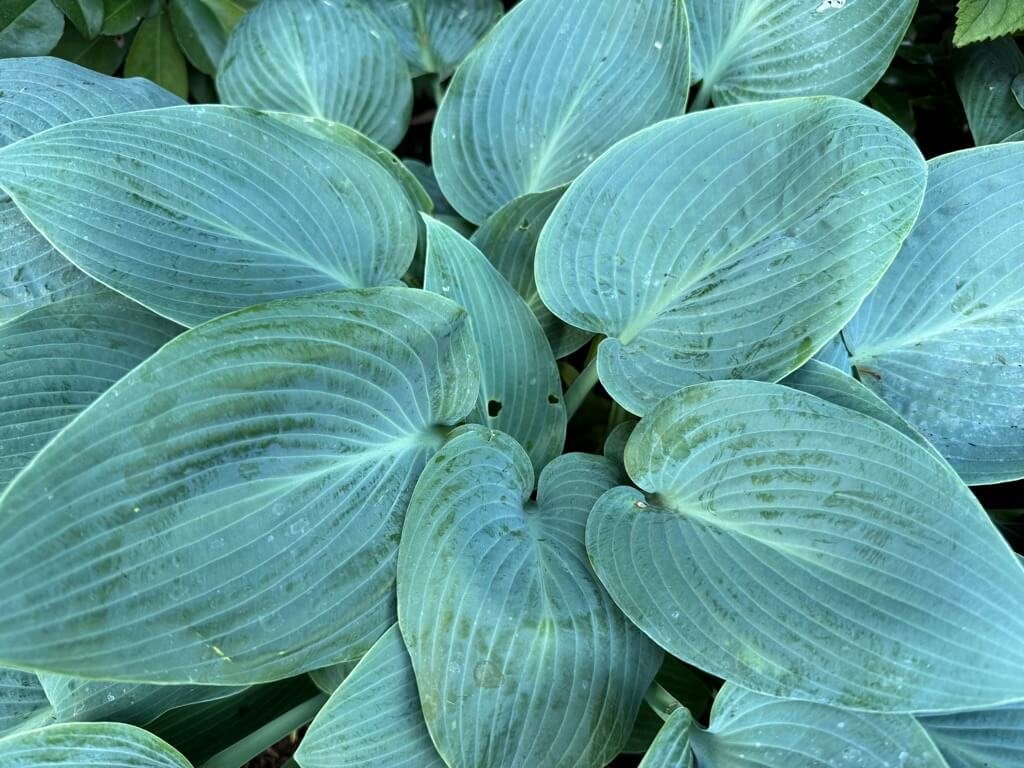
Canadian Blue Hosta
Blooms pale lavender to white, bell-shaped
Partial to full shade; best color achieved in full shade
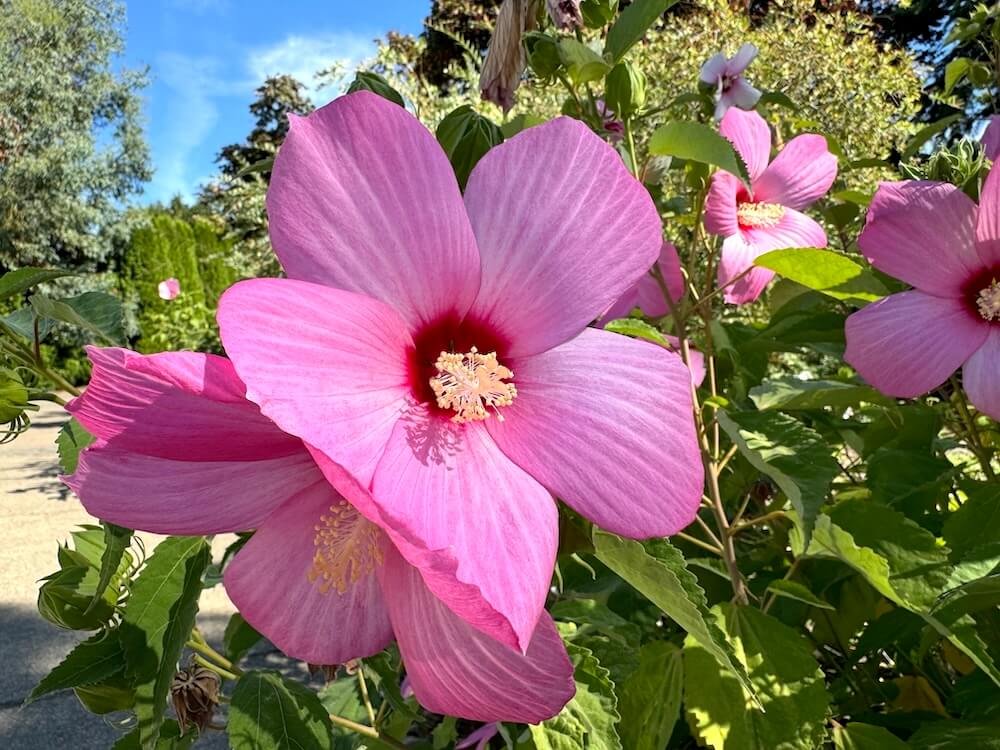
Hibiscus Moscheutos var. Palustris
Palustris Rose Mallow
Blooms soft pink with a crimson center
Full sun to partial shade