 1 / 4
1 / 4Key characteristics
- Family
- Asteraceae
- Height
- 24 to 36 in
- Width
- 36 to 60 in
- Flower color
- Pale yellowish white flower clusters on thick upright stems
- Foliage color
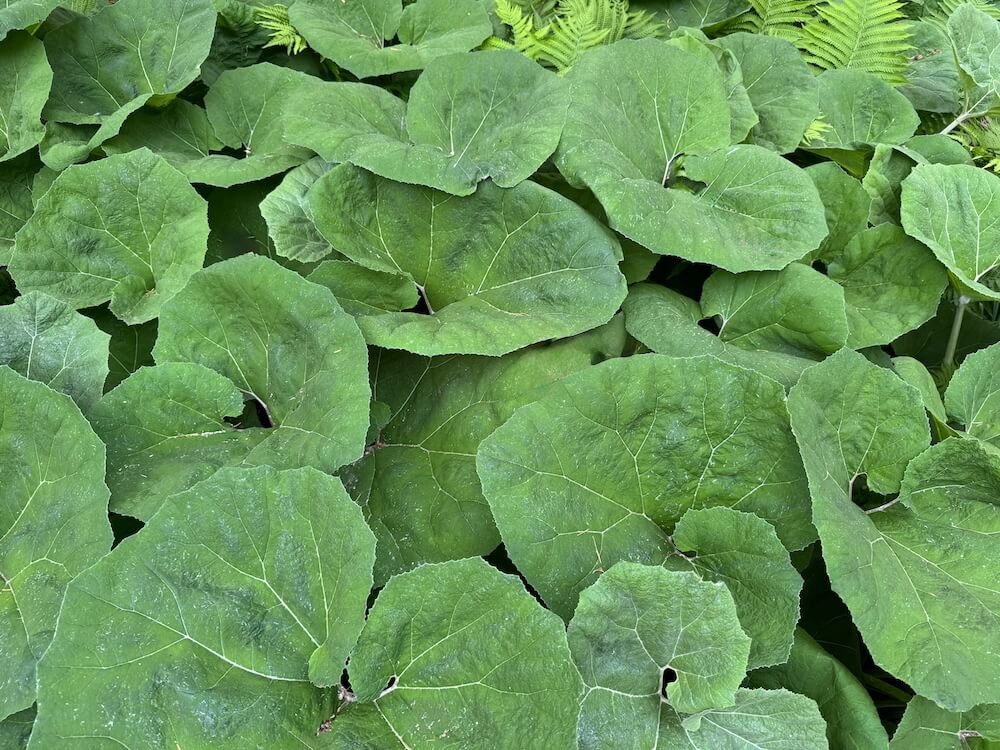
- Very large rounded green leaves forming bold dense colonies
- Bloom time
- Late winter to early spring
- Light
- Partial shade to full shade
- Water
- Consistently moist to wet rich soil
- Maintenance
- Moderate; spreads vigorously by rhizomes and may require containment
- Growing zone
- USDA zones 4 to 9
- Wildlife
- Bees and other early season pollinators
Perennials
Petasites japonicus
Japanese Butterbur
Petasites japonicus sends up rounded clusters of pale creamy flowers in very early spring, often before the foliage fully expands, bringing a quiet seasonal awakening to shaded garden spaces. Soon after bloom, large, softly textured leaves unfurl into broad green discs carried on sturdy stems, creating a lush, cooling presence that endures through the growing season and lends bold structure to woodland plantings.
Native to Japan, Korea, and parts of eastern China, it reflects the moist forest margins and streamside environments of East Asia where it has long been gathered and cultivated. Vigorous vegetative growth allows colonies to broaden gradually, contributing enduring texture and leafy fullness across summer.
Works well in
- Borders
- Shade Gardens
- Woodland Gardens
- Pollinator Gardens
- Rain Gardens
Companion plants
Lungworts · Wild ginger · Hellebores · Japanese forest grass · Astilbes · Heucheras
Design tip
Flowers in the quietest months make this worth a sheltered spot within sight of a window or door. Keep it out of hot afternoon sun and layer it with woodland companions for a full, settled look.
Where to see it
This plant can be seen at the Crystal Springs Rhododendron Garden.
More perennials
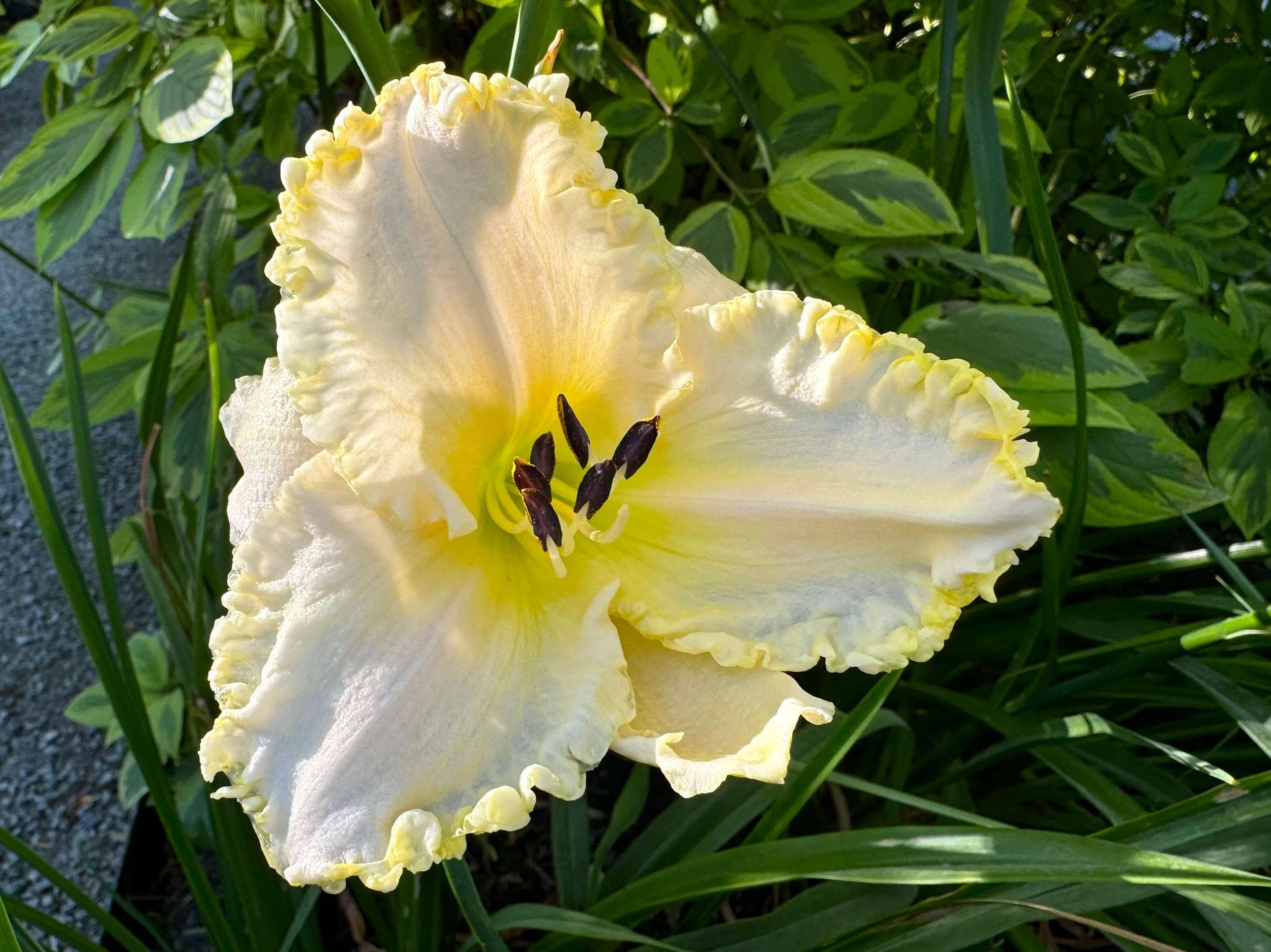
Hemerocallis 'Marquee Moon'
Marquee Moon Daylily
Blooms creamy white with a ruffled yellow edge and a green throat
Full sun to partial shade
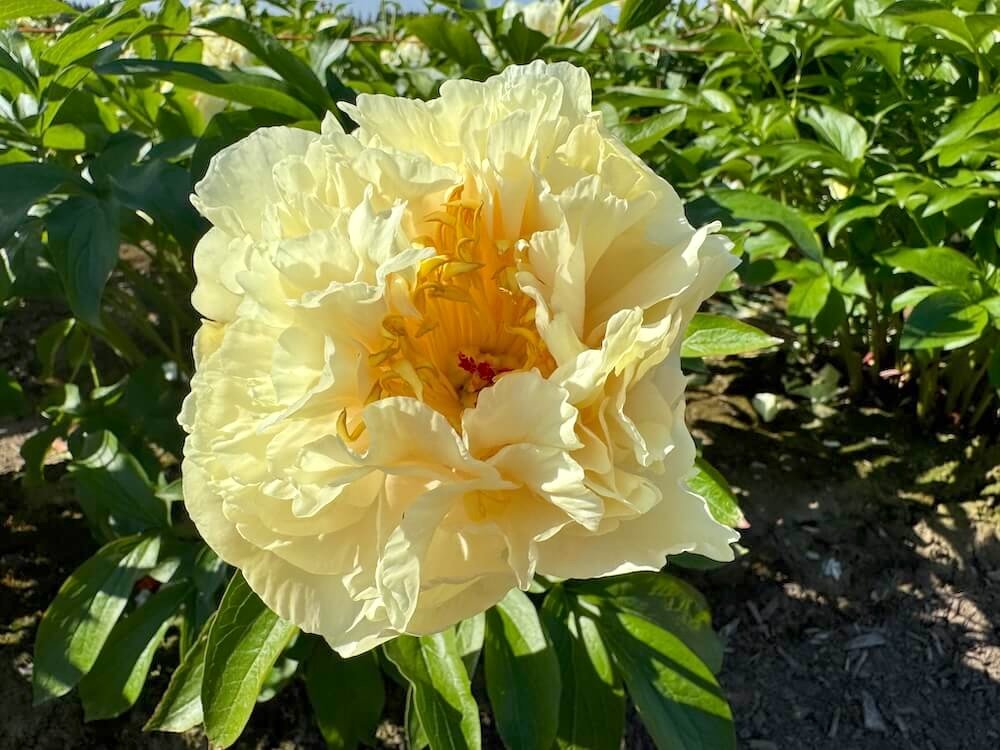
Paeonia lactiflora 'Sunny Girl'
Sunny Girl Peony
Blooms bright sunny yellow blooms, maturing to creamy chartreuse or white
Full sun to partial shade
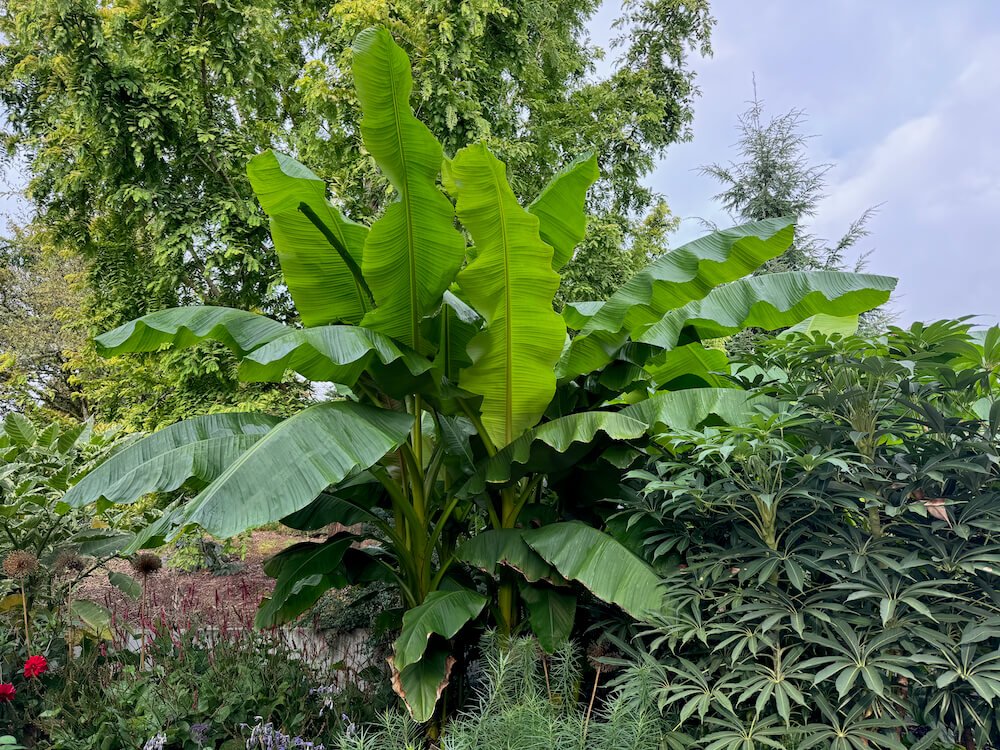
Musa basjoo
Hardy Banana
Blooms cream to yellow
Full sun
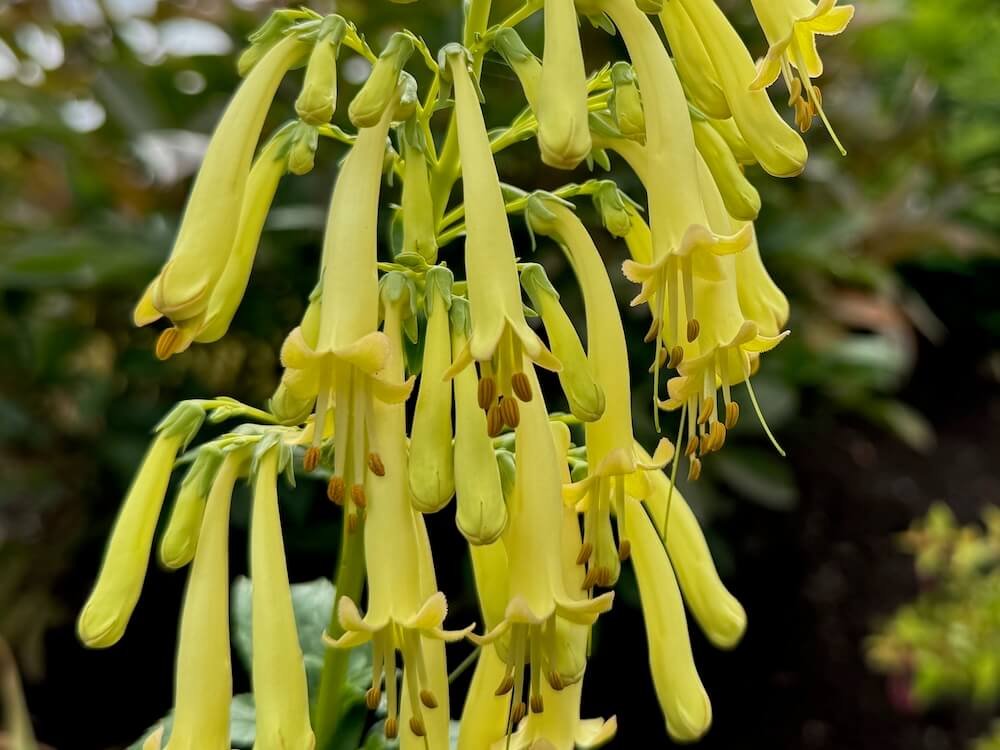
Phygelius 'Candy Drops Cream'
Candy Drops Cream Cape Fuchsia
Blooms soft cream to pale yellow, tubular, pendulous blooms arranged in terminal clusters
Full sun to partial shade