 1 / 3
1 / 3Key characteristics
- Family
- Thymelaeaceae
- Height
- 3 to 4 feet
- Width
- 3 to 4 feet
- Flower color
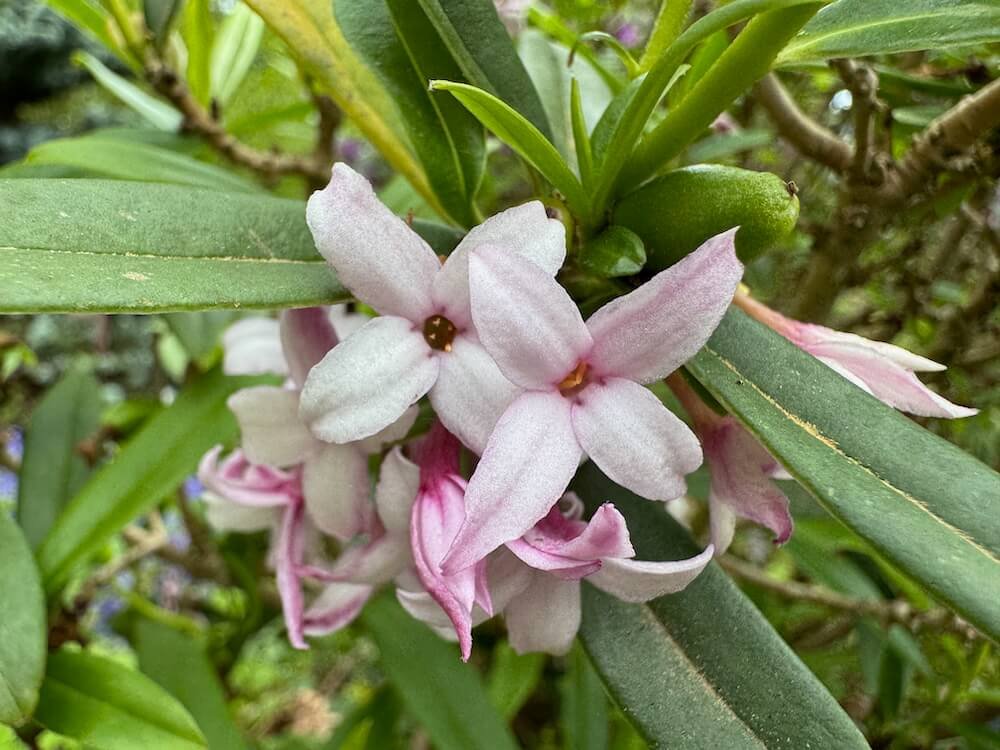
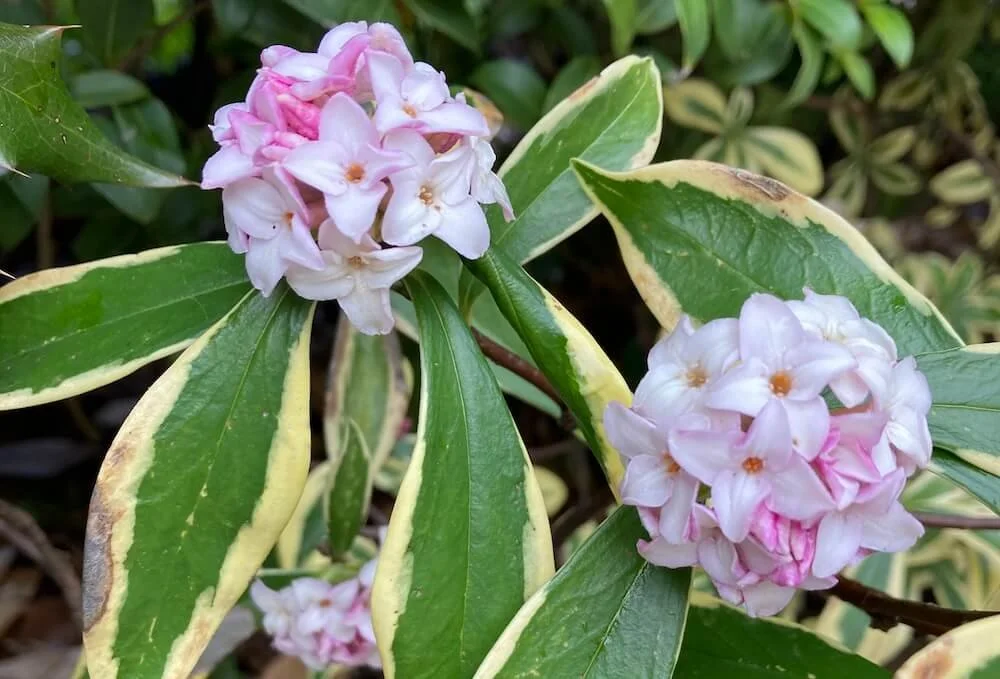
- Soft pink buds opening to pale pink to nearly white tubular flowers
- Foliage color
- Narrow lance shaped glossy deep green leaves
- Bloom time
- Early to mid spring, often March to April
- Light
- Partial shade to light full sun
- Water
- Average moist well drained soil
- Maintenance
- Moderate; avoid heavy pruning and trim lightly after flowering while protecting roots from disturbance
- Growing zone
- USDA zones 6 to 9
- Wildlife
- Bees, butterflies and other pollinating insects
Shrubs
Daphne wolongensis
Wolong Daphne
Daphne wolongensis produces clusters of soft pink to pale rose flowers in spring, each bloom opening with narrow petals and releasing a light fragrance along the stems. The blossoms appear among slender, lance-shaped leaves that form a neat covering of fresh green foliage through the growing season. The narrow leaves create a fine texture along the branches, giving the plant a refined appearance.
Native to mountainous regions of western China, particularly Sichuan Province, Daphne wolongensis grows in woodland habitats.
Works well in
- Shade Gardens
- Fragrant Gardens
- Woodland Gardens
- Paths & Walkways
Companion plants
Mahonia · Rodgersia · Primrose · Japanese aralia · Bergenia · Maidenhair fern
Design tip
Slender foliage gives this daphne a finer, more delicate texture than broader-leaved woodland shrubs. Pairing it with plants that have rounded or deeply divided leaves creates an appealing contrast, while its softly colored spring flowers add a gentle transition into the new growing season.
Where to see it
This plant can be seen at the Rhododendron Species Botanical Garden.
More shrubs
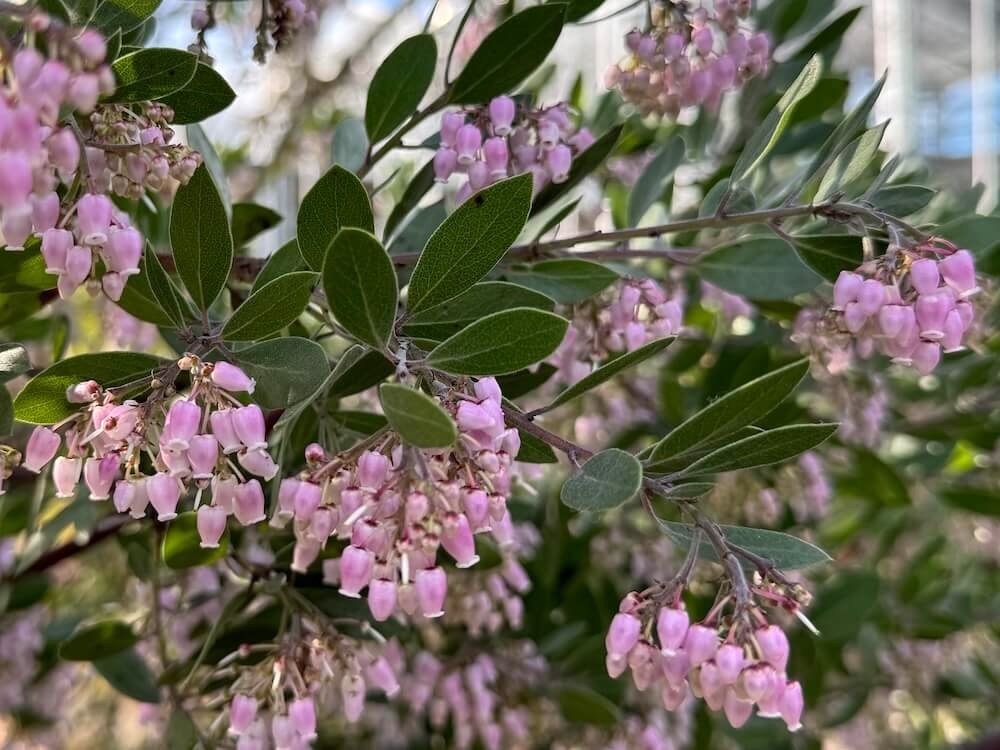
Arctostaphylos densiflorus 'Sentinel'
Sentinel Manzanita
Blooms pale pink to soft white urn shaped flowers held in dense clusters
Full sun to light partial shade
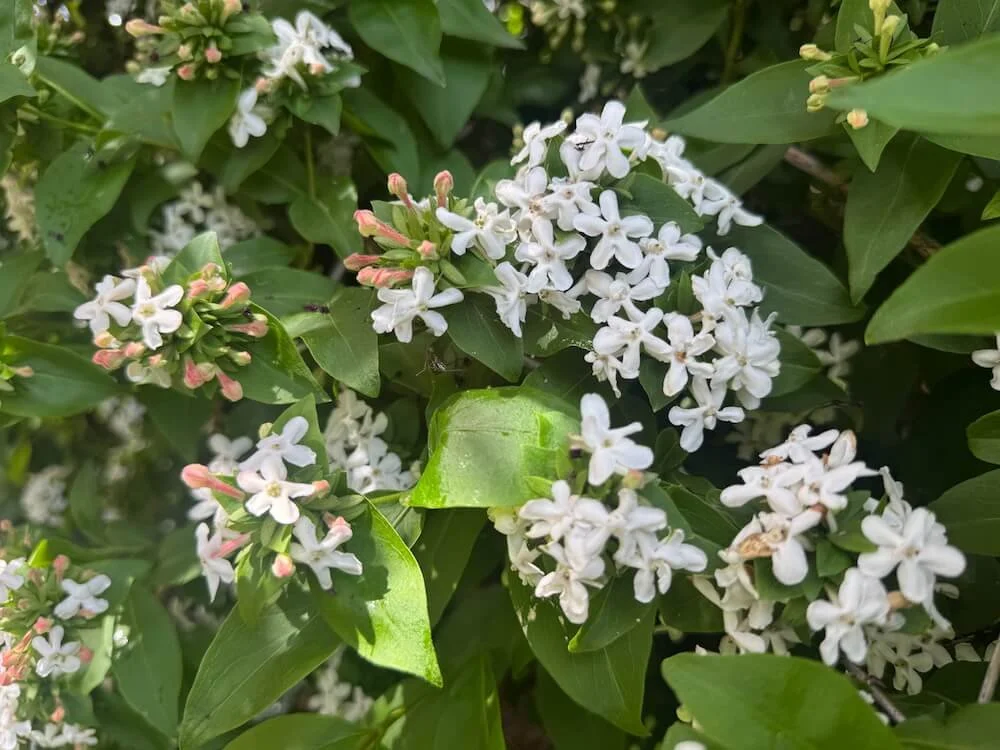
Abelia mosanensis 'Monia'
Bridal Bouquet Abelia
Blooms fragrant pale pink flowers aging to creamy white
Full sun to partial shade
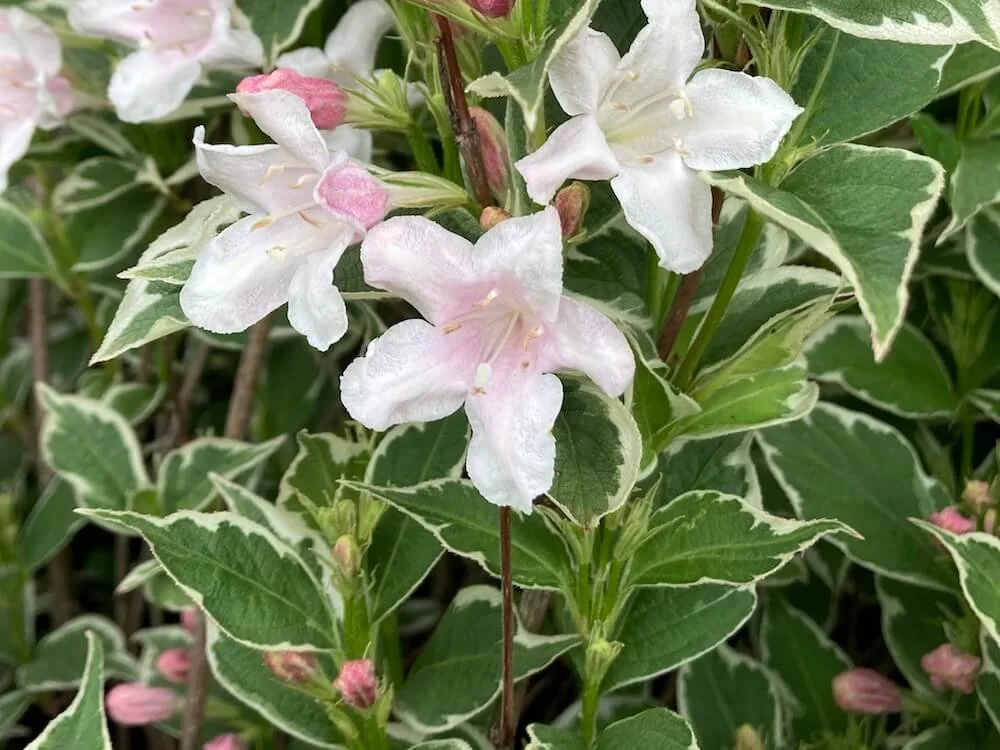
Weigela florida 'Morcolzam'
Mor-colorful Weigela
Blooms white to light pink trumpet-shaped flowers
Full sun
Daphne odora ‘Maejima’
Maejima Variegated Winter Daphne
Blooms pale pink to white
Partial shade to full sun