 1 / 5
1 / 5Key characteristics
- Family
- Araliaceae
- Height
- 5 to 10 feet
- Width
- 5 to 8 feet
- Flower color
- Small white flowers in clusters (umbels)
- Foliage color
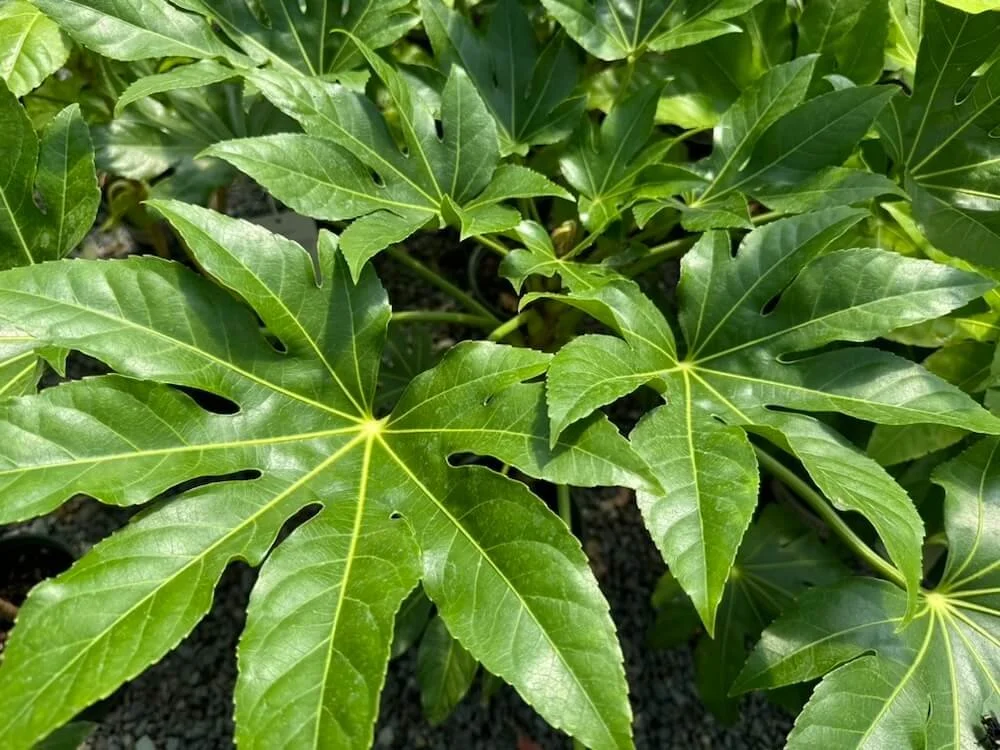
- Glossy, dark green, deeply lobed leaves
- Bloom time
- Late fall to early winter
- Light
- Partial shade to full shade
- Water
- Moderate
- Maintenance
- Low; occasional pruning to shape and remove damaged leaves
- Growing zone
- USDA zones 7 to 10
- Wildlife
- Flowers attract pollinators; berries (black or purple) are food for birds
Shrubs
Fatsia japonica
Japanese Aralia
Fatsia japonica, commonly known as Japanese aralia, is an evergreen shrub prized for its bold, tropical-looking foliage. Its large, deeply lobed, glossy green leaves create a lush and architectural appearance, making it a standout in shady garden spaces. In late fall to early winter, the plant produces clusters of small, creamy-white flowers held in spherical umbels, which are followed by small black berries that attract birds.
Works well in
- Shade Gardens
- Woodland Gardens
- Under Trees
- Specimen Plants
Companion plants
Skimmia · Japanese forest grass · Epimedium · Pieris · Trillium · Foamflower
Design tip
The oversized, deeply lobed leaves can introduce a tropical character into a temperate shade garden. Use Japanese aralia as a bold textural counterpoint to fine-leaved ferns, grasses, or delicate woodland plants, allowing the contrast in leaf scale to provide much of the planting’s visual interest.
More shrubs
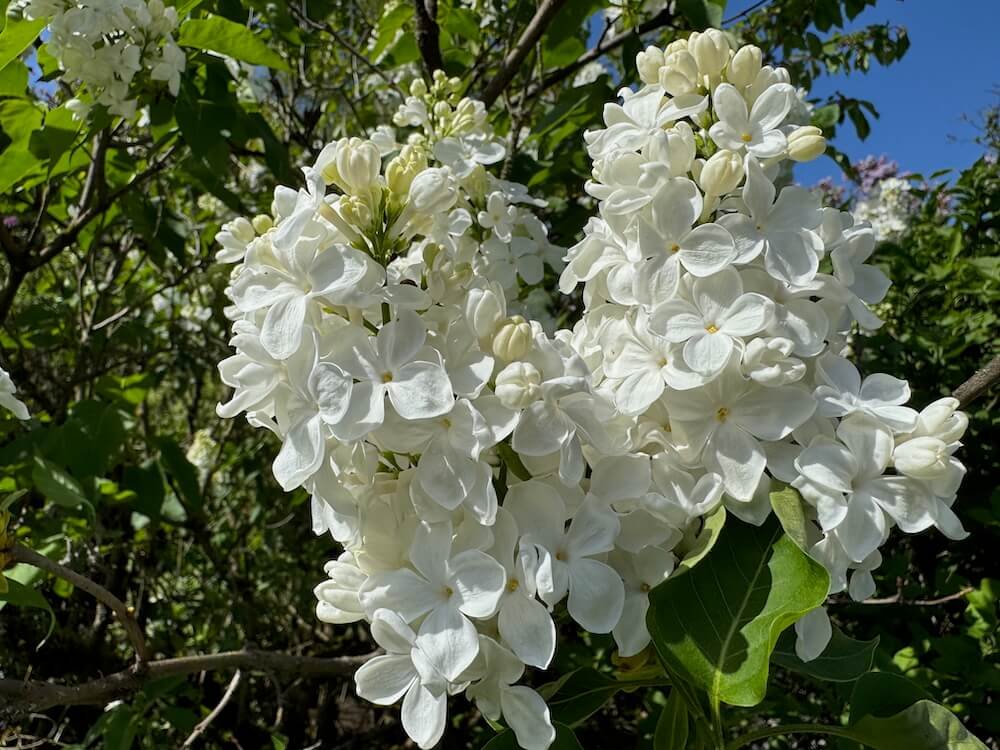
Syringa vulgaris 'Carley'
Carley Lilac
Blooms pure white, opening from creamy buds
Full sun
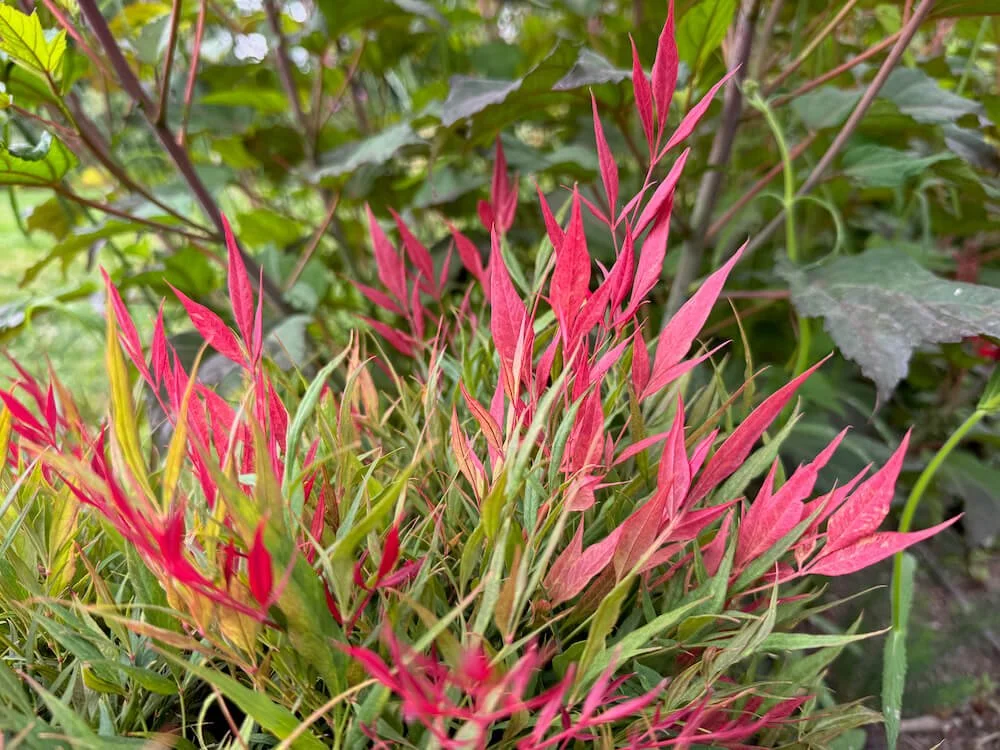
Nandina domestica ‘Burgundy Wine’
Burgundy Wine Heavenly Bamboo
Blooms white
Full sun to partial shade
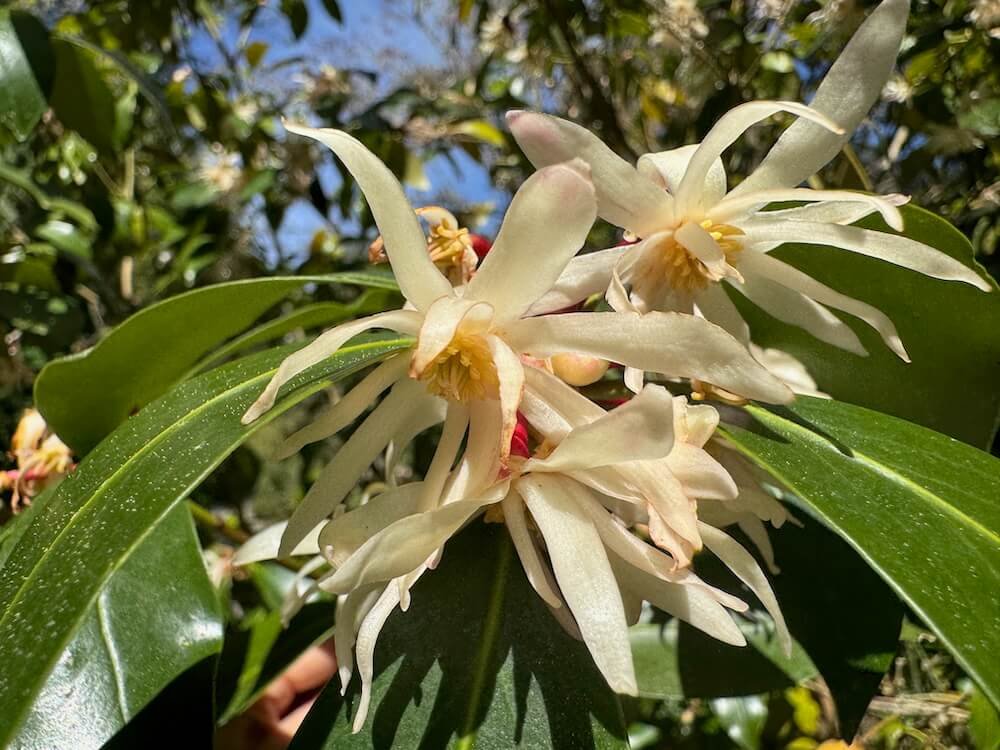
Illicium anisatum
Japanese Star Anise
Blooms creamy white to pale yellow white star shaped flowers often with pink to red tinged buds and numerous narrow petals
Partial shade to full shade
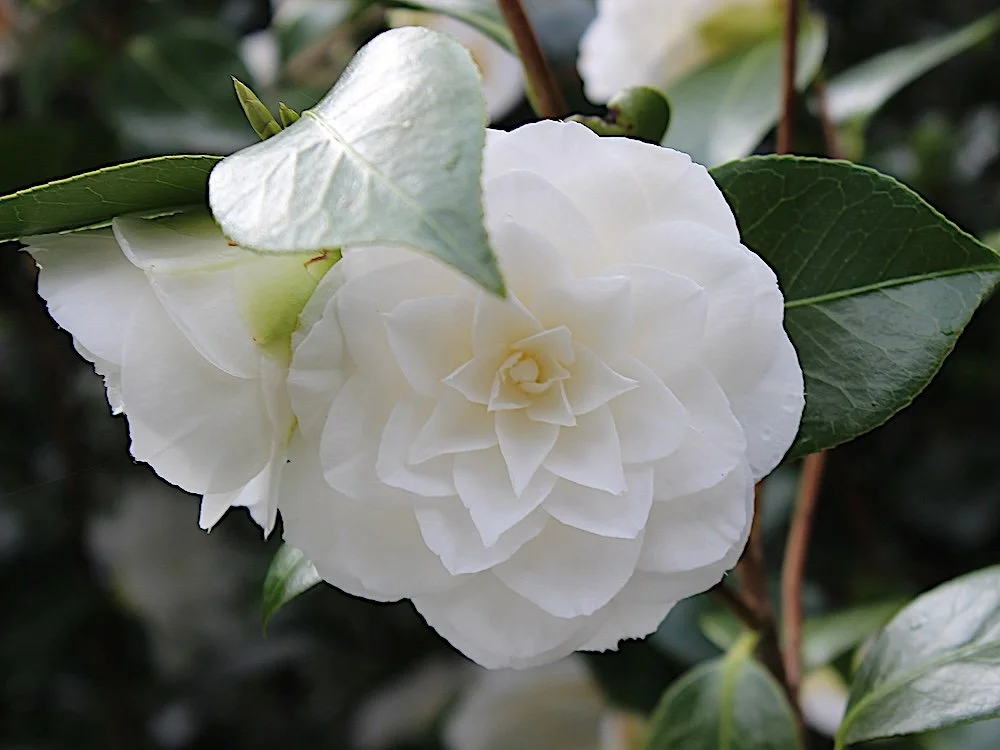
Camellia japonica 'Matterhorn'
Matterhorn Camellia
Blooms pure white, formal double blooms
Part shade to dappled shade