 1 / 3
1 / 3Key characteristics
- Family
- Magnoliaceae
- Height
- 15 to 20 feet
- Width
- 10 to 15 feet
- Flower color
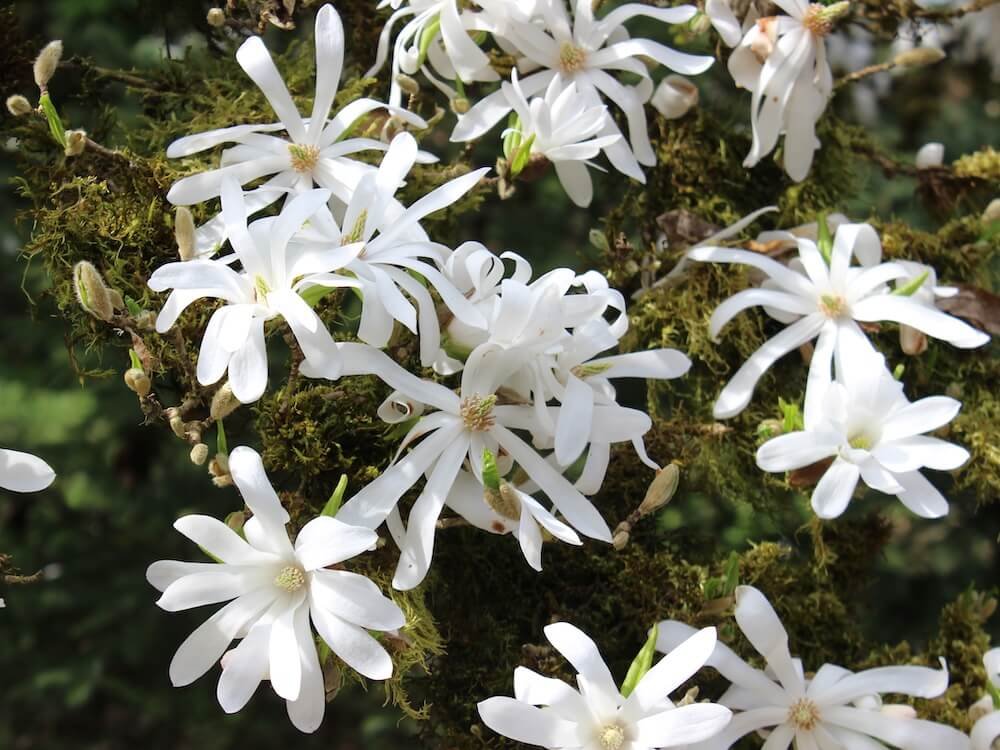
- White star shaped flowers with narrow petals, often lightly fragrant
- Foliage color
- Medium green oblong leaves often turning yellow to bronze in fall
- Bloom time
- Late winter to early spring
- Light
- Full sun to partial shade
- Water
- Average
- Maintenance
- Low; prune only if needed after flowering to maintain shape and remove damaged branches
- Growing zone
- USDA zones 4 to 8
- Wildlife
- Bees and other early season pollinating insects
Shrubs
Magnolia stellata
Star Magnolia
Magnolia stellata produces fragrant white flowers in late winter to early spring, each bloom opening with many slender petals arranged in a star-like form around pale yellow stamens. The blossoms appear along bare branches before the foliage emerges, bringing delicate seasonal color at the close of winter. After flowering, narrow oval leaves unfold in fresh green tones and create a soft canopy through the growing season.
Works well in
- Sun Gardens
- Pathways & Walkways
- Borders
- Pollinator Gardens
Companion plants
Yarrow · Oregon grape · Coreopsis · Blanket flower · Phlox · Bulgarian honey garlic
Design tip
Give star magnolia a prominent position where its bare branches and early white flowers can be viewed from a window, entryway, or frequently used path. Use darker evergreen foliage behind it to provide contrast and make the white, star-shaped blooms stand out during the sparse late-winter garden.
Where to see it
This plant can be seen at the Washington Park Arboretum.
More shrubs
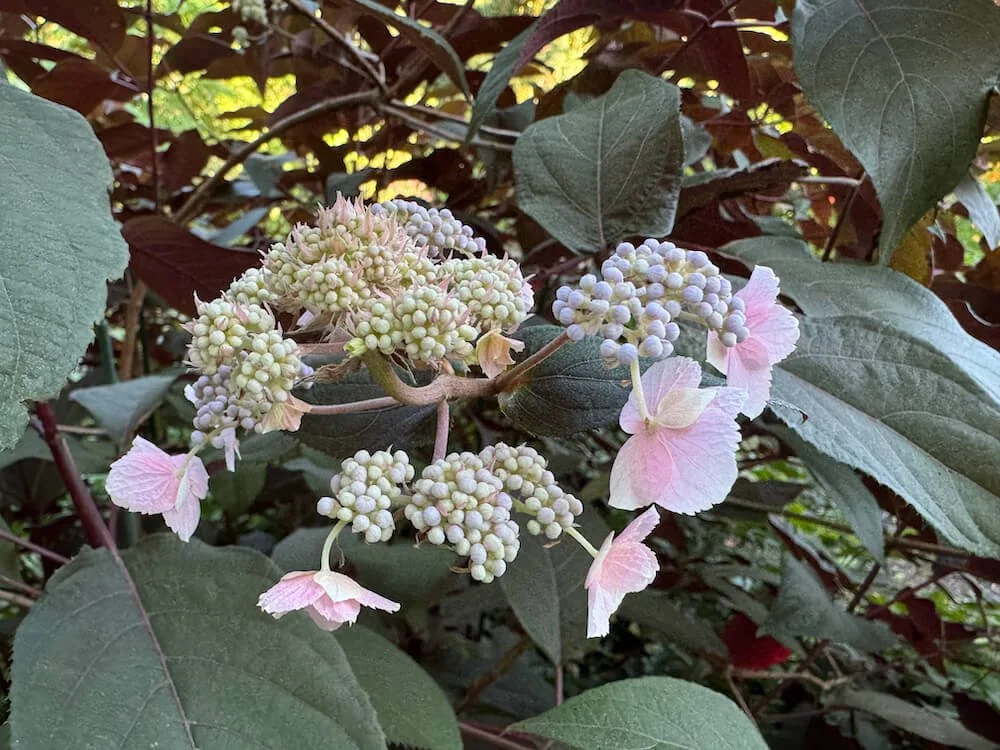
Hydrangea aspera ‘Koki’
Koki Plum Passion Hydrangea
Blooms light pink florets with a lavender center
Partial shade
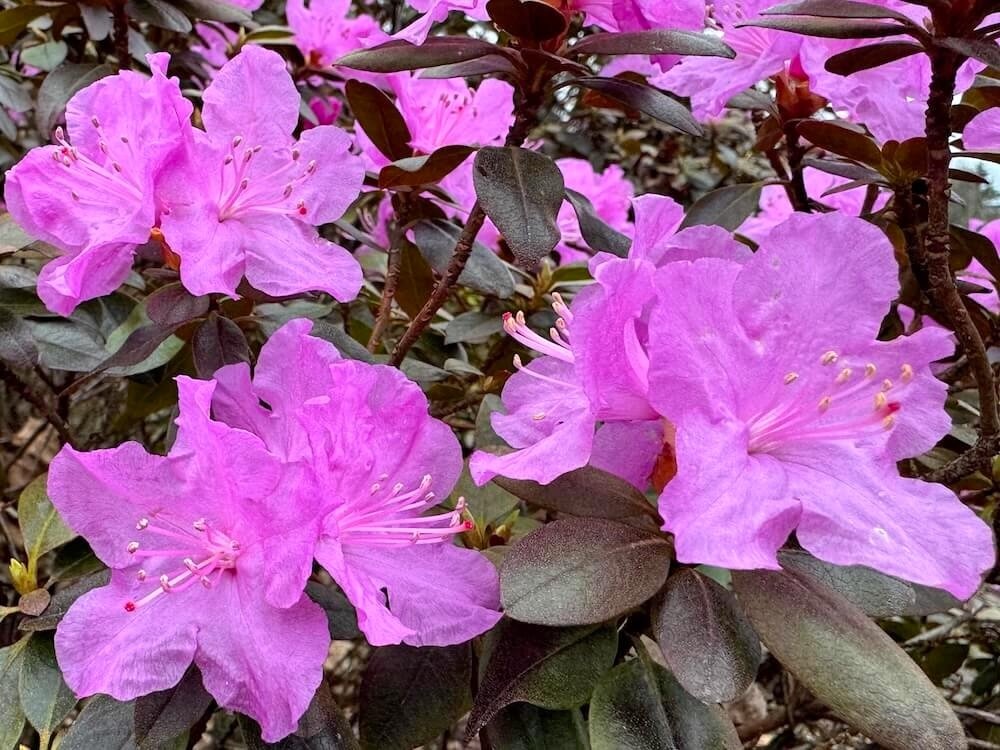
Rhododendron x 'PJM'
PJM Rhododendron
Blooms lavender-pink to rosy purple flower clusters
Full sun to part shade
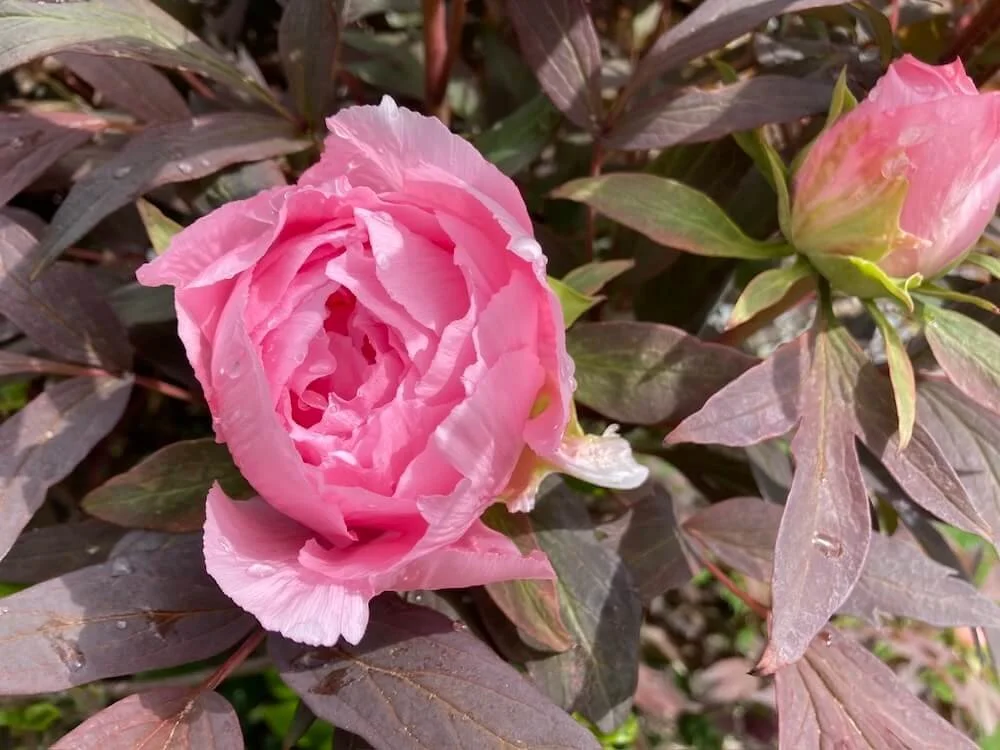
Paeonia x suffruticosa ‘Yachiyo-tsubaki’
Yachiyo-tsubaki Tree Peony
Blooms soft pink to pale blush
Full sun to partial shade
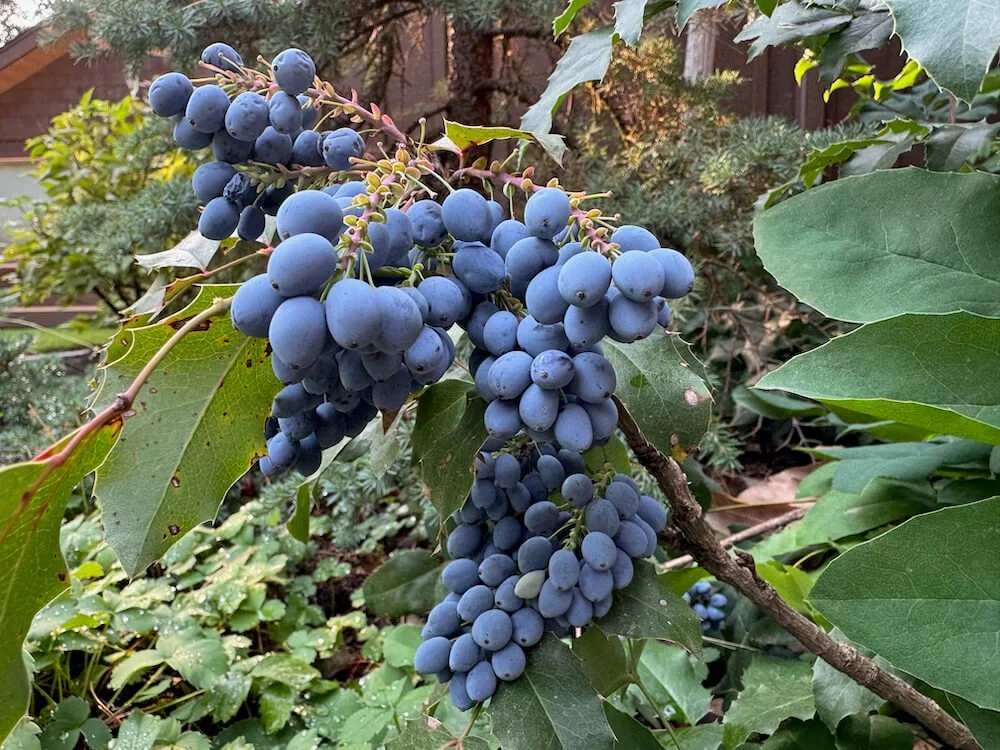
Mahonia repens
Creeping Oregon Grape
Blooms bright yellow
Partial sun