 1 / 5
1 / 5Key characteristics
- Family
- Hydrangeaceae
- Height
- 8 to 10 feet
- Width
- 6 to 8 feet
- Flower color
- White with a yellow center
- Foliage color
- Dark green
- Bloom time
- Late spring to early summer
- Light
- Full sun to part shade
- Water
- Moderate
- Maintenance
- Low; occasional pruning after flowering to maintain shape
- Growing zone
- USDA zones 4 to 8
- Wildlife
- Bees, butterflies, and other pollinators
Shrubs
Philadelphus coronarius
Mock Orange
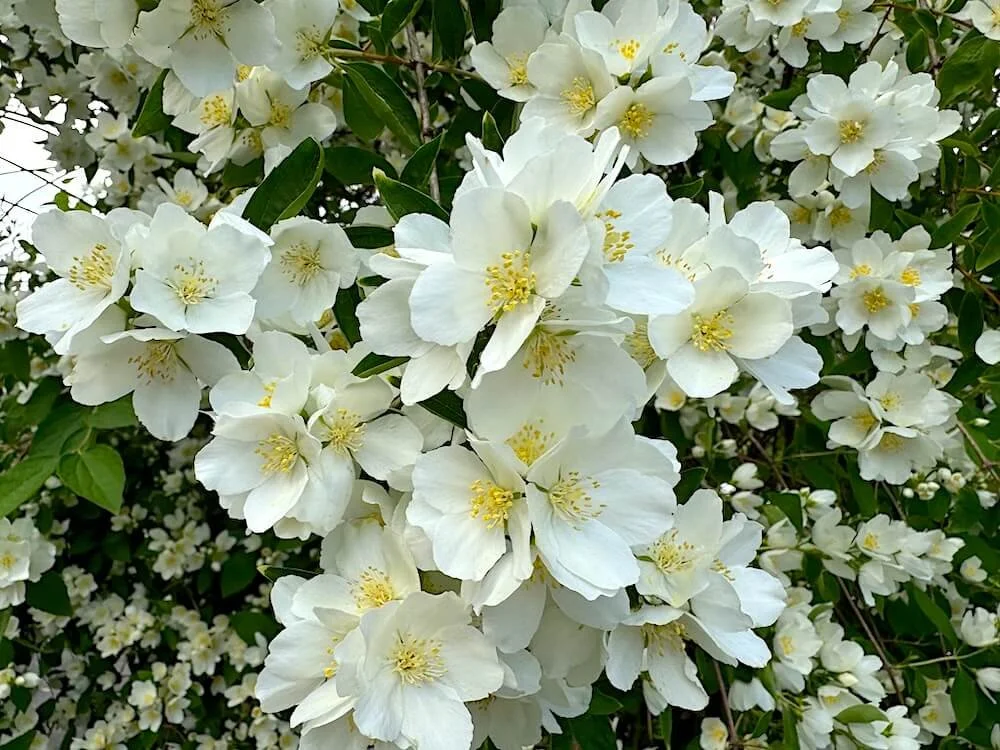
Philadelphus coronarius, commonly known as the mock orange, is a deciduous shrub celebrated for its fragrant white flowers. Blooming in late spring to early summer, its large clusters of blooms resemble orange blossoms, filling the air with a sweet, citrus-like fragrance. The plant's dark green leaves provide a lush backdrop to the blossoms, which are often used to create visually appealing hedges or focal points in gardens.
Works well in
- Sun Gardens
- Foundation Plantings
- Cottage Gardens
- Pollinator Gardens
Companion plants
Gaura · Weigela · Salvia · Baptisia · Lilies · Mexican feather grass
Design tip
Take advantage of mock orange’s large height by giving it enough room to develop into a substantial flowering mass rather than keeping it tightly clipped. Prune only after flowering when shaping is necessary, preserving the abundant growth that creates its strongest spring display.
More shrubs
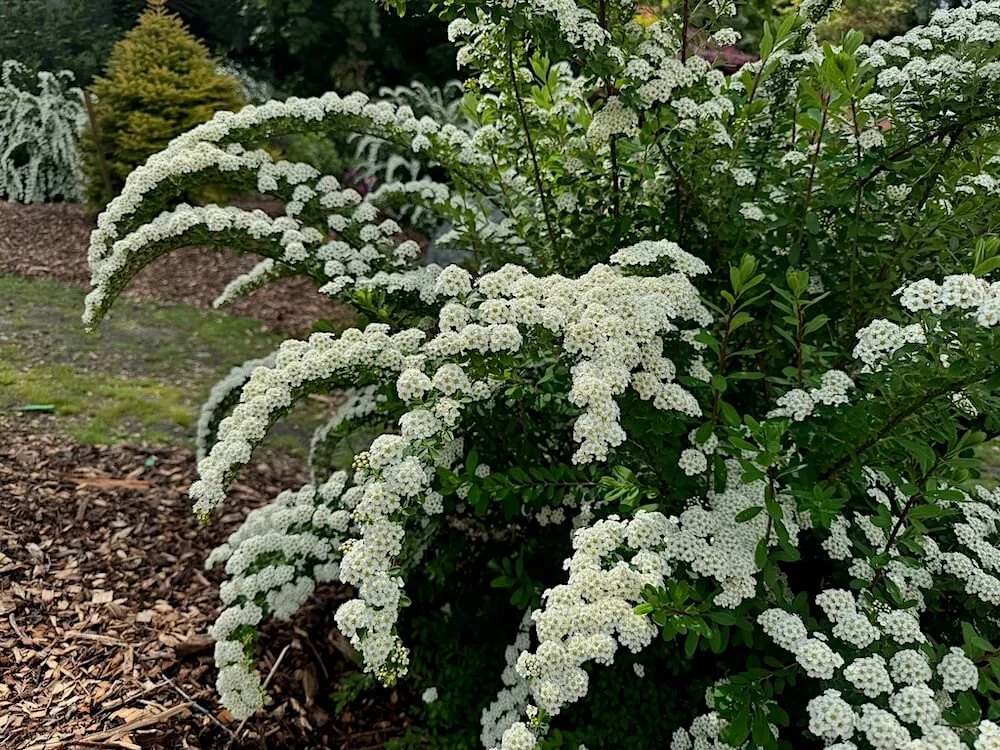
Spiraea nipponica
Snowmound Spirea
Blooms pure white
Full sun to partial shade
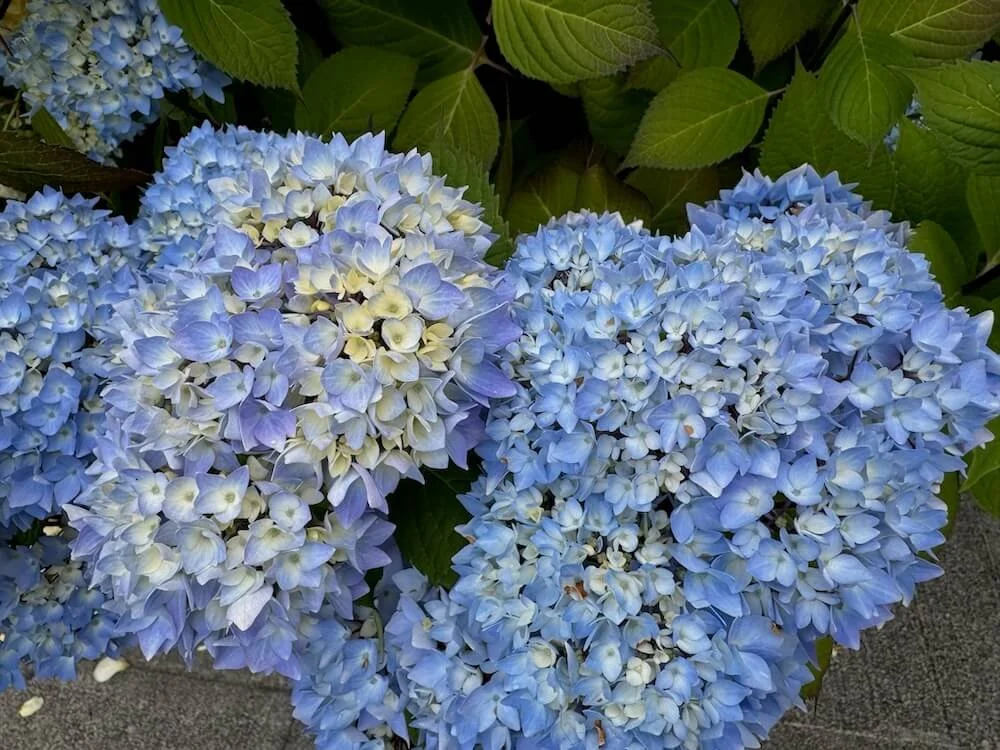
Hydrangea macrophylla 'Monmar'
Blue Enchantress Hydrangea
Blooms sky blue (acidic soil) or pinkish (alkaline soil); flowers mature to cream splashed with green
Full sun to partial shade
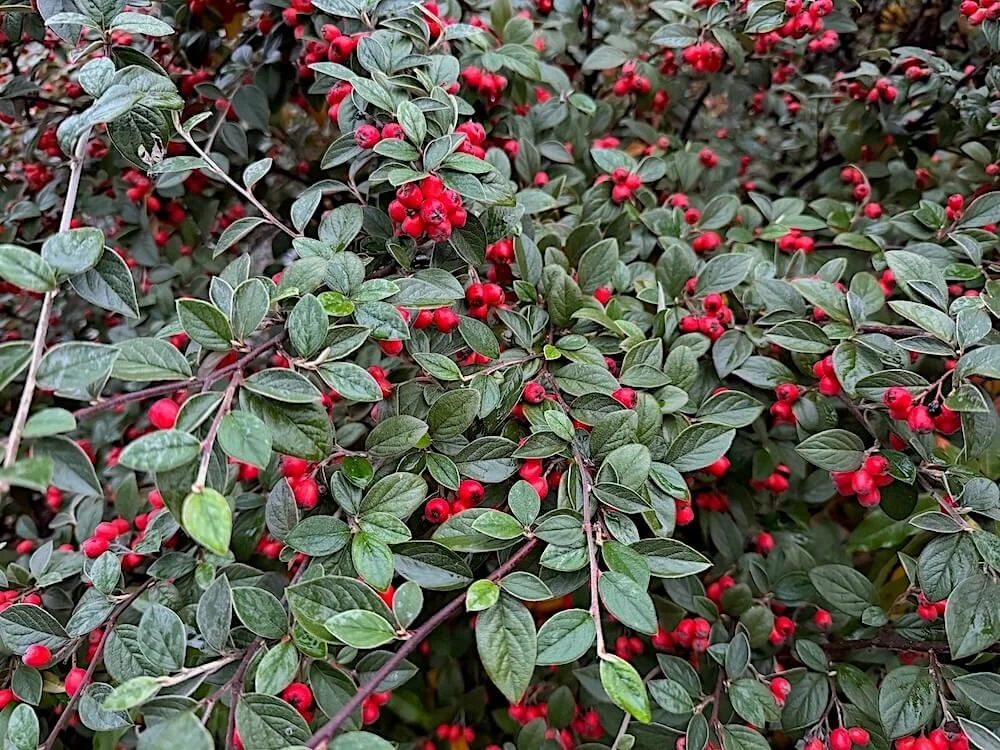
Cotoneaster franchetii
Franchet's Cotoneaster
Blooms white to pink
Full sun to partial shade
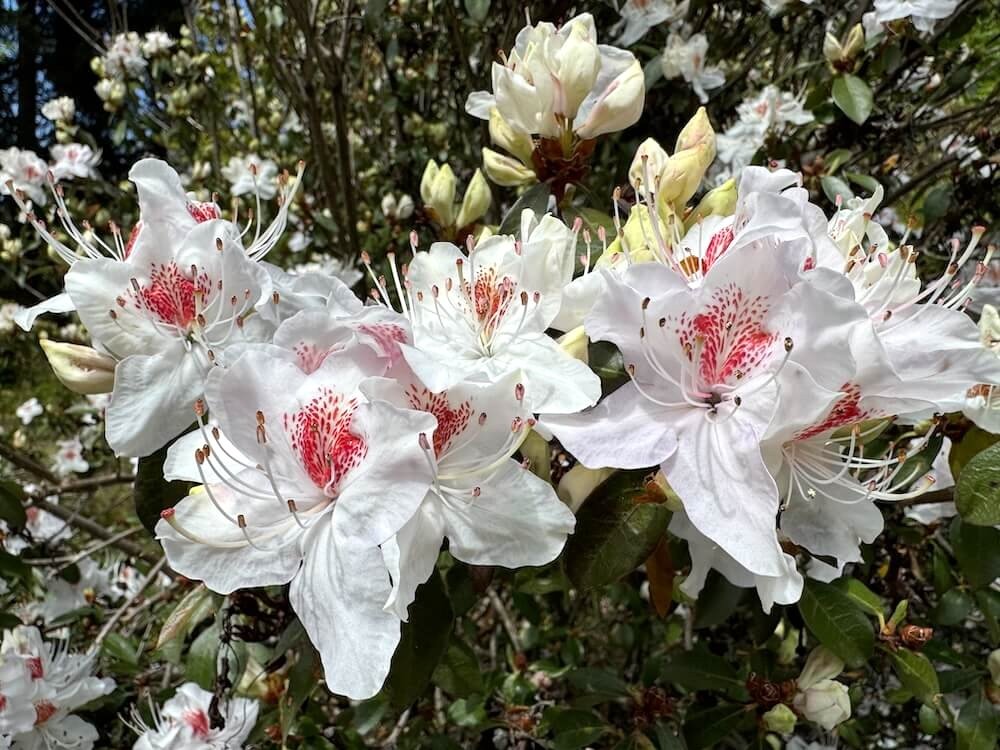
Rhododendron yunnanense
Yunnan Rhododendron
Blooms white to blush pink with red spotting in the throat
Part shade