 1 / 3
1 / 3Key characteristics
- Family
- Oleaceae
- Height
- 10 to 15 ft
- Width
- 8 to 12 ft
- Flower color
- Pale creamy-yellow to white, fragrant flower clusters
- Foliage color
- Deciduous medium green leaves
- Bloom time
- Mid to late spring
- Light
- Full sun
- Water
- Moderate
- Maintenance
- Moderate; prune immediately after flowering to shape and remove spent clusters
- Growing zone
- USDA zones 3 to 8
- Wildlife
- Fragrant blooms attract bees, butterflies, and other pollinators
Shrubs
Syringa vulgaris 'Primrose'
Primrose Lilac
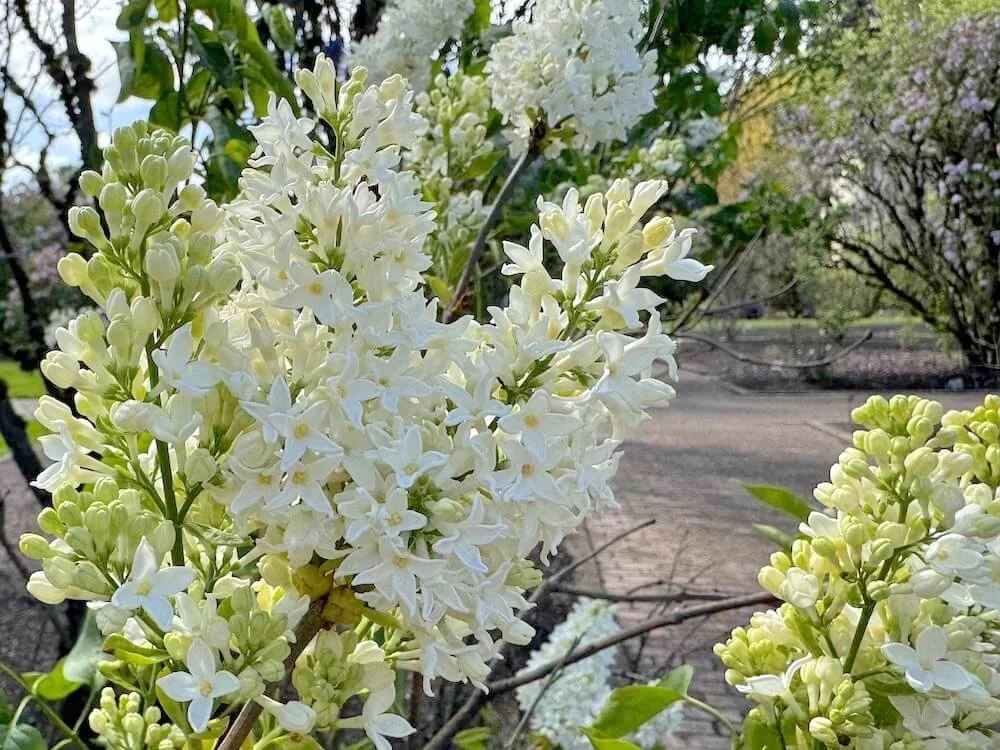
Syringa vulgaris 'Primrose' is known for its creamy yellow buds that open to softly fragrant, single florets in dense spring panicles. The color often starts a pale primrose yellow and can mellow toward creamy white as the trusses age, while heart-shaped green leaves provide a clean backdrop through the growing season.
Selected in Aalsmeer, the Netherlands, it entered cultivation in 1949 as a natural mutation and became widely grown.
Works well in
- Sun Gardens
- Hedging & Privacy
- Fragrant Gardens
- Pollinator Gardens
Companion plants
Holly · Daisy bush · Tulips · Pineapple lily · Salvias · Rose campion
Design tip
Play up ‘Primrose’s’ unusual coloring with deep green foliage nearby. The contrast makes its creamy yellow buds and pale primrose flowers more noticeable, while the blossoms’ gradual fade toward creamy white creates subtle color variation throughout the spring display.
Where to see it
This plant can be seen at the Hulda Klager Lilac Gardens.
More shrubs
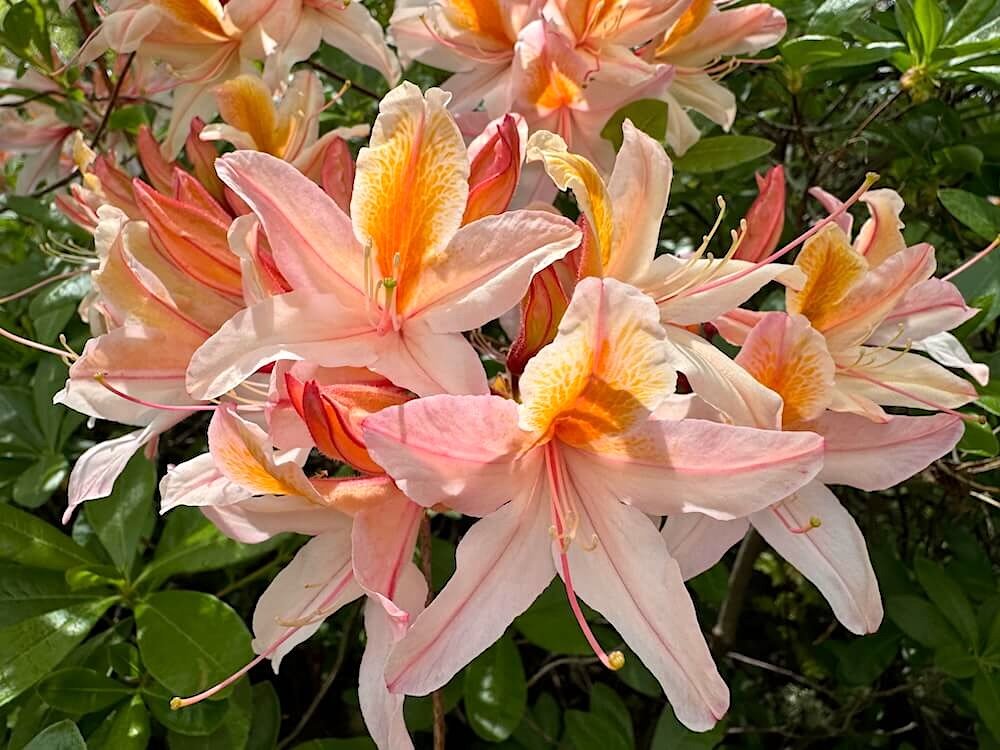
Rhododendron occidentale
Western Azalea
Blooms white to pink or pale rose blooms often with a yellow or orange blotch
Full sun to part shade
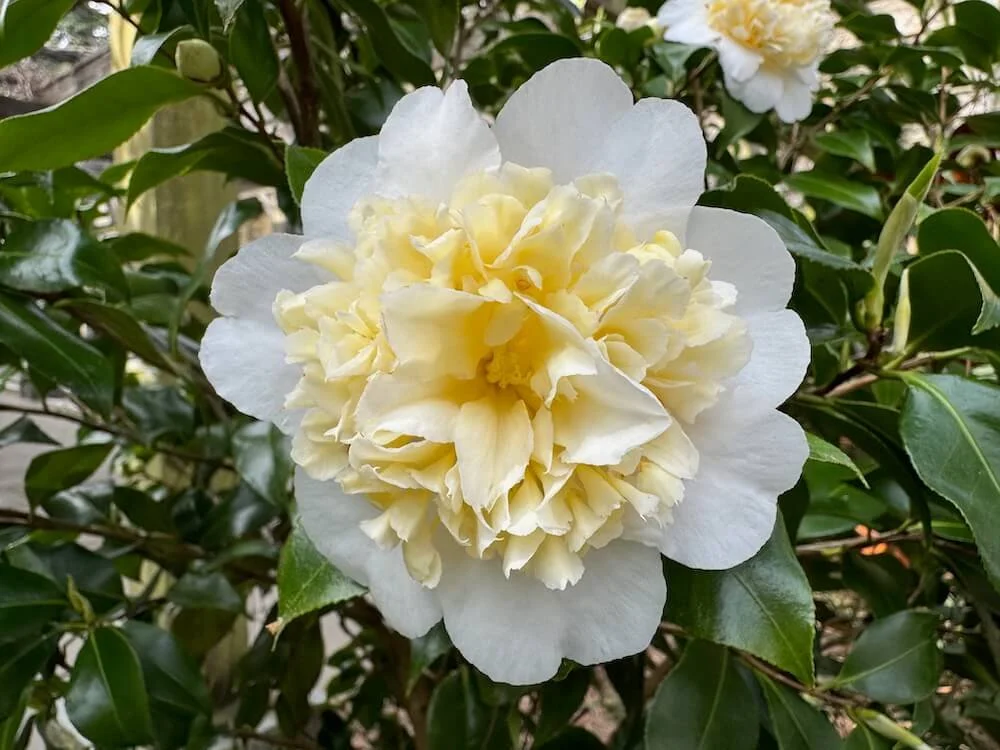
Camellia japonica 'Brushfield's Yellow'
Brushfield's Yellow Camellia
Blooms creamy-white outer petals with a central ruff of pale primrose-yellow petaloids
Part shade to dappled shade
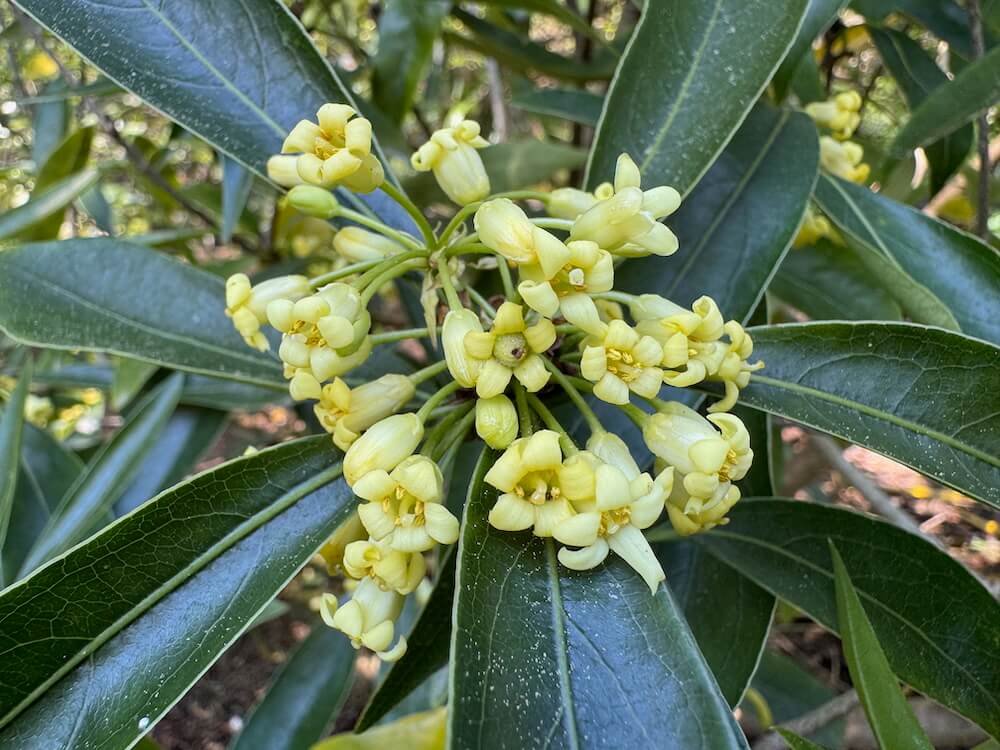
Pittosporum heterophyllum
Chinese Pittosporum
Blooms creamy white to pale yellow fragrant flowers
Full sun to partial shade
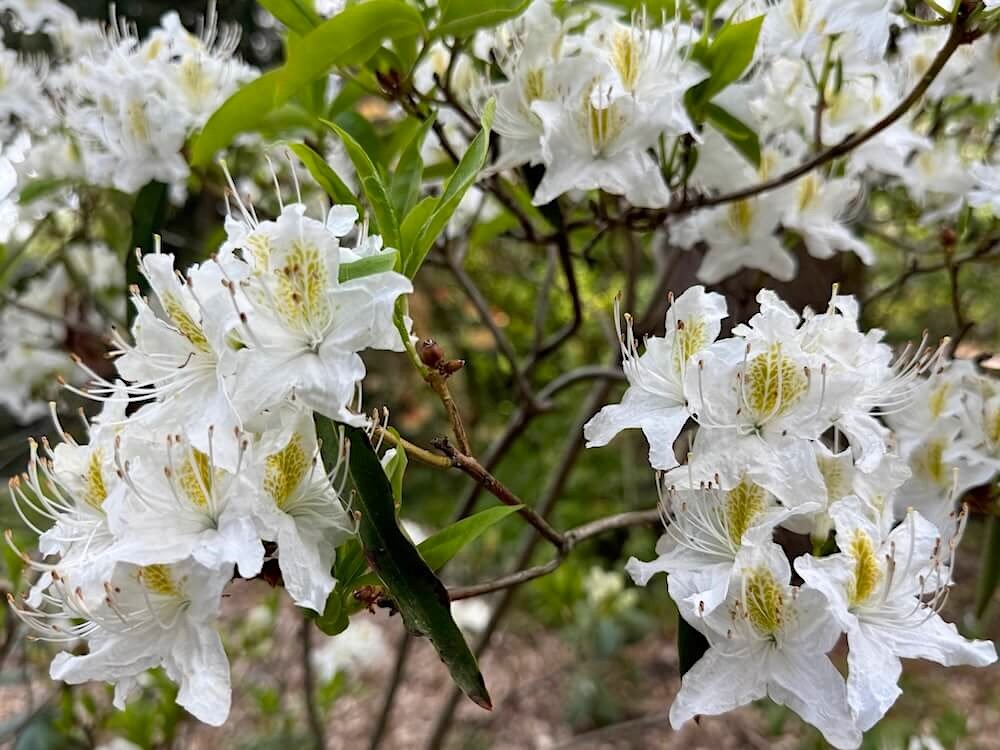
Rhododendron augustinii ssp. hardyii
White Augustine's Rhododendron
Blooms clear white with a soft yellow to pale green throat and spotting
Partial shade