 1 / 2
1 / 2Key characteristics
- Family
- Primulaceae
- Height
- 4 to 6 in
- Width
- 6 to 10 in
- Flower color
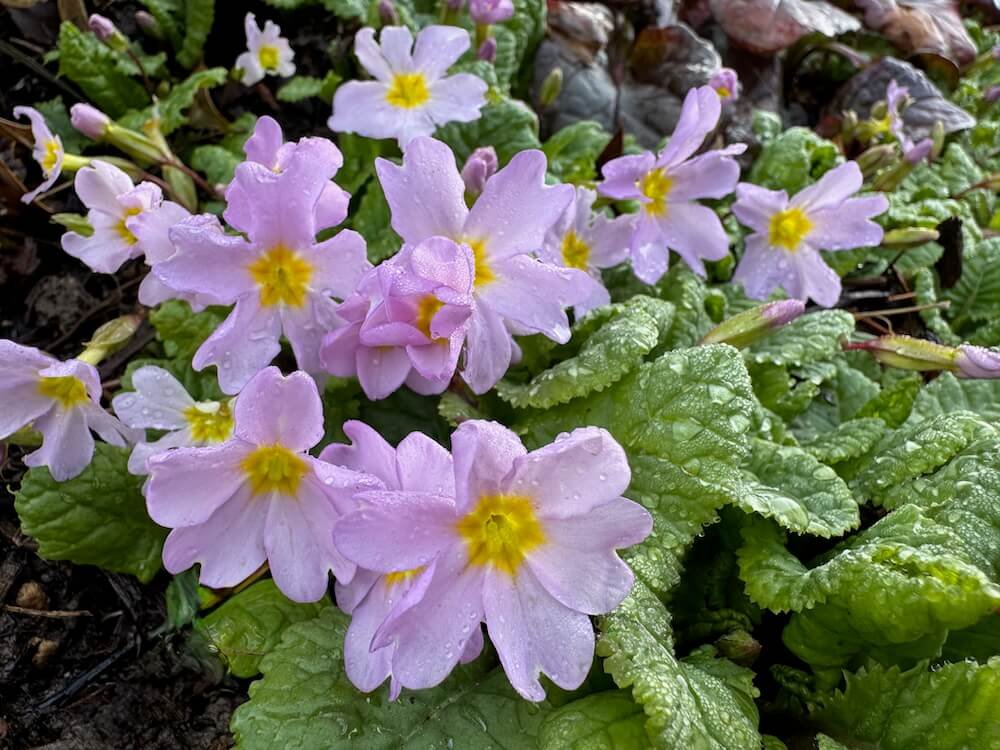
- Lavender to lavender-pink petals with a bright yellow central eye on each blossom
- Foliage color
- Medium to bright green, softly textured, oblong to slightly wrinkled leaves
- Bloom time
- Early spring
- Light
- Partial shade to full sun
- Water
- Moderate moisture
- Maintenance
- Low, remove spent flowers to extend bloom and tidy foliage after flowering
- Growing zone
- USDA zones 5 to 8
- Wildlife
- Early-season bees
Groundcovers
Primula vulgaris ssp. sibthorpii
Sibthorp Primrose
Primula vulgaris ssp. sibthorpii produces delicate, open-faced flowers in soft lavender to pale violet tones, each centered with a clear yellow eye. Blooms appear singly on short stems above a low rosette of textured, lightly crinkled green leaves. Flowering occurs in early to mid-spring, often emerging very early in the season and creating a gentle wash of color close to the ground.
Native to southeastern Europe and western Asia, this primrose is valued for naturalistic plantings beneath deciduous trees, along shaded paths, or along the edges of garden beds. Its modest scale and early bloom period make it especially useful for filling gaps before later perennials emerge.
Works well in
- Woodland Gardens
- Borders
- Pollinator Gardens
- Containers
Companion plants
Oxalis · Kalmias · Trilliums · Sword ferns · Violets · Rodgersias
Design tip
Allow this delicate primrose to naturalize beneath deciduous trees where its early flowers brighten the woodland floor before larger perennials emerge. Combine layered groundcovers, evergreen shrubs, and graceful foliage to create a relaxed planting with texture, rhythm, and seasonal continuity.
More groundcovers
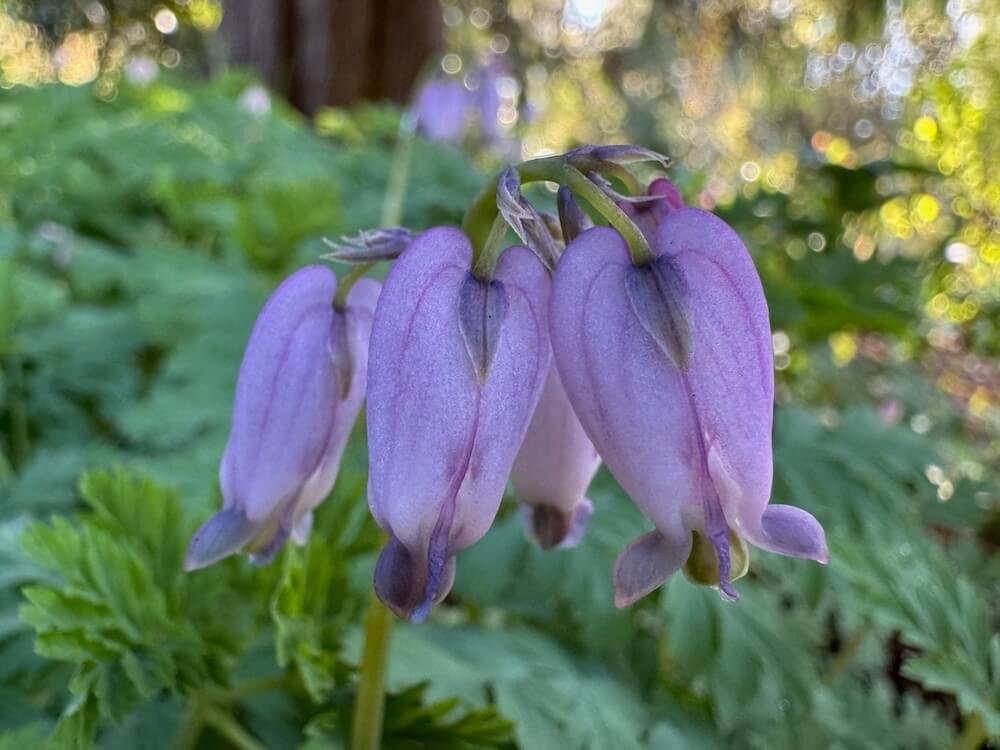
Dicentra formosa
Pacific Bleeding Heart
Blooms rose pink to lavender pink with white inner tips
Partial shade to full shade
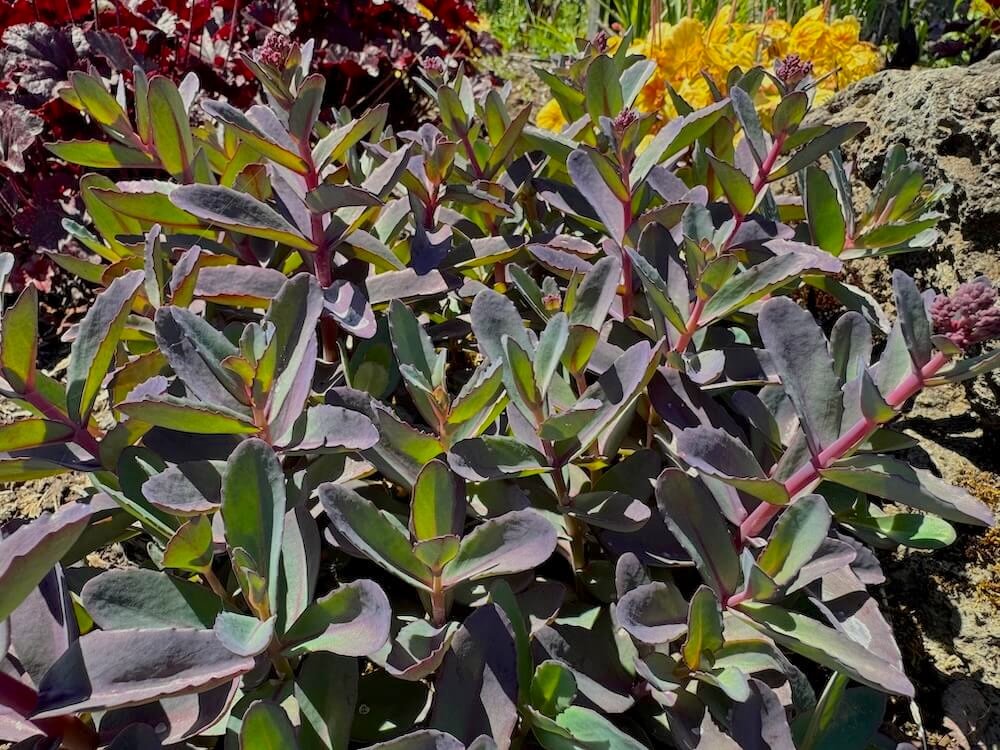
Sedum telephium 'Marina'
Marina Sedum
Blooms dusky rose-pink to soft mauve flower clusters
Full sun
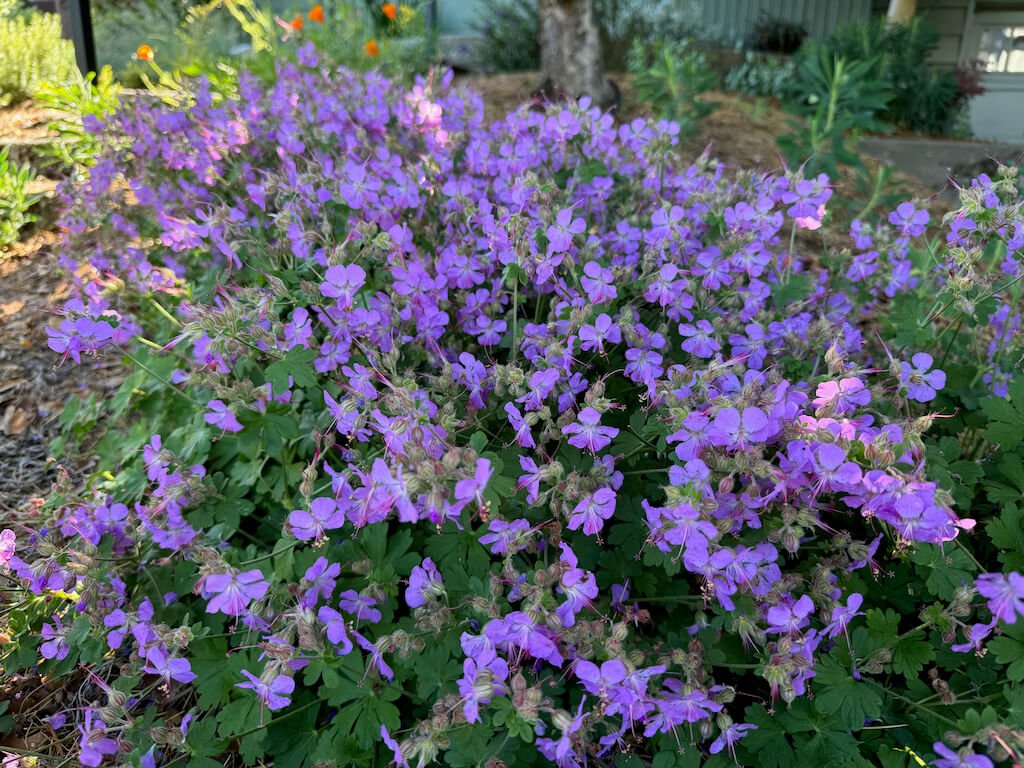
Geranium x cantabrigiense ‘Rosalina’
Rosalina Cranesbill
Blooms lilac-pink
Partial shade to full sun
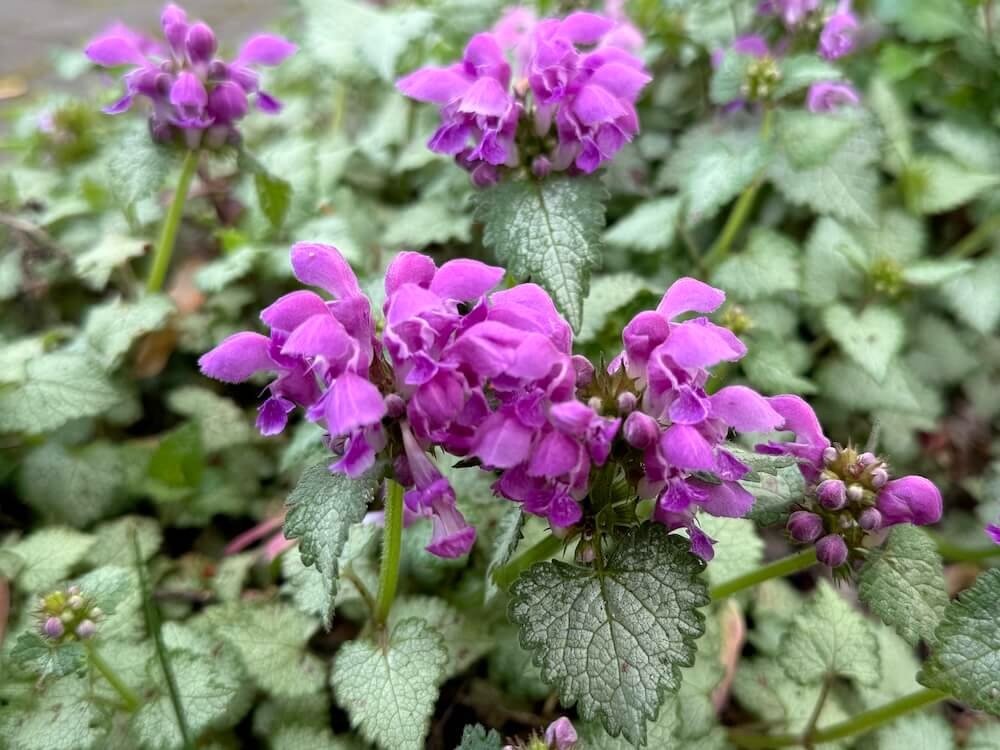
Lamium maculatum 'Orchid Frost'
Orchid Frost Spotted Deadnettle
Blooms soft orchid pink flowers with lavender tones and hooded tubular blooms
Partial shade to full shade