 1 / 3
1 / 3Key characteristics
- Family
- Papaveraceae
- Height
- 6–8 in
- Width
- 6–8 in
- Flower color
- Rose-pink to soft pink
- Foliage color
- Blue-green, finely divided, deciduous
- Bloom time
- Early to mid-spring
- Light
- Partial shade to full shade
- Water
- Average moisture i
- Maintenance
- Low; allow foliage to die back naturally and divide tubers when dormant
- Growing zone
- USDA zones 4–8
- Wildlife
- Early bees and other spring pollinators
Perennials
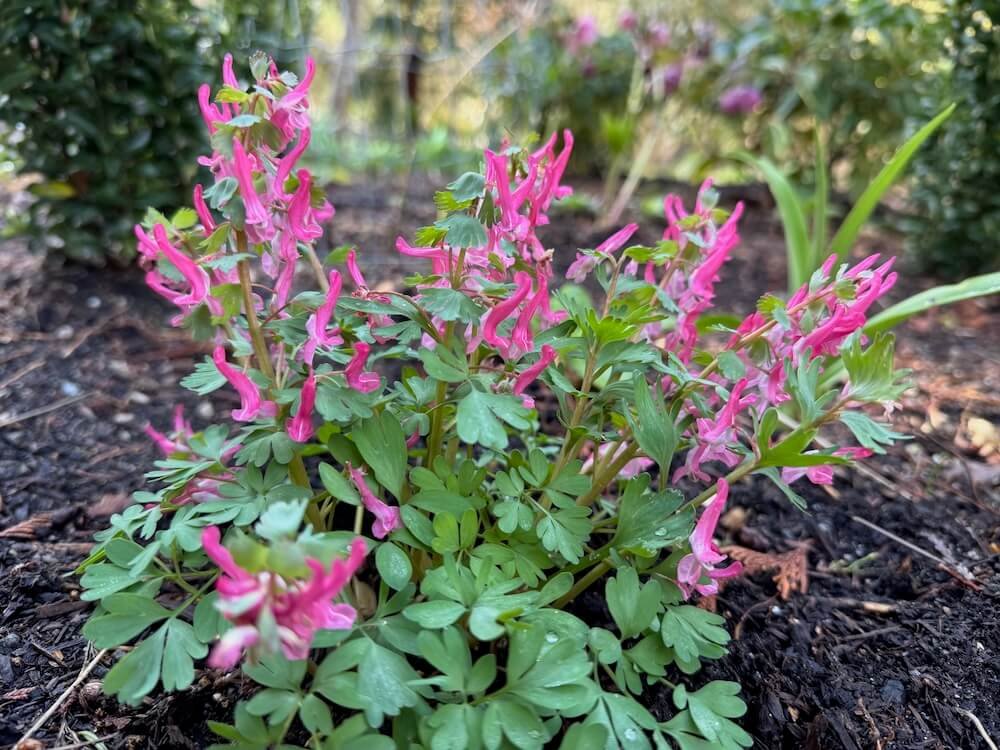
Corydalis solida subsp. solida 'Beth Evans'
Beth Evans Corydalis
Corydalis solida subsp. solida 'Beth Evans' sends up clusters of soft rose-pink, tubular flowers in early to mid-spring above finely cut, blue-green foliage that remains present beyond the flowering season. Selected in Europe from woodland populations native across central and eastern regions of the continent, it reflects the color and refined texture associated with long-cherished spring garden plants.
Fresh foliage persists through summer, maintaining a soft, leafy presence in shaded borders, woodland edges, and companion plantings with other perennials.
Works well in
- Borders
- Shade Gardens
- Woodland Gardens
- Pollinator Gardens
- Rain Gardens
Companion plants
Ferns · Lungworts · Wild ginger · Hellebores · Japanese forest grass · Astilbes
Design tip
The early flowers arrive when the garden is still waking up, so give it a spot you pass often in spring. Cooler light suits it, so tuck it on the north side of a shrub or wall where the soil stays even.
Where to see it
This plant can be seen at the Bellevue Botanical Garden.
More perennials
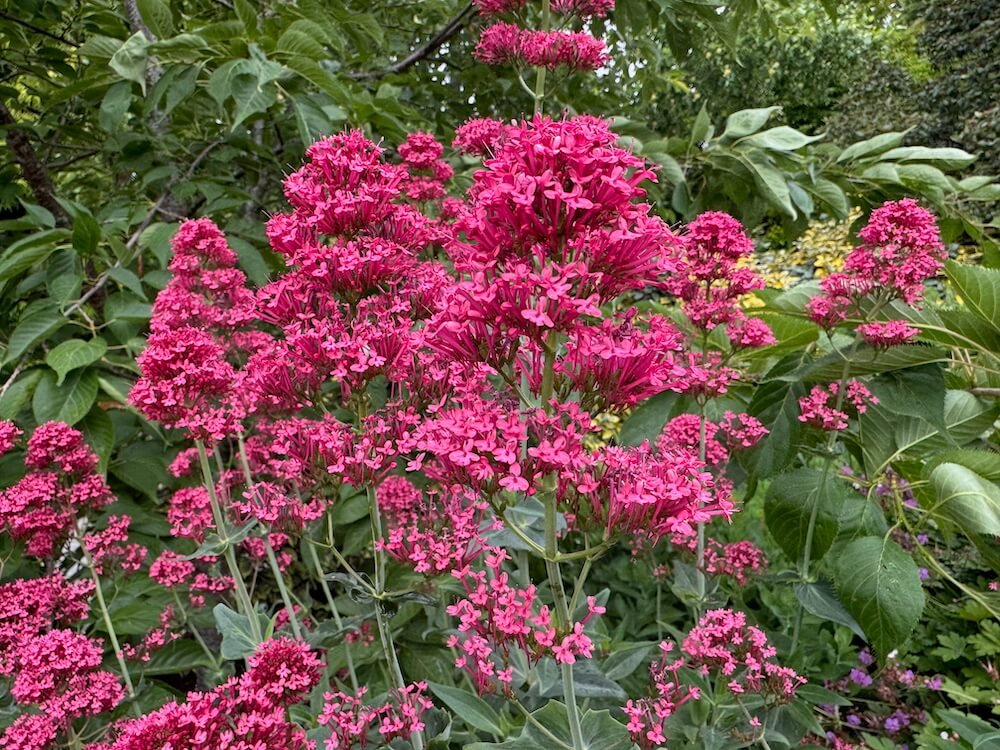
Centranthus ruber
Red Valerian
Blooms red, pink, or white
Full sun
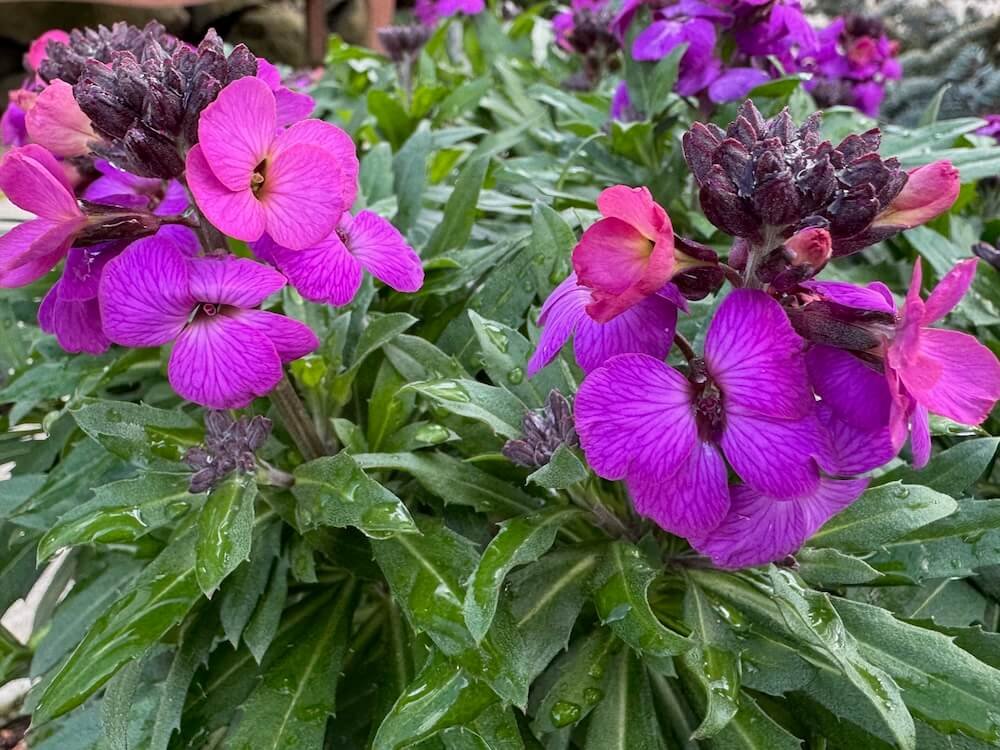
Erysimum × cheiri 'Color Vibe Purple'
Color Vibe Purple Wallflower
Blooms rich purple to violet with golden eyes
Full sun to light partial shade
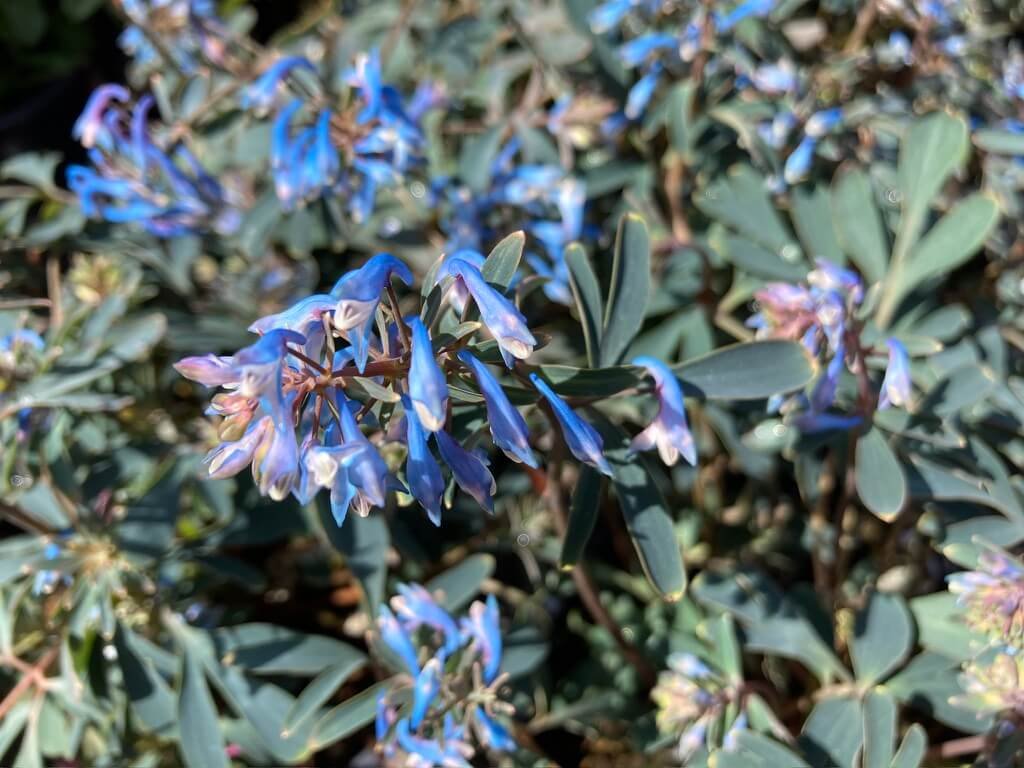
Corydalis flexuosa ‘Porcelain Blue’
Hillier Porcelain Blue Corydalis
Blooms sky blue with a white throat
Partial shade to full shade
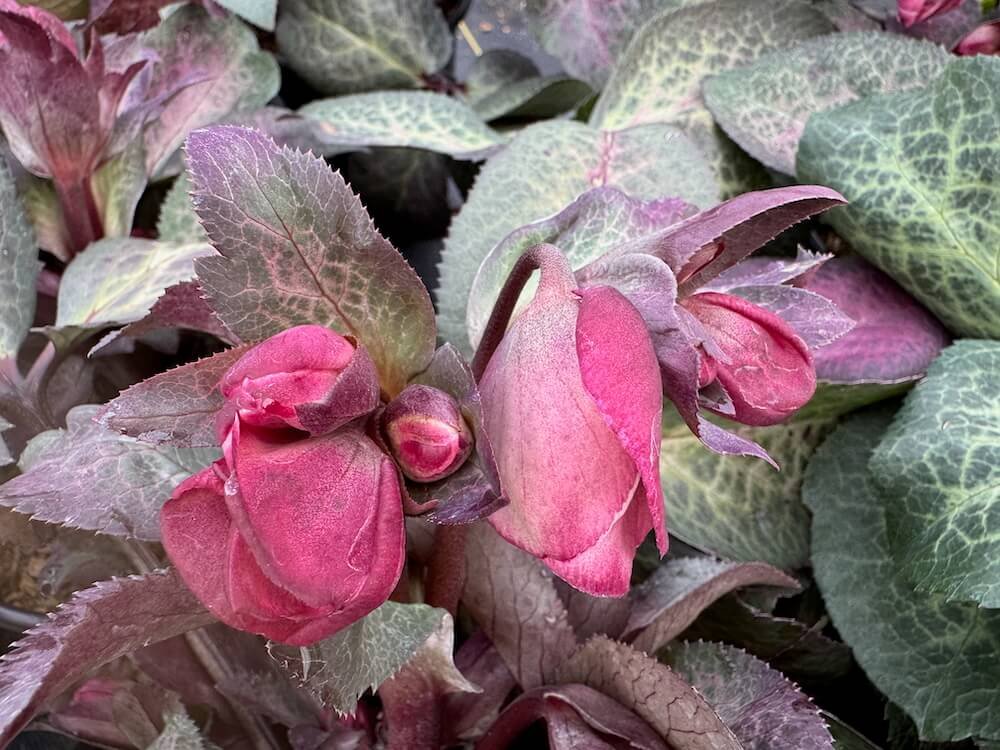
Helleborus x hybridus 'Dorothy's Dawn'
Dorothy's Dawn Lenten Rose
Blooms light pink to rose, outward-facing blooms with cream-colored stamens
Partial shade to full shade