 1 / 3
1 / 3Key characteristics
- Family
- Iridaceae
- Height
- 2.5 ft to 3 ft
- Width
- 1.5 ft to 2 ft
- Flower color
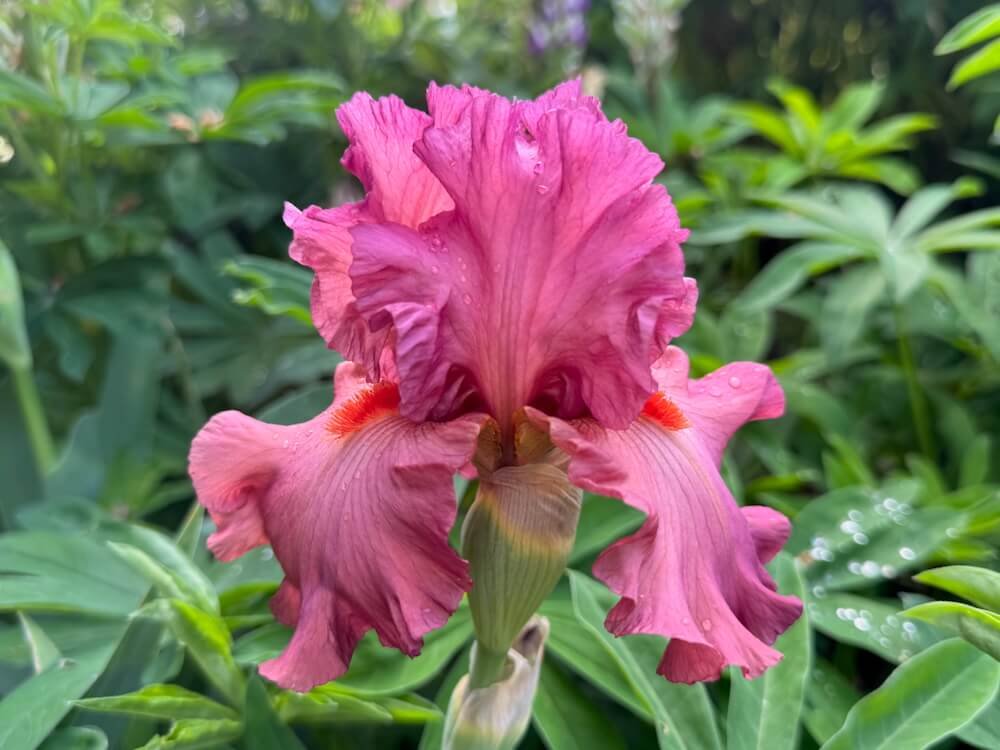
- Deep mauve-pink standards and falls with orange red beards and darker veining
- Foliage color
- Blue green sword shaped leaves forming an upright fan shaped clump
- Bloom time
- Late spring
- Light
- Full sun
- Water
- Low to moderate
- Maintenance
- Low; remove spent flower stalks and divide clumps every few years to maintain vigor
- Growing zone
- USDA zones 3 to 9
- Wildlife
- Bees and pollinators attracted to nectar and pollen rich flowers
Perennials
Iris 'Code Red'
Code Red Iris
Iris 'Code Red' produces richly colored flowers with deep mauve-pink standards and falls, with glowing orange-red beards, blooming in late spring and bringing dramatic color to the garden. Upright, sword-like leaves are blue-green and provide strong vertical structure throughout the growing season. The flowers rise above the foliage on sturdy stems, with gently ruffled petals and saturated tones that create depth and texture during bloom.
Works well in
- Borders
- Sun Gardens
- Pollinator Gardens
- Waterwise Gardens
- Cut Flower Gardens
Companion plants
Sedums · Peonies · Coneflowers · Salvias · Shasta daisies · Asters
Design tip
Spring bloom is its headline moment, and it reads best in a group rather than as a single plant. In full sun it holds its shape best, and grouping several together keeps the color strong enough to be seen from across the garden.
Where to see it
This plant can be seen at Schreiner’s Iris Gardens.
More perennials
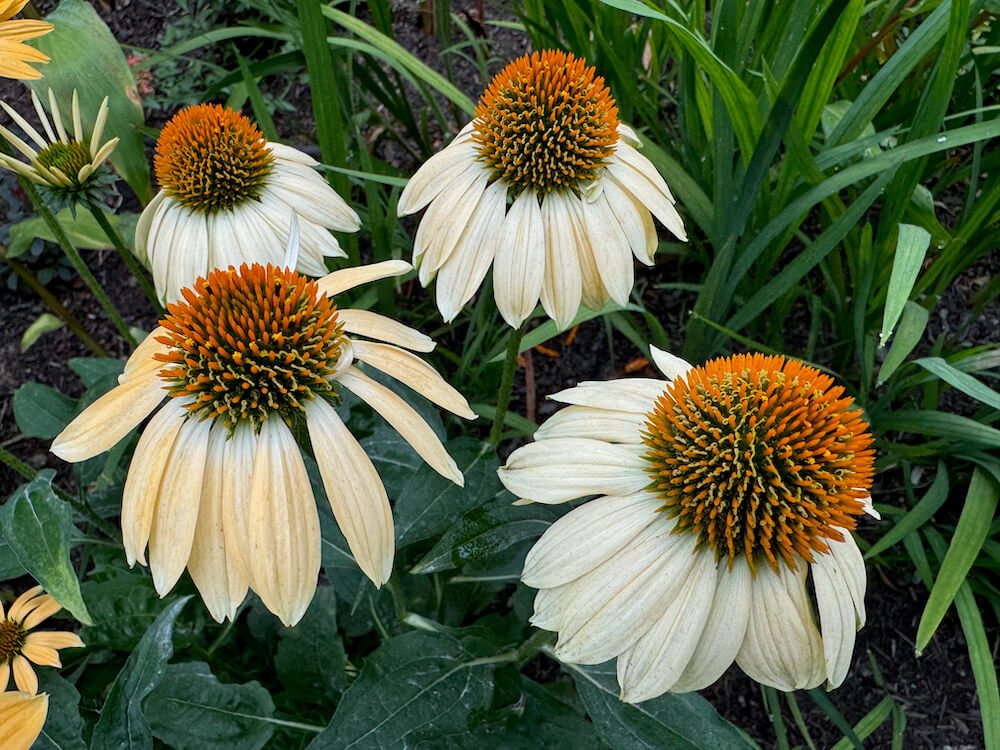
Echinacea 'Cheyenne Spirit'
Cheyenne Spirit Coneflower
Blooms mix of white, yellow, orange, red, pink, purple, and/or cream
Full sun
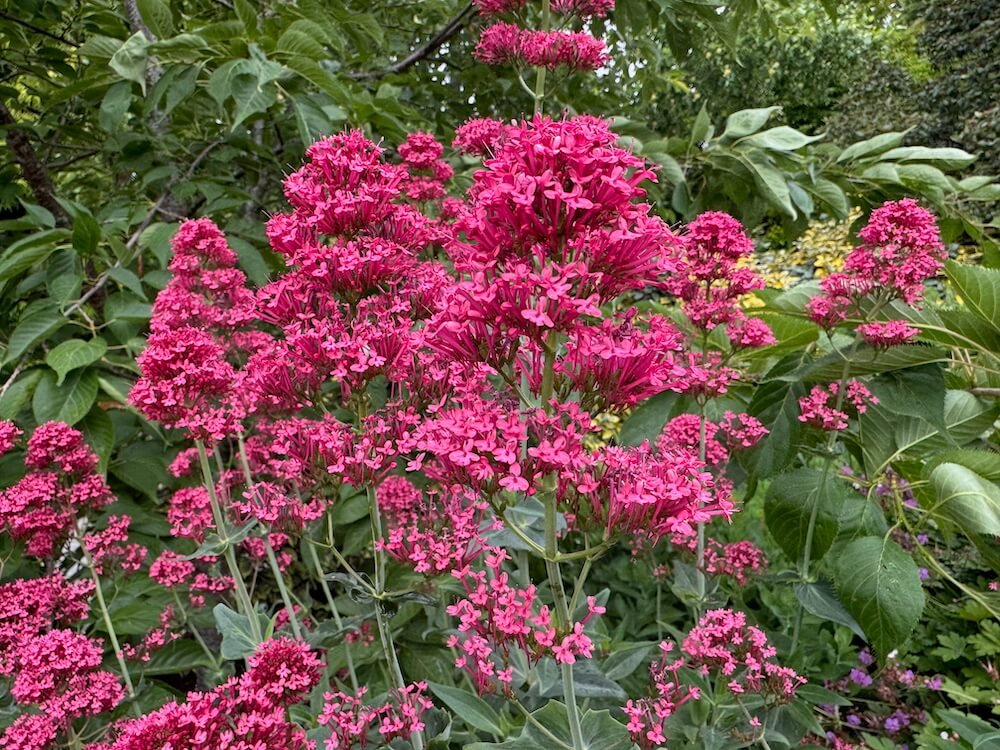
Centranthus ruber
Red Valerian
Blooms red, pink, or white
Full sun
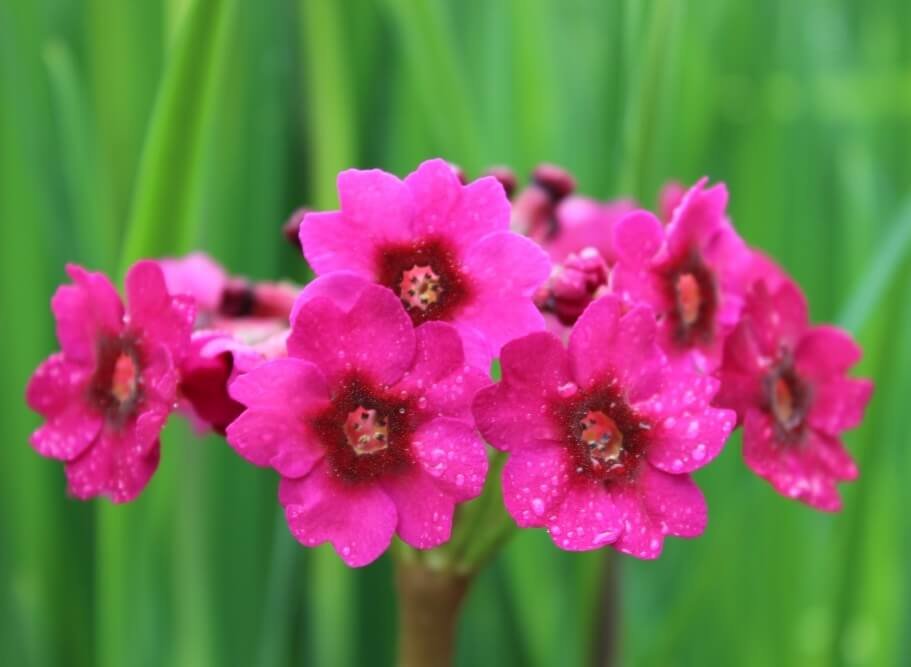
Primula japonica
Candleabra Primrose
Blooms shades of pink, red, purple, and white
Partial shade
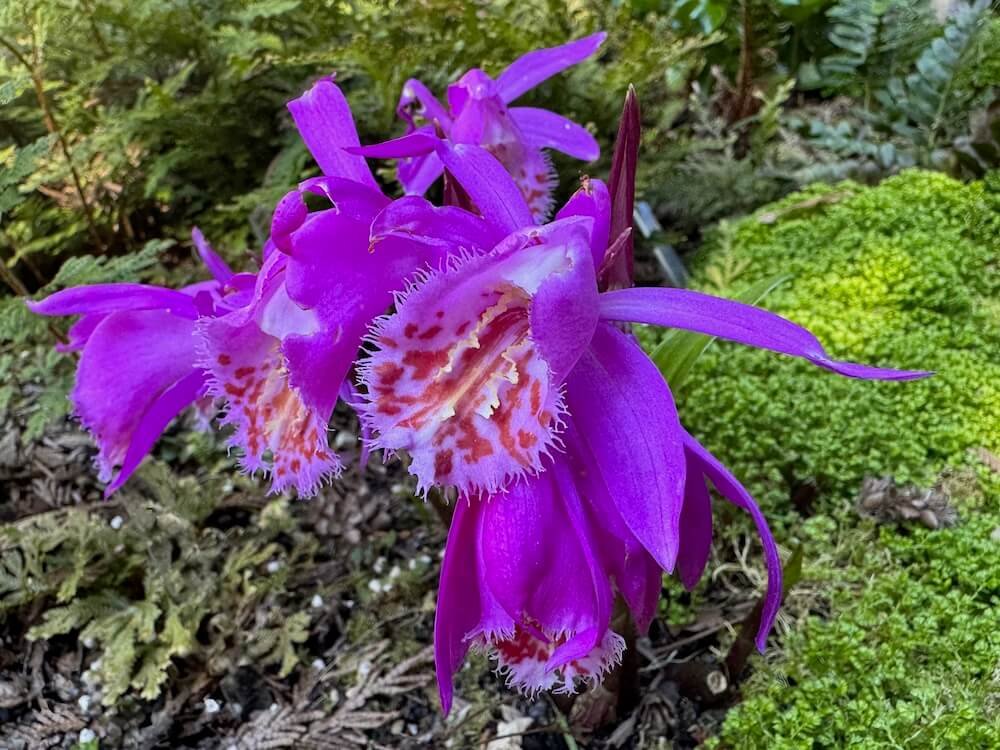
Pleione 'Tongariro'
Tongariro Hardy Orchid
Blooms violet pink to fuchsia pink with red or purple markings on the lip
Partial sun to partial shade