 1 / 5
1 / 5Key characteristics
- Family
- Asteraceae
- Height
- 12 to 24 in
- Width
- 24 to 36 in
- Flower color
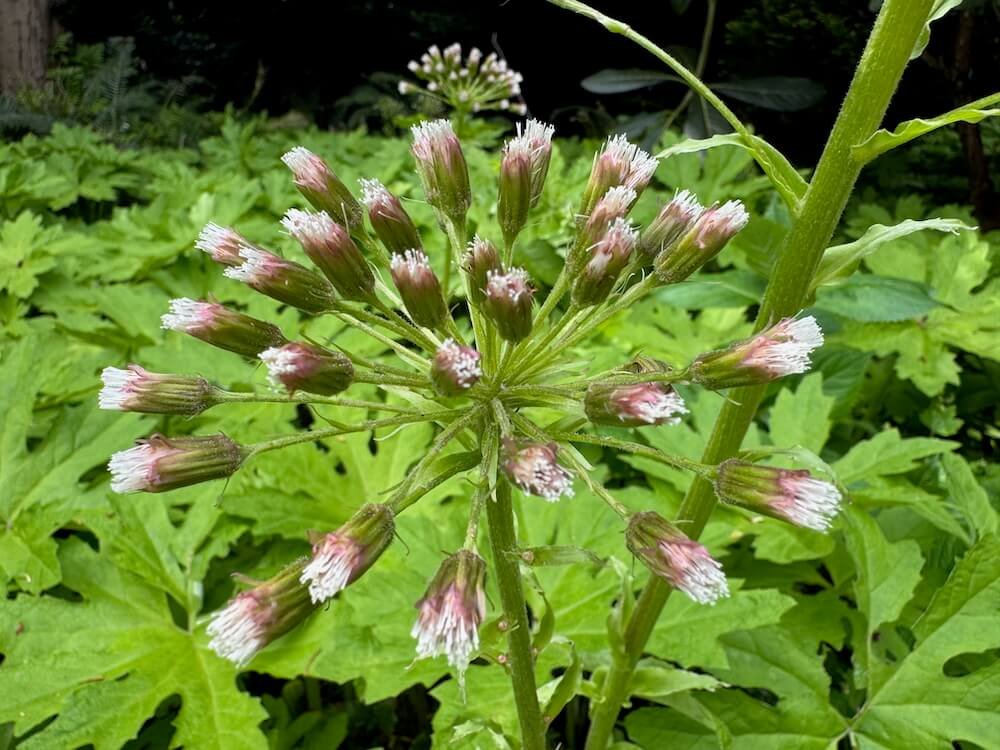
- Pale pink to whitish flower clusters on upright stems
- Foliage color
- Large green palmate leaves with softly toothed margins
- Bloom time
- Early to mid spring
- Light
- Partial shade to full shade
- Water
- High
- Maintenance
- Moderate; spreads by rhizomes and may require containment
- Growing zone
- USDA zones 2 to 7
- Wildlife
- Bees and other early season pollinators
Perennials
Petasites frigidus var. palmatus
Western Coltsfoot
Petasites frigidus var. palmatus emerges in early spring with clusters of soft pink to pale rose flower heads that appear before the foliage expands, bringing early seasonal color to cool garden spaces. Rounded leaves unfold into broad, palmately lobed blades of fresh green that create a lush ground-layer presence through the growing season.
Native to cold regions of northern North America and parts of Eurasia, it reflects the short growing seasons and moist woodland edges of subarctic and boreal landscapes. Steady vegetative spread and bold foliage lend natural continuity to shaded plantings and streamside-inspired settings across the warmer months.
Works well in
- Borders
- Shade Gardens
- Woodland Gardens
- Pollinator Gardens
- Rain Gardens
Companion plants
Japanese forest grass · Astilbes · Heucheras · Siberian bugloss · Sweet woodruff · Foamflowers
Design tip
The early flowers arrive when the garden is still waking up, so give it a spot you pass often in spring. Cooler light suits it, so tuck it on the north side of a shrub or wall where the soil stays even.
Where to see it
This plant can be seen at Powellswood Garden.
More perennials
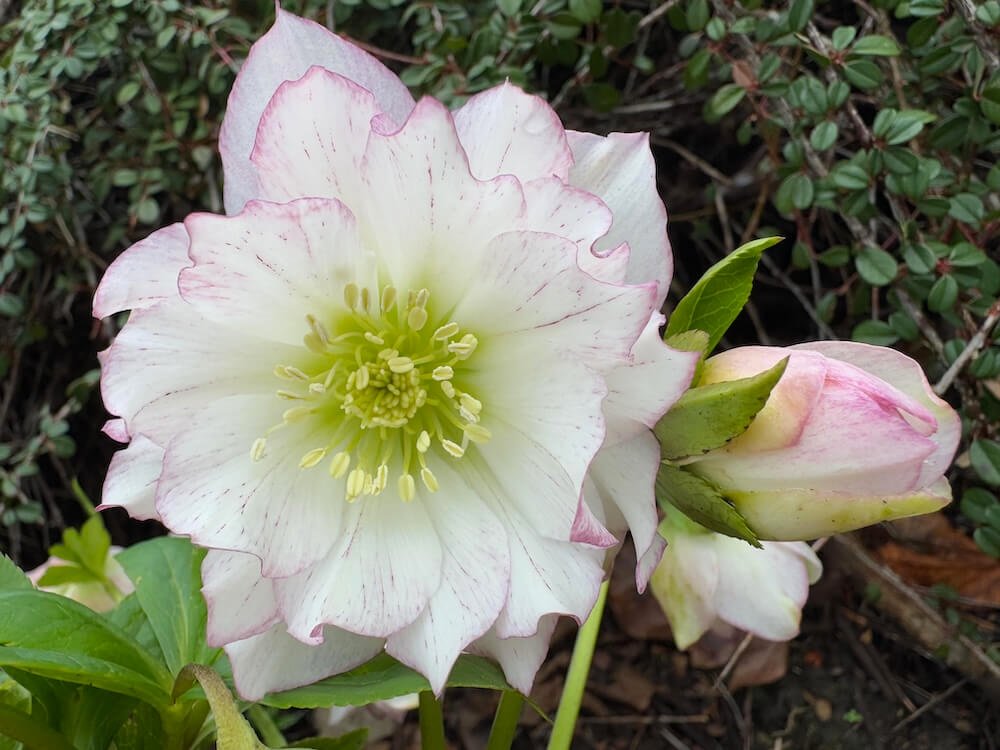
Helleborus x hybridus 'Flower Girl'
Flower Girl Lenten Rose
Blooms double blush to light pink
Partial shade to full shade
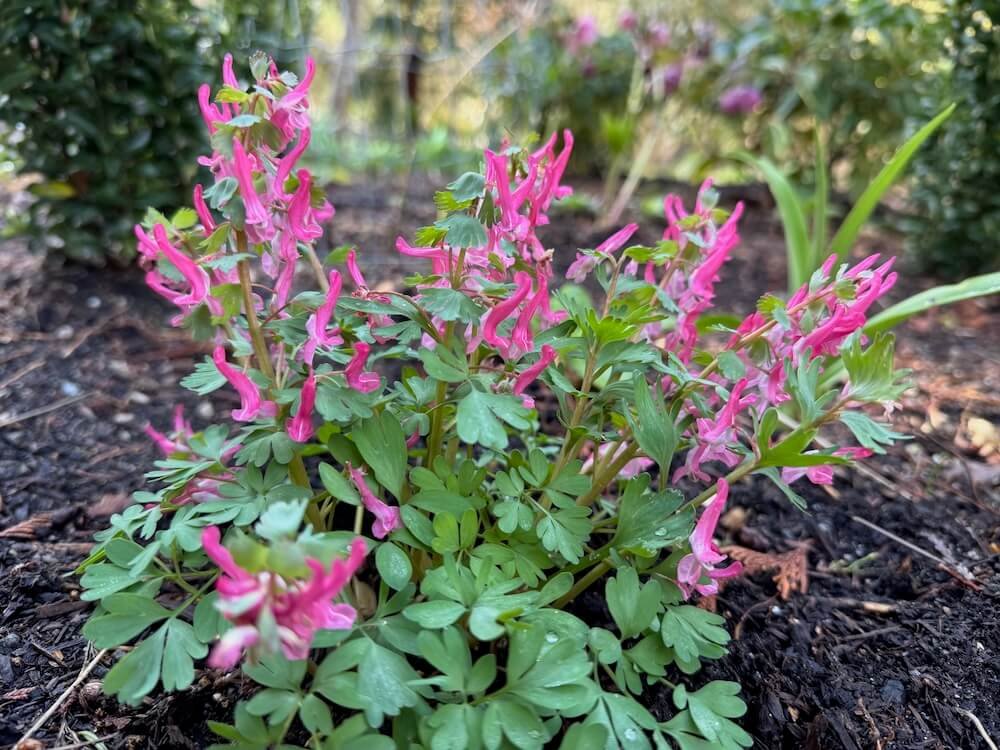
Corydalis solida subsp. solida 'Beth Evans'
Beth Evans Corydalis
Blooms rose-pink to soft pink
Partial shade to full shade
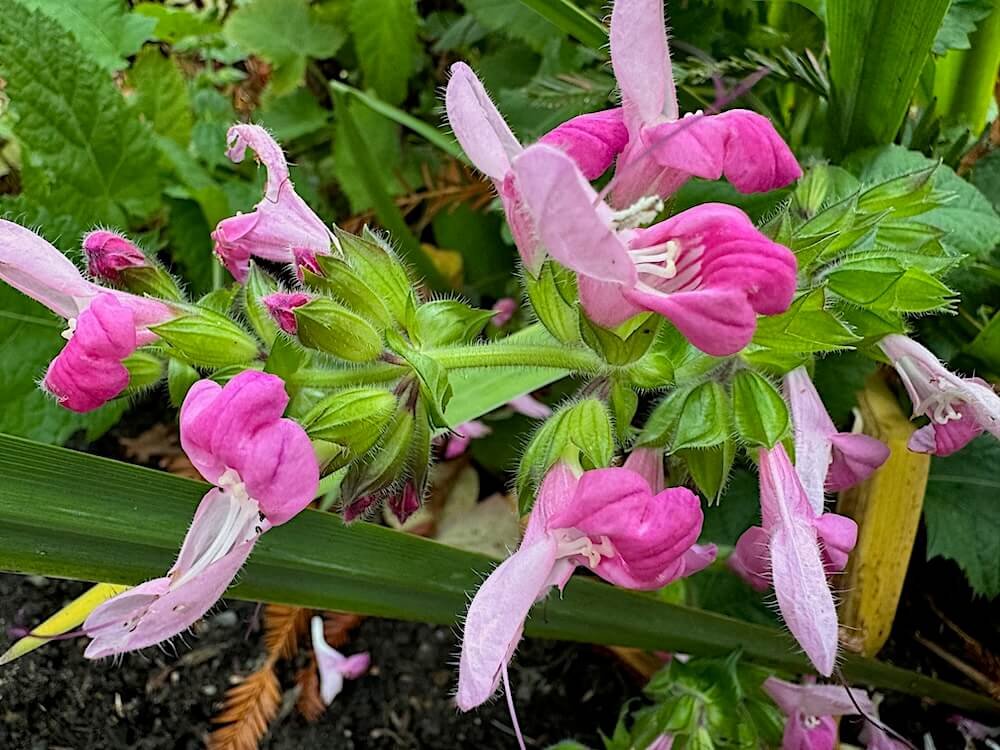
Salvia glabrescens 'Momobana'
Japanese Woodland Sage
Blooms soft pink
Partial to full shade
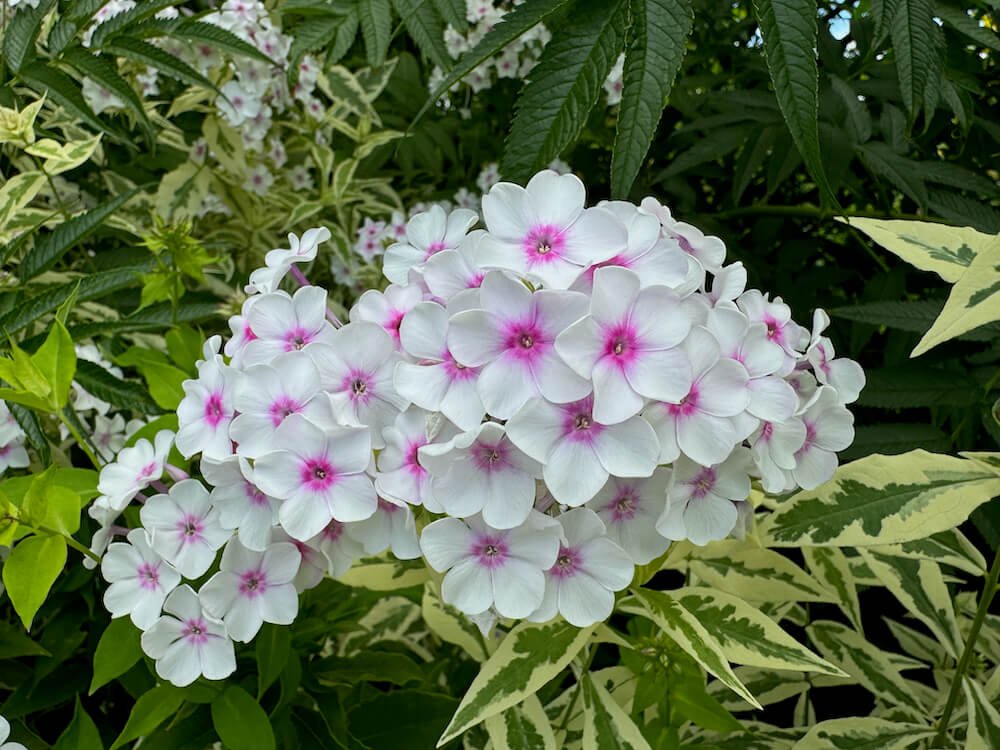
Phlox paniculata 'Nora Leigh'
Nora Leigh Garden Phlox
Blooms white to pale pink with a darker pink center
Full sun to partial shade