 1 / 3
1 / 3Key characteristics
- Family
- Boraginaceae
- Height
- 24 to 48 inches
- Width
- 24 to 48 inches
- Flower color
- Nodding tubular flowers in shades of purple violet pink or cream
- Foliage color
- Large rough textured deep green leaves forming a dense clump
- Bloom time
- Late spring to early summer
- Light
- Full sun to partial shade
- Water
- Moderate to consistent moisture in well drained soil
- Maintenance
- Moderate; spreads by vigorous roots so divide or contain clumps to control growth
- Growing zone
- USDA zones 3 to 9
- Wildlife
- Attracts bees and other pollinators
Perennials
Symphytum × uplandicum
Russian Comfrey
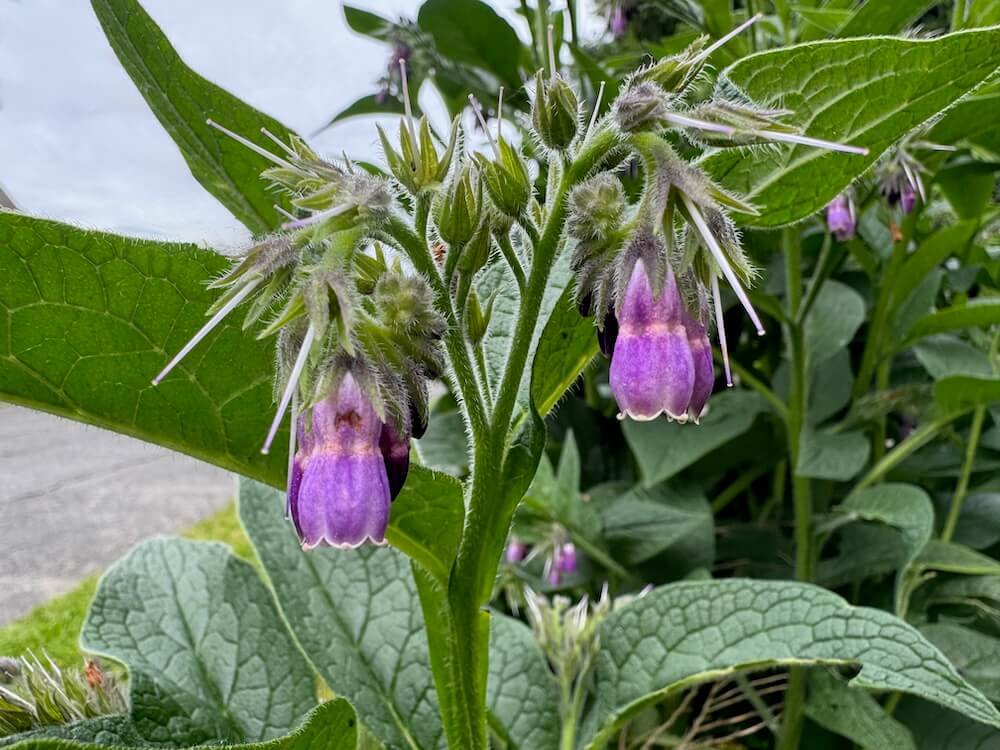
Symphytum × uplandicum develops large, rough textured green leaves that emerge in broad clumps, each blade elongated and slightly hairy, creating a dense mound of foliage through the growing season. In late spring to early summer, arching stems carry clusters of drooping bell shaped flowers in shades of purple to violet, the tubular blooms hanging beneath the foliage canopy.
This hybrid arose in Europe from crosses between species native to western Asia and the Caucasus region.
Works well in
- Borders
- Cottage Gardens
- Pollinator Gardens
- Rain Gardens
- Cut Flower Gardens
Companion plants
Japanese anemones · Bleeding hearts · Catmint · Heucheras · Lady's mantle · Hellebores
Design tip
Summer flowers carry the middle of the season, so place it where the bed needs color once spring bulbs fade. Because it is easy about light, use it to carry a planting from a sunny end of the bed into the shadier side.
More perennials
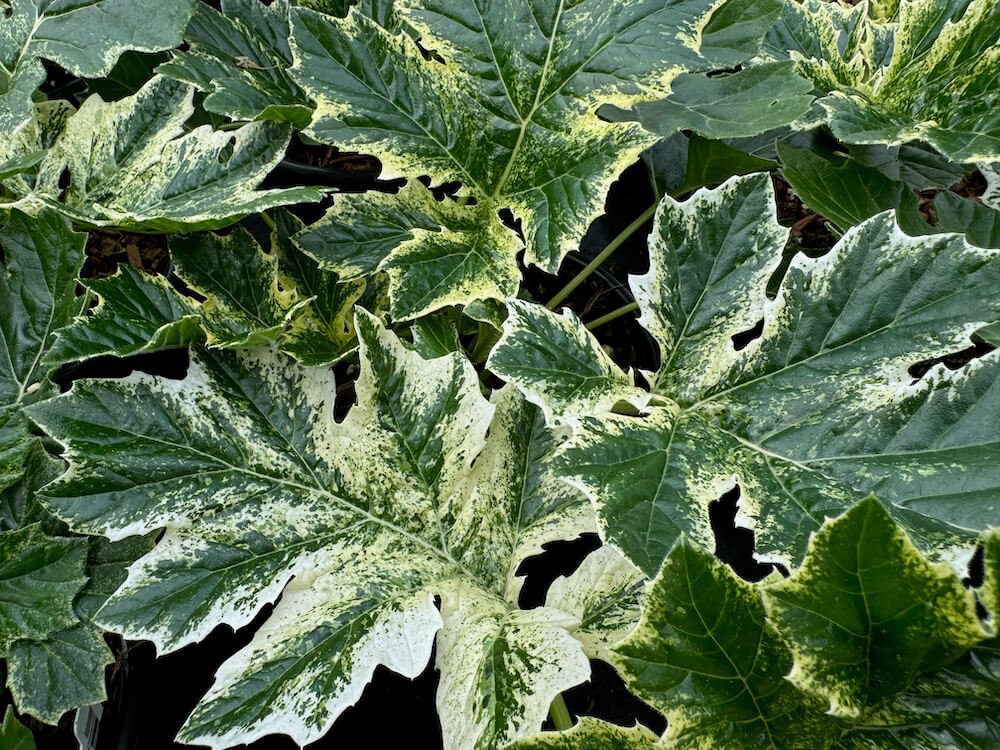
Acanthus mollis 'Whitewater'
Whitewater Bear's Breeches
Blooms creamy white with pink blush and purple bracts
Partial shade to full shade
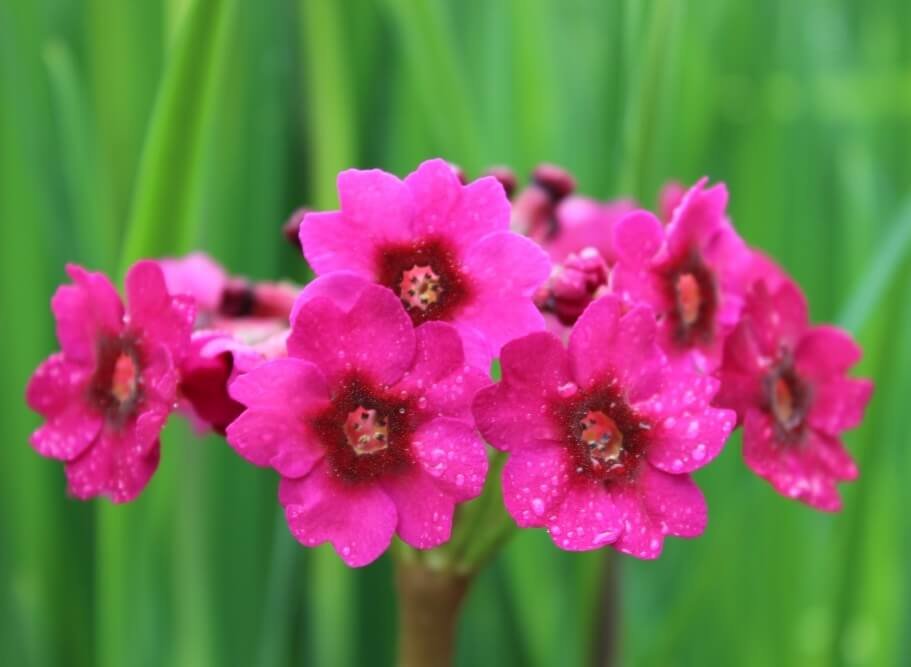
Primula japonica
Candleabra Primrose
Blooms shades of pink, red, purple, and white
Partial shade
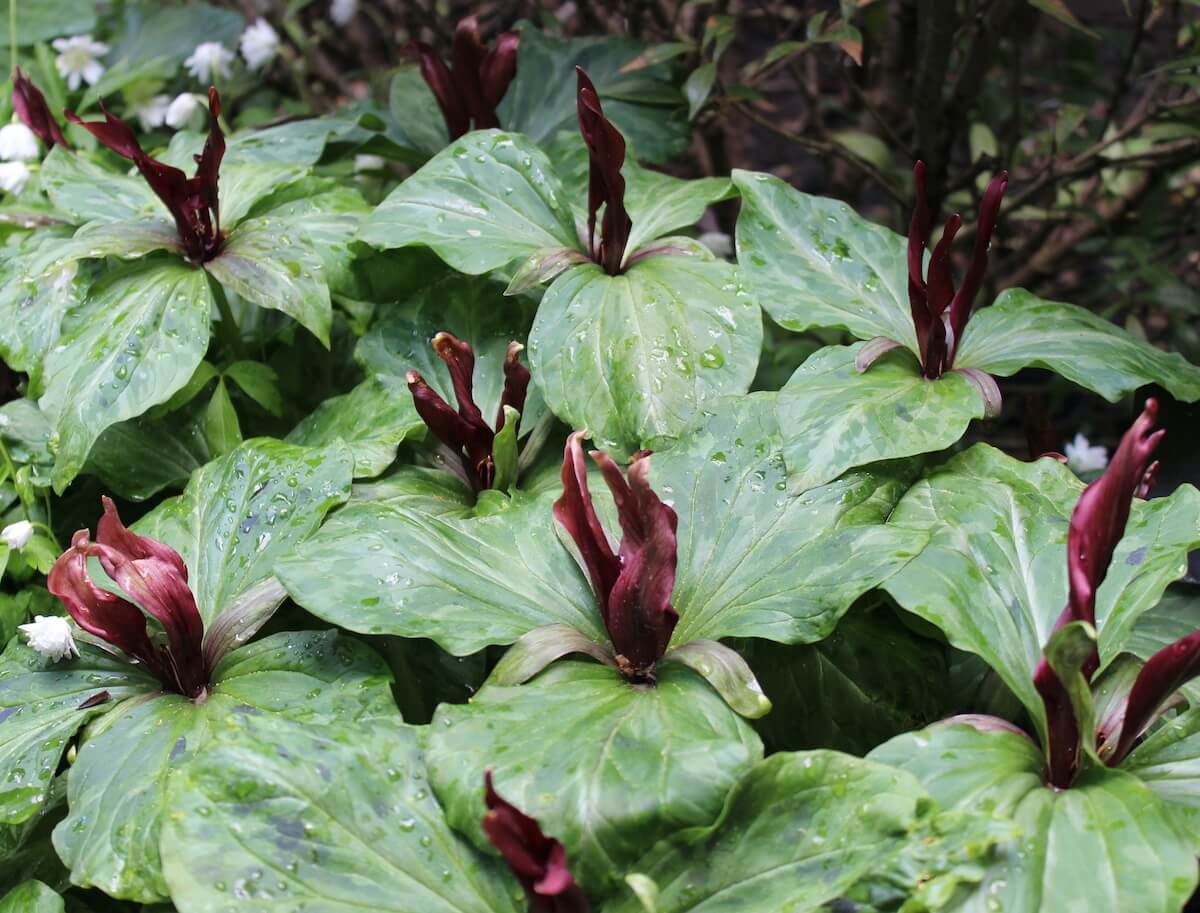
Trillium kurabayashii
Giant Purple Trillium
Blooms initially deep maroon or reddish-purple, fading to lighter pink or white with age
Partial to full shade
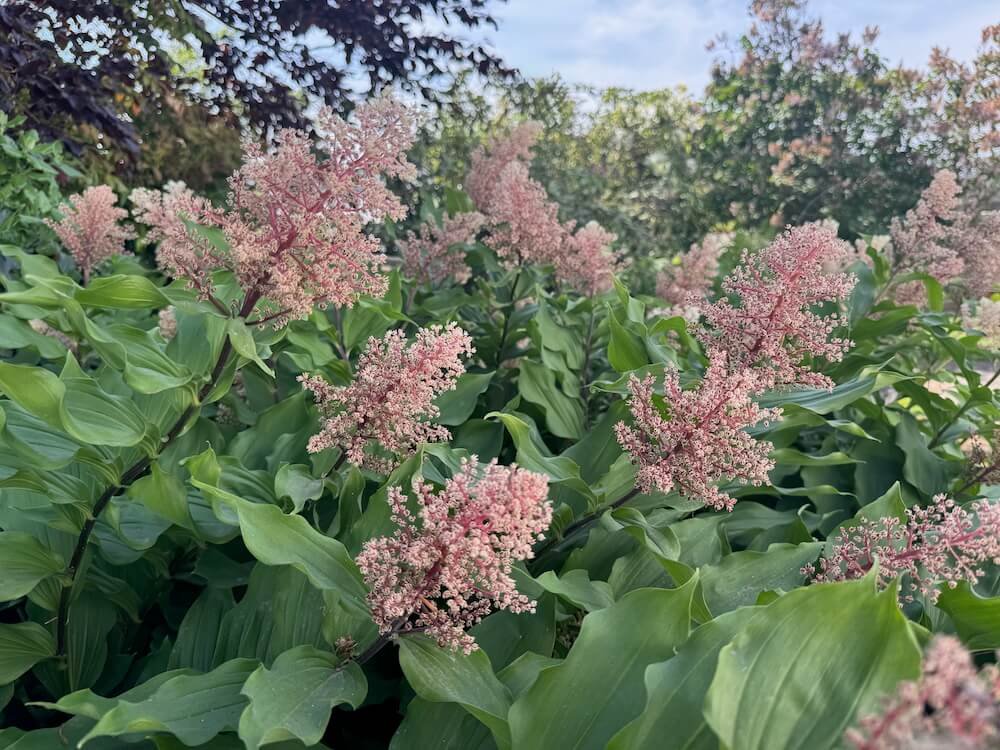
Maianthemum racemosum subsp. amplexicaule
Western False Solomon's Seal
Blooms creamy white feathery plume like clusters with pink stems, and buds
Partial shade to full shade