 1 / 3
1 / 3Key characteristics
- Family
- Melanthiaceae
- Height
- 12 to 18 in
- Width
- 12 to 18 in
- Flower color
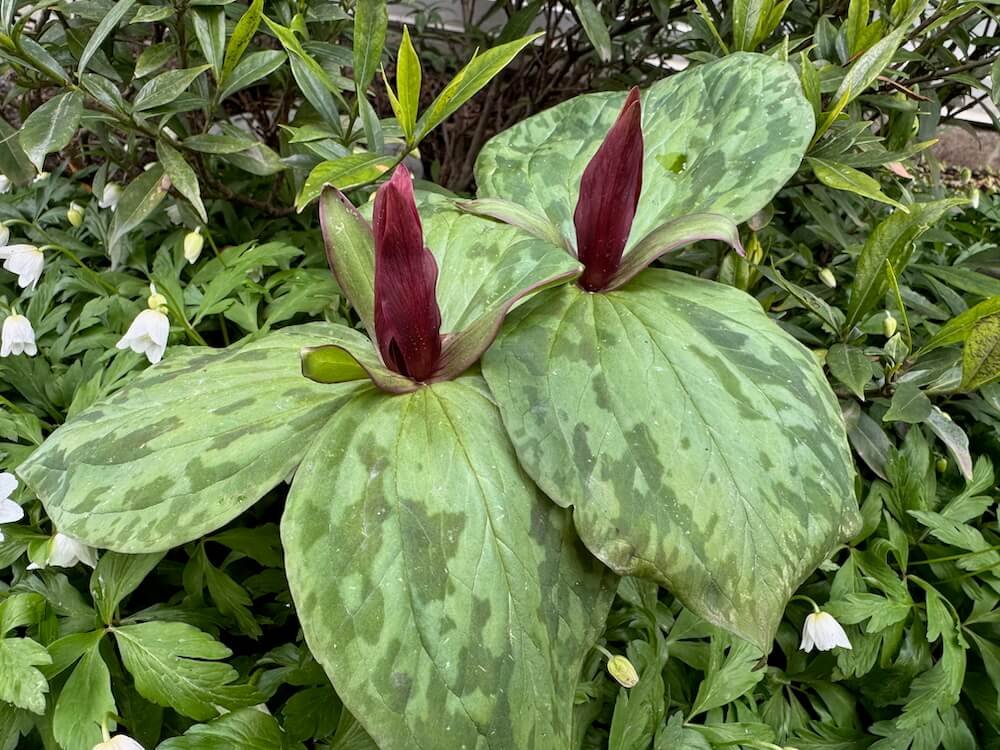
- Deep maroon to chocolate brown, sometimes with greenish or purplish undertones
- Foliage color
- Broad, mottled leaves of 3 in shades of green, gray-green, and silvery marbling
- Bloom time
- Mid to late spring
- Light
- Partial shade to full shade
- Water
- Moderate
- Maintenance
- Low; allow foliage to die back naturally and avoid disturbance once established
- Growing zone
- USDA zones 4 to 8
- Wildlife
- Ants attracted to seed elaiosomes and early woodland pollinators
Perennials
Trillium cuneatum
Sweet Betsy Trillium
Trillium cuneatum emerges in spring with three broad, mottled leaves patterned in marbled shades of green, bronze, and silver. At their center sits a sessile flower whose petals blend deep maroon, olive, and muted purple tones, often accompanied by an earthy fragrance. The plant forms quiet colonies beneath deciduous canopies, where filtered light highlights its intricate foliage and low, sculptural presence.
Blooming in early to mid spring, it is native to woodland regions of the southeastern United States and has long been valued for naturalistic plantings. It settles easily into shaded gardens, enriching understory compositions, seasonal displays, and collections focused on regional flora.
Works well in
- Borders
- Shade Gardens
- Woodland Gardens
- Pollinator Gardens
- Containers
Companion plants
Hostas · Bleeding hearts · Solomon's seal · Ferns · Lungworts · Wild ginger
Design tip
The early flowers arrive when the garden is still waking up, so give it a spot you pass often in spring. Keep it out of hot afternoon sun and layer it with woodland companions for a full, settled look.
Where to see it
This plant can be seen at the Bellevue Botanical Garden.
More perennials
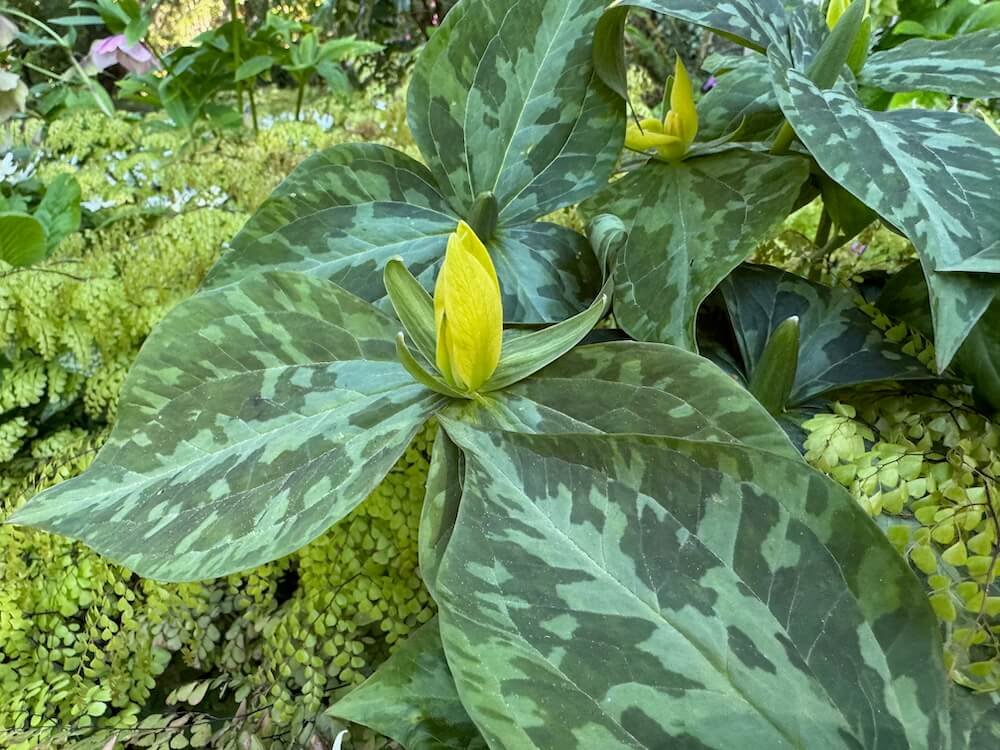
Trillium luteum
Yellow Trillium
Blooms clear yellow three petaled flowers with greenish yellow centers often lightly scented
Partial shade to full shade
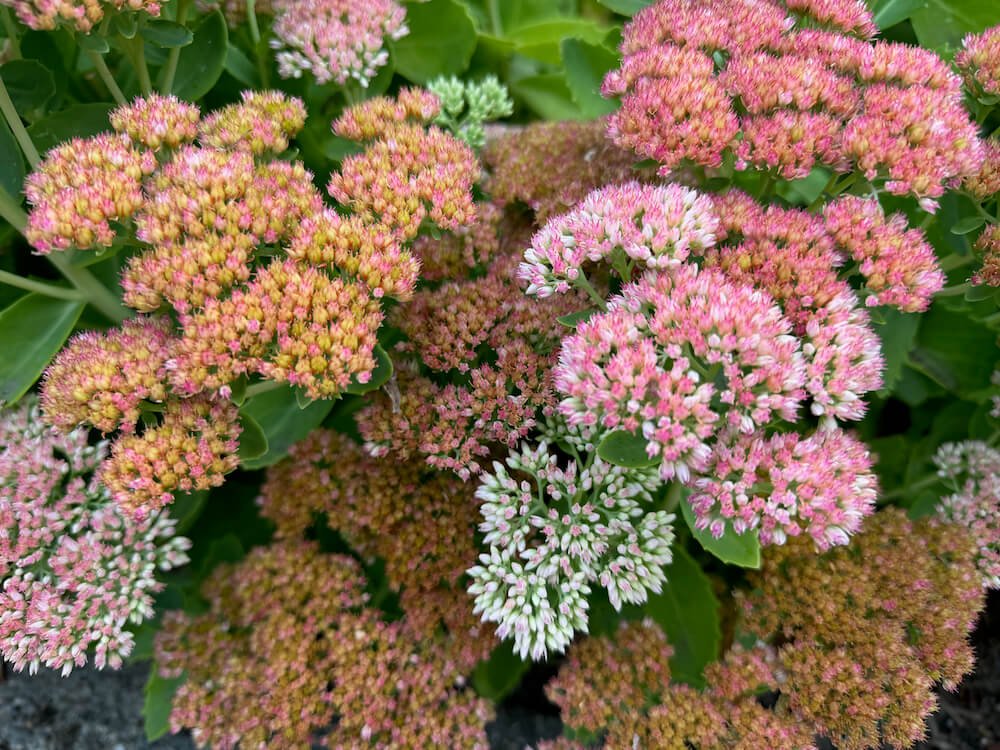
Hylotelephium spectabile 'Autumn Joy'
Autumn Joy Sedum
Blooms clusters of star-shaped flowers that start pale pink and gradually darken to deep rose-red, eventually turning coppery-brown as they age
Full sun to partial shade
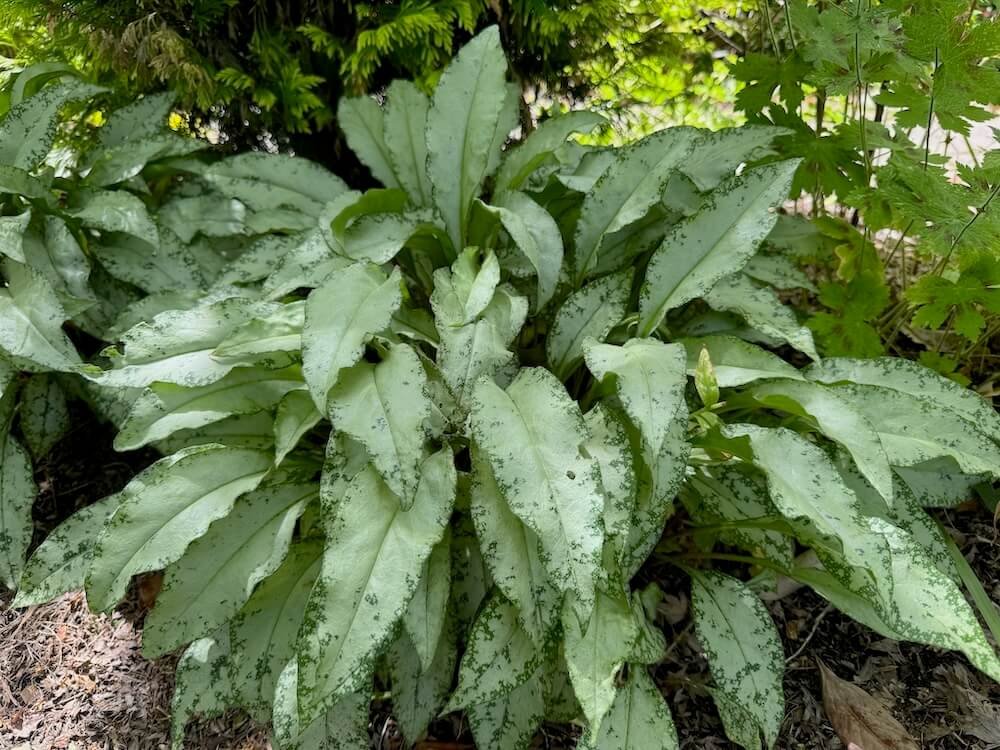
Pulmonaria saccharata 'Excalibur'
Excalibur Lungwort
Blooms rose pink, maturing to violet-blue
Part shade to full shade
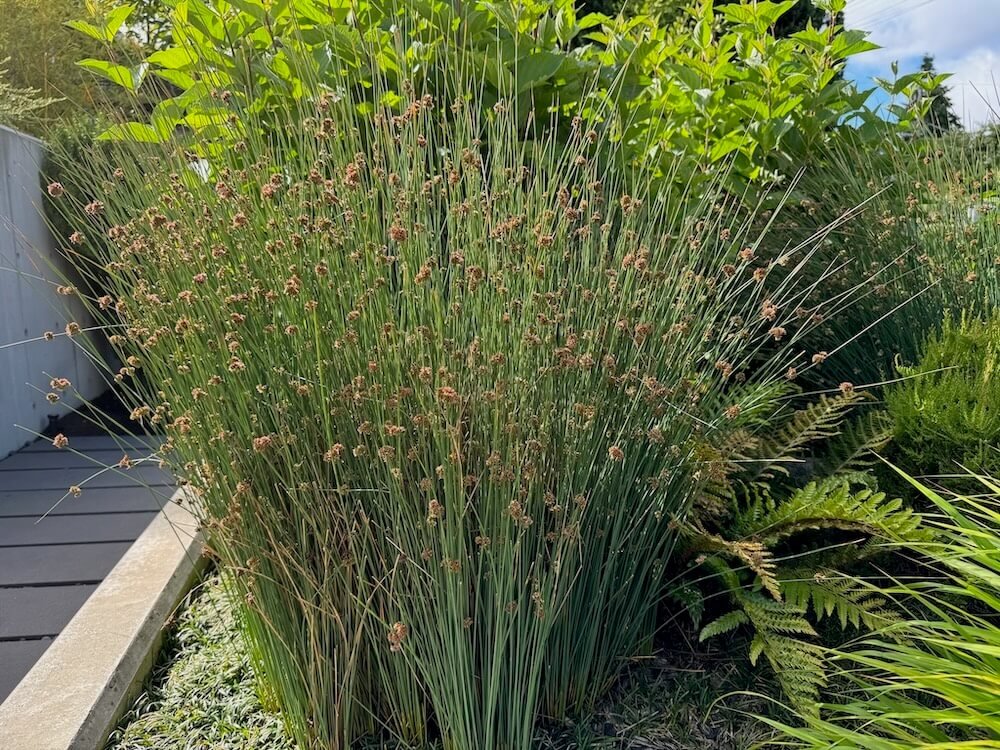
Juncus patens
California Gray Rush
Blooms brownish-green, tassel-like clusters
Full sun to partial shade