 1 / 4
1 / 4Key characteristics
- Family
- Ericaceae
- Height
- 4 to 20 feet
- Width
- 5 to 15 feet
- Flower color
- White to pink
- Foliage color
- Dark green, often with a silvery sheen
- Bloom time
- Late winter to early spring
- Light
- Full sun to partial shade
- Water
- Low
- Maintenance
- Low maintenance
- Growing zone
- 7 to 10
- Wildlife
- Attracts bees and hummingbirds; provides habitat and food for birds and small mammals
Shrubs
Arctostaphylos manzanita
Manzanita
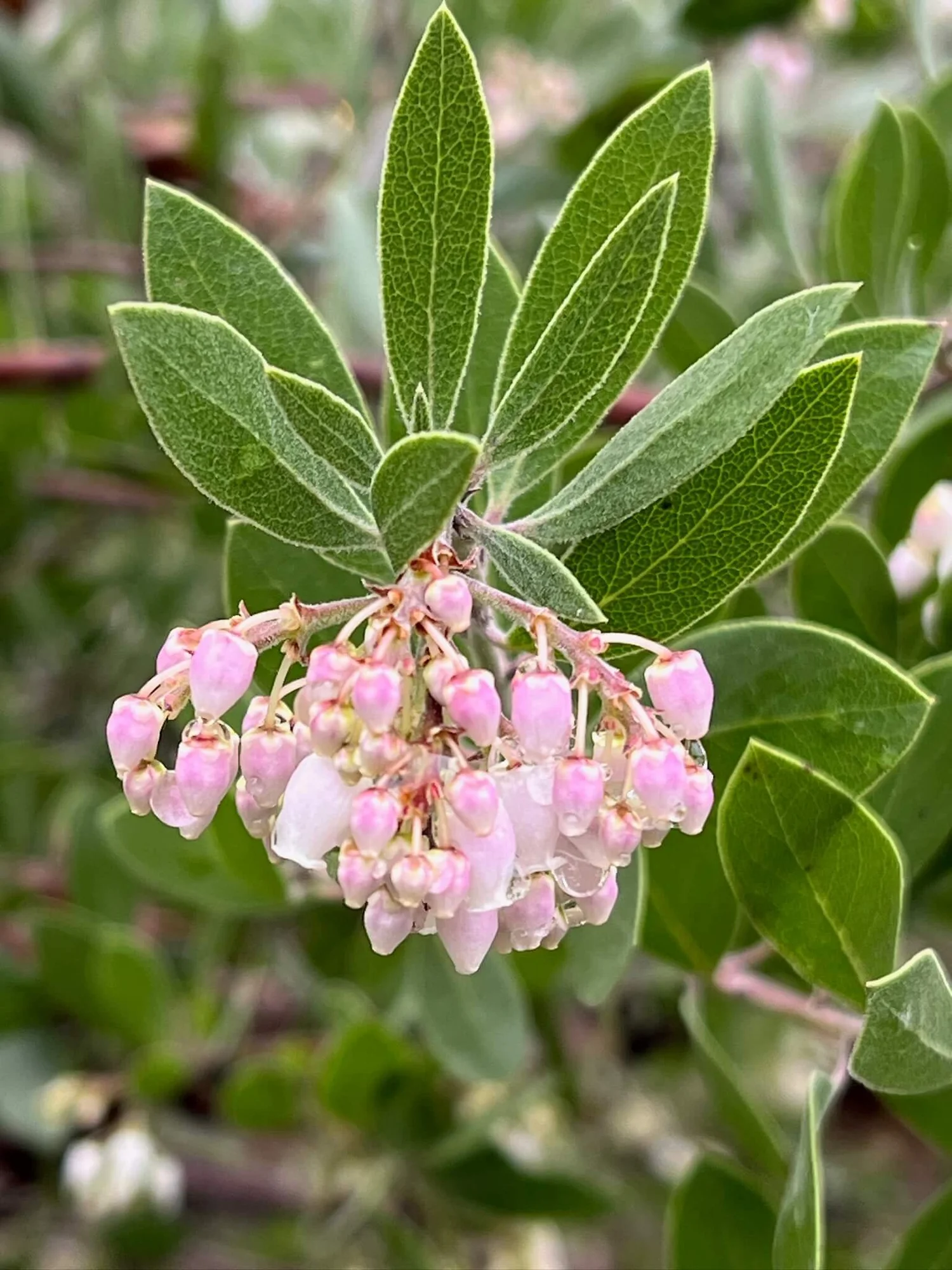
Arctostaphylos manzanita produces clusters of small, urn-shaped white to pale pink flowers from late winter into early spring, attracting hummingbirds, native bees, and other early pollinators before developing reddish-brown berries. Smooth, leathery leaves are gray-green to rich green and remain evergreen throughout the year, creating a dense canopy above handsome mahogany-red bark that becomes increasingly sculptural with age. The twisting branches and colorful bark provide enduring texture and visual interest long after the flowering season.
Works well in
- Native Gardens
- Pollinator Gardens
- Hummingbird Gardens
- Waterwise Gardens
Companion plants
Barberry · Butterfly bush · Feverfew · False sunflower · Chives · Snow-in-summer
Design tip
Plant this manzanita where its beautiful bark and early flowers can be enjoyed from a patio, walkway, or favorite window. Pair it with other drought-tolerant plants to create a welcoming garden that stays colorful, textured, and attractive in every season.
More shrubs
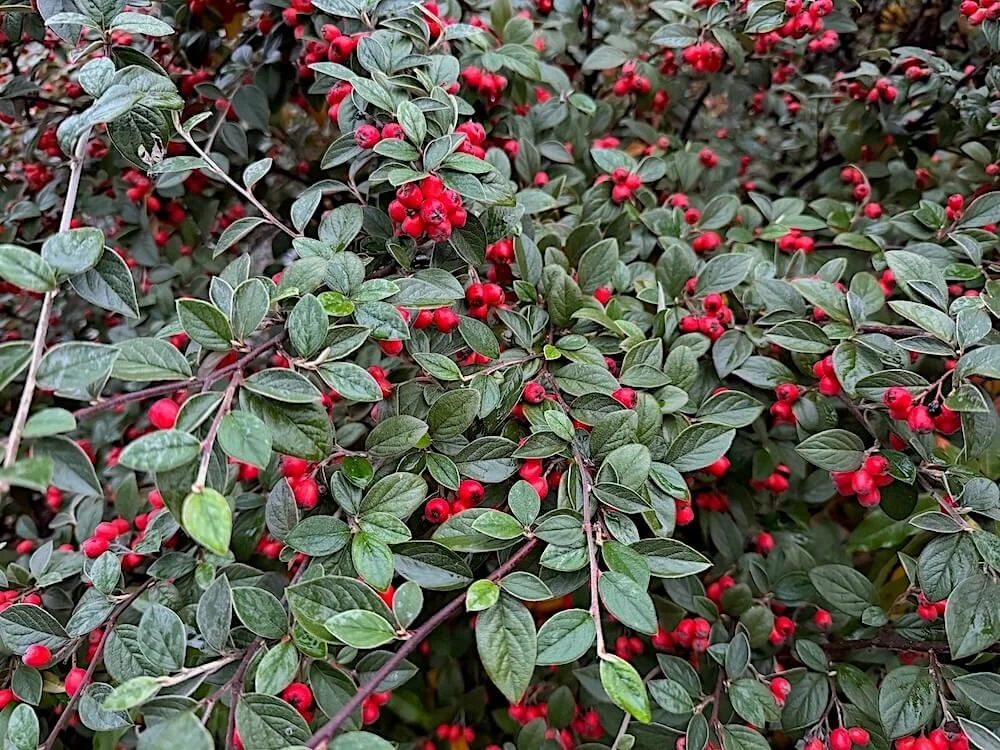
Cotoneaster franchetii
Franchet's Cotoneaster
Blooms white to pink
Full sun to partial shade
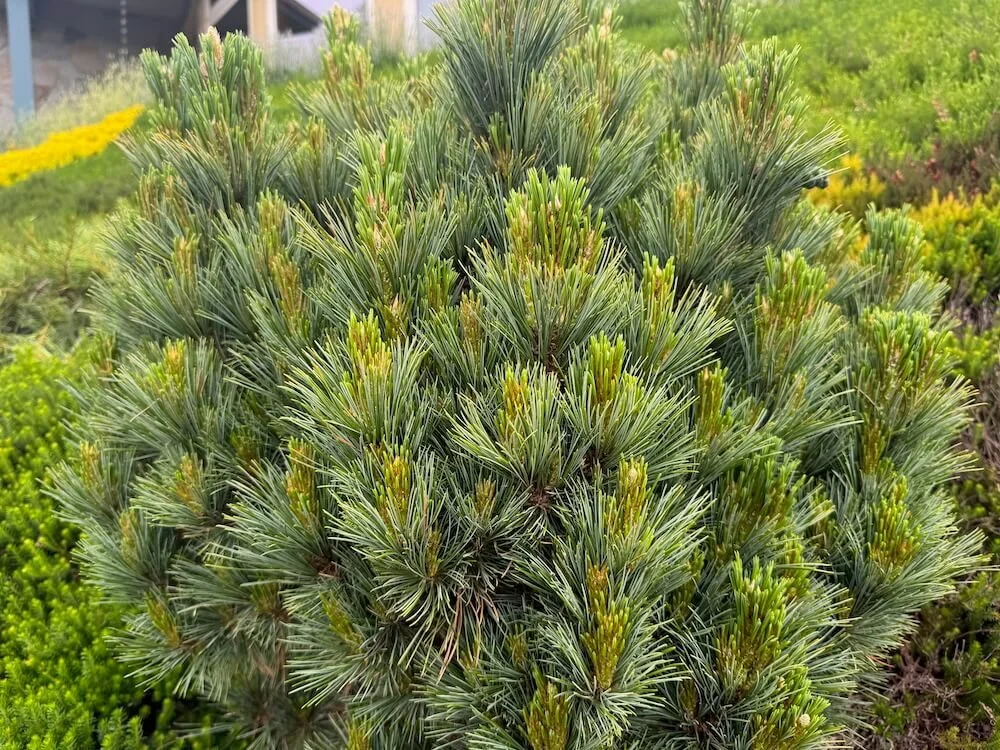
Pinus peuce 'Latgale'
Latgale Macedonian Pine
Blooms produces small seed and pollen cones
Full sun
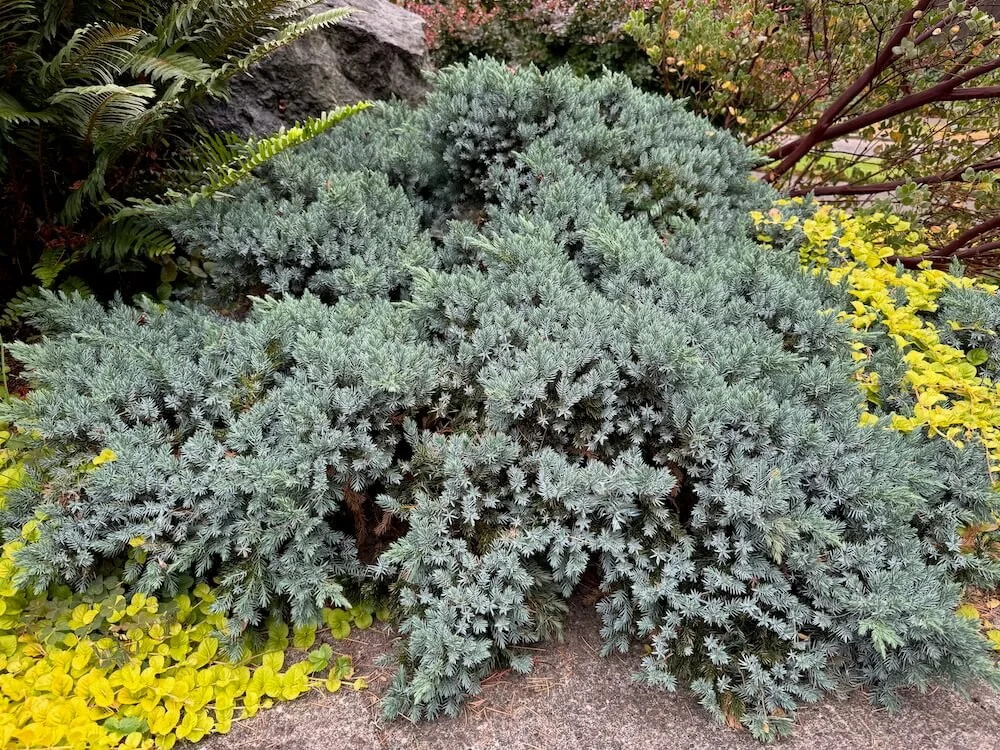
Juniperus squamata 'Blue Star'
Blue Star Juniper
Blooms non-flowering; produces small cones
Full sun
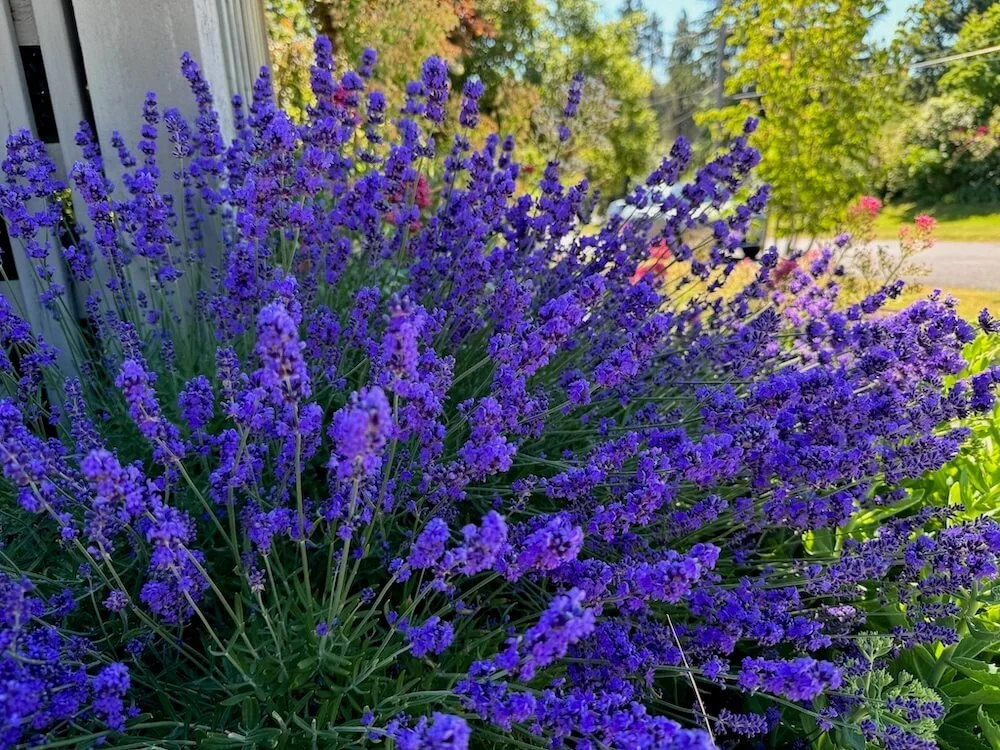
Lavandula angustifolia ‘Hidcote'
Hidcote English Lavender
Blooms deep purple-blue
Full sun