 1 / 3
1 / 3Key characteristics
- Family
- Cephalotaxaceae
- Height
- 12 to 24 inches
- Width
- 4 to 6 feet
- Flower color
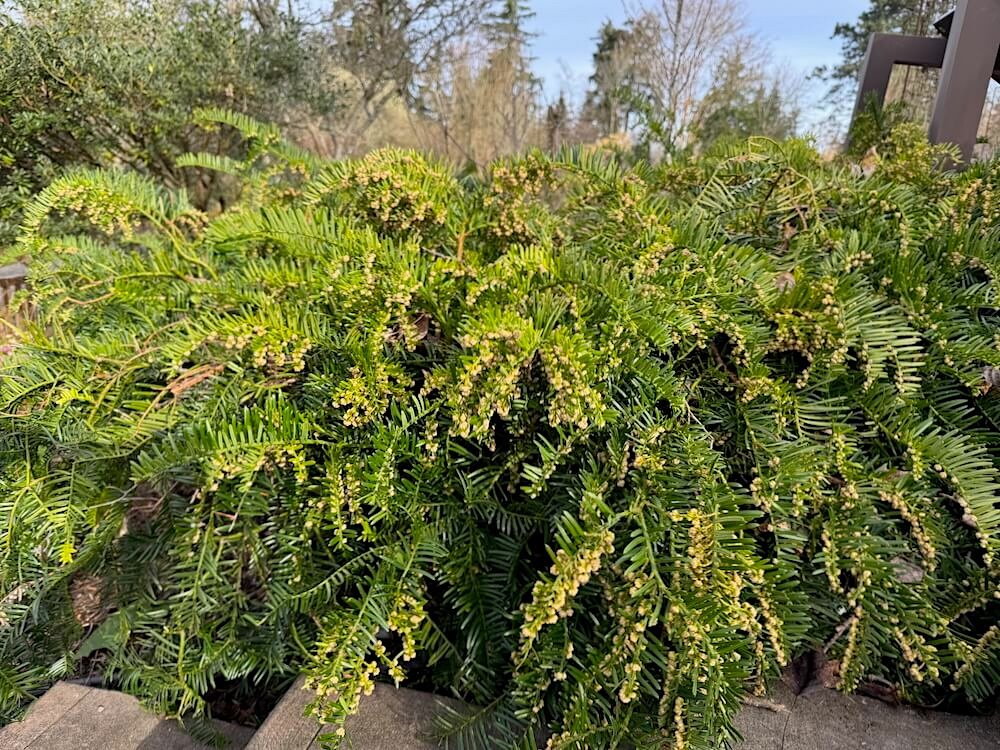
- Small yellow green pollen cones on male plants with inconspicuous flowers
- Foliage color
- Dark green soft needle like leaves arranged in two ranks along arching stems
- Bloom time
- Late winter to early spring
- Light
- Partial shade to full shade
- Water
- Average
- Maintenance
- Low; prune lightly in spring to shape plants and remove damaged or wandering stems
- Growing zone
- USDA zones 6 to 9
- Wildlife
- Birds that feed on the plum like seeds produced on female plants
Shrubs
Cephalotaxus harringtonii 'Prostrata'
Spreading Japanese Plum Yew
Cephalotaxus harringtonii 'Prostrata' forms spreading branches covered with soft, linear needles arranged in neat ranks along the stems. The deep green foliage has a fine texture and remains colorful throughout the year, creating a graceful, layered appearance. In spring, small pollen-bearing cones appear along the stems, followed later by olive-shaped, plum-like seeds that mature with a purplish coating.
This cultivated selection traces its origin to Cephalotaxus harringtonii native to Japan and parts of eastern Asia.
Works well in
- Shade Gardens
- Woodland Gardens
- Under Trees
- Foundation Plantings
Companion plants
Mahonias · Astilbe · Heucheras · Maidenhair fern · Corydalis · Lily-of-the-valley
Design tip
A low, spreading evergreen can visually settle the base of taller shrubs and trees without adding another bulky layer. Its arching branches also work beautifully along a shaded path or woodland edge, creating a soft transition between planted areas and open garden space.
Where to see it
This plant can be seen at the Bellevue Botanical Garden.
More shrubs
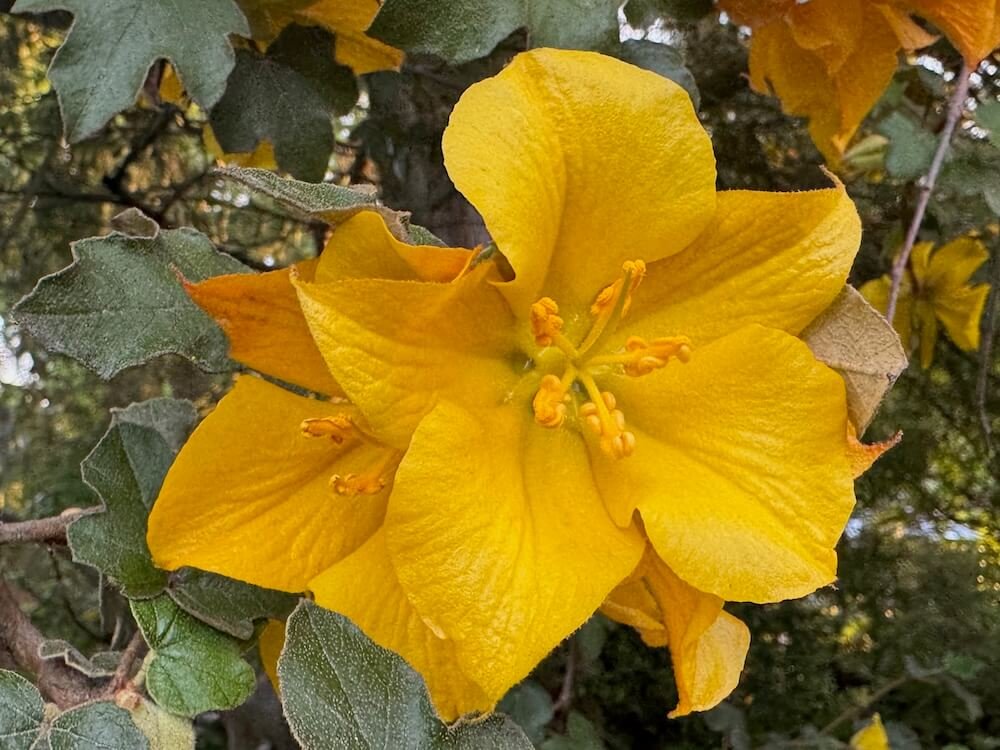
Fremontodendron californicum 'Pacific Sunset'
Pacific Sunset Flannel Bush
Blooms large bright golden yellow saucer shaped flowers with numerous yellow stamens
Full sun
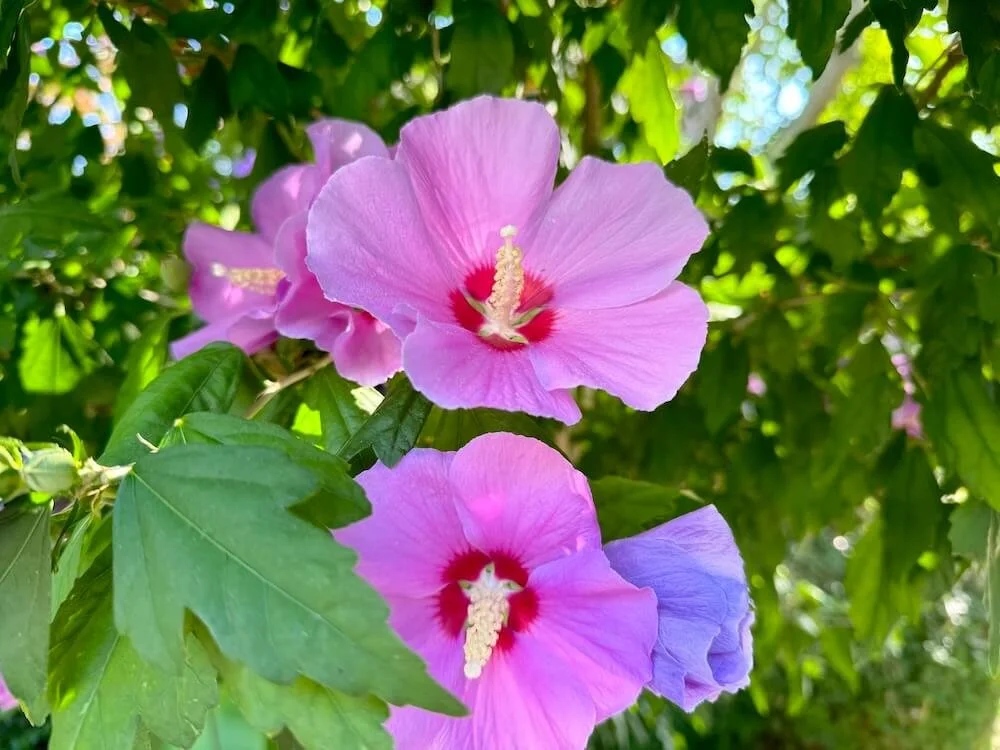
Hibiscus syriacus x paramutabilis 'Rose Moon'
Rose Moon Rose of Sharon
Blooms deep pink to rose-purple
Full sun
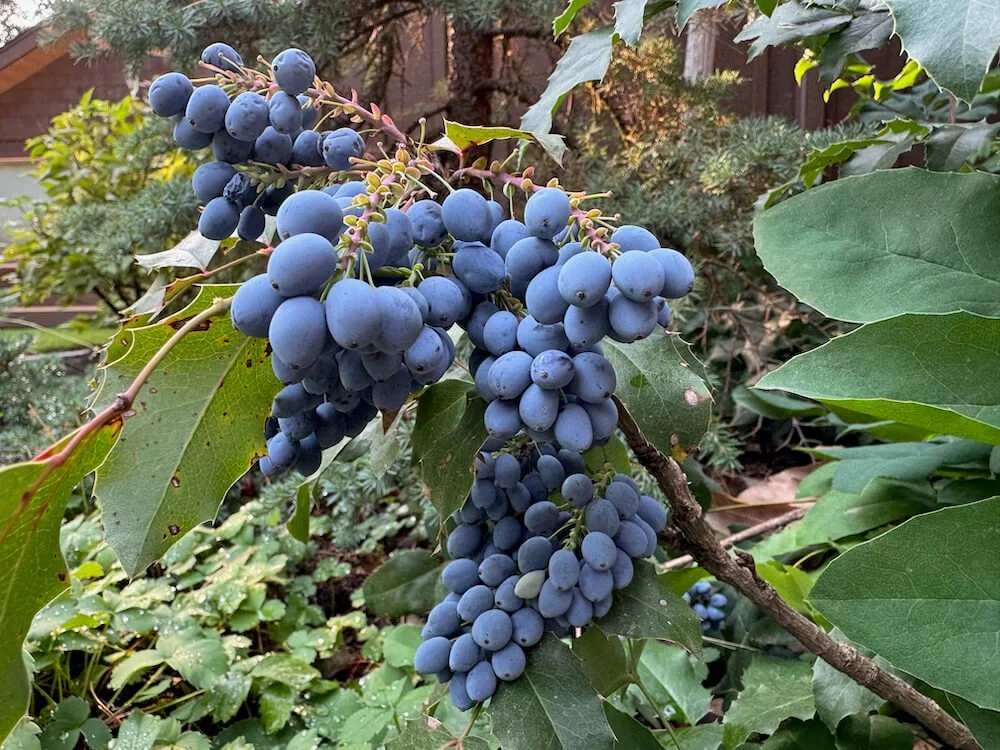
Mahonia repens
Creeping Oregon Grape
Blooms bright yellow
Partial sun
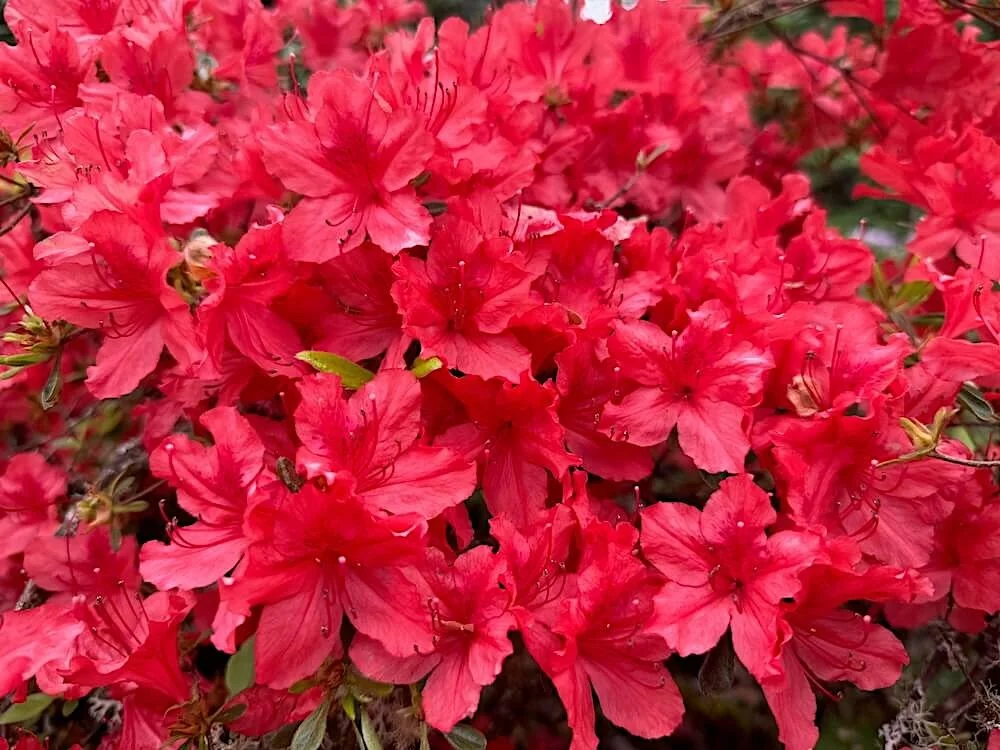
Rhododendron x 'Fashion'
Fashion Azalea
Blooms salmon to deep red flowers in abundance
Part shade to filtered sun