 1 / 5
1 / 5Key characteristics
- Family
- Cornaceae
- Height
- 6 to 9 feet tall
- Width
- 6 to 9 feet wide
- Flower color
- White
- Foliage color
- Green in summer, turning yellow in fall
- Bloom time
- Late spring to early summer
- Light
- Full sun to part shade
- Water
- Medium; tolerates wet soils
- Maintenance
- Moderate; benefits from regular pruning to encourage vibrant stem color
- Growing zone
- USDA zones 3 to 7
- Wildlife
- Provides food and cover for birds; deer resistant
Shrubs
Cornus sericea ‘Flaviramea’
Yellow-Twig Dogwood
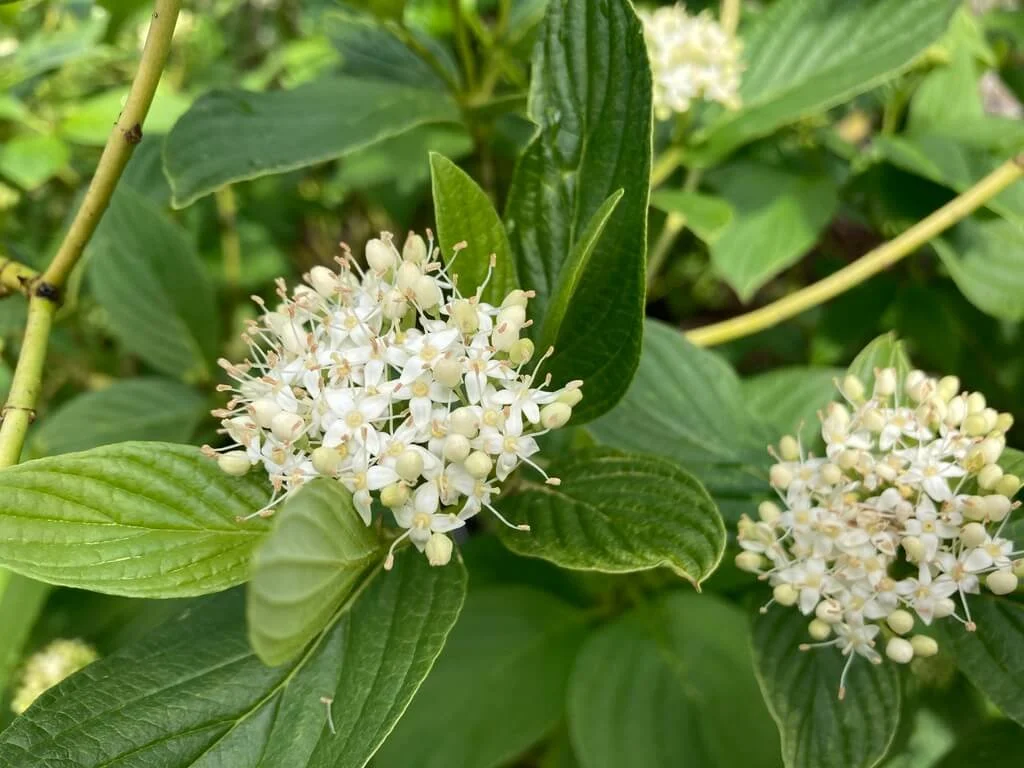
Cornus sericea 'Flaviramea', or Yellow-twig Dogwood, is a deciduous shrub native to North America, known for its vibrant yellow stems that provide winter interest when the leaves have fallen. In spring, it produces clusters of white flowers that turn into small white berries in summer, attracting birds. Its oval-shaped, medium green leaves turn shades of red and purple in the fall.
Adaptable to various soil types, it prefers moist, well-draining soil and can tolerate wet conditions, often found along streams or wetlands.
Works well in
- Sun Gardens
- Winter Interest
- Hedging & Privacy
- Wildlife Gardens
Companion plants
Juniper · Beautyberry · Larkspur · Pincushion flower · Wallflower · Grape hyacinth
Design tip
Bright yellow stems can transform a dormant winter planting into one of the garden’s most colorful features. A grouping is particularly effective where low winter sunlight can shine through the branches, intensifying their color and creating a warm golden display against darker evergreens or bare ground.
Where to see it
This plant can be seen at the Center for Urban Horticulture.
More shrubs
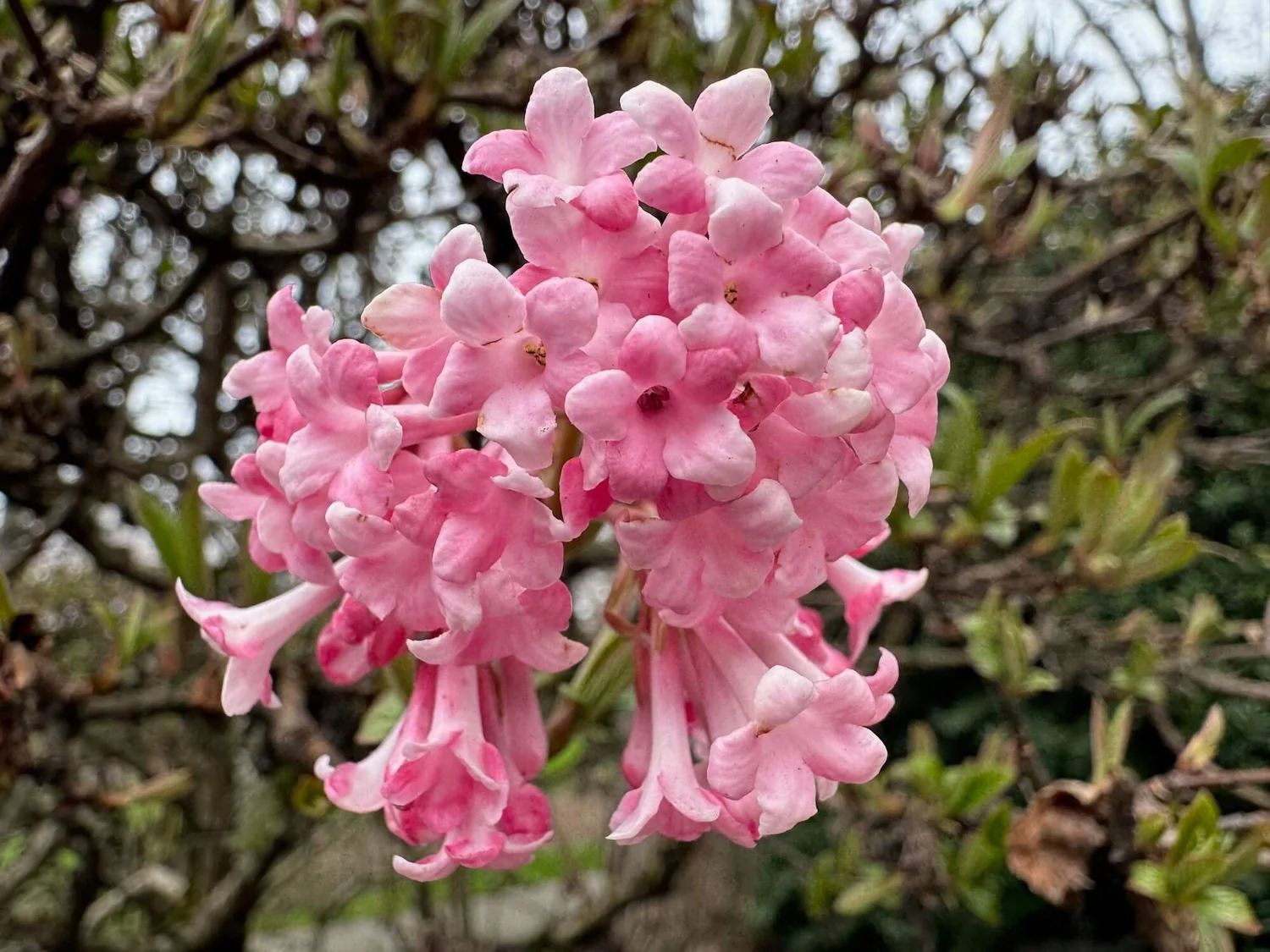
Viburnum x bodnantense 'Dawn'
Dawn Viburnum
Blooms fragrant pink, fading to white
Full sun to part shade
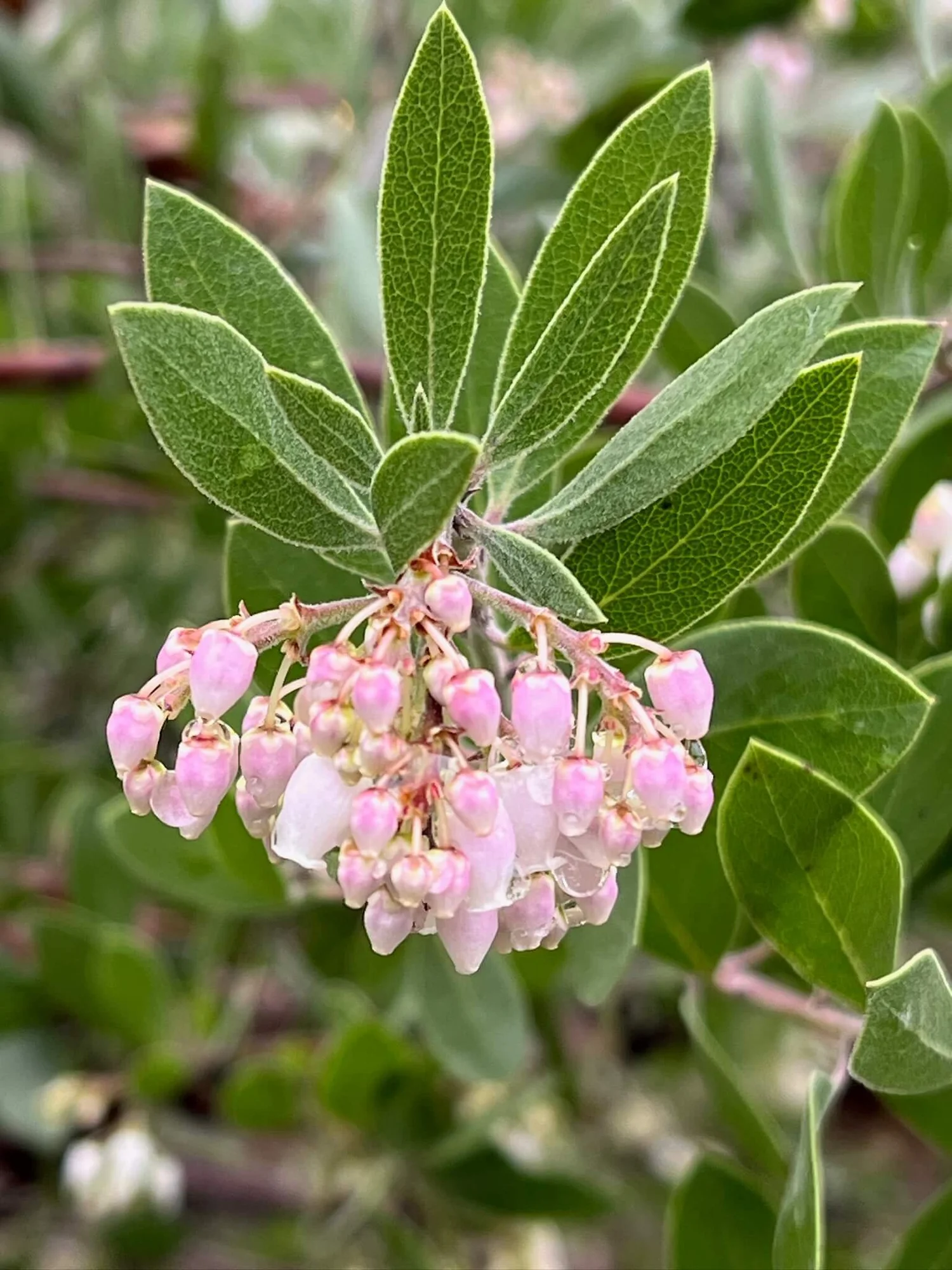
Arctostaphylos manzanita
Manzanita
Blooms white to pink
Full sun to partial shade
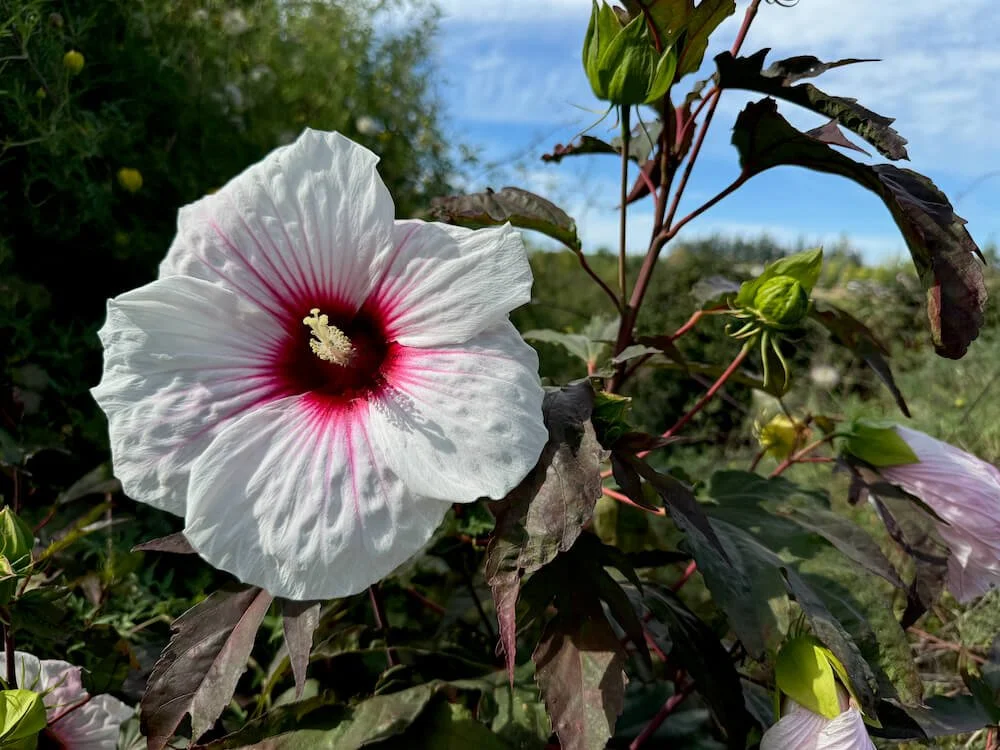
Hibiscus x moscheutos 'Kopper King'
Kopper King Rose Mallow
Blooms white (to soft pink) with a deep red center
Full sun
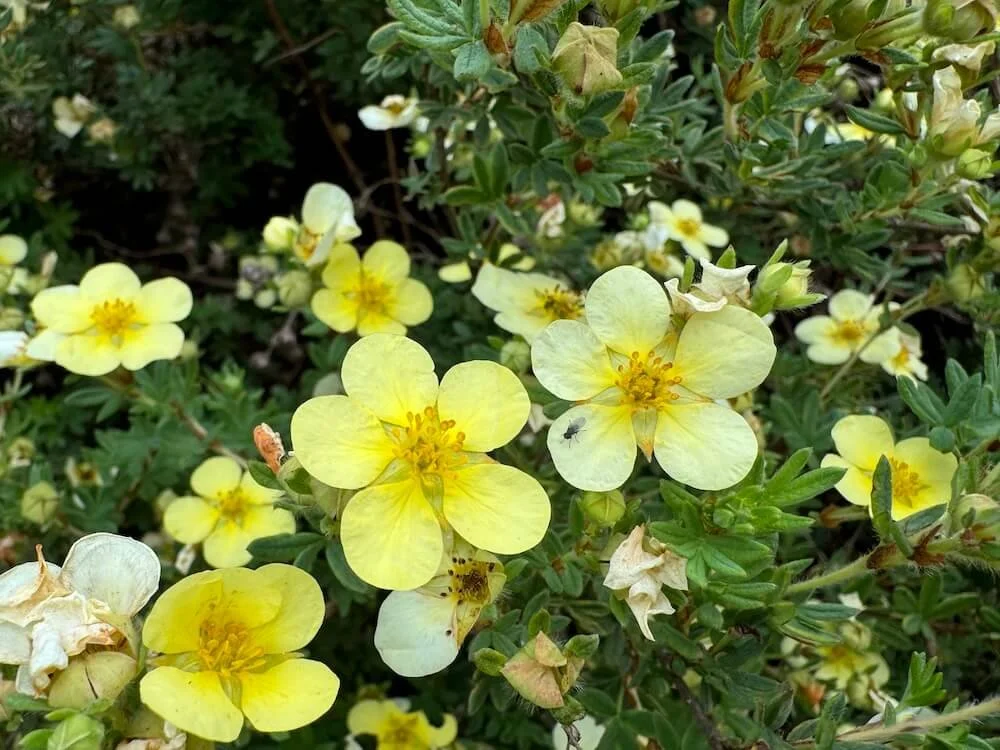
Potentilla fruticosa
Shrubby Cinquefoil
Blooms yellow, though some cultivars may have white, orange, or red flowers
Full sun