 1 / 4
1 / 4Key characteristics
- Family
- Onagraceae
- Height
- 2 to 3 feet
- Width
- 2 to 3 feet
- Flower color
- Dark red to purple with a deep, rich hue
- Foliage color
- Dark green with a hint of purple
- Bloom time
- Summer to early fall
- Light
- Partial shade
- Water
- Moderate
- Maintenance
- Moderate
- Growing zone
- USDA zones 8 to 10
- Wildlife
- Attracts hummingbirds and bees
Shrubs
Fuchsia ‘Dying Embers’
Dying Embers Hardy Fuchsia
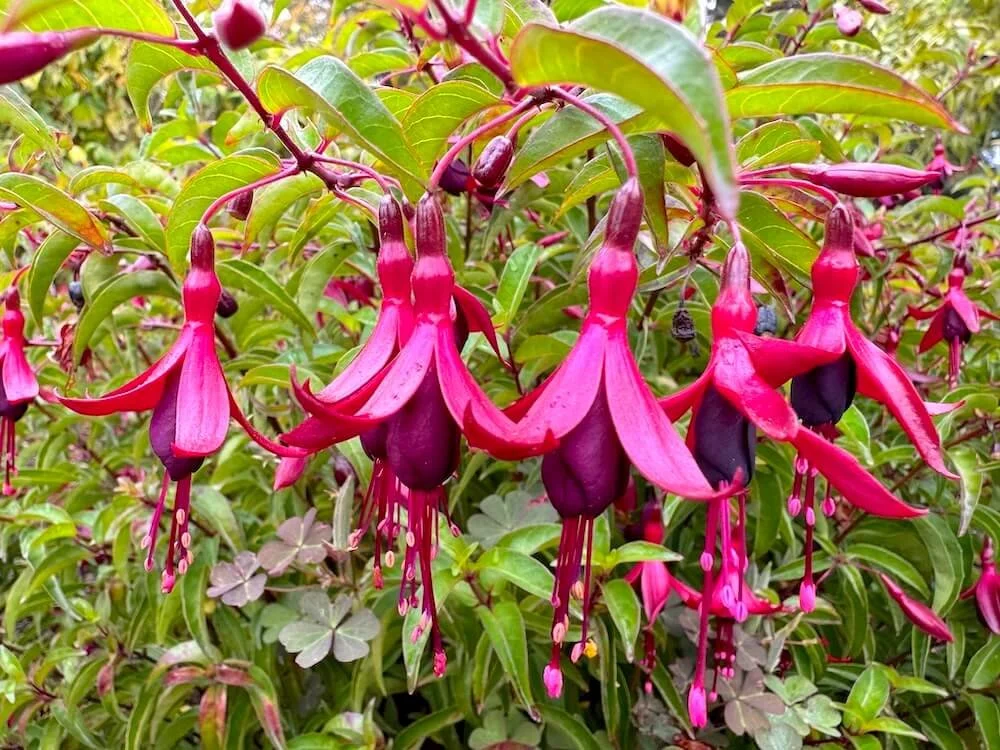
Fuchsia 'Dying Embers' produces masses of small, glossy flowers with lacquered crimson-red tubes and recurved sepals surrounding deep aubergine-purple corollas from early summer until fall frost. Slender, dark green leaves are subtly infused with purple veining and carried on reddish-purple stems, creating richly colored foliage that echoes the tones of the flowers. Its dense, bushy branching forms a compact framework, while continuous flowering provides months of color and attracts hummingbirds, bees, and other pollinators.
Works well in
- Shade Gardens
- Containers
- Pathways & Walkways
- Hummingbird Gardens
Companion plants
Skimmia · Japanese forest grass · Epimedium · Pieris · Trillium · Foamflower
Design tip
The nearly black-purple flowers and crimson-red sepals give ‘Dying Embers’ a deeper, moodier palette than most hardy fuchsias. Pair it with silver, chartreuse, or pale green foliage to lighten the composition and make the dark pendant flowers easier to distinguish within a shaded planting.
Where to see it
This plant can be seen at the Bellevue Botanical Garden.
More shrubs
Ceratostigma willmottianum
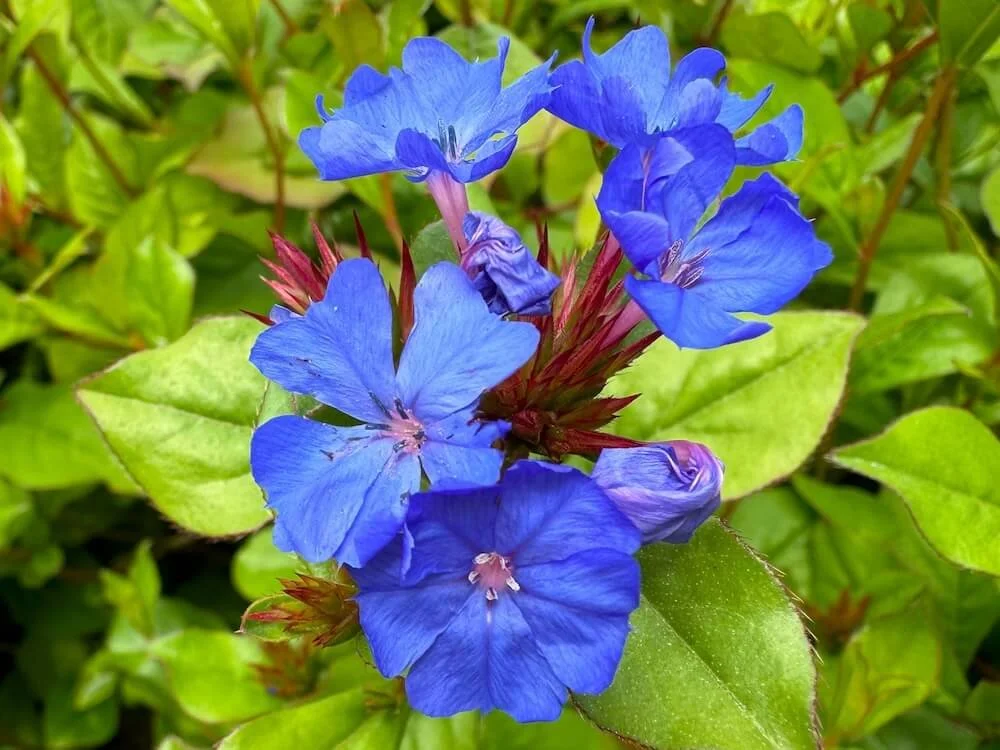
Chinese Plumbago
Blooms bright blue
Full sun to partial shade
Rhododendron 'Liz Ann'
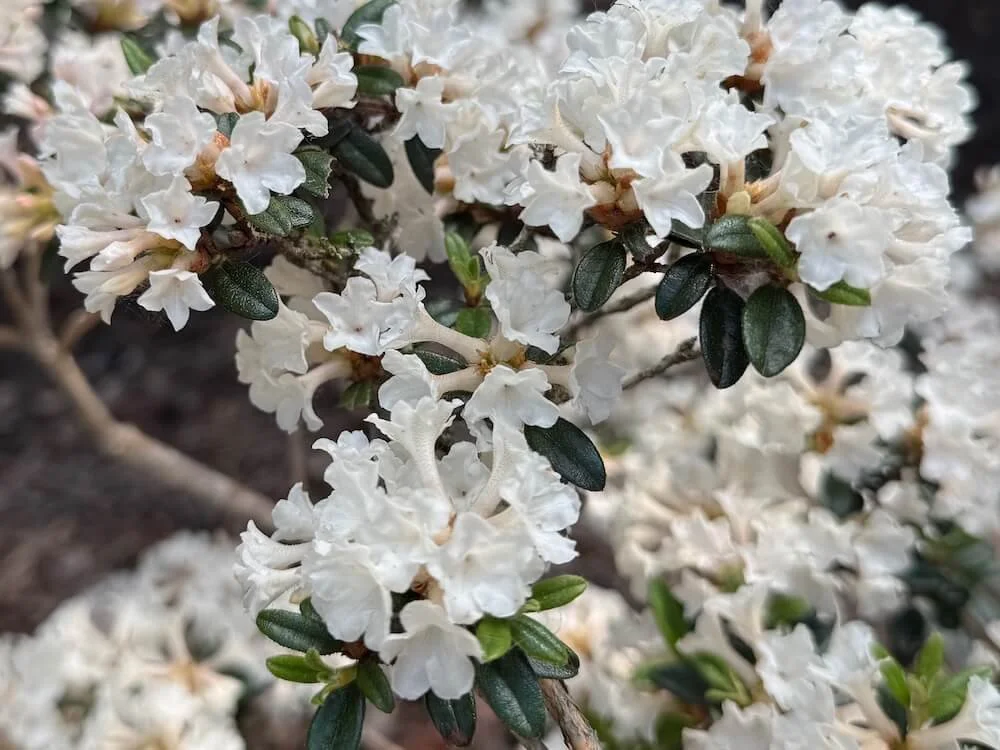
Liz Ann Rhododendron
Blooms very pale pink in bud, quickly fading to white or near white when open
Part shade
Juniperus horizontalis 'Copper Harbor'
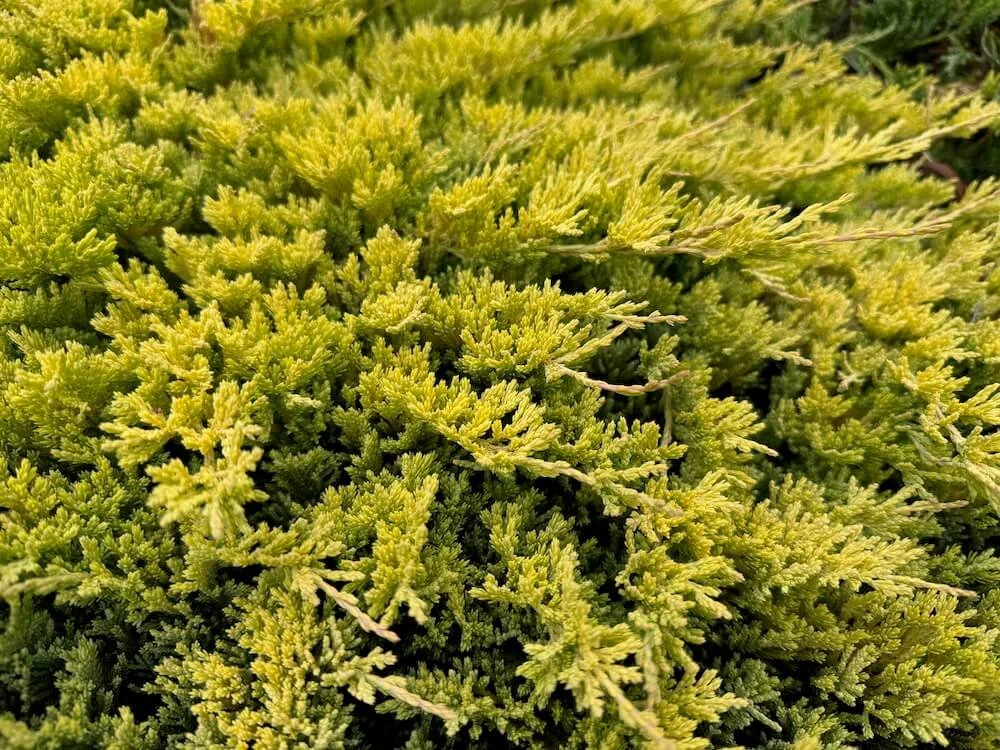
Copper Harbor Creeping Juniper
Blooms none
Full sun
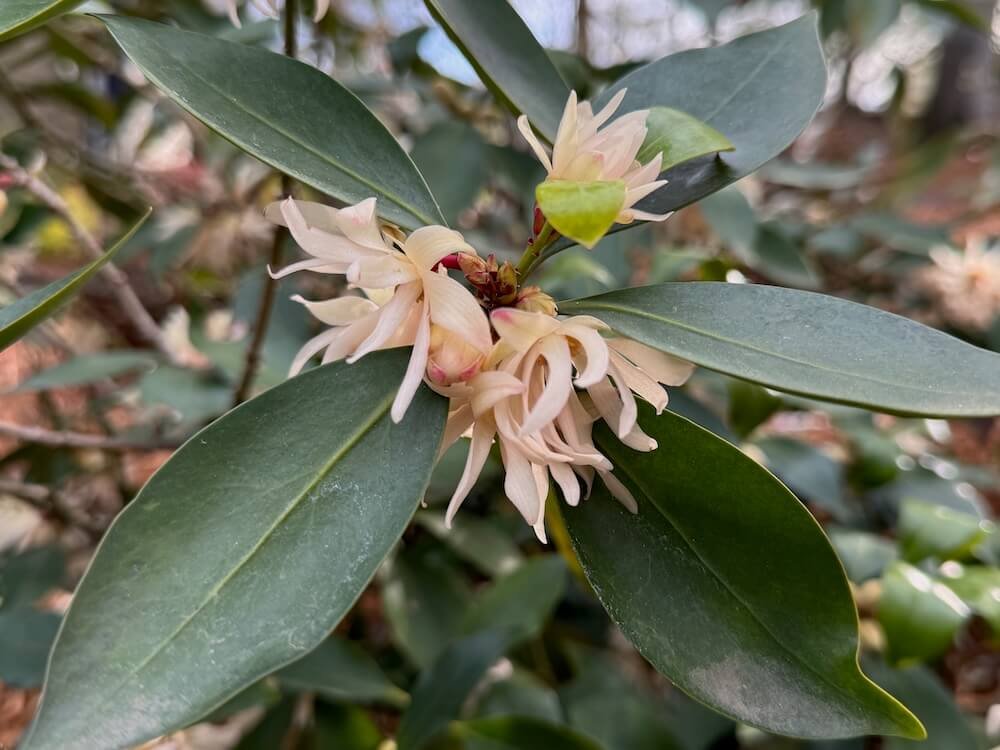
Illicium anisatum 'HinPurlf'
Plumshine Japanese Star Anise
Blooms creamy white star shaped flowers with narrow petals and a waxy texture
Partial shade to full shade