 1 / 4
1 / 4Key characteristics
- Family
- Hamamelidaceae
- Height
- 6 to 8 feet
- Width
- 6 to 8 feet
- Flower color
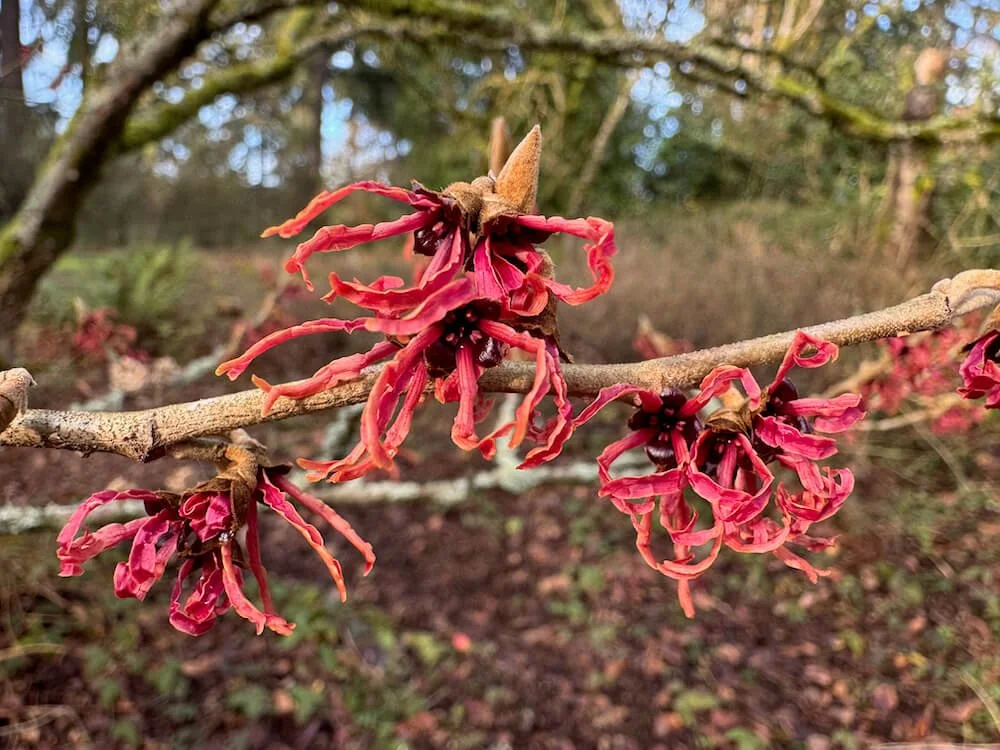
- Coppery-red petals with purple-red calyx
- Foliage color
- Dark green
- Bloom time
- Mid to late winter
- Light
- Full sun to partial shade
- Water
- Moderate
- Maintenance
- Low; prune after flowering to maintain shape
- Growing zone
- USDA zones 5 to 8
- Wildlife
- Attracts bees and butterflies
Shrubs
Hamamelis x intermedia 'Hiltingbury'
Hiltingbury Witch Hazel
Hamamelis x intermedia 'Hiltingbury' is a deciduous shrub that blooms from mid to late winter, displaying clusters of coppery-orange to red, spidery flowers on its bare stems. These mildly fragrant blossoms, each with four narrow, ribbon-like petals, add vibrant color to the winter landscape.
Originating as a seedling of Hamamelis japonica var. flavopurpurascens, 'Hiltingbury' was raised by Hillier Nurseries in the United Kingdom before 1945.
Works well in
- Sun Gardens
- Fragrant Gardens
- Winter Interest
- Woodland Gardens
Companion plants
Thyme · Switch grasses · Catmint · Penstemons · Coreopsis · Blanket flower
Design tip
The compact, rounded habit makes ‘Hiltingbury’ easier to accommodate than larger witch hazels. Use it where space is more limited, allowing its coppery-red winter flowers and warm autumn foliage to provide seasonal interest without overwhelming nearby plantings.
Where to see it
This plant can be seen at the Washington Park Arboretum.
More shrubs
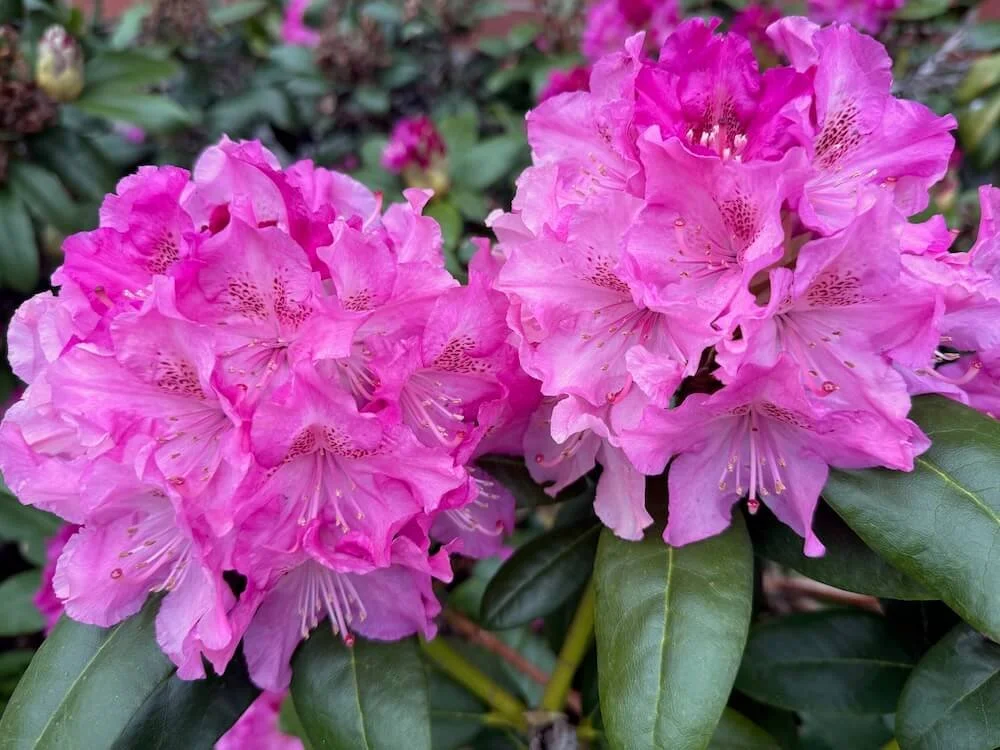
Rhododendron 'Dr. H.C. Dresselhuys'
Dr. H.C. Dresselhuys Rhododendron
Blooms purple-red to bright pink-red
Partial shade to full shade
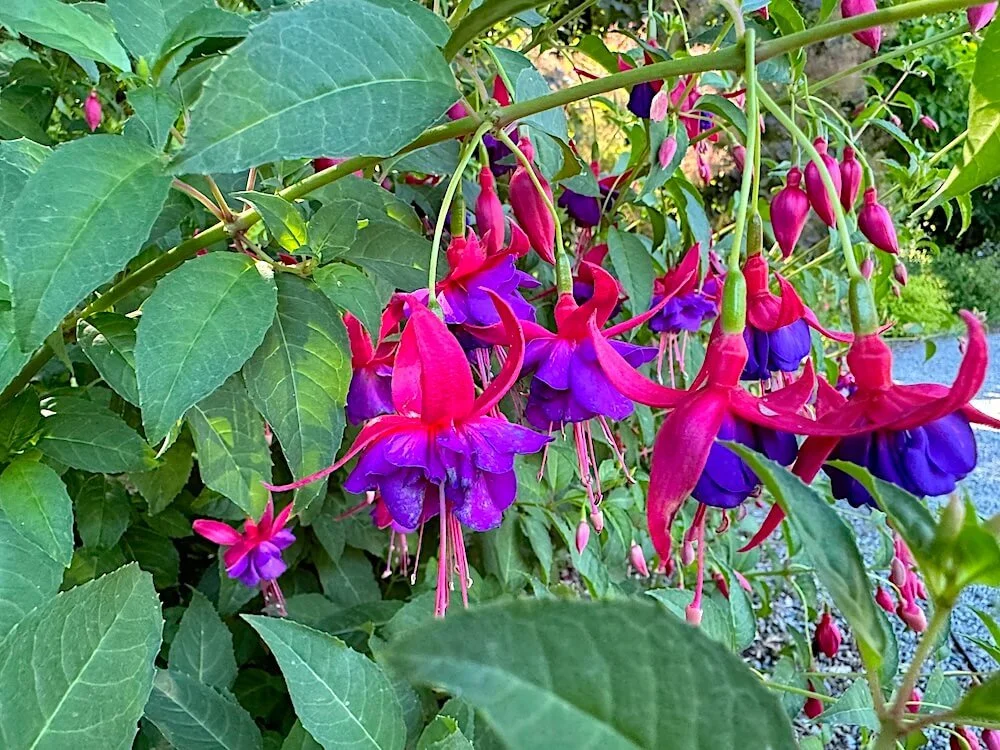
Fuchsia 'Army Nurse'
Army Nurse Hardy Fuchsia
Blooms deep purple corolla with crimson-red sepals
Partial shade to full shade
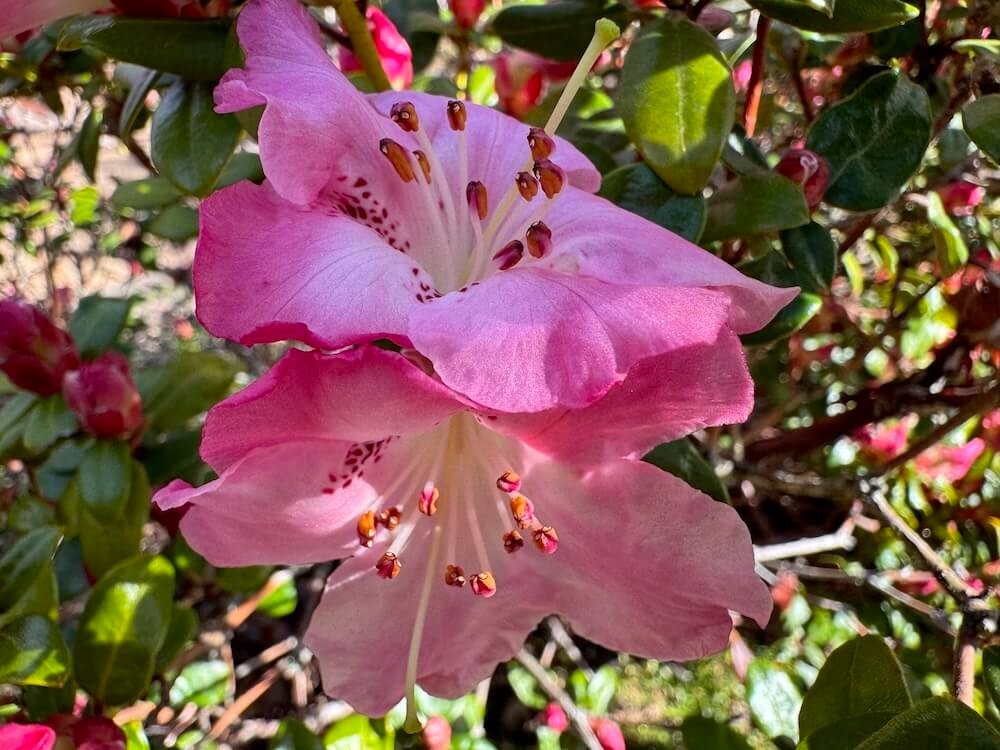
Rhododendron moupinense
Moupinense Rhododendron
Blooms white to soft pink, often flushed deeper pink in bud; may have red to purple spotting or blotches
Full sun to part shade
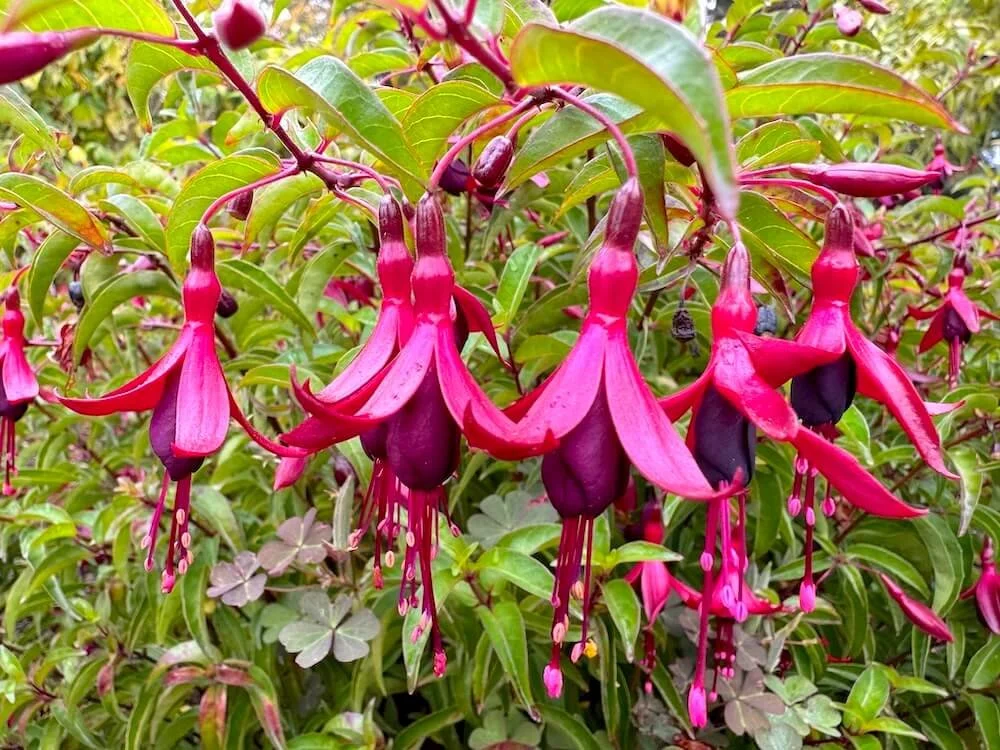
Fuchsia ‘Dying Embers’
Dying Embers Hardy Fuchsia
Blooms dark red to purple with a deep, rich hue
Partial shade