 1 / 3
1 / 3Key characteristics
- Family
- Lamiaceae
- Height
- 12 in to 24 in
- Width
- 4 ft to 8 ft
- Flower color
- Pale blue to lavender flowers with soft violet tones along trailing stems
- Foliage color
- Dark green needle like leaves with silvery undersides and a resinous texture
- Bloom time
- Late winter to spring
- Light
- Full sun
- Water
- Low once established
- Maintenance
- Low; trim lightly after flowering to maintain shape and prevent woodiness
- Growing zone
- USDA zones 8 to 10
- Wildlife
- Bees, pollinators and occasional hummingbirds attracted to nectar
Shrubs
Rosmarinus officinalis 'Prostratus'
Creeping Rosemary
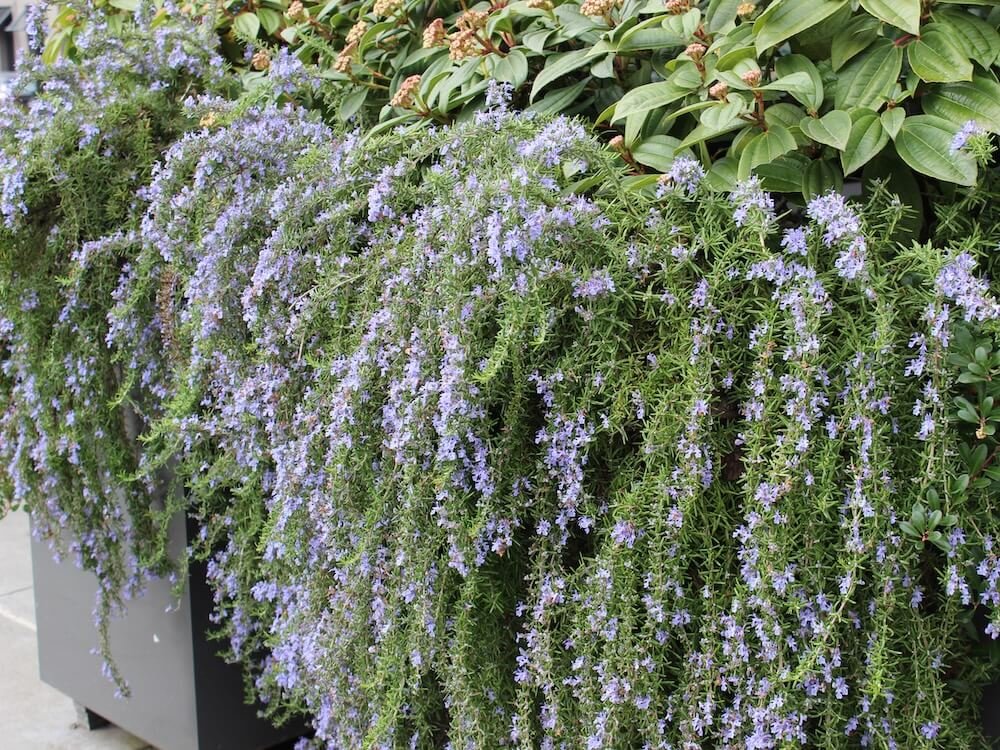
Rosmarinus officinalis 'Prostratus' produces small, pale blue to lavender-blue flowers along its trailing stems, appearing from late winter into spring with occasional repeat bloom through the year. Narrow, needle-like leaves are deep green above with a lighter underside, releasing a strong, aromatic fragrance when brushed. The foliage forms dense, cascading layers that follow the contours of the ground or spill over edges, while the flowers are spaced along the stems in loose clusters that attract bees and other early pollinators.
Works well in
- Sun Gardens
- Mediterranean Gardens
- Slopes & Banks
- Containers
Companion plants
Irises · Peruvian lily · Aster · Pampas grass · Stonecrop · Fothergilla
Design tip
Spill ‘Prostratus’ over the top of a retaining wall, where its long trailing stems can turn a hard vertical edge into a softer garden feature. Nearby upright plants will heighten the cascading effect and keep the composition from feeling flat.
More shrubs
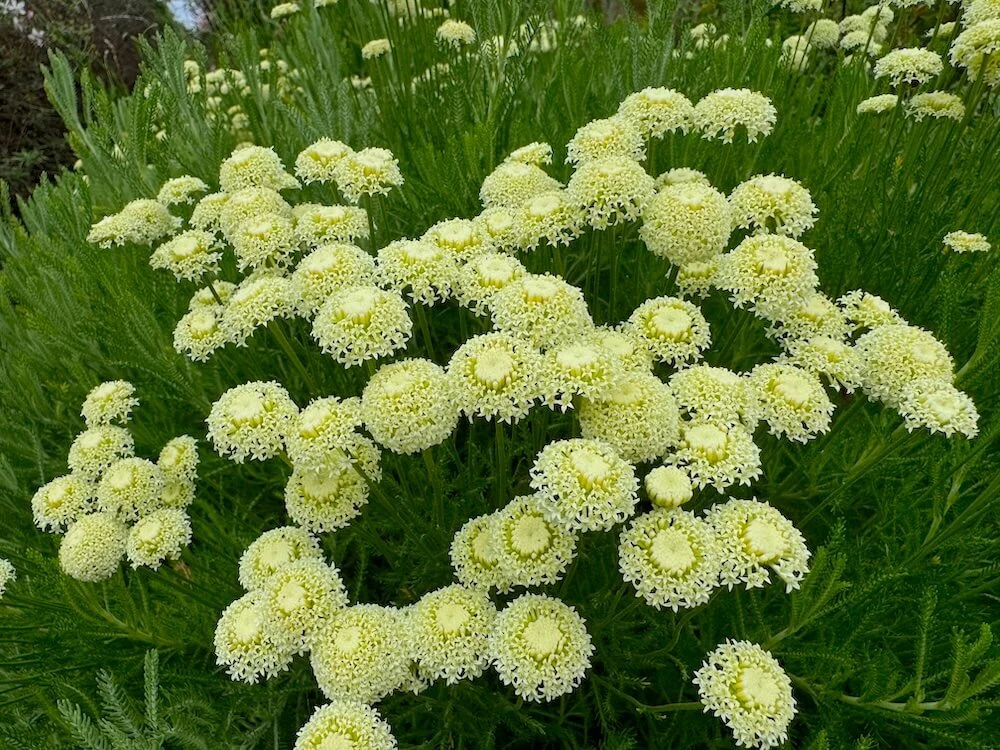
Santolina chamaecyparissus 'Lemon Queen'
Lemon Queen Lavender Cotton
Blooms pale yellow, button-like blooms
Full sun
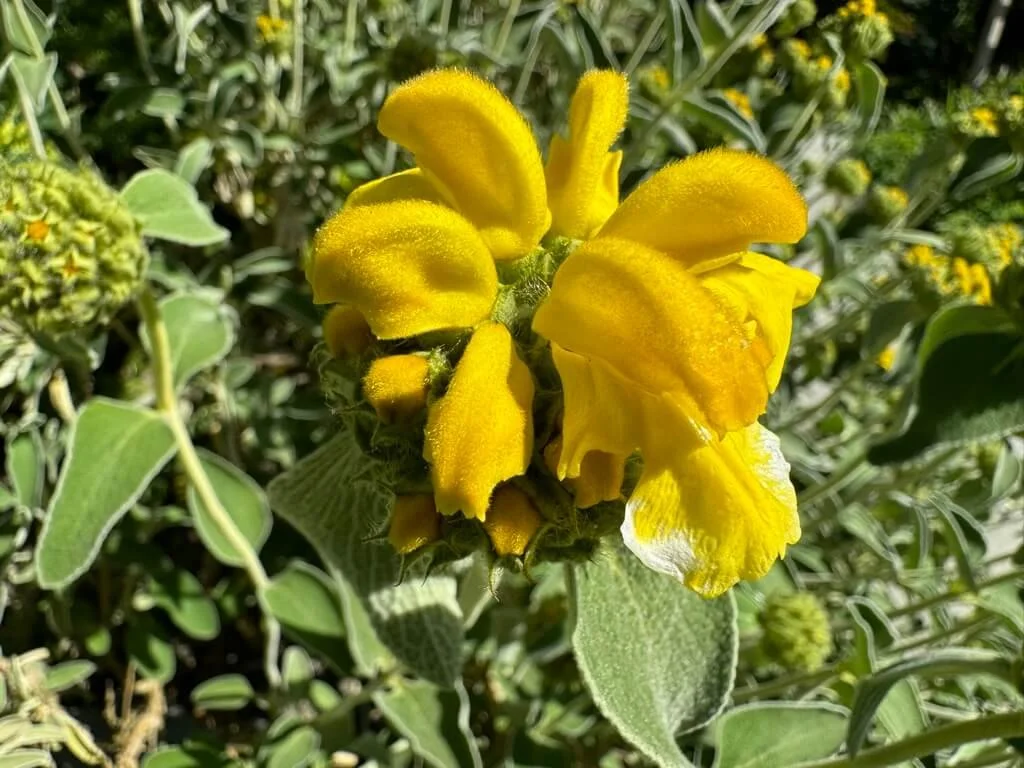
Phlomis fruticosa
Jerusalem Sage
Blooms bright yellow
Full sun
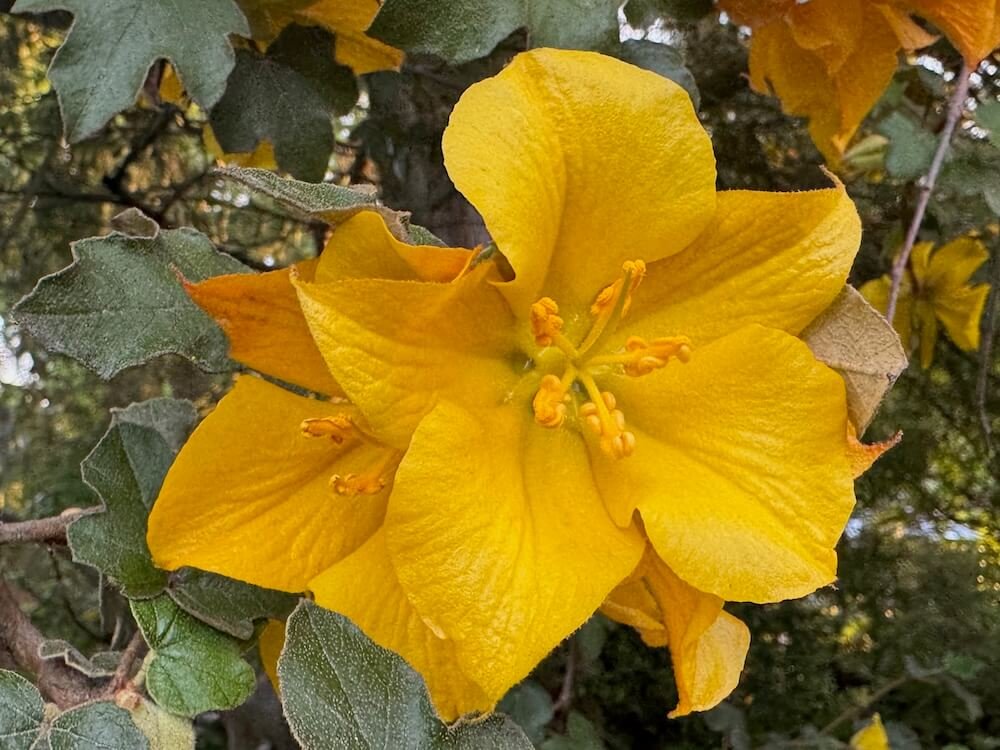
Fremontodendron californicum 'Pacific Sunset'
Pacific Sunset Flannel Bush
Blooms large bright golden yellow saucer shaped flowers with numerous yellow stamens
Full sun
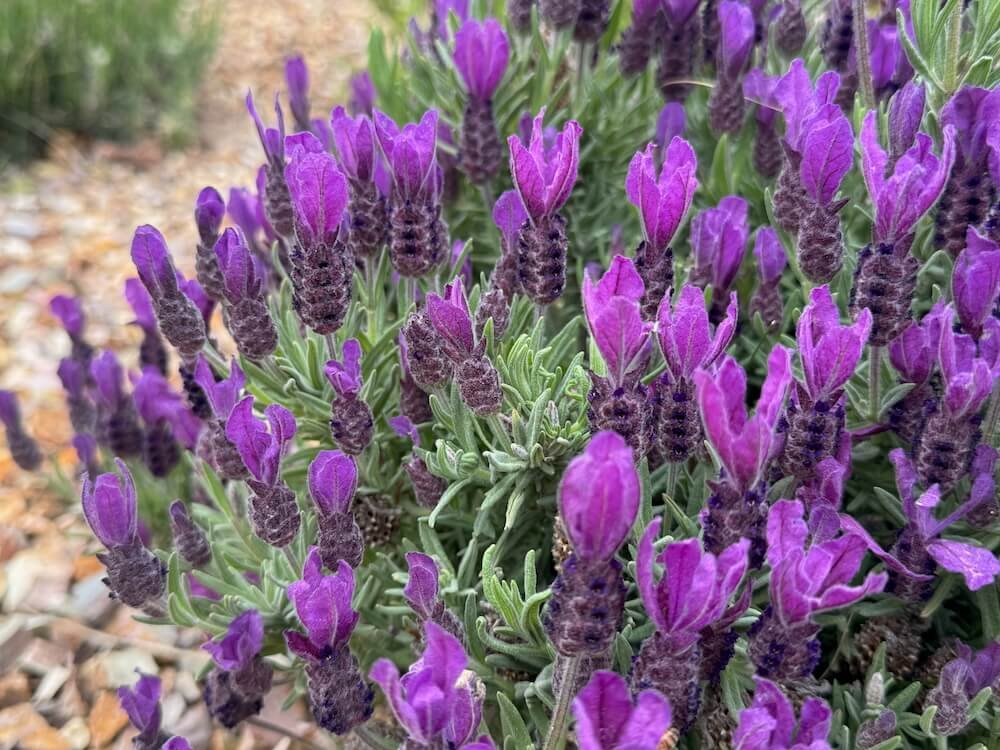
Lavandula stoechas 'Primavera'
Primavera Spanish Lavender
Blooms deep purple flower heads topped with showy violet purple bracts
Full sun