 1 / 3
1 / 3Key characteristics
- Family
- Ericaceae
- Height
- 12 in to 24 in
- Width
- 24 in to 36 in
- Flower color
- Tiny urn shaped white to pink flowers borne singly or in small clusters
- Foliage color
- Small rounded deep green leaves with a smooth surface and dense compact habit
- Bloom time
- Late spring to early summer
- Light
- Partial shade to full sun in cooler climates
- Water
- Moderate to high; prefers consistently moist acidic soil
- Maintenance
- Low; prune lightly after fruiting to shape and remove weak or crowded growth
- Growing zone
- USDA zones 7 to 9
- Wildlife
- Pollinators attracted to nectar rich flowers and birds attracted to berries
Shrubs
Vaccinium nummularia
Himalayan Whortleberry
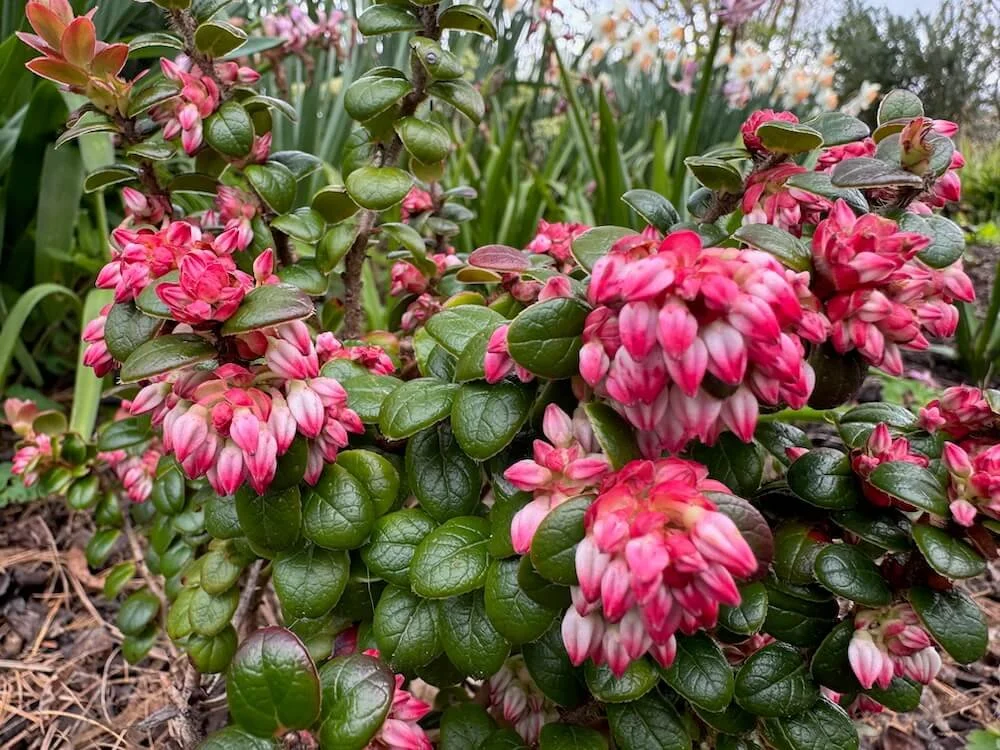
Vaccinium nummularia produces small, urn-shaped pink to reddish flowers in spring, nestled closely along the stems and followed by dark, berry-like fruit. Rounded, coin-shaped leaves are small, glossy, and deep green, forming a dense, trailing mat that hugs the ground and creates a finely textured surface. The foliage remains neat and closely spaced, with flowers appearing just above the leaves and blending into the overall form.
Companion plants
Mahonias · Astilbe · Heucheras · Maidenhair fern · Corydalis · Lily-of-the-valley
Design tip
Make the most of Himalayan Huckleberry’s changing foliage by keeping it within easy view throughout the year. Reddish new growth shifts to polished deep green, while blue-black berries add another seasonal layer without disrupting the shrub’s restrained evergreen character.
Where to see it
This plant can be seen at the Bellevue Botanical Garden.
More shrubs
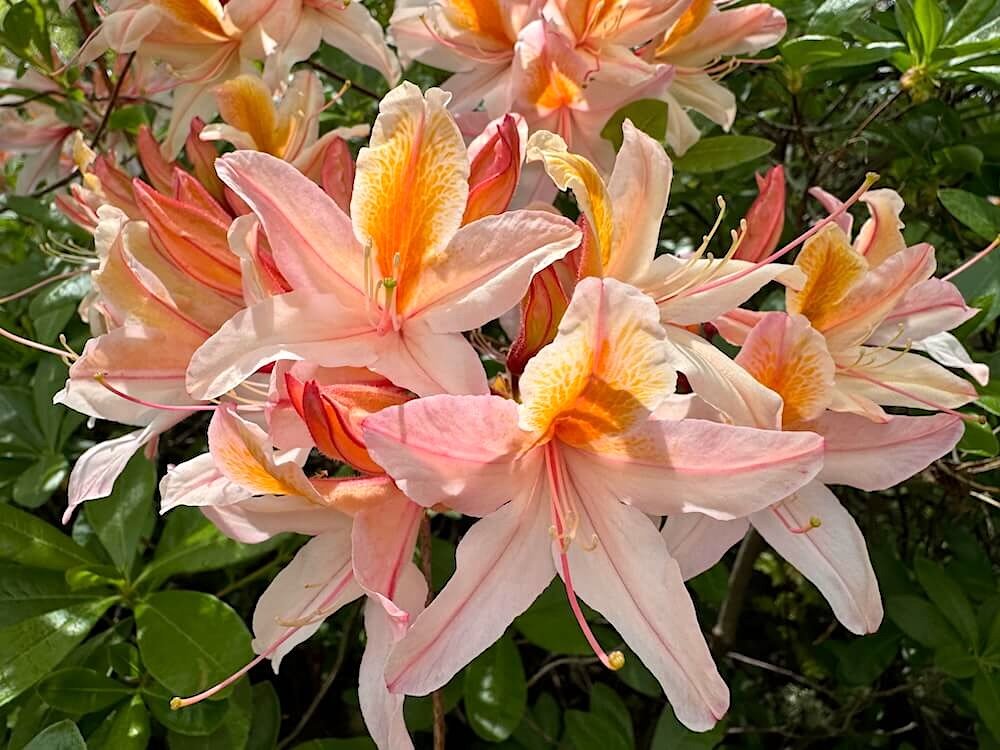
Rhododendron occidentale
Western Azalea
Blooms white to pink or pale rose blooms often with a yellow or orange blotch
Full sun to part shade
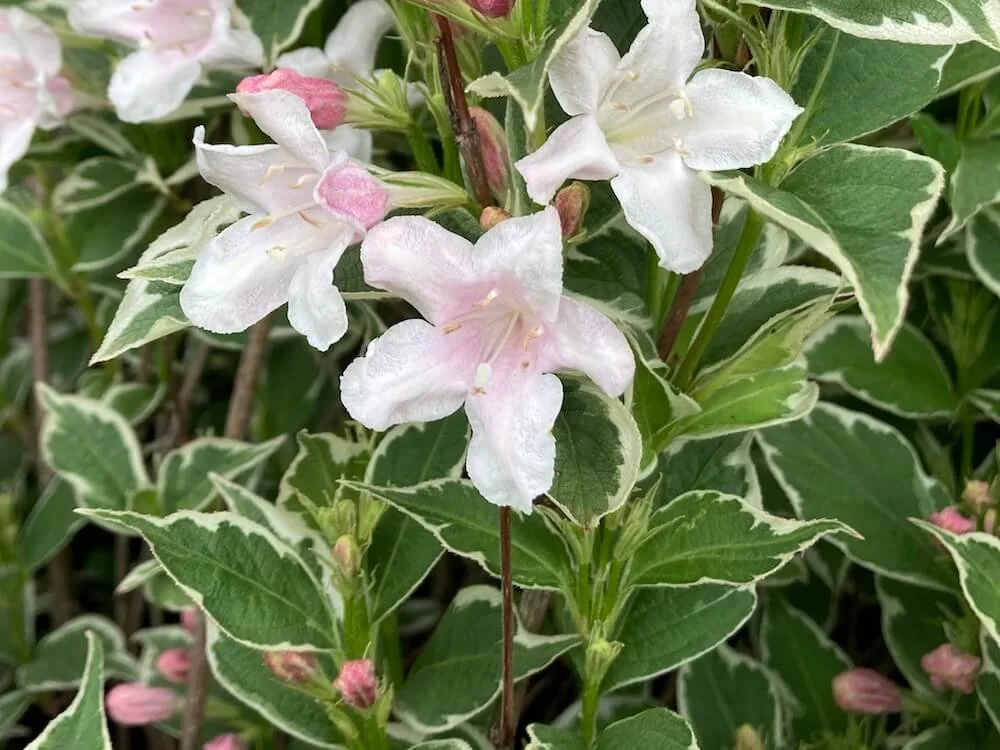
Weigela florida 'Morcolzam'
Mor-colorful Weigela
Blooms white to light pink trumpet-shaped flowers
Full sun
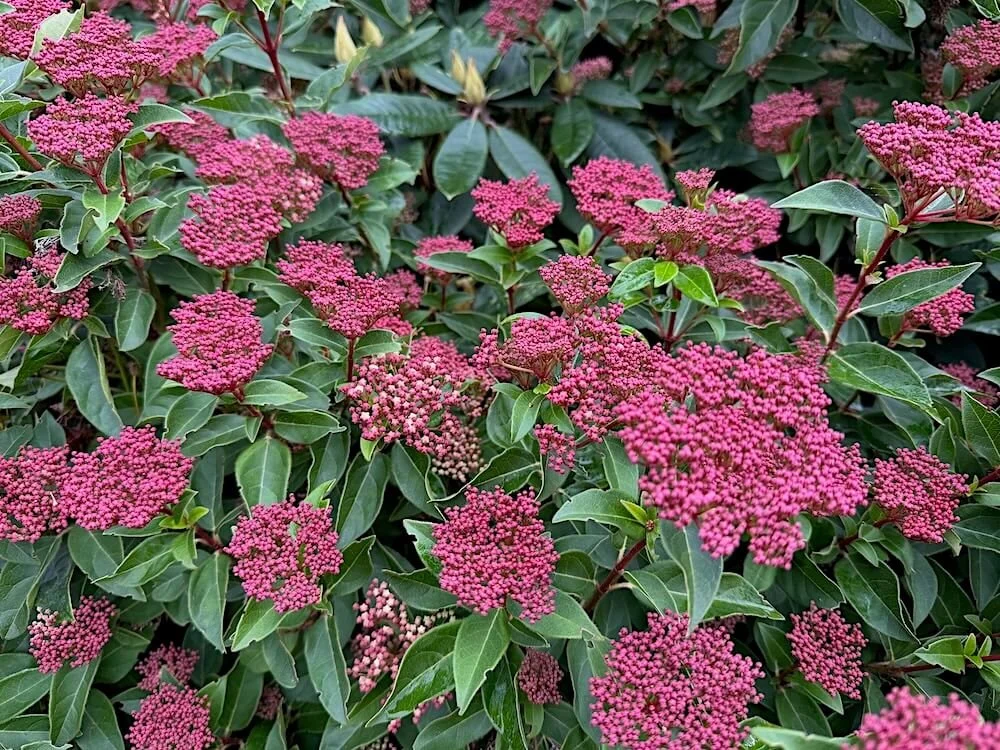
Viburnum tinus
Laurustinus
Blooms pink buds opening to white flowers
Full sun to partial shade
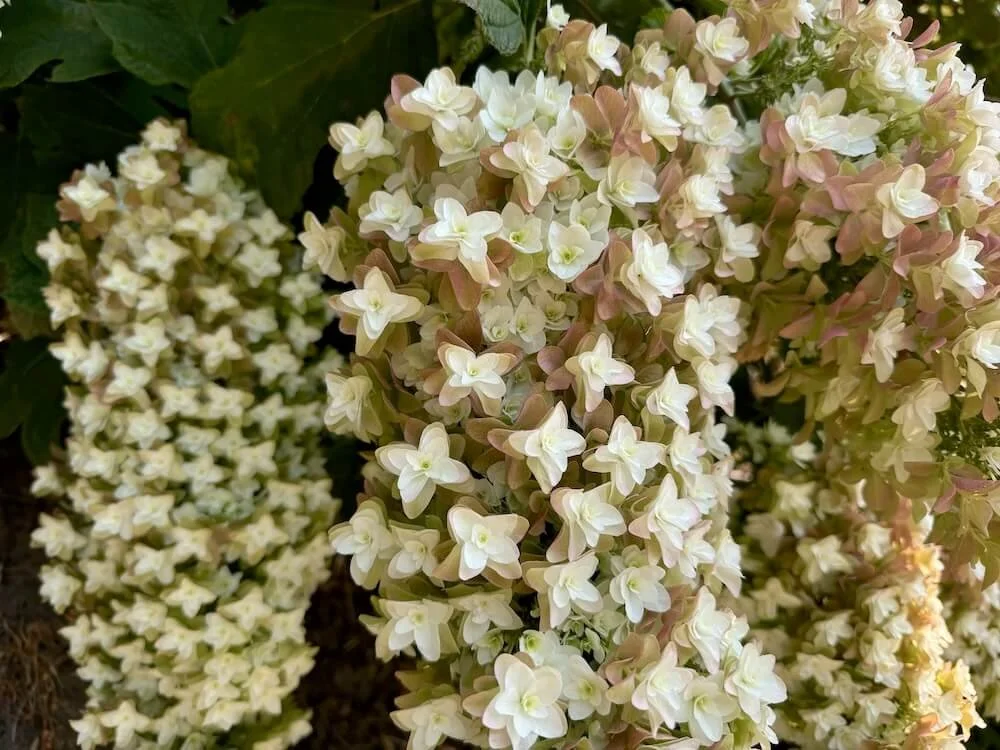
Hydrangea quercifolia 'Snowflake'
Snowflake Oak Leaf Hydrangea
Blooms large white double flowers, aging to a dusty pink
Partial sun to full sun