 1 / 5
1 / 5Key characteristics
- Family
- Adoxaceae
- Height
- 8 to 12 feet
- Width
- 8 to 12 feet
- Flower color
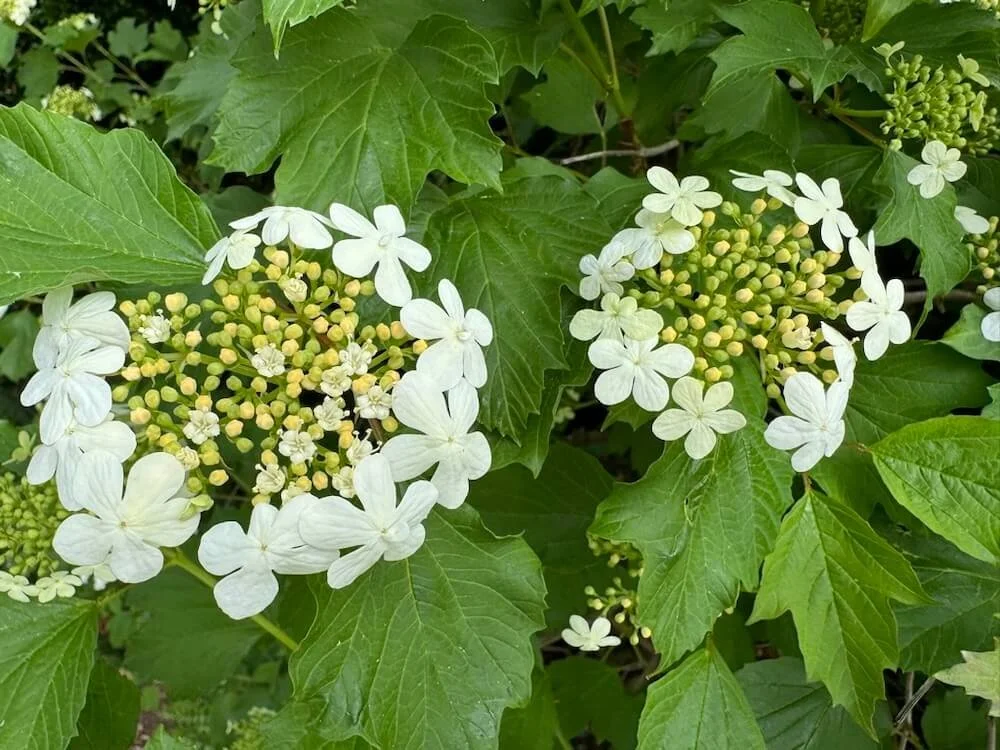
- White; flat-topped clusters resembling lacecap hydrangeas
- Foliage color
- Medium to dark green, turning red to reddish-purple in fall
- Bloom time
- Late spring to early summer
- Light
- Full sun to partial shade
- Water
- Moderate
- Maintenance
- Low; pruning needed occasionally to maintain shape and size
- Growing zone
- Hardy in zones 2 to 7
- Wildlife
- Flowers attract pollinators; bright red berries provide food for birds and other wildlife in fall and winter
Shrubs
Viburnum trilobum
Cranberry Viburnum
Viburnum trilobum is a deciduous shrub valued for its year-round interest. In late spring, it produces clusters of creamy white, lacecap-like flowers that attract pollinators. By late summer to fall, these flowers give way to bright red, berry-like drupes that persist into winter, providing a source of food for birds and adding seasonal color to the landscape. Its green, maple-like foliage turns vivid shades of red and orange in the autumn, enhancing its ornamental appeal.
Companion plants
Daphne · Pearlbush · Bluestar · Rock cress · Pampas Grass · Pasque flower
Design tip
Plan around Cranberry Viburnum’s sequence of seasonal color rather than a single peak. White spring flowers give way to bright red fruit, followed by fiery autumn foliage, allowing one substantial shrub to carry visual interest from spring well into winter.
More shrubs
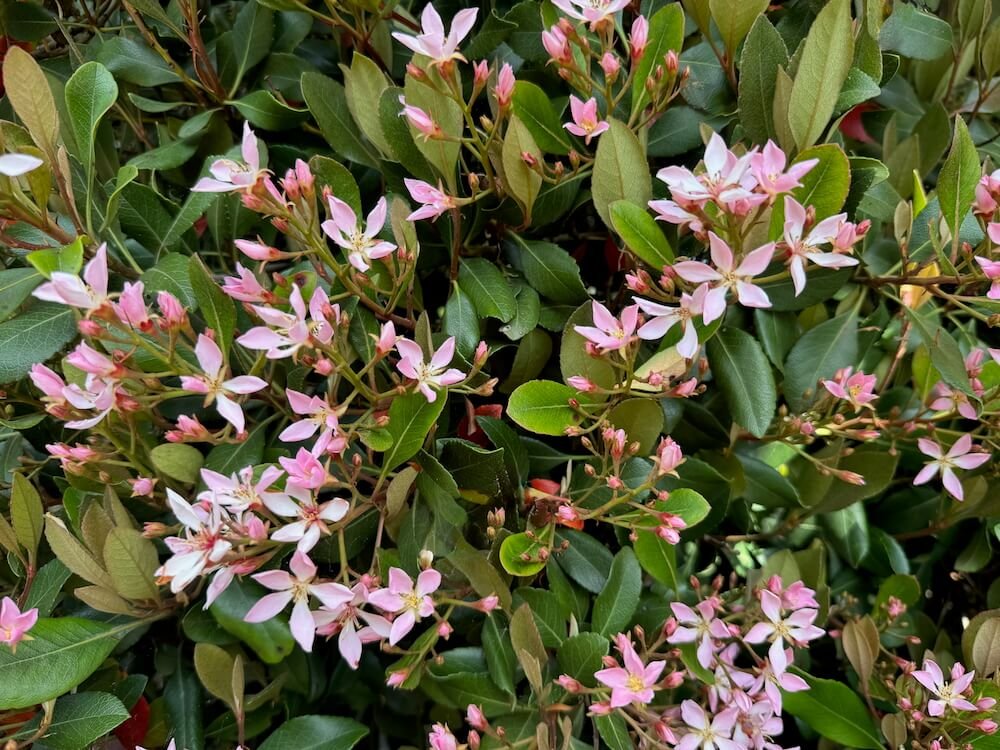
Rhaphiolepis indica 'Conor'
Eleanor Tabor Indian Hawthorn
Blooms soft pink flowers fading to white with prominent pink stamens
Full sun to partial shade
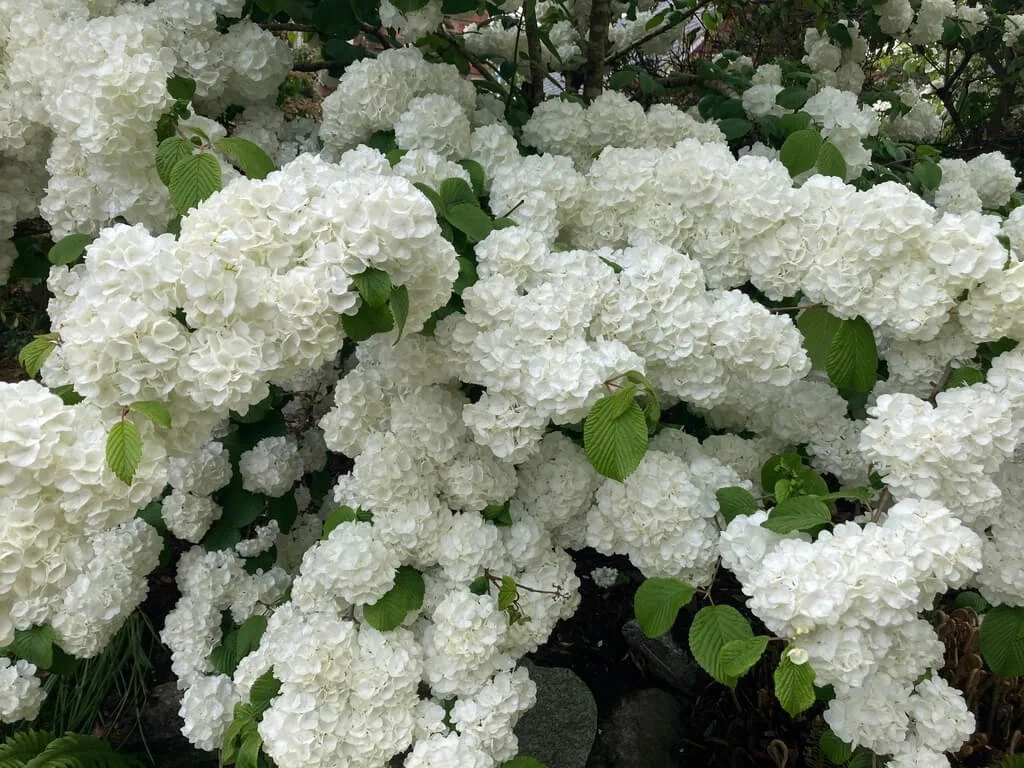
Viburnum plicatum
Japanese Snowball
Blooms white
Full sun to partial shade
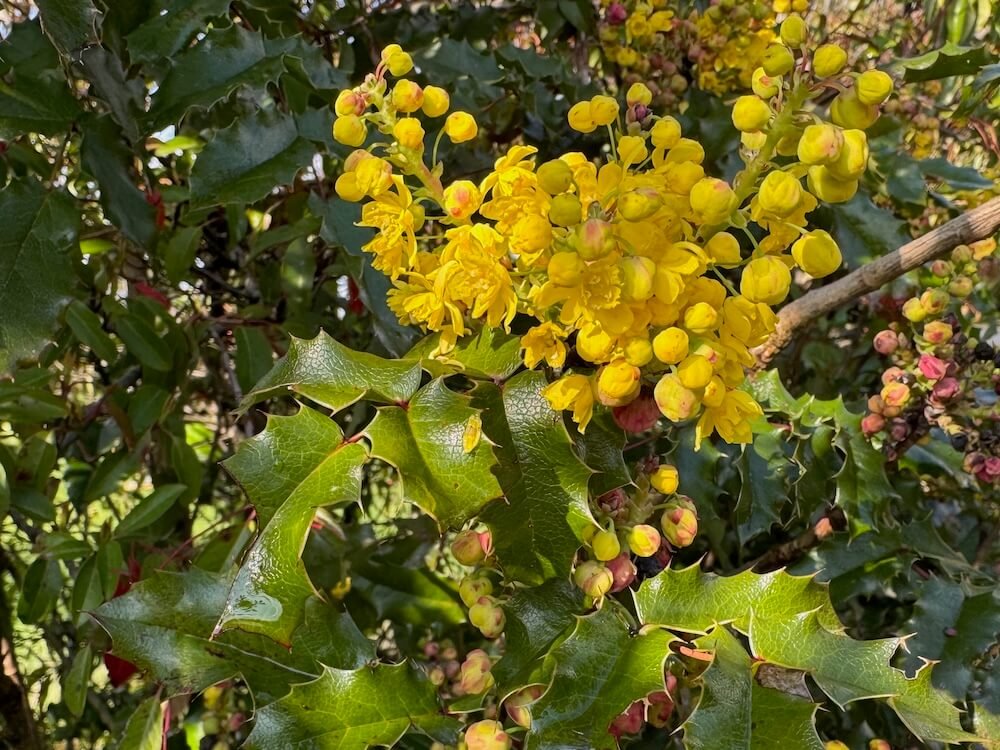
Berberis (Mahonia) aquifolium
Oregon Grape
Blooms bright yellow fragrant flowers borne in dense upright clusters
Partial shade to full shade
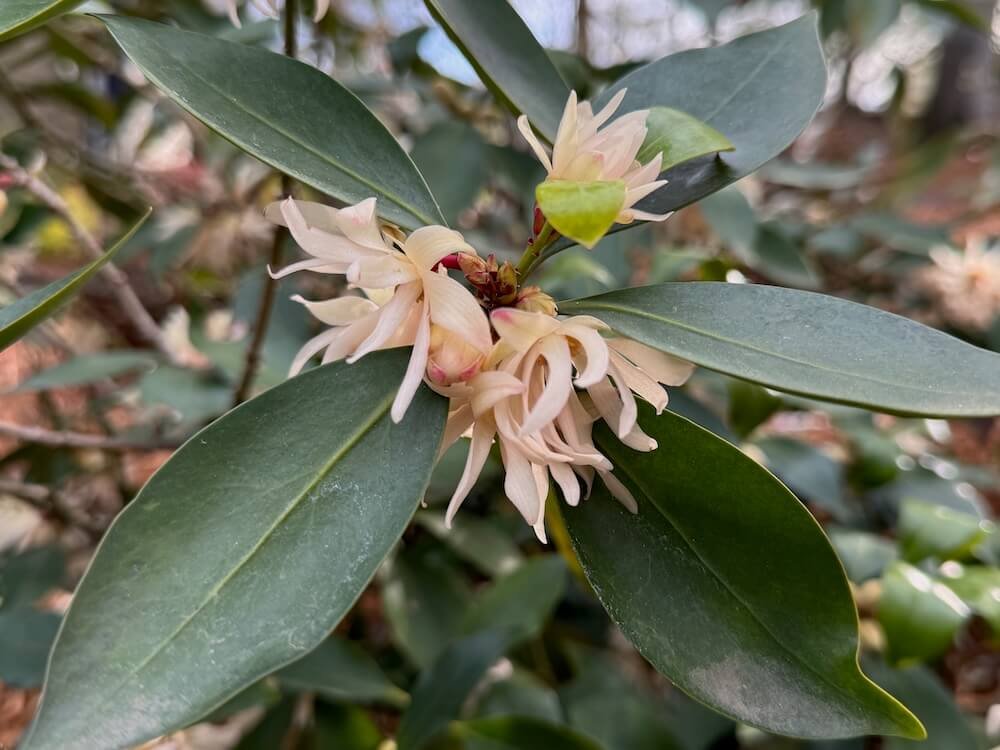
Illicium anisatum 'HinPurlf'
Plumshine Japanese Star Anise
Blooms creamy white star shaped flowers with narrow petals and a waxy texture
Partial shade to full shade