Deer Resistant Shrubs
Deer resistant shrubs help protect plantings from browsing while still providing structure, texture, and seasonal interest in the landscape. Many feature aromatic foliage, leathery leaves, or subtle chemical properties that make them less appealing to deer. Their flowers and foliage offer a range of colors and forms, allowing for varied and visually appealing plant combinations. Planted with intention, they reduce the likelihood of damage and help maintain the integrity of borders and hedges over time. While no plant is completely immune, these selections are less frequently disturbed, especially once established. Over time, you may notice fewer signs of browsing and enjoy a garden that remains more consistent, balanced, and intact throughout the seasons.
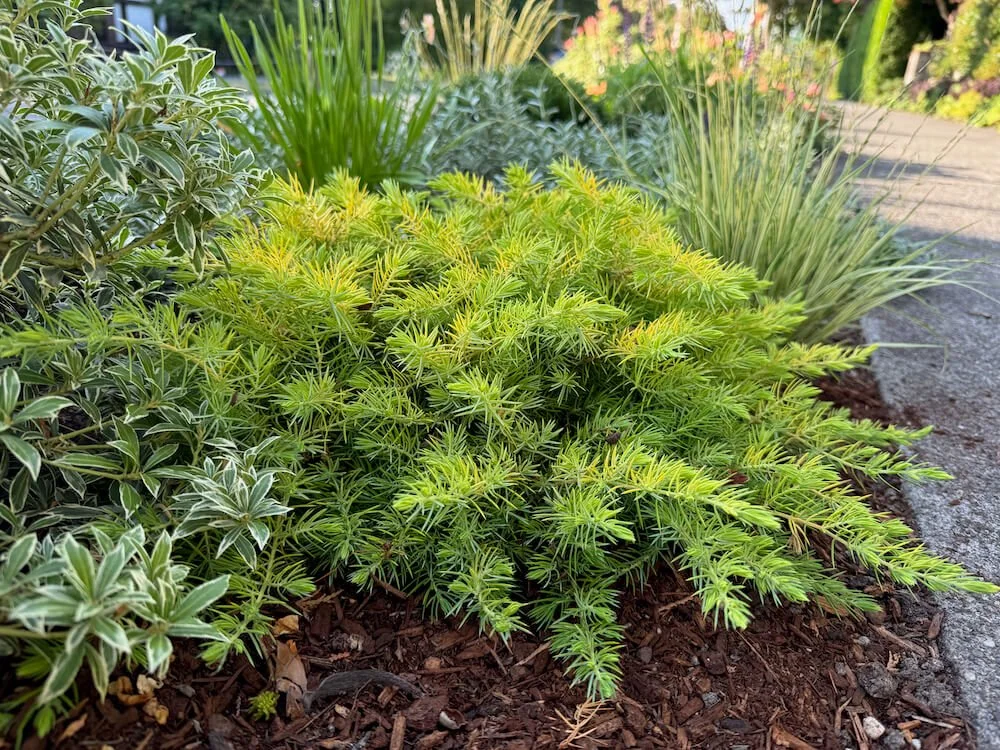
Juniperus c. 'Golden Blue Pacific'
Evergreen conifer with golden needle foliage, forming dense spreading growth. Provides shelter for birds, and grows 12 to 18 inches tall. Ideal for low hedges, borders, and erosion control. Zones: 5 to 9.
Considerations for Deer Resistant Plants
Deer Pressure Level: Assess how frequently deer visit and how heavily they browse in your area, as this influences how “resistant” a plant truly needs to be. In high-pressure areas, even moderately resistant plants may still be damaged.
Plant Palatability: Focus on shrubs with traits deer tend to avoid, such as aromatic foliage, leathery or coarse leaves, or toxic compounds. Resistance is relative, and deer may still sample plants during periods of scarcity.
Seasonal Vulnerability: Consider when plants are most at risk, especially tender new growth in spring or limited food availability in winter. Some shrubs are only resistant once mature but are vulnerable when young.
Plant Selection Strategy: Use a combination of highly resistant shrubs rather than relying on a single species. Grouping resistant plants together reduces the likelihood of deer targeting a specific area.
Site Placement: Position more vulnerable shrubs closer to the house or in protected areas, and use highly resistant varieties along the perimeter. Deer are less likely to approach areas with frequent human activity.
Aesthetic Preferences: Deer-resistant shrubs often include gray or textured foliage and may have more subtle flowers, so consider how these traits fit your overall design. Balance resistance with the look you want to achieve.
Maintenance Requirements: Monitor for browsing damage and be prepared to protect young plants with temporary barriers or repellents. Pruning may also be needed to reshape shrubs after minor deer damage.
Supplemental Protection: Even with resistant plants, additional measures like fencing, netting, or repellents may be necessary, especially during establishment. These strategies can significantly improve long-term success.
Water & Fertility Management: Avoid excessive fertilization, which can encourage lush, tender growth that attracts deer. Moderate watering and feeding help maintain tougher, less appealing foliage.
Local Observations: Pay attention to what deer are eating in nearby landscapes, as preferences can vary by region and season. Observing local patterns often provides the most reliable guidance for plant selection.
Our Picks
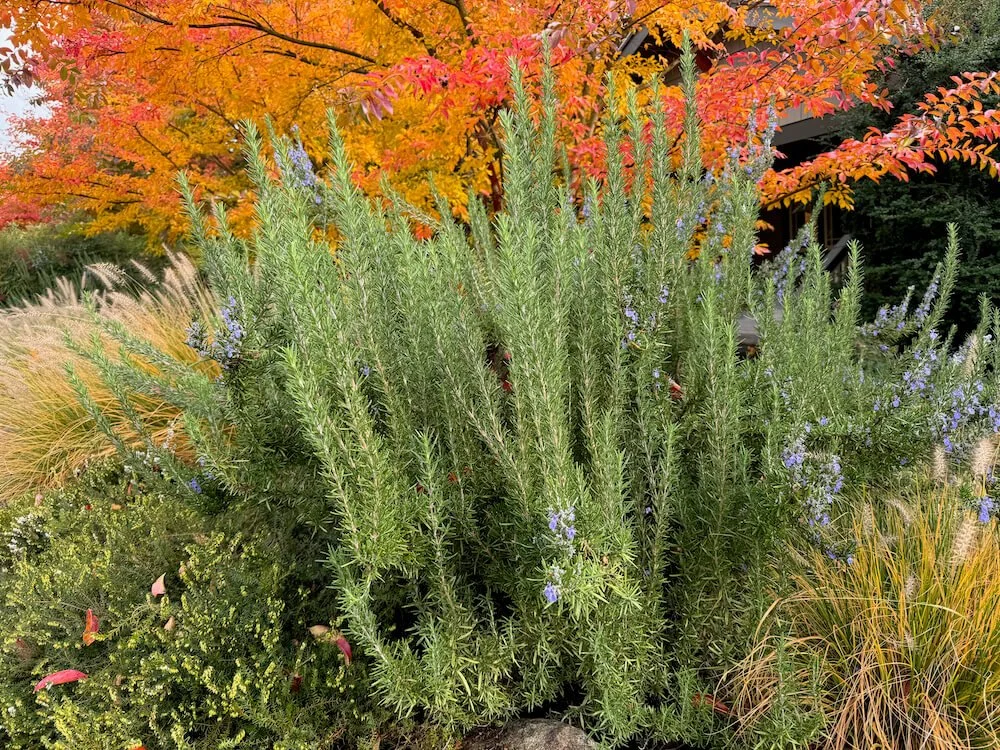
ROSEMARY (Rosmarinus)
Rosemary
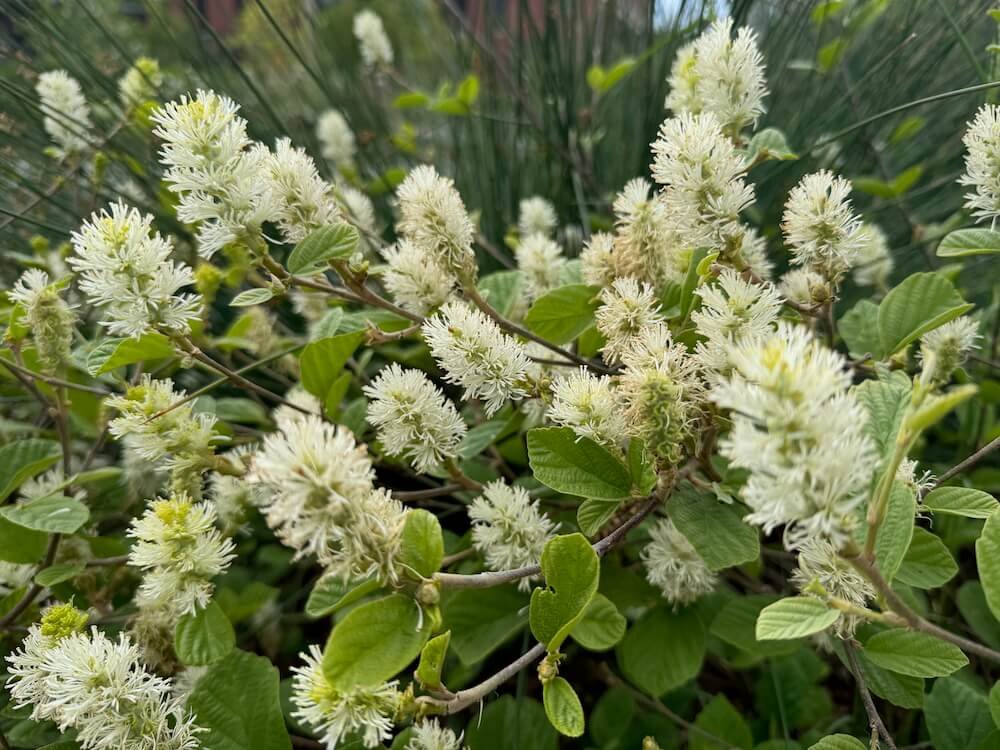
FOTHERGILLA
Dwarf Fothergilla
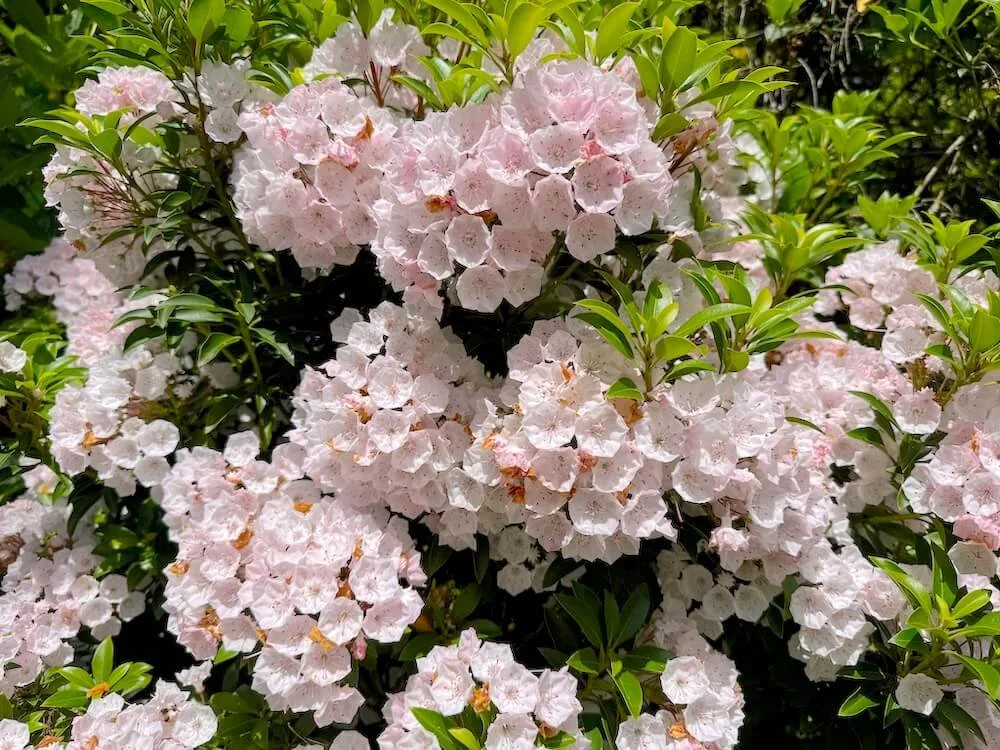
MOUNTAIN LAUREL (Kalmia)
Mountain Laurel
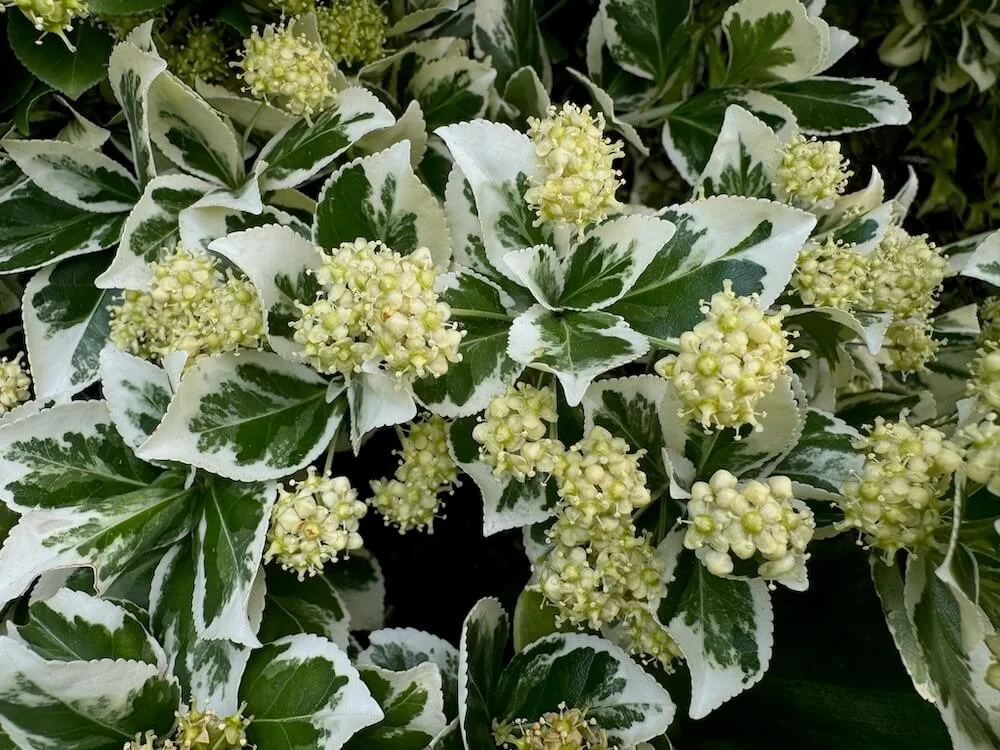
WINTERCREEPER (Euonymus fortuneii)
Emerald Gaiety Wintercreeper
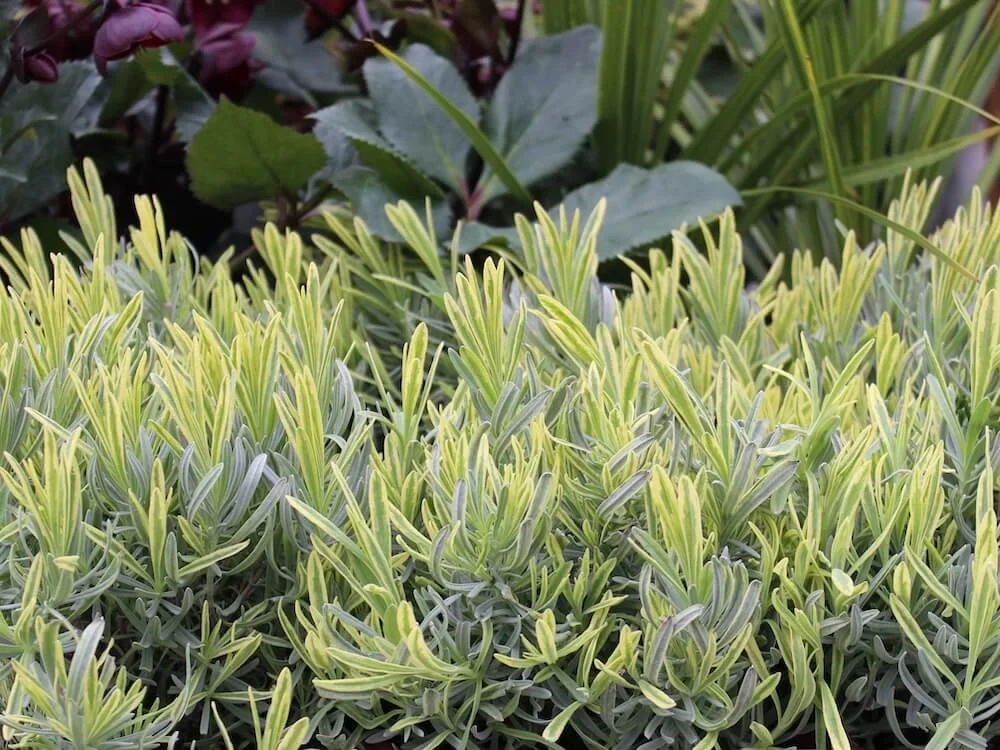
LAVANDER (Lavandula)
Platinum Blonde Lavender
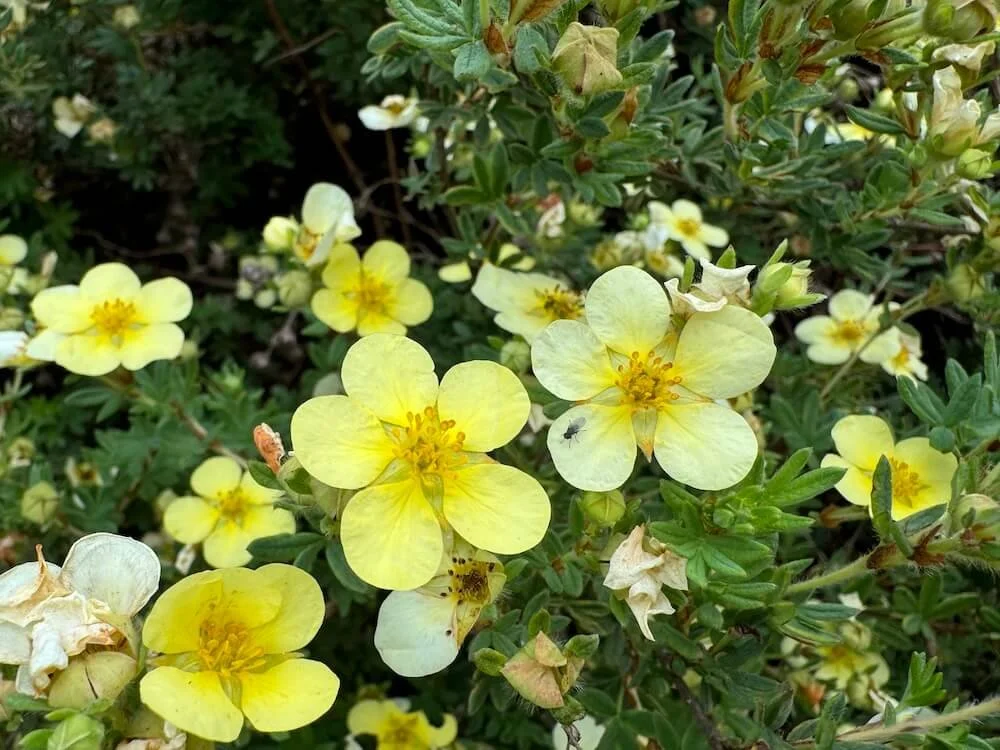
CINQUEFOIL (Potentilla)
Shrubby Cinquefoil
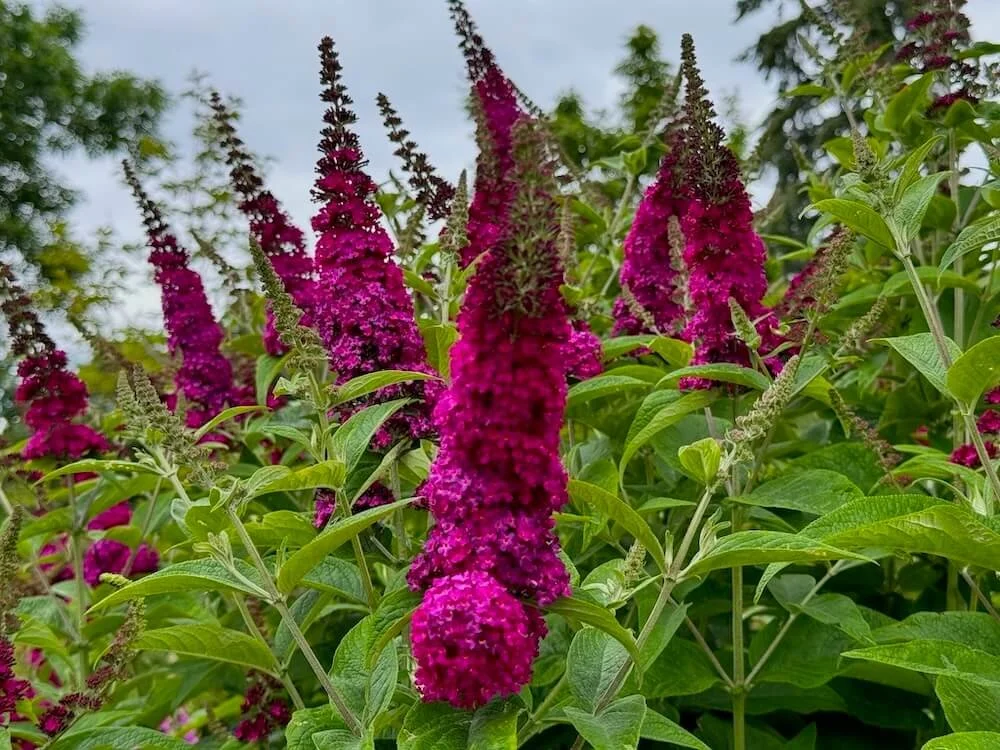
BUTTERFLY BUSH (Buddleia)
Miss Molly Butterfly Bush
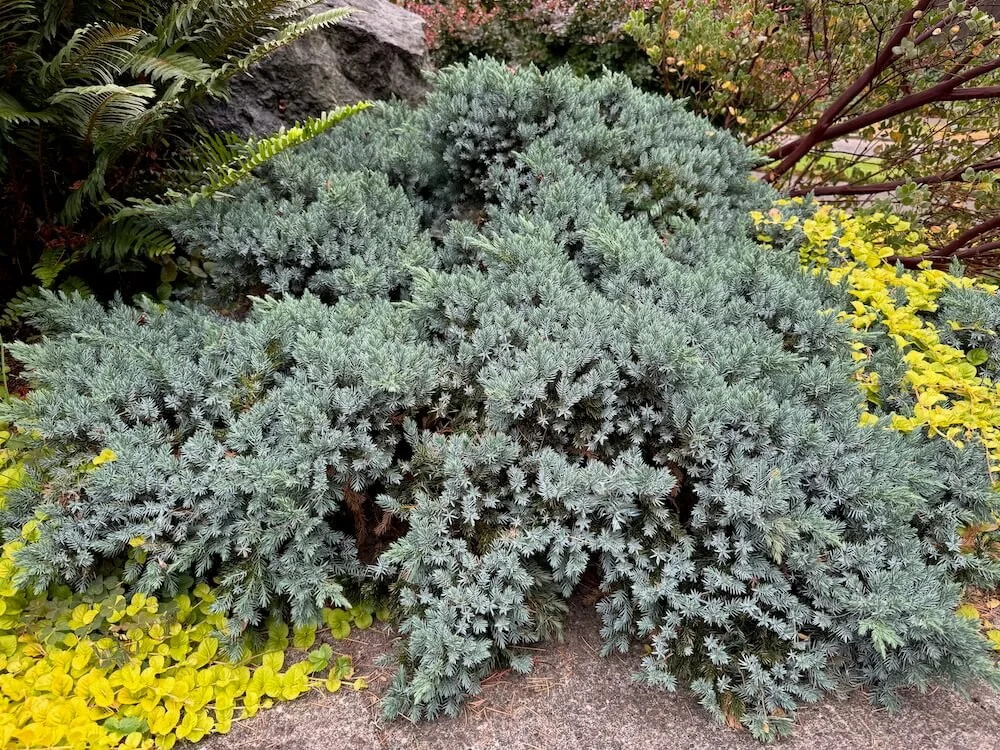
JUNIPER (Juniperus)
Blue Star Juniper
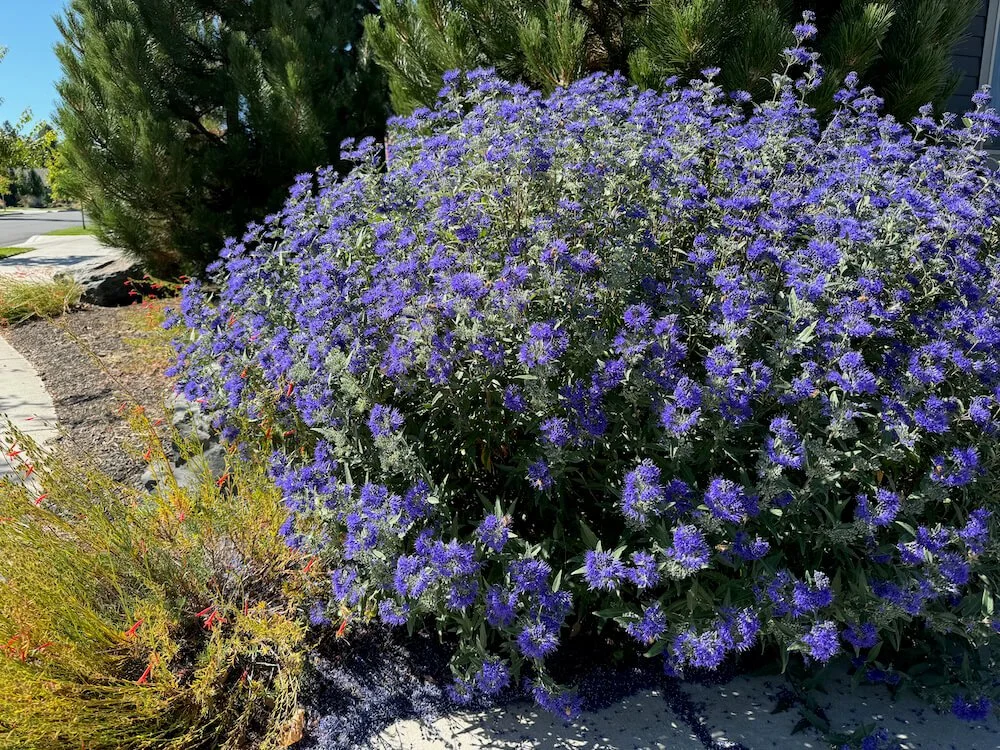
BLUEBEARD (Caryopteris)
Dark Knight Bluebeard
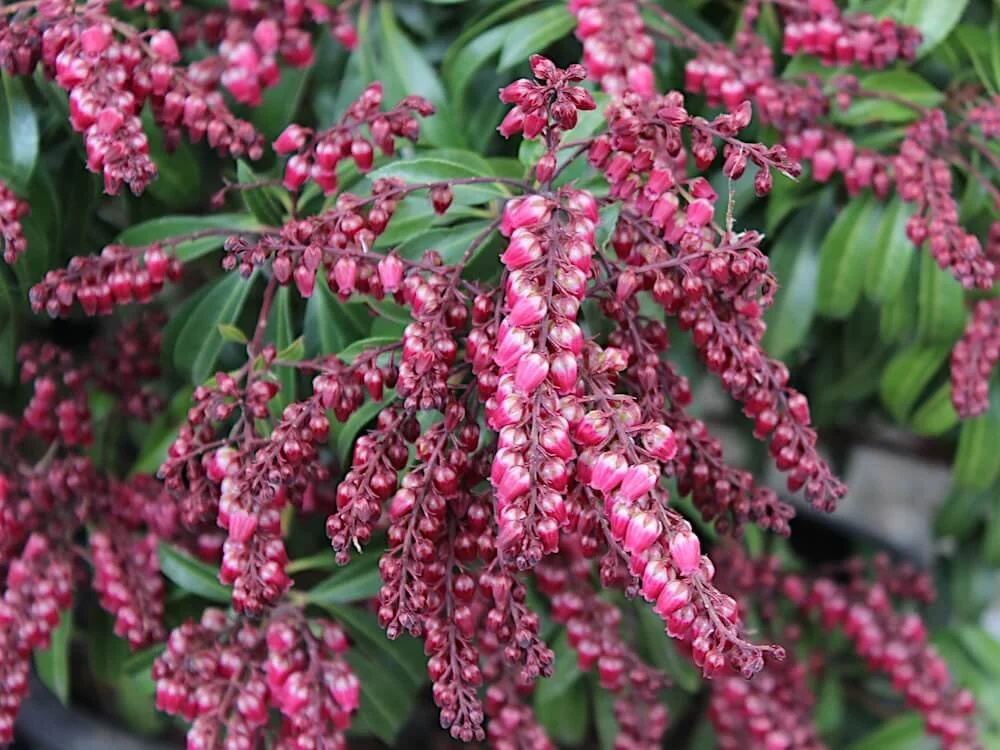
PIERIS
Valley Valentine Pieris
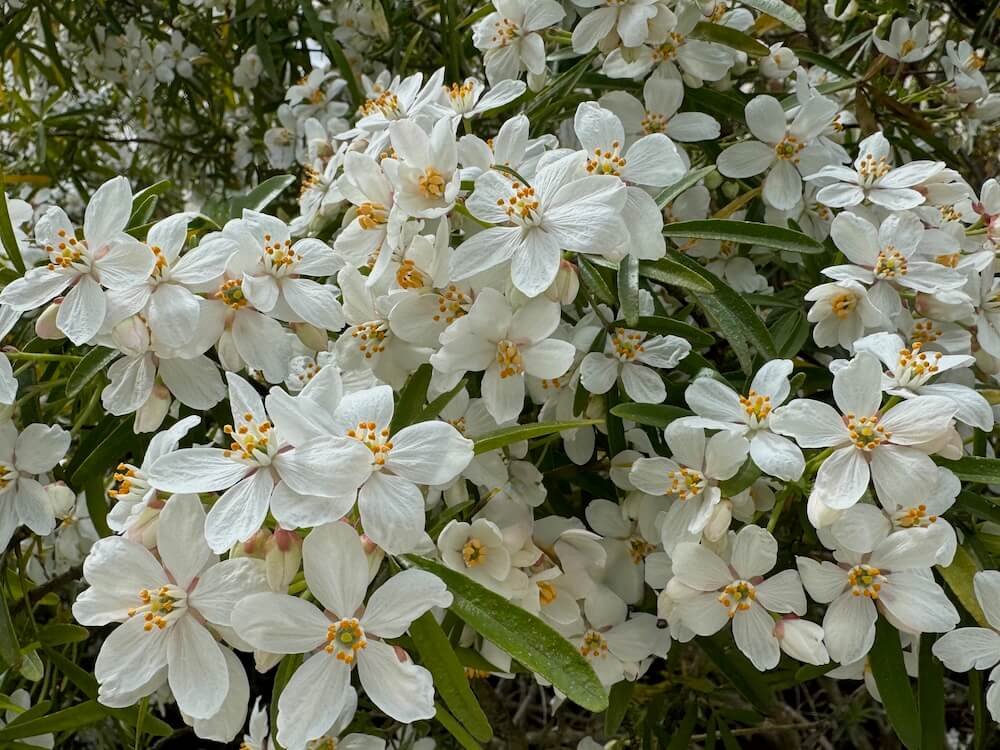
MEXICAN ORANGE (Choisya)
Aztec Pearl Mexican Orange Blossom
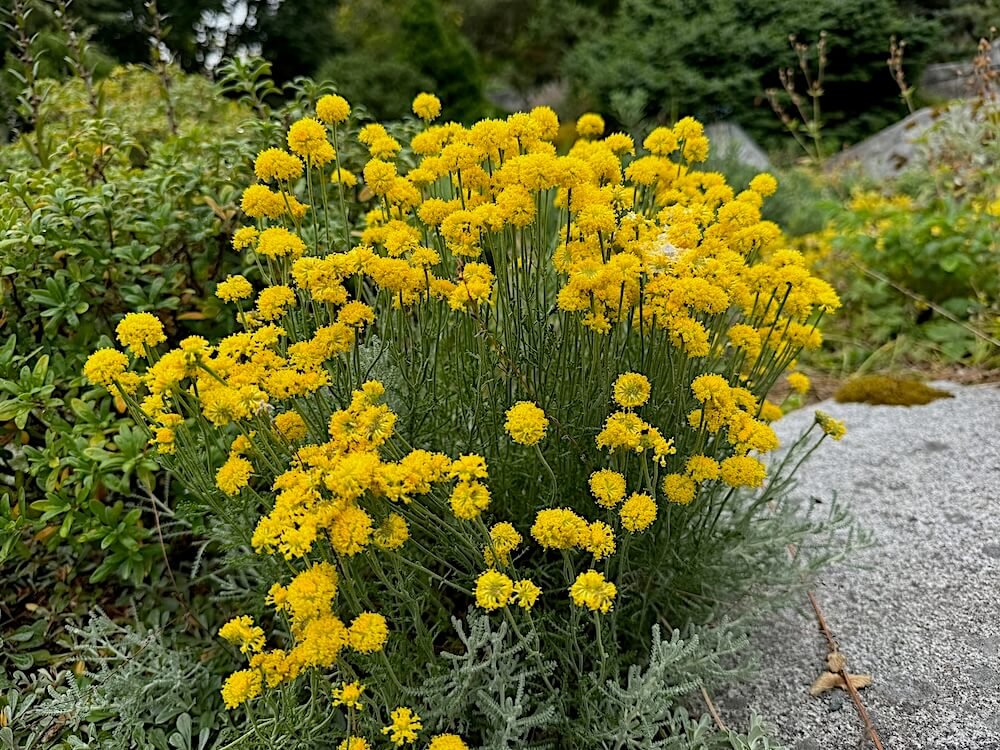
LAVENDER COTTON (Santolina)
Pretty Carroll Lavender Cotton
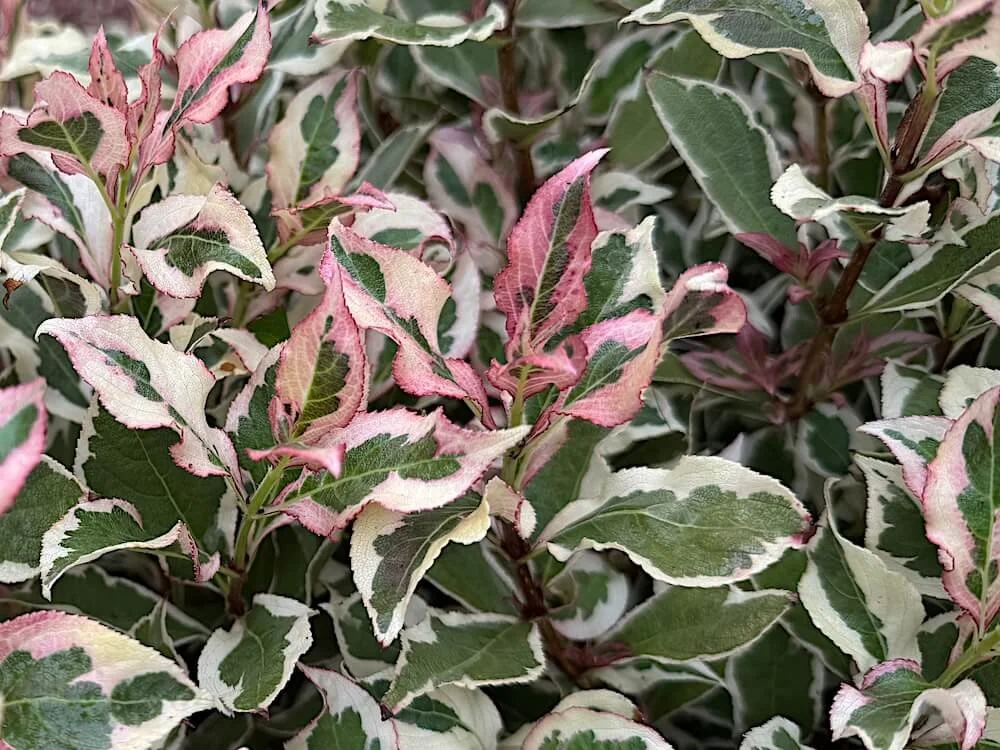
WEIGELA
My Monet Weigela
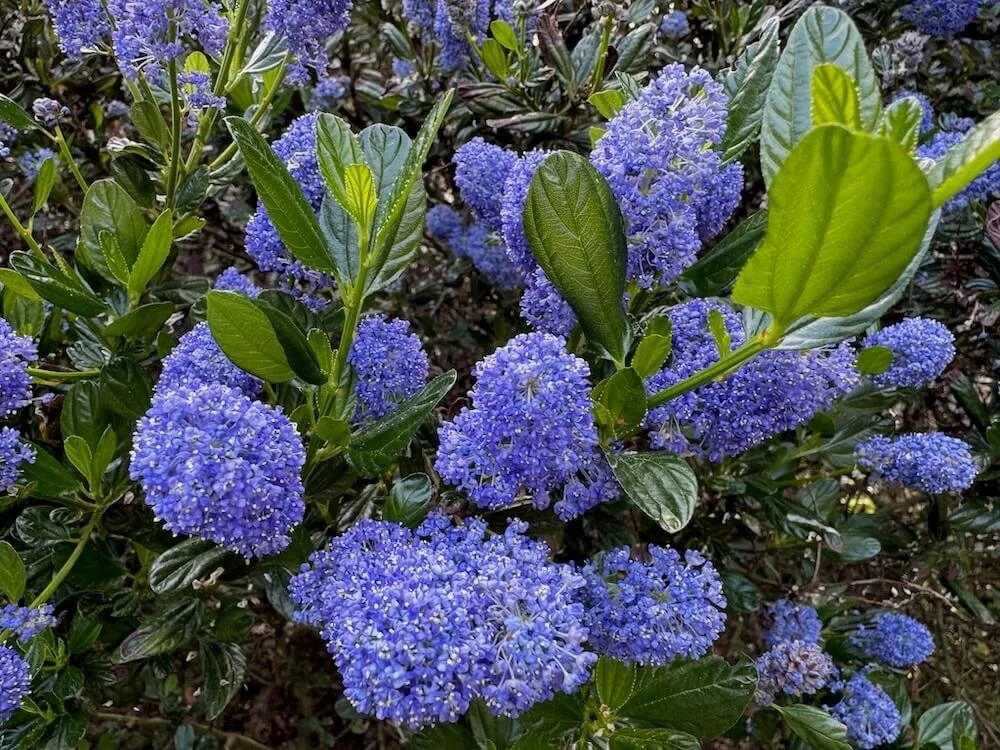
CALIFORNIA LILAC (Ceanothus)
Dark Star California Lilac
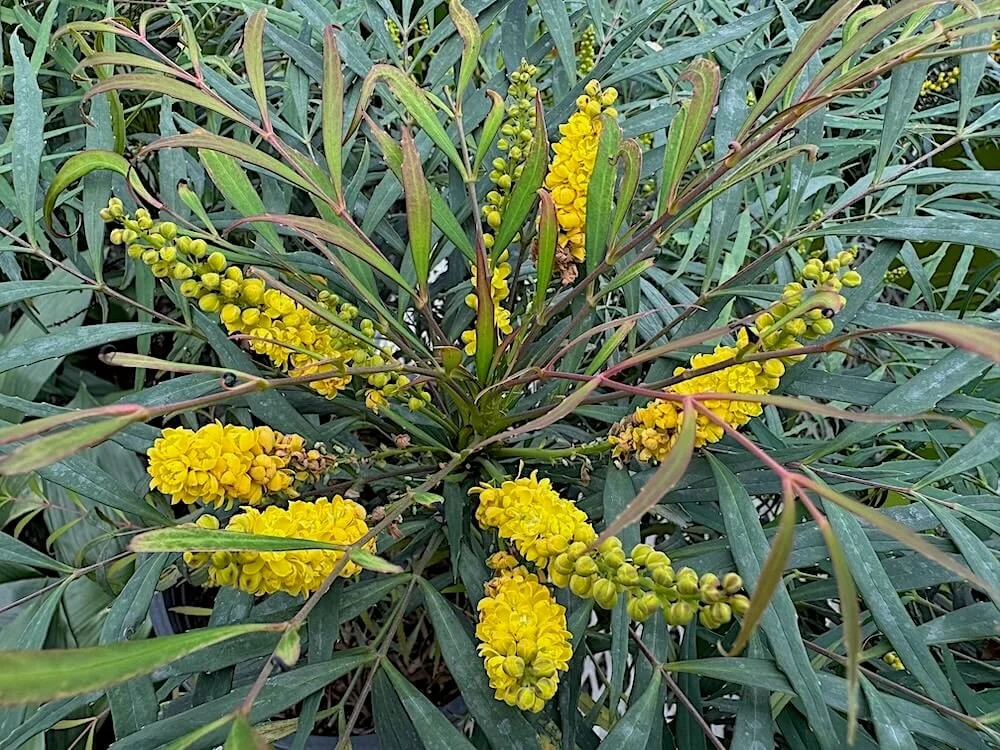
OREGON GRAPE (Mahonia)
Soft Caress Mahonia
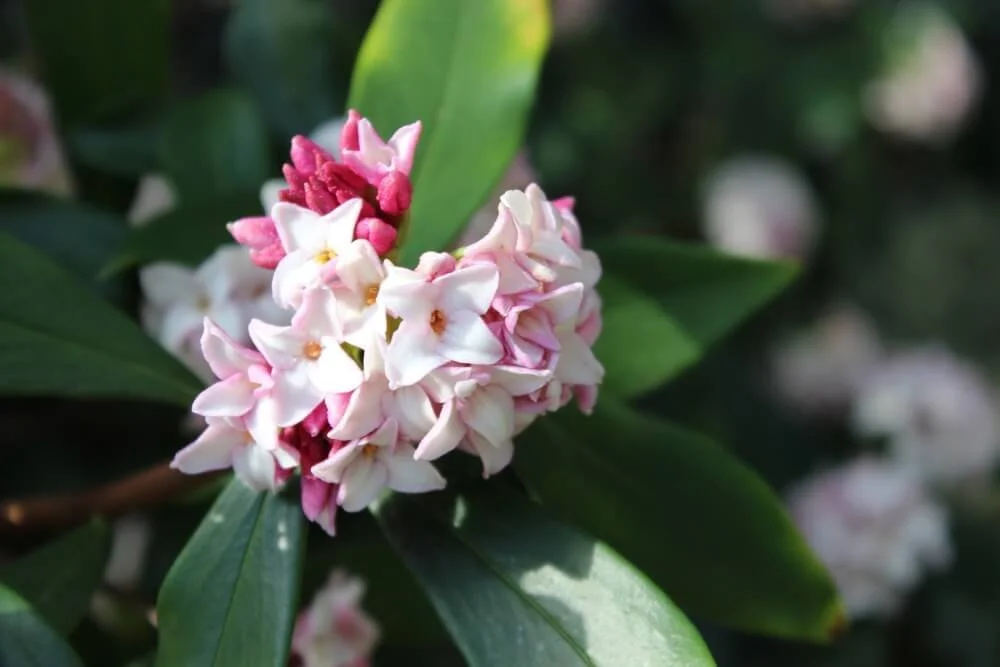
DAPHNE
Winter Daphne
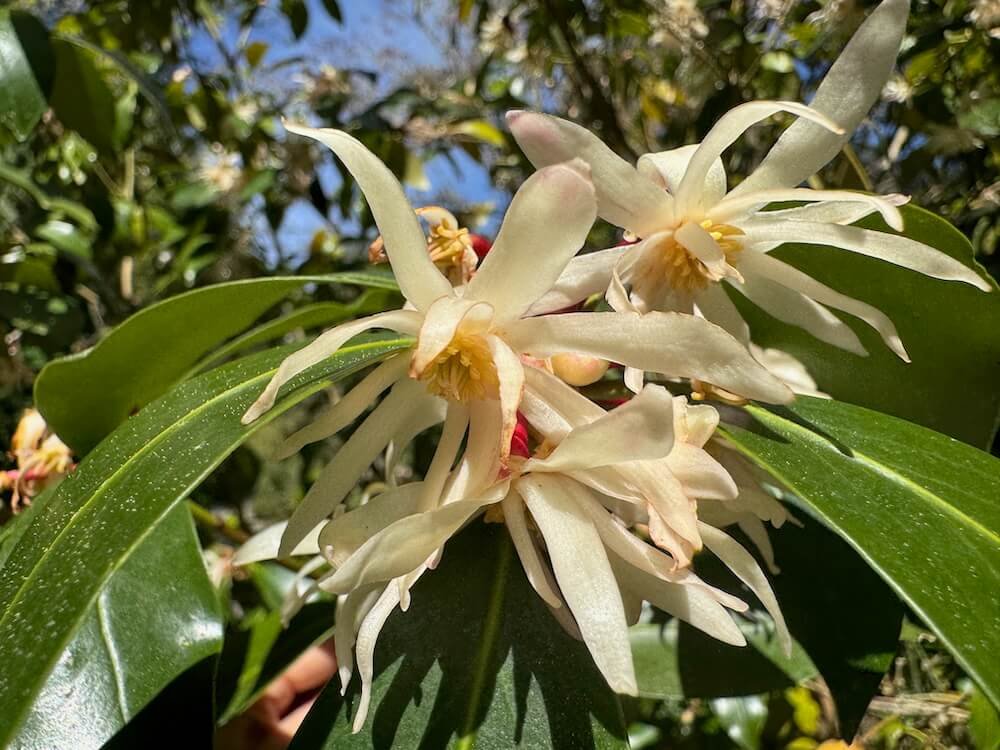
STAR ANISE (Illicium)
Japanese Star Anise
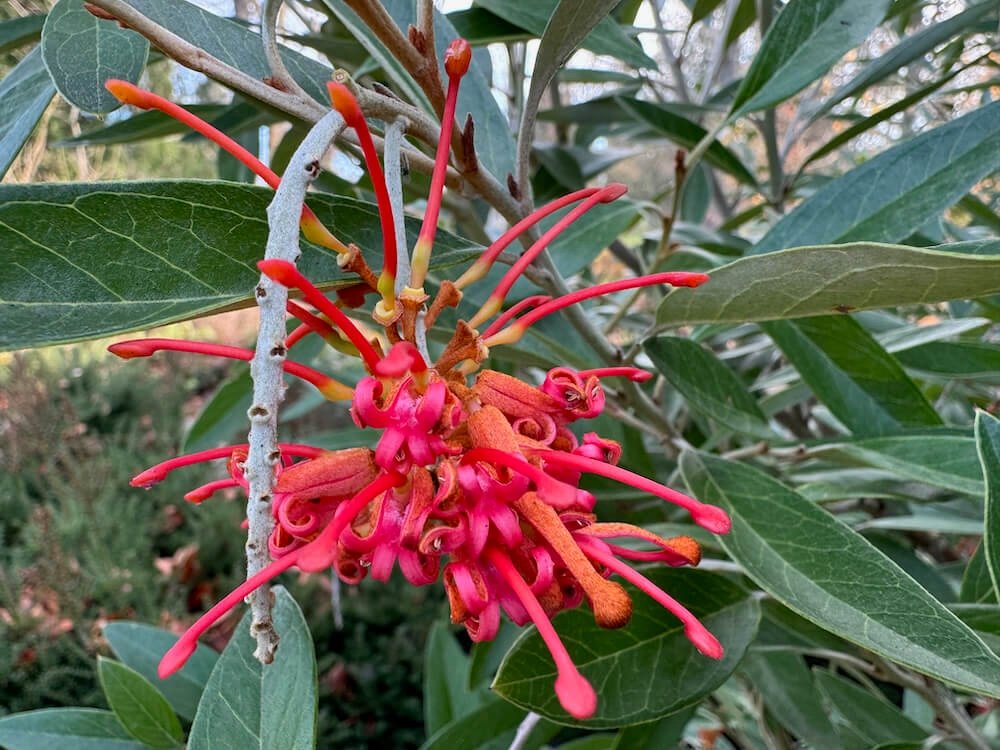
GREVILLEA
Royal Grevillea
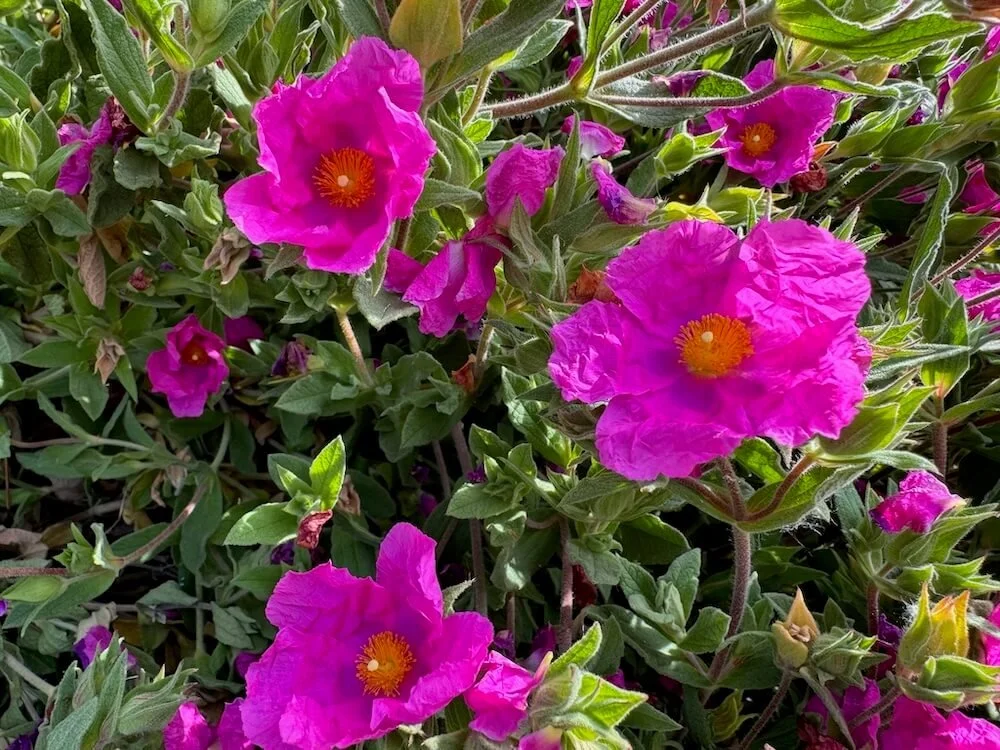
ROCK ROSE (Cistus)
Magenta Rock Rose
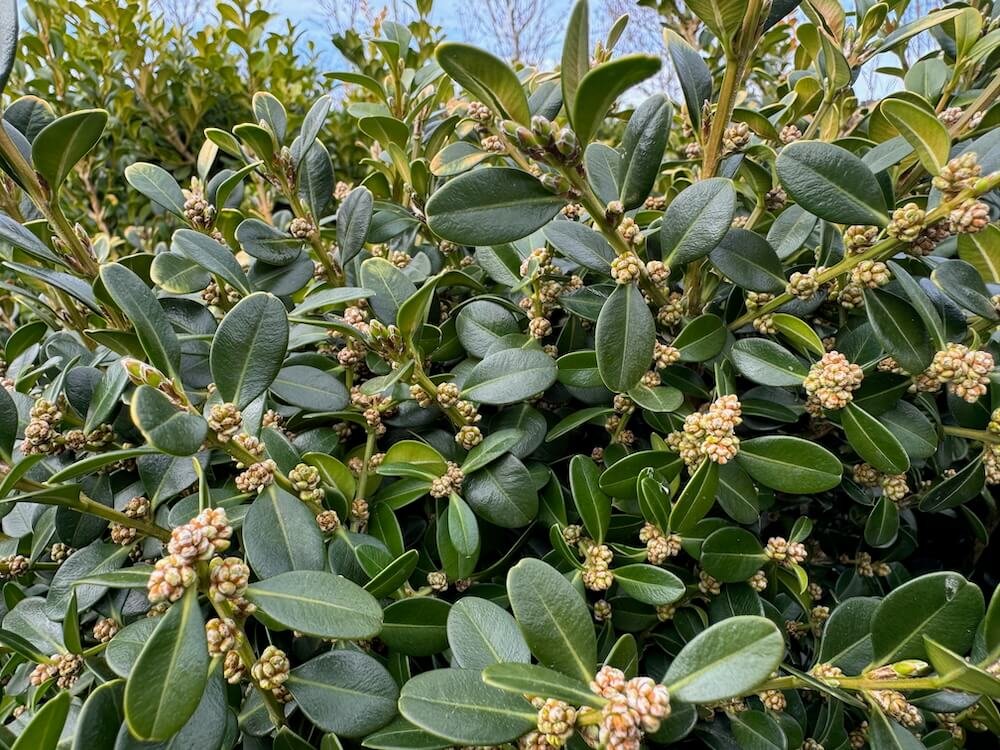
BOXWOOD (Buxus)
Green Beauty Boxwood