Learn
Guides, gardens & good places to buy plants
Everything alongside the plant library: deep-dive guides, shortlists for tricky sites, wildlife planting, season-by-season tasks, and the nurseries, public gardens and tour routes worth your weekend.
Complete Guides
12 pages
Plant guides provide the information needed to successfully grow, care for, and select plants that are well suited to your garden and growing conditions. Whether you're interested in shrubs, perennials, groundcovers, bulbs, vines, or other plant groups, understanding their individual characteristics and requirements can help you make more informed choices. From planting and maintenance to bloom times and design considerations, these guides are intended to simplify the process and help gardeners create healthy, attractive landscapes that provide enjoyment throughout the seasons.
Variety Collections
25 pages
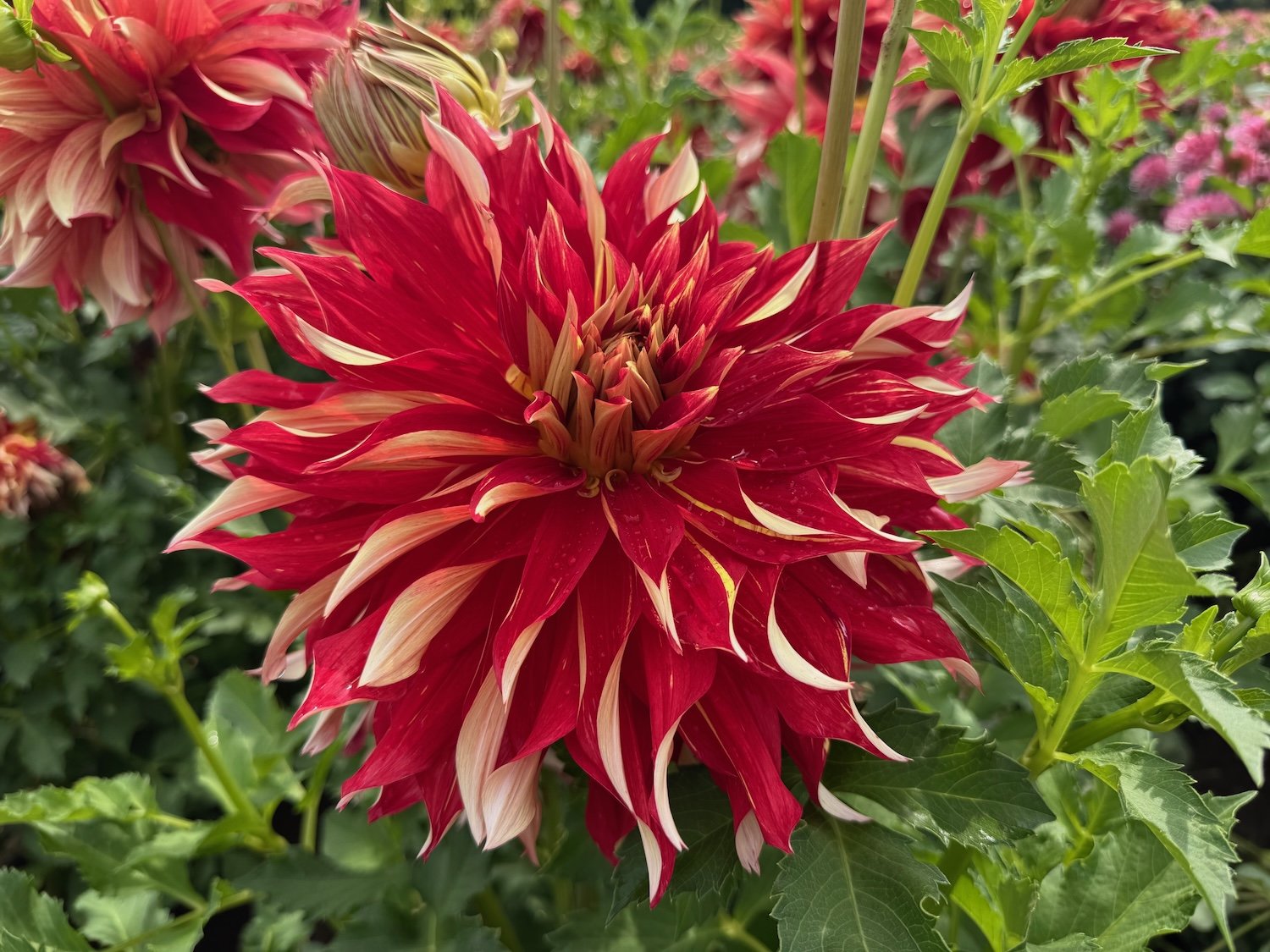
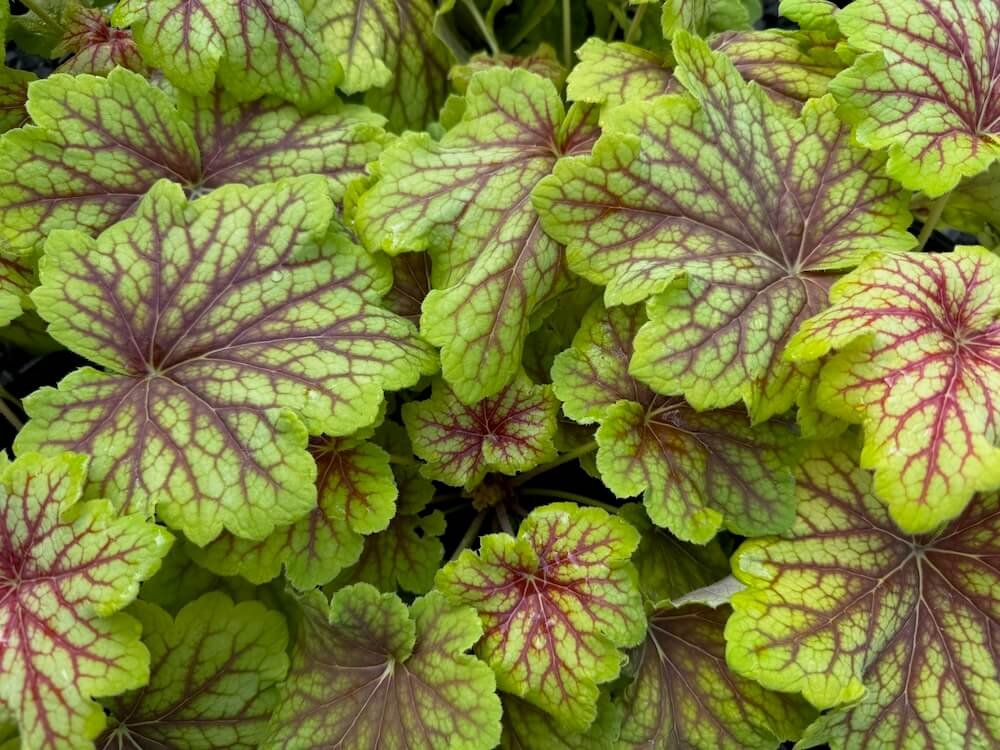
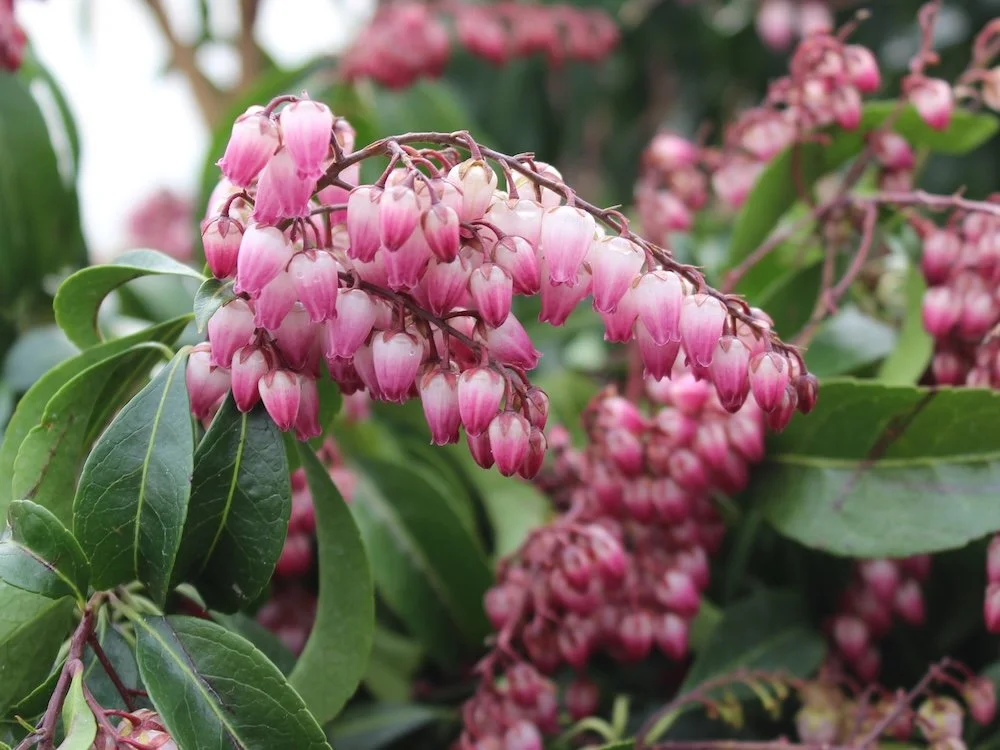
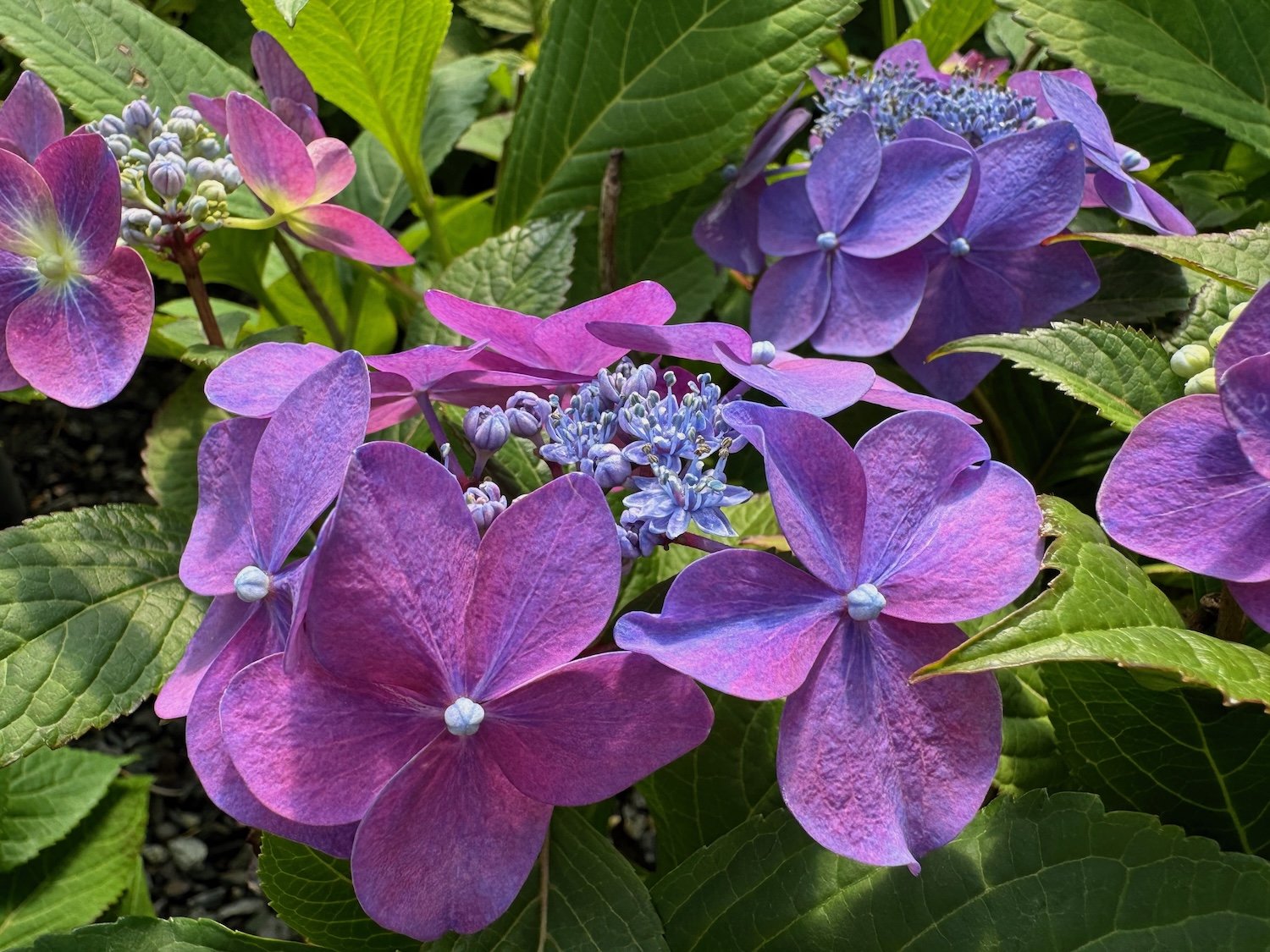
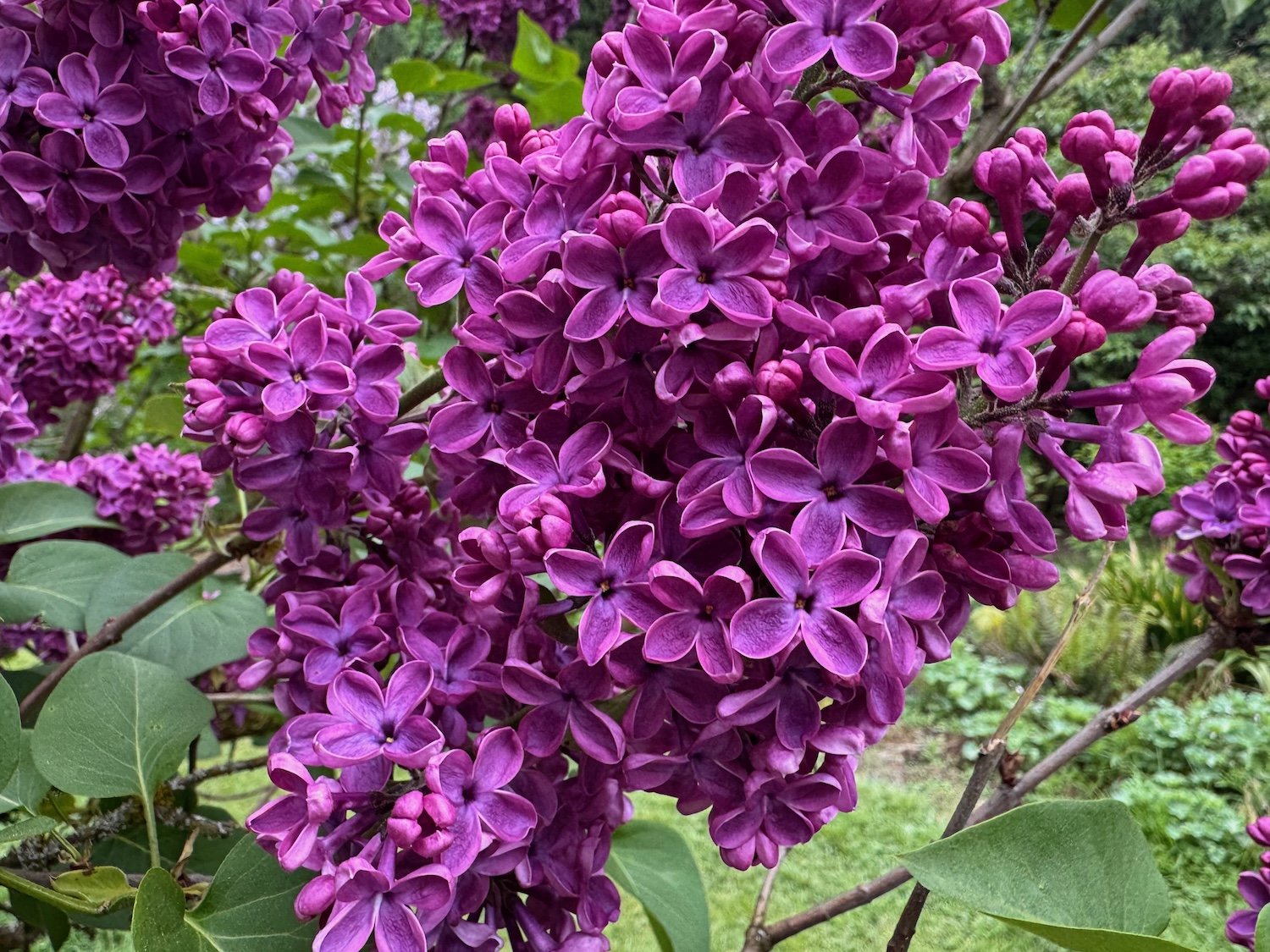
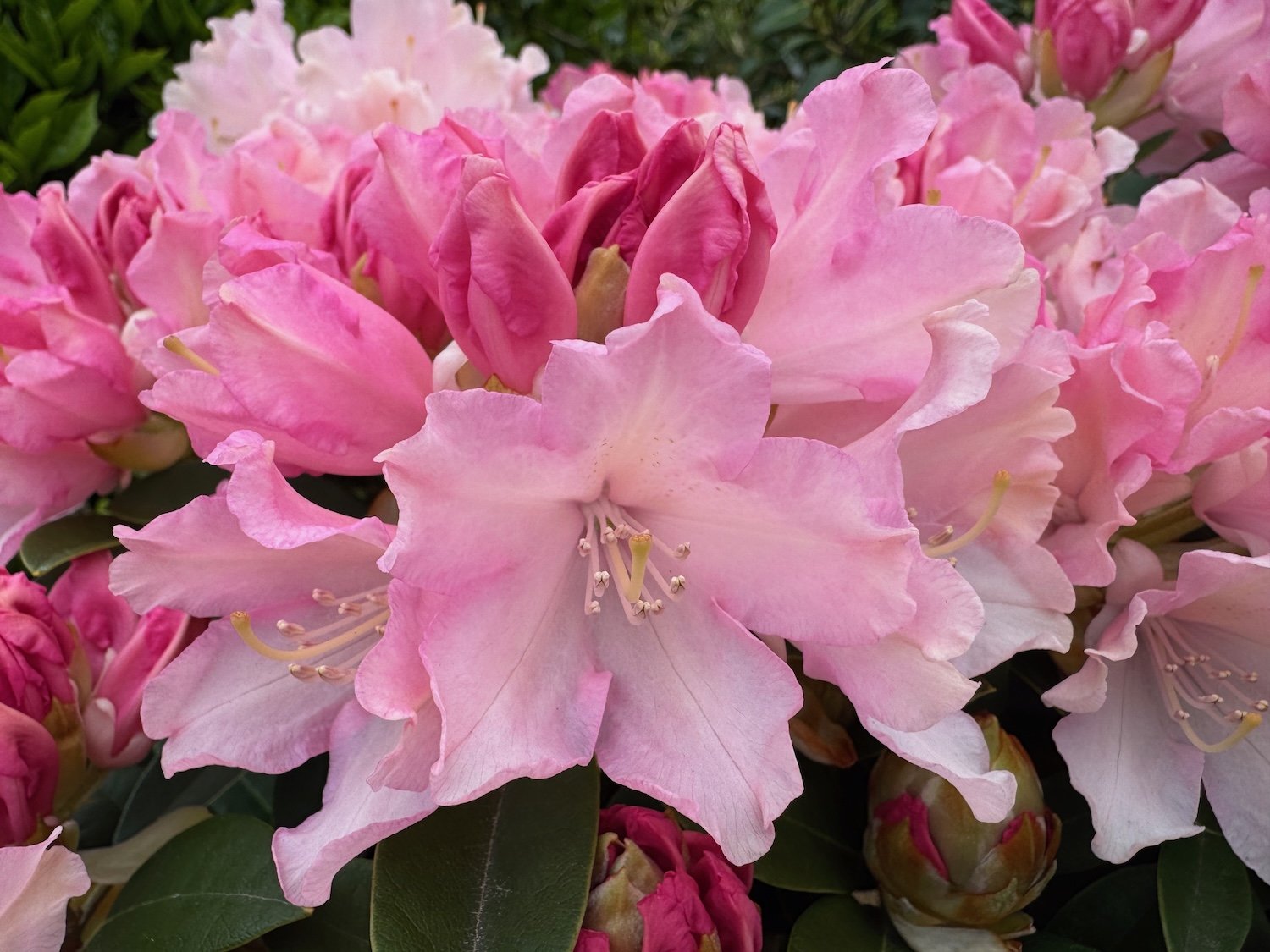
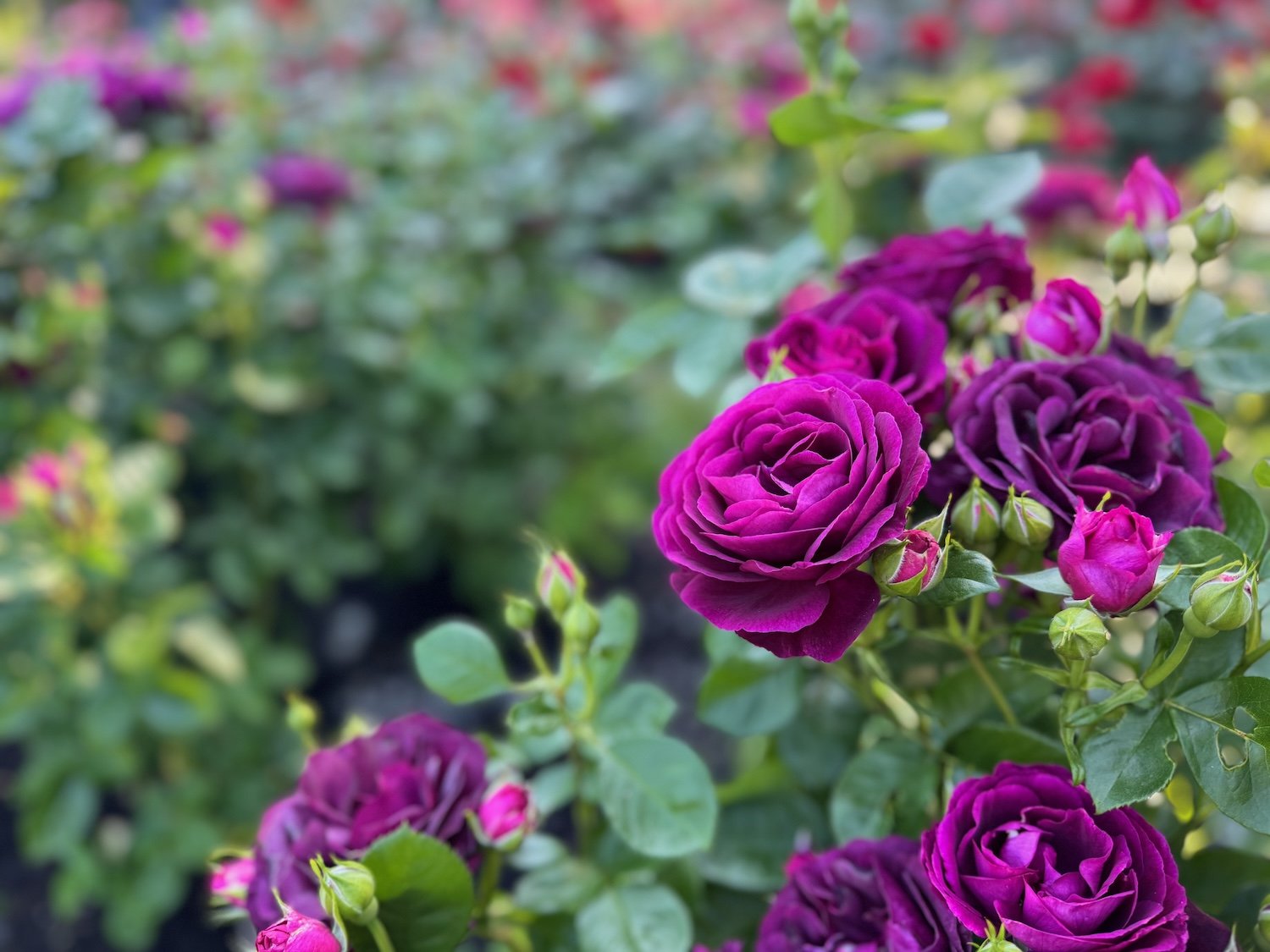
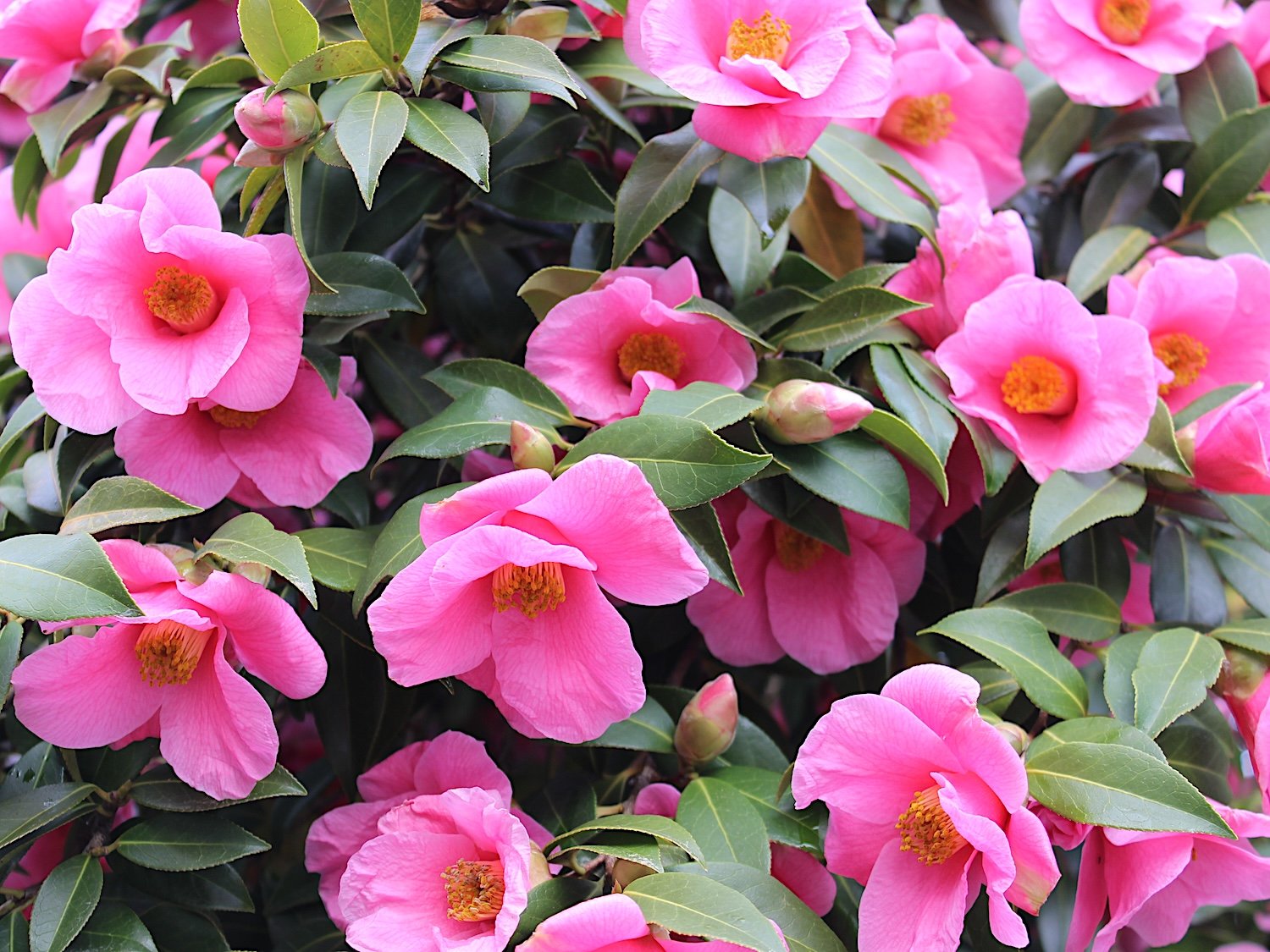
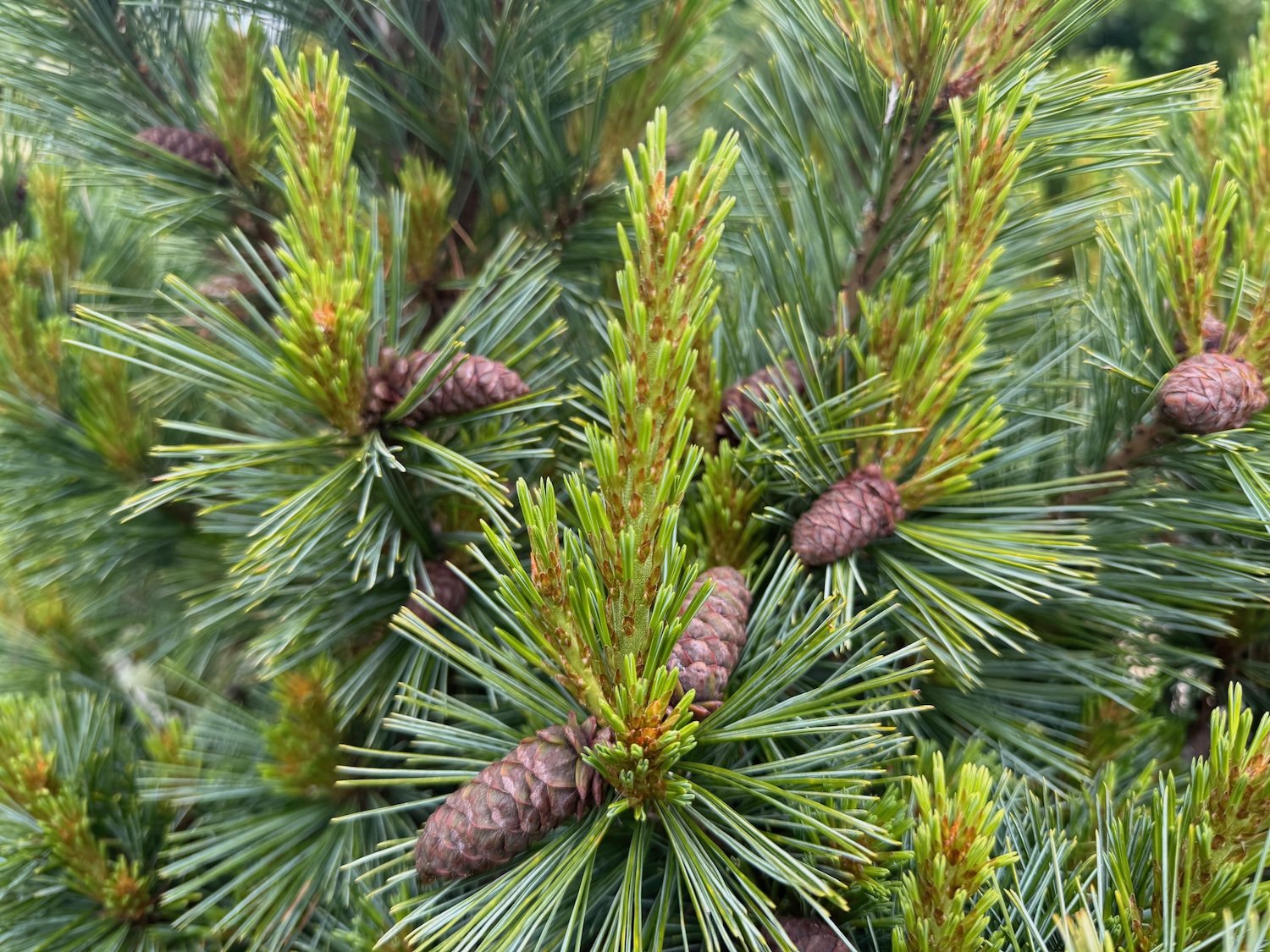
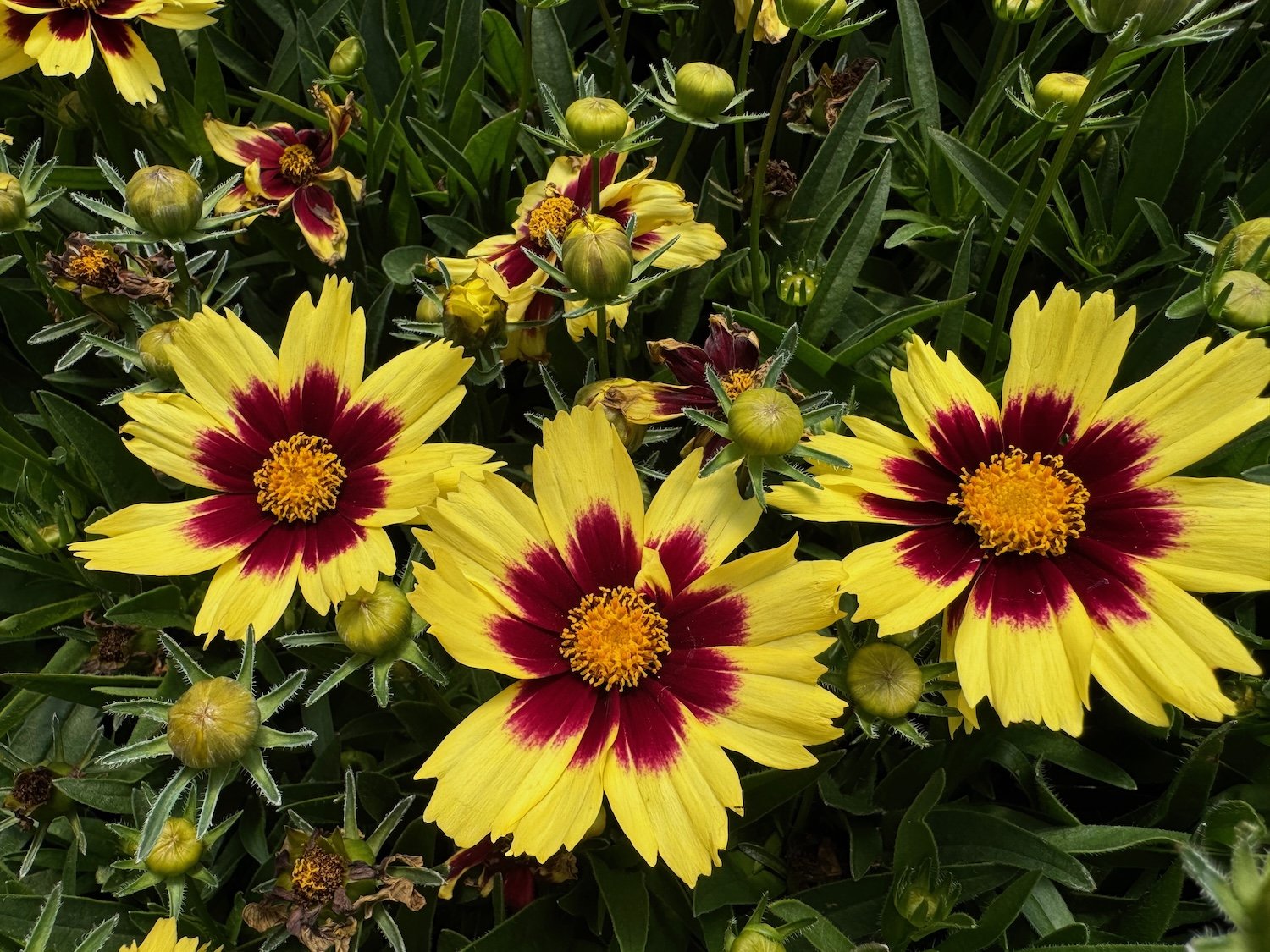
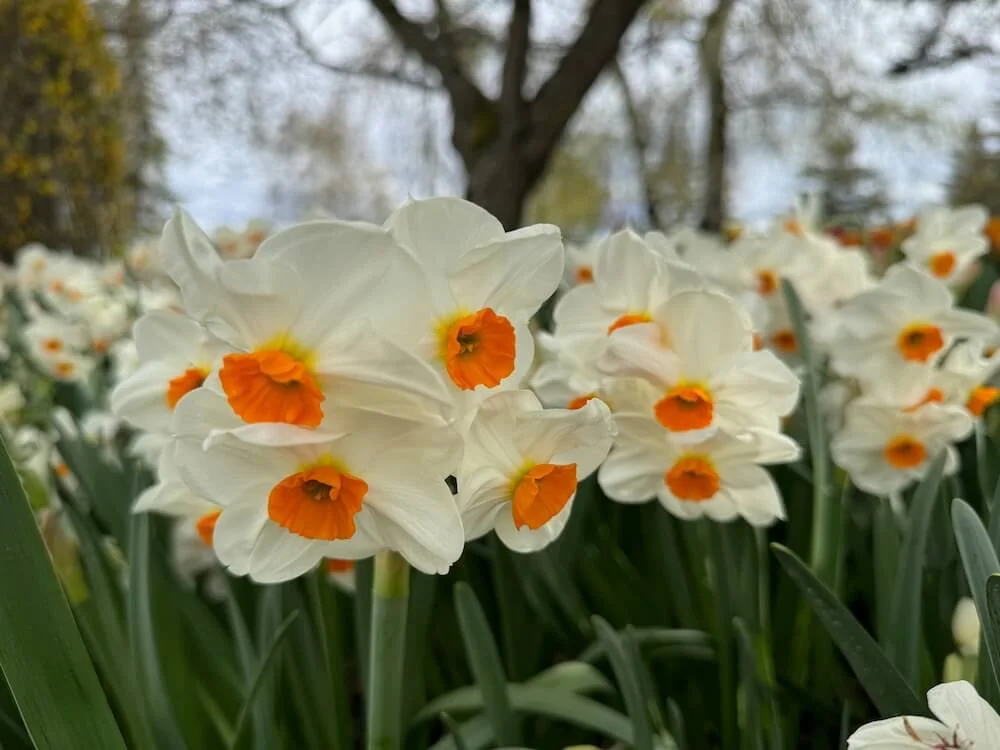
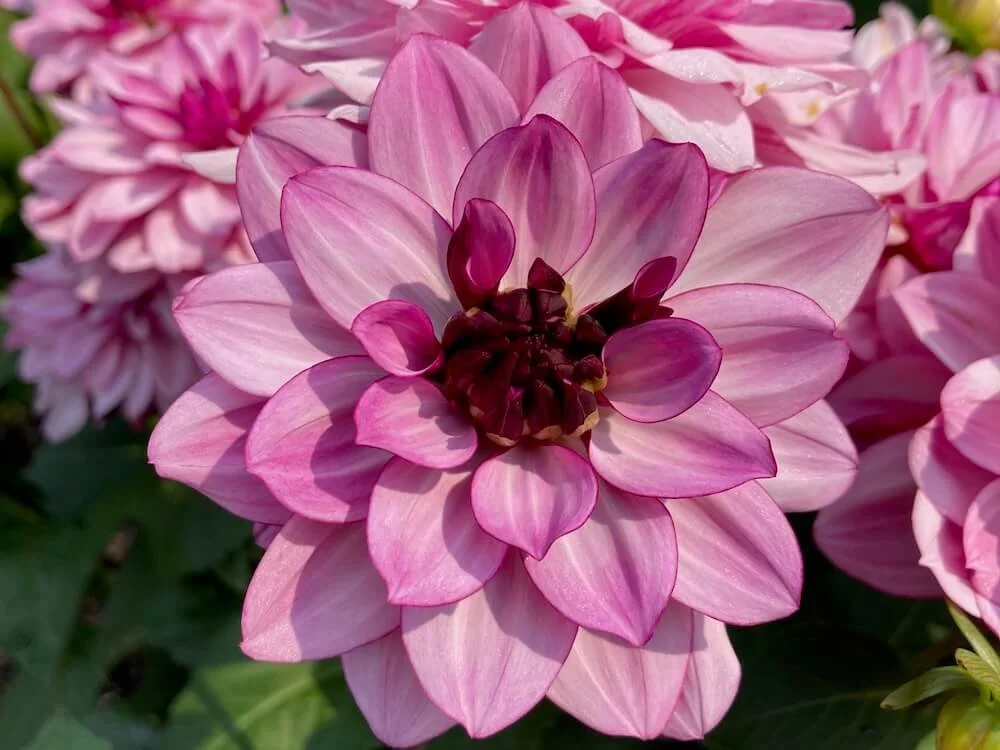
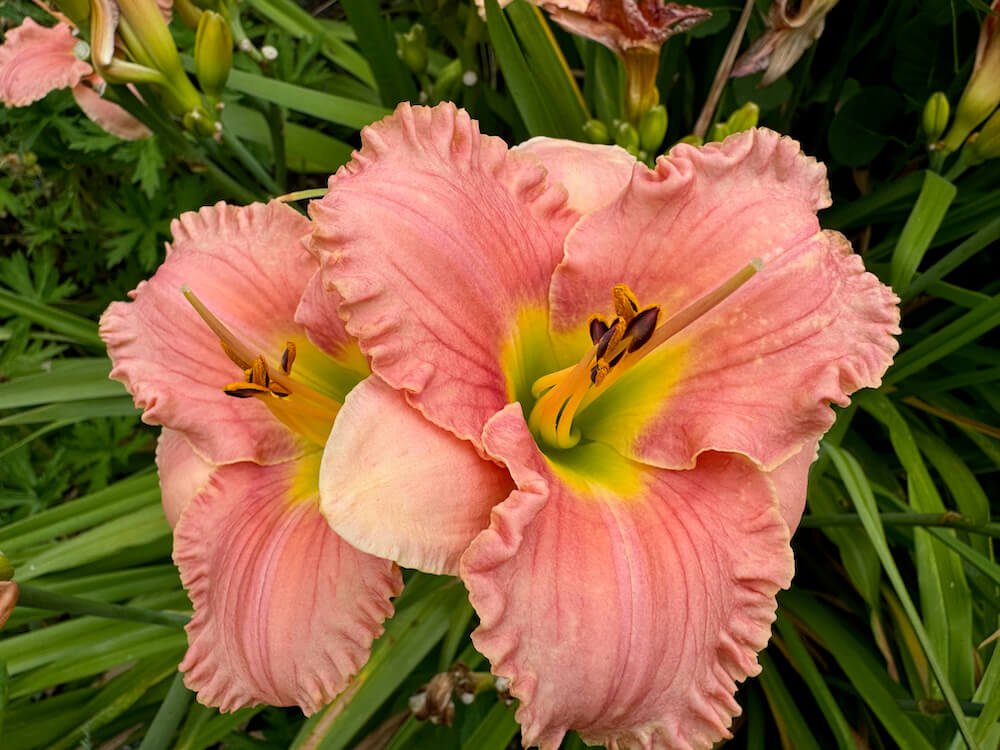
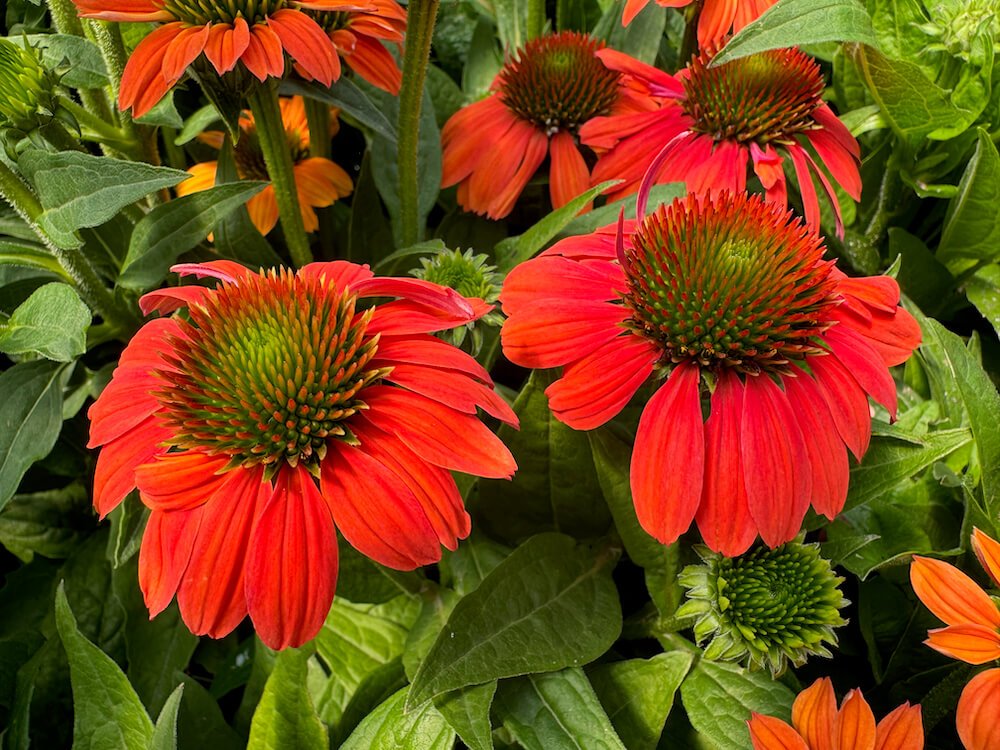
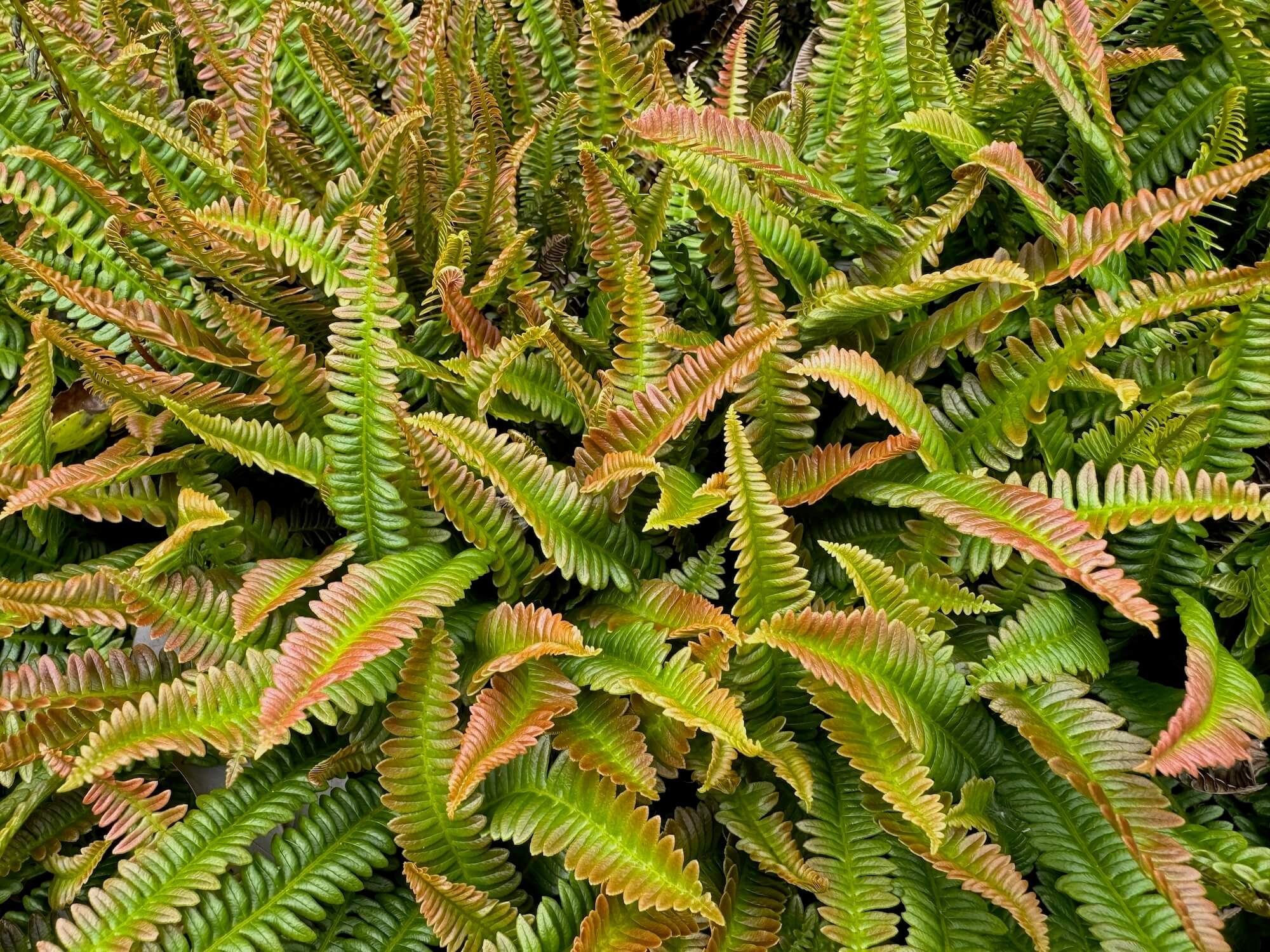
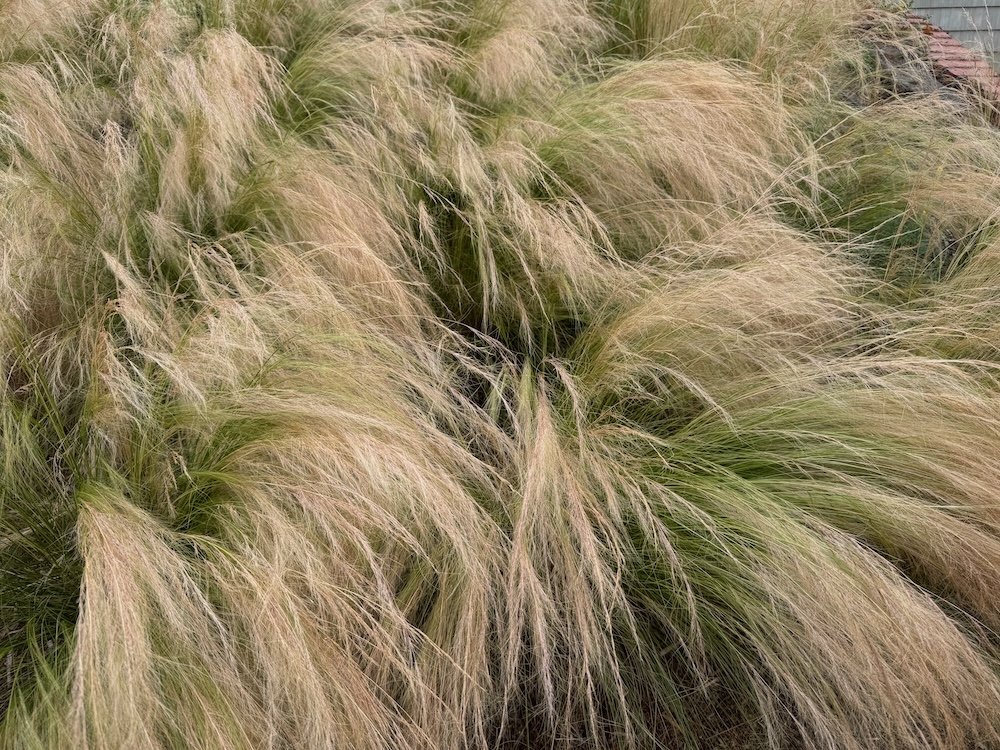
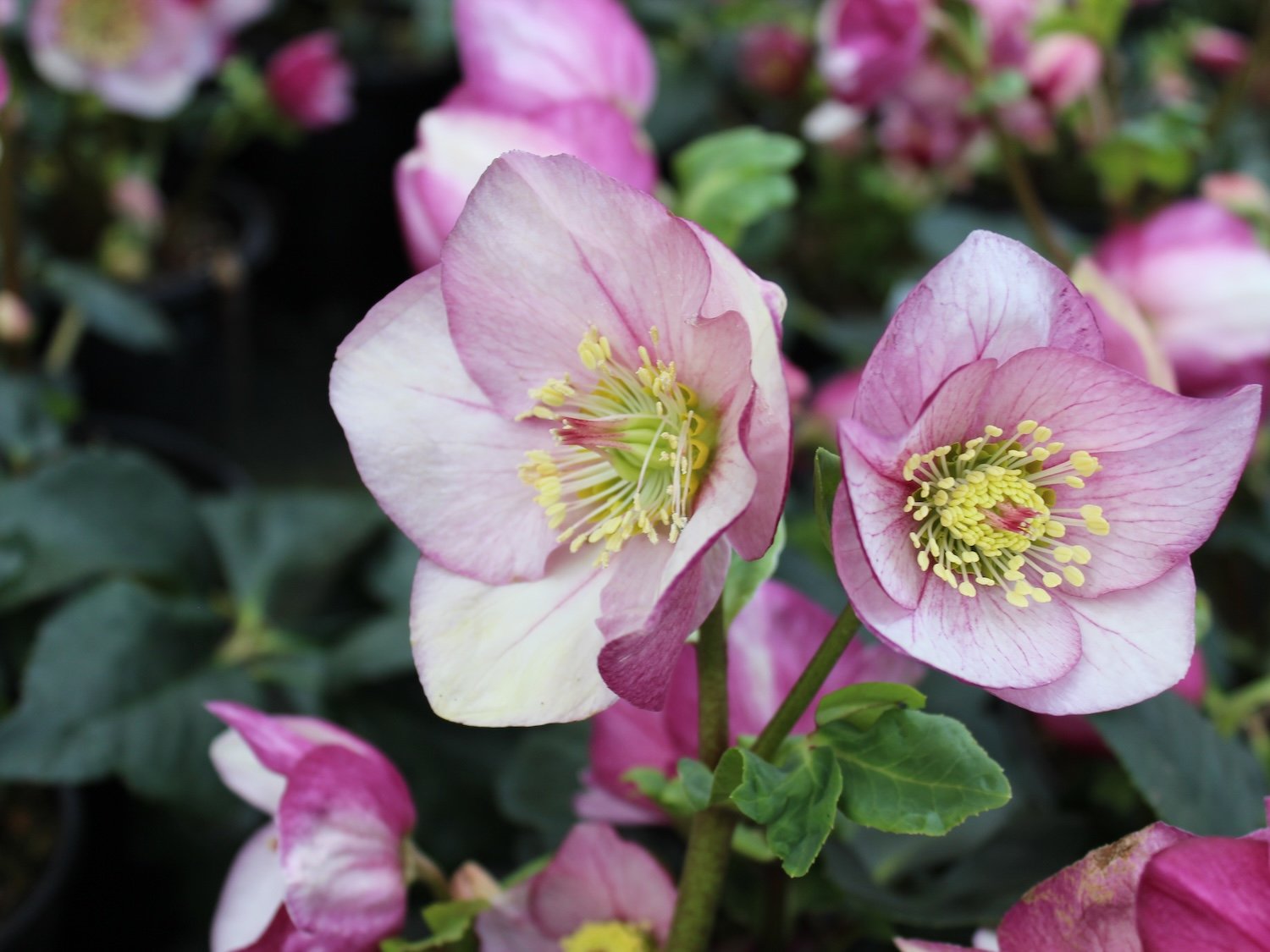
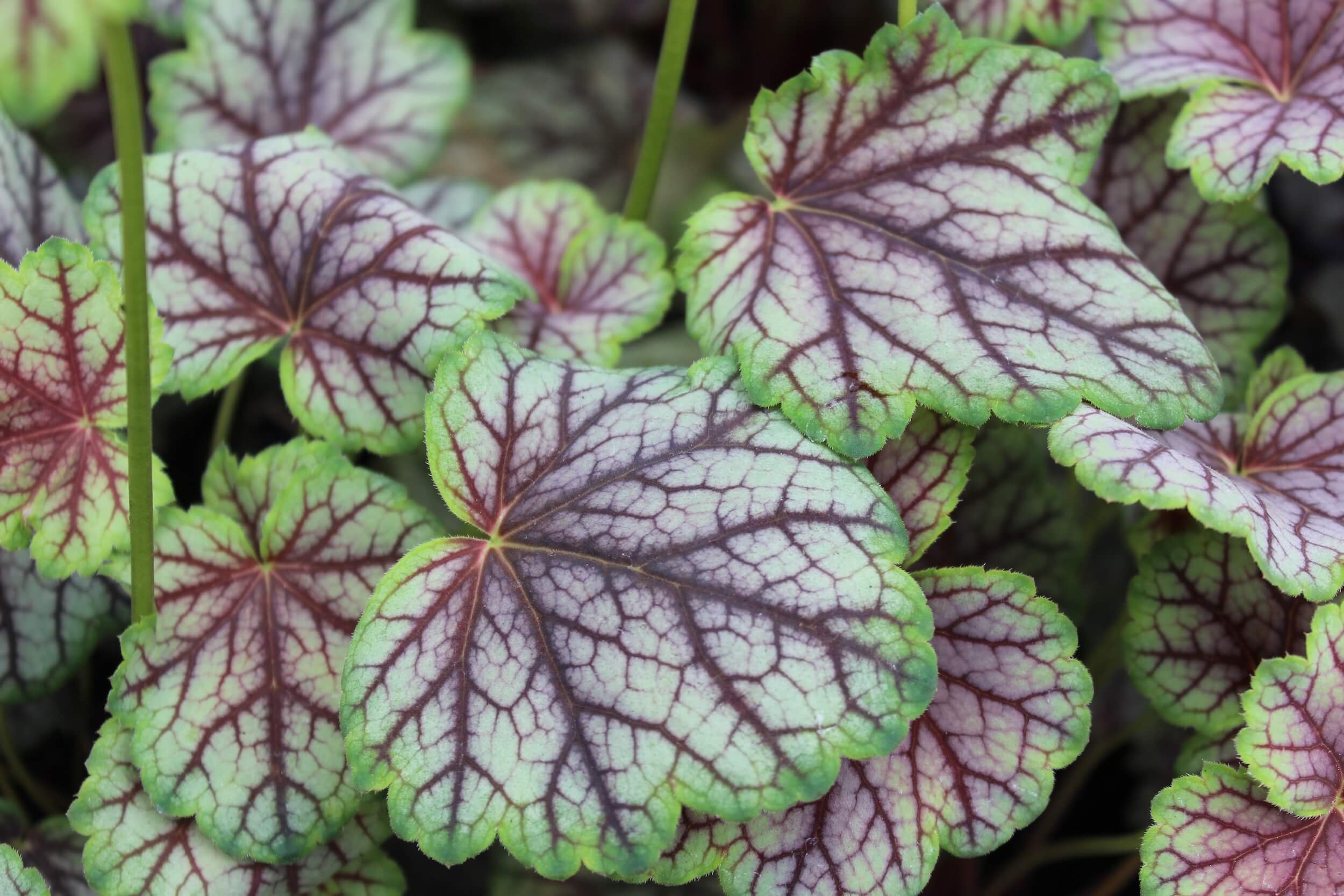
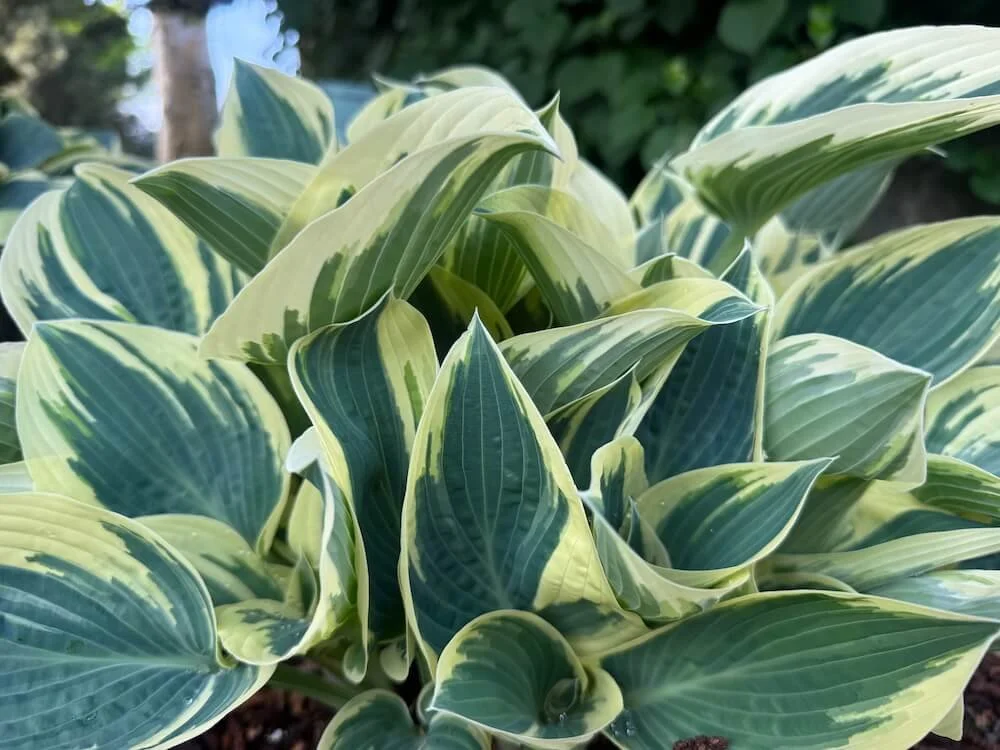
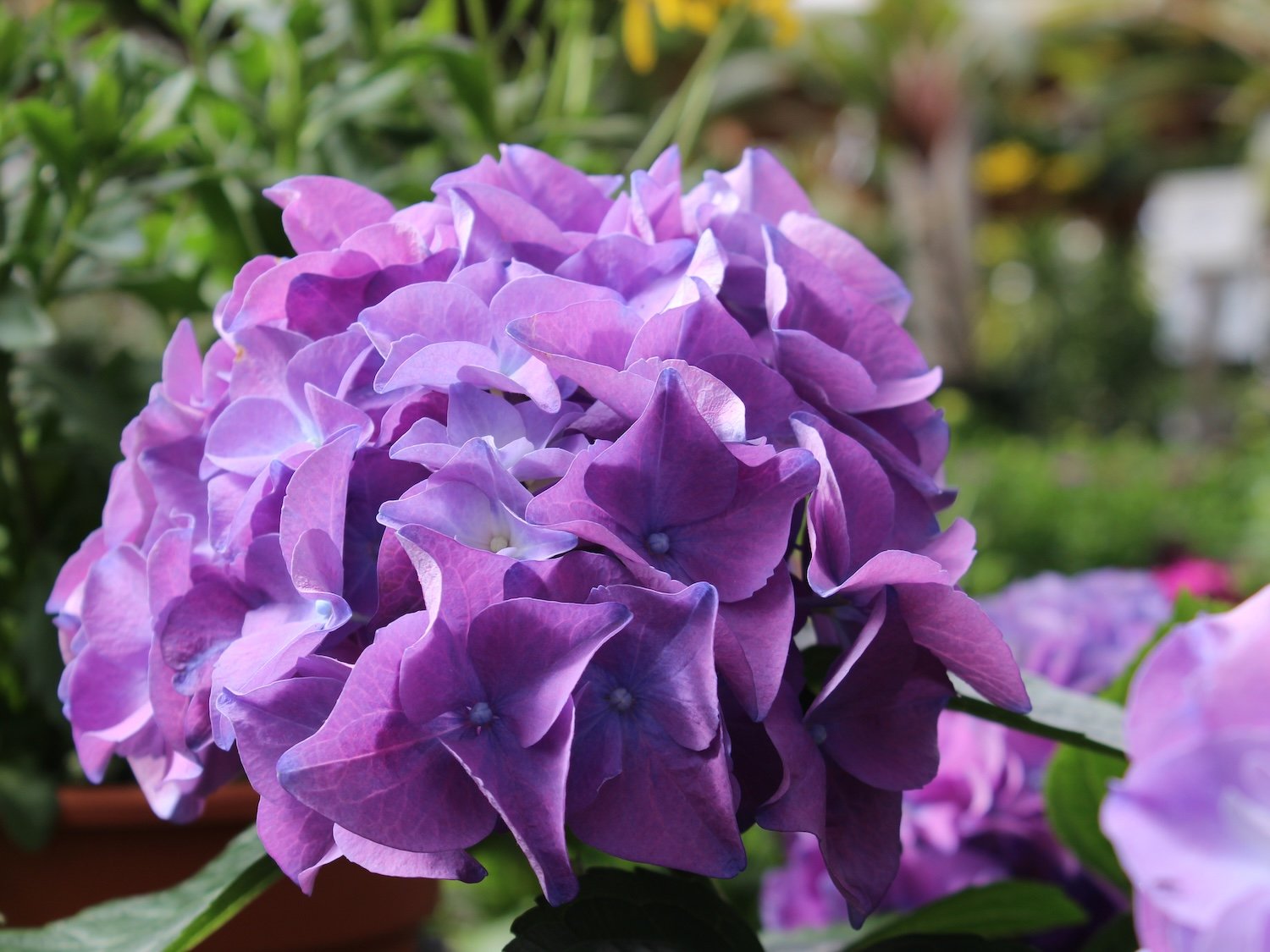
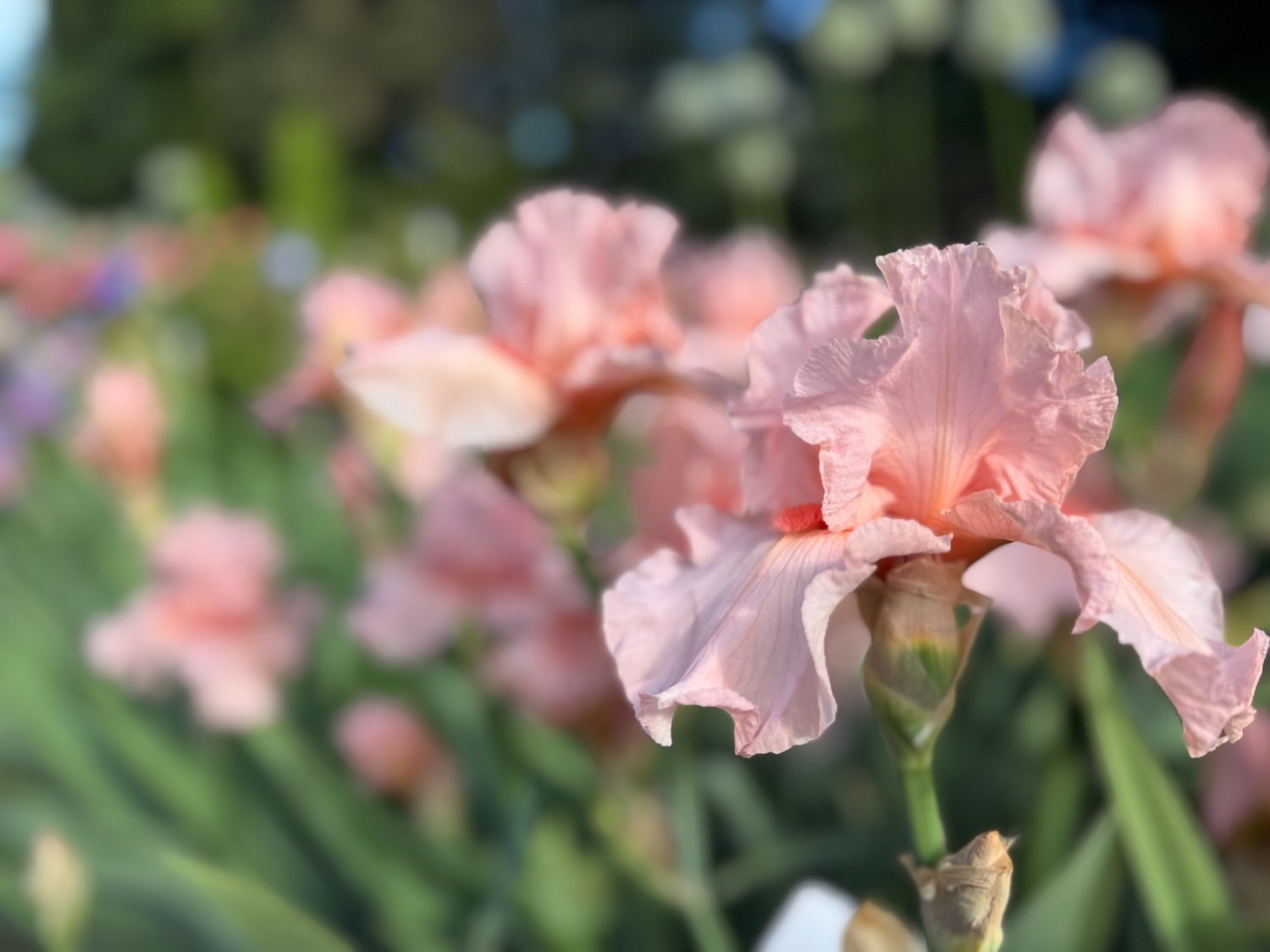
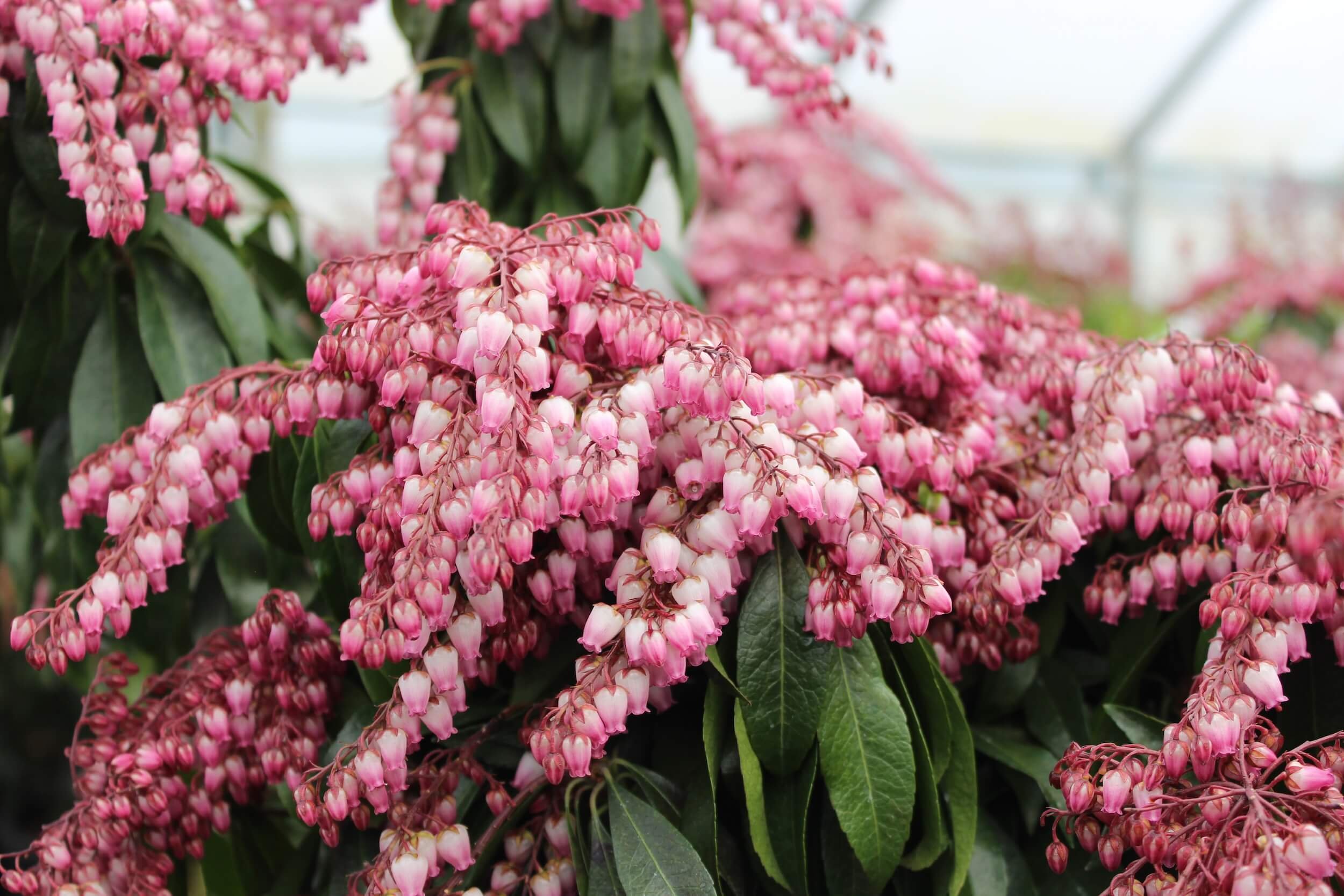
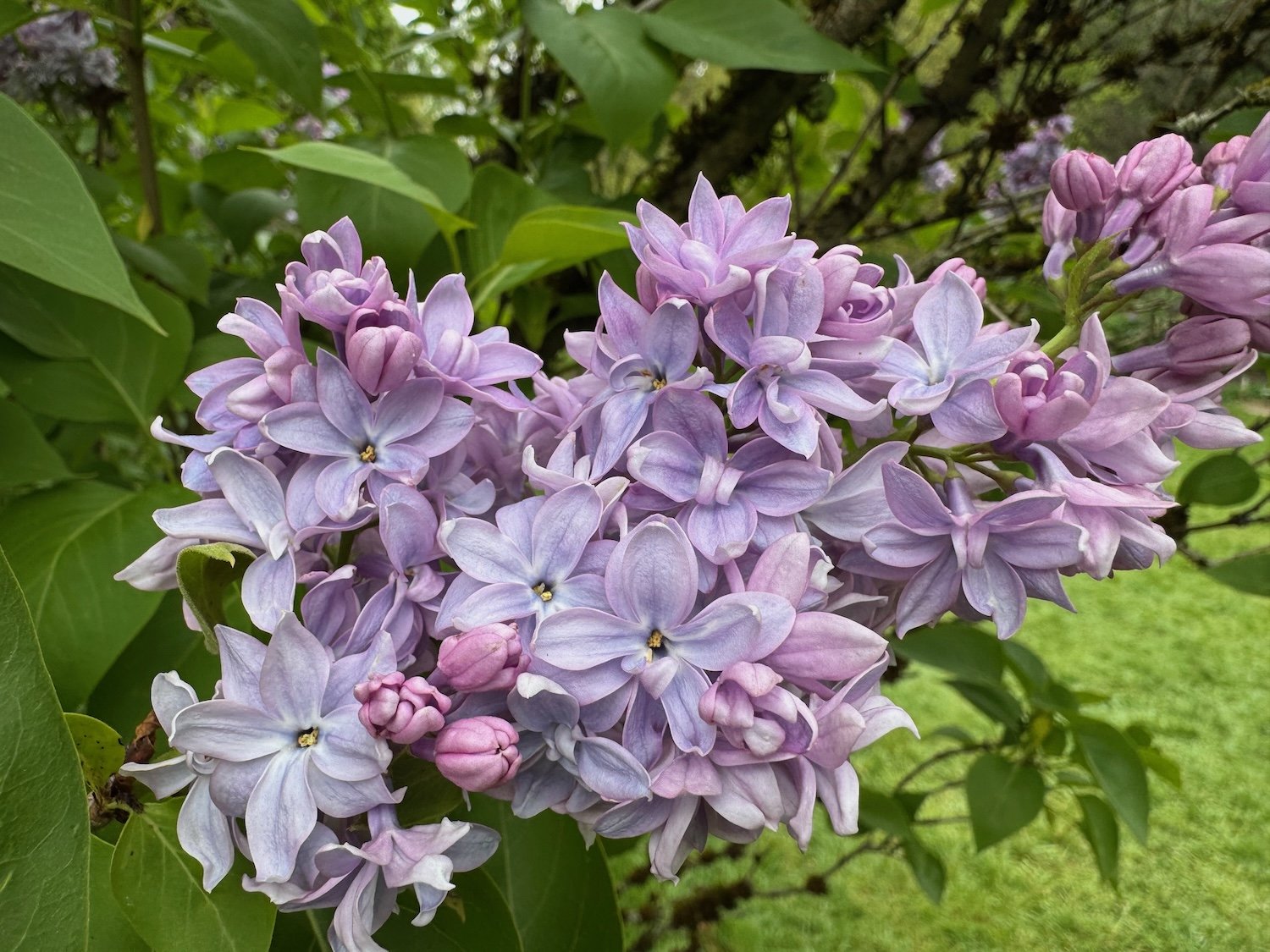
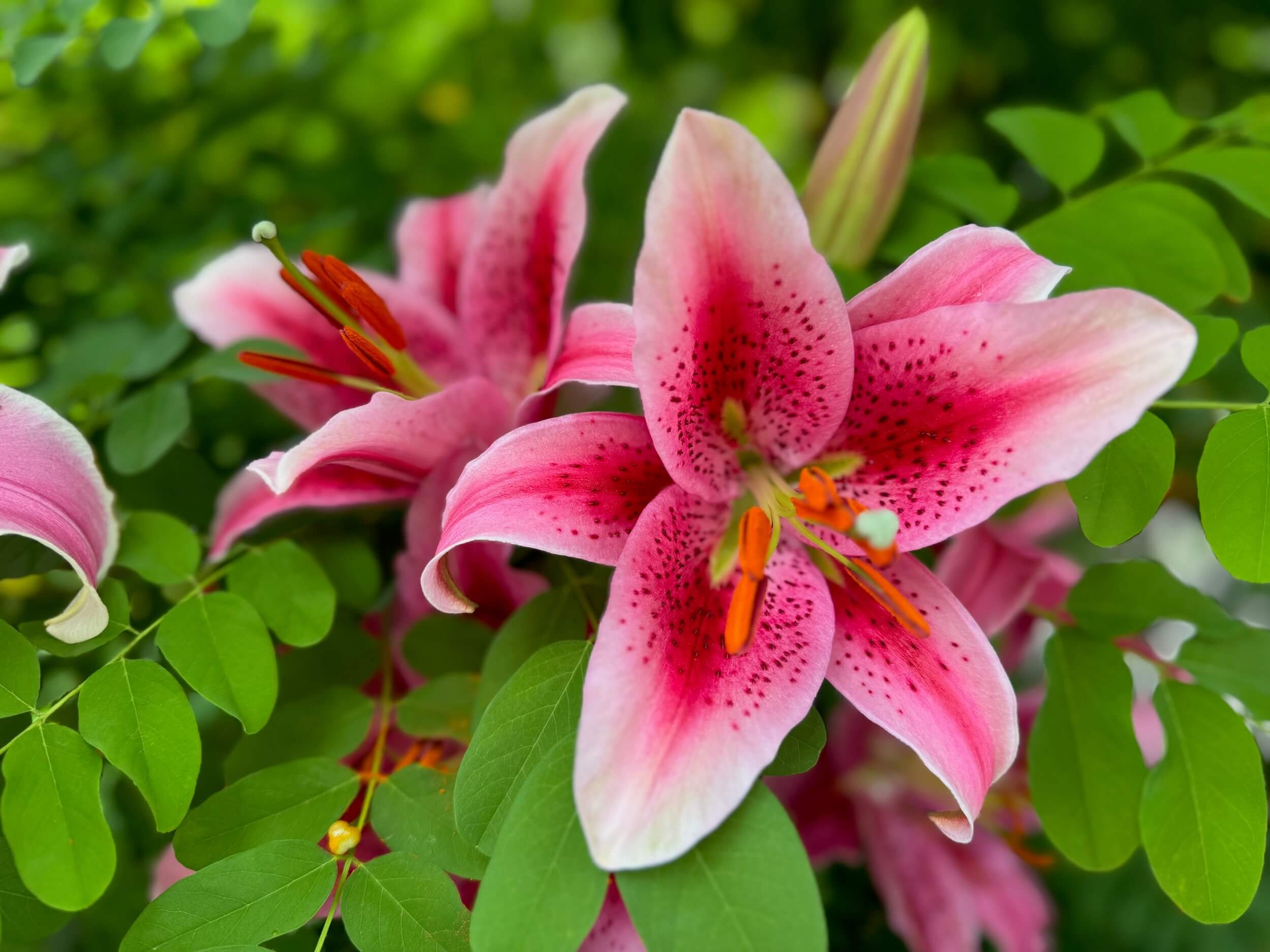
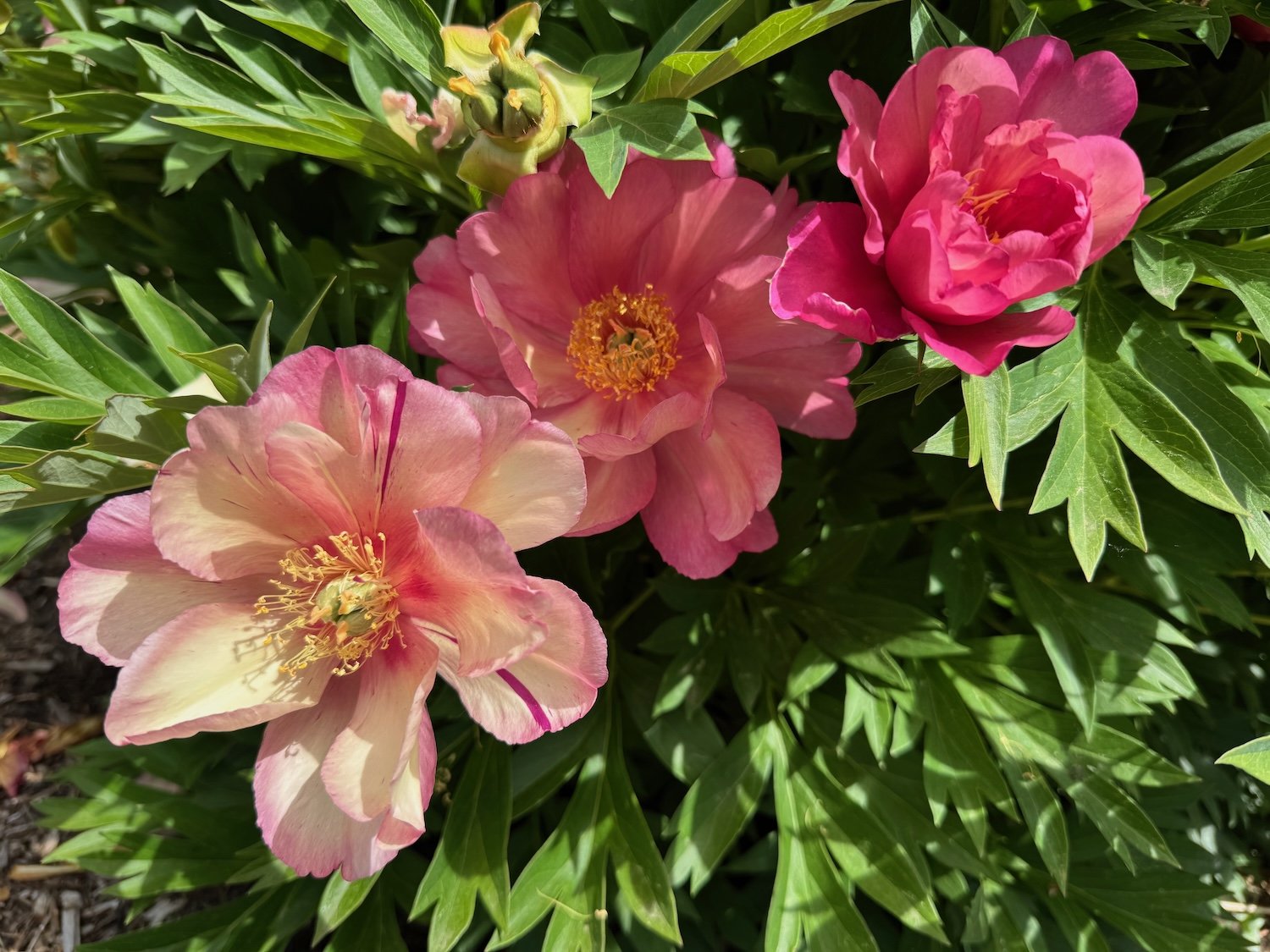
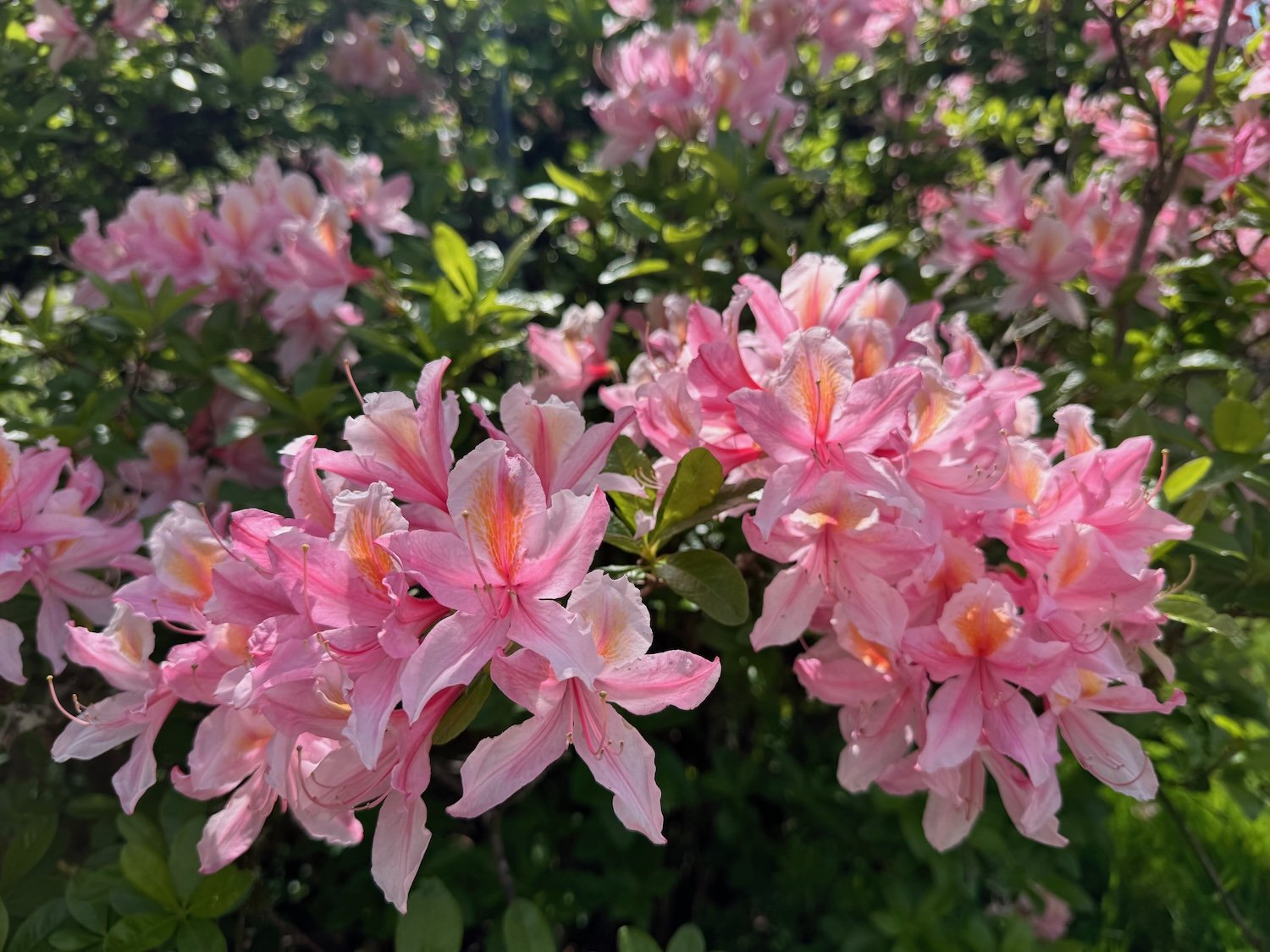
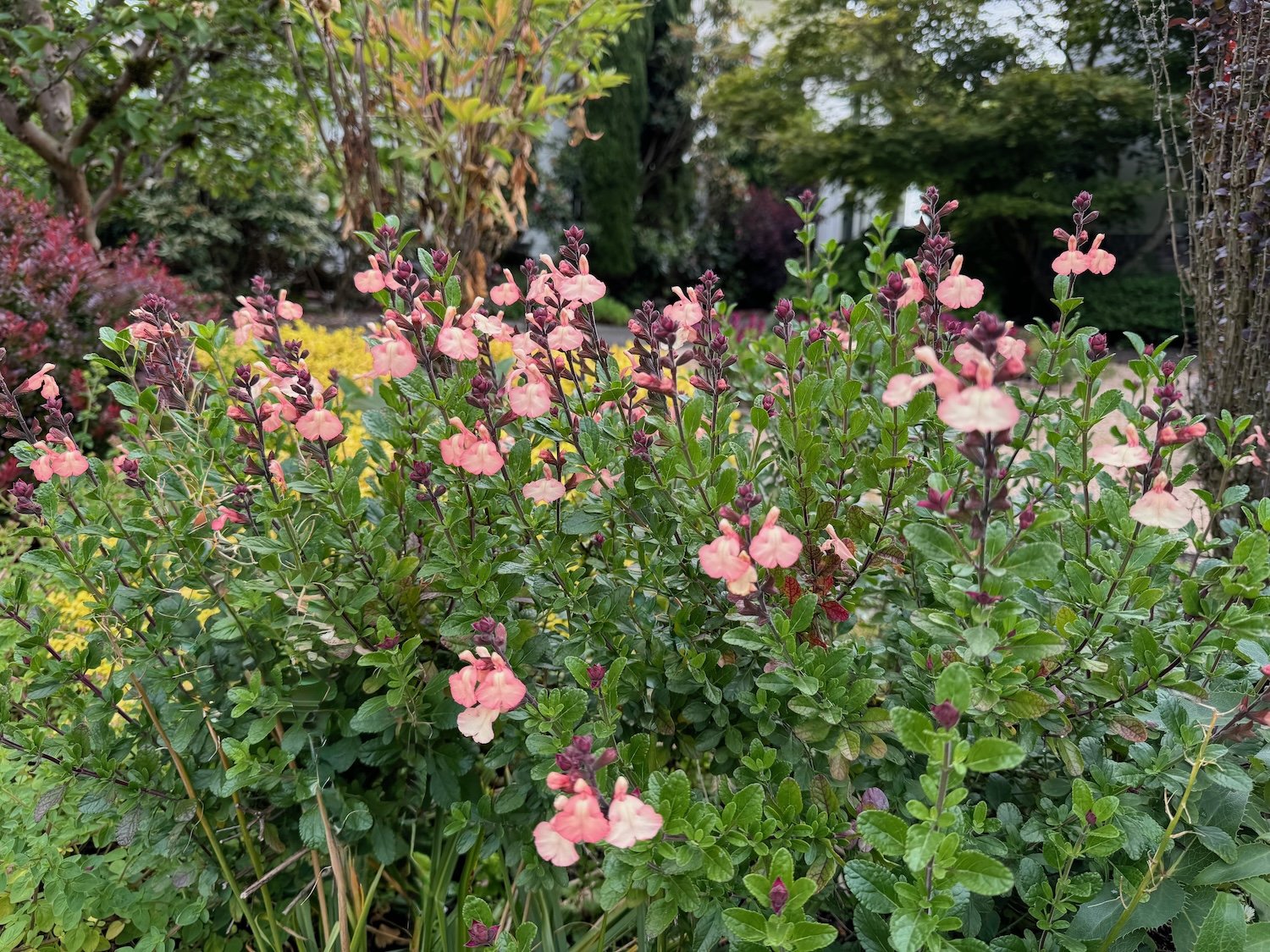
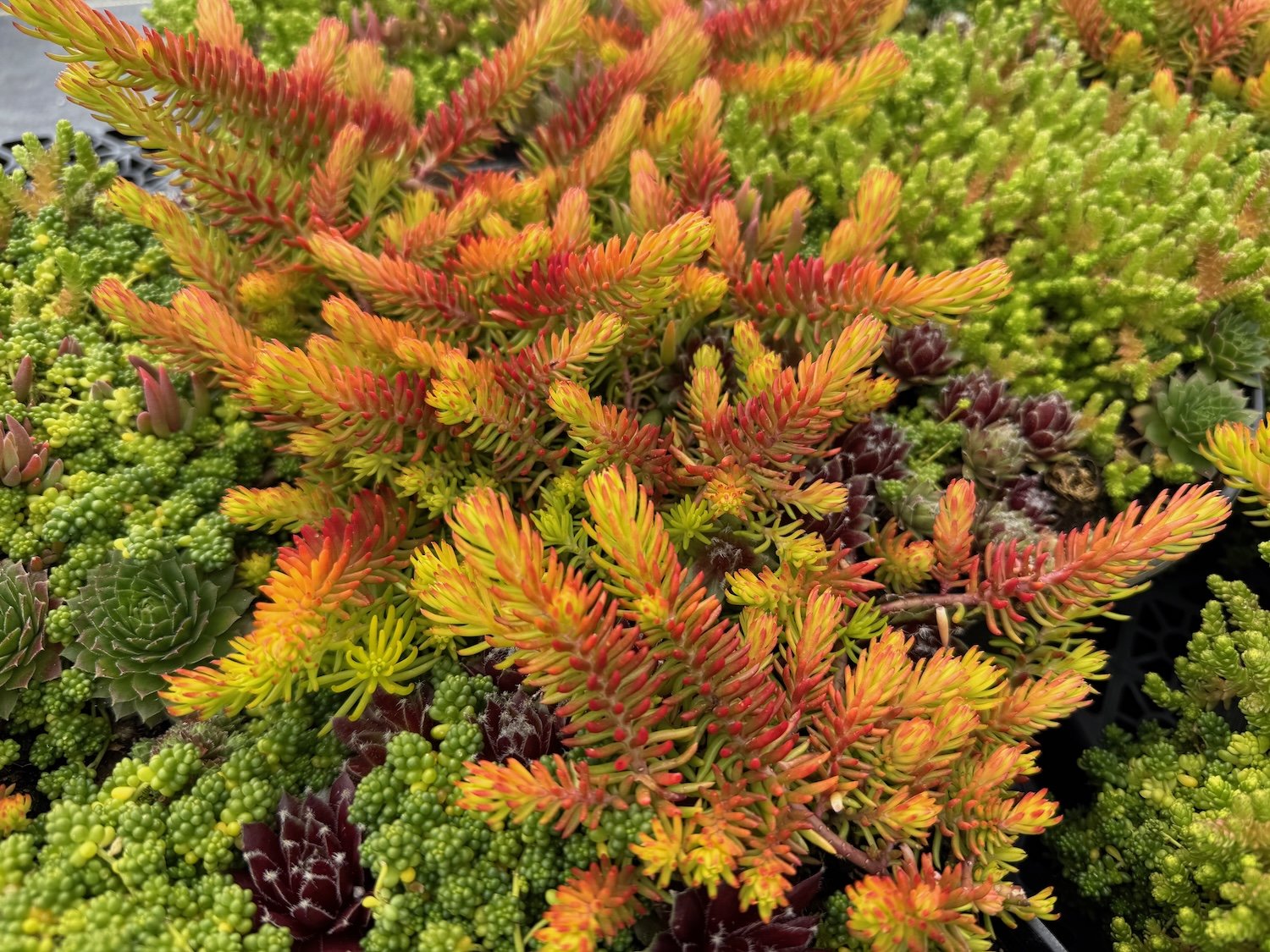
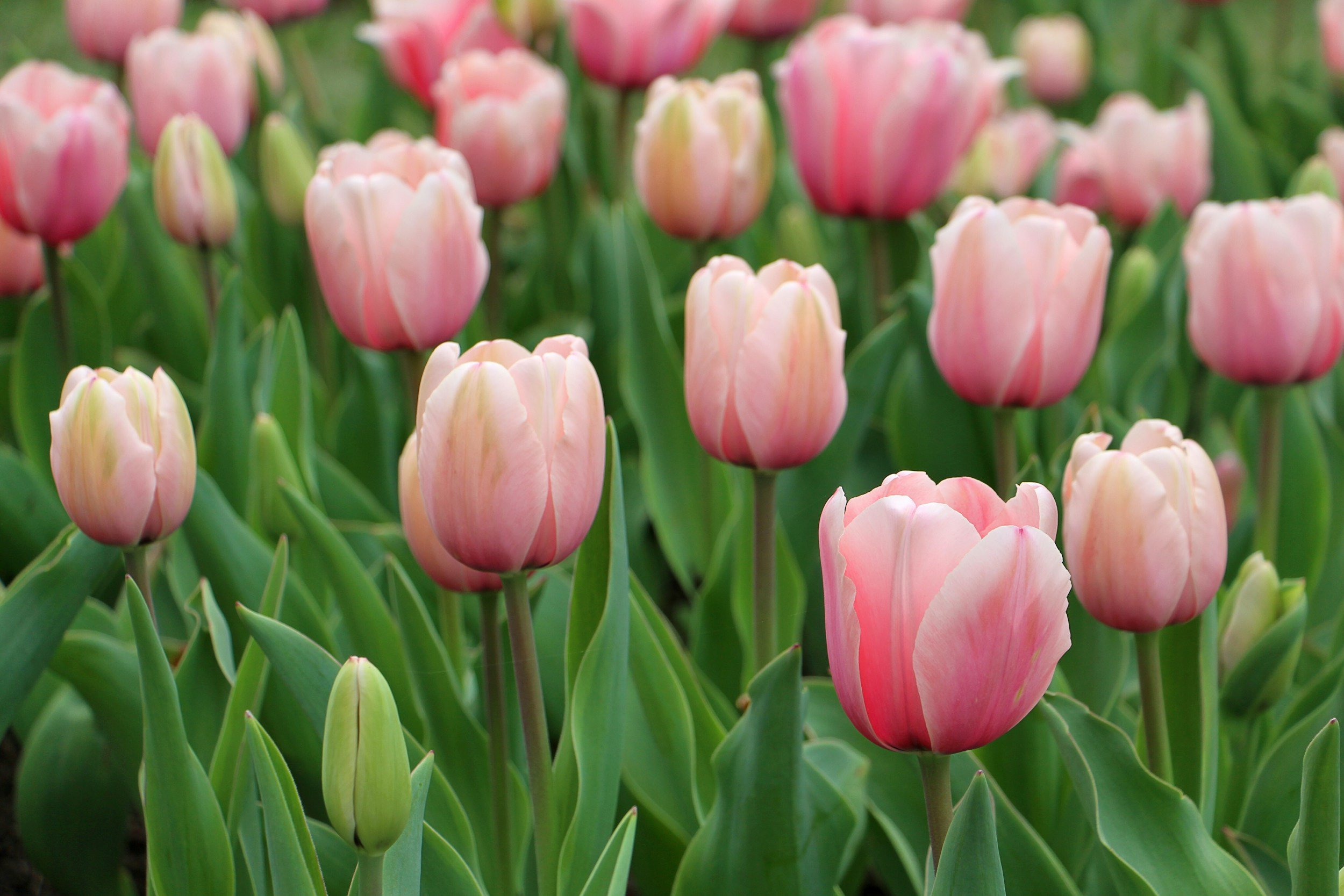
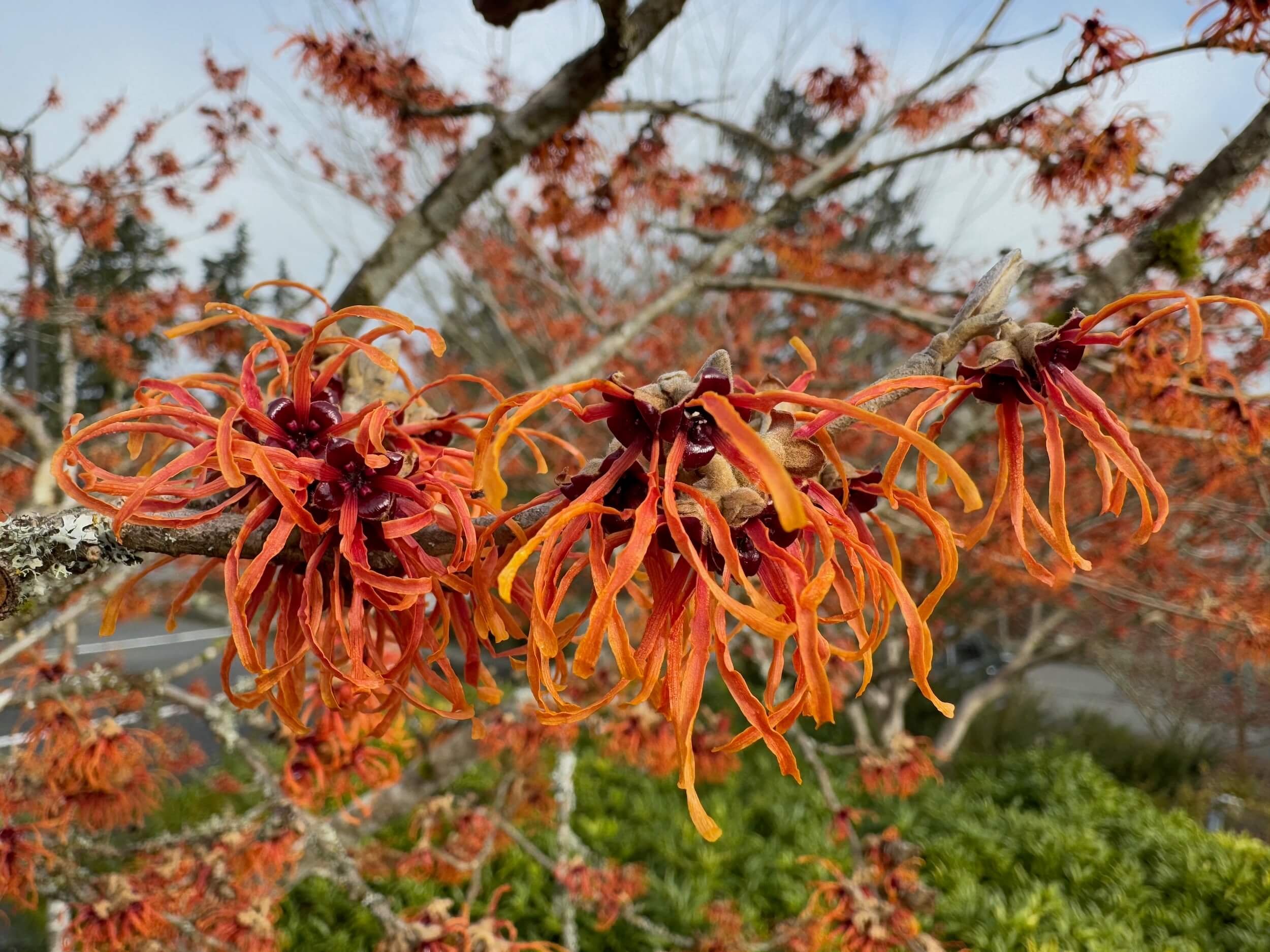
Plant collections gather the varieties worth growing in the Pacific Northwest into focused, genus-by-genus line-ups so you can compare forms, colors and habits side by side. Browsing by season makes it easy to plan a garden that stays interesting year-round, with early bulbs and flowering shrubs in spring, long-blooming perennials through summer, seed heads and late color in fall, and evergreen structure plus winter blooms to carry the coldest months. Use these collections as a starting point for choosing plants that will thrive in your conditions and keep your landscape beautiful in every season.
Smart Plant Picks
16 pages
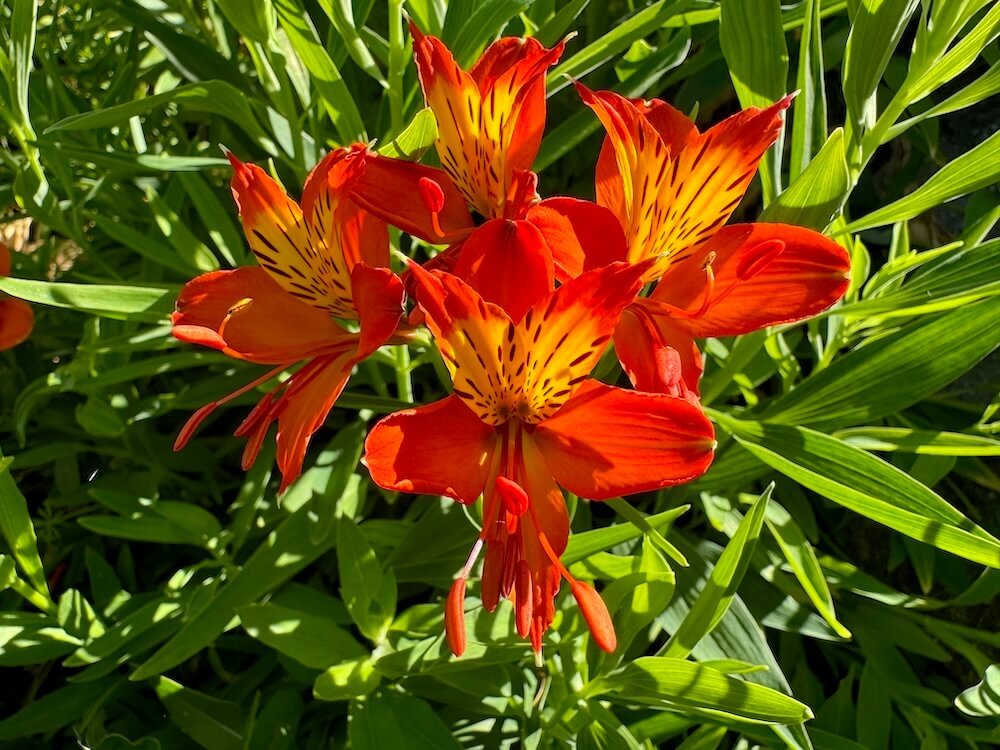
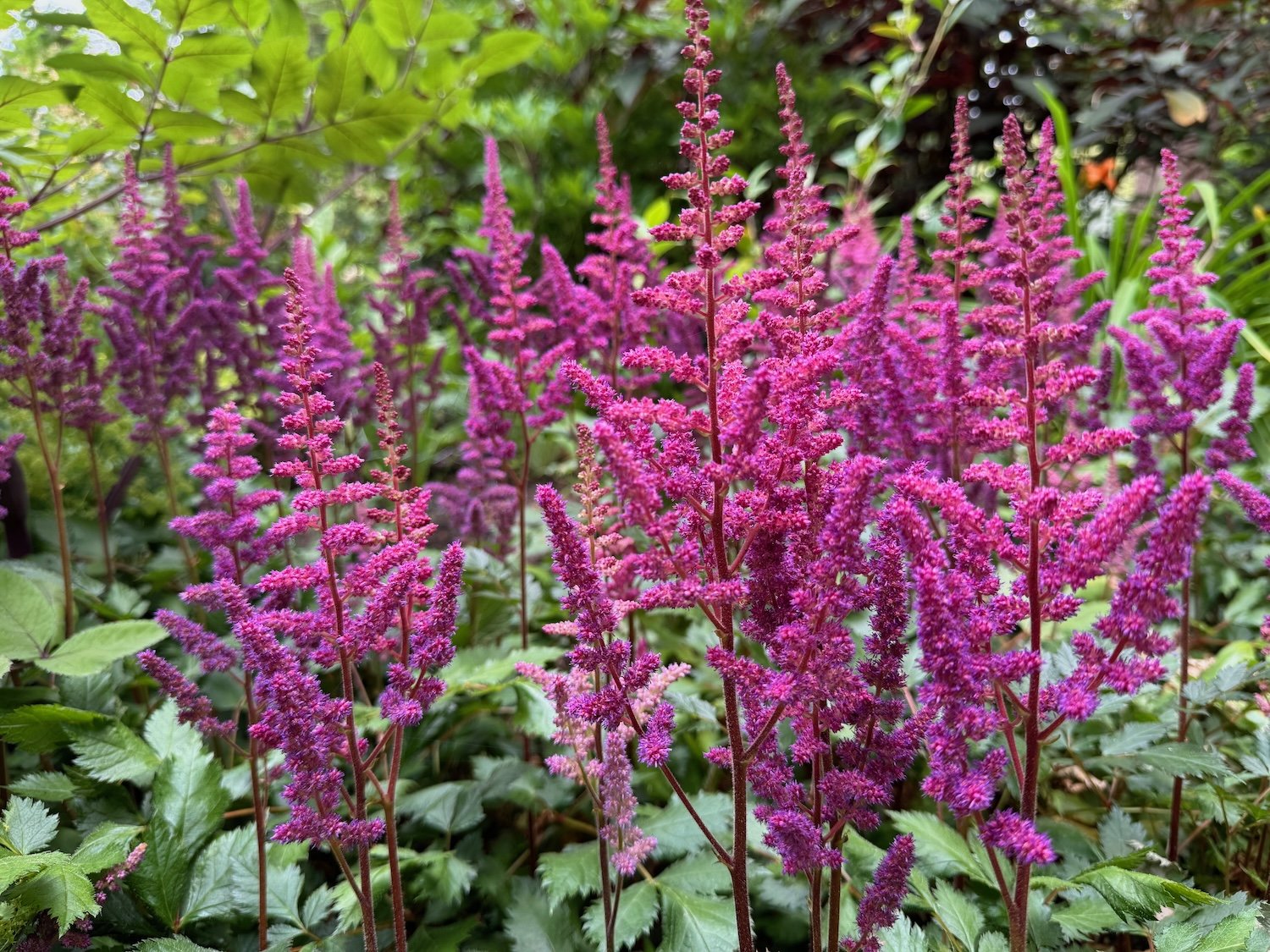
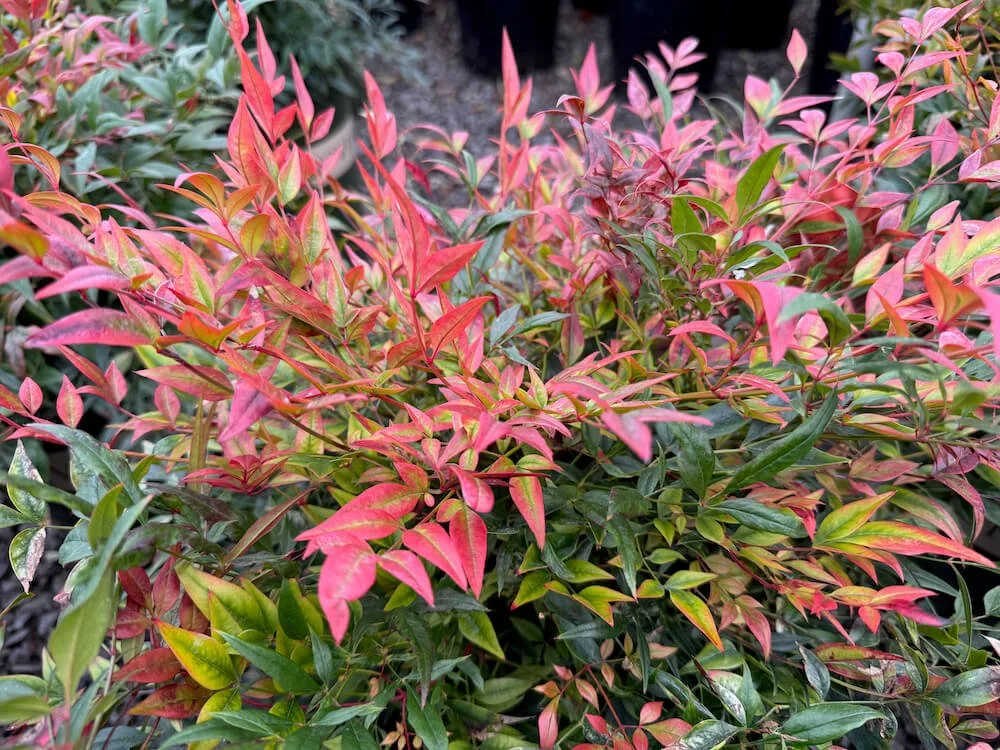
Every garden has its own conditions: a hot south-facing bed, a dry strip along the driveway, a shady corner under a fir, a row of pots by the door. These shortlists gather the plants that genuinely thrive in each of those situations in the maritime Northwest, so you can start from a short, dependable list instead of a whole catalog. Choose the list that matches your site and the job you need the planting to do. Each collection pairs shrubs, perennials, and groundcovers with the light, water, and upkeep they actually want, which is the simplest way to grow a garden that looks good with less work.
Best Shrubs for Containers
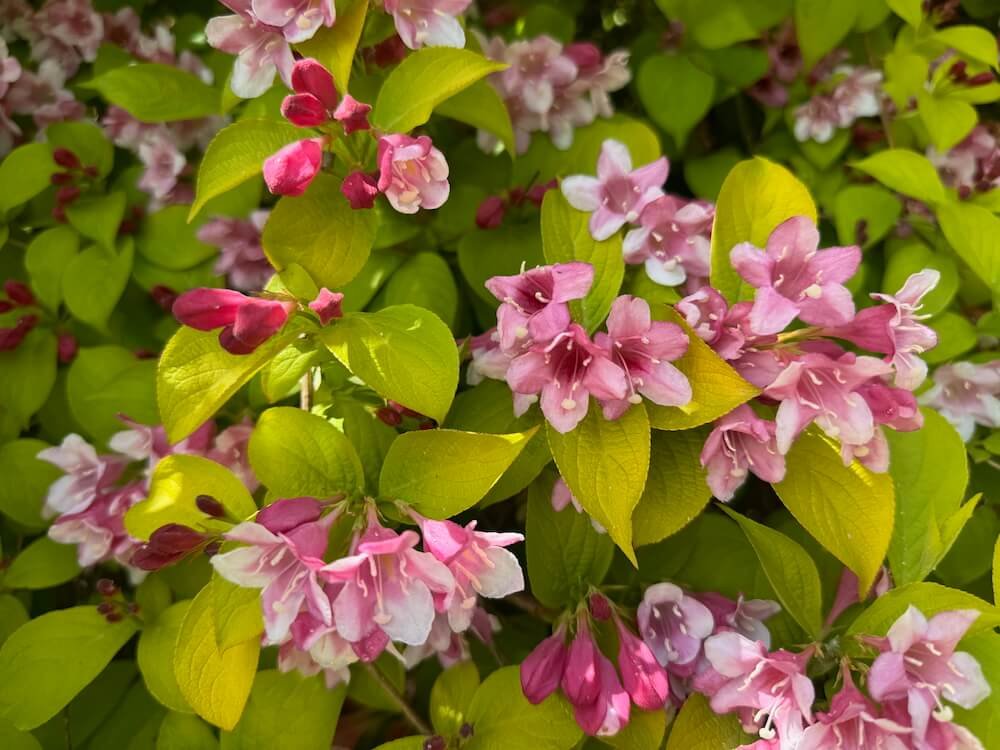
Best Shrubs for Hedging
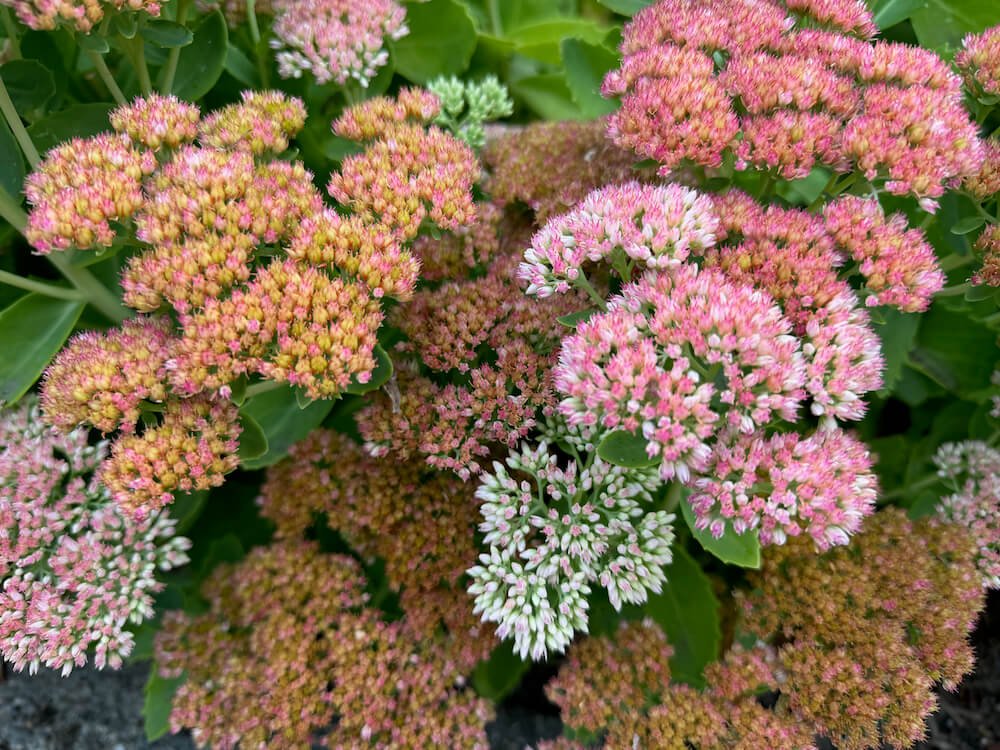
Drought Tolerant Perennials
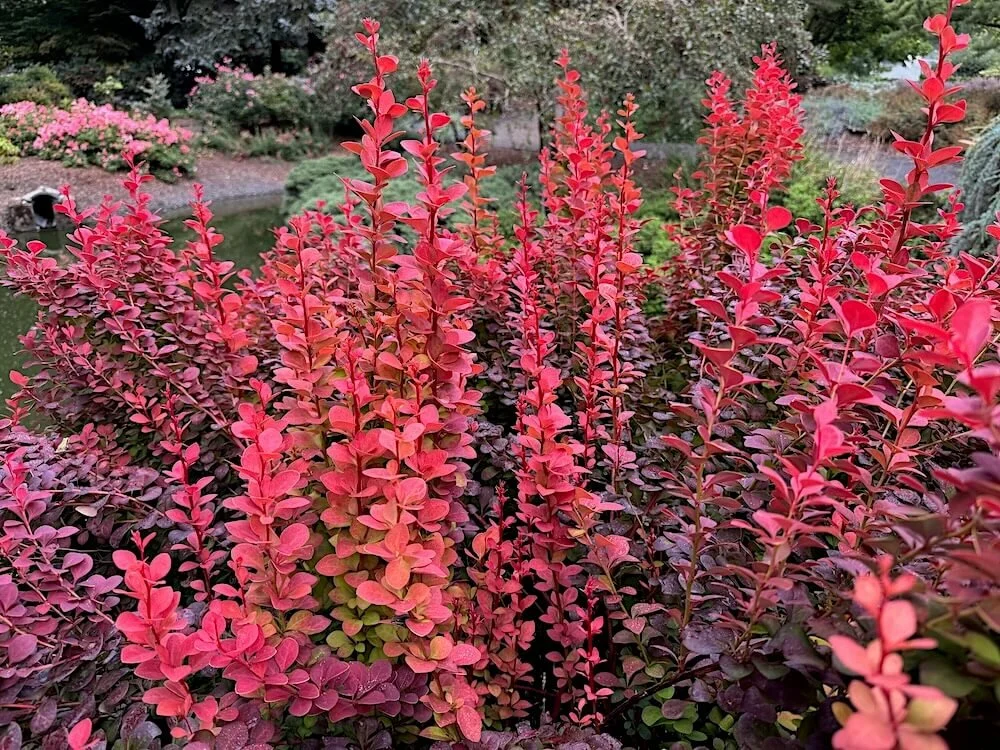
Drought Tolerant Shrubs
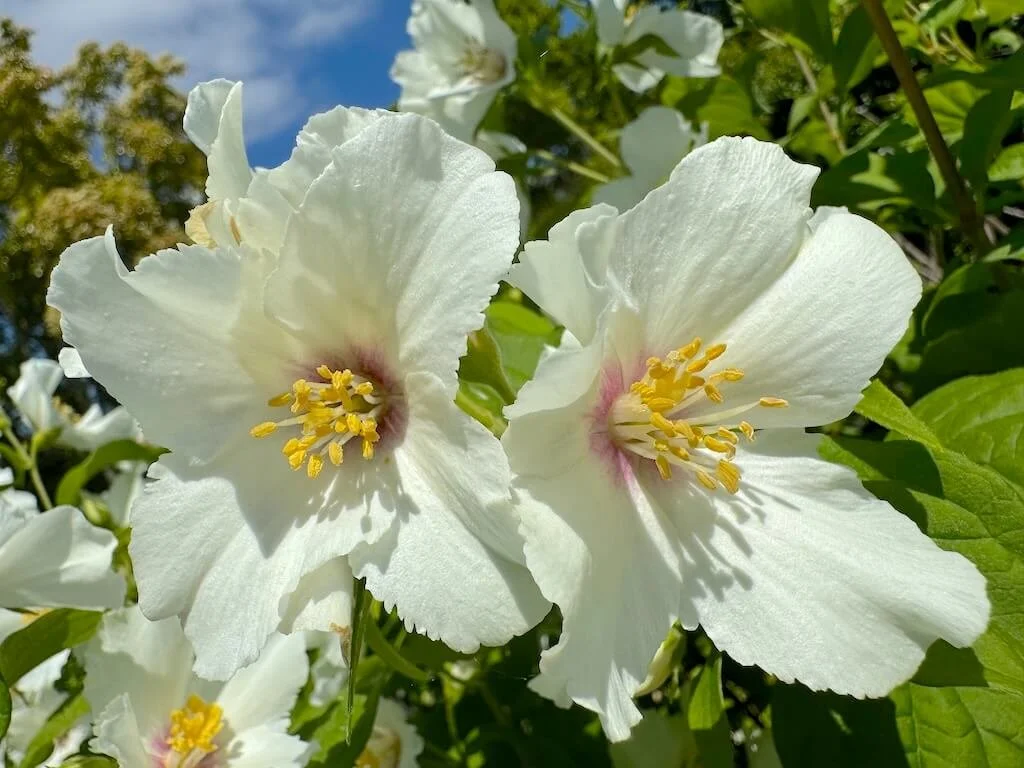
Fragrant Shrubs
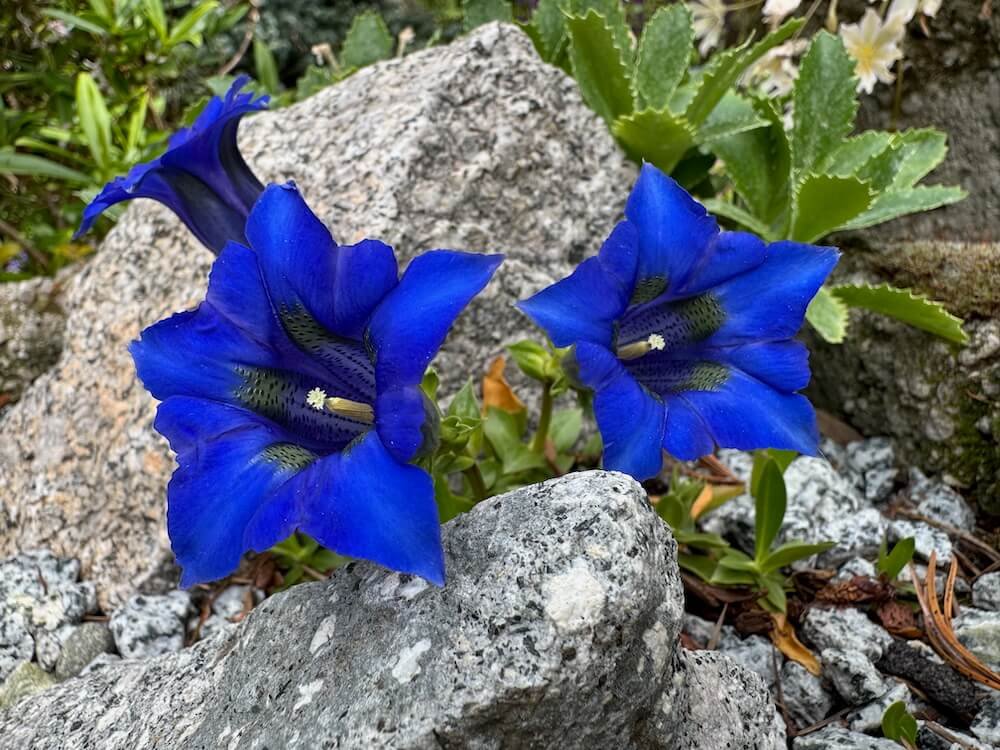
Groundcovers for Rock Gardens
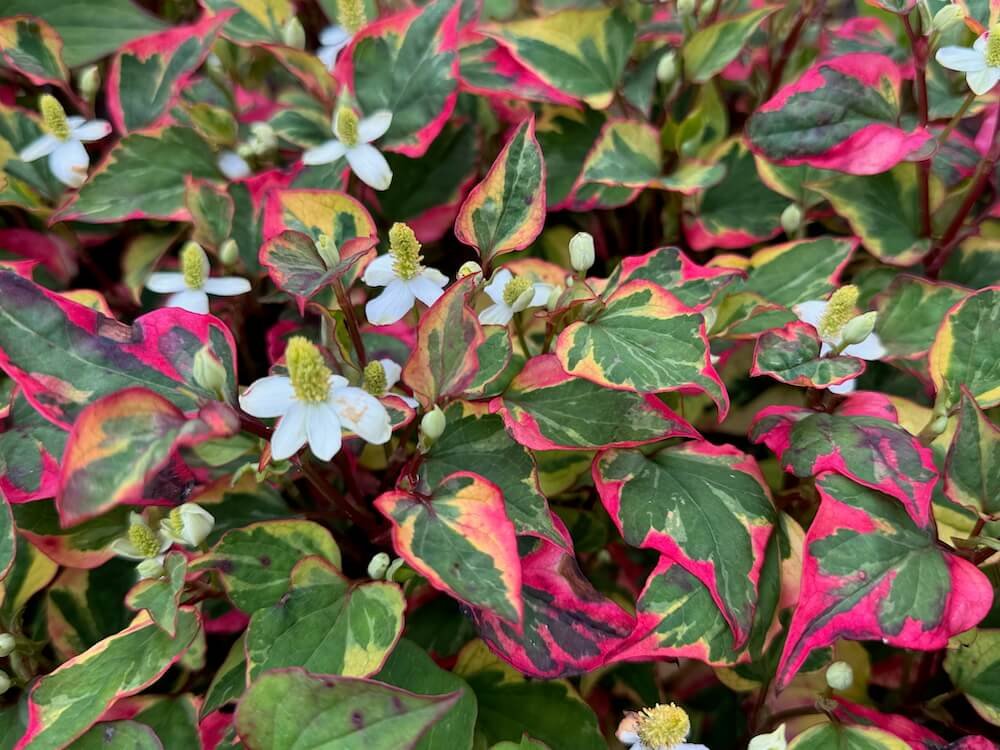
Groundcovers with Unique Foliage
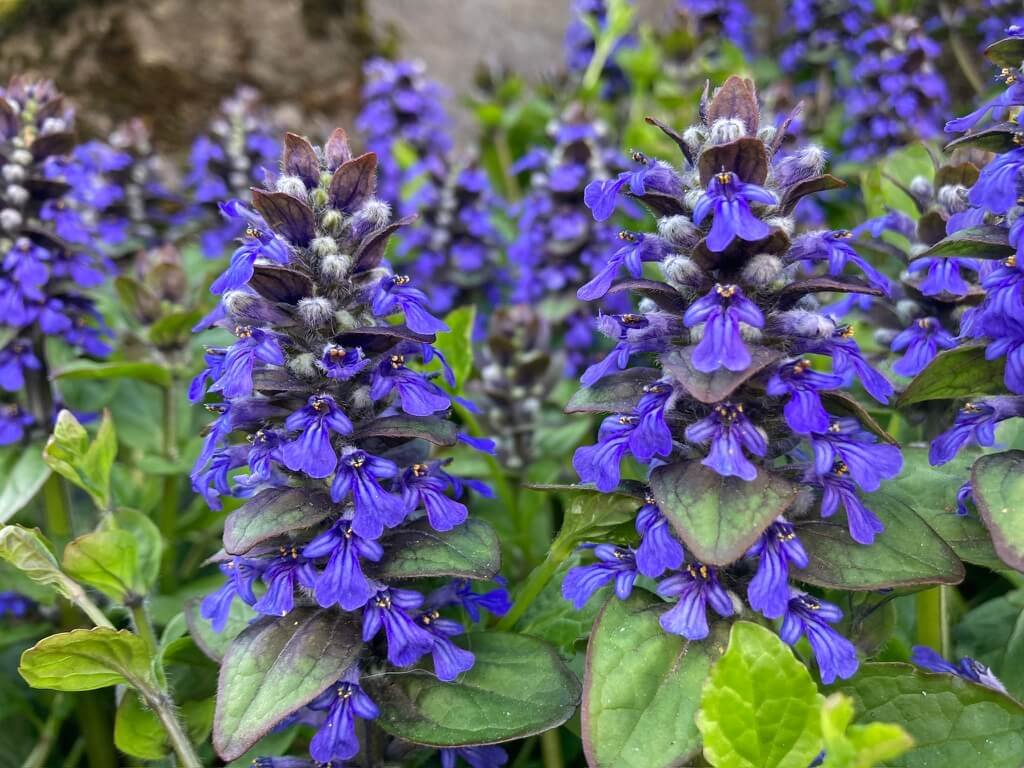
Low Maintenance Groundcovers
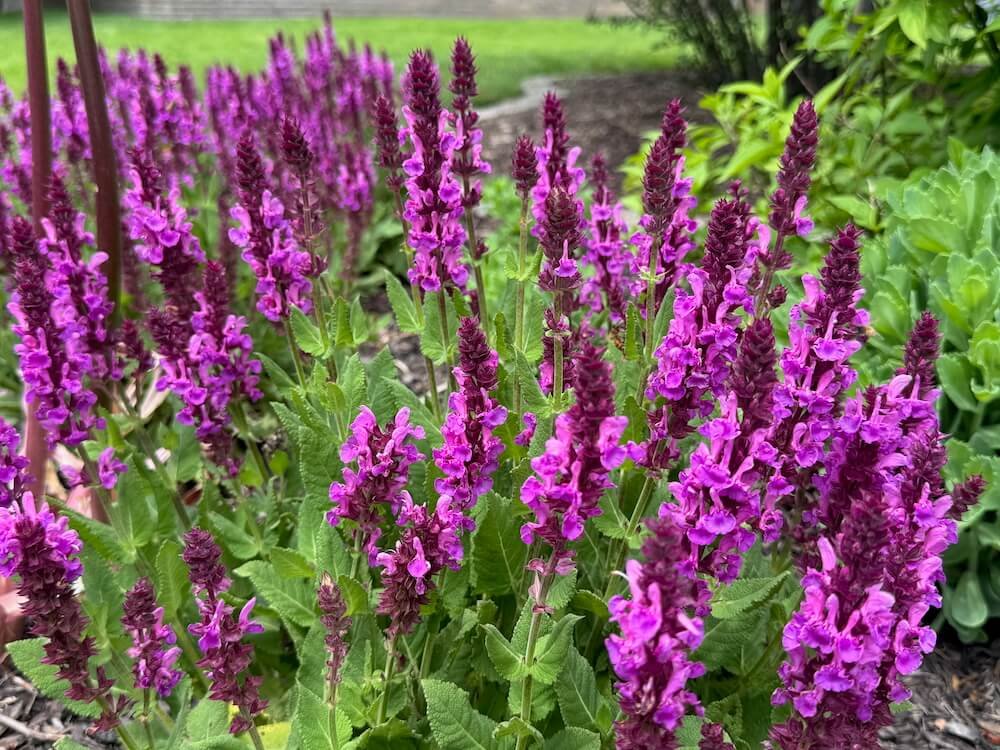
Low Maintenance Perennials
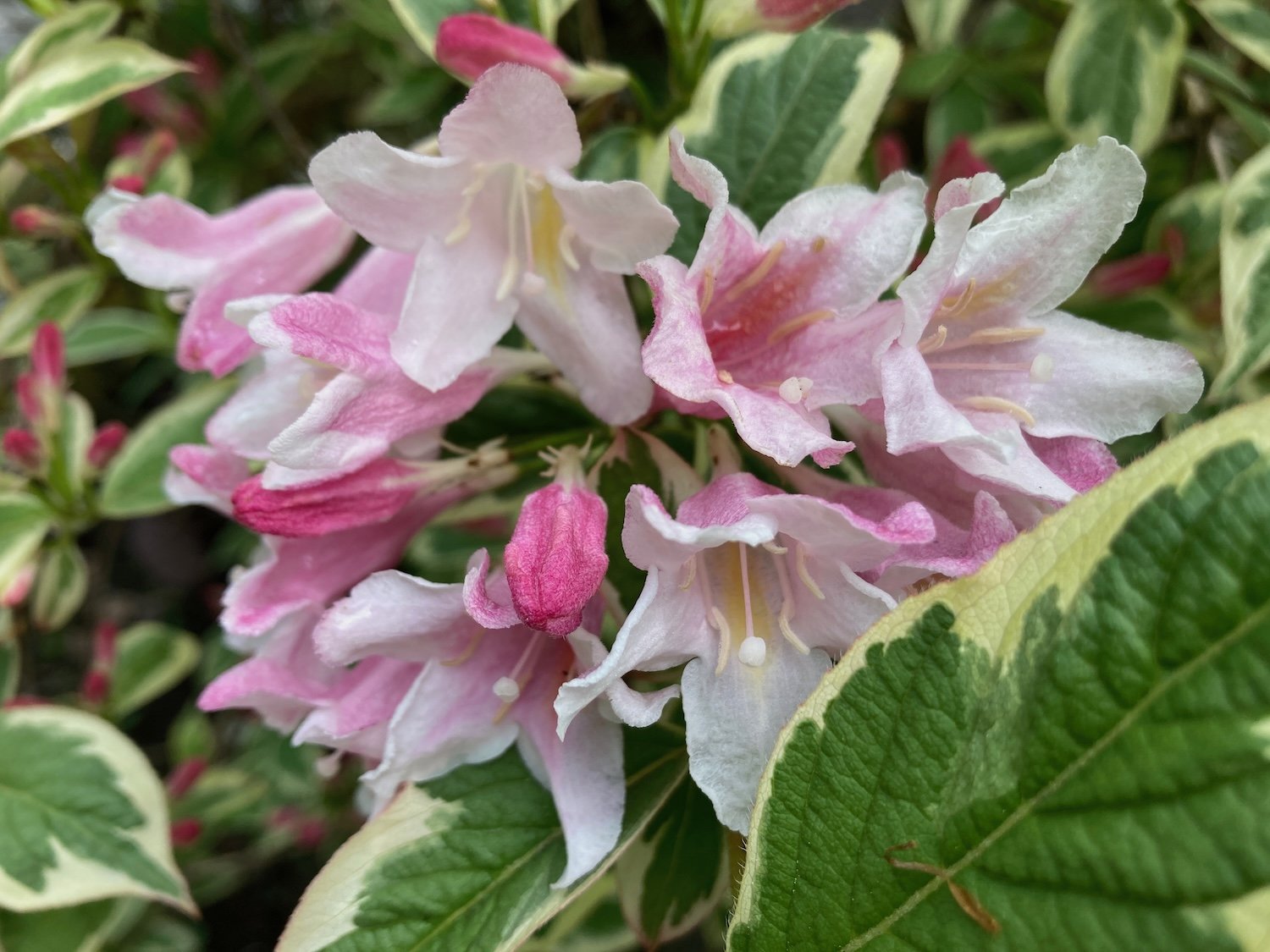
Low Maintenance Shrubs
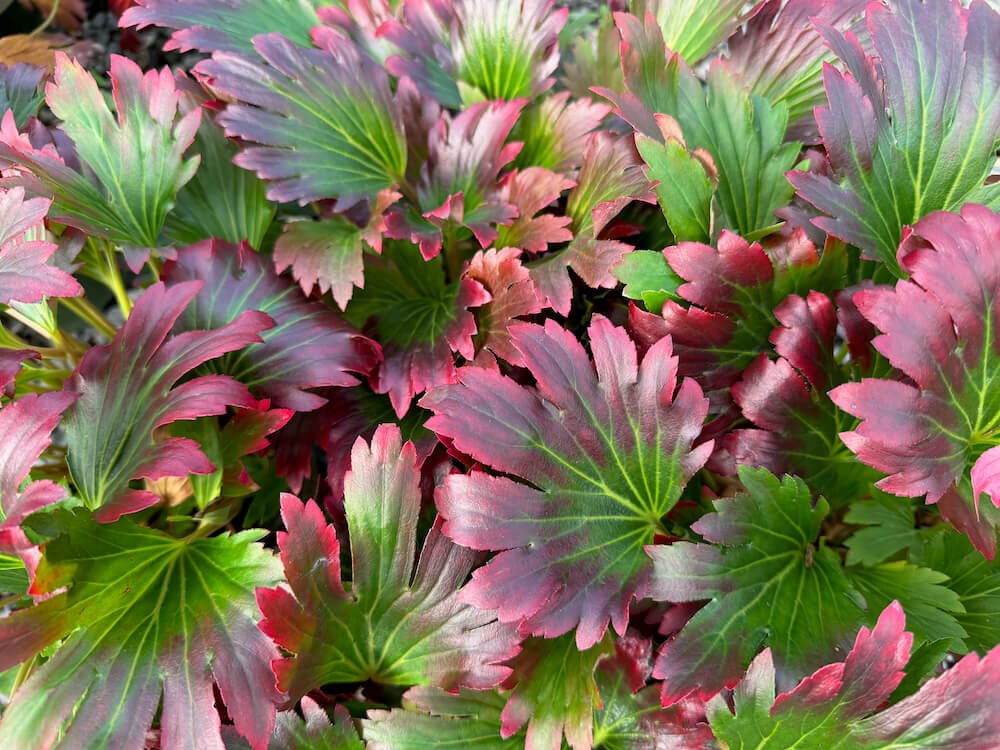
Shade Loving Perennials
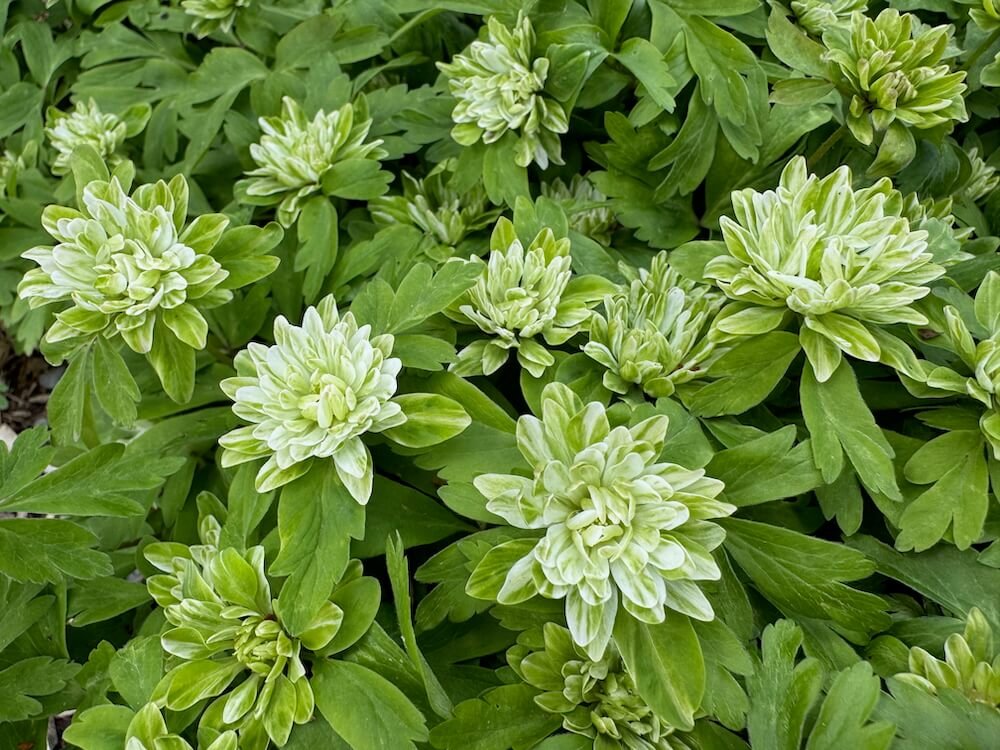
Shade Tolerant Groundcovers
+07.JPG)
Shade Tolerant Shrubs
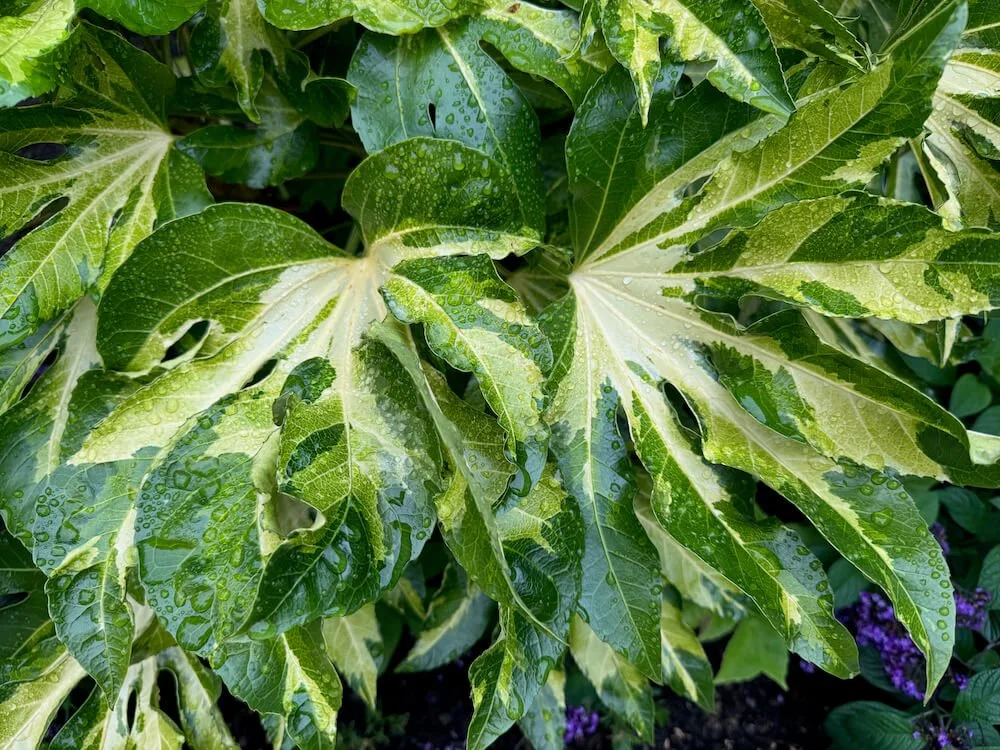
Shrubs with Unique Foliage
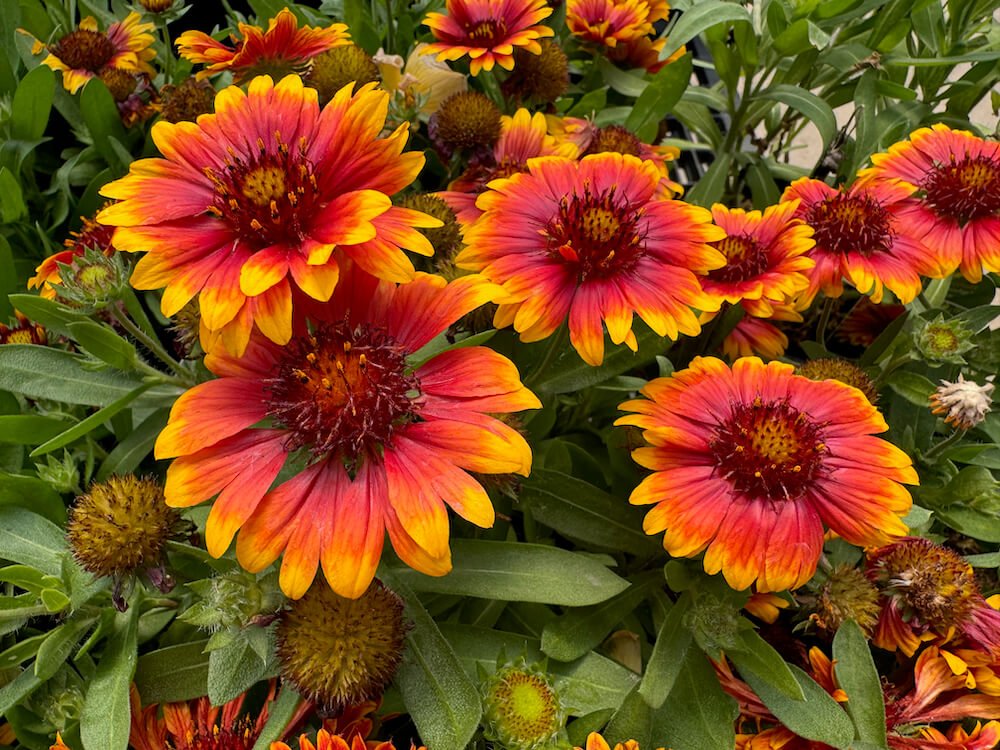
Sun Loving Perennials
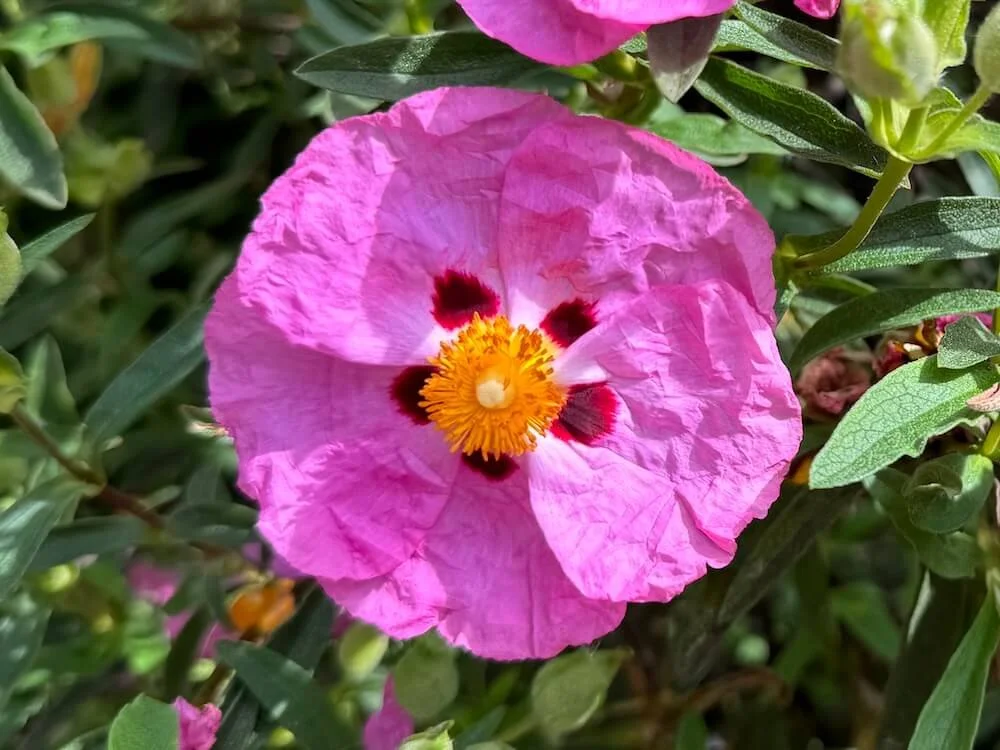
Sun Loving Shrubs
Wildlife & Habitat
11 pages
A wildlife-friendly garden can do more than add beauty to the landscape. It can provide food and habitat for birds, support bees and other pollinators, and help reduce damage from browsing deer. Thoughtful plant selection allows gardeners to create spaces that are both ecologically beneficial and enjoyable to spend time in, with flowers, berries, seeds, and shelter that attract a wide variety of wildlife throughout the year. Whether your goal is to watch hummingbirds visit nectar-rich blooms, attract songbirds with berries and seed heads, support pollinators during the growing season, or choose plants that deer are less likely to browse, the right combination of shrubs, perennials, and groundcovers can help create a healthier and more wildlife-friendly garden.
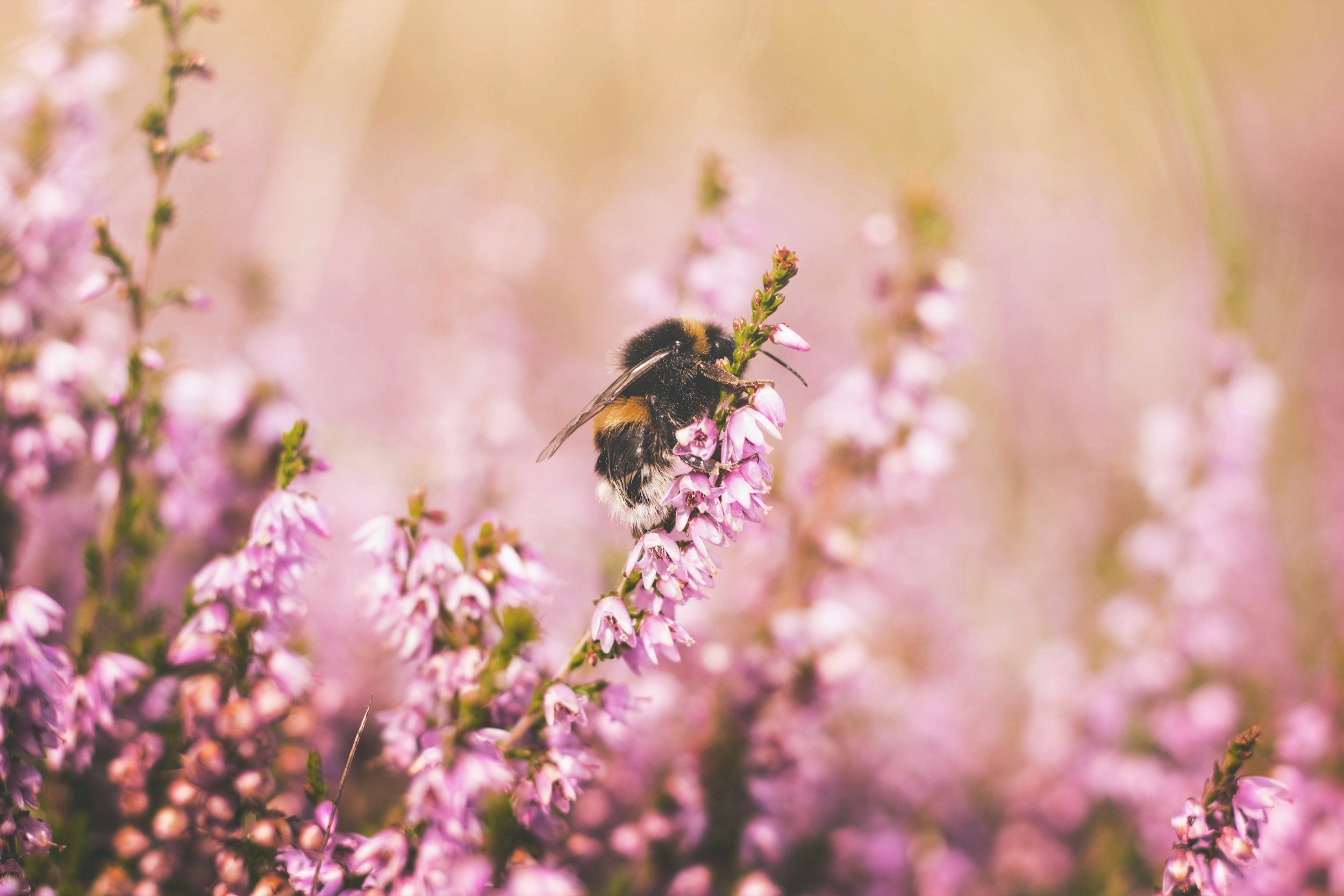
Best Groundcovers for Pollinators
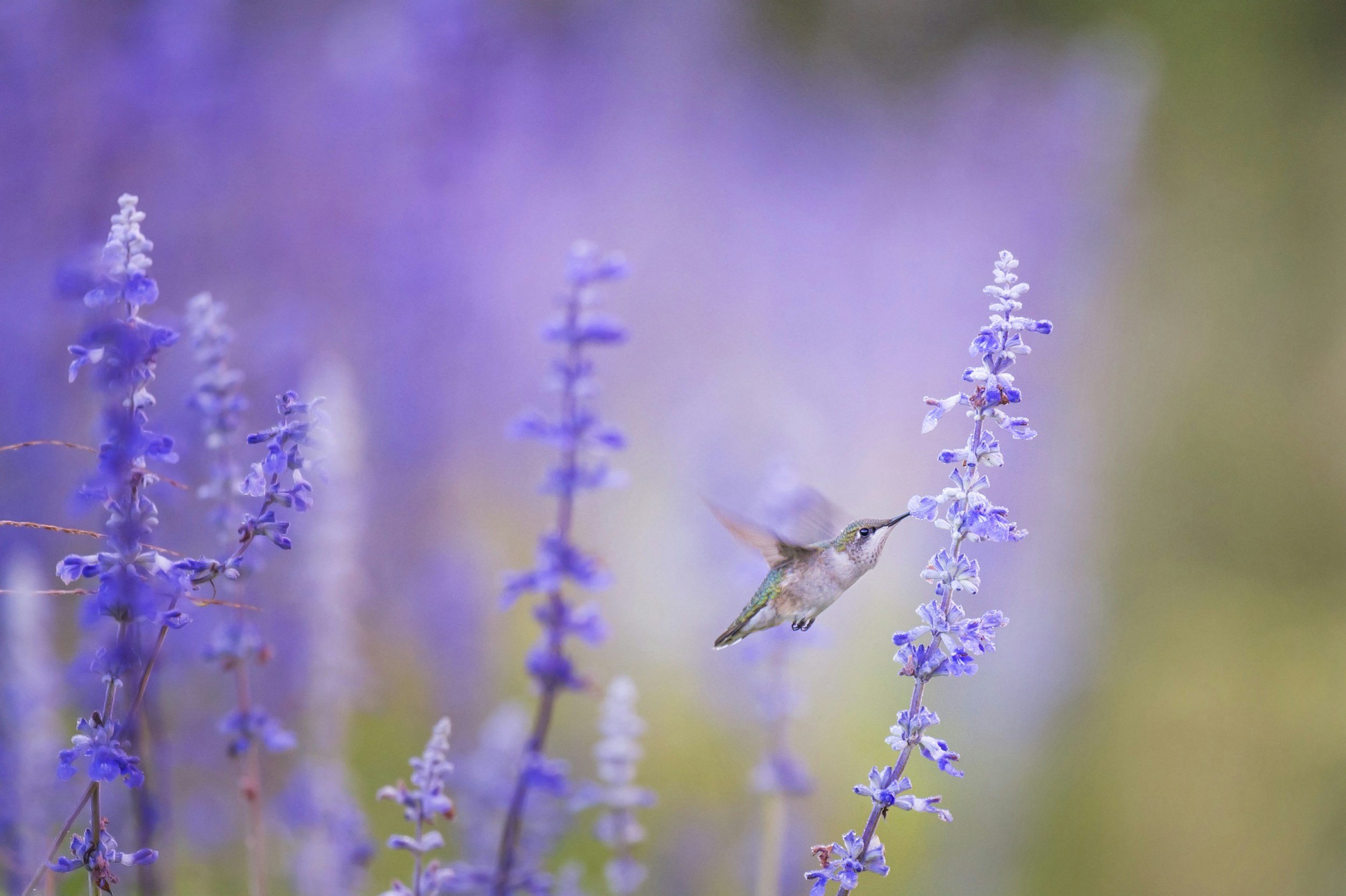
Best Perennials for Hummingbirds
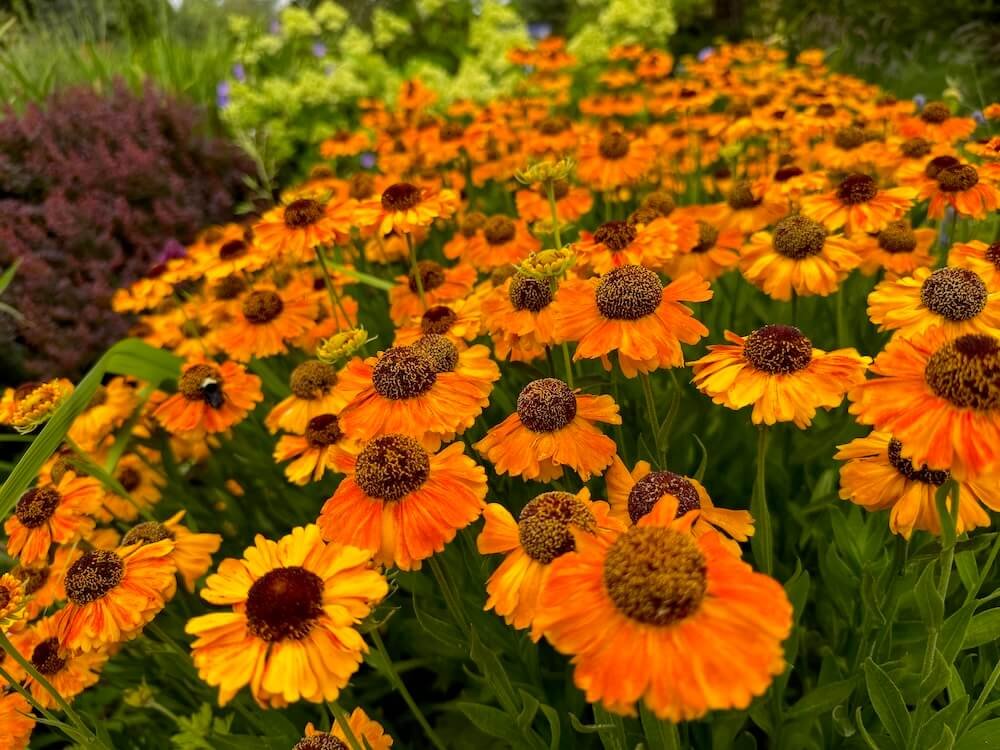
Best Perennials for Pollinators
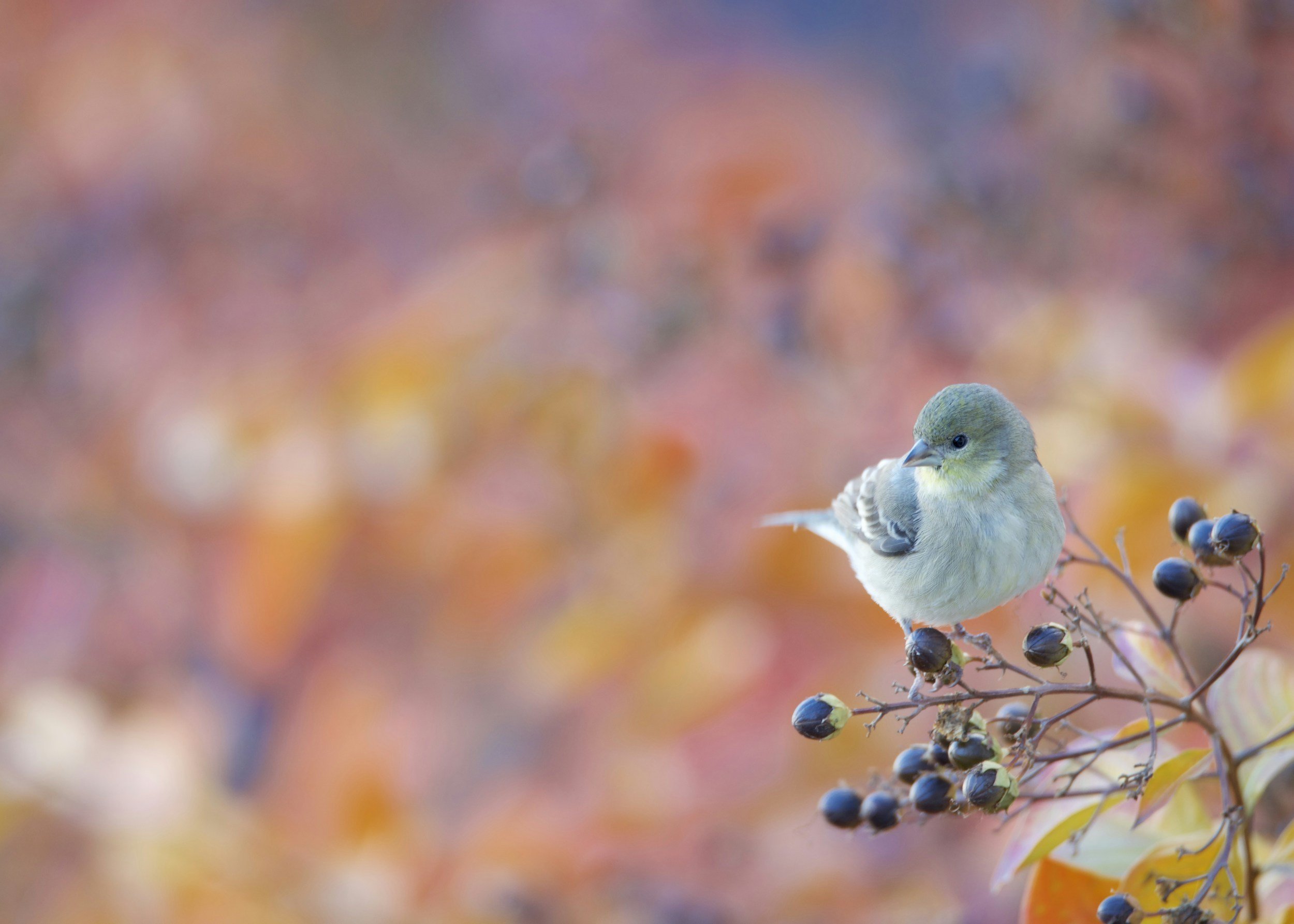
Best Shrubs for Birds
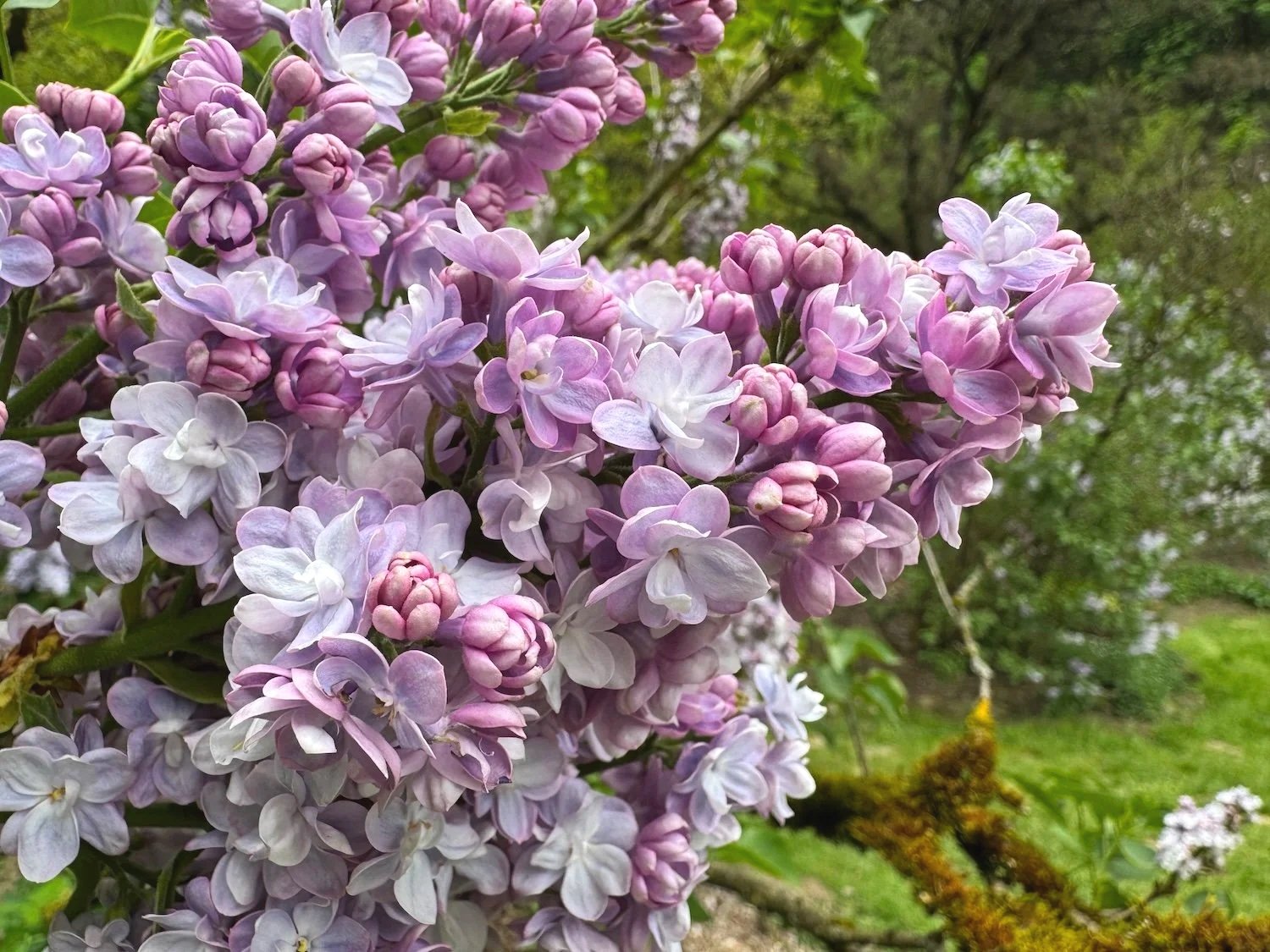
Best Shrubs for Pollinators
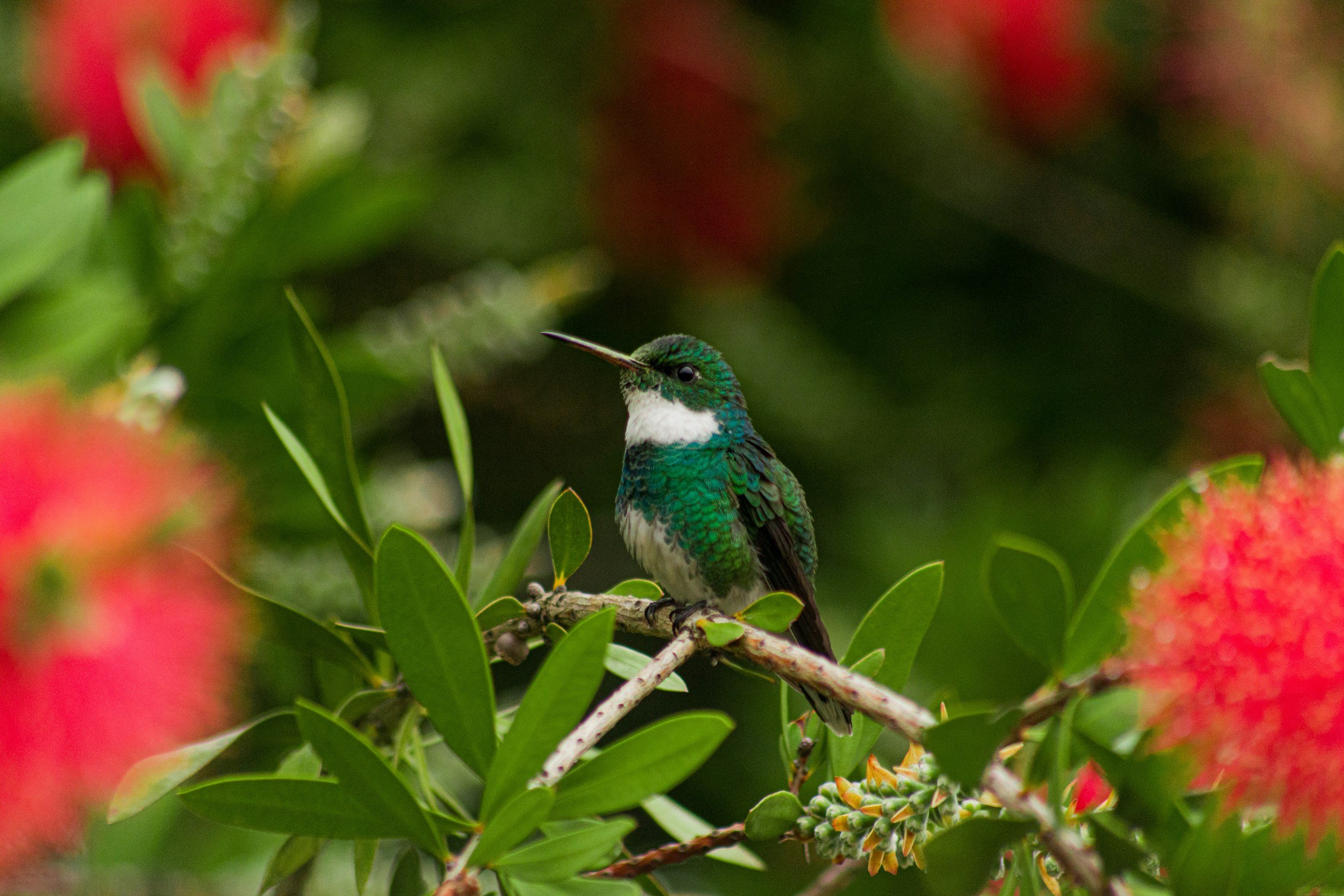
Best Shrubs to Attract Hummingbirds
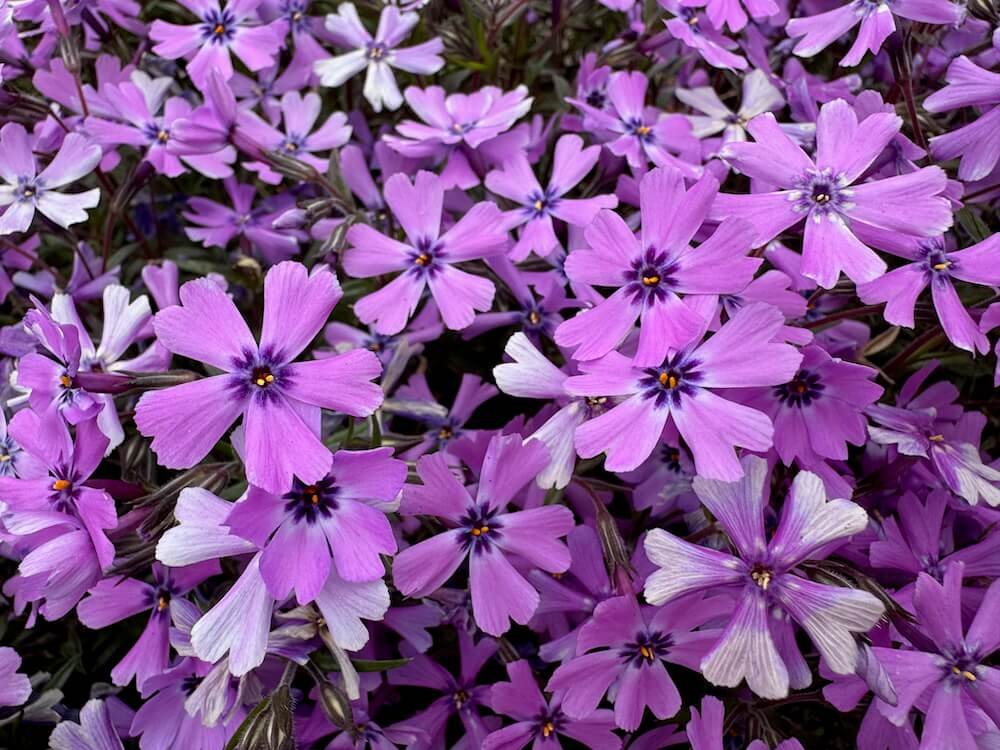
Deer Resistant Groundcovers
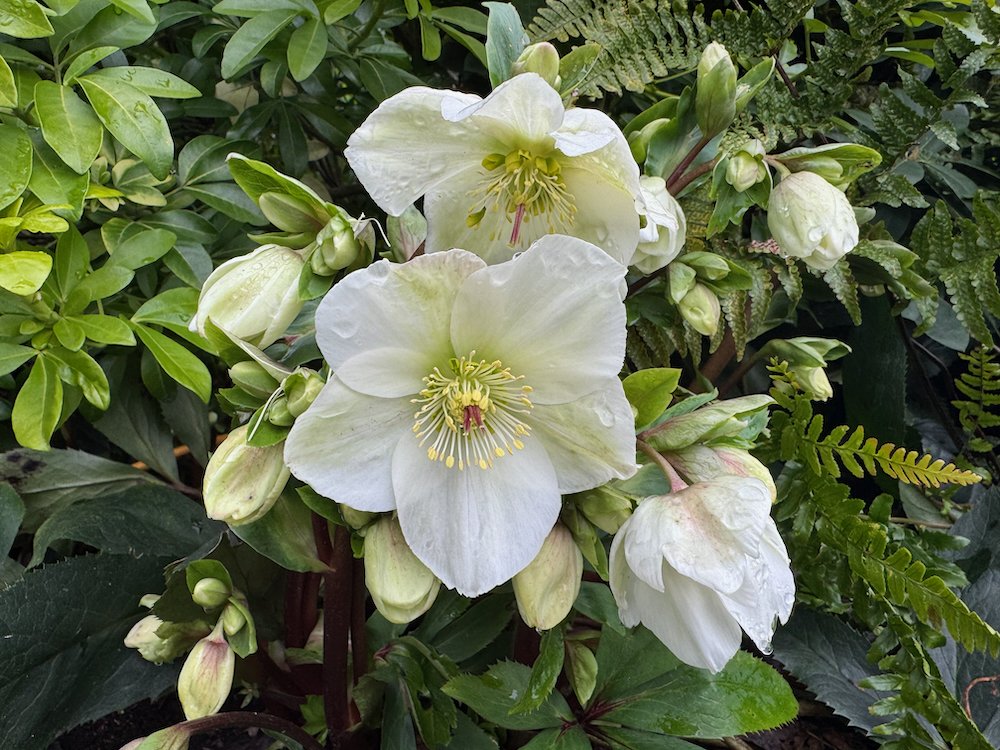
Deer Resistant Perennials
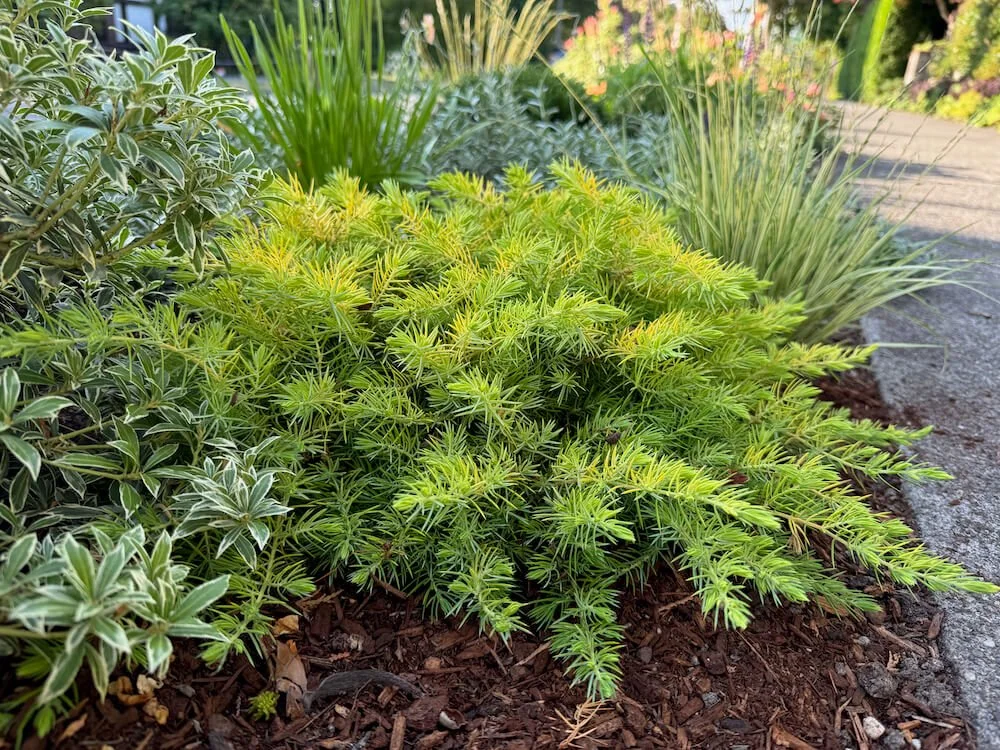
Deer Resistant Shrubs
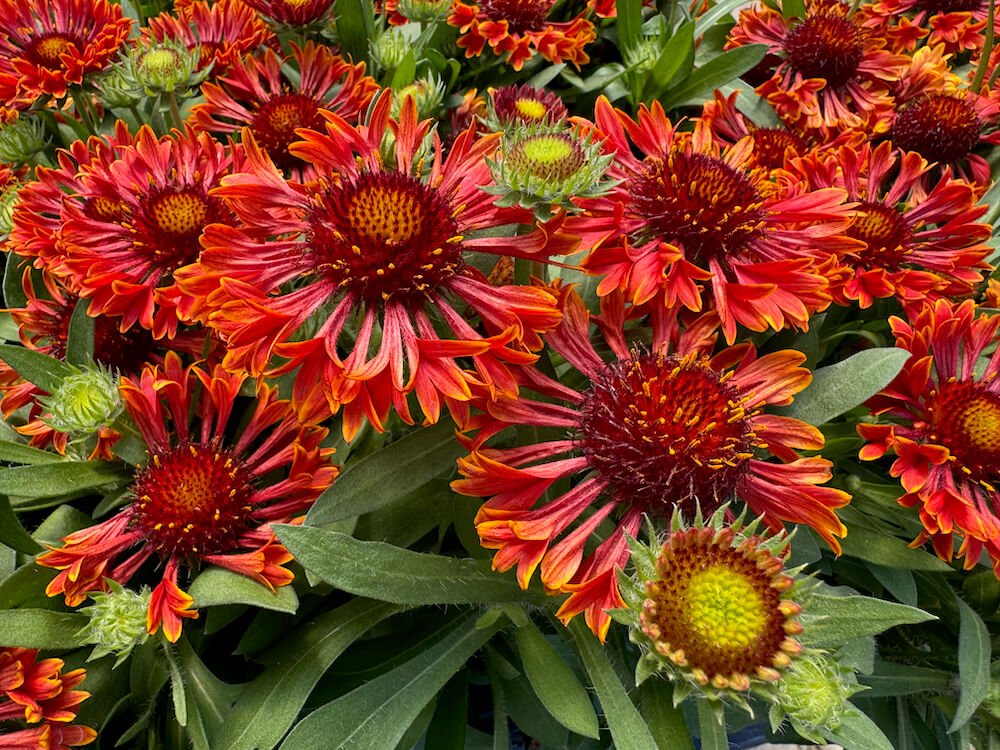
Seed Producing Perennials
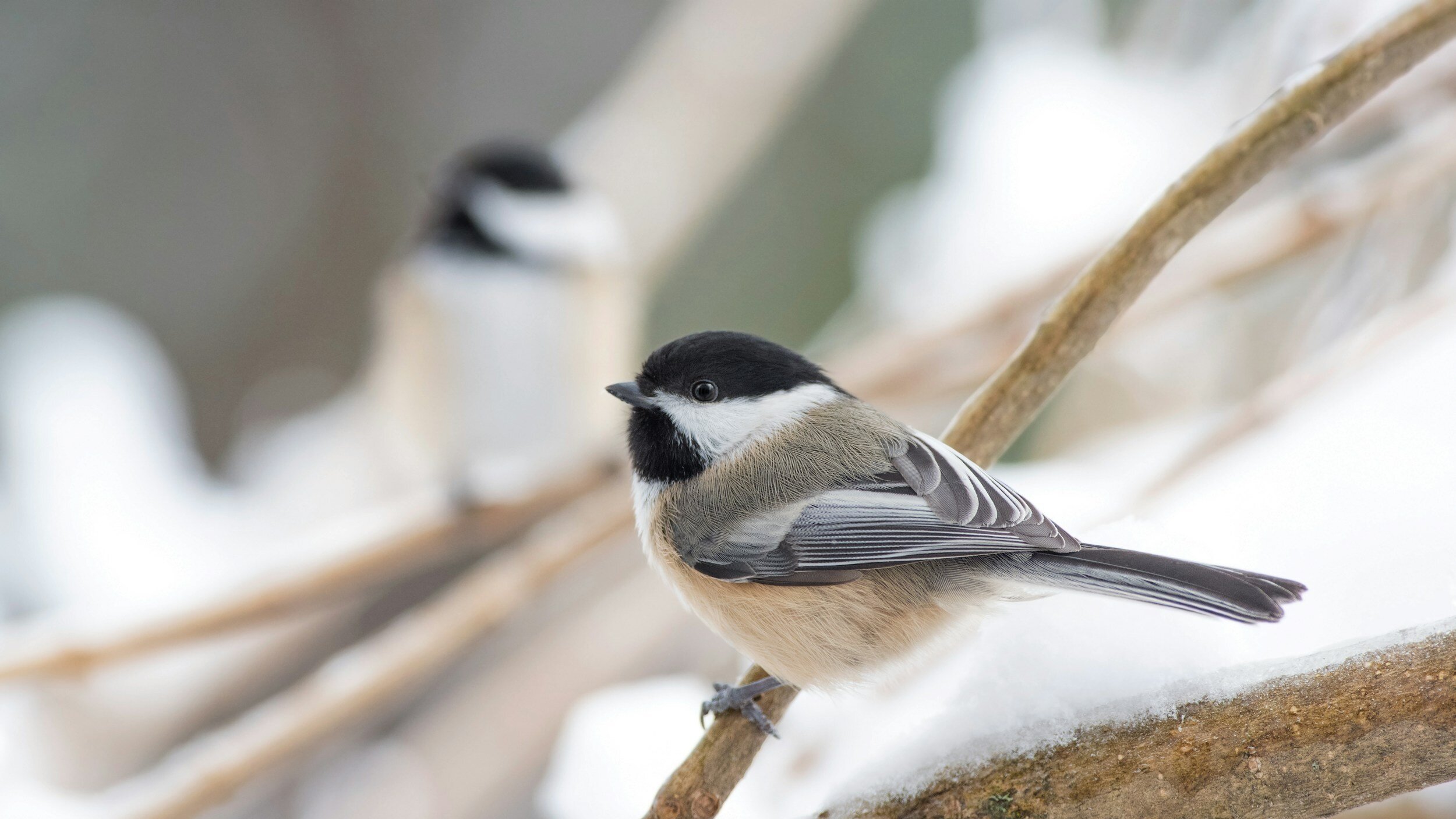
Supporting Birds Beyond Plants
Seasonal Gardening
14 pages
Seasonal gardening brings rhythm and structure to the year, following the natural cycle of growth, flowering, maintenance, and preparation across spring, summer, fall, and winter. Each season introduces different gardening tasks, from planting and pruning to dividing, cleanup, and planning ahead, while the landscape continually changes as trees, shrubs, perennials, bulbs, and other plants move into bloom. Understanding both seasonal tasks and what is flowering throughout the year helps create a garden with stronger continuity, more reliable color, and a deeper connection to the changing pace of the seasons.
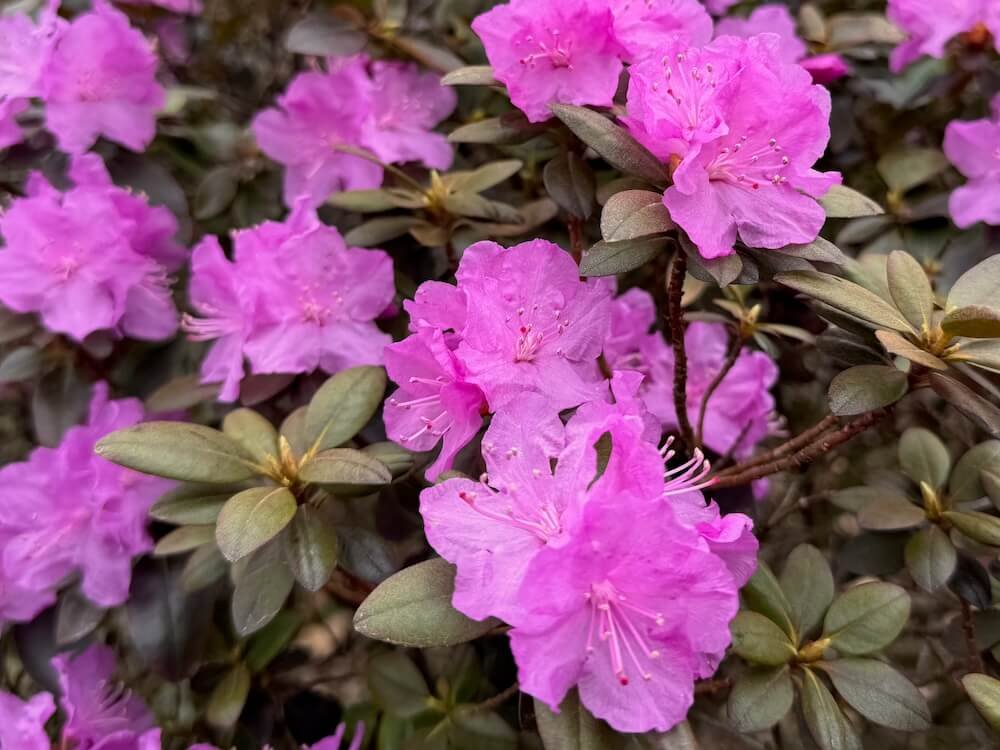
Early Blooming Shrubs
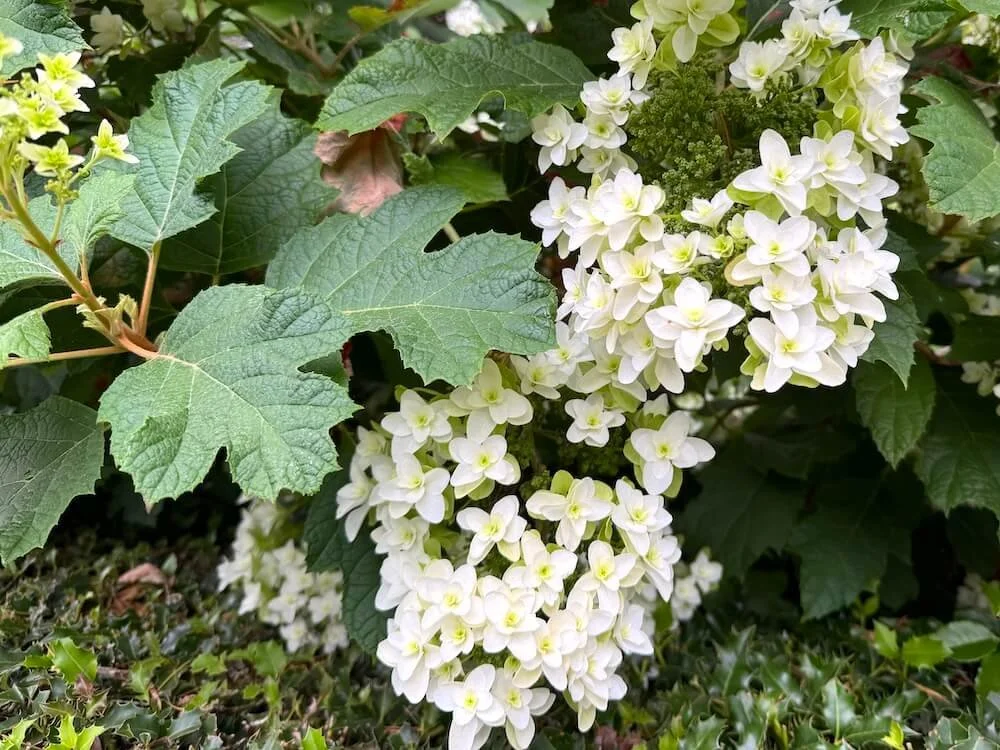
Fall Blooming Shrubs
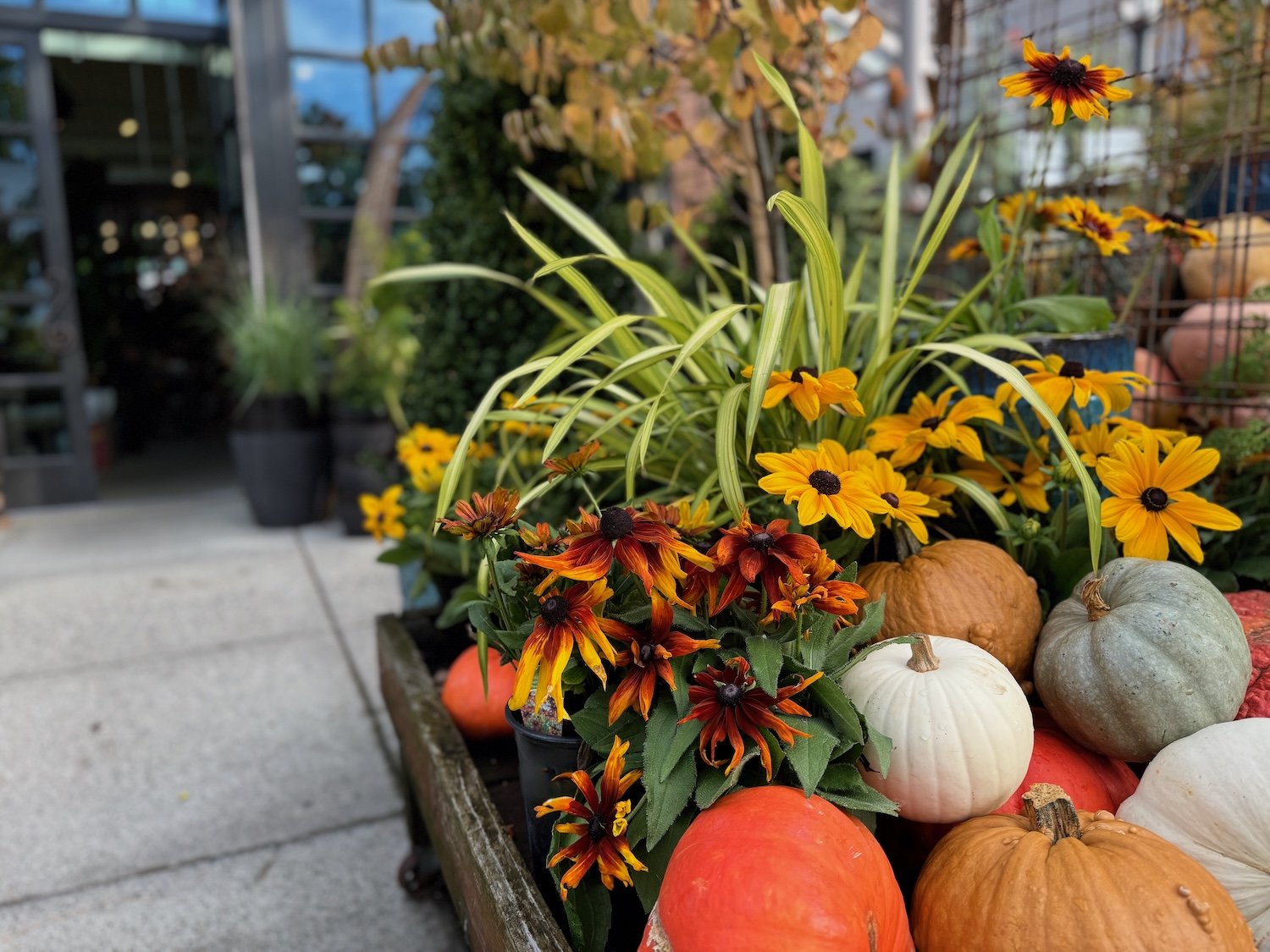
Fall Garden Tasks
Late Season Perennials
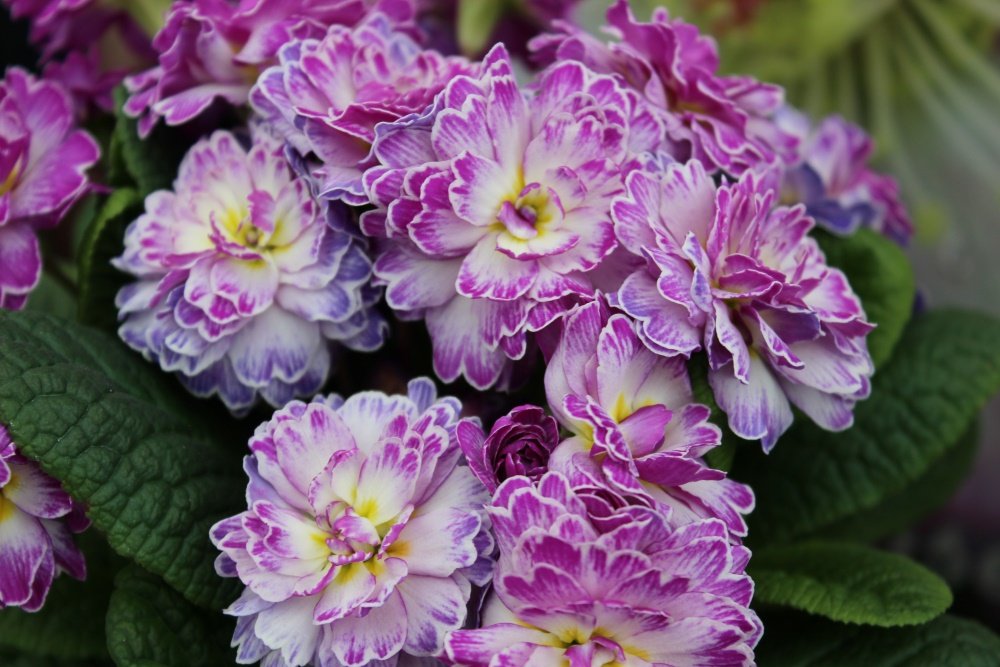
Spring Blooming Groundcovers
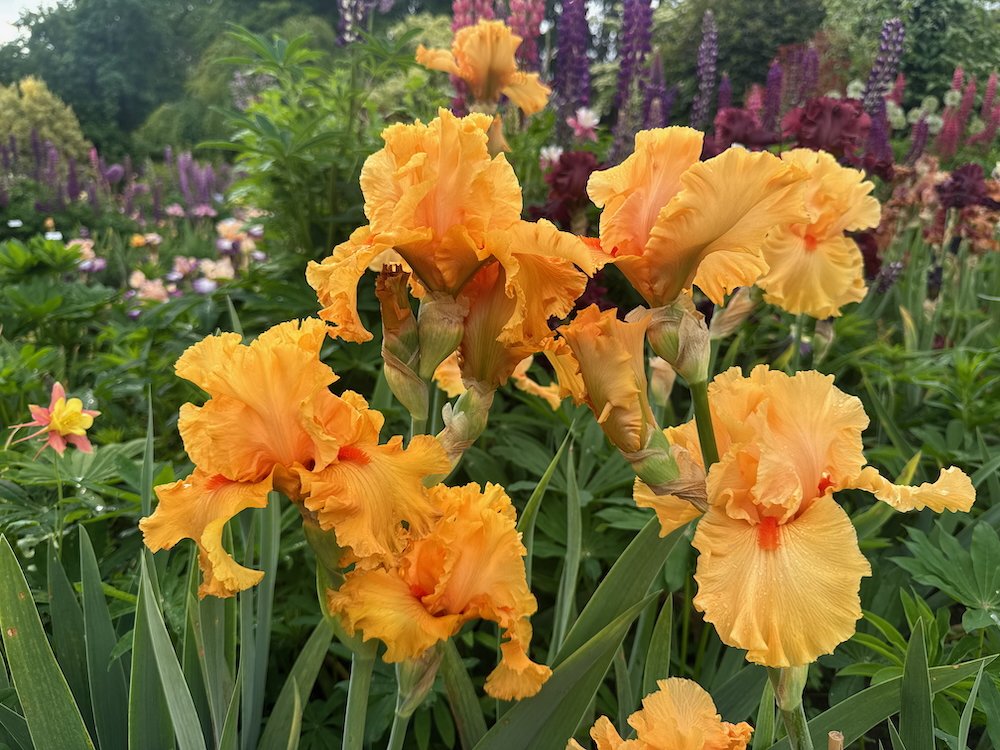
Spring Blooming Perennials
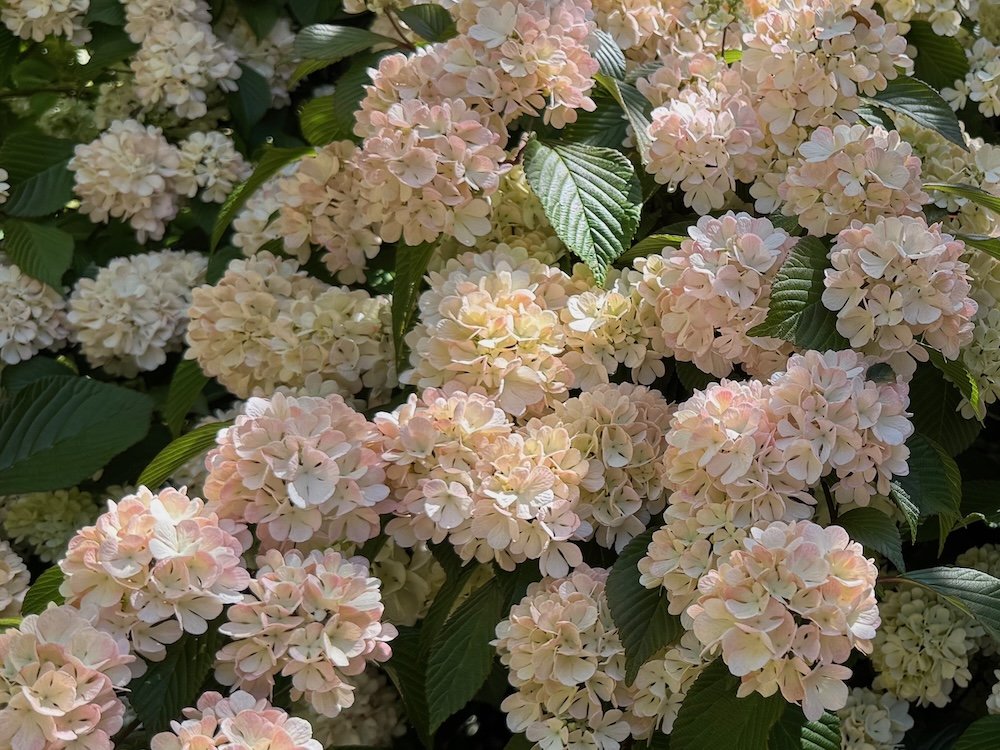
Spring Blooming Shrubs
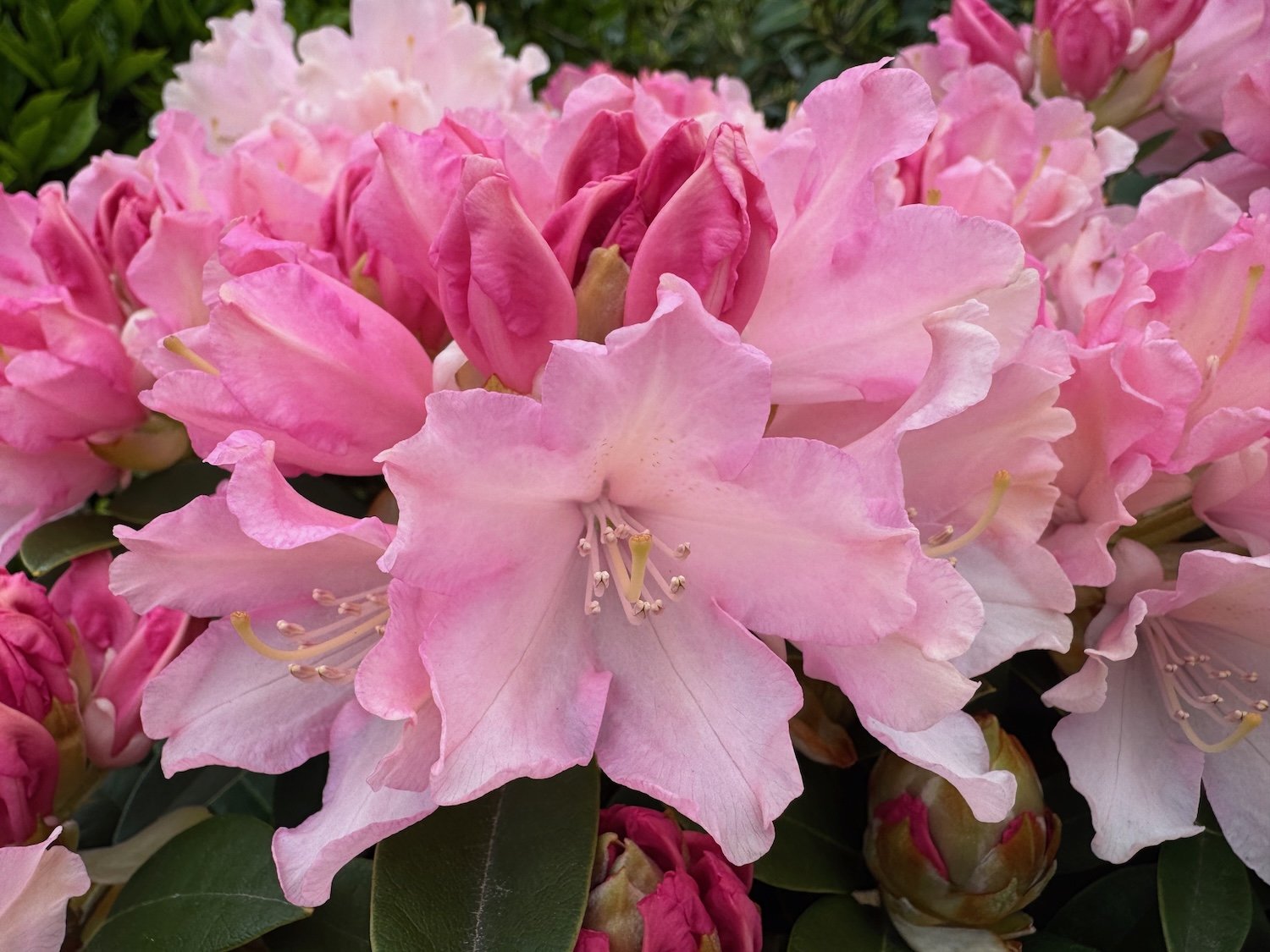
Spring Garden Tasks
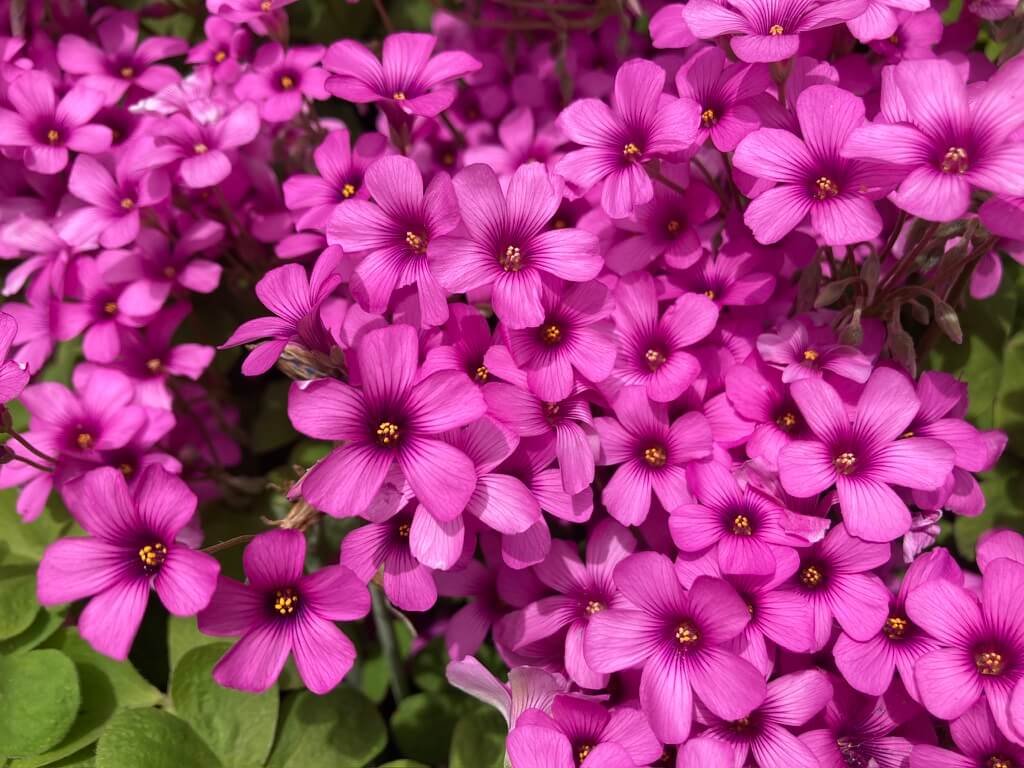
Summer Blooming Groundcovers
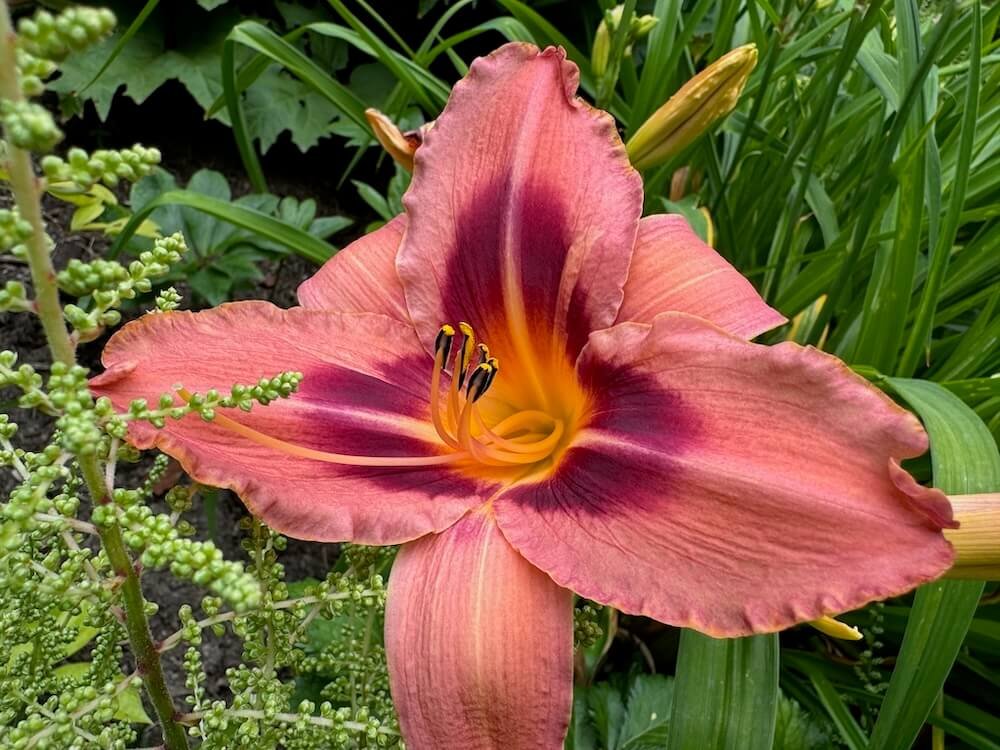
Summer Blooming Perennials
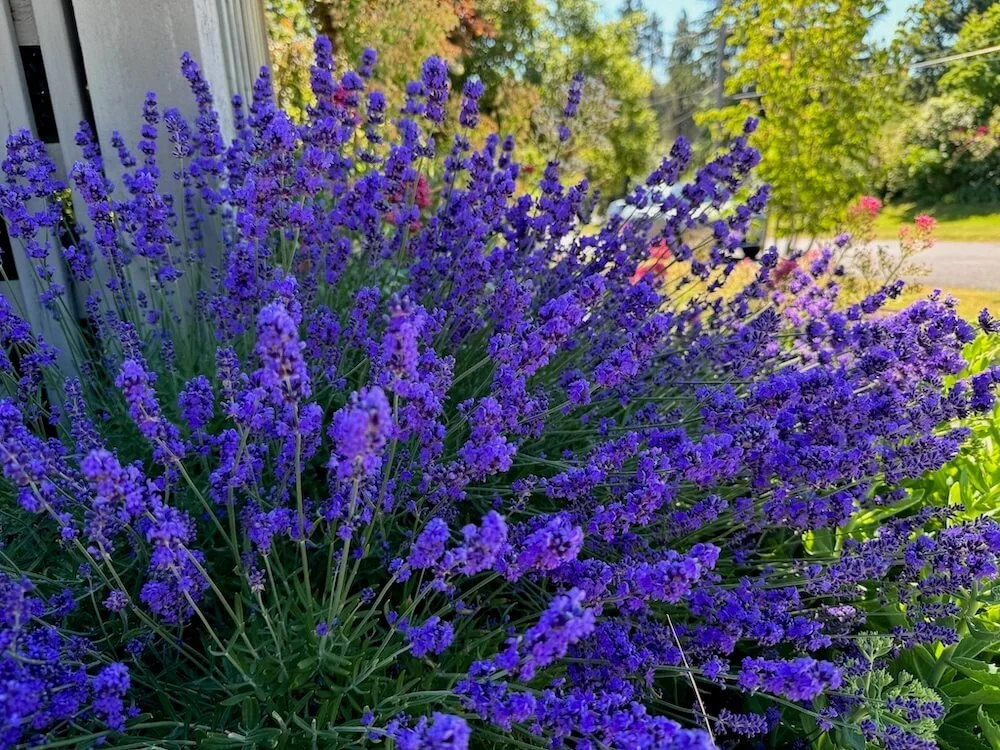
Summer Blooming Shrubs
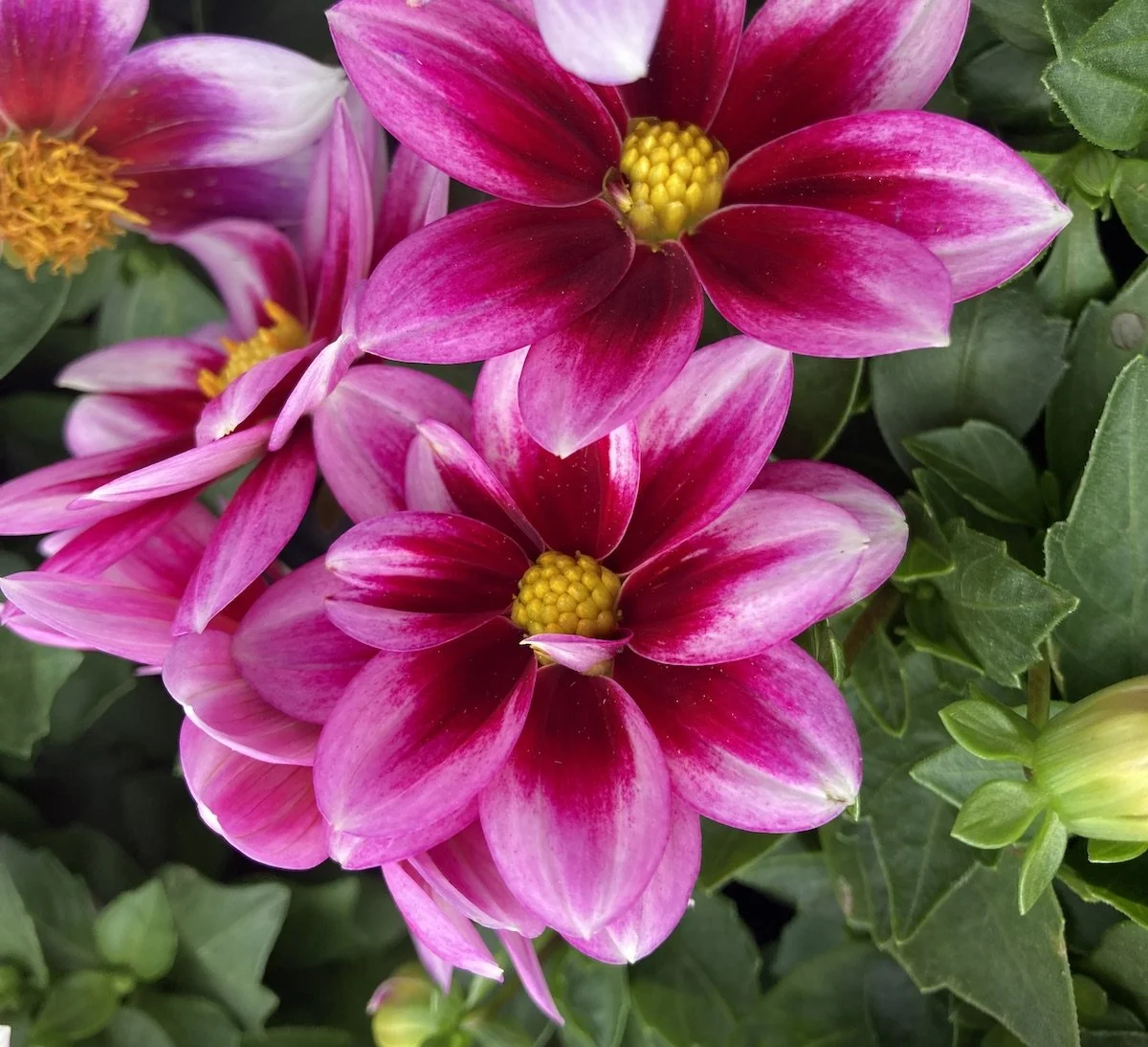
Summer Garden Tasks
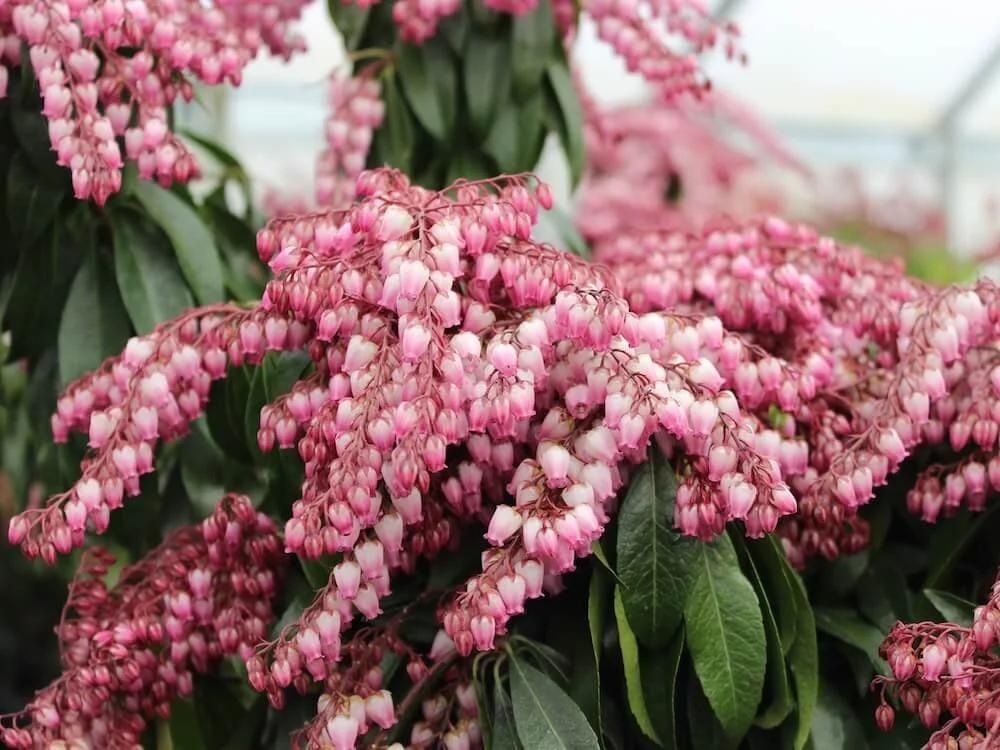
Winter Blooming Shrubs
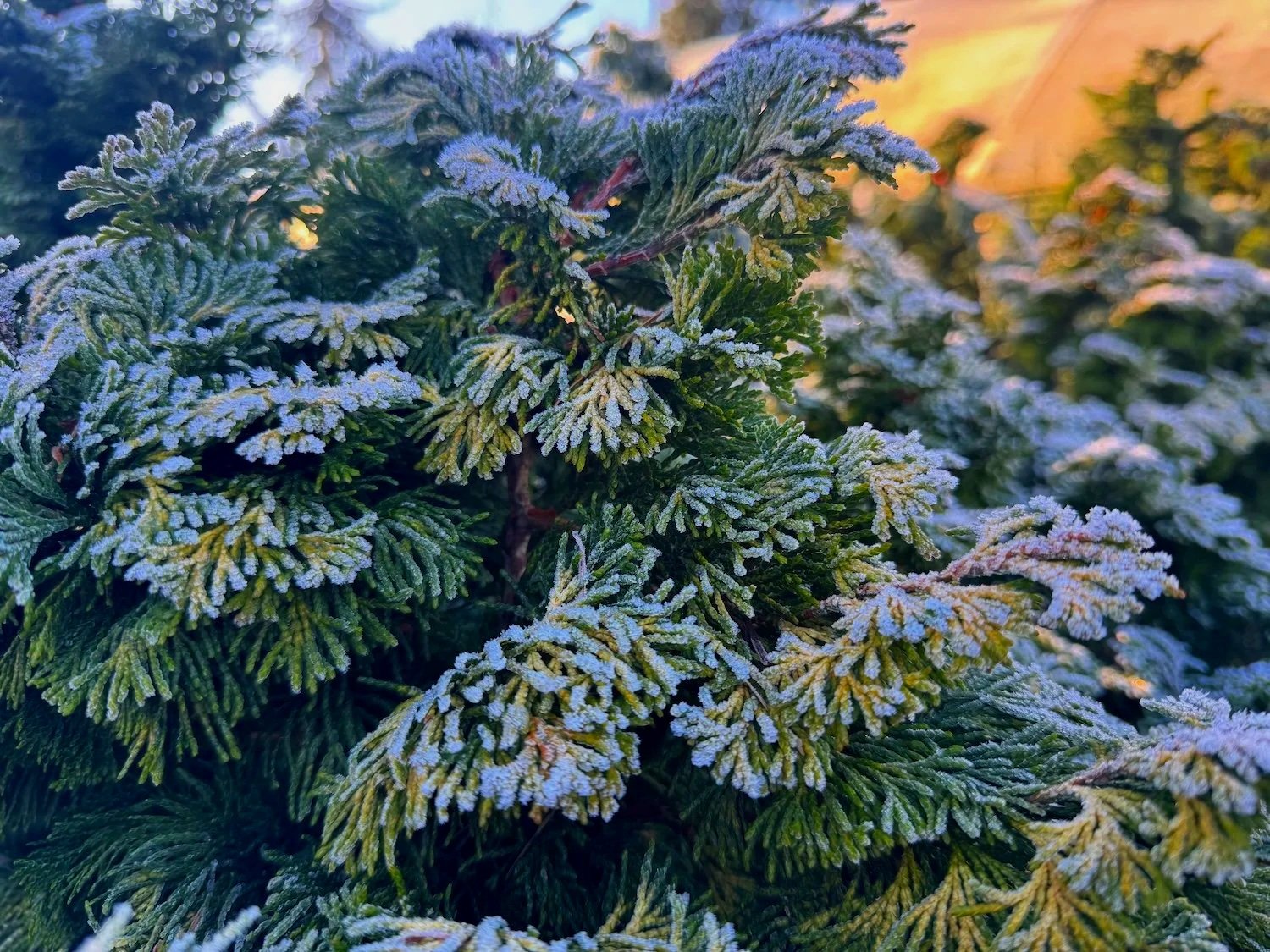
Winter Garden Tasks
Garden Plans
2 pages
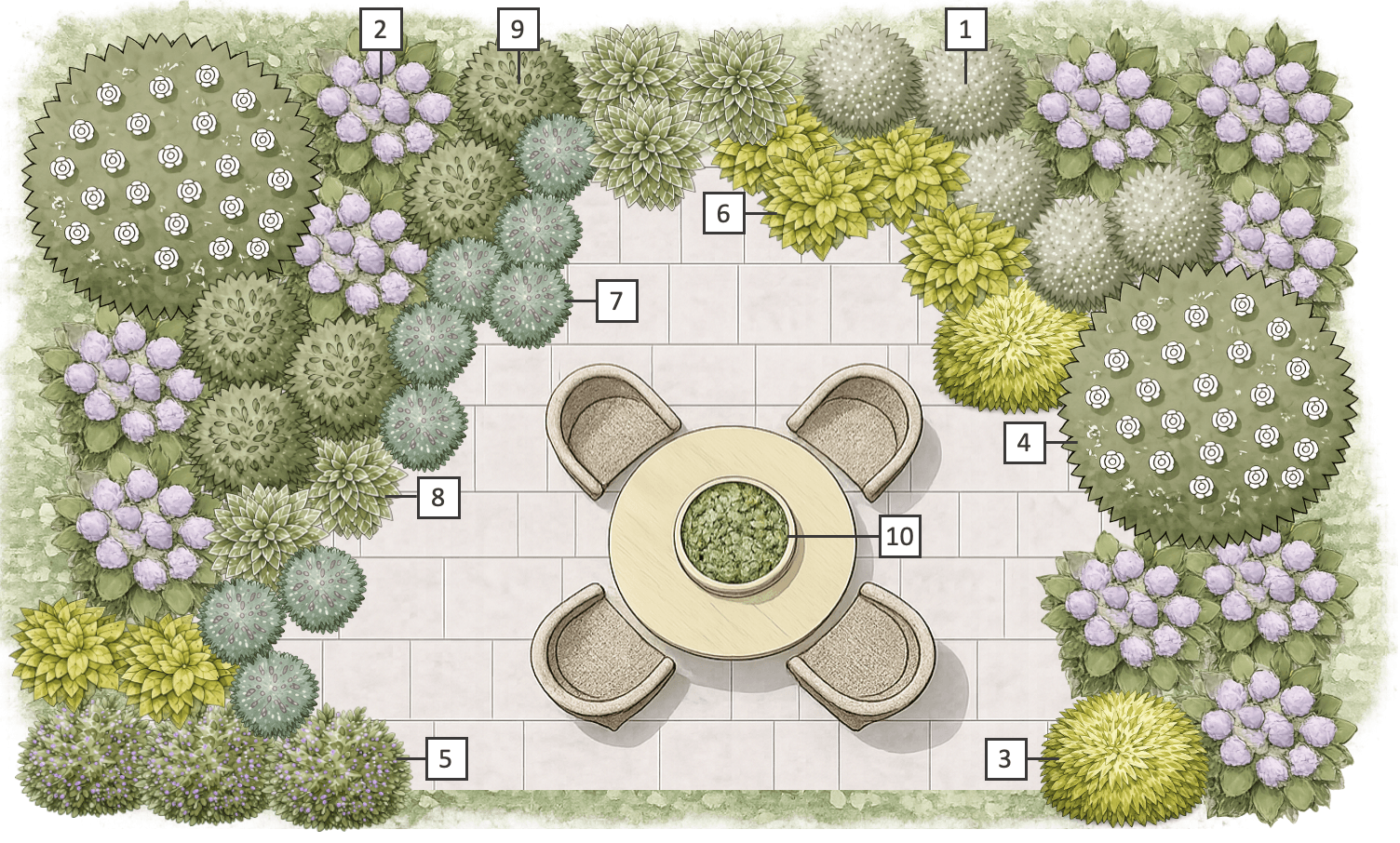
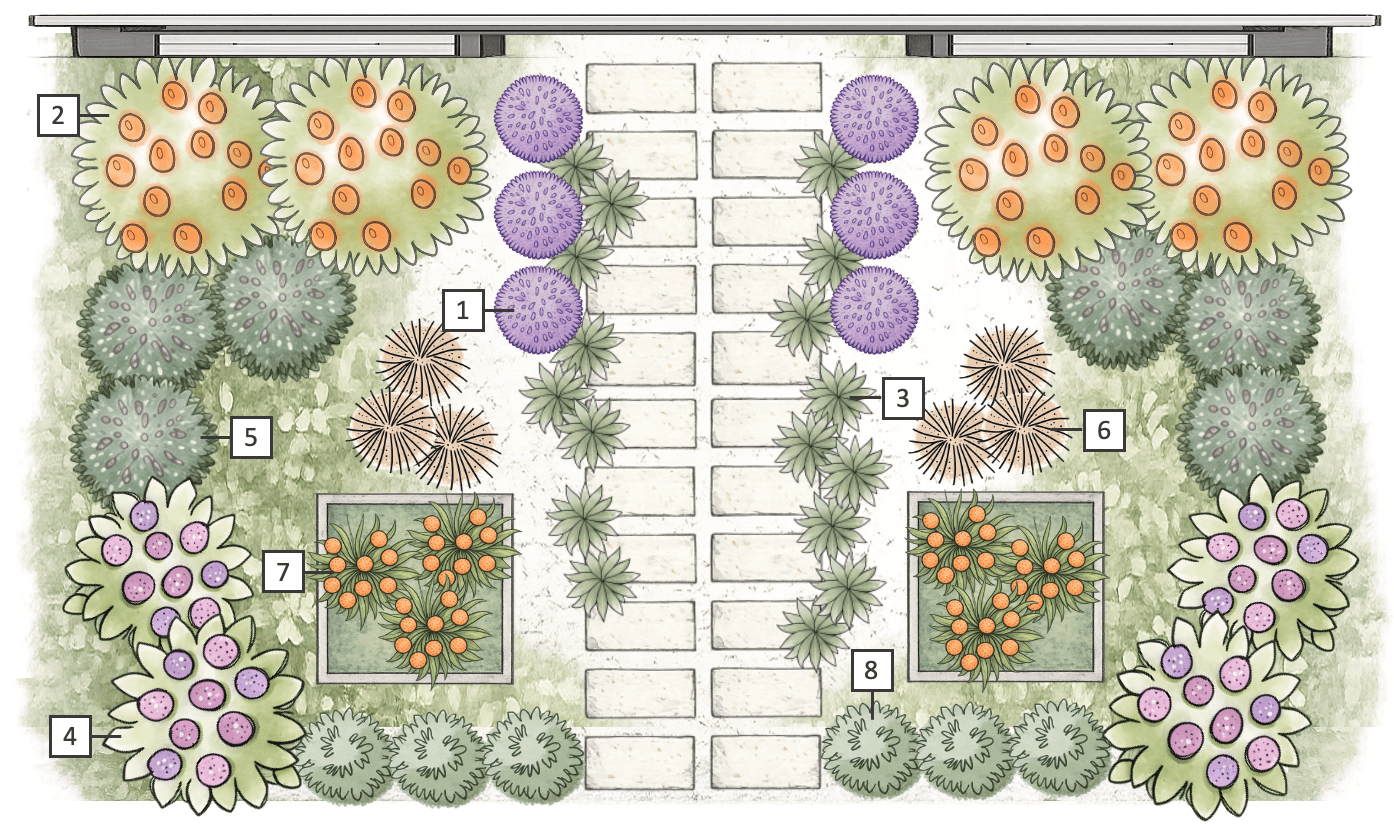
Ready-made planting schemes for real Northwest situations: an entry walkway that needs to feel welcoming, a shaded patio that needs to feel bright. Each plan comes with a planting diagram, a numbered plant list linked to every plant in the library, and a printable two-page PDF you can carry to the nursery. Every plan layers flowering shrubs, perennials, grasses, and evergreen foliage so the bed holds interest from early spring through fall. Follow the diagram exactly, or use the plant list as a starting point and swap in the varieties you love, keeping each plant's light and water needs in mind.
Plant Nurseries
11 pages
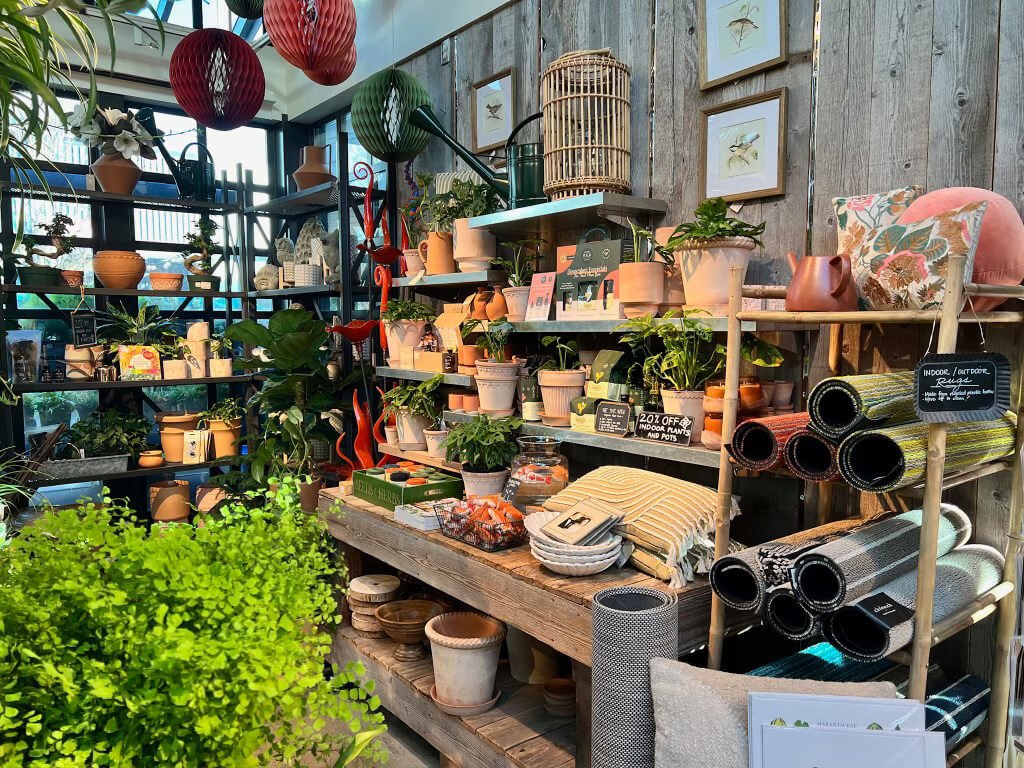
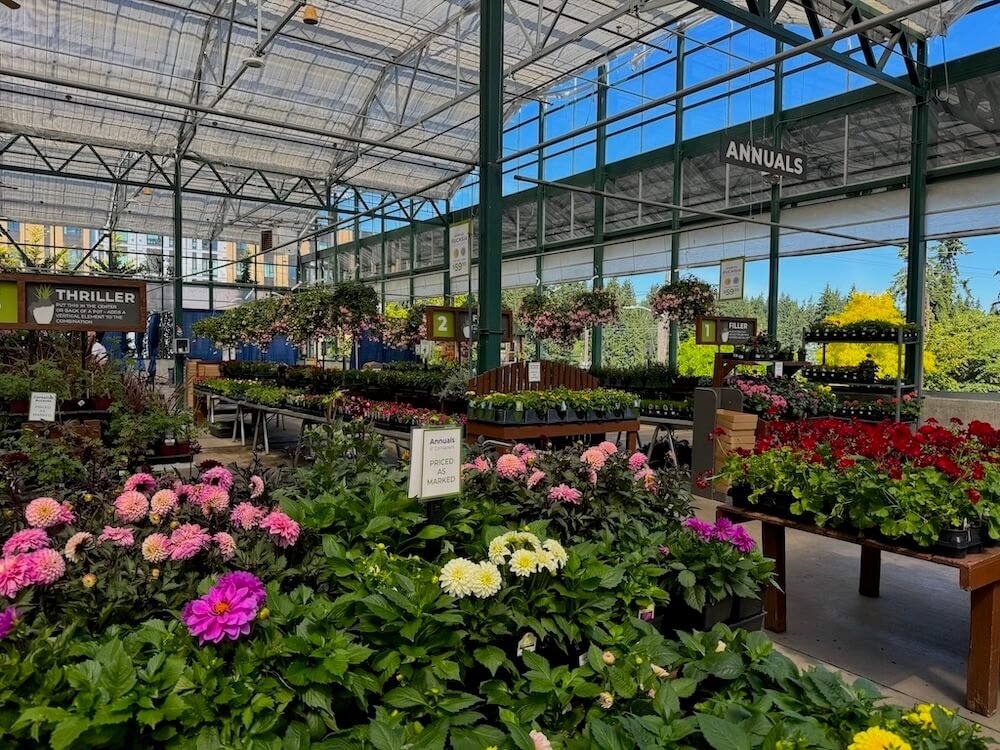
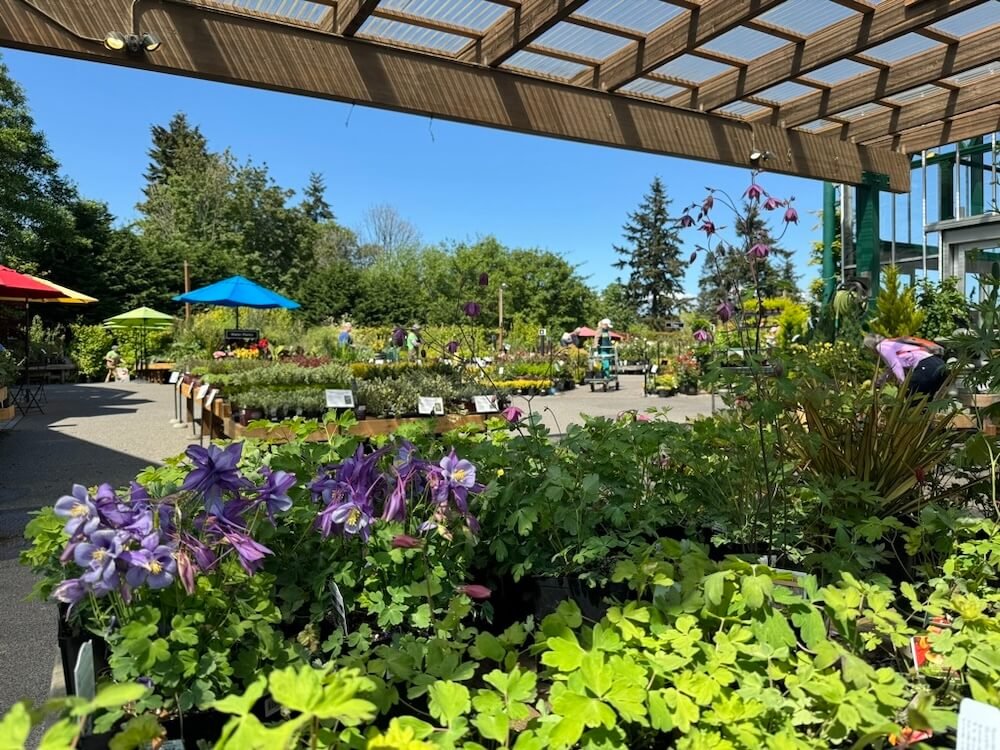
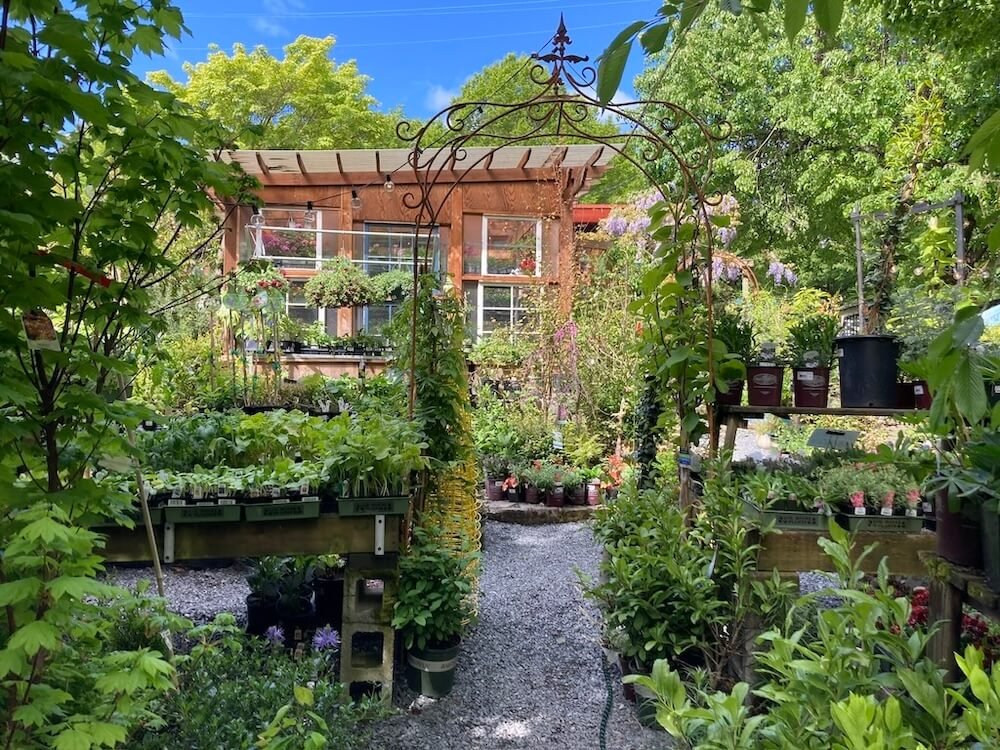
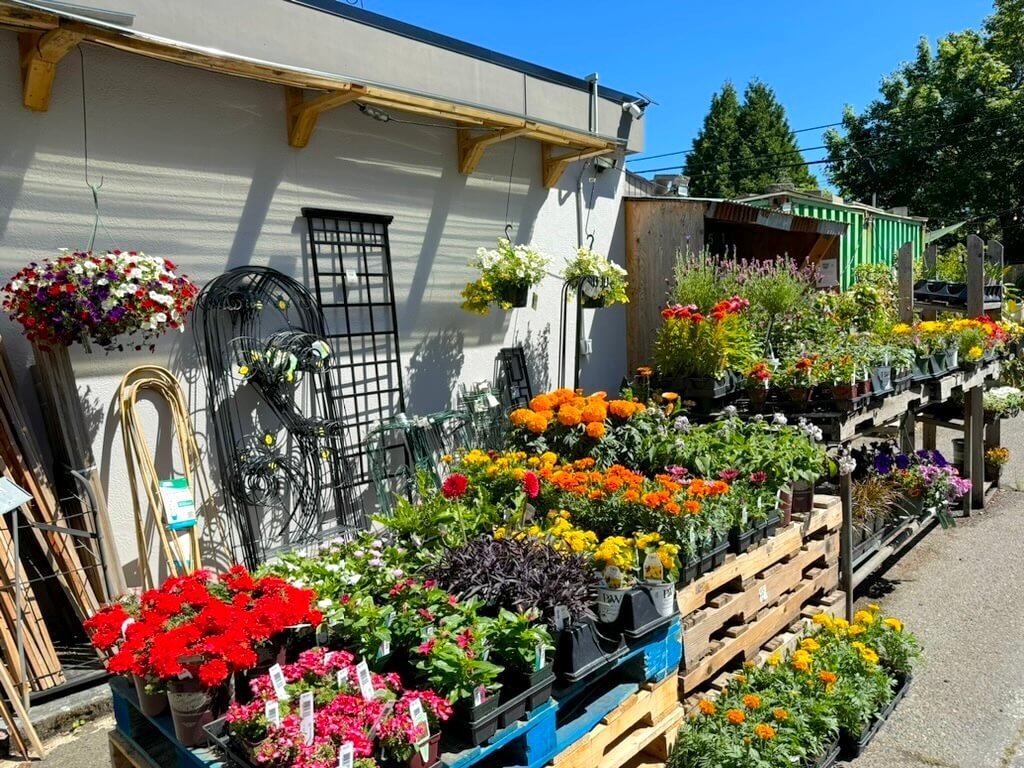
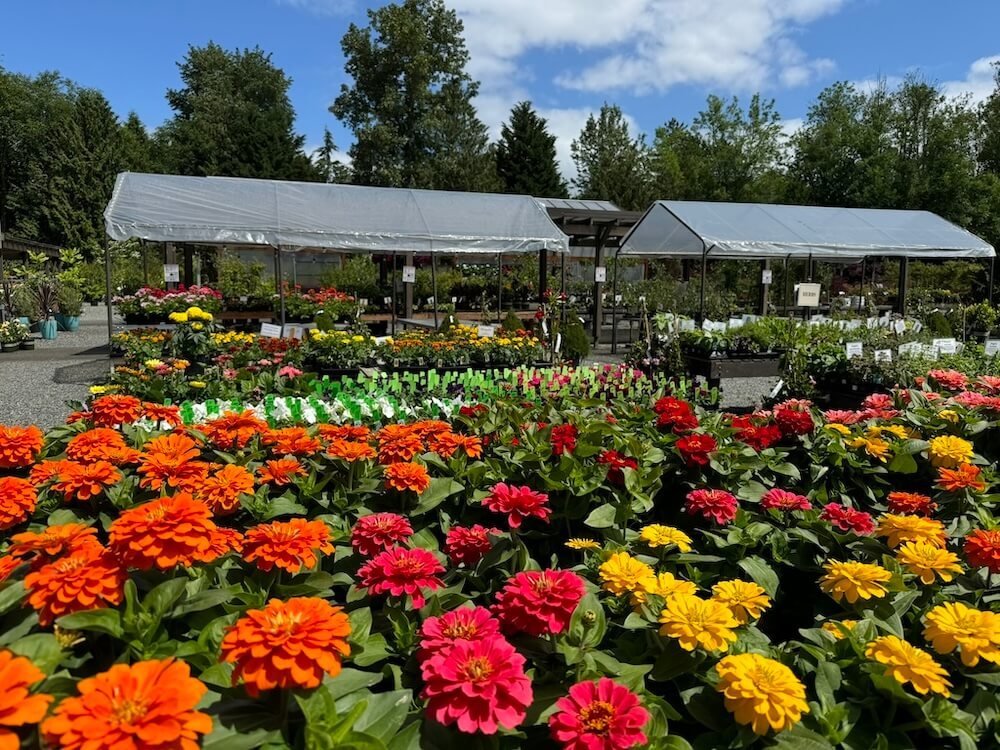
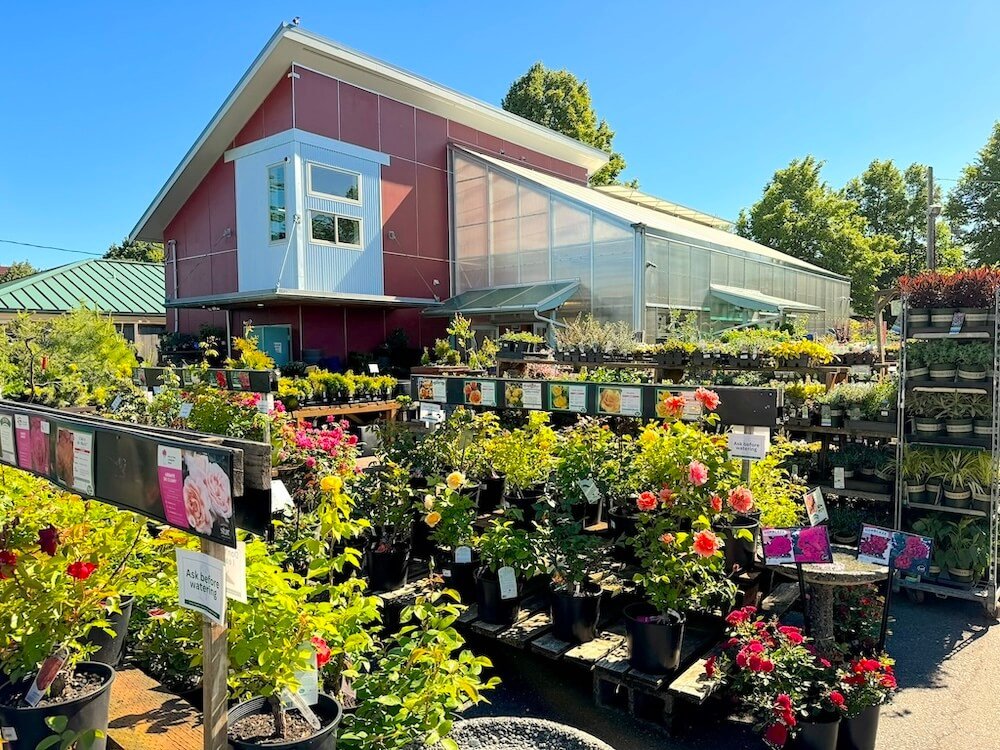
Neighborhood garden nurseries offer locally adapted plants, expert advice, and unique varieties. Supporting local nurseries also benefits the community economically and environmentally. They serve as hubs for gardening communities, fostering connections and knowledge sharing among enthusiasts. Neighborhood garden nurseries offer locally adapted plants, expert guidance, and one-of-a-kind selections that thrive in Pacific Northwest gardens. These spaces inspire creativity, support sustainable gardening practices, and nurture a deeper connection to the natural world.
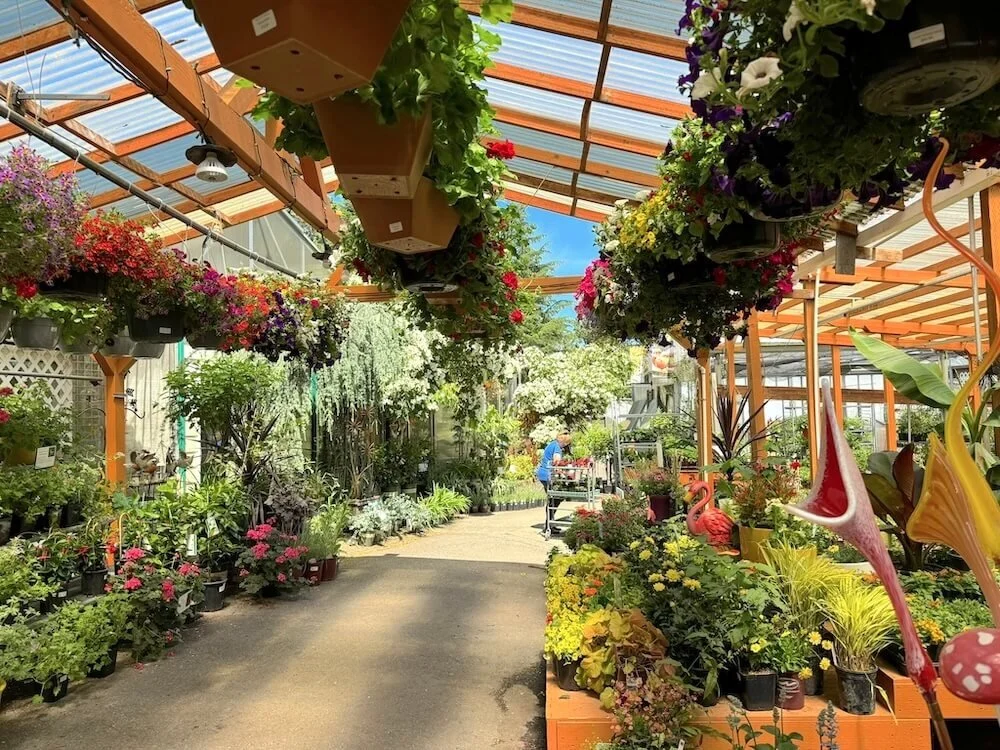
Plant Nurseries
Bellevue Nursery
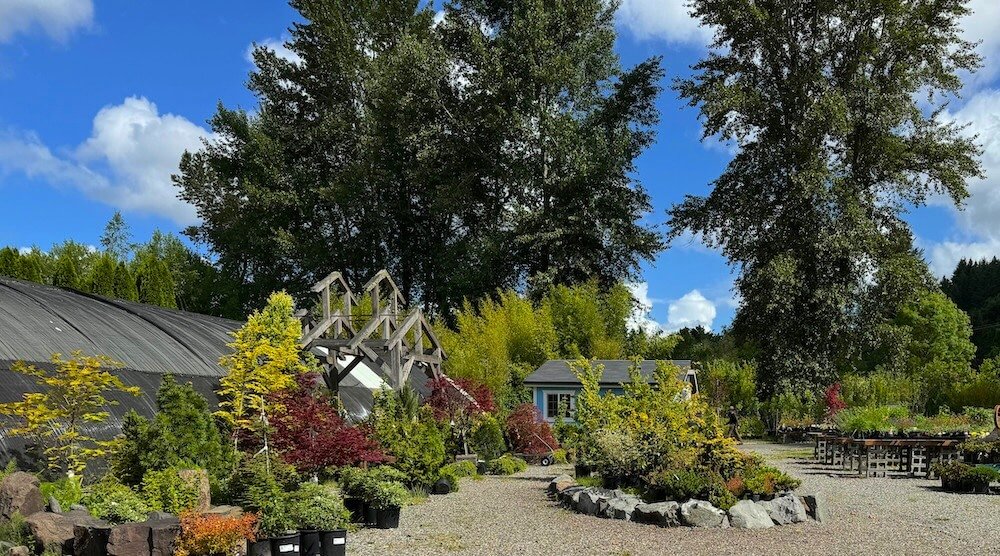
Plant Nurseries
Classic Nursery
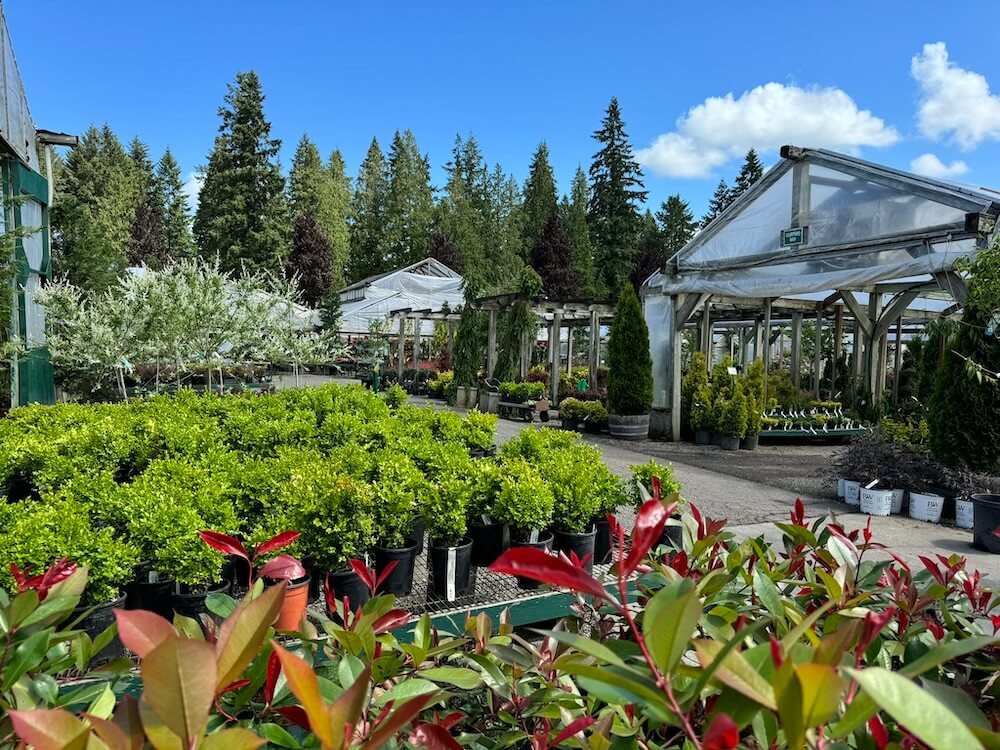
Plant Nurseries
Flower World
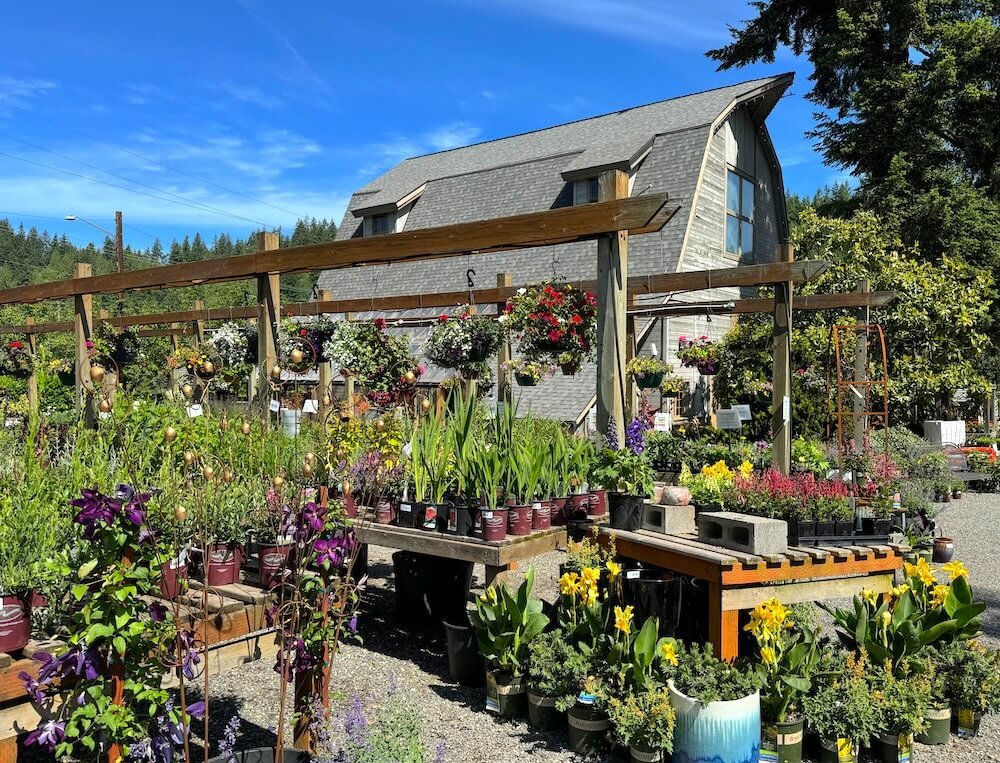
Plant Nurseries
Gray Barn Nursery
Plant Nurseries
Ravenna Gardens
Plant Nurseries
SKY Nursery
Plant Nurseries
Swansons Nursery
Plant Nurseries
Urban Earth Nursery
Plant Nurseries
Urban Feed & Garden
Plant Nurseries
Wells Medina Nursery
Plant Nurseries
West Seattle Nursery
Public Gardens
13 pages
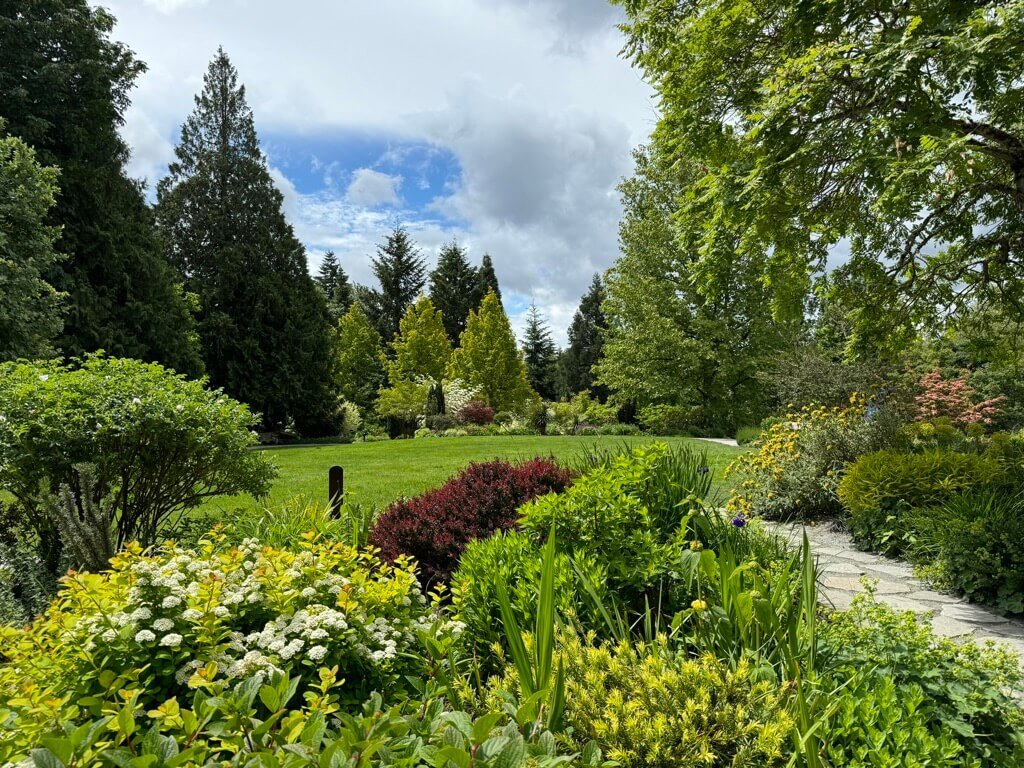
Public botanical gardens offer a peaceful escape in urban areas, providing a serene environment for relaxation, and a deeper appreciation for the natural world. Public gardens also serve as educational resources, and play a vital role in plant conservation, working to preserve endangered species and protect biodiversity. Public gardens in the Seattle area also invite visitors to engage more deeply through a variety of enriching experiences. From traditional Japanese tea ceremonies and docent-led nature walks to seasonal plant sales, art exhibits, and hands-on gardening workshops. Many gardens also feature scenic event venues, and educational programs for all ages, offering something for everyone.
Public Gardens
Bellevue Botanical Garden
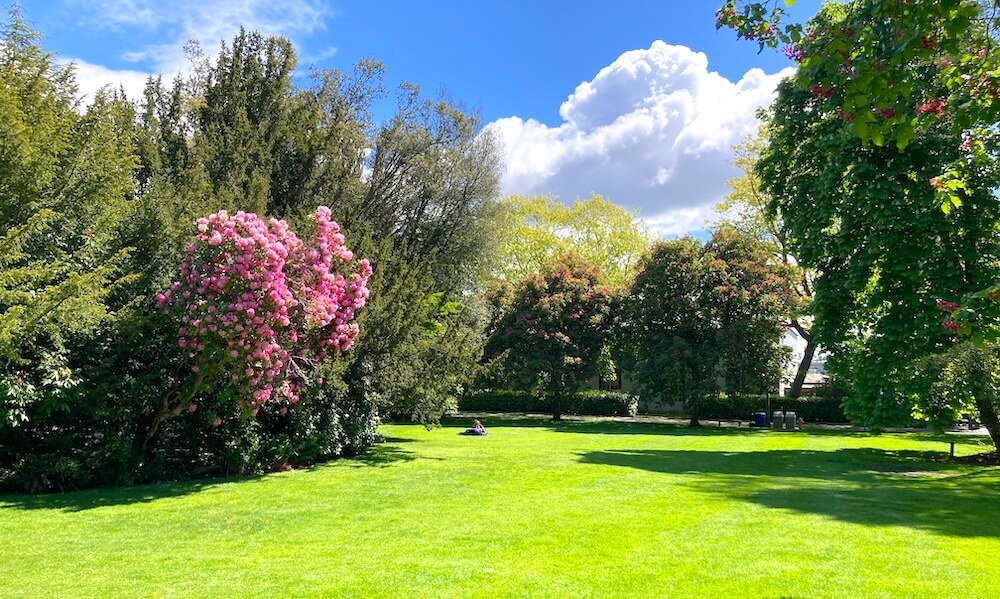
Public Gardens
Carl S. English Jr. Botanical Garden
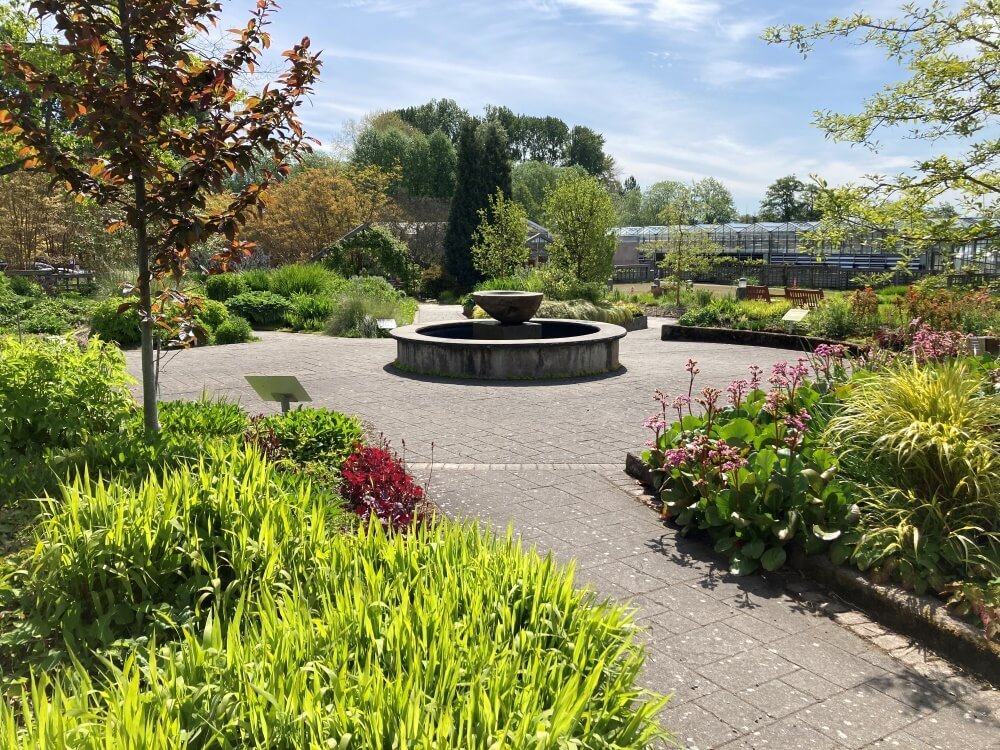
Public Gardens
Center for Urban Horticulture
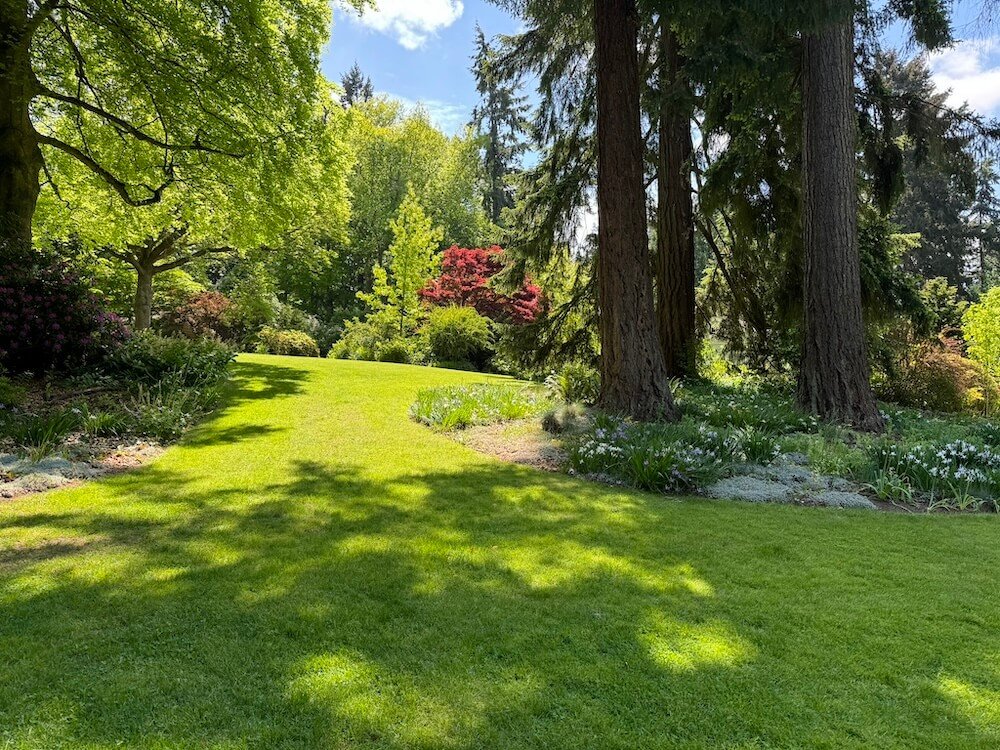
Public Gardens
Dunn Gardens
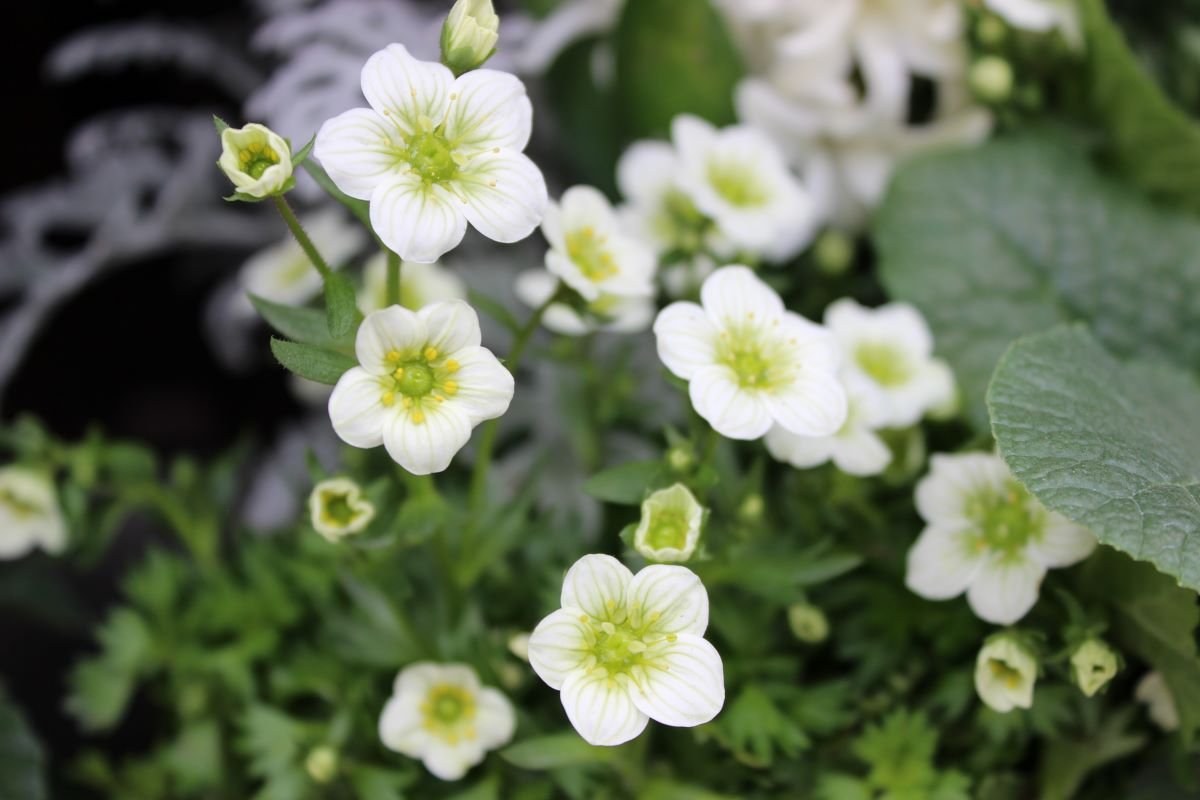
Public Gardens
Elizabeth C. Miller Botanical Garden
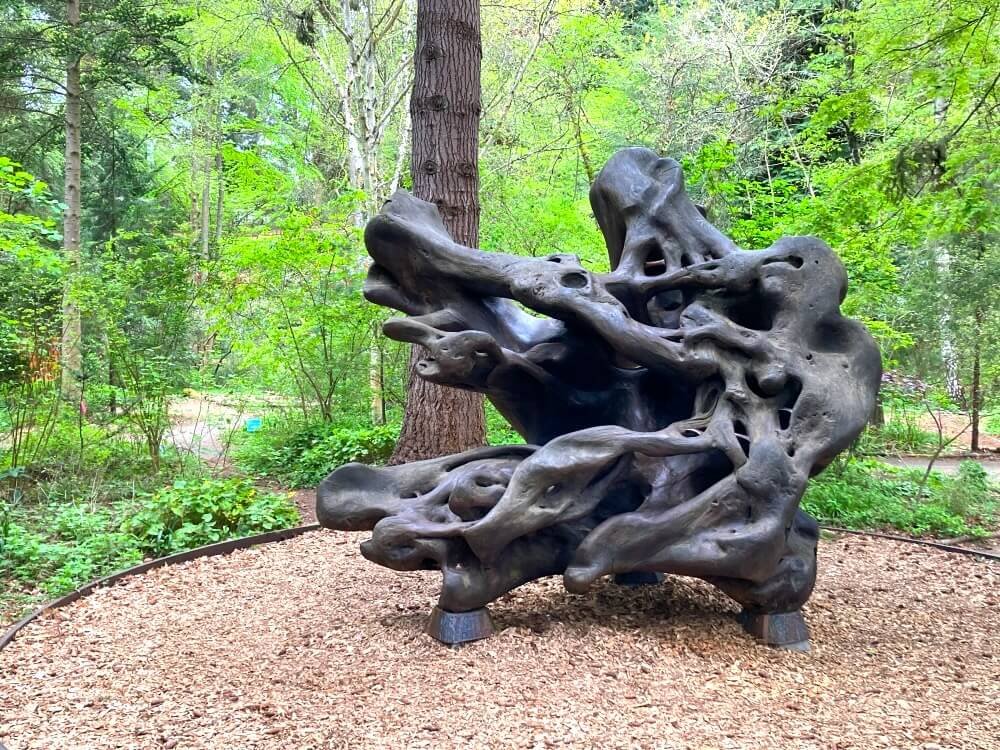
Public Gardens
Krukeberg Botanic Garden
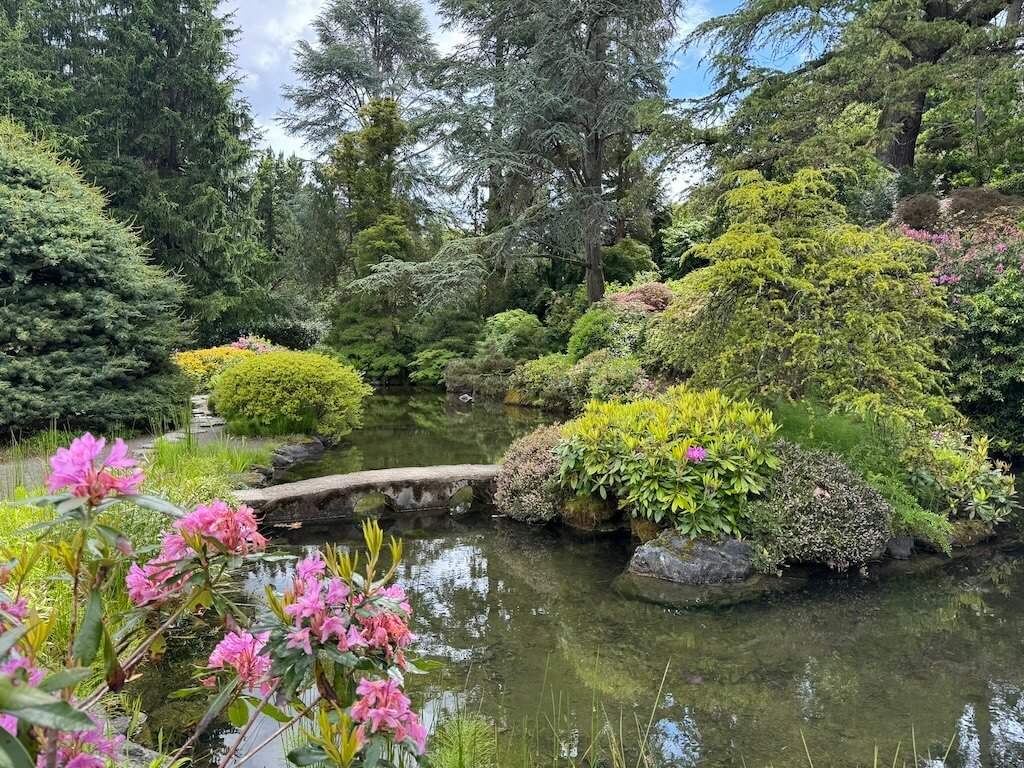
Public Gardens
Kubota Garden
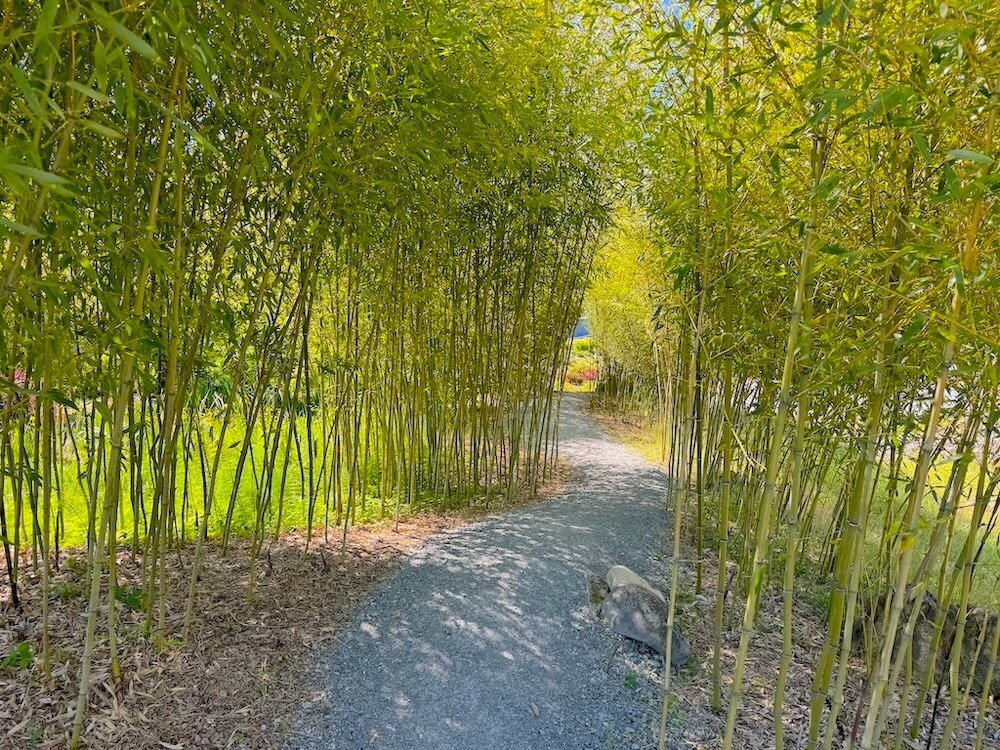
Public Gardens
Seattle Chinese Garden
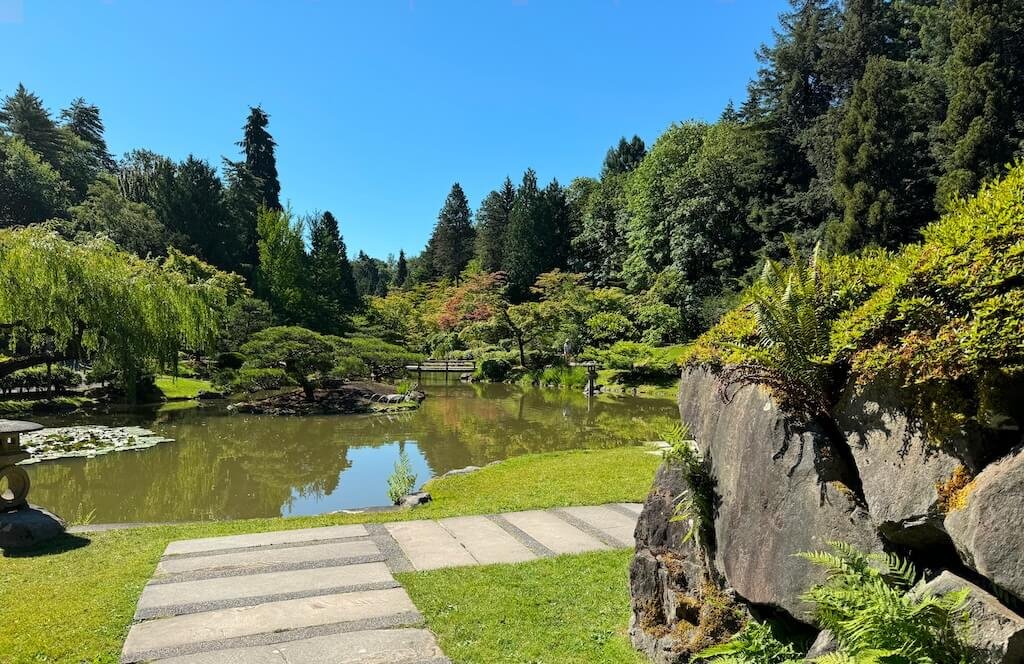
Public Gardens
Seattle Japanese Garden
Public Gardens
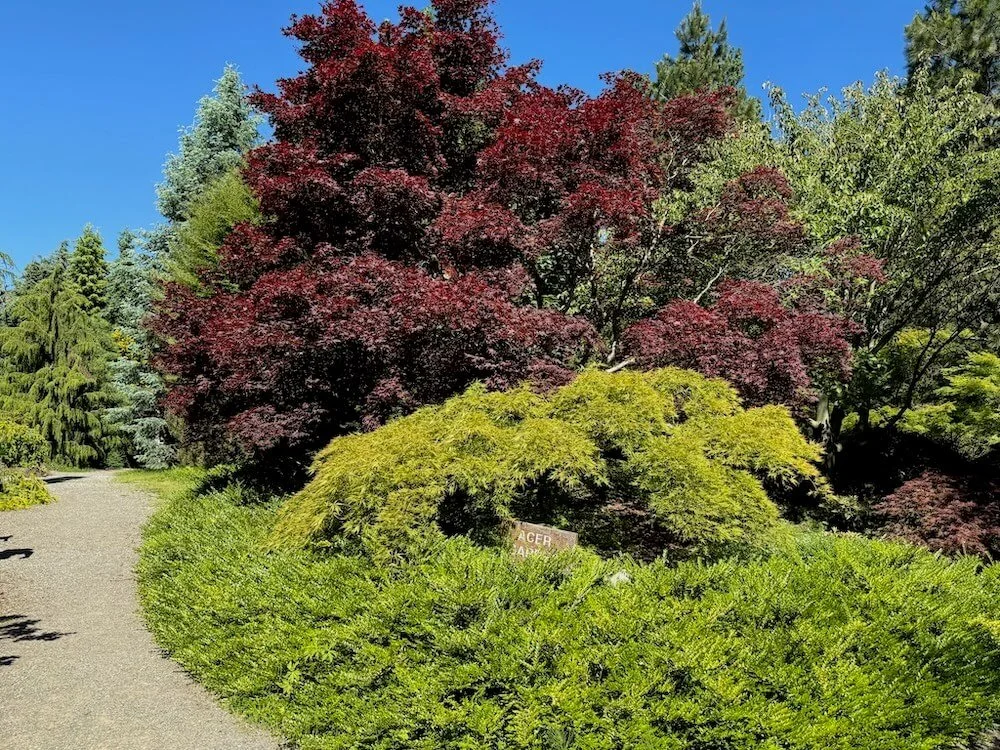
South Seattle Arboretum
Public Gardens
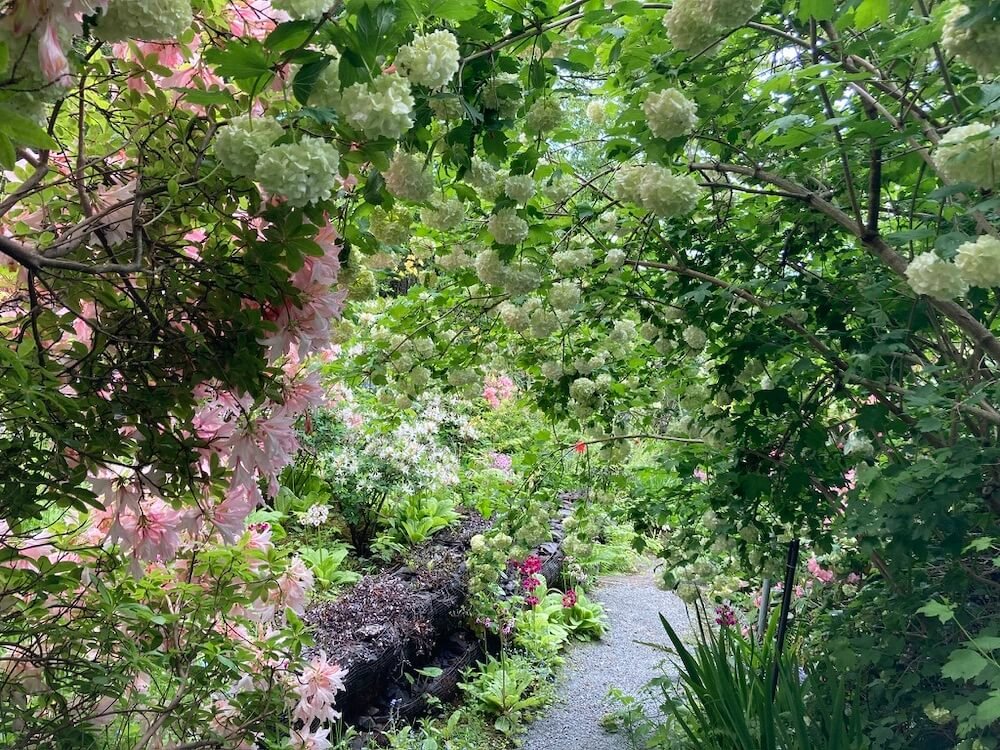
Streissguth Gardens
Public Gardens
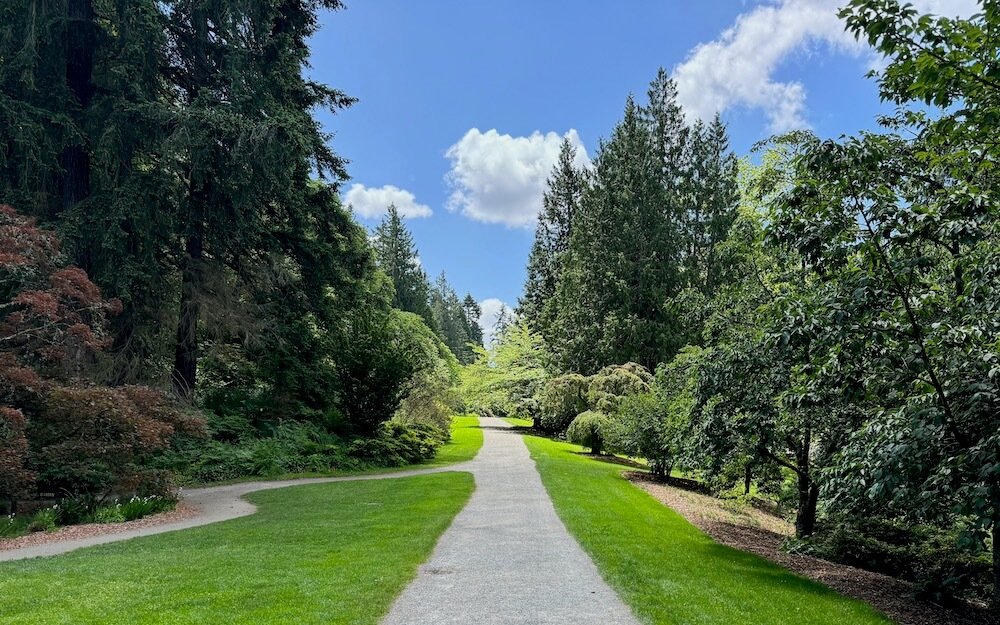
Washington Park Arboretum
Public Gardens
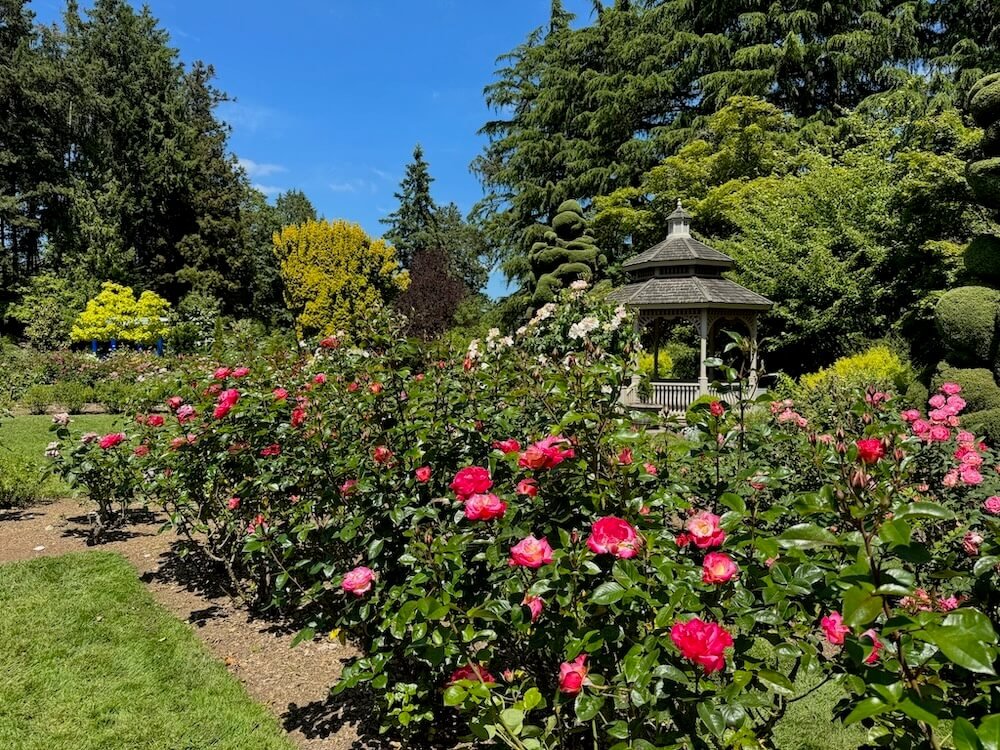
Woodland Park Rose Garden
Garden Tours
2 pages
Self-guided garden tours offer a peaceful and personal way to explore nature at your own pace. Without the constraints of a schedule or group, you’re free to linger among favorite blooms, take photos, and enjoy quiet moments of reflection. Whether discovering hidden corners or revisiting beloved plantings, each garden offers a quiet and personal experience.
Books, Tools & Sources
3 pages
Reference shelf, favorite tools and where to buy.