Deer Resistant Perennials
Deer resistant perennials help reduce browsing damage while bringing dependable color, texture, and seasonal interest to the landscape. Many feature aromatic foliage, fuzzy leaves, or strong fragrance that make them less appealing to deer, while still providing flowers and foliage that contribute to the overall garden design. These plants help maintain fuller garden beds and more consistent displays throughout the season, allowing gardeners to spend less time replacing damaged plants and more time enjoying the landscape as it grows and matures.
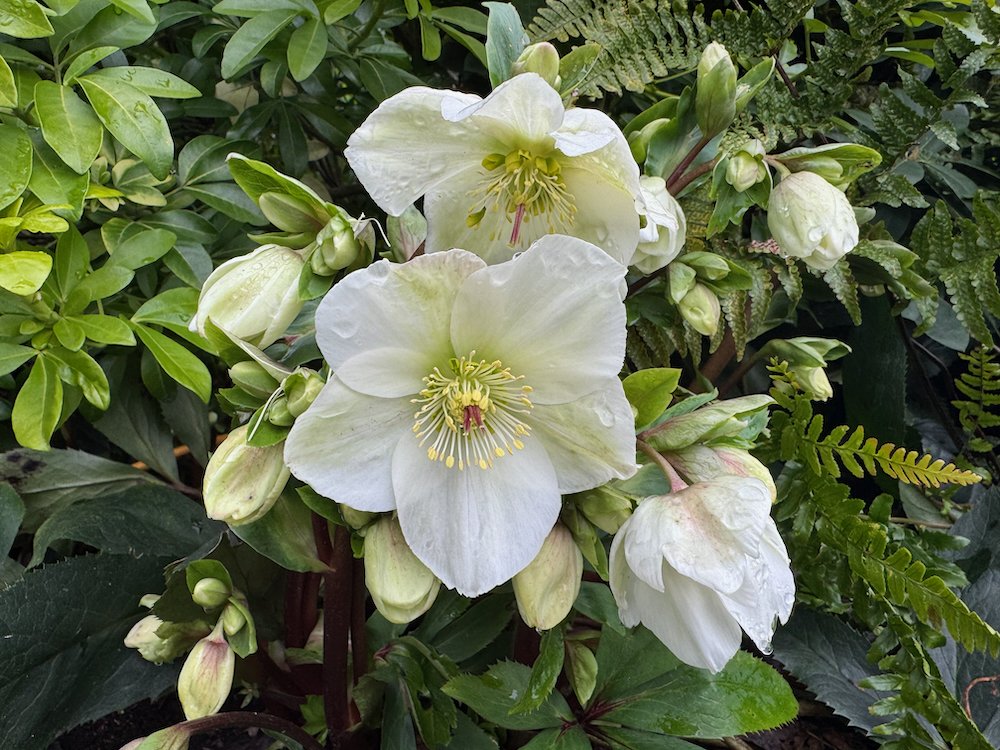
Helleborus niger HGC ‘Jacob’
Evergreen perennial with deep green leathery foliage and outward facing pure white blooms. Grows 8 to 12 inches tall. Ideal for borders, containers, and woodland garden plantings. Zones: 4 to 9.
Considerations for Deer Resistant Plants
Deer Pressure Level: Assess how frequently deer visit and how heavily they browse in your area, as this influences how resistant a perennial truly needs to be. In areas with consistent deer activity, even plants considered resistant may experience occasional damage.
Plant Palatability: Focus on perennials with characteristics deer tend to avoid, such as aromatic foliage, fuzzy or rough-textured leaves, milky sap, or strong fragrances. Resistance is not absolute, and deer may browse plants when food sources are limited.
Aesthetic Preferences: Deer-resistant perennials often feature distinctive foliage textures, silver or gray leaves, or fragrant foliage in addition to flowers. Consider how foliage, bloom color, and flowering season fit your overall garden design.
Maintenance Requirements: Monitor for browsing damage and be prepared to protect young plants as they establish. Some perennials recover quickly after light feeding, while others may require trimming or seasonal cleanup to restore their appearance.
Supplemental Protection: Even resistant perennials may benefit from temporary fencing, repellents, or netting during establishment or periods of heavy deer pressure. Additional protection can help reduce damage and improve long-term success.
Water & Fertility Management: Avoid overfertilizing, as lush, soft growth is often more appealing to deer. Moderate watering and fertilization help encourage sturdier growth that is generally less attractive to browsing.
Local Observations: Pay attention to which perennials deer avoid or repeatedly browse in nearby gardens, as preferences vary by region and season. Local experience often provides the most useful guidance when selecting plants.
Seasonal Vulnerability: Consider when perennials are most susceptible to browsing, particularly during spring emergence when fresh shoots appear. Newly planted perennials and tender growth often attract more attention than mature plants.
Plant Selection Strategy: Use a variety of highly resistant perennials rather than relying on a single plant type. Combining plants with different bloom times and growth habits can create a more resilient planting overall.
Site Placement: Position more vulnerable perennials closer to patios, walkways, or frequently used areas, and place highly resistant selections along outer edges. Deer are generally more cautious near spaces with regular human activity.
Our Picks
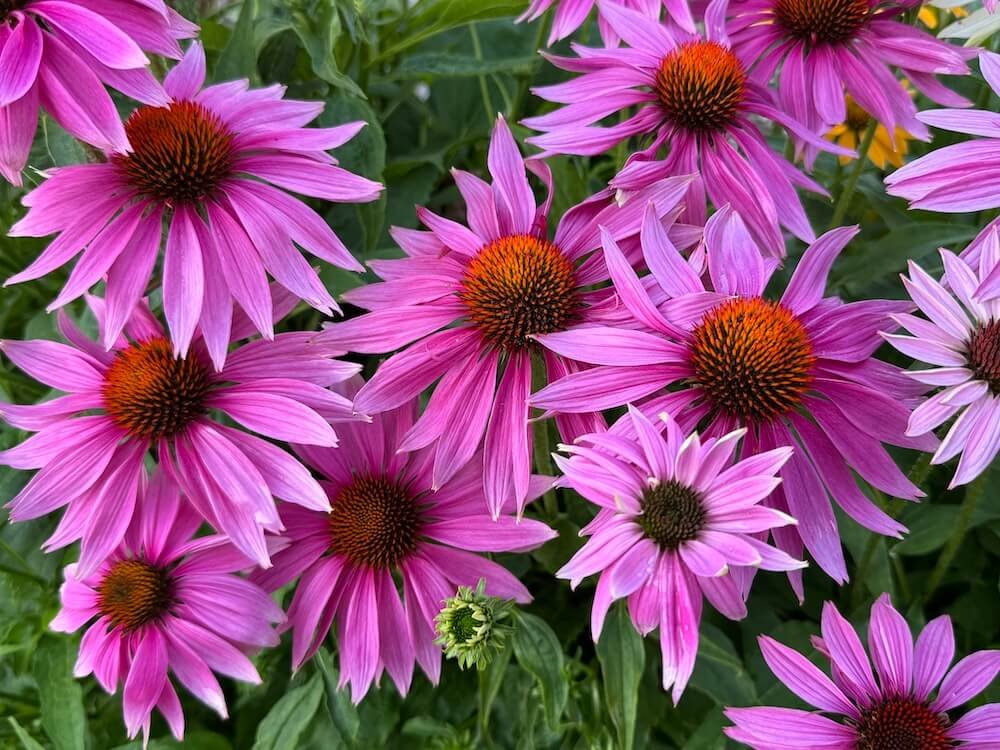
CONEFLOWER (Echinacea)
Purple Coneflower
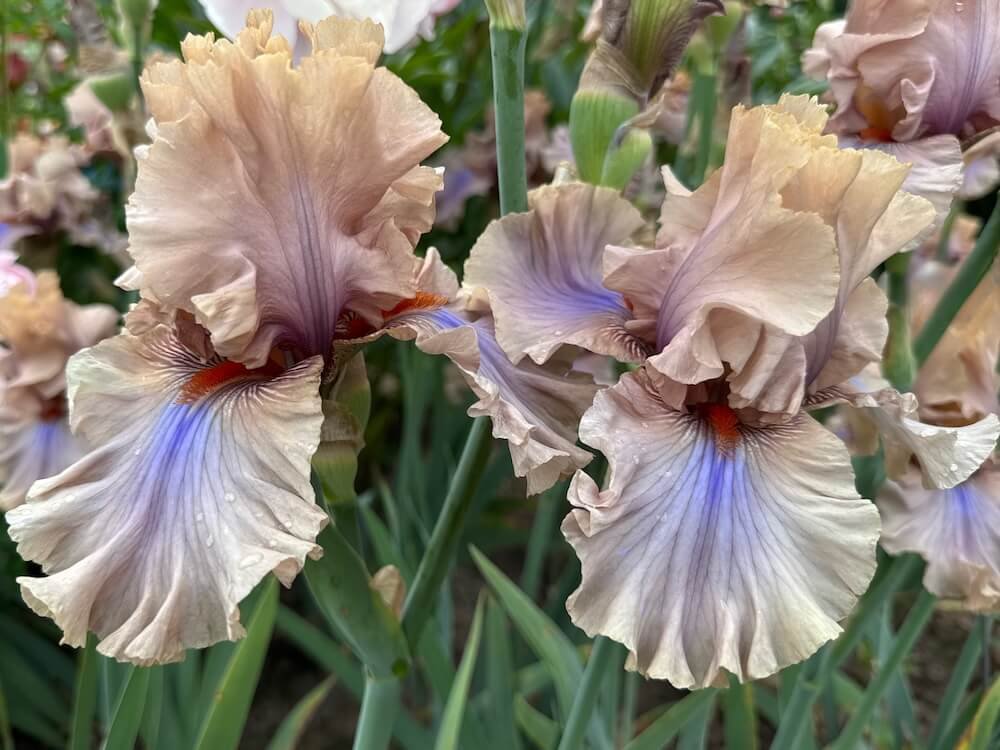
IRIS
Coffee Trader Iris
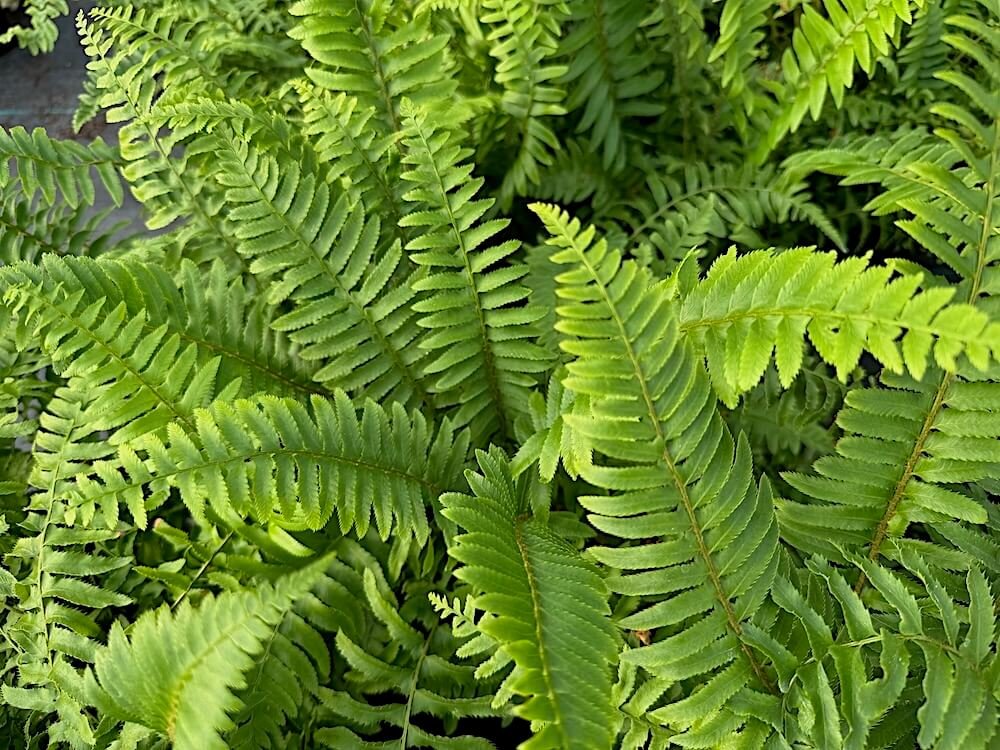
FERN
Western Sword Fern
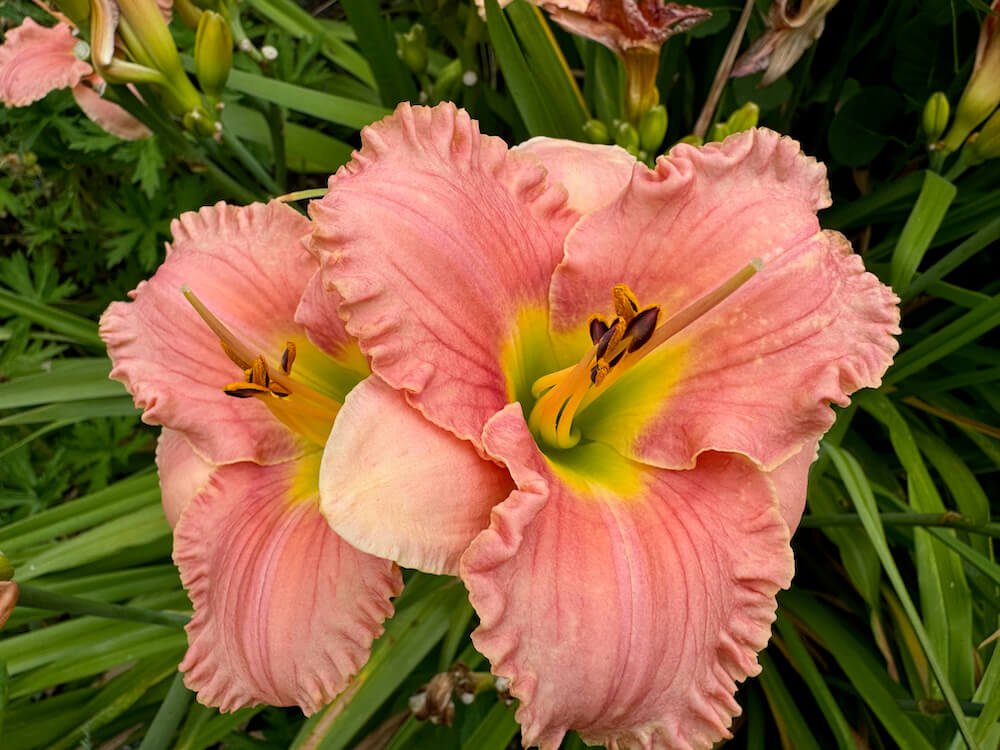
DAYLILY (Hemerocallis)
Elegant Candy Daylily
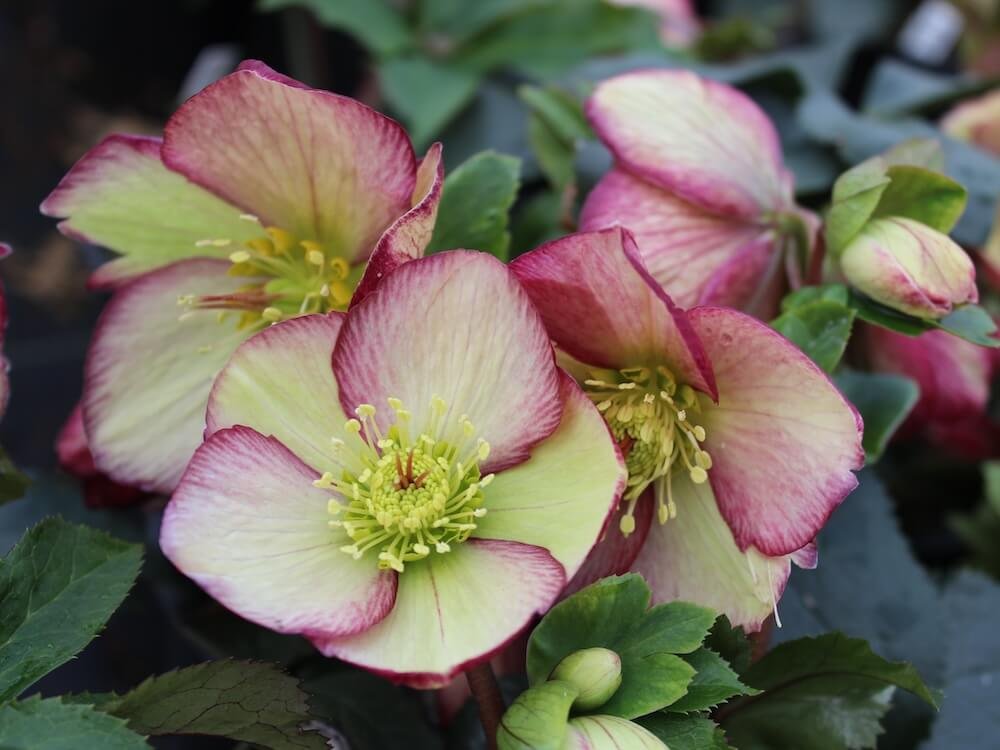
LENTEN ROSE (Helleborus)
Ice N' Roses Purple Sunrise Lenten Rose
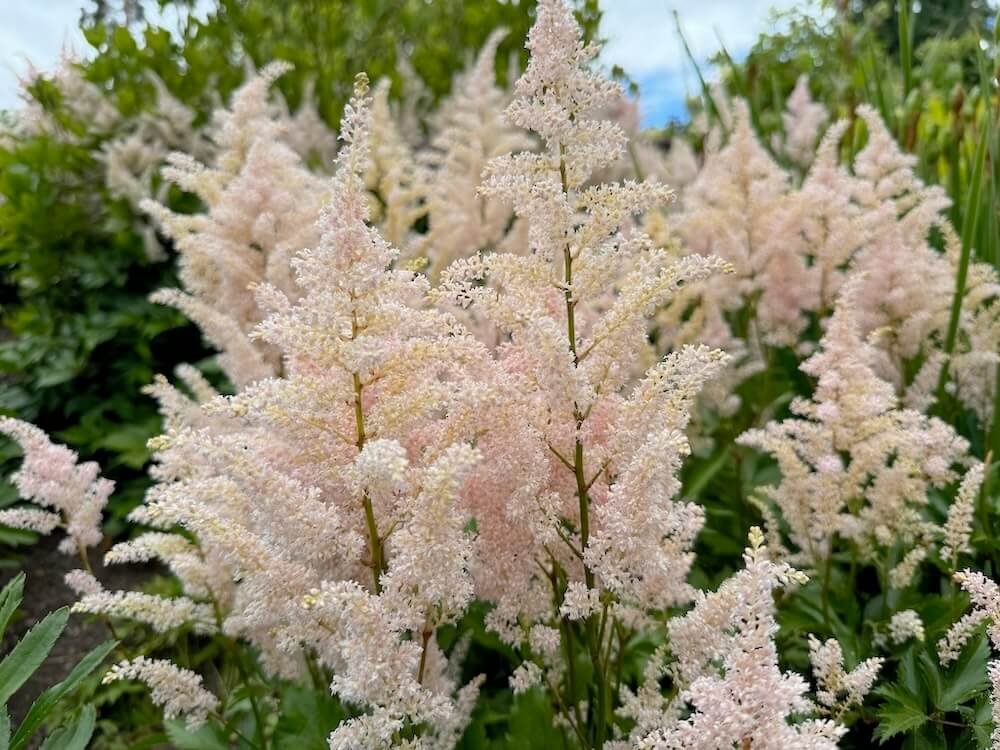
ASTILBE
Peach Blossom Astilbe
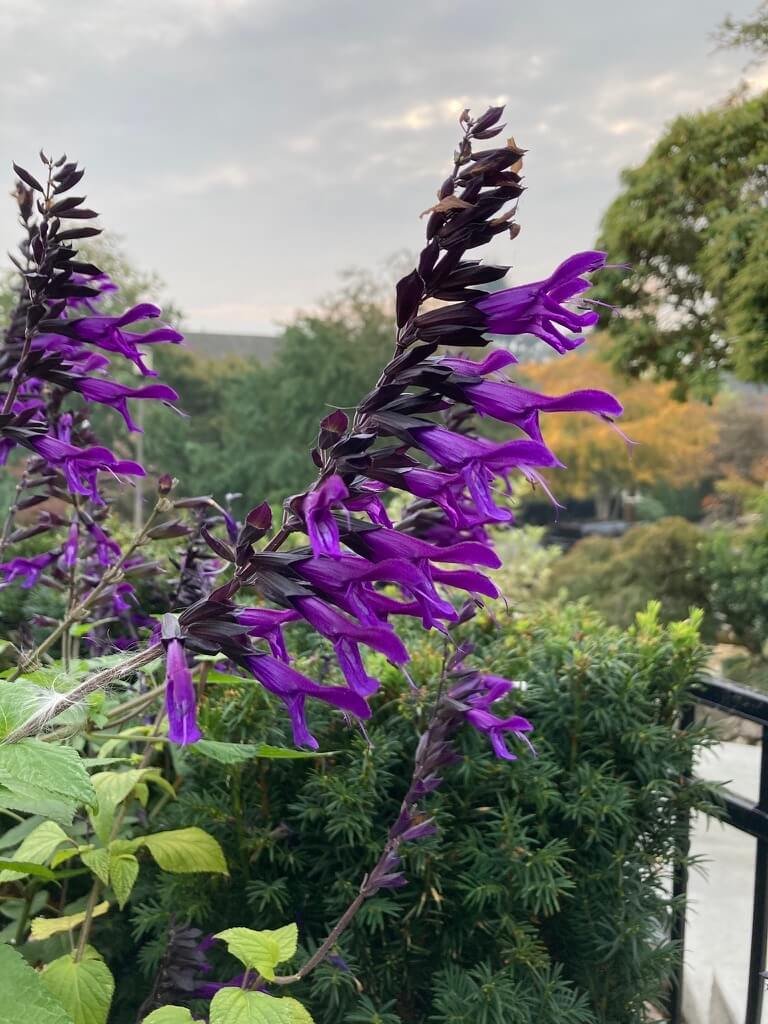
SAGE (Salvia)
Amistad Sage
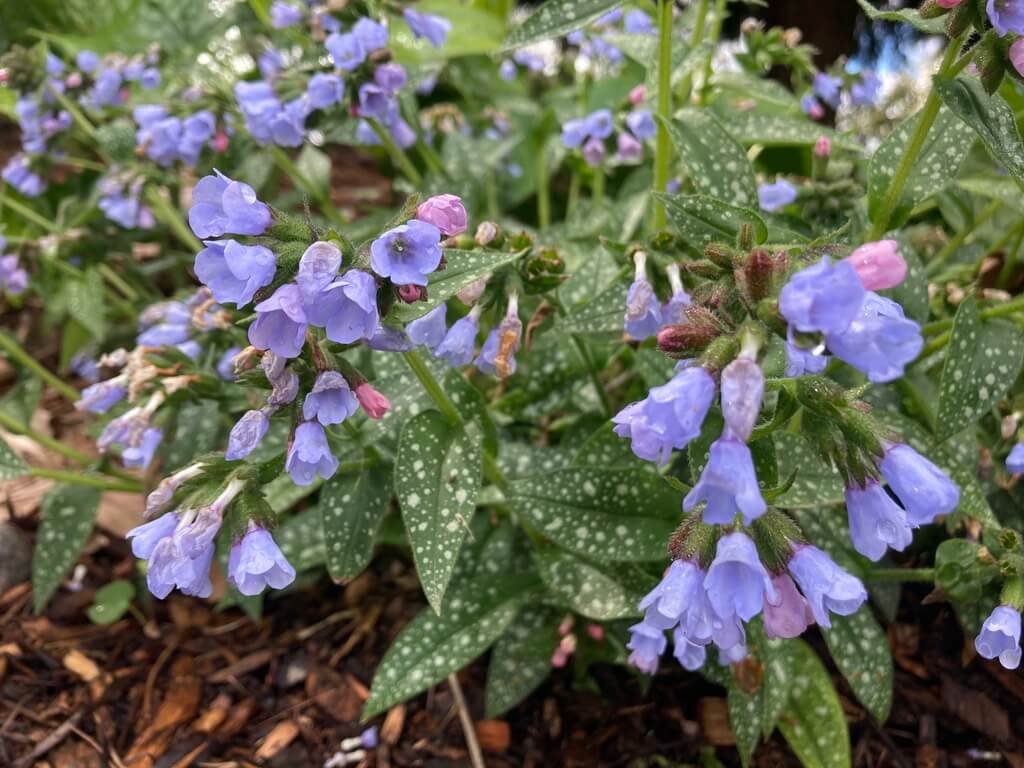
LUNGWORT (Pulmonaria)
Twinkle Toes Lungwort
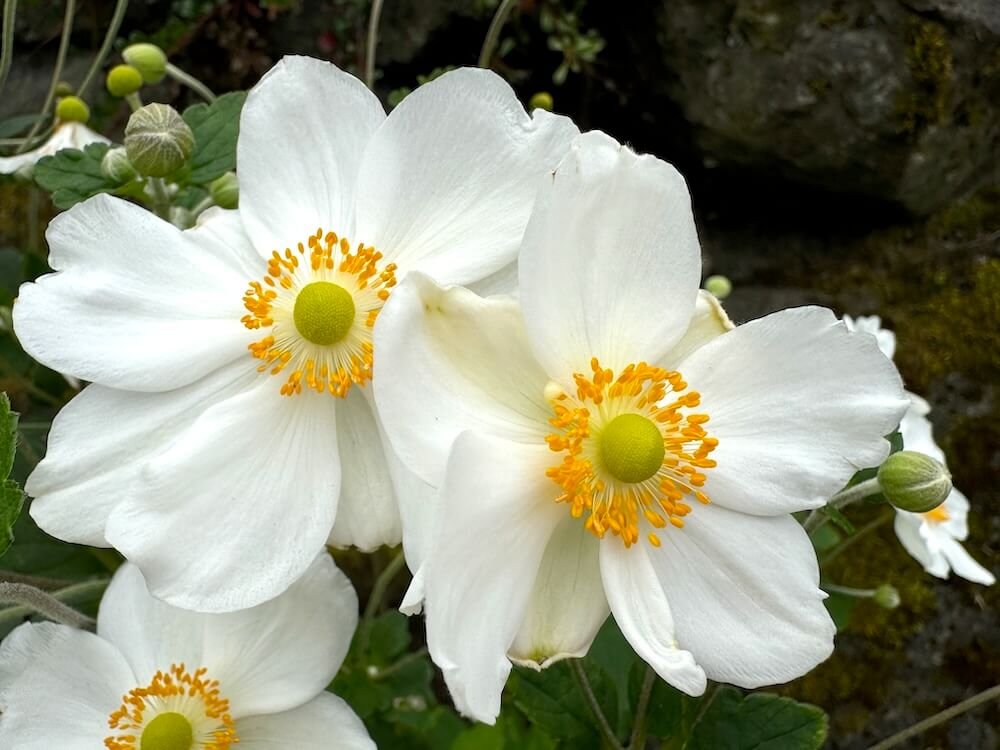
WINDFLOWER (Anenome)
Honorine Jobert Windflower
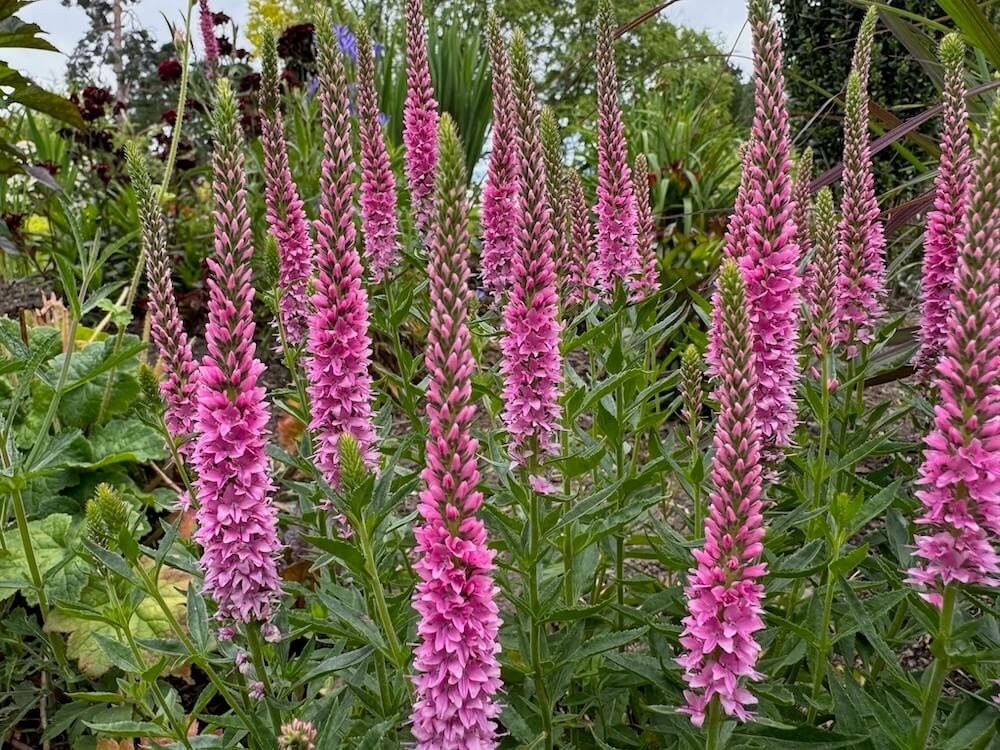
SPEEDWELL (Veronica)
Perfectly Picasso Speedwell
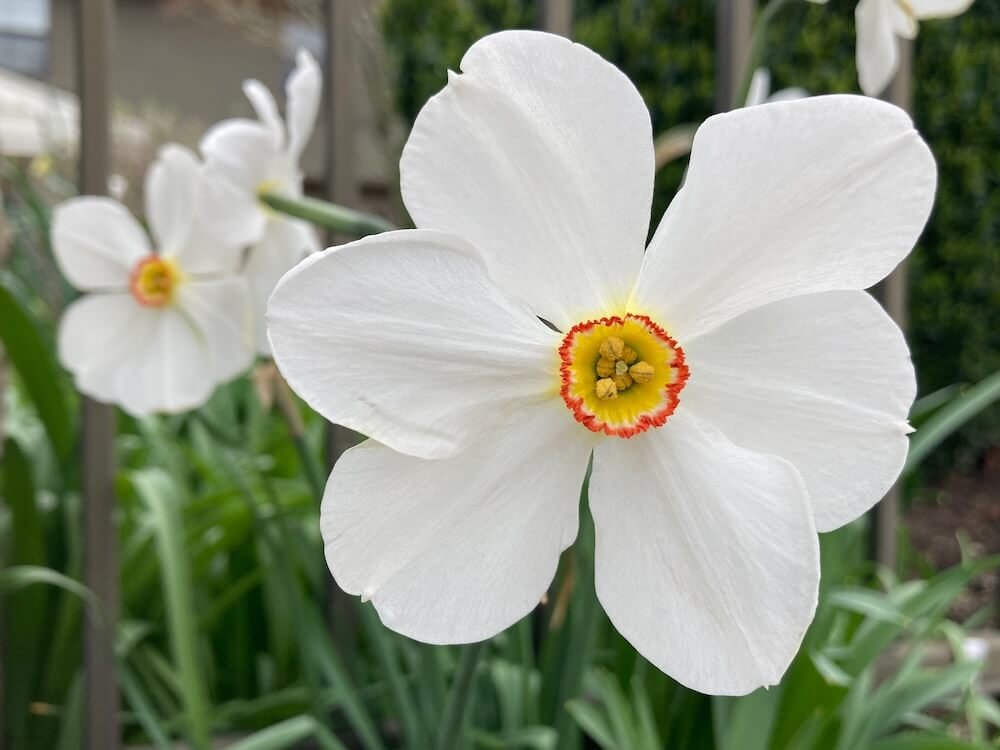
DAFFODIL (Narcissus)
Poet's Daffodil
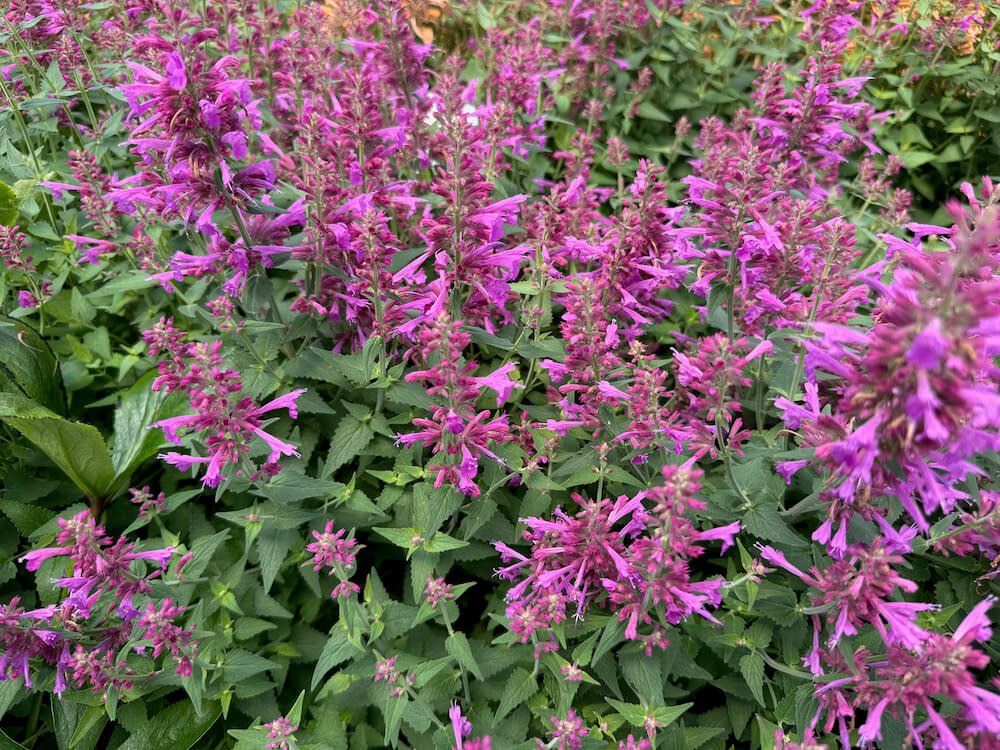
HYSSOP (Agastache)
Summerlong Magenta Mexican Giant Hyssop
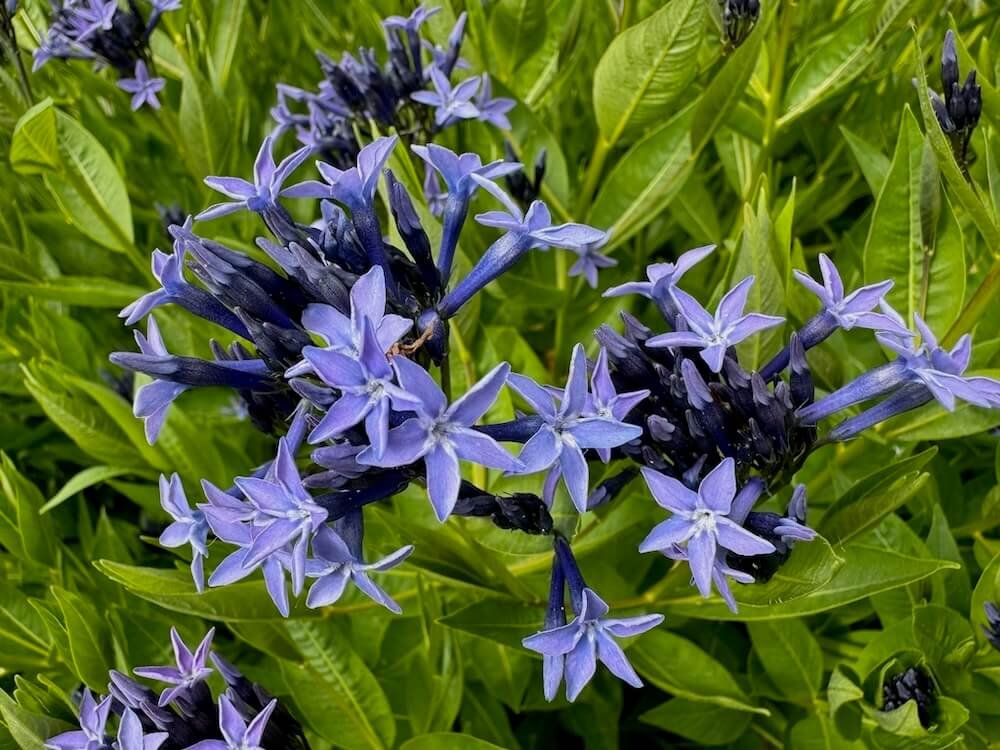
BLUESTAR (Amsonia)
Blue Ice Bluestar
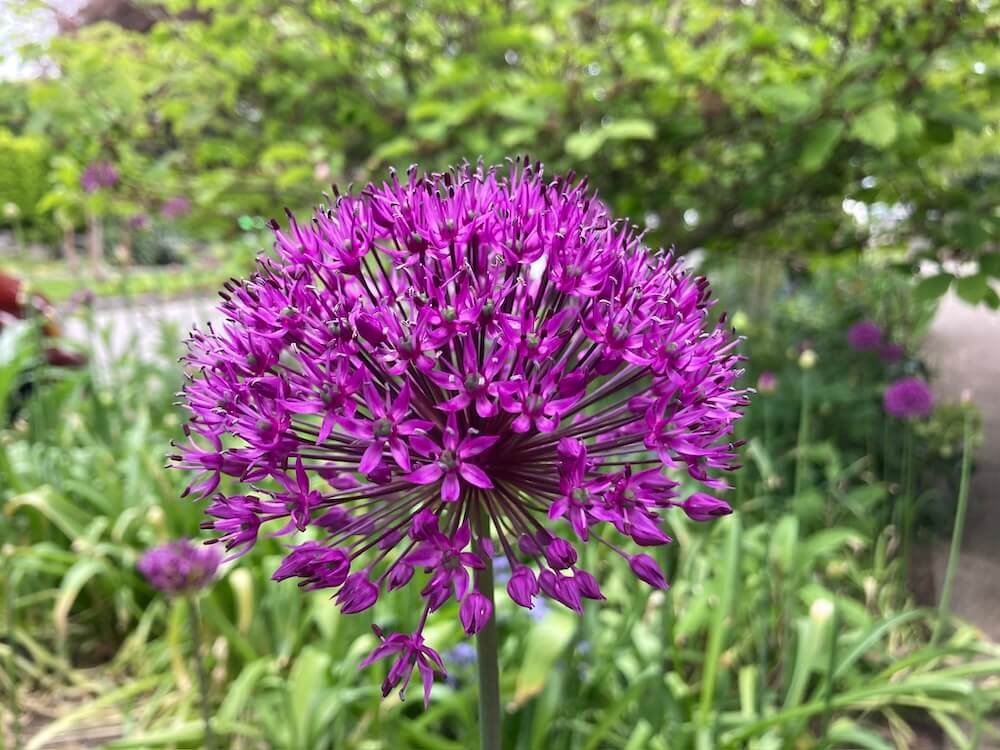
ALLIUM
Purple Sensation Ornamental Onion
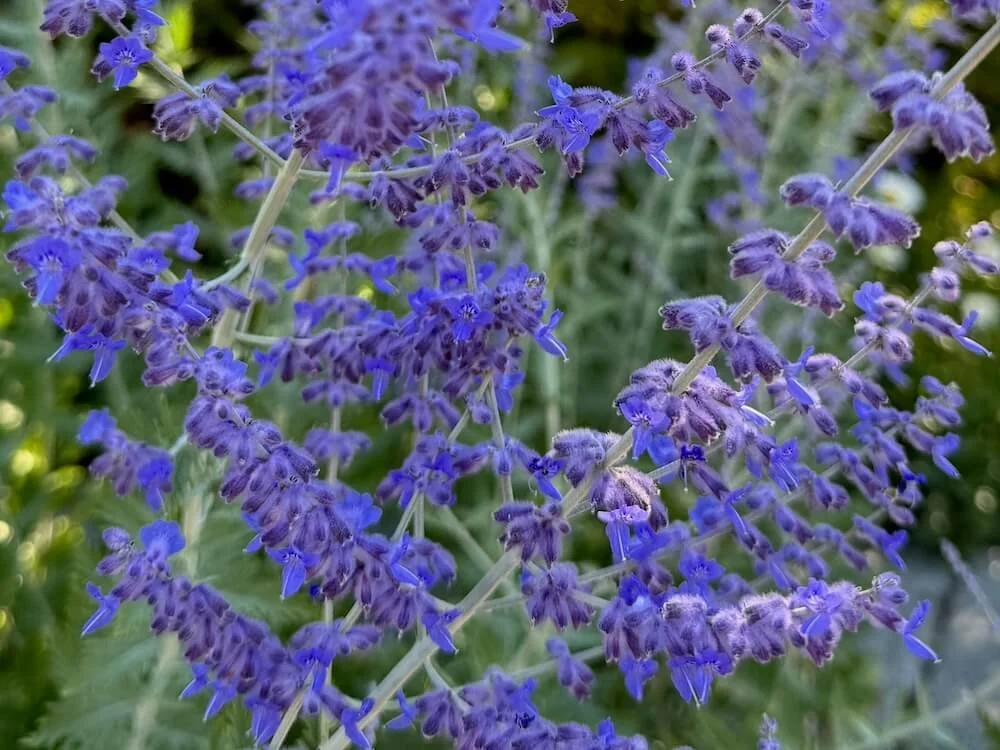
RUSSIAN SAGE (Perovskia)
Russian Sage
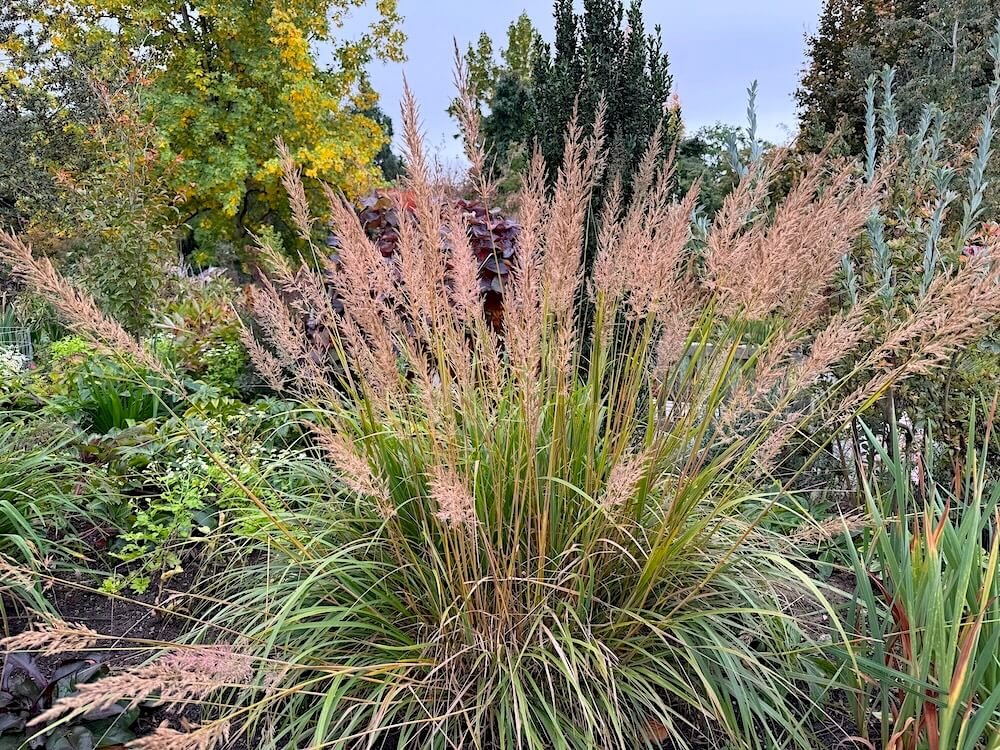
FEATHER REED GRASS (Calamagrostis)
Korean Feather Reed Grass
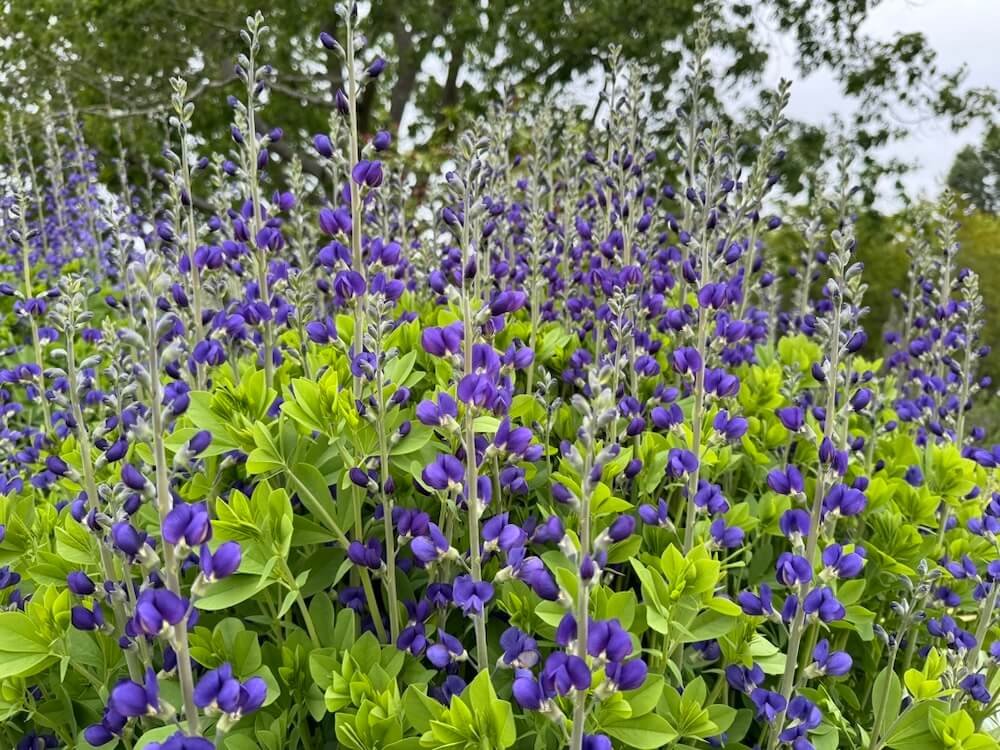
FALSE INDIGO (Baptisia)
Blue False Indigo
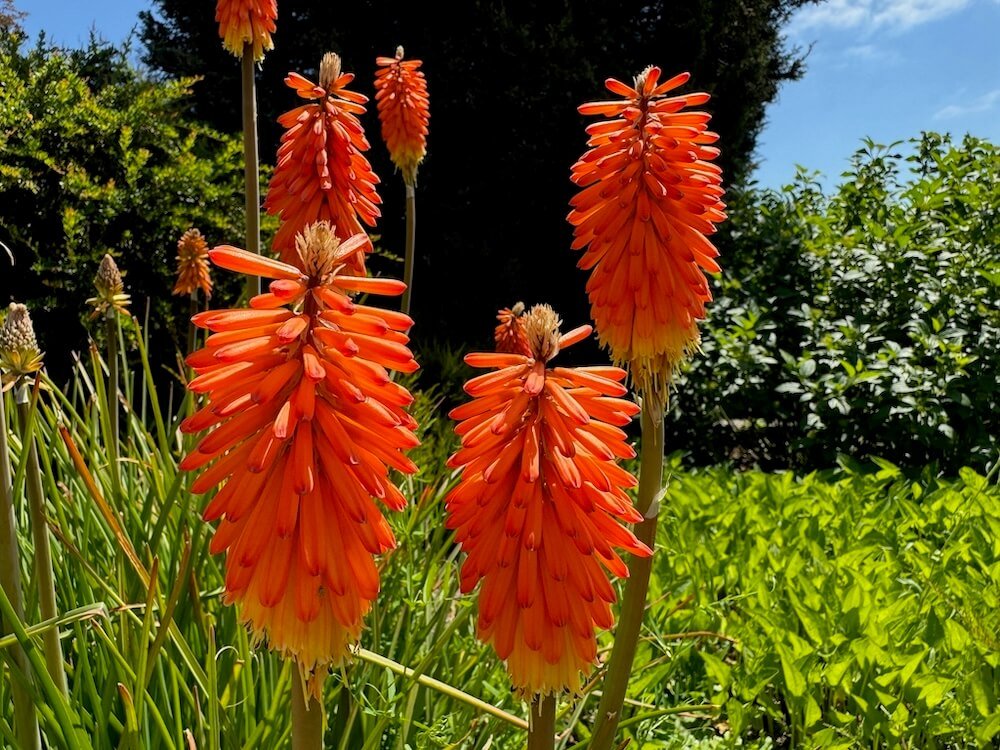
RED HOT POKER (Kniphofia)
Fire Glow Red Hot Poker
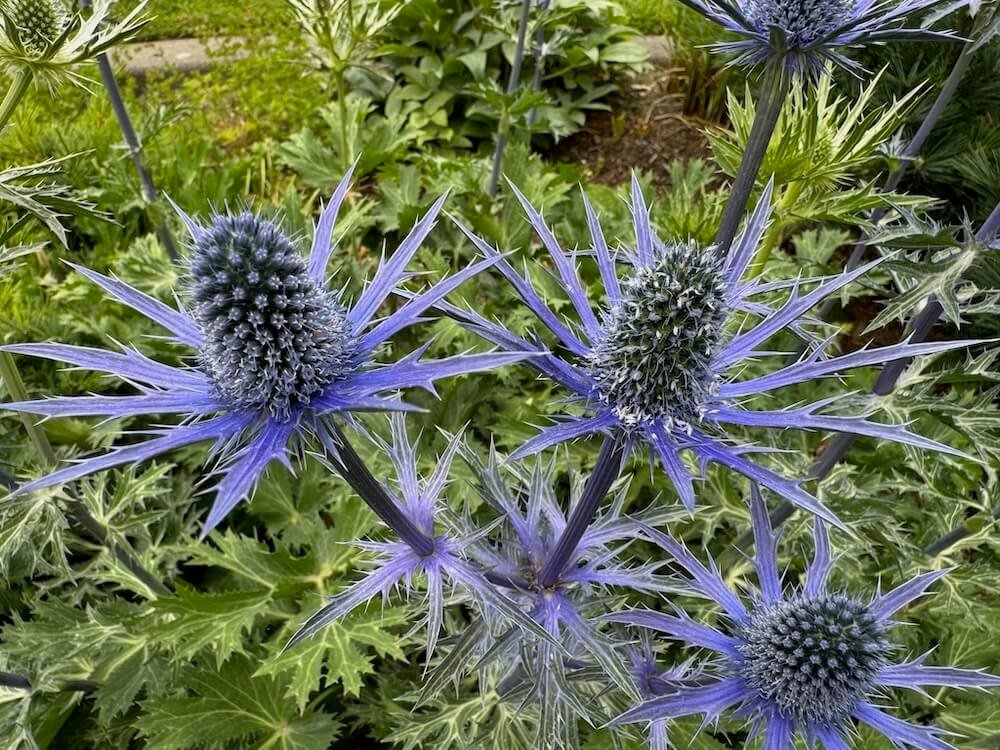
SEA HOLLY (Eryngium)
Big Blue Sea Holly
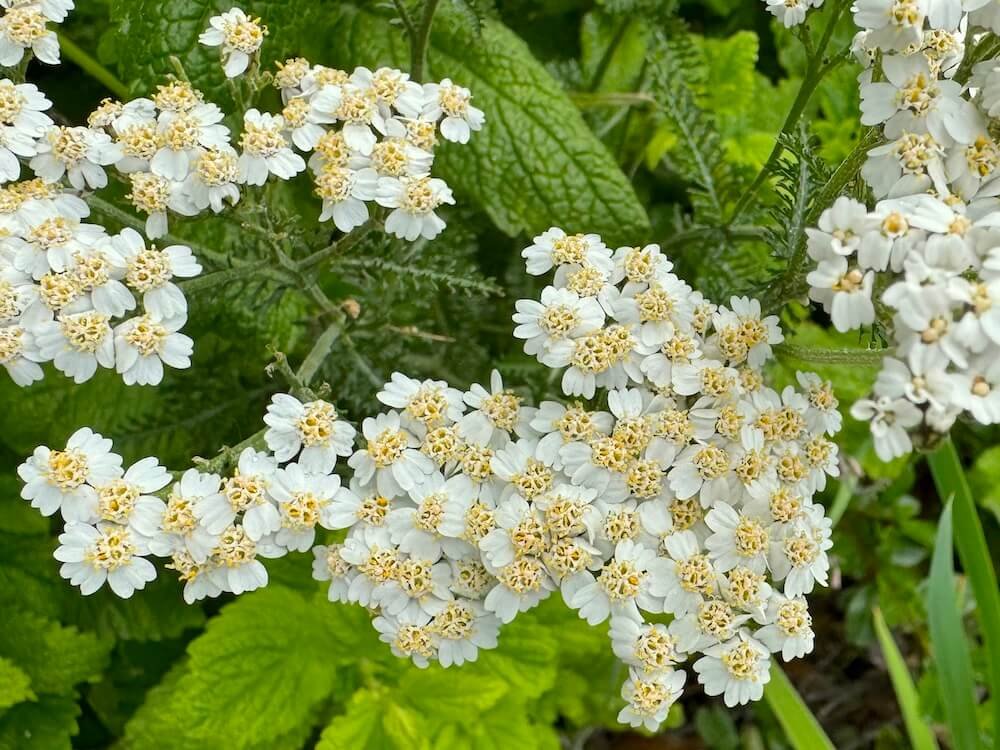
YARROW (Achillea)
Common Yarrow