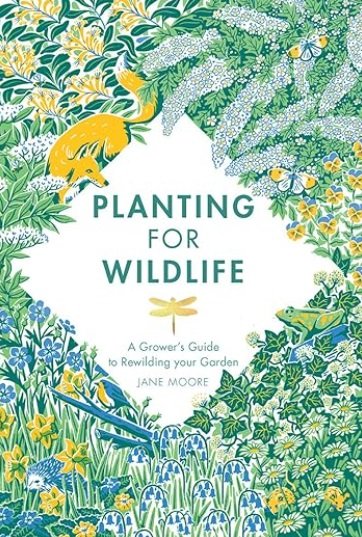
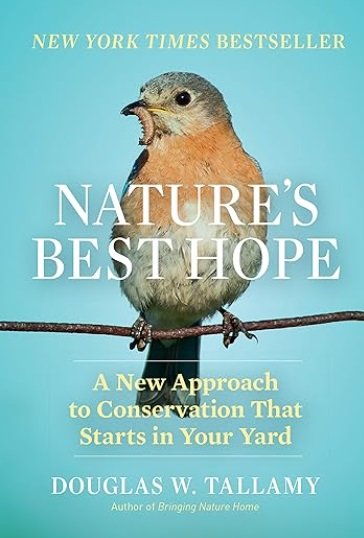
Supporting Birds Beyond Plants
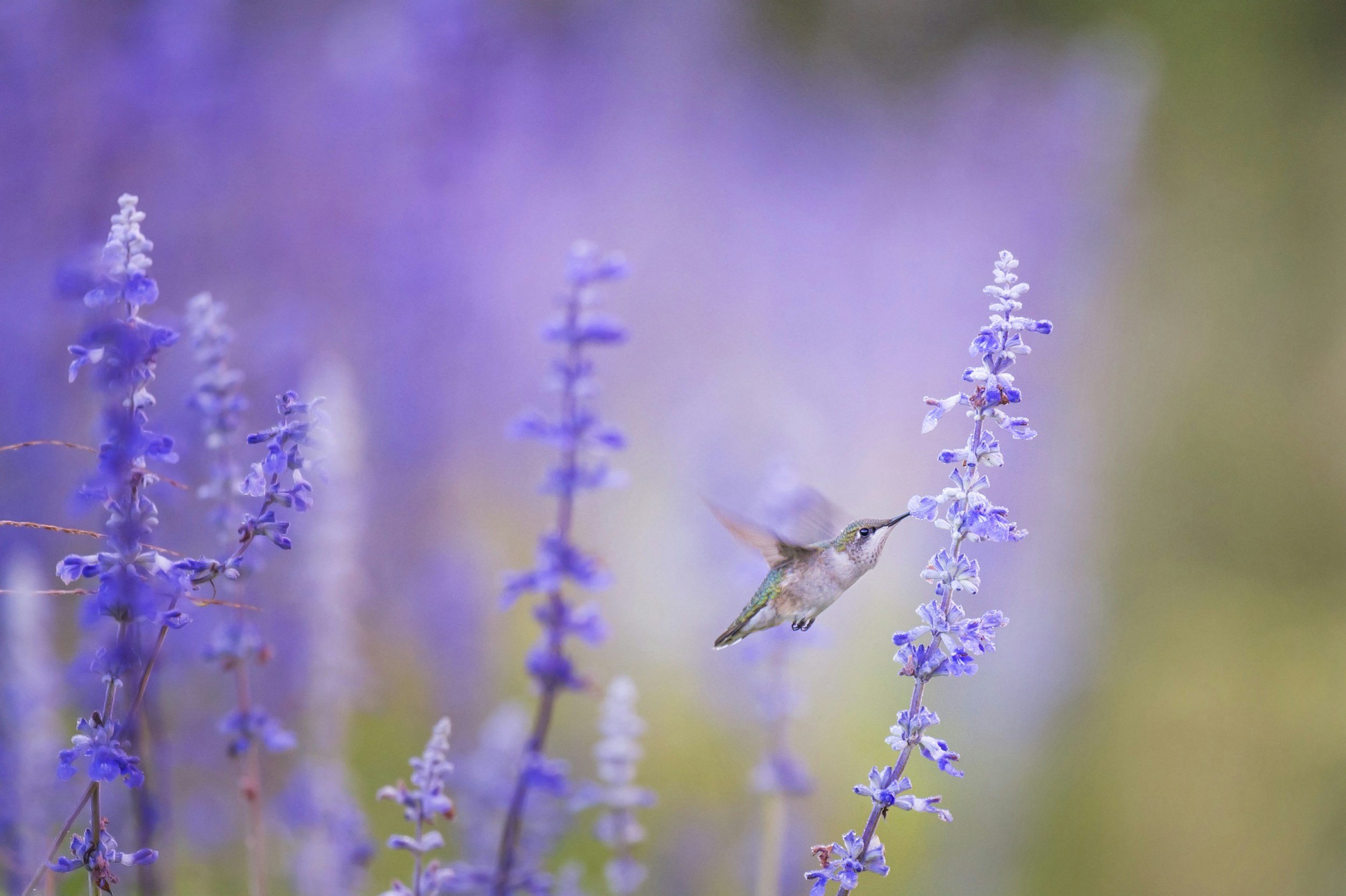
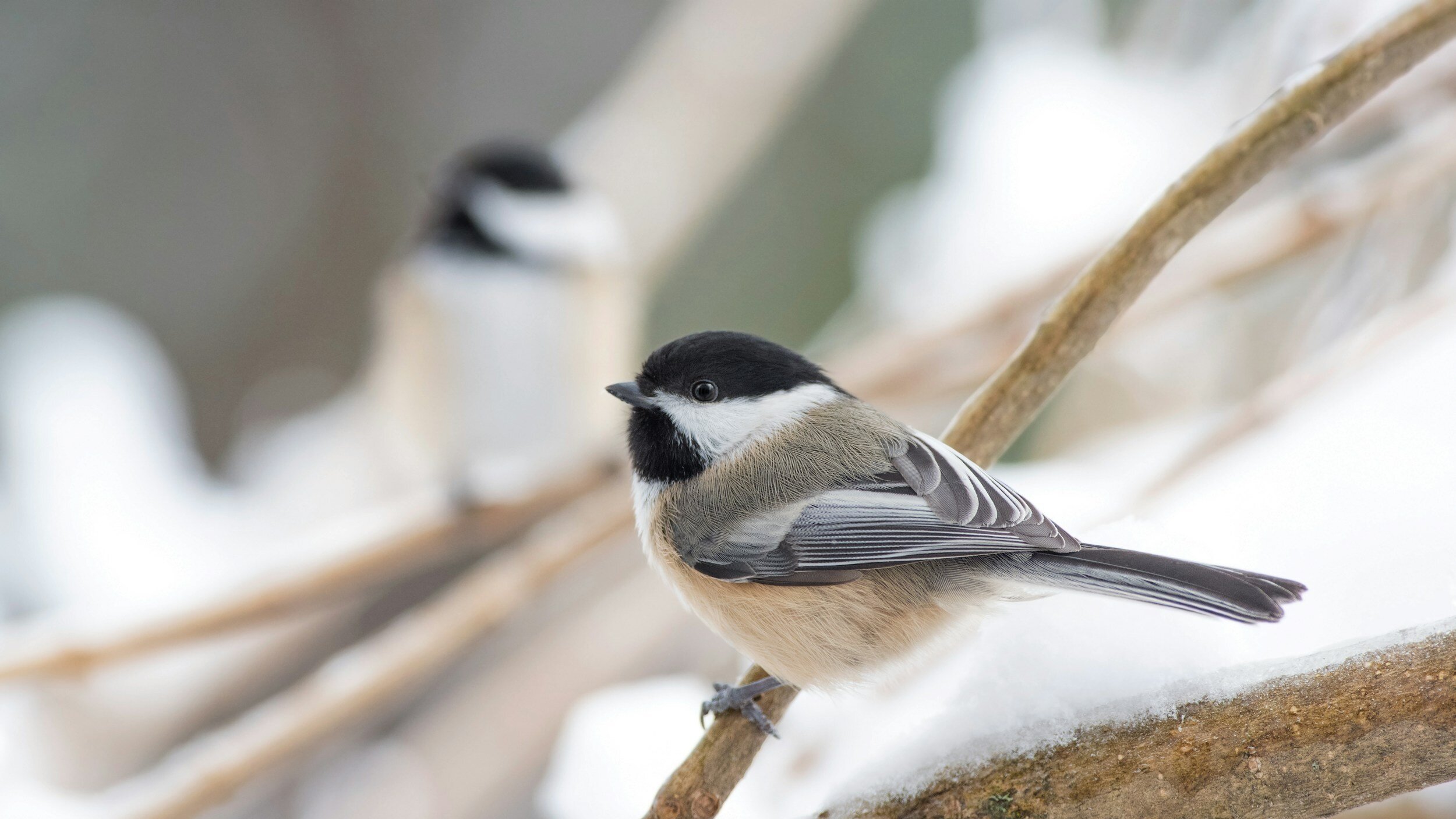
The bird population in the Northern Hemisphere has declined by almost 30% in the last 50 years, so they could use our help. While wildlife-friendly plants are an important part of the solution, gardens can provide additional support through features such as fresh water, bird feeders, sheltered nesting areas, and natural cover where birds can rest and seek protection. Together, these elements help create a more welcoming habitat, particularly during winter and other periods when natural resources may be limited. Combining food, water, shelter, and appropriate plantings can attract a wider variety of birds while helping them meet their daily needs throughout the year.
WILDLIFE SUPPORT IDEAS
Lending a hand to wildlife can be simple and rewarding. A garden that offers food, fresh water, and safe cover becomes a year-round refuge for songbirds, pollinators, and the small creatures that keep a landscape in balance.
Start with the plants themselves: native trees, shrubs, and perennials supply the berries, seeds, nectar, and insects that local species evolved to rely on. Layering tall canopy, mid-height shrubs, and low groundcover gives birds places to perch, nest, and hide from predators.
From there, small additions make a big difference. A shallow basin of clean water, a brush pile left in a quiet corner, a patch of bare ground for native bees, and seed heads left standing through winter all extend the season of shelter and food.
Just as important is what you leave out. Skipping pesticides, delaying the fall cleanup, and keeping some leaf litter in place protect the insects and overwintering larvae that feed nesting birds in spring.
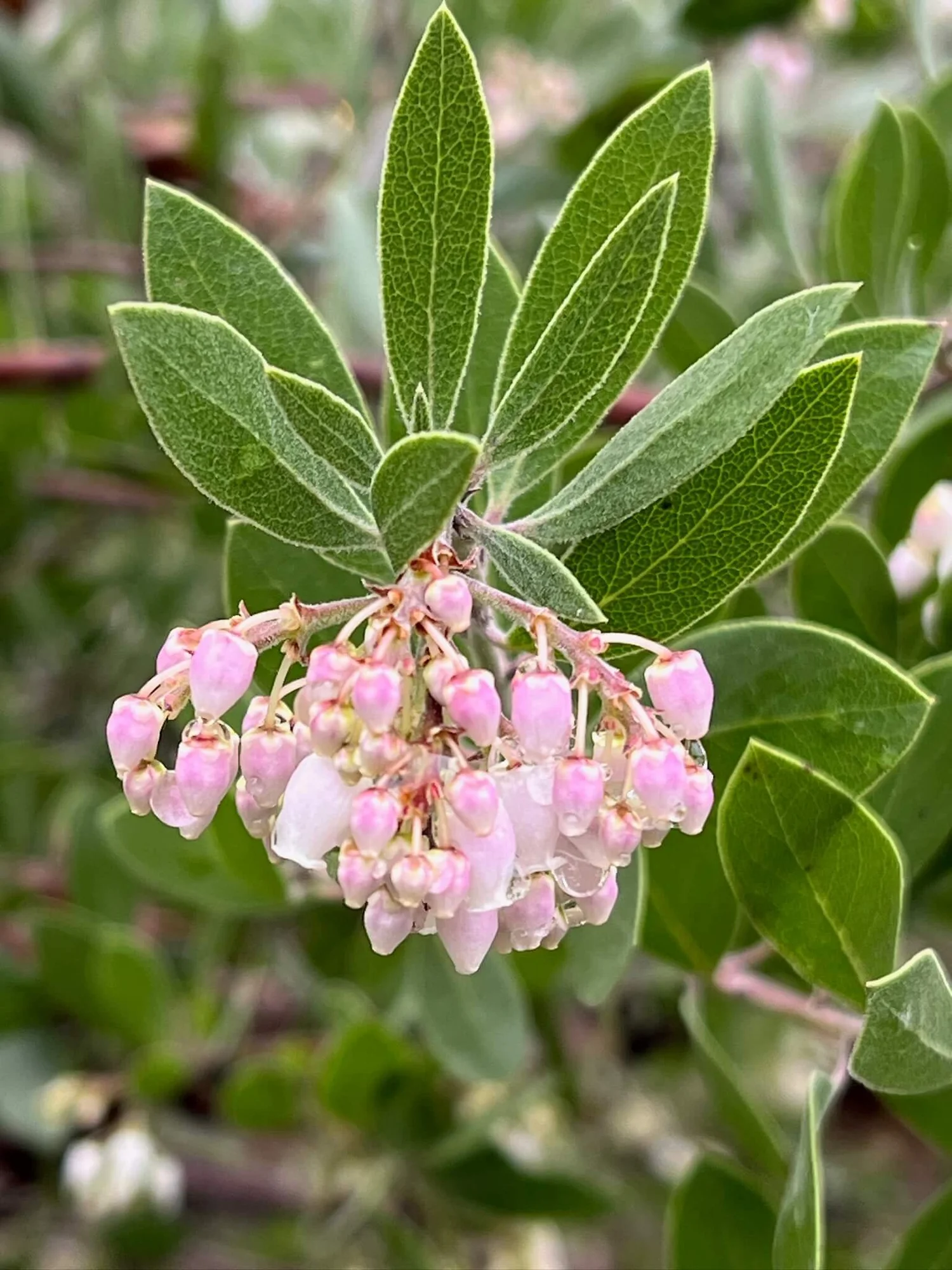
PLANT NATIVE TREES & SHRUBS
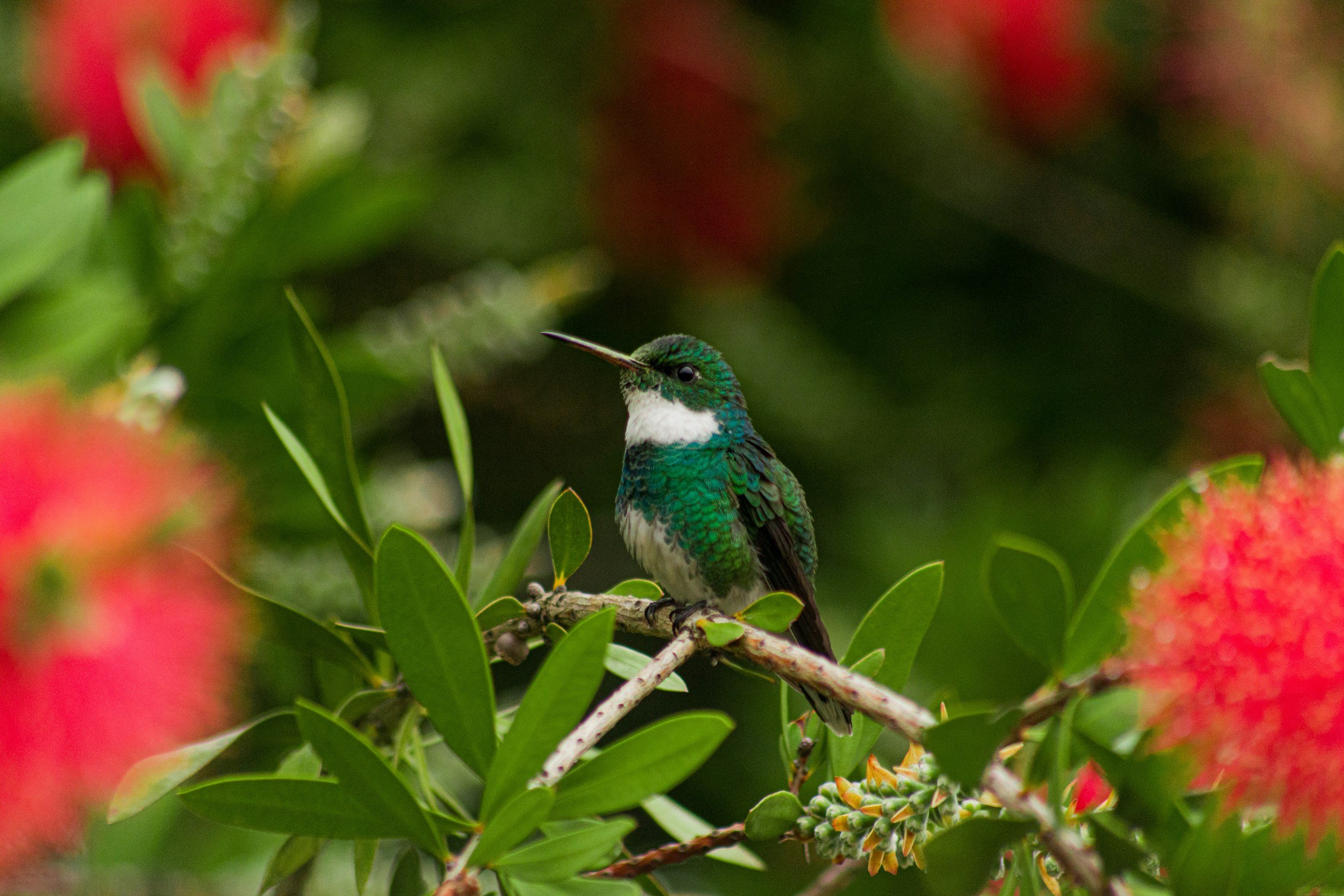
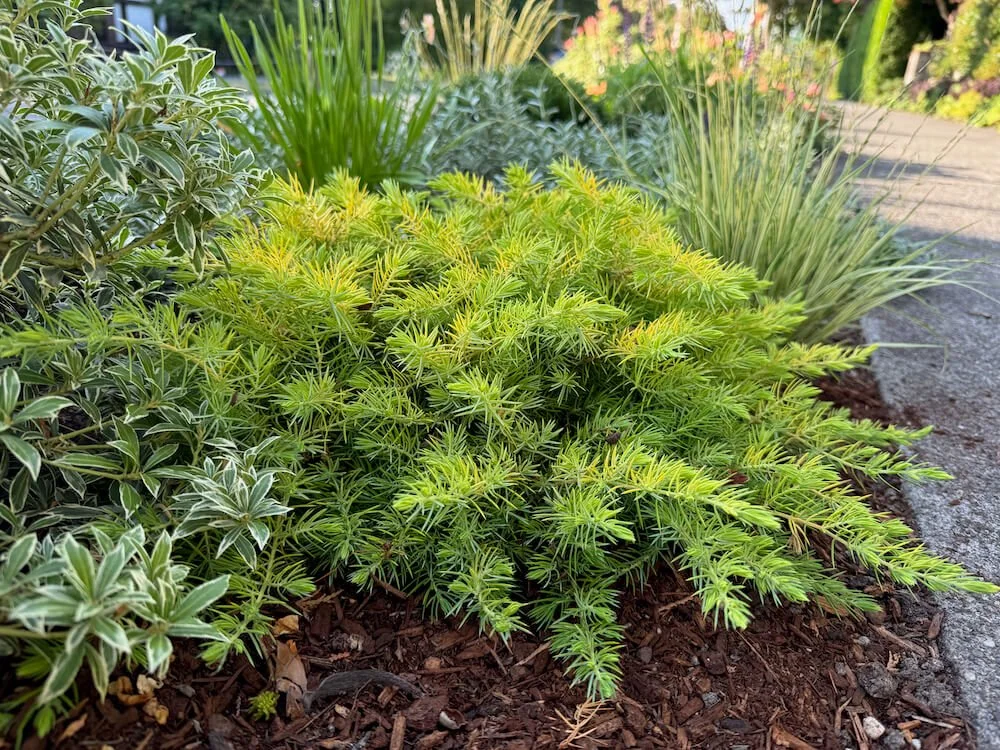
Choose native plants that provide food and shelter for local wildlife. Evergreen varieties are particularly beneficial as they offer year-round cover.
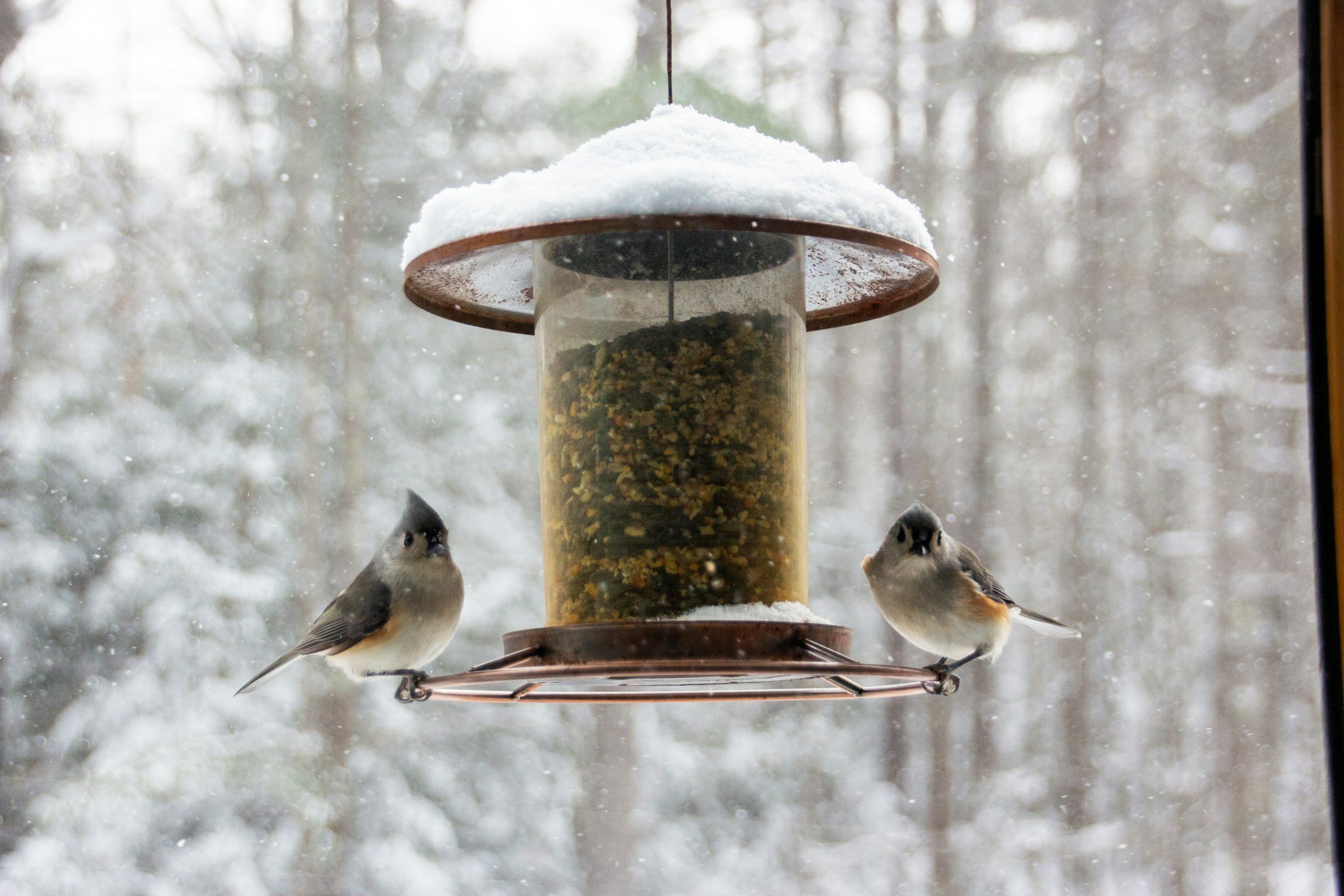
PROVIDE BIRD FEEDERS
Set up bird feeders with a variety of seeds, suet, and nuts to attract and feed birds. Clean the feeders regularly to prevent the spread of diseases. See sources below.
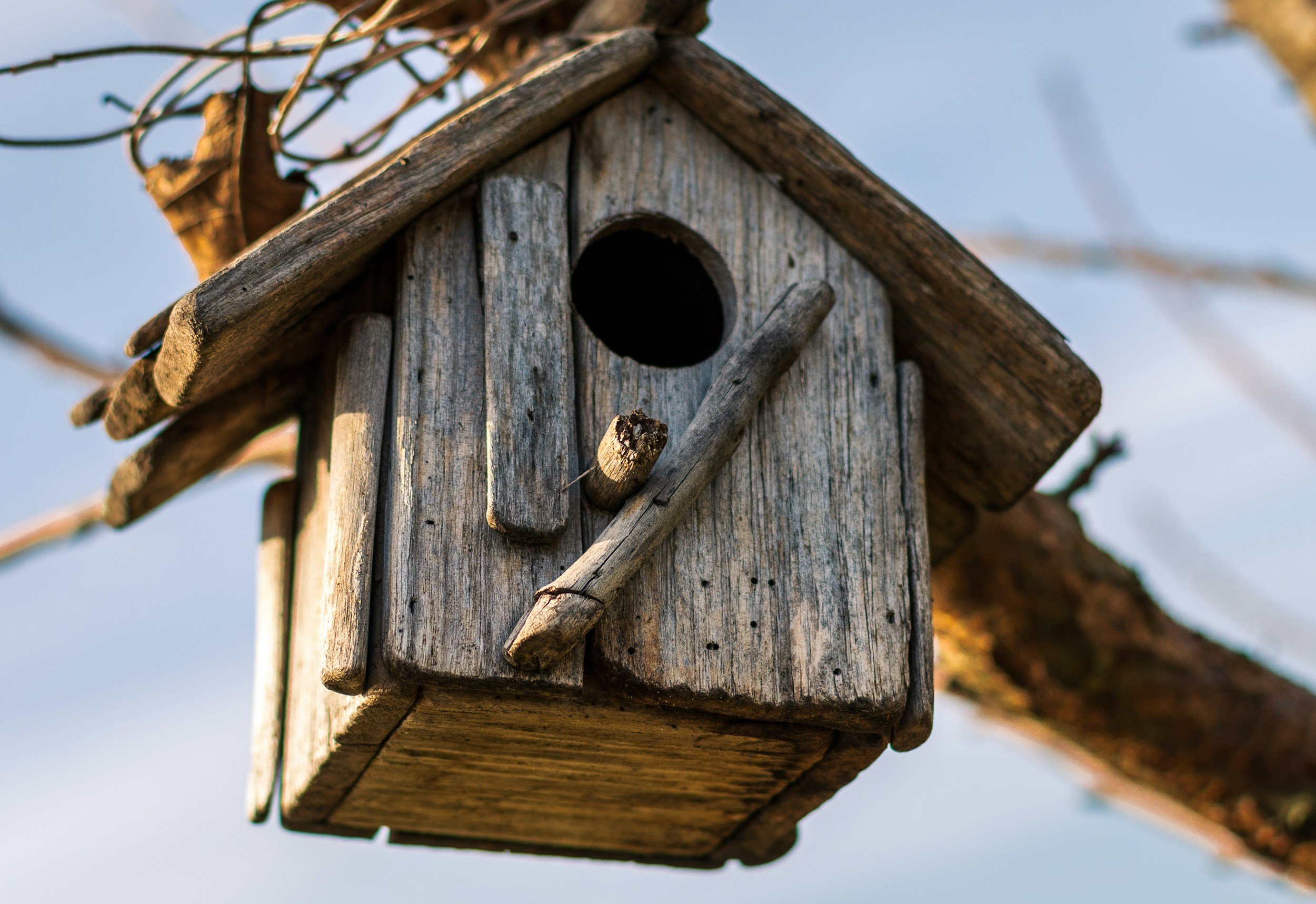
INSTALL NESTING/ROOSTING BOXES
Put up nesting boxes for birds, providing them with safe and insulated spaces for roosting during cold nights. See sources below.
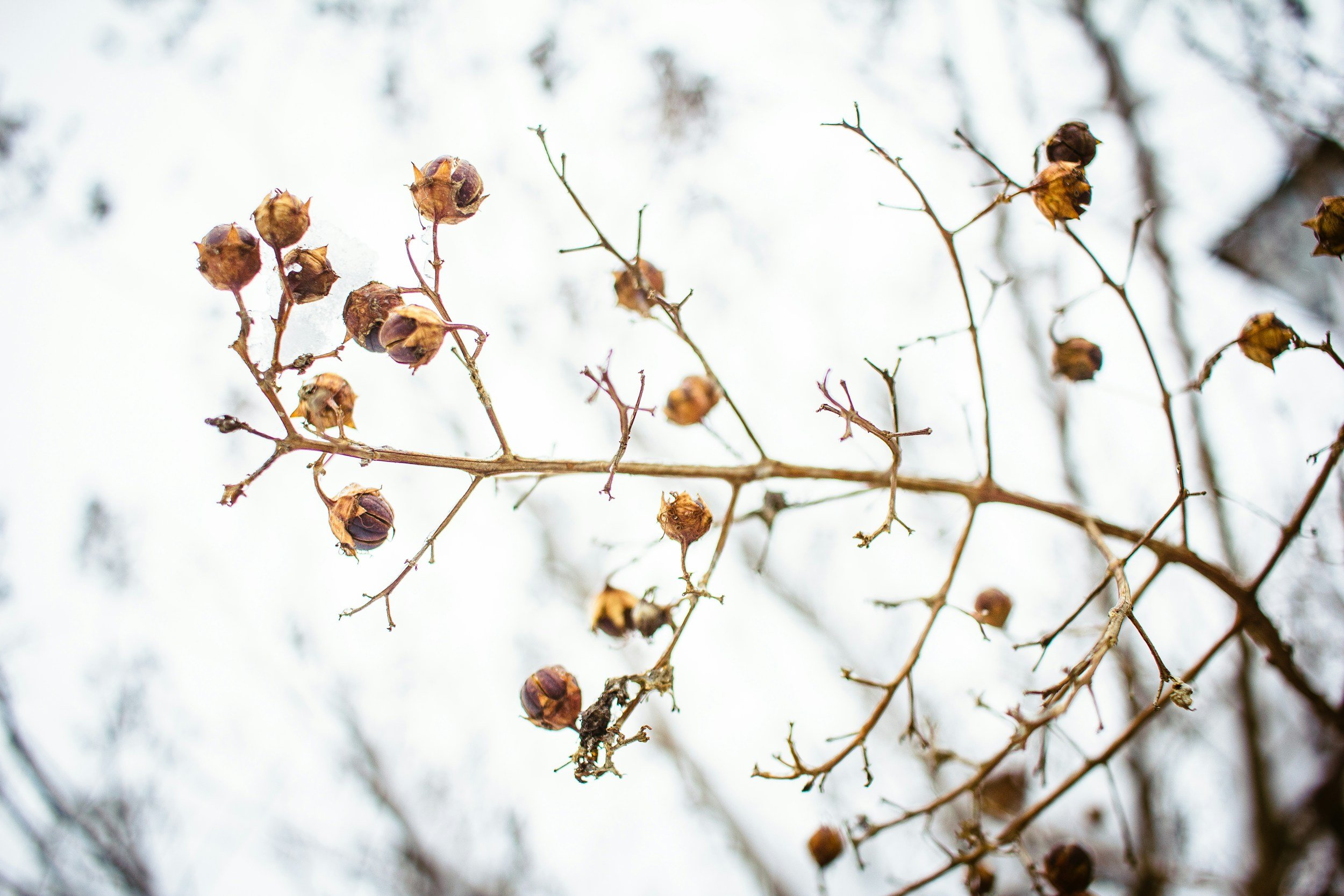
LEAVE SEED HEADS & BERRIES
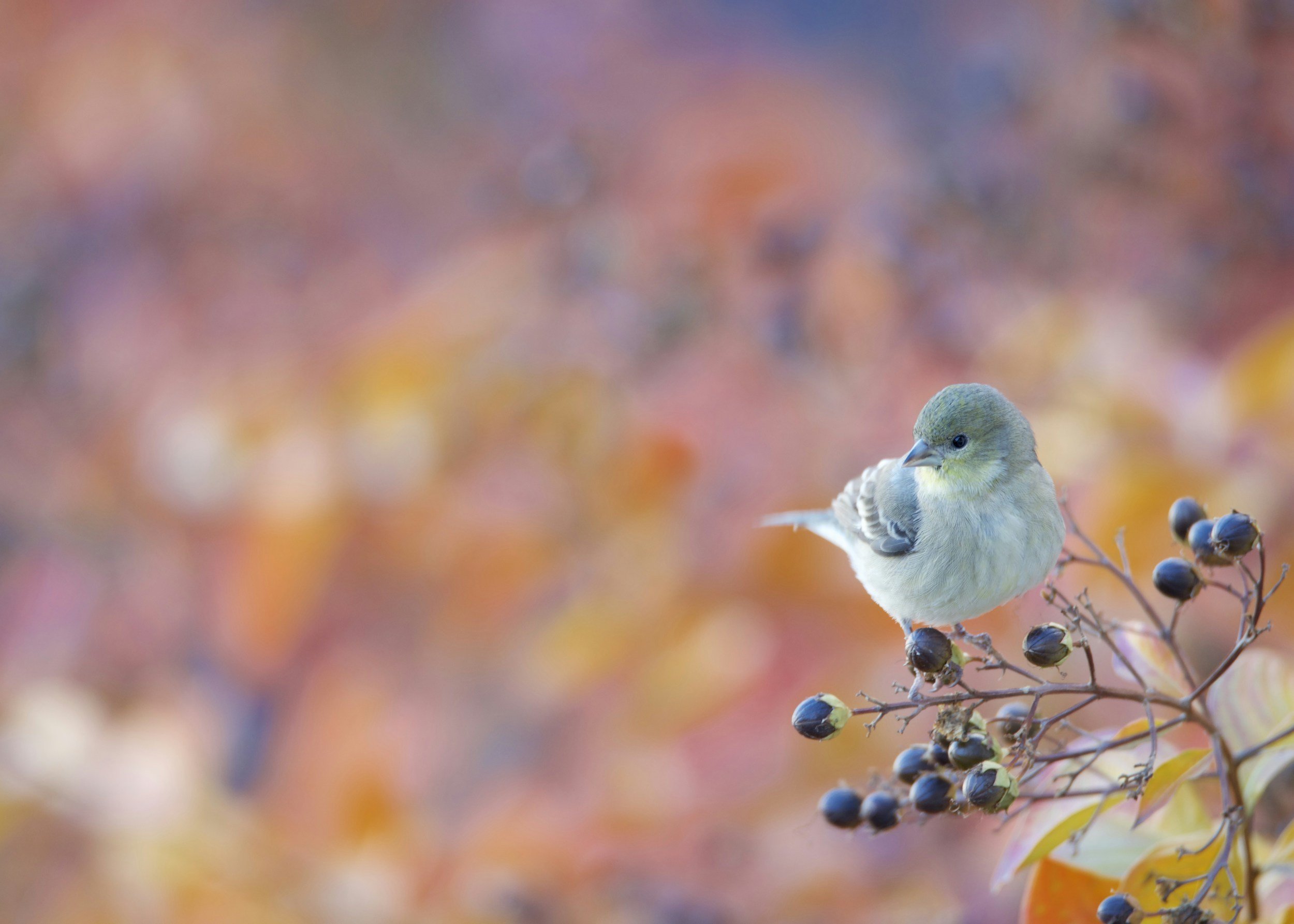
Instead of tidying up the garden completely, leave some seed heads and berries on plants. This provides a natural food source for birds and other animals. See list below.
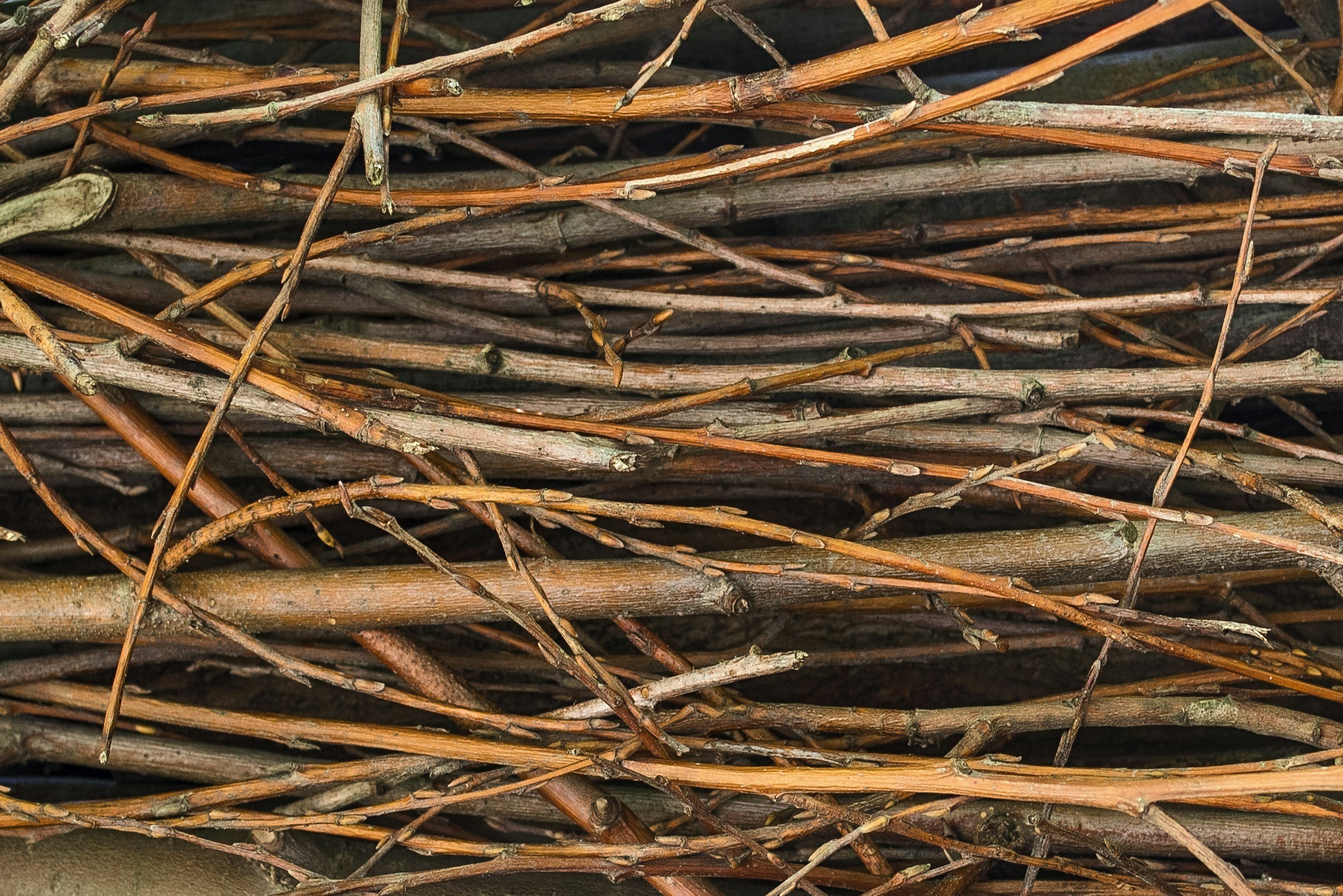
CREATE BUSH PILES
Gather fallen branches and twigs to create brush piles in a corner of your garden. These piles offer shelter for small mammals, insects, and birds.
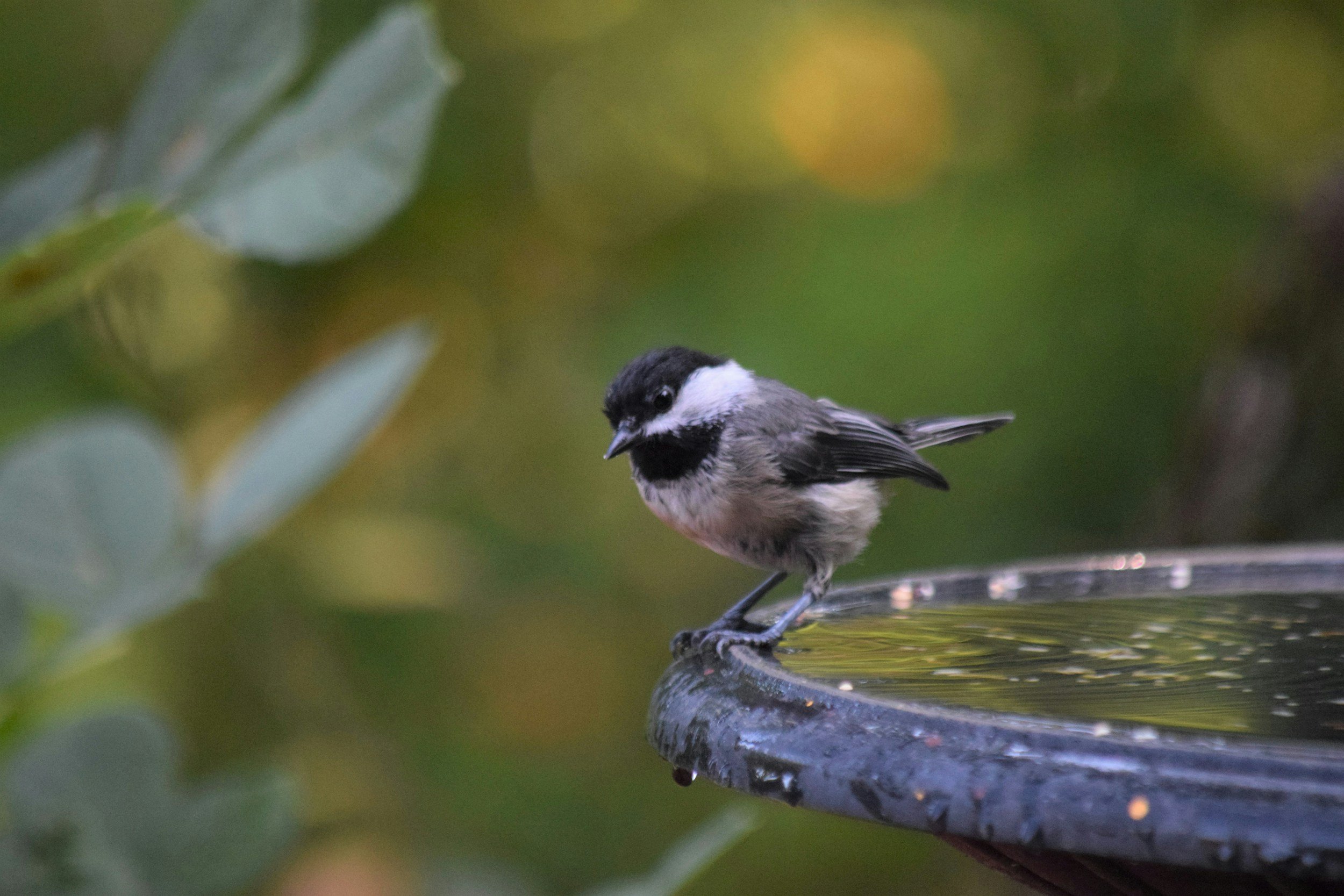
PROVIDE FRESH WATER
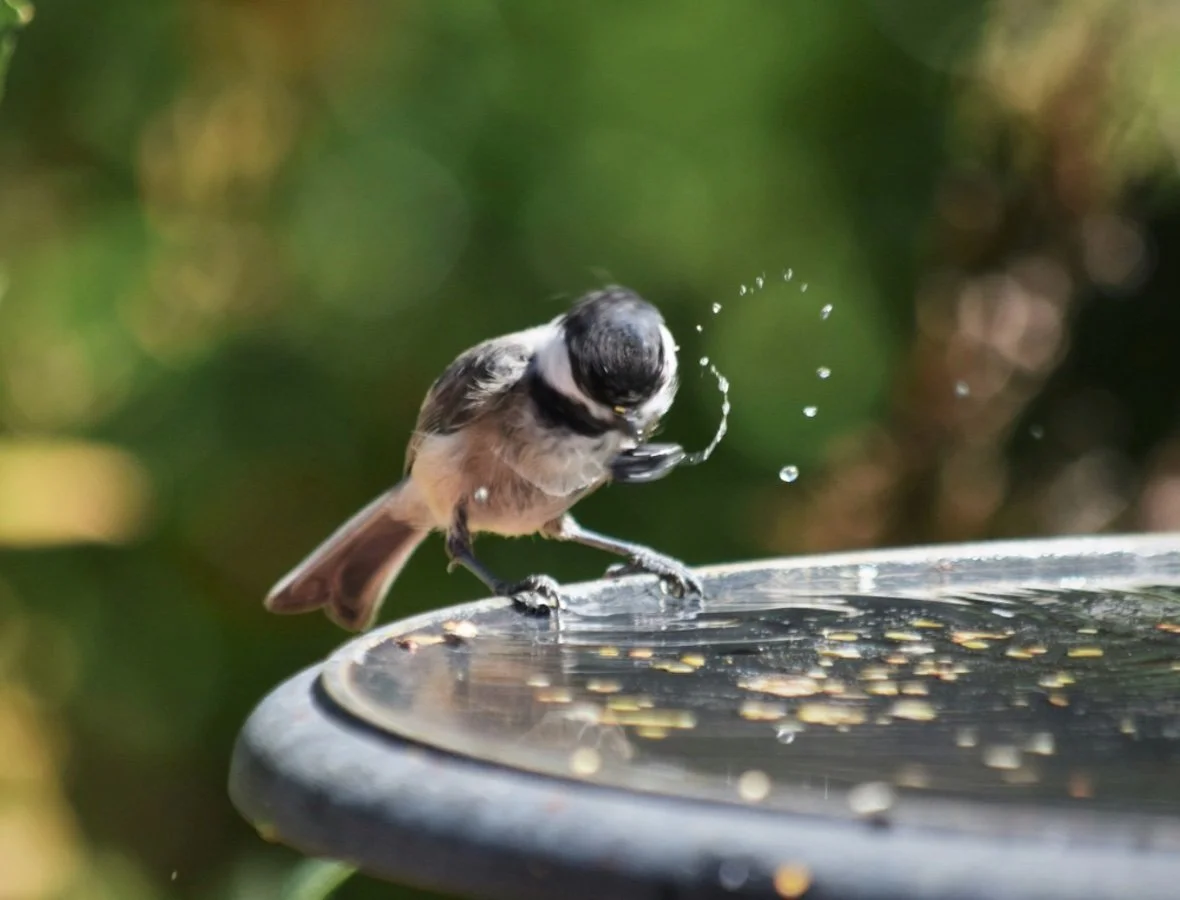
Ensure there's a source of unfrozen water for wildlife. Consider installing a heated bird bath or regularly refreshing water dishes to meet their hydration needs.
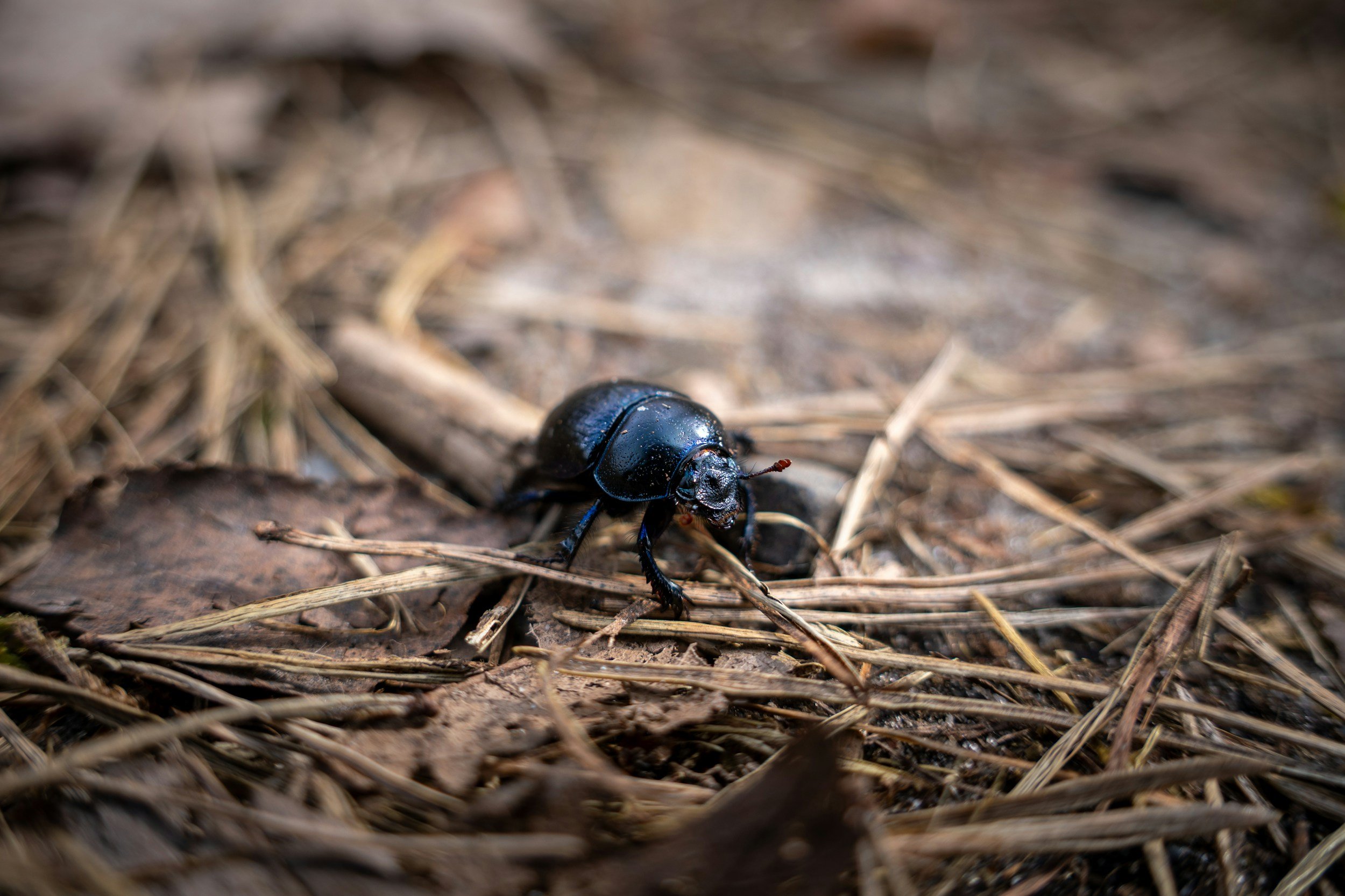
AVOID USING PESTICIDES
Minimize or eliminate the use of pesticides, as they can harm beneficial insects that serve as a food source for birds.
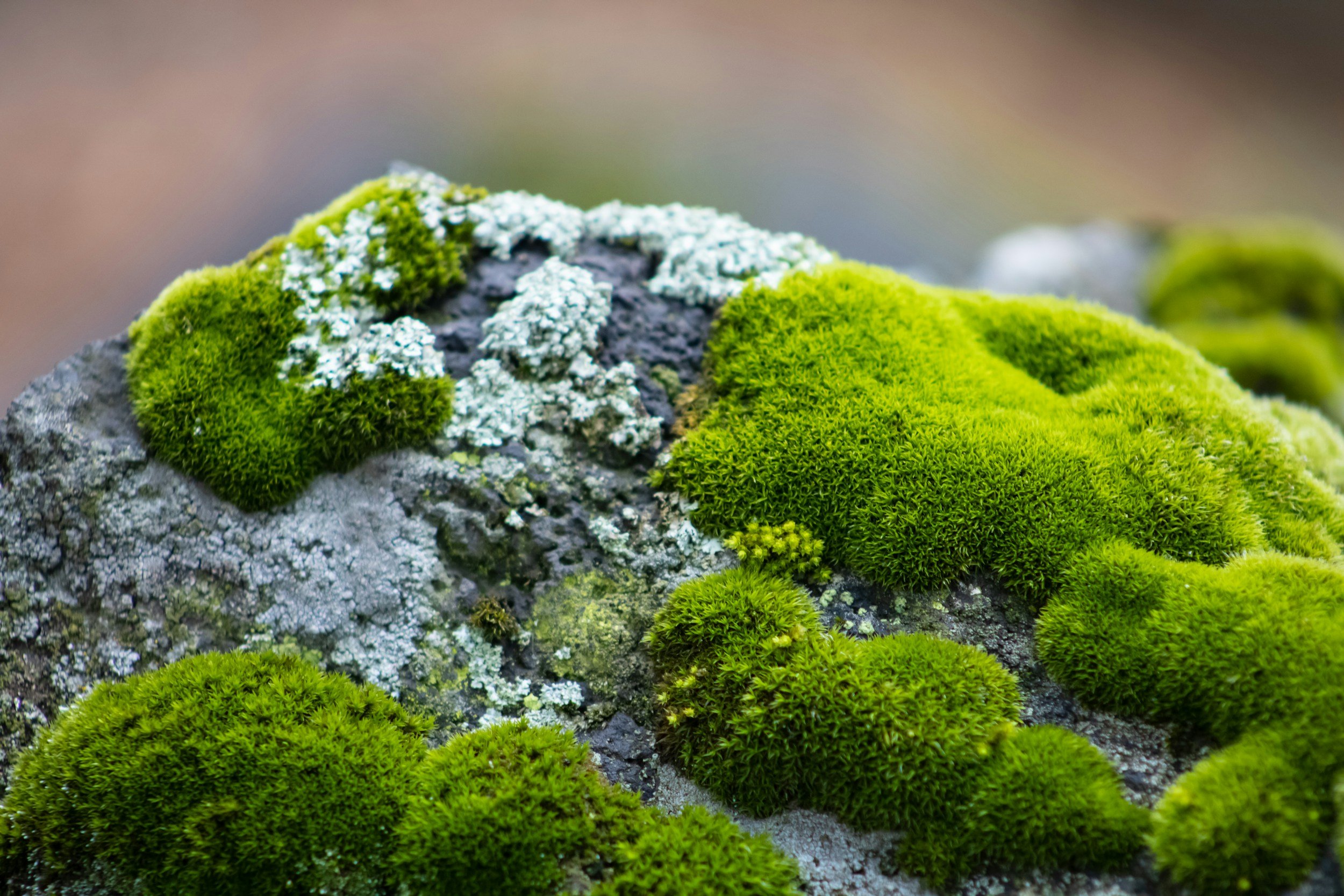
CREATE HABITAT DIVERSITY
Include a variety of habitat elements in your garden, such as rocks, logs, and leaf litter, to accommodate different species with varying needs.
FEEDING & HABITAT RESOURCES
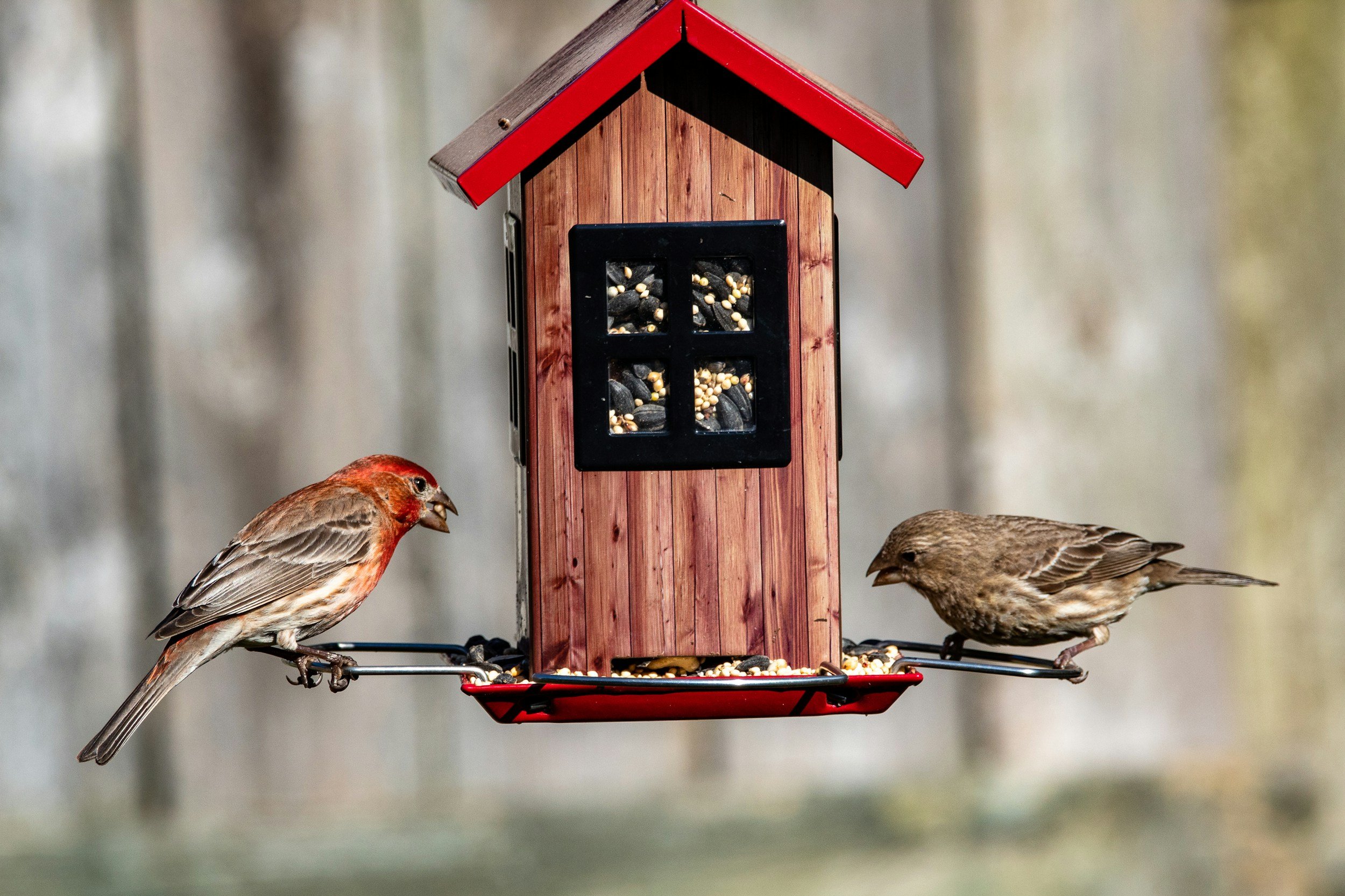
Bird Houses, Nesting Boxes, and Birds Feeders
For easy delivery and many choices: Amazon
Unique one-of-kind houses and feeders: Etsy
Artisan built houses with character: Gardeners Supply
For help choosing the right house for your yard: National Wildlife Federation
To build your own nesting box or bird feeder: Nestwatch and Project Learning Tree