 1 / 6
1 / 6Key characteristics
- Family
- Asteraceae
- Height
- 3 to 4 feet
- Width
- 2 to 3 feet
- Flower color
- Violet to purple
- Foliage color
- Green
- Bloom time
- Late summer to fall
- Light
- Full sun to partial shade
- Water
- Moderate
- Maintenance
- Low
- Growing zone
- USDA zones 4 to 8
- Wildlife
- Attracts butterflies and bees
Perennials
Symphyotrichum novae-angliae 'Violetta'
Violetta New England Aster
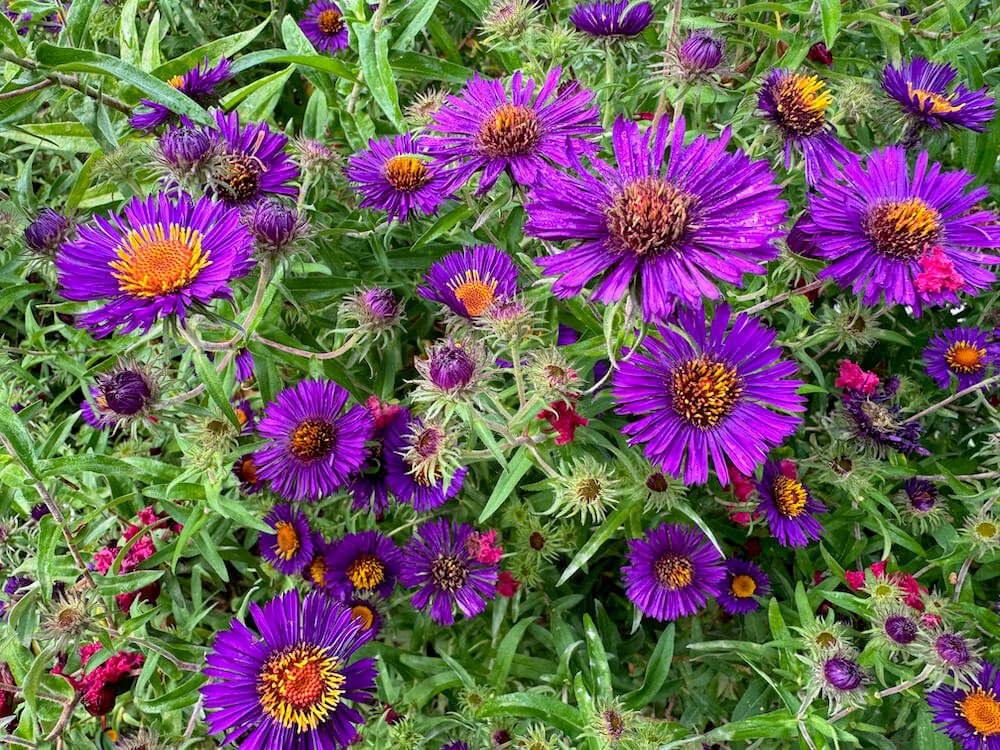
Symphyotrichum novae-angliae 'Violetta' is a New England aster variety renowned for its striking violet-purple blooms, which appear in late summer to early fall. This cultivar features vibrant violet-purple flowers with a central cluster of yellow disc florets, creating a stunning contrast that attracts pollinators such as bees and butterflies. The plant's daisy-like blooms are borne on upright stems that are often covered with fine, lance-shaped green leaves.
Works well in
- Borders
- Cottage Gardens
- Pollinator Gardens
- Cut Flower Gardens
Companion plants
Lady's mantle · Hellebores · Hardy geraniums · Hostas · Ferns · Astilbes
Design tip
Fall bloom is its strength, and it earns a place near a path or seating area used late in the year. It takes sun or light shade, which makes it useful along the changing light of a bed edge or a partly shaded border.
Where to see it
This plant can be seen in the perennial border at the Bellevue Botanical Garden.
More perennials
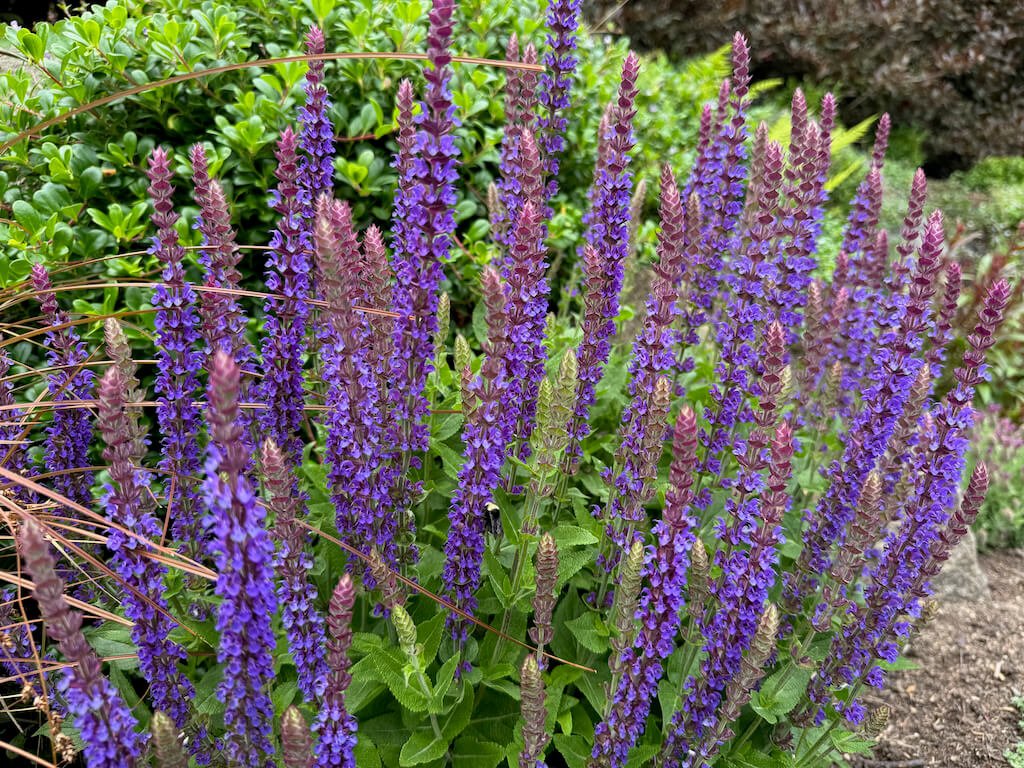
Salvia x sylvestris 'May Night'
May Night Sage
Blooms deep violet-blue flower spikes with darker purple calyces
Full sun
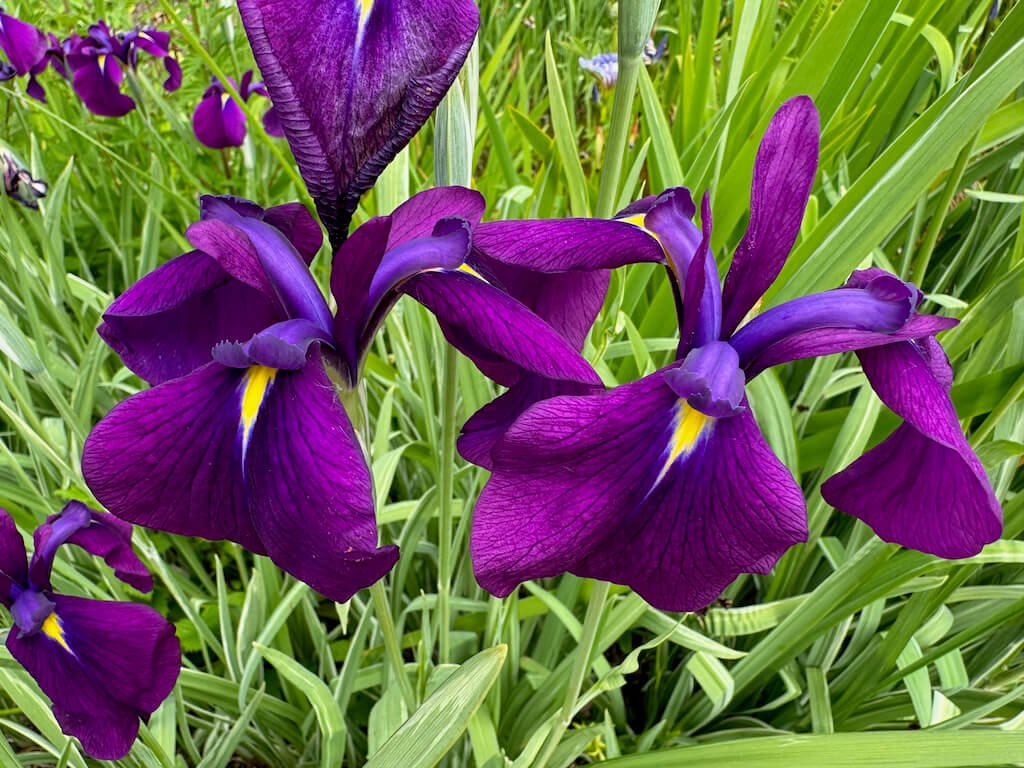
Iris ensata 'Variegata'
Variegated Japanese Iris
Blooms deep violet with purple hue; prominent yellow signals
Full sun
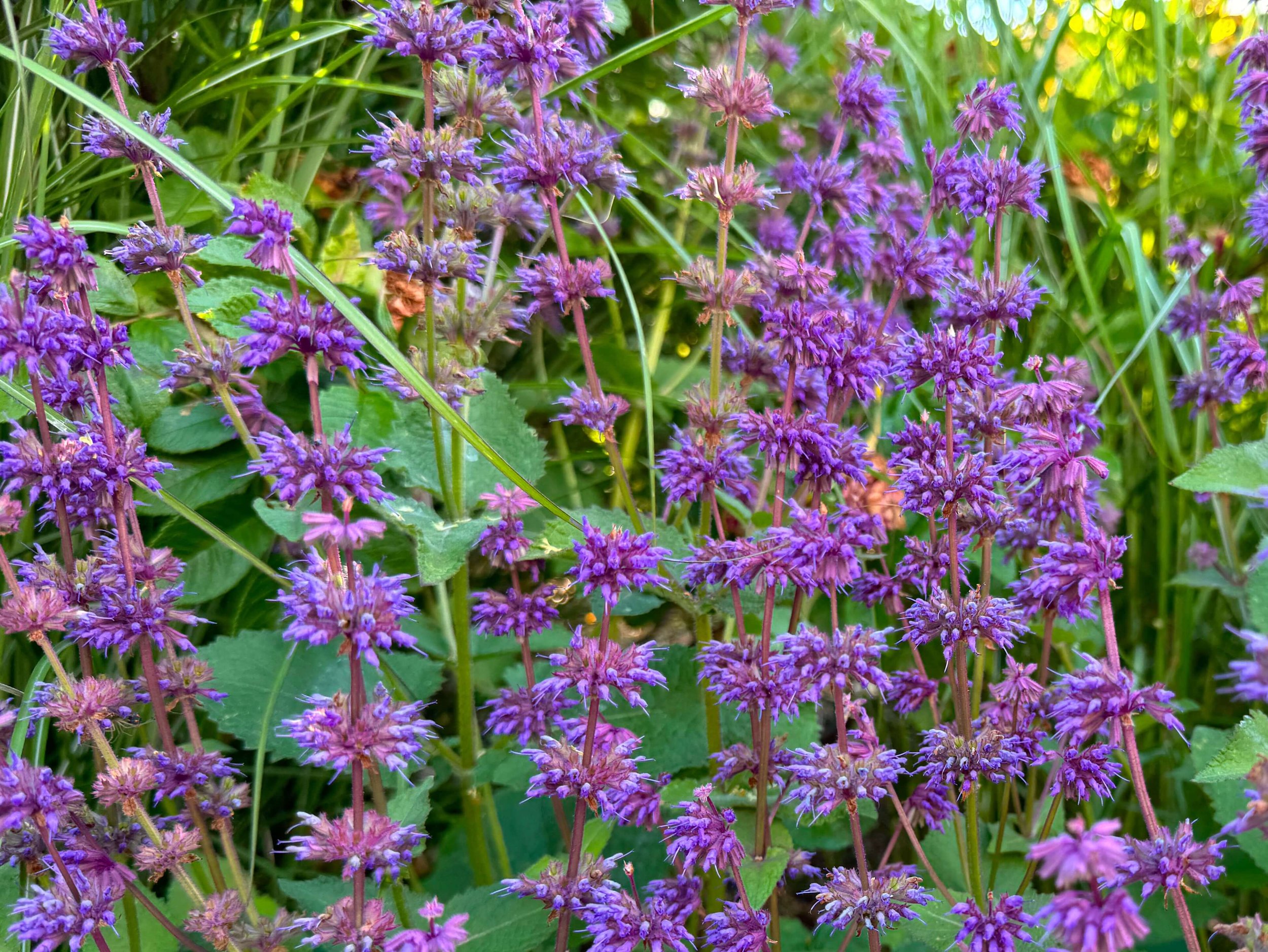
Salvia verticillata 'Endless Love'
Endless Love Lilac Sage
Blooms violet-purple, in whorled clusters
Full sun to partial shade
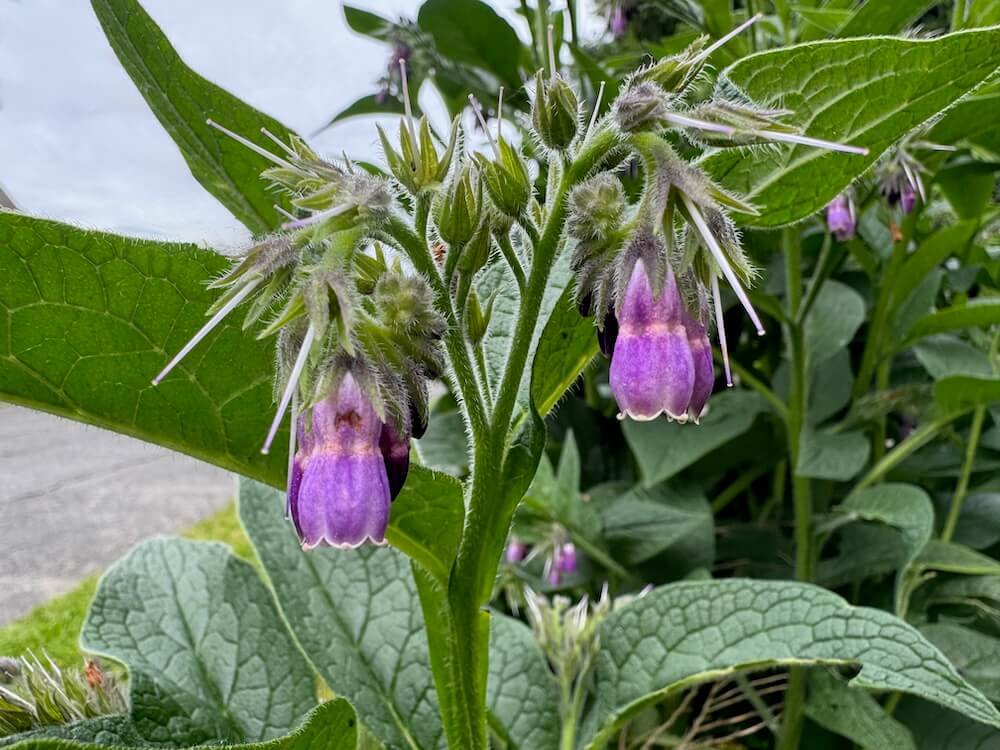
Symphytum × uplandicum
Russian Comfrey
Blooms nodding tubular flowers in shades of purple violet pink or cream
Full sun to partial shade