Best Shrubs for Hedging
Shrubs selected for hedging and privacy provide structure, enclosure, and year-round presence in the landscape. From neatly clipped formal hedges to relaxed, natural screens, these plants define boundaries while softening views and reducing noise and wind.
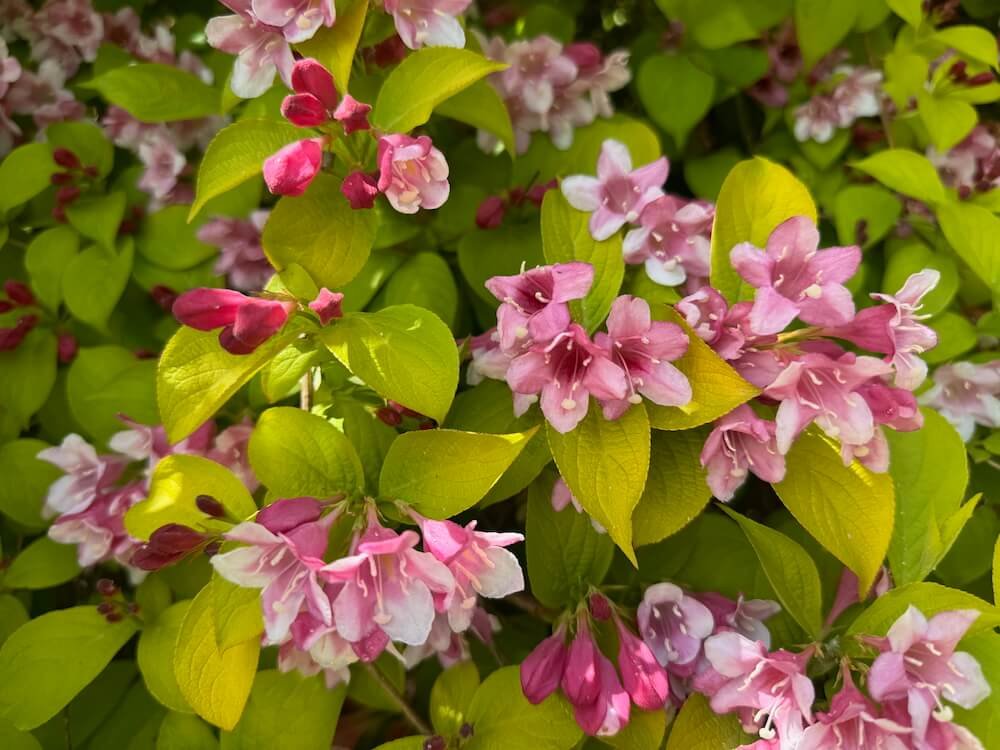
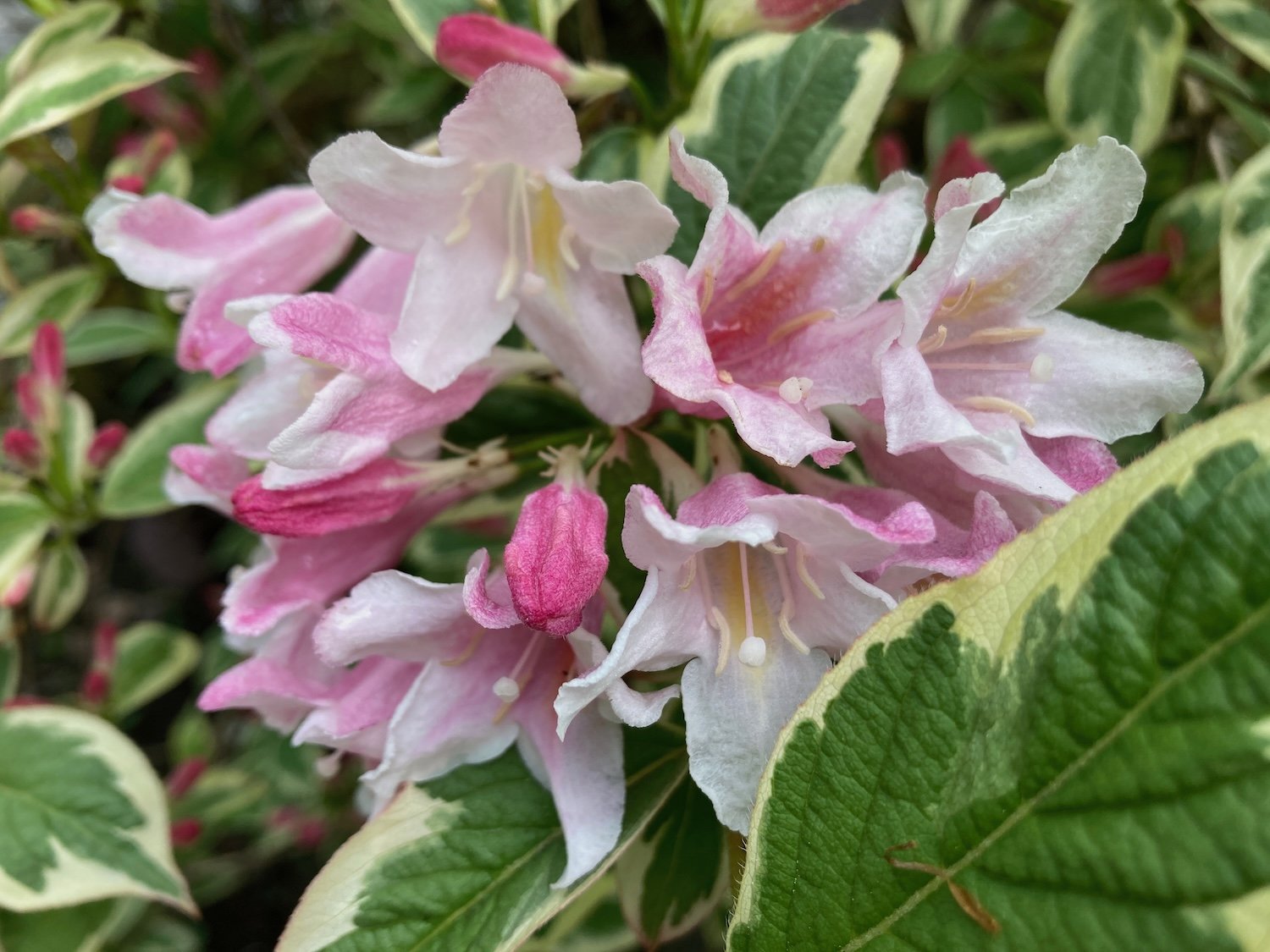
Weigela 'Looymansii Aurea'
Deciduous shrub with golden yellow foliage and soft pink spring flowers. Attracts pollinators and grows 4 to 6 feet tall. Ideal for informal hedges, borders, and bright seasonal structure. Zones: 4 to 8.
Considerations for Hedge Plants
Purpose & Function: Define what you want the hedge to do; whether it’s providing privacy, forming a low border, acting as a windbreak, or simply adding structure. The intended use will guide decisions on height, density, and overall form.
Plant Type & Characteristics: Consider whether the hedge should be evergreen or deciduous, along with its mature size, growth rate, and branching habit. These factors determine how quickly it fills in, how dense it becomes, and how well it responds to pruning.
Site Conditions: Evaluate light exposure, soil type, drainage, moisture levels, and environmental factors such as wind or heat. Matching plants to these conditions is essential for long-term health and performance.
Aesthetic Preferences: Think about the visual qualities you want, including foliage color, flowering, fragrance, and seasonal changes. Decide whether you prefer a uniform look or a more natural, mixed planting style.
Maintenance Requirements: Consider how much time and effort you’re willing to invest in pruning, shaping, and general care. Some hedges require frequent trimming to maintain a formal appearance, while others can be left largely unpruned.
Spacing & Planting Strategy: Plan spacing based on the plant’s mature width rather than its size at planting to ensure proper fill and airflow. Decide between a single row for simplicity or a staggered double row for a denser, more immediate screen.
Budget & Timeline: Balance the cost of plant size and quantity with how quickly you want the hedge to establish. Larger plants provide instant impact but are more expensive, while smaller plants are more economical but require time to fill in.
Regulatory & Neighbor Considerations: Check local regulations, HOA guidelines, and property line setbacks before planting. Also consider how the hedge may affect neighboring properties, including light, views, and shared boundaries.
Our Picks
Evergreen options offer consistent coverage, while deciduous selections can add seasonal interest with flowers, foliage color, or berries. The best choices balance density, growth rate, and adaptability to local conditions. Some varieties respond well to regular shaping, creating clean lines, while others form thick, informal barriers with minimal maintenance. Whether used to frame a garden, block unwanted views, or create a quiet retreat, well-chosen shrubs bring both function and visual cohesion to outdoor spaces.
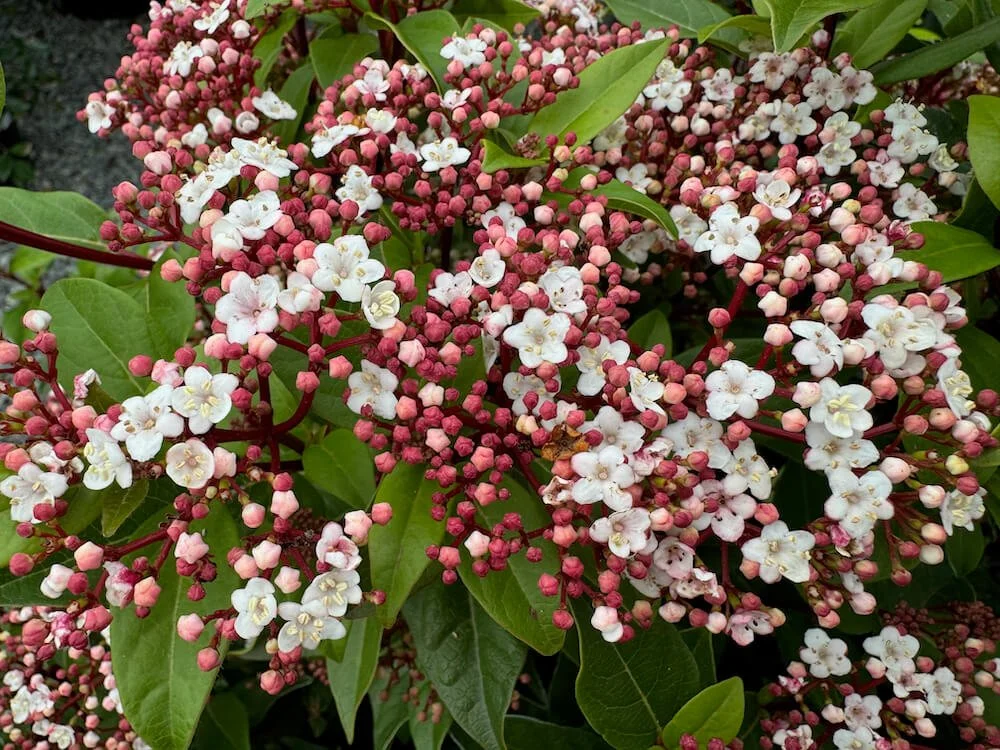
VIBURNUM
Viburnum tinus 'Spirit'
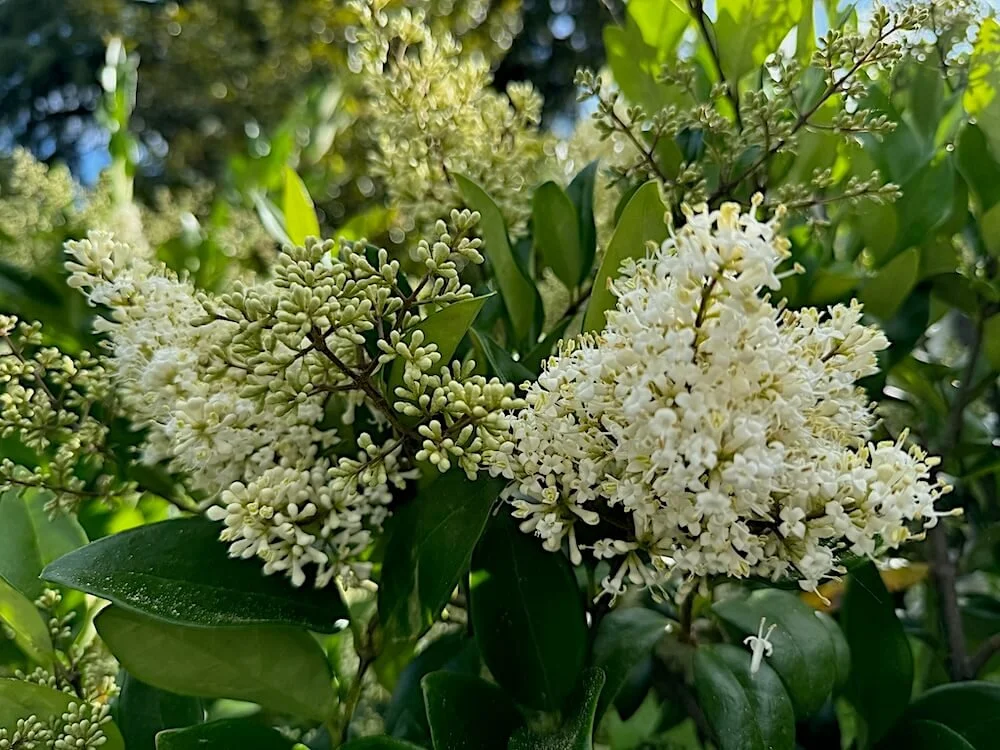
PRIVET (Ligustrum)
Ligustrum japonicum
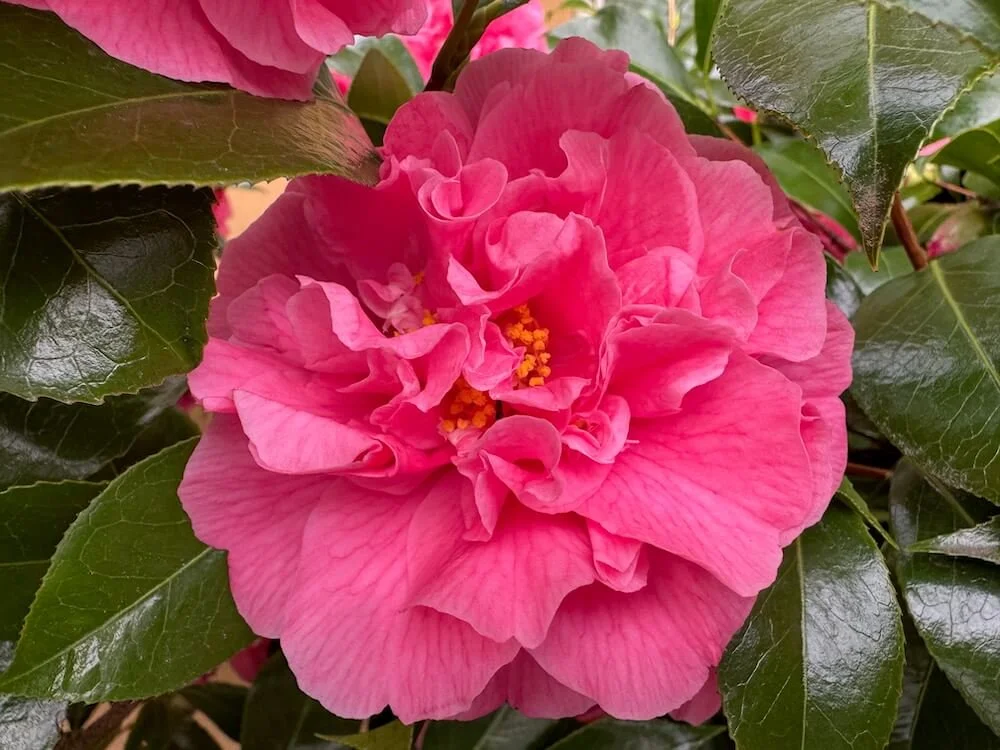
CAMELLIA
Camellia japonica 'Lucy Hester'
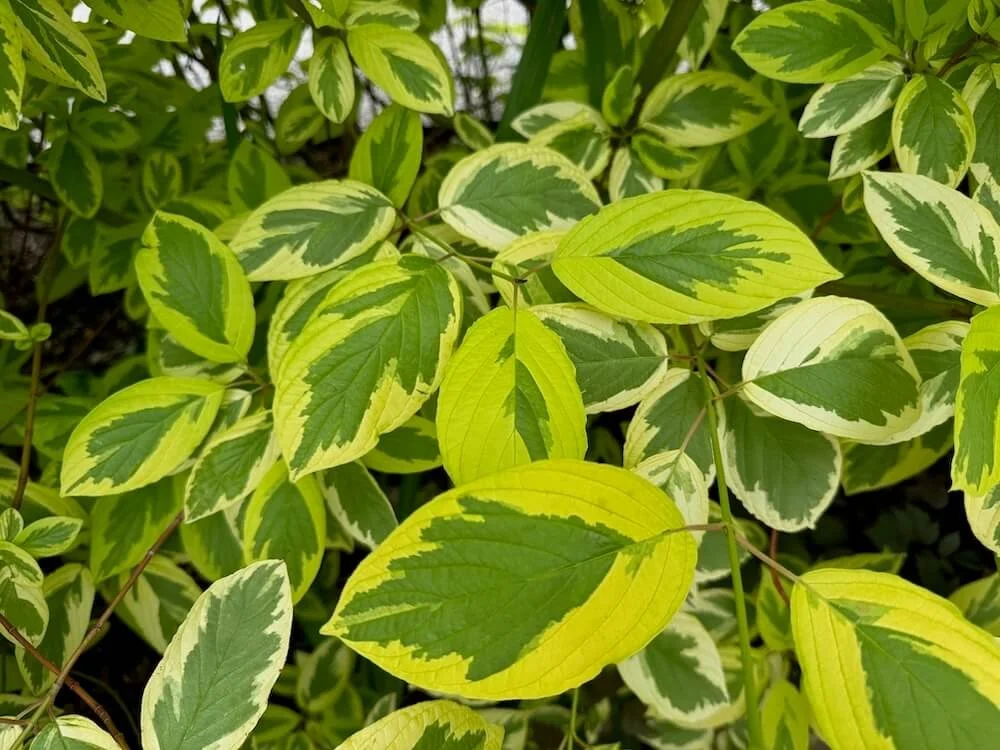
DOGWOOD (Cornus)
Cornus sericea ‘Hedgerows Gold’
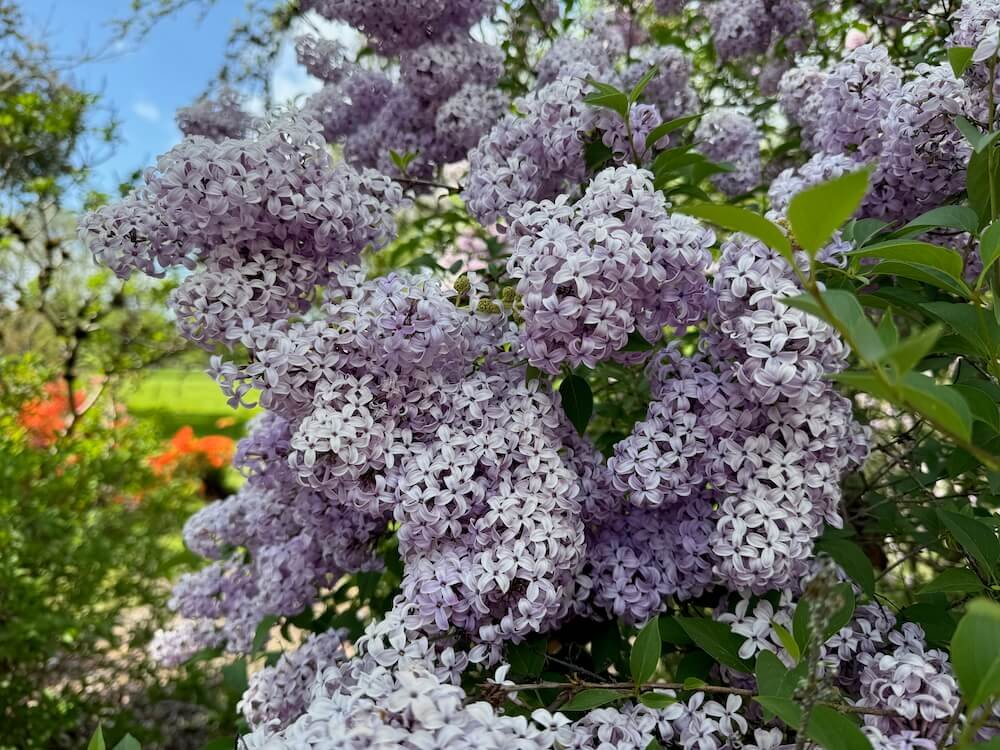
LILAC (Syringa)
Syringa vulgaris
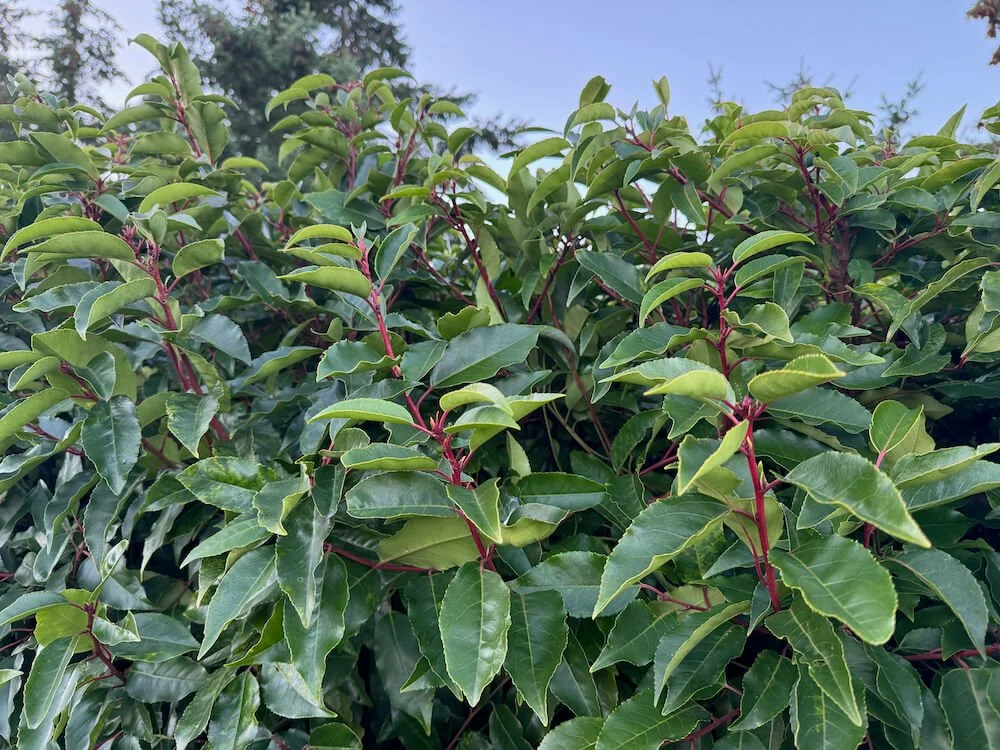
CHERRY LAUREL (Prunus)
Prunus lusitanica 'Angustifolia'
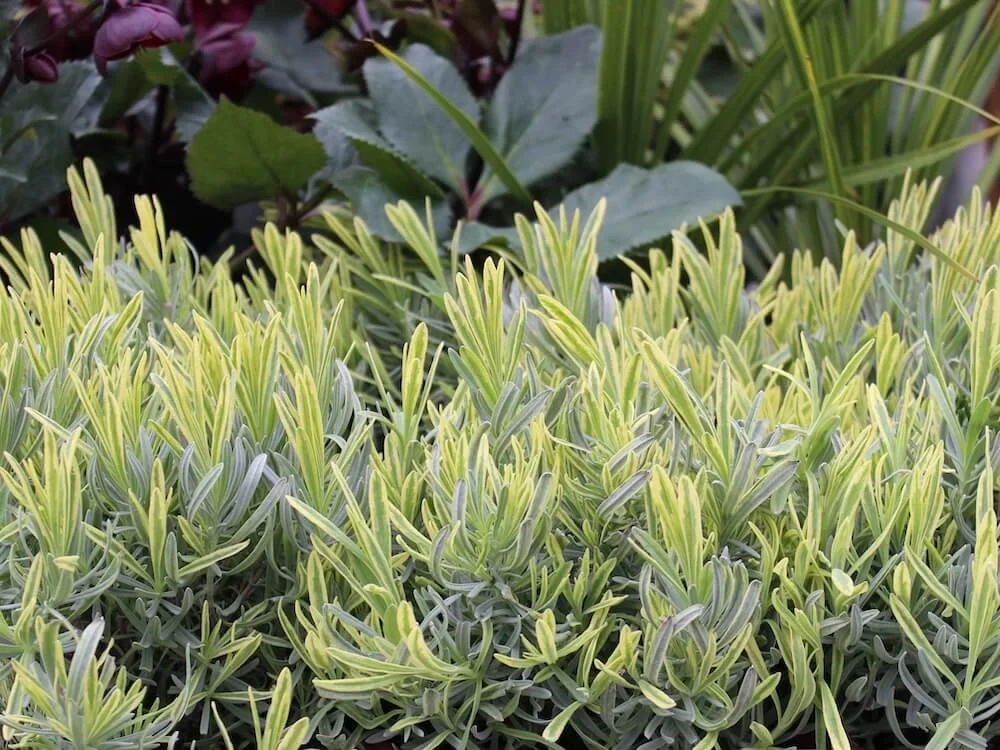
LAVENDER (Lavandula)
Lavandula angustifolia ‘Platinum Blonde’
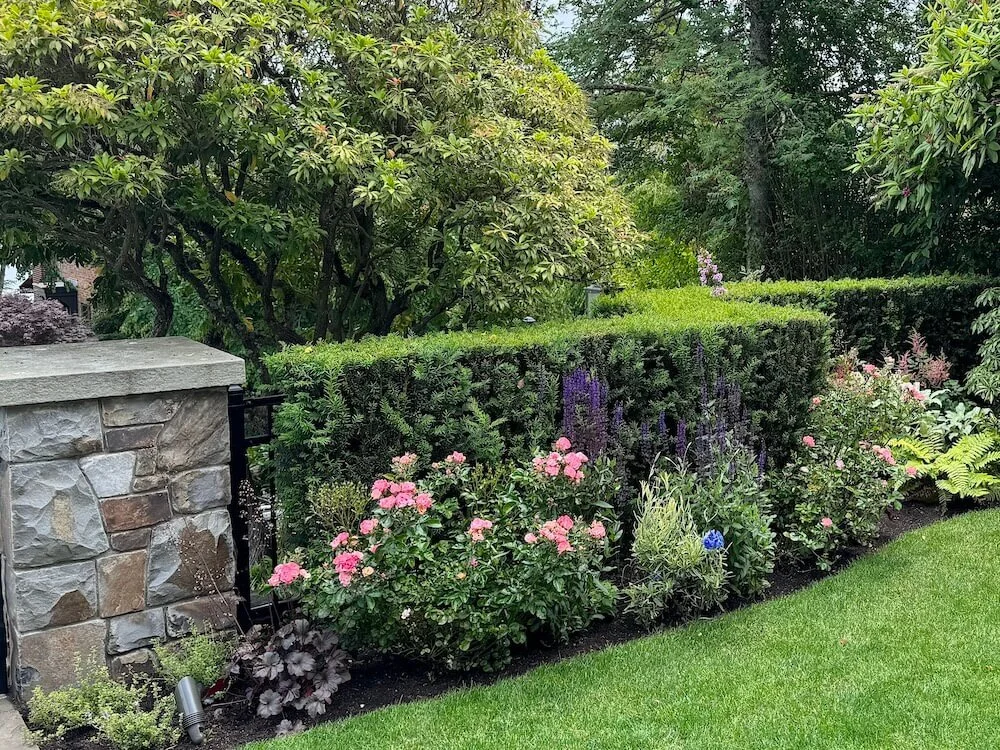
YEW (Taxus)
Taxus x media 'H.M. Eddie'
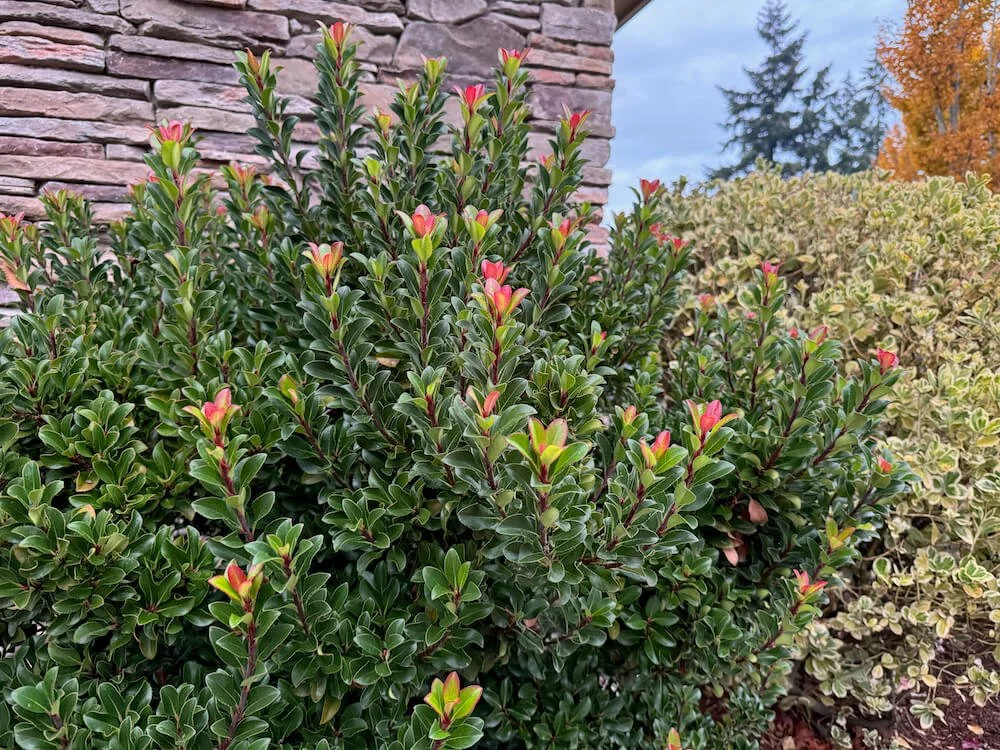
HAWTHORN (Rhaphiolepis)
Rhaphiolepis indica
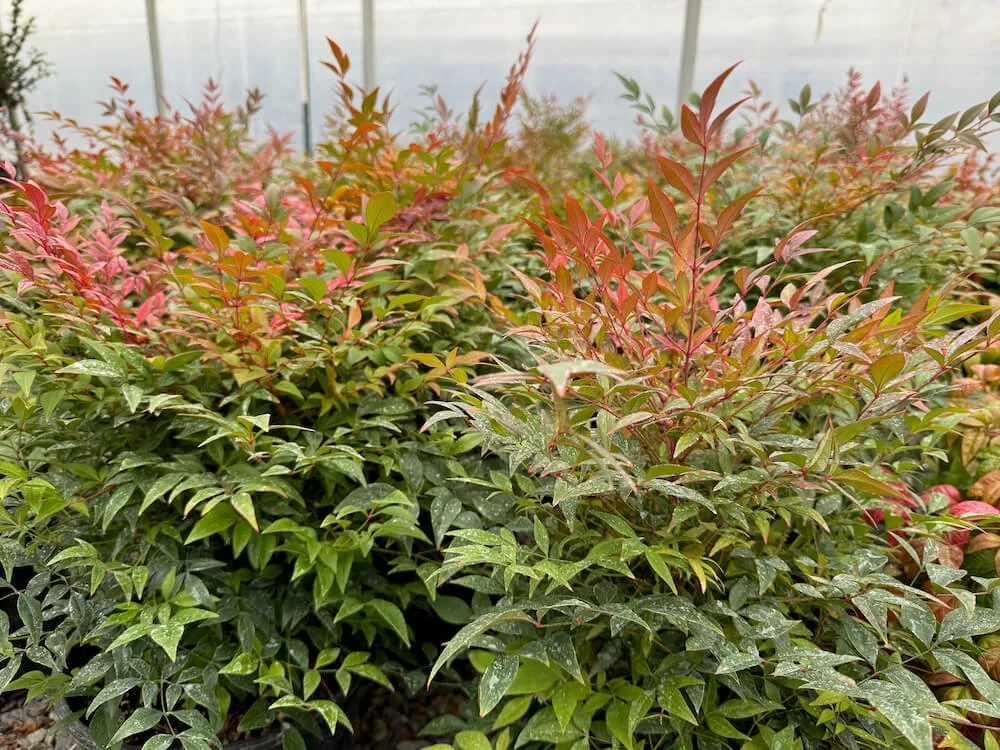
HEAVENLY BAMBOO (Nandina)
Nandina domestica 'Gulf Stream'
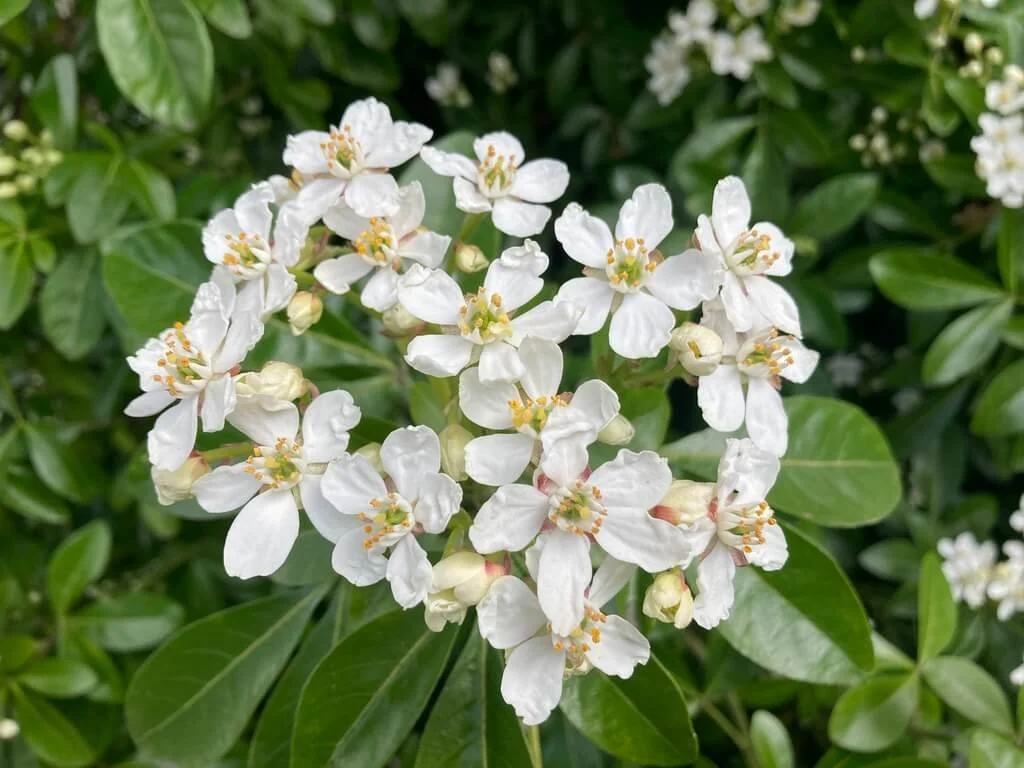
MEXICAN ORANGE BLOSSOM (Choisya)
Choisya ternata
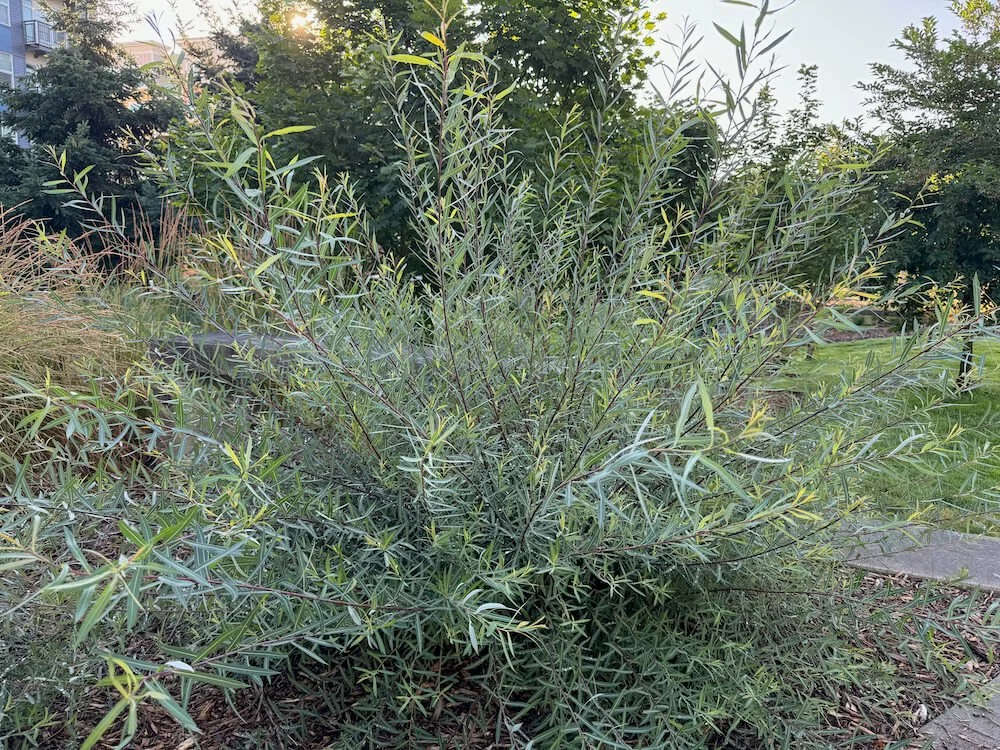
WILLOW (Salix)
Salix purpurea ‘Nana’
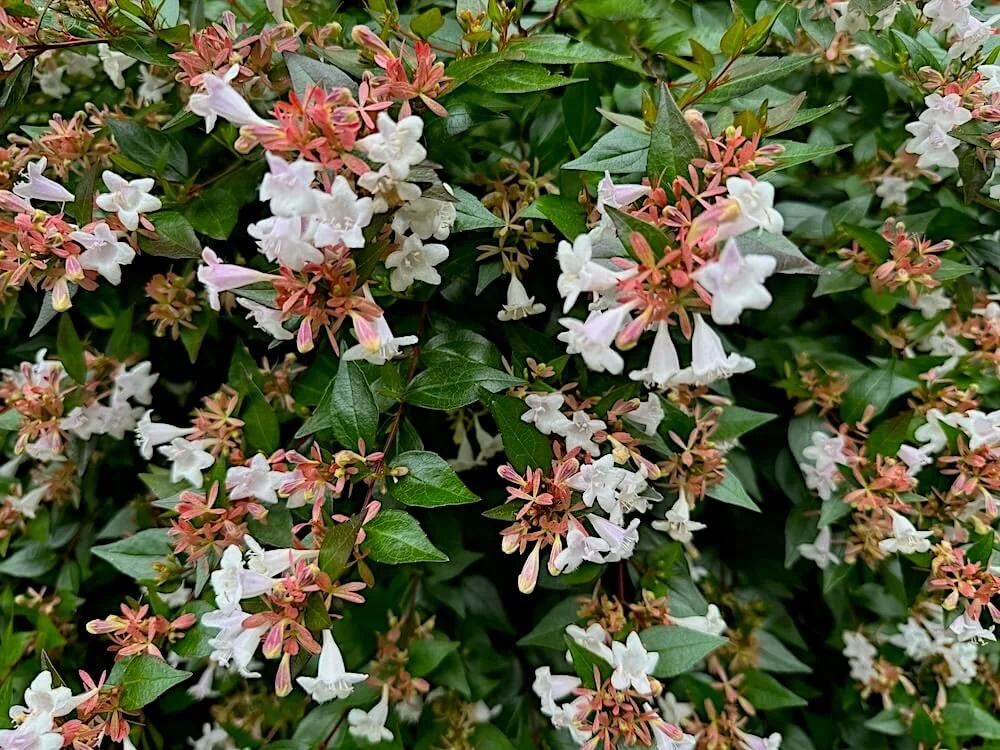
ABELIA
Abelia x grandiflora
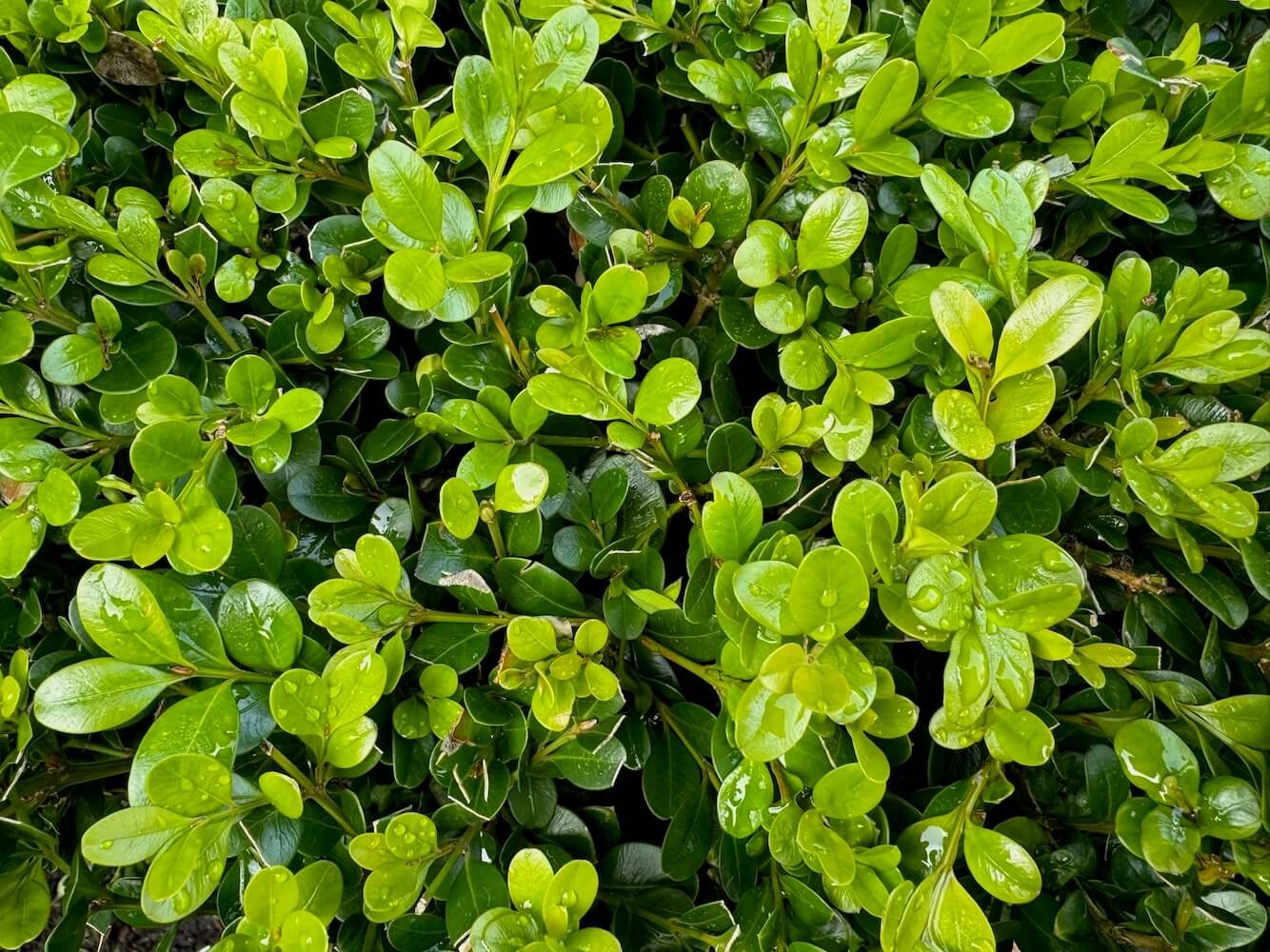
BOXWOOD (Buxus)
Buxus microphylla var. japonica 'Winter Gem'
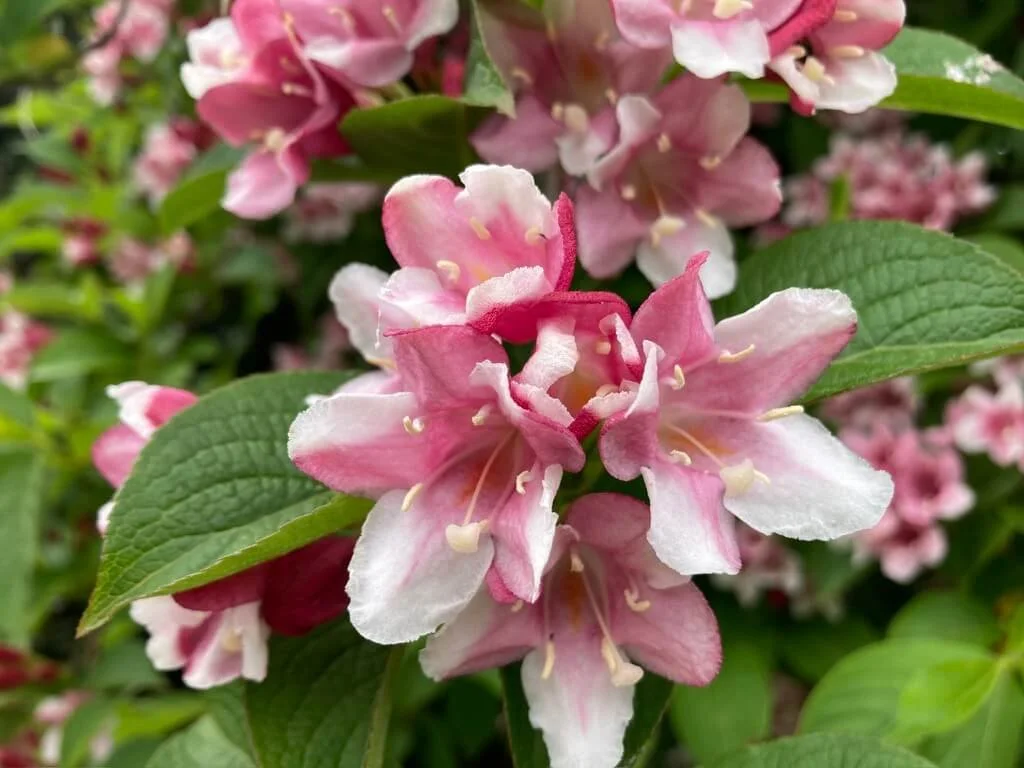
WEIGELA
Weigela florida
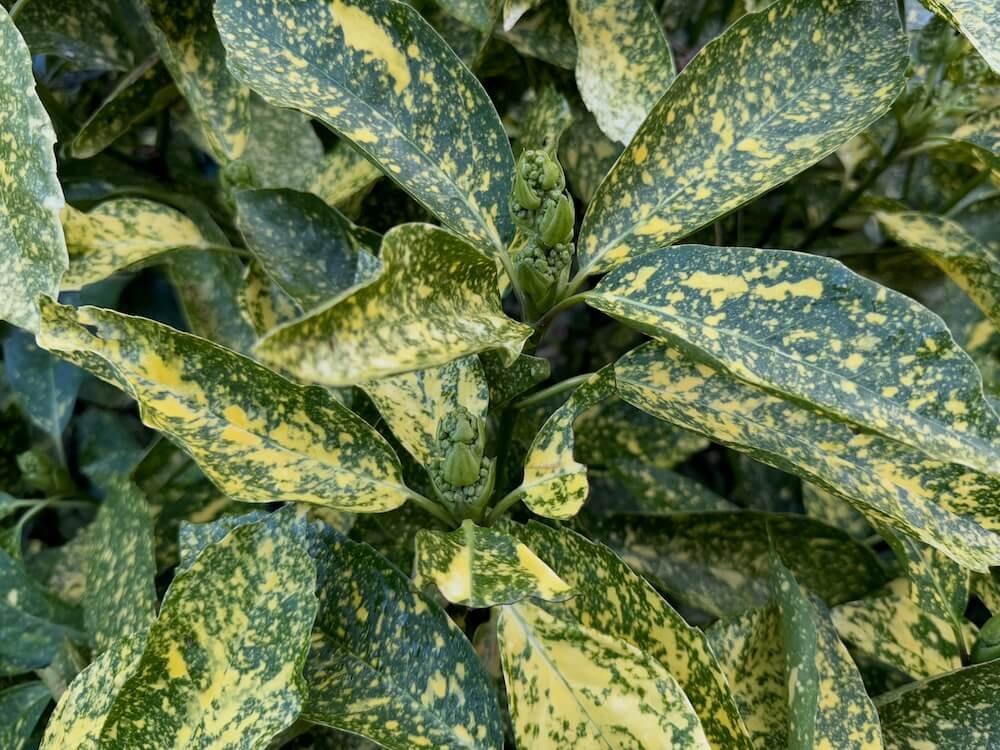
SPOTTED LAUREL (Aucuba)
Aucuba japonica 'Variegata'
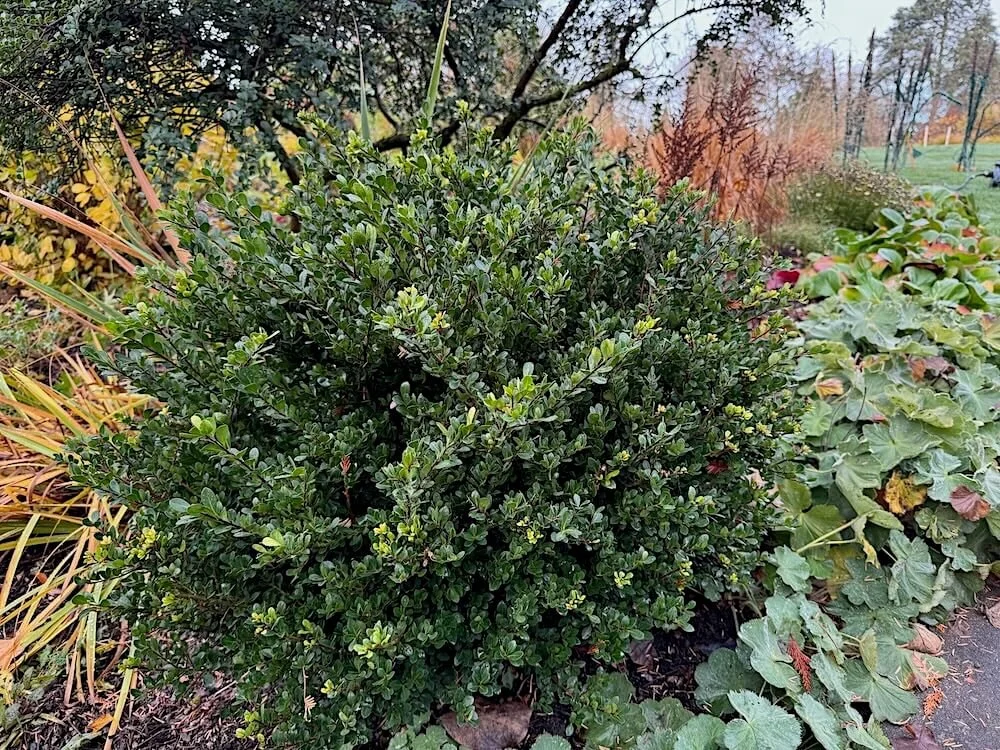
HOLLY (Ilex)
Ilex crenata 'Compacta'