 1 / 5
1 / 5Key characteristics
- Family
- Rosaceae
- Height
- 10 to 15 feet
- Width
- 8 to 12 feet
- Flower color
- Small, white flowers in clusters
- Foliage color
- Glossy, dark green leaves that turn bronze or reddish-purple in the fall
- Bloom time
- Late spring to early summer
- Light
- Full sun to partial shade
- Water
- Low to moderate
- Maintenance
- Low; prune in late winter or early spring to shape or control size
- Growing zone
- USDA Zones 7 to 10
- Wildlife
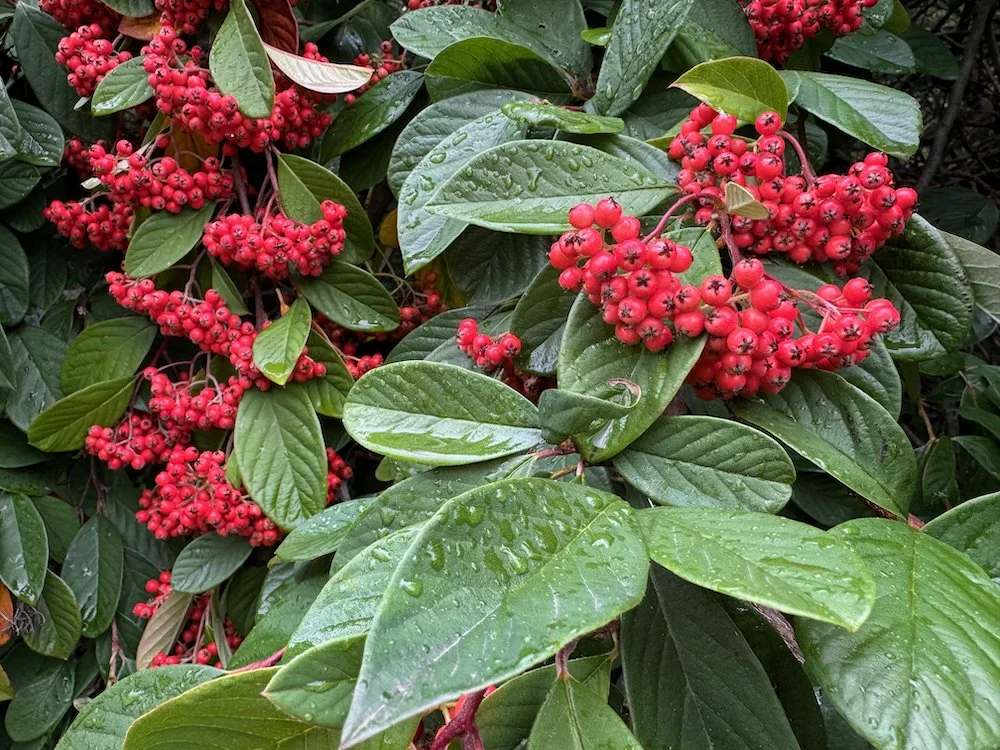
- Birds, which are drawn to the abundant red berries that persist through winter, and pollinators, attracted to the flowers
Shrubs
Cotoneaster coriaceus
Parney Cotoneaster
Cotoneaster coriaceus is an evergreen shrub admired for its lush foliage, small flowers, and vibrant fruit. In late spring to early summer, it produces clusters of small white flowers that attract pollinators. These blooms give way to bright red berries in autumn, which persist into winter, providing color and a valuable food source for birds.
Native to western China, Cotoneaster coriaceus is known for its arching branches and leathery, dark green leaves that offer year-round greenery.
Works well in
- Sun Gardens
- Hedging & Privacy
- Slopes & Banks
- Wildlife Gardens
Companion plants
Gaura · Weigela · Salvia · Baptisia · Lilies · Mexican feather grass
Design tip
Heavy clusters of red berries can turn this evergreen into a colorful feature from autumn well into winter. Its arching branches are especially attractive where they have room to cascade naturally, allowing the fruit to remain visible rather than disappearing into crowded surrounding foliage.
More shrubs
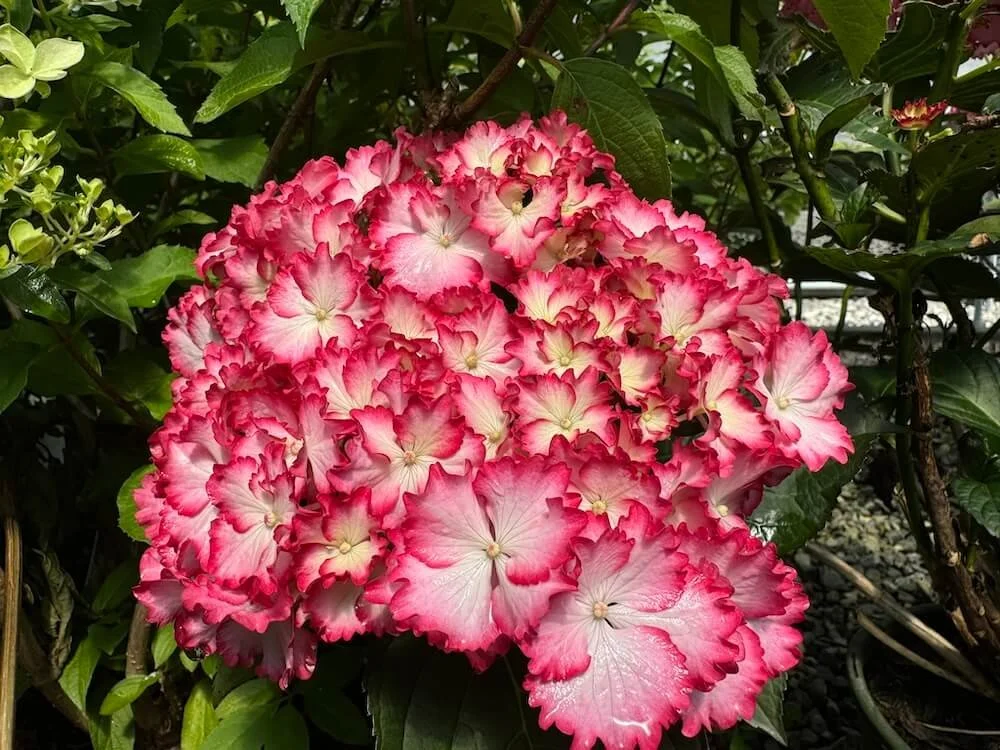
Hydrangea macrophylla 'HORTFIRE'
Seaside Serenade Fire Island Hydrangea
Blooms bi-color mophead blooms with white centers edged in rosy red, maturing to deep pink
Full sun to part shade
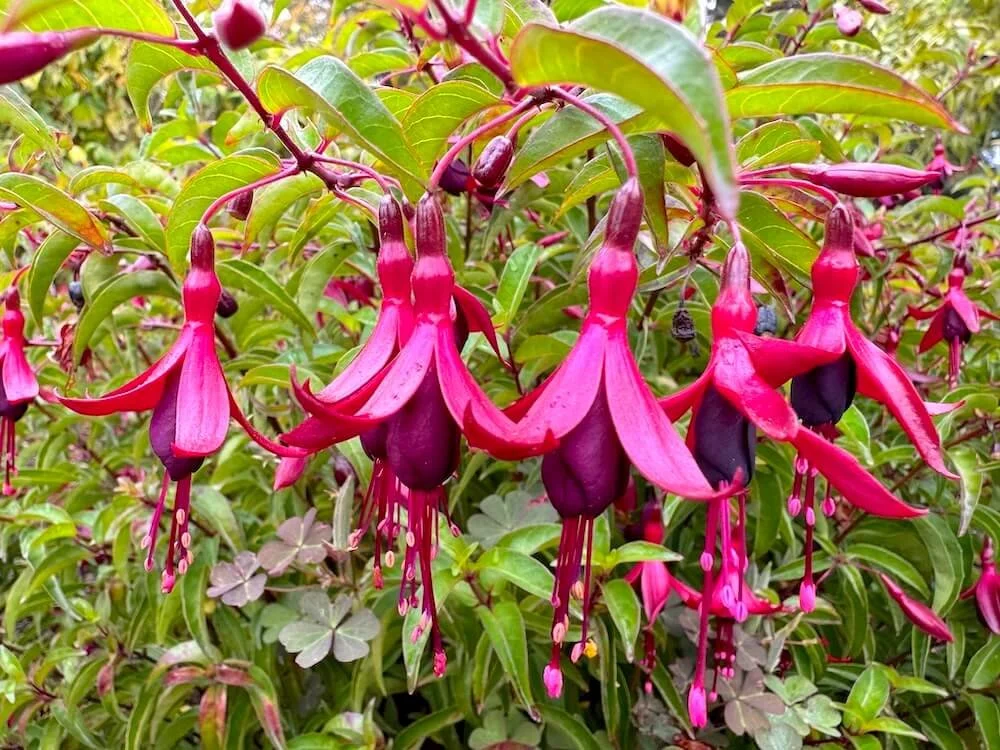
Fuchsia ‘Dying Embers’
Dying Embers Hardy Fuchsia
Blooms dark red to purple with a deep, rich hue
Partial shade
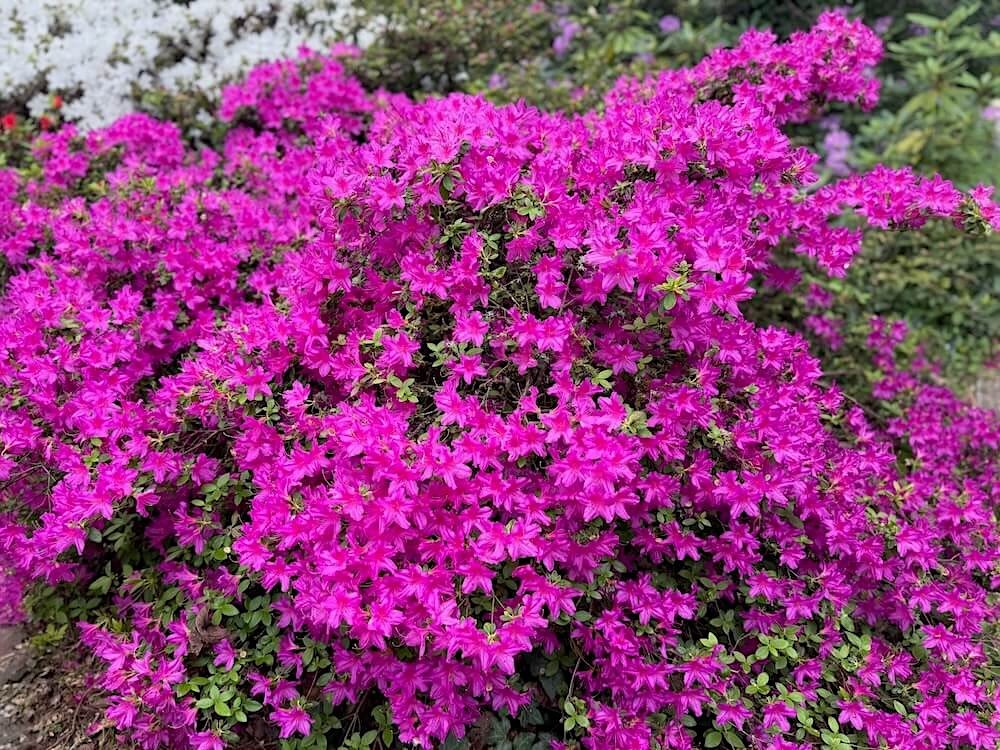
Rhododendron x 'Karen'
Karen Azalea
Blooms lavender-pink to lavender-purple clusters
Full sun to part shade
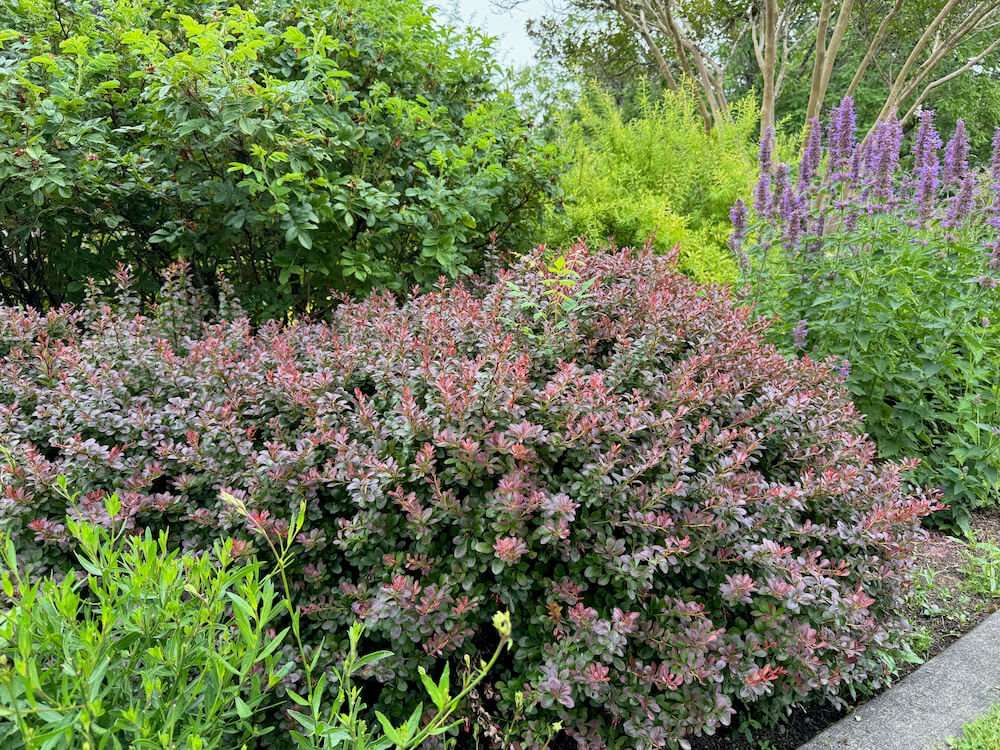
Berberis thunbergii f. atropurpurea 'Atropurpurea Nana'
Red Japanese Barberry
Blooms yellow flowers lightly flushed with red on the outer petals
Full sun to partial shade