Deer Resistant Groundcovers
Deer resistant groundcovers provide practical solutions for difficult garden spaces while helping reduce browsing pressure in areas where plant damage can be frustrating. Many spread steadily to cover exposed soil, stabilize slopes, and reduce weed growth, creating a more finished appearance with less ongoing effort. Selected for foliage texture, fragrance, or other naturally resistant traits, these plants offer an effective way to fill spaces beneath shrubs, along pathways, and across larger planting areas while helping create a landscape that requires less monitoring and seasonal replacement.
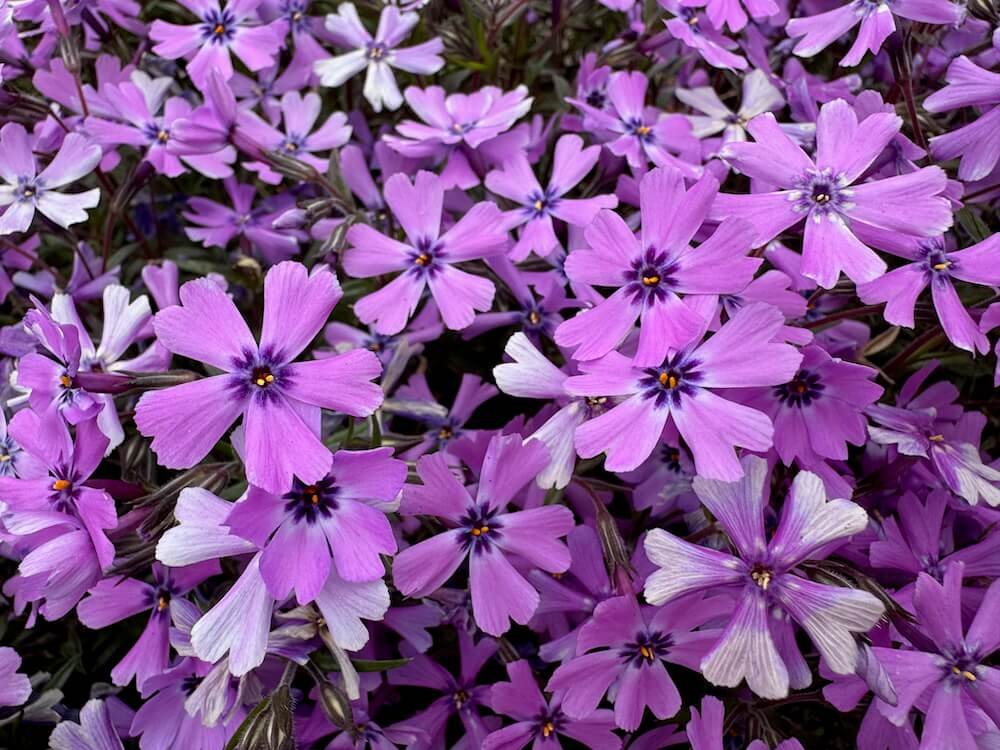
Phlox subulata 'Purple Beauty'
Evergreen perennial with needle like green foliage and masses of lavender purple flowers. Grows 4 to 6 inches tall. Ideal for rock gardens, edging, slopes, and cascading over walls. Zones: 3 to 9.
Considerations for Deer Resistant Plants
Deer Activity Patterns: Consider where deer typically travel through your landscape, as groundcovers often occupy open areas, woodland edges, and pathways that deer frequently cross. Plants located along these travel routes may experience more browsing pressure than those near active garden spaces.
Growth Habit & Coverage: Choose groundcovers based on how quickly they spread and the type of coverage they provide. Dense, expanding plantings can recover more easily from occasional browsing and help fill bare areas over time.
Foliage Texture & Scent: Many deer-resistant groundcovers rely more on foliage characteristics than flowers for protection, including aromatic leaves, fuzzy surfaces, leathery textures, or strongly scented foliage. These features can make plants less appealing while adding visual interest throughout the season.
Aesthetic Preferences: Since groundcovers create the visual base of a garden, think about foliage color, texture, seasonal changes, and flowering habits. Low-growing plants often contribute as much through leaf patterns and massing as through blooms.
Maintenance Requirements: Consider how much upkeep the planting will require as it spreads and matures. Some groundcovers benefit from occasional thinning, trimming, or cleanup to maintain a tidy appearance and prevent overcrowding.
Establishment Period: Newly planted groundcovers often require extra attention while filling in. Temporary protection during the first season can help plants establish before they form a more durable, interconnected planting.
Water & Growing Conditions: Match plants to the site’s moisture, light, and soil conditions to encourage healthy growth. Stressed or poorly placed plants may struggle to recover from occasional browsing or spread as intended.
Planting Strategy: Mixing several deer-resistant groundcovers with different textures, bloom periods, and growth habits can create a more layered and resilient planting. Diversity also adds visual interest throughout the year.
Seasonal Growth Patterns: Some groundcovers are evergreen while others disappear or die back seasonally. Understanding how plants perform throughout the year helps maintain coverage and avoid bare areas.
Observe Local Performance: Watch which groundcovers perform well in nearby gardens and landscapes, since deer preferences vary considerably by region. Plants that consistently succeed locally often provide the most dependable results.
Our Picks
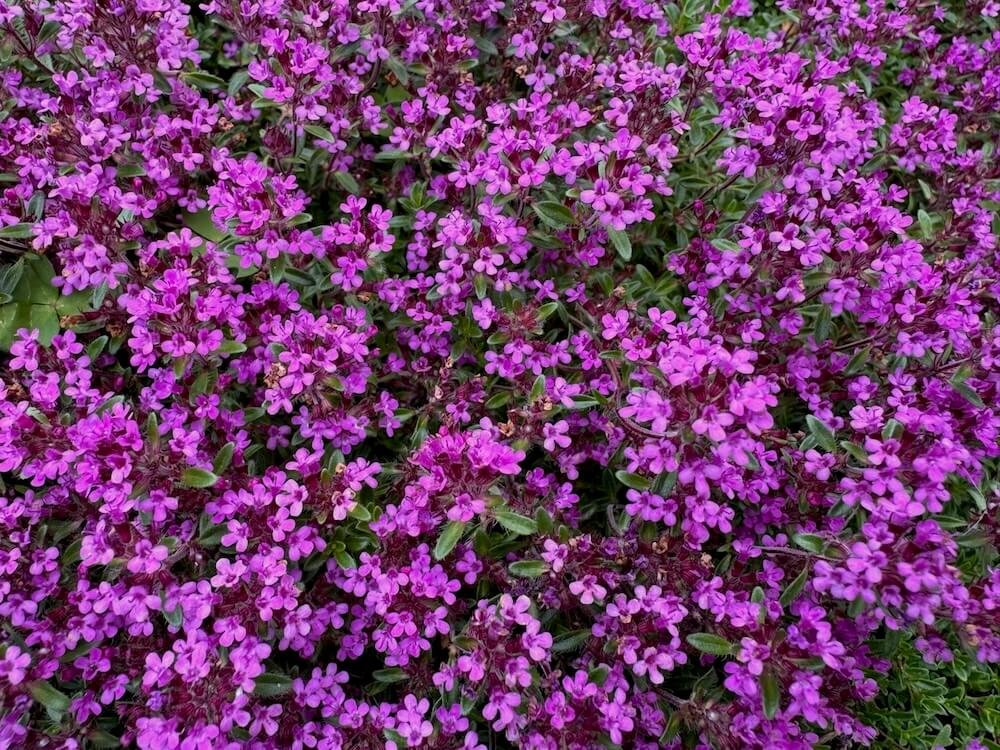
THYME (Thymus)
Red Creeping Thyme
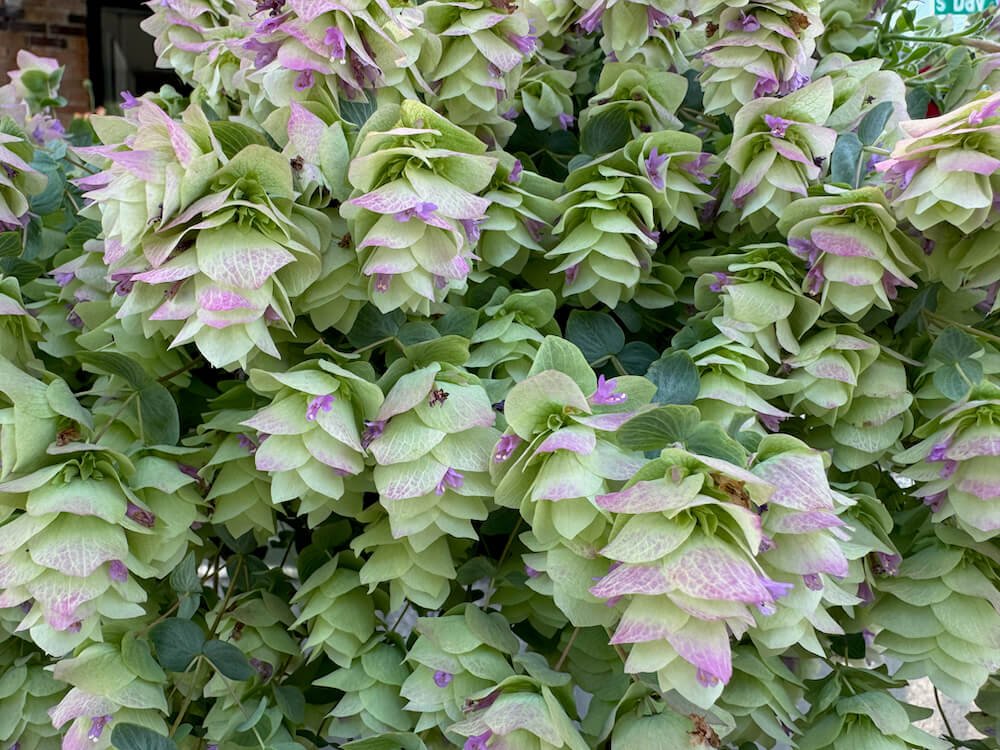
OREGANO (Origanum)
Kirigami Ornamental Oregano
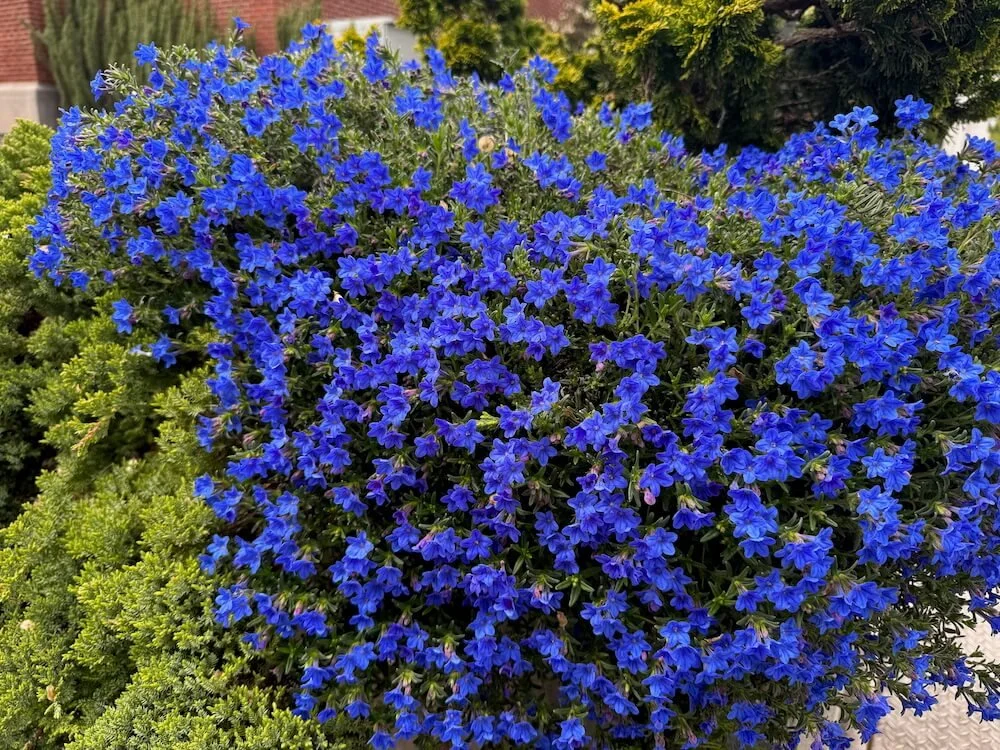
LITHODORA
Grace Ward Lithodora
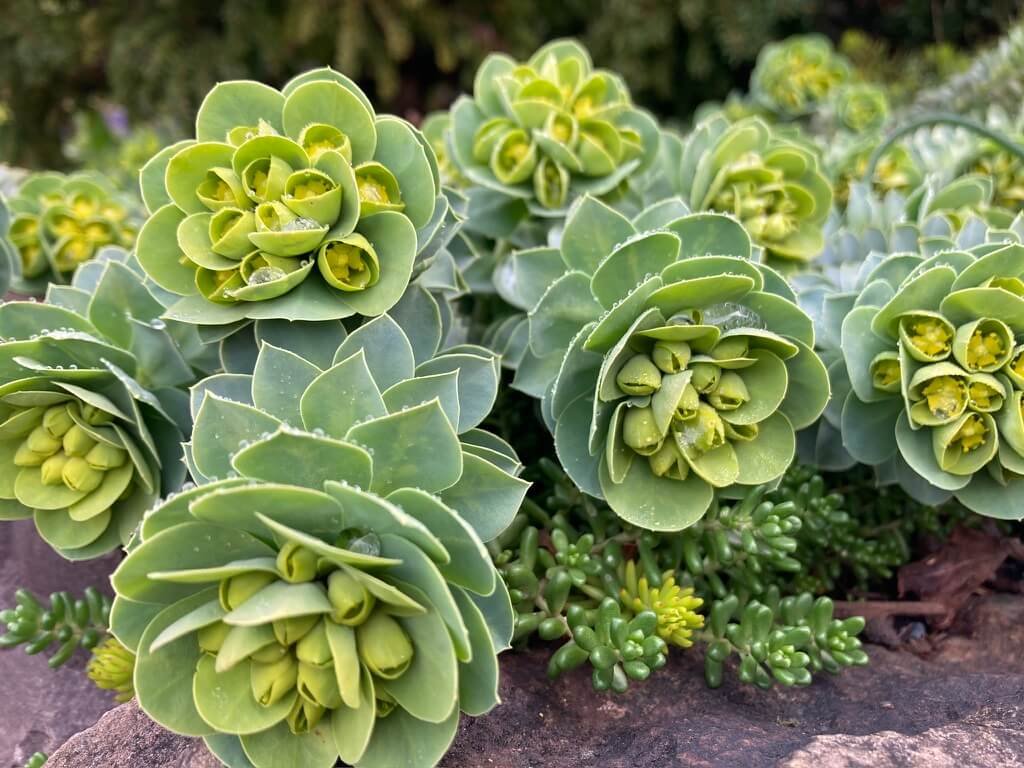
SPURGE (Euphorbia)
Myrtle Spurge
CREEPING PHLOX
Purple Beauty Creeping Phlox
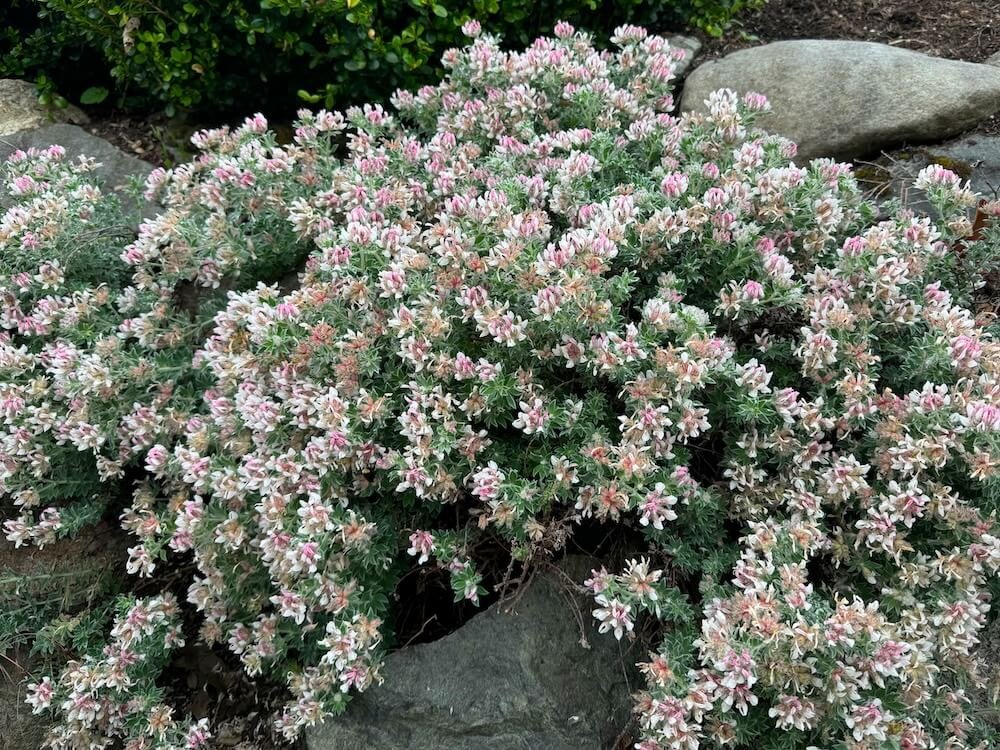
CANARY CLOVER (Dorycnium)
Canary Clover
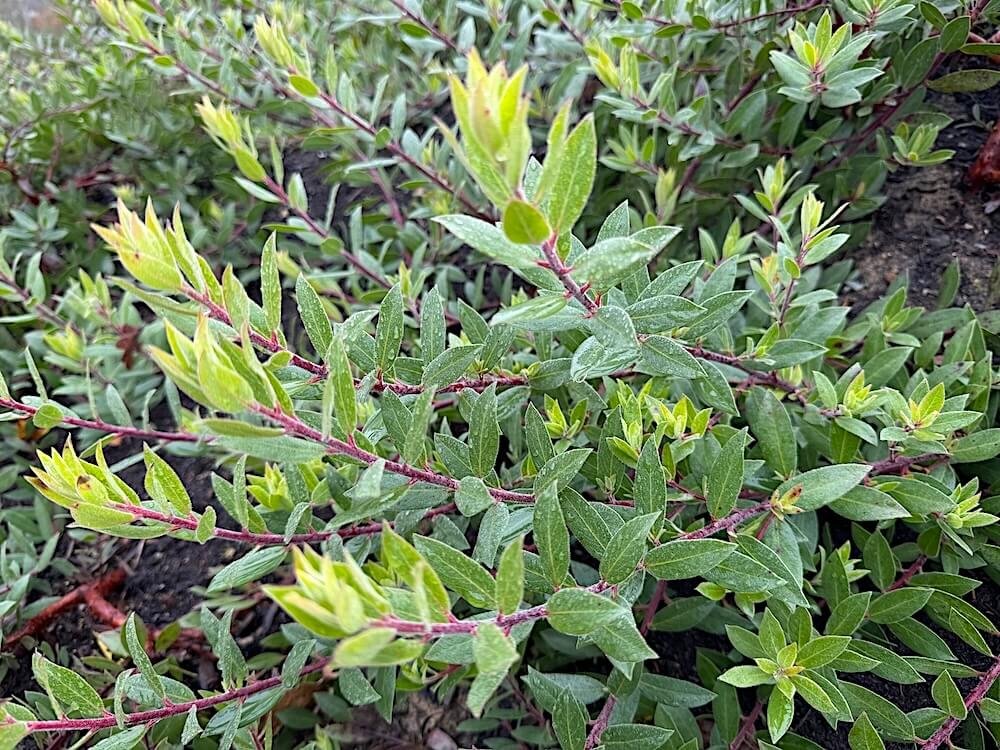
ARCTOSTAPHYLOS
Pacific Mist Manzanita
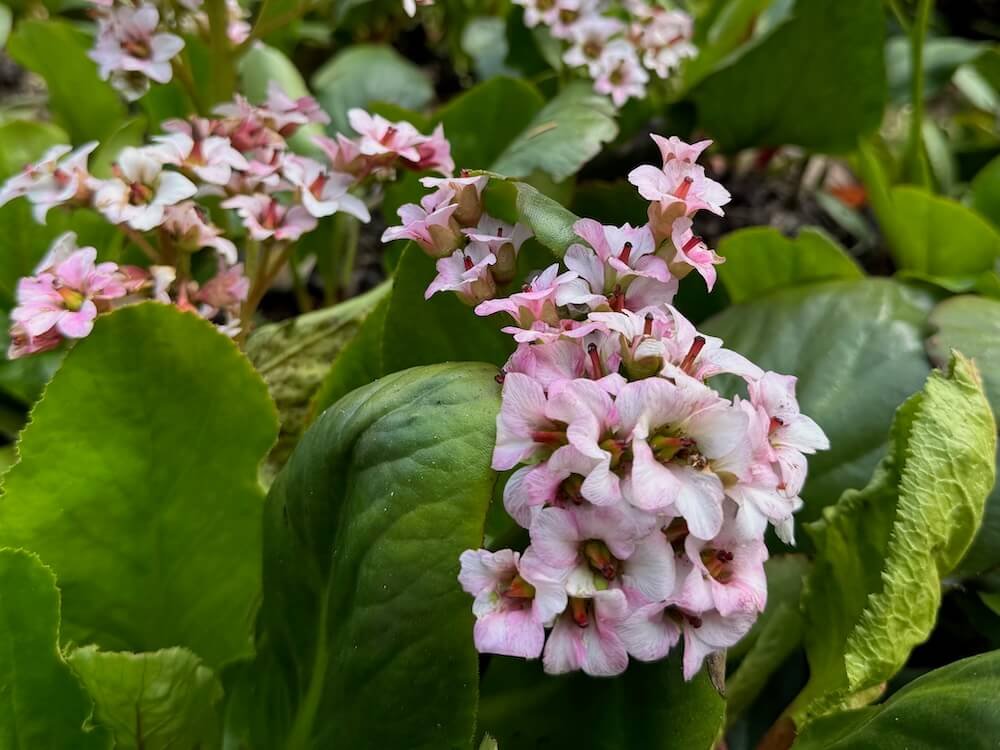
BERGENIA
Bressingham Salmon Bergenia
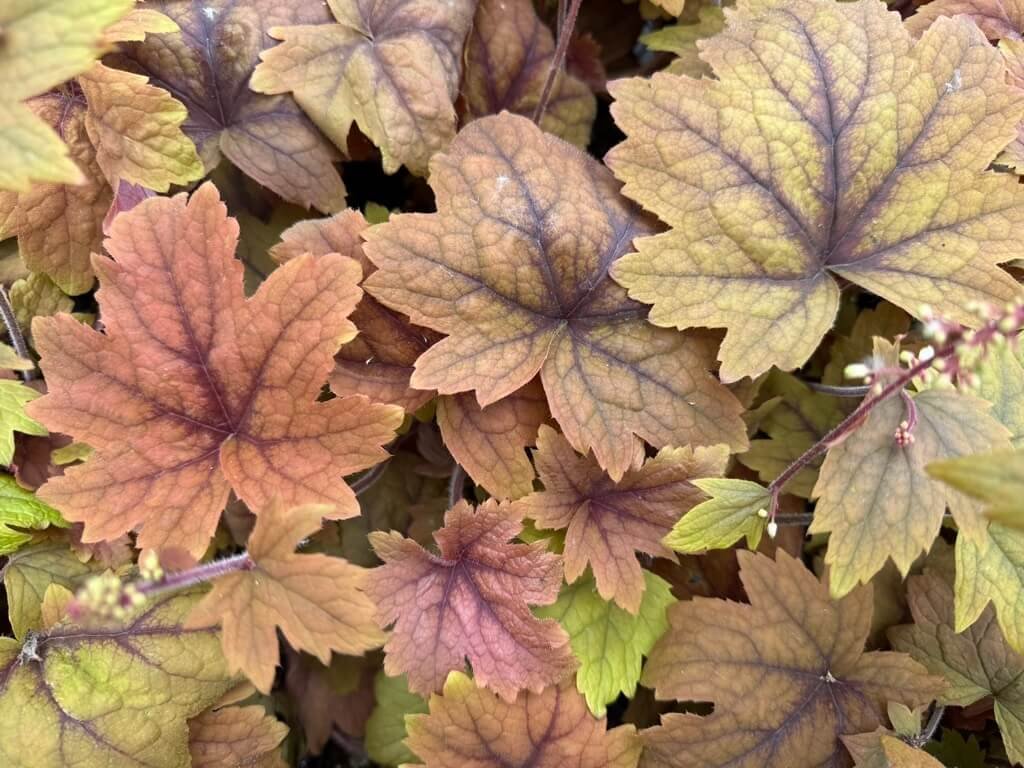
FOAMY BELLS (Heucherella)
Sweet Tea Foamy Bells
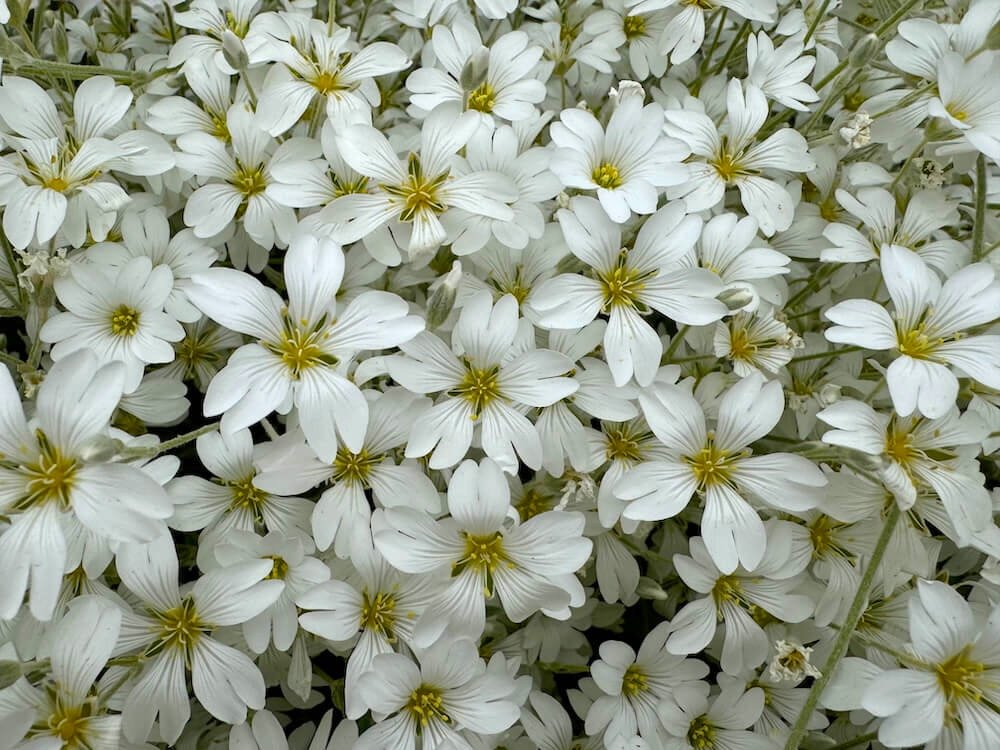
SNOW-IN-SUMMER (Cerastium)
Snow-in-Summer
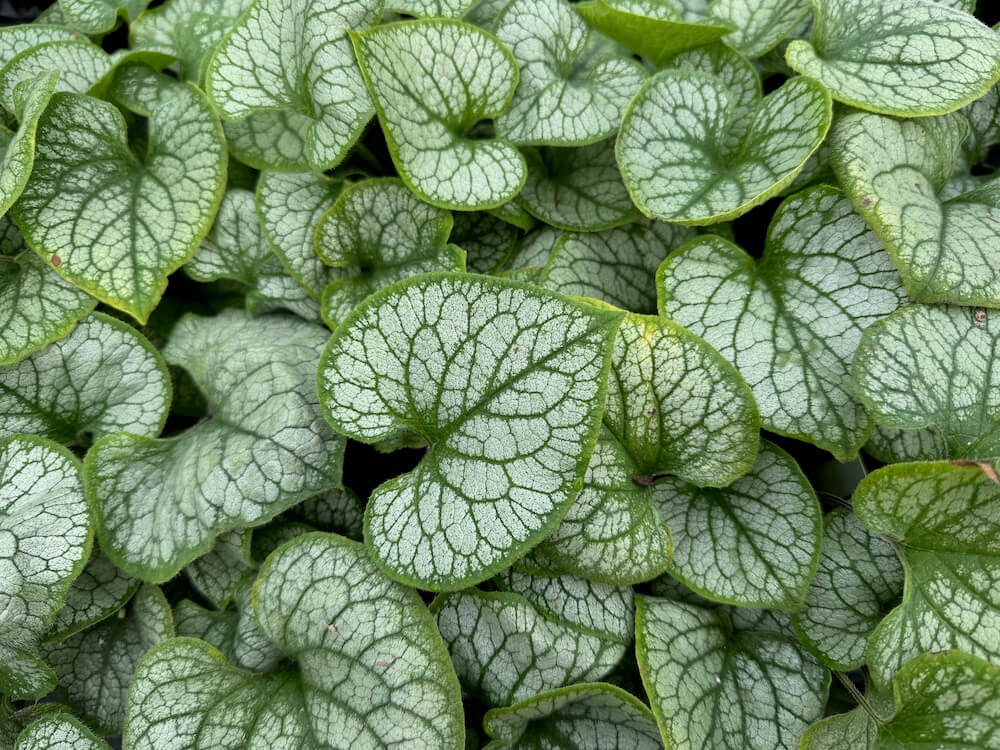
BUGLOSS (Brunnera)
Heartleaf Bugloss
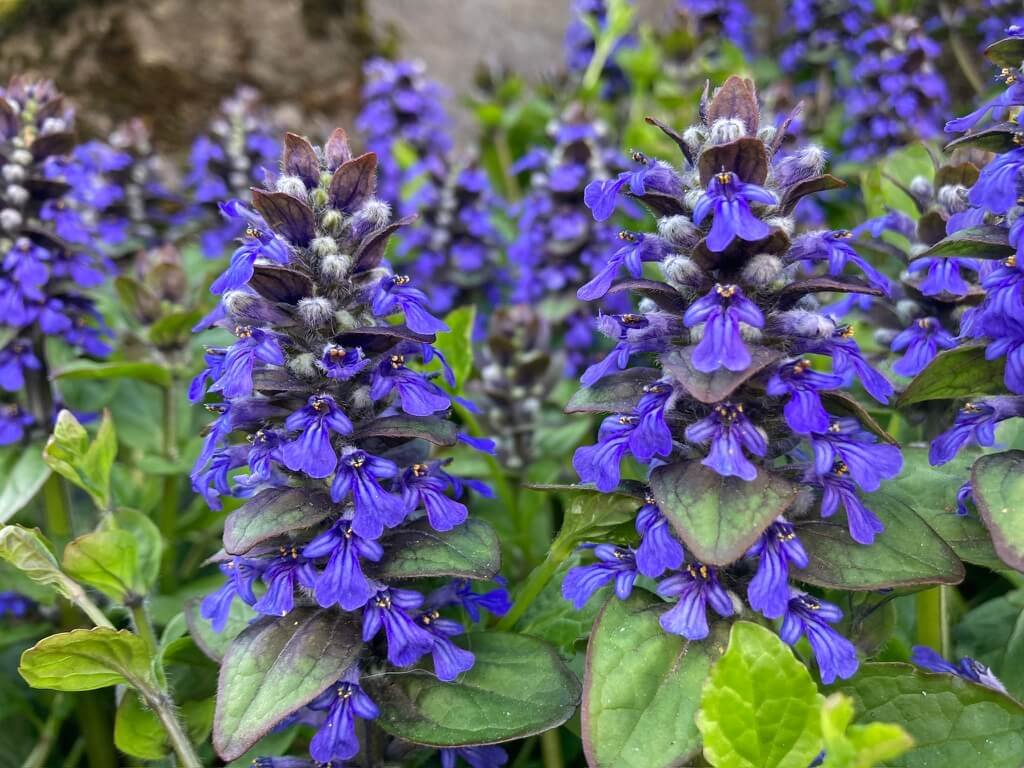
BUGLEWEED (Ajuga)
Bugleweed
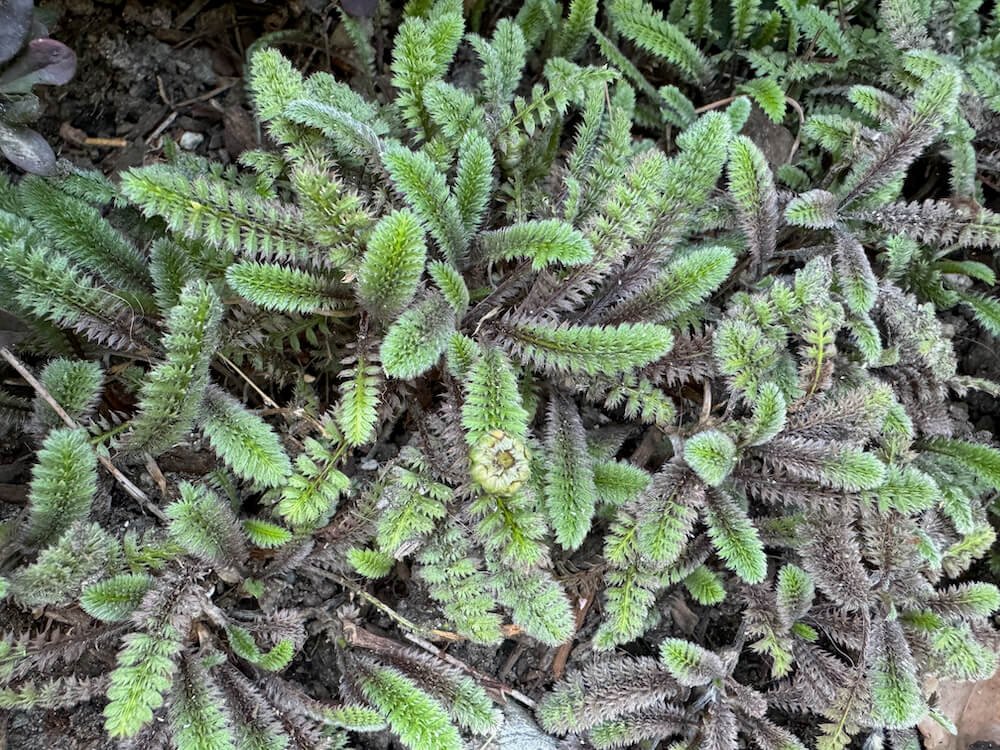
BRASS BUTTONS (Leptinella)
Platt’s Black Brass Buttons
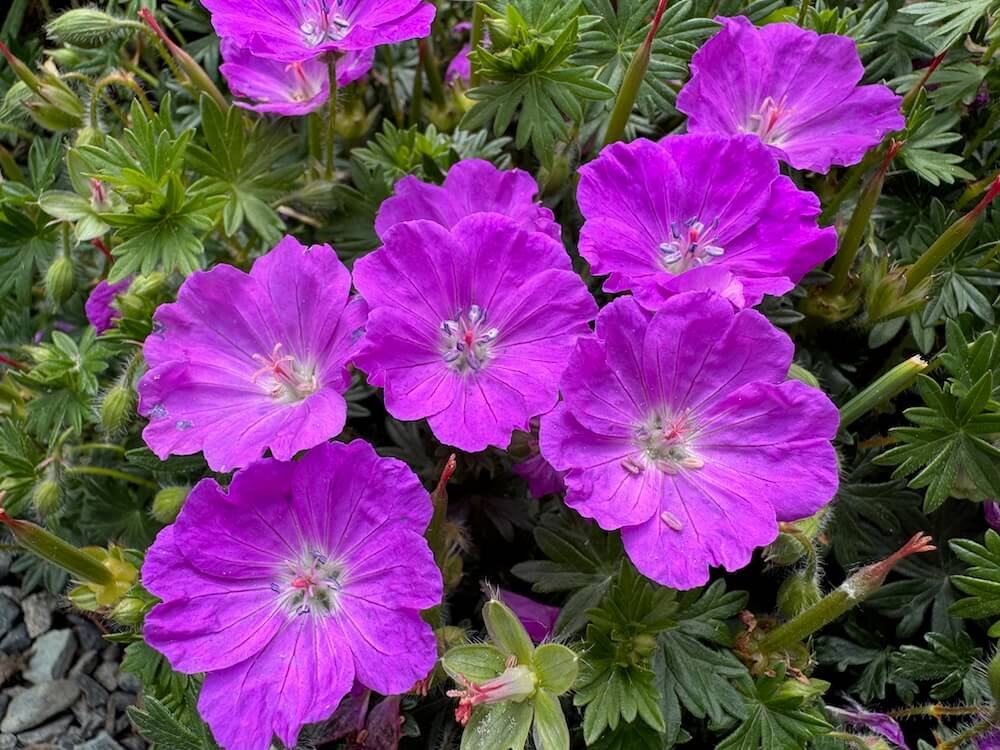
CRANESBILL (Geranium)
Max Frei Cranesbill
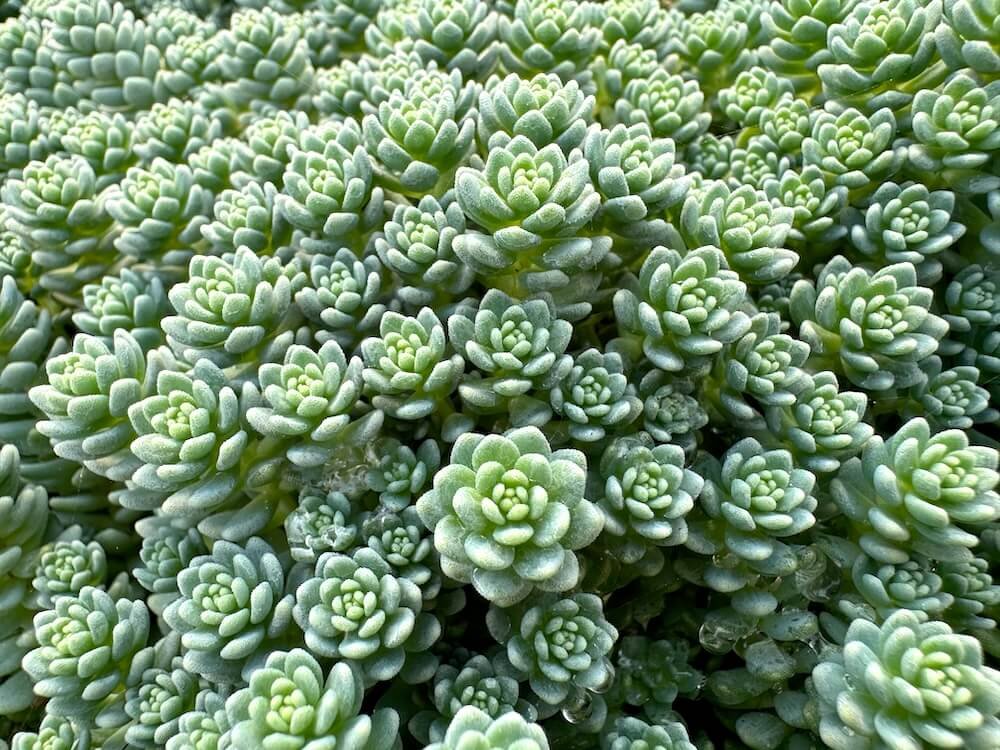
STONECROP (Sedum)
Himalayan Skies Stonecrop
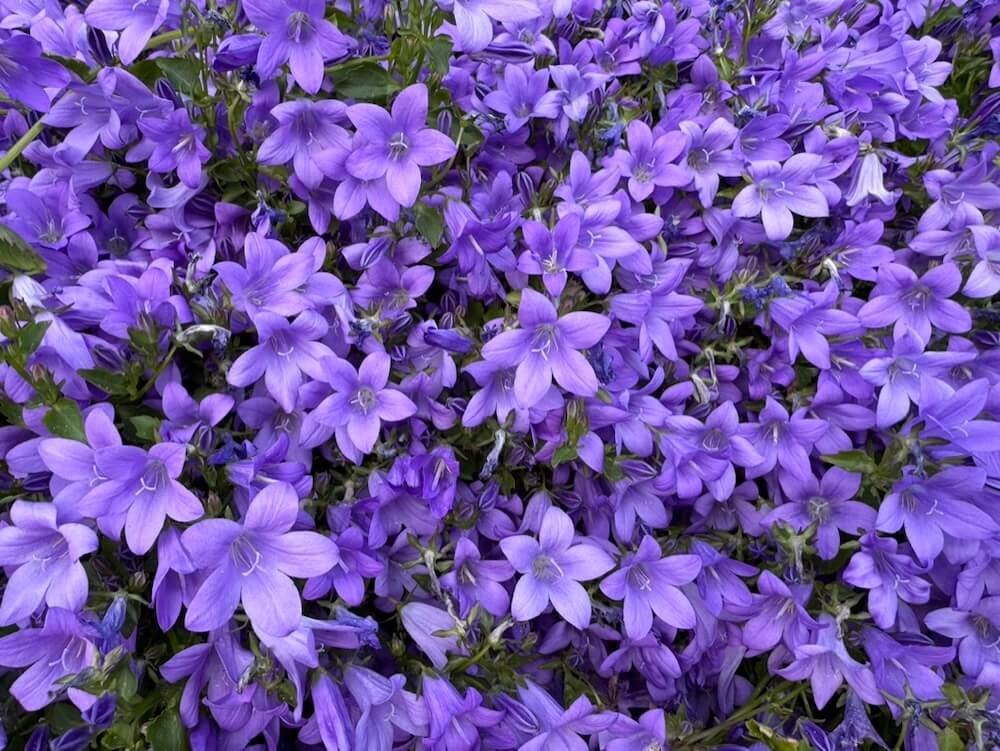
BELLFLOWER (Campanula)
Bellflower
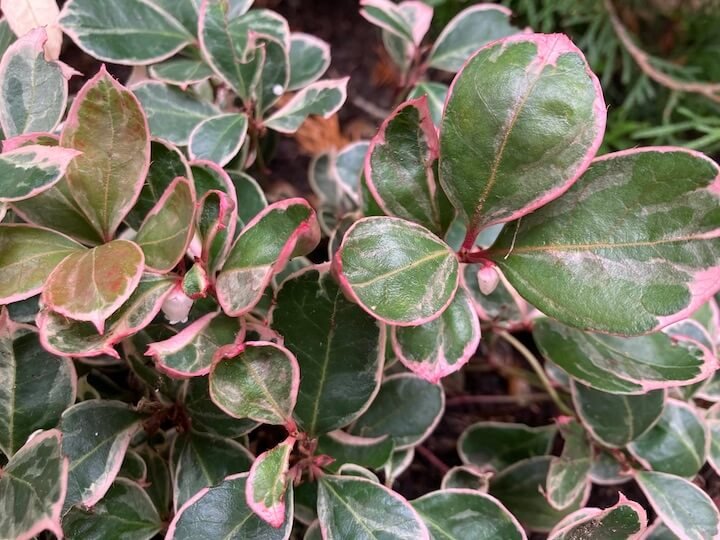
WINTERGREEN (Gaultheria)
Winter Splash Wintergreen
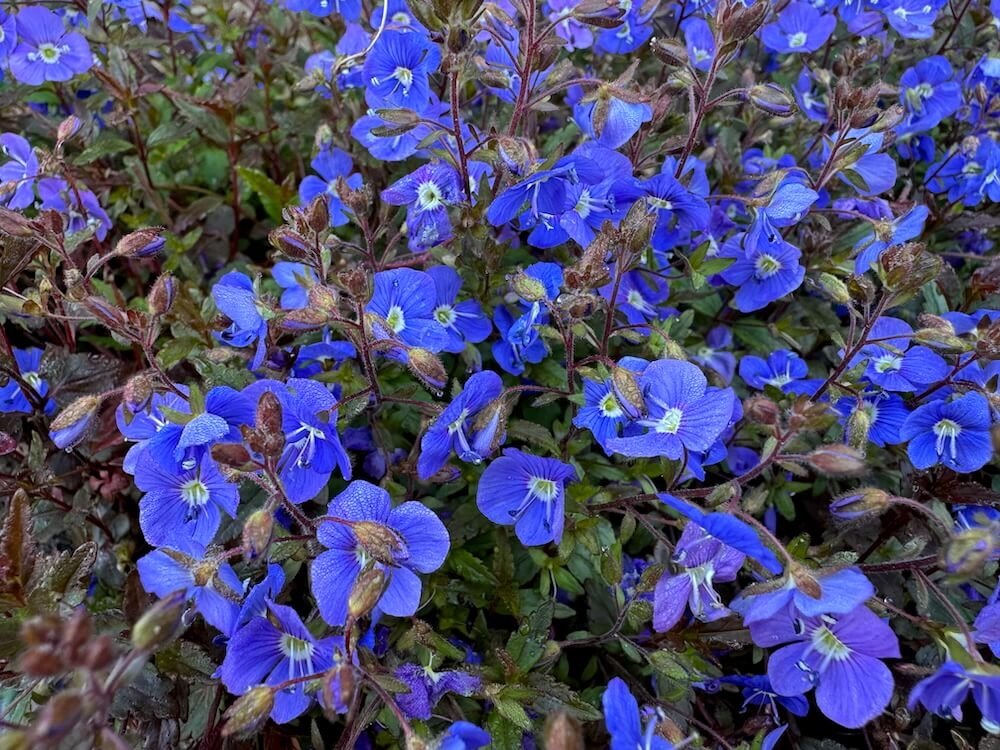
SPEEDWELL (Veronica)
Georgia Blue Speedwell
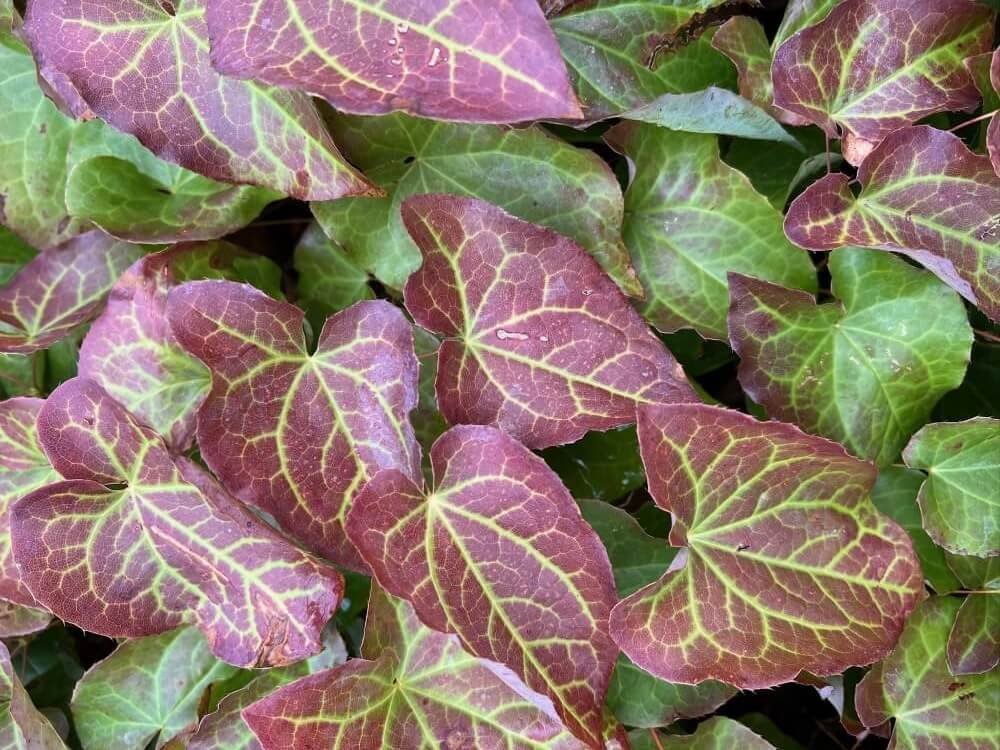
BARRENWORT (Epimedium)
Frohnleiten Barrenwort
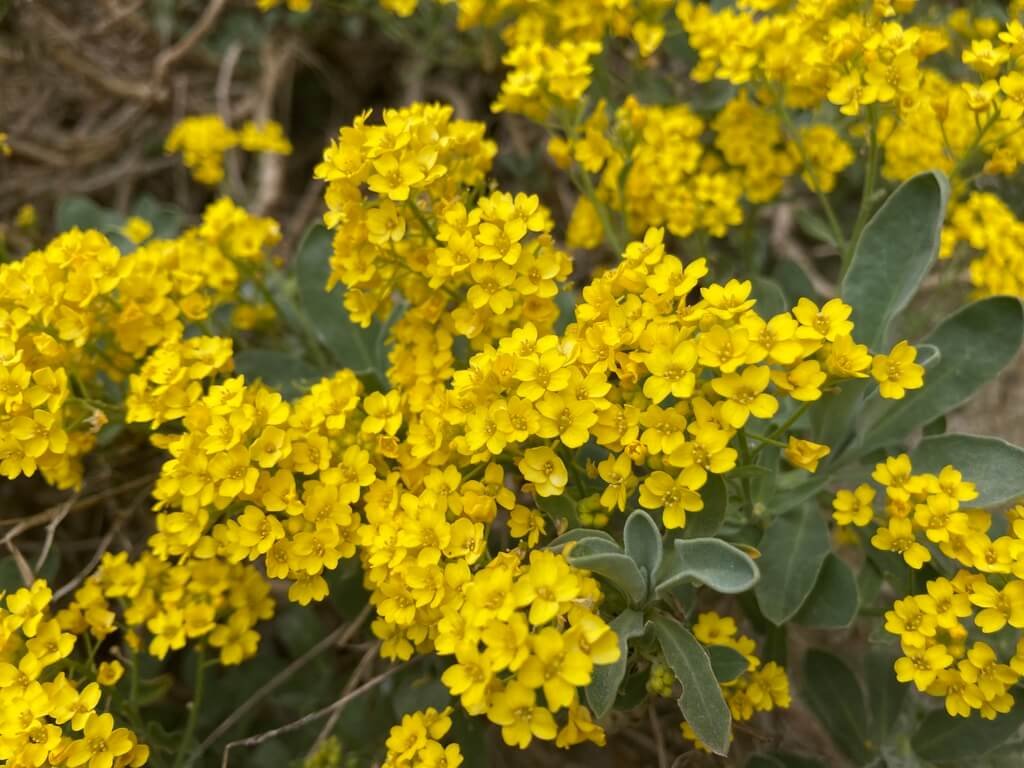
BASKET-OF-GOLD (Aurinia)
Basket-of-Gold