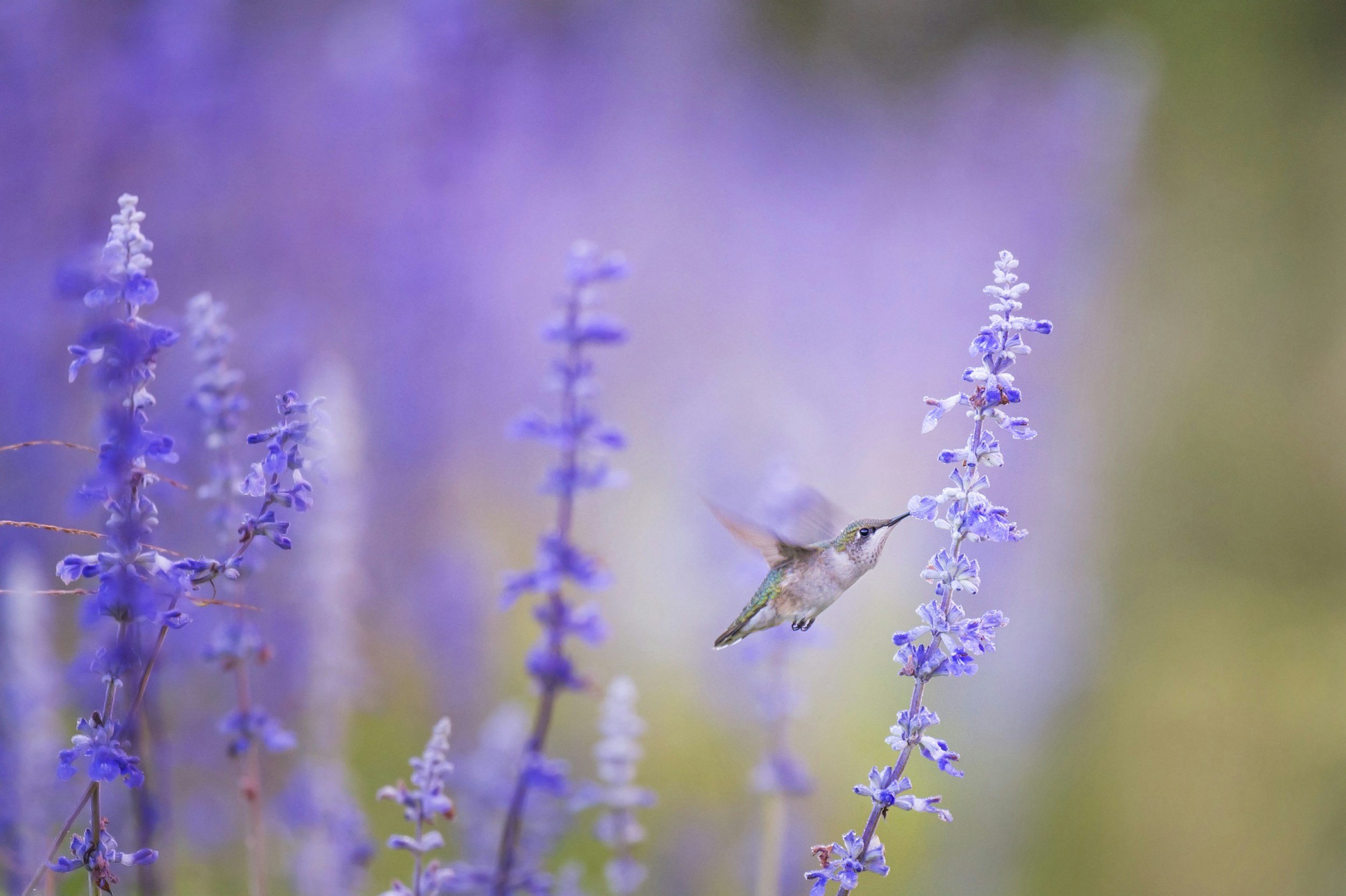
Best Shrubs for Pollinators
Pollinator friendly shrubs bring color, fragrance, and seasonal interest to the garden while providing valuable nectar and pollen for bees, butterflies, and other beneficial insects. By selecting varieties with staggered bloom times, gardeners can create a succession of flowers from early spring through fall, helping support pollinators throughout their active season. These shrubs also add structure, texture, and beauty to the landscape, transforming the garden into a more welcoming space.
EARLY SEASON POLLINATOR SHRUBS
Why early-season blooms matter Many pollinators emerge long before the garden reaches its peak flowering season. Native bees, bumble bee queens, hoverflies, and other beneficial insects begin searching for food in late winter and early spring, often when few plants are in bloom. Shrubs that flower early provide an important source of nectar and pollen during this critical period, helping support pollinator populations as they become active.
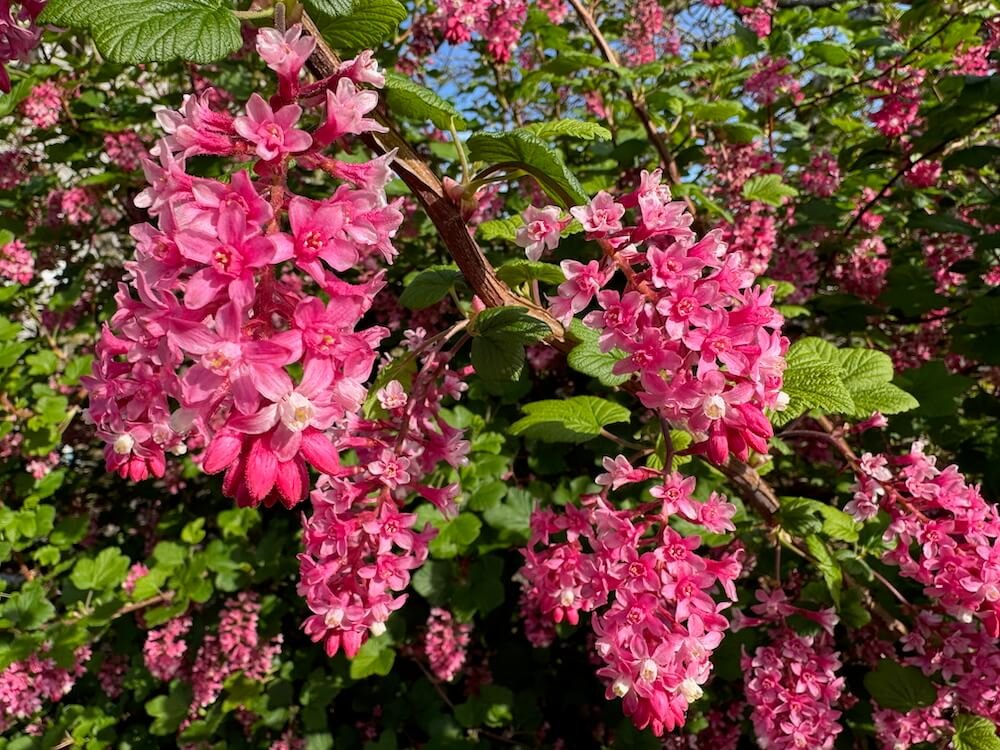
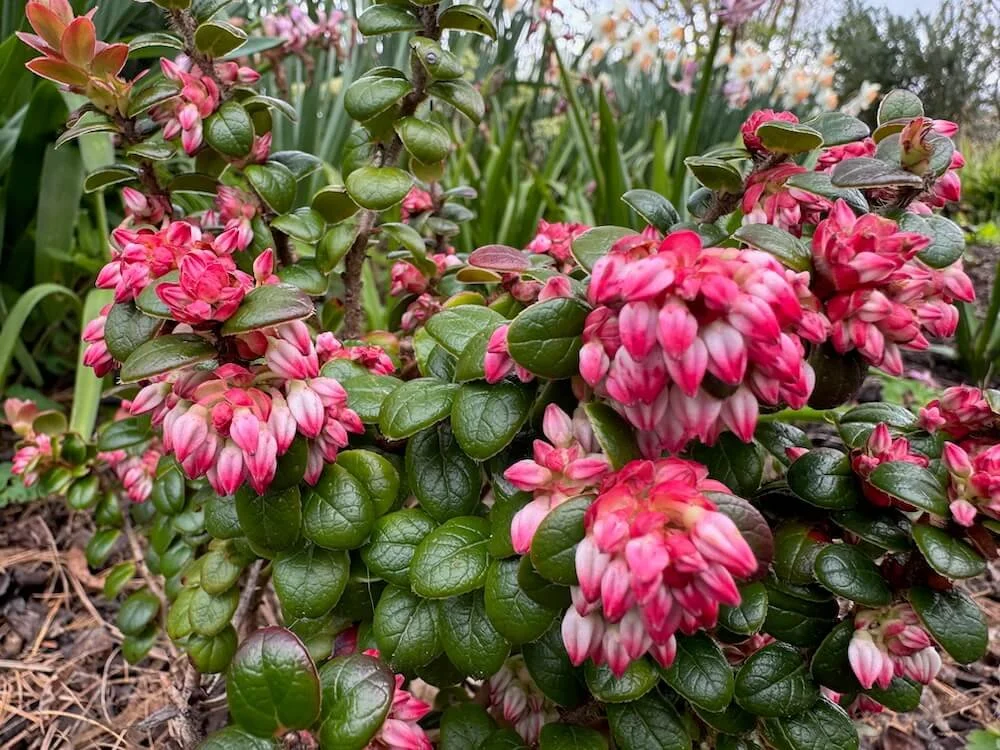
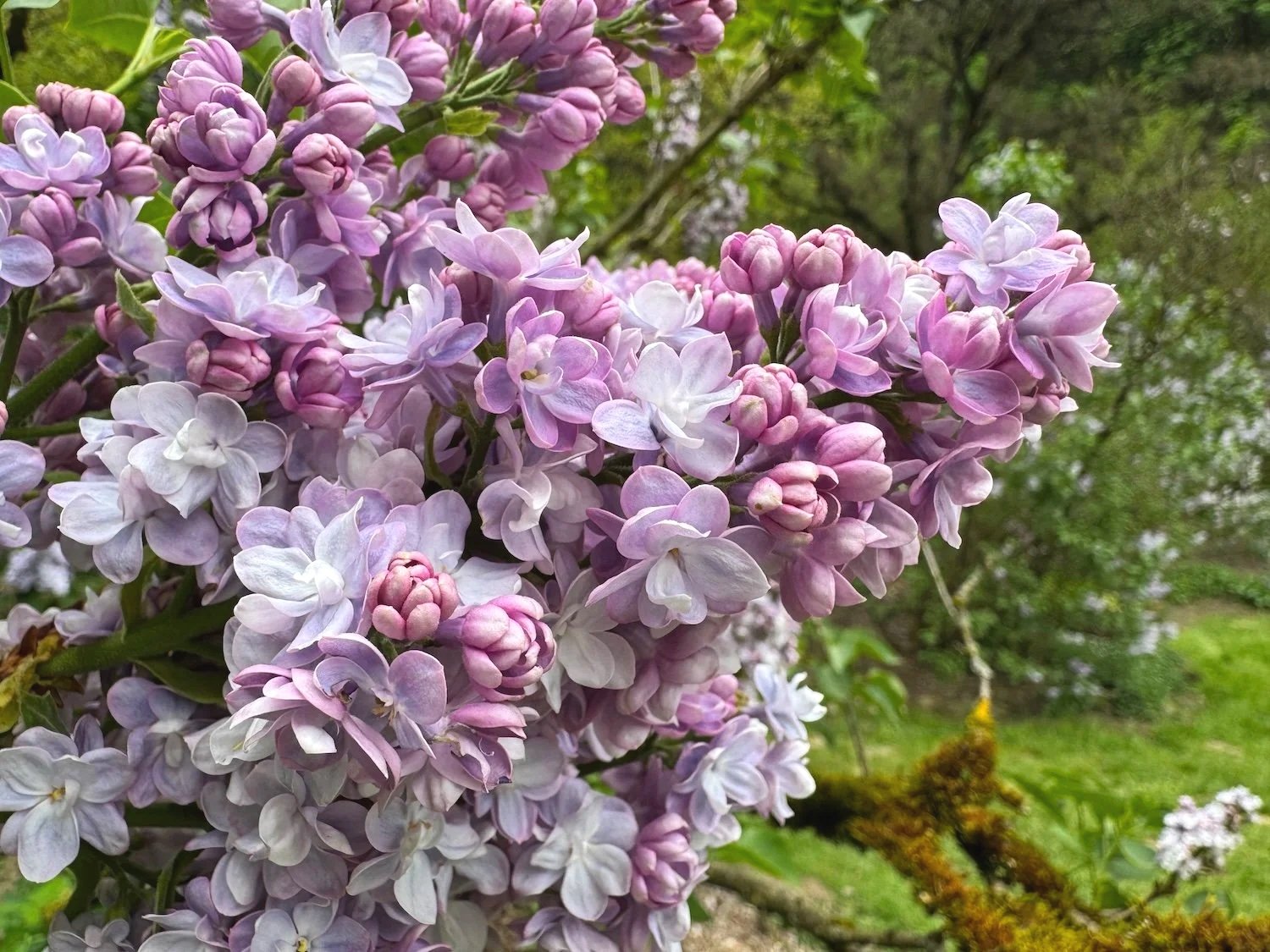
Building a strong spring foundation A garden that includes a variety of early-blooming shrubs can provide a steady progression of flowers over several months. Witch hazels, winter-blooming viburnums, flowering currants, pieris, and magnolias help create a continuous food supply while bringing color and fragrance to the landscape. Combining shrubs with different bloom periods helps reduce gaps in nectar availability.
Supporting pollinators before perennials emerge Many perennials do not begin flowering until late spring or summer, making early-blooming shrubs especially valuable. These plants help bridge the seasonal transition by providing resources when food is often limited. By incorporating several early-season flowering shrubs, gardeners can create a more reliable habitat for pollinators throughout the year.
Early Season Pollinator Shrubs
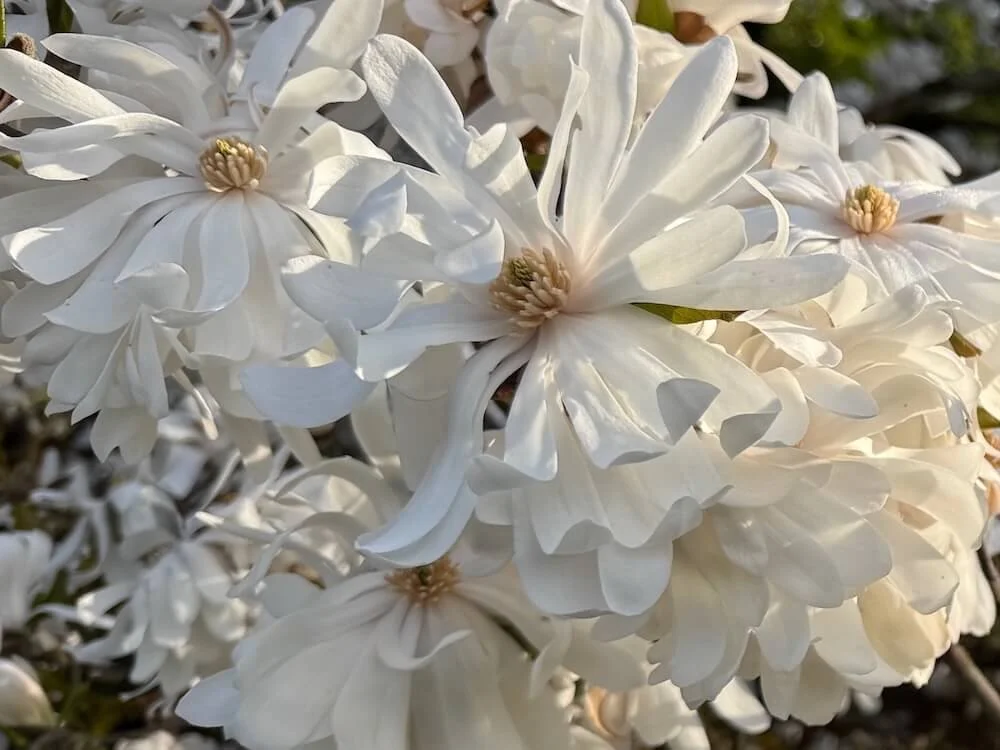
Magnolia stellata 'Royal Star'
Royal Star Magnolia
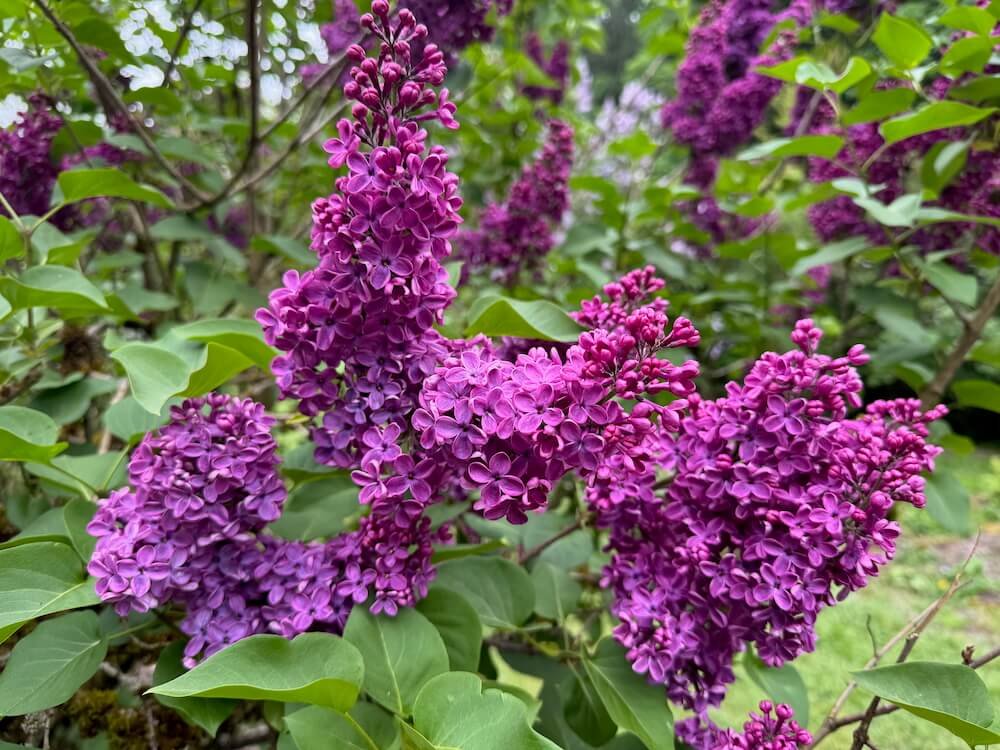
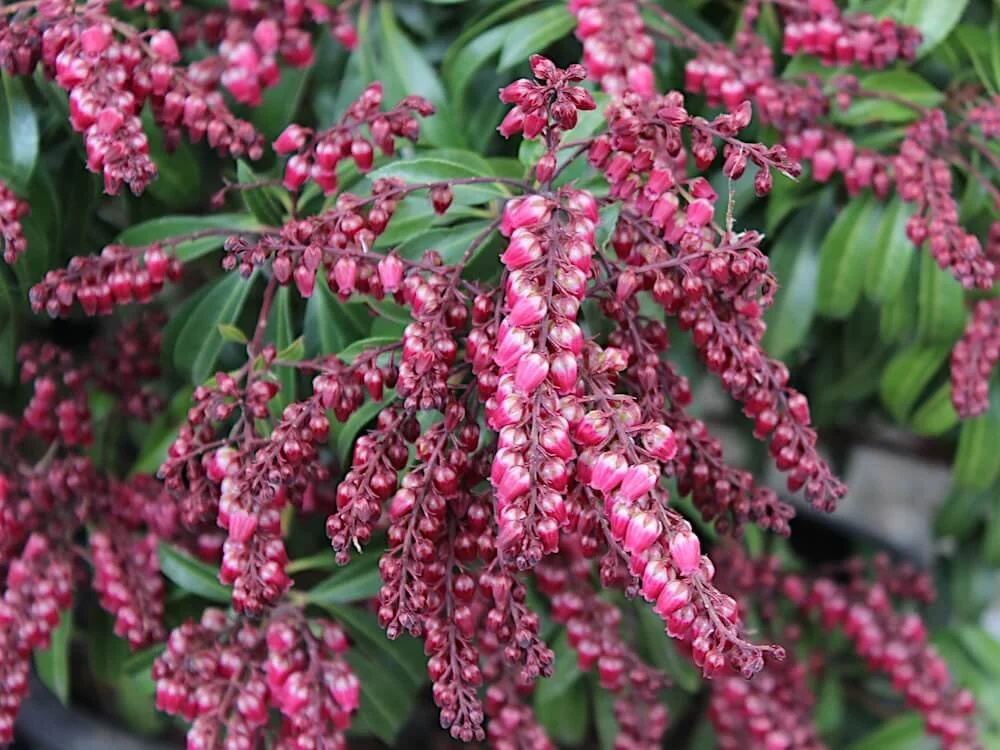
Syringa vulgaris ‘Andenken an Ludwig Spath’
Ludwig Spath Lilac
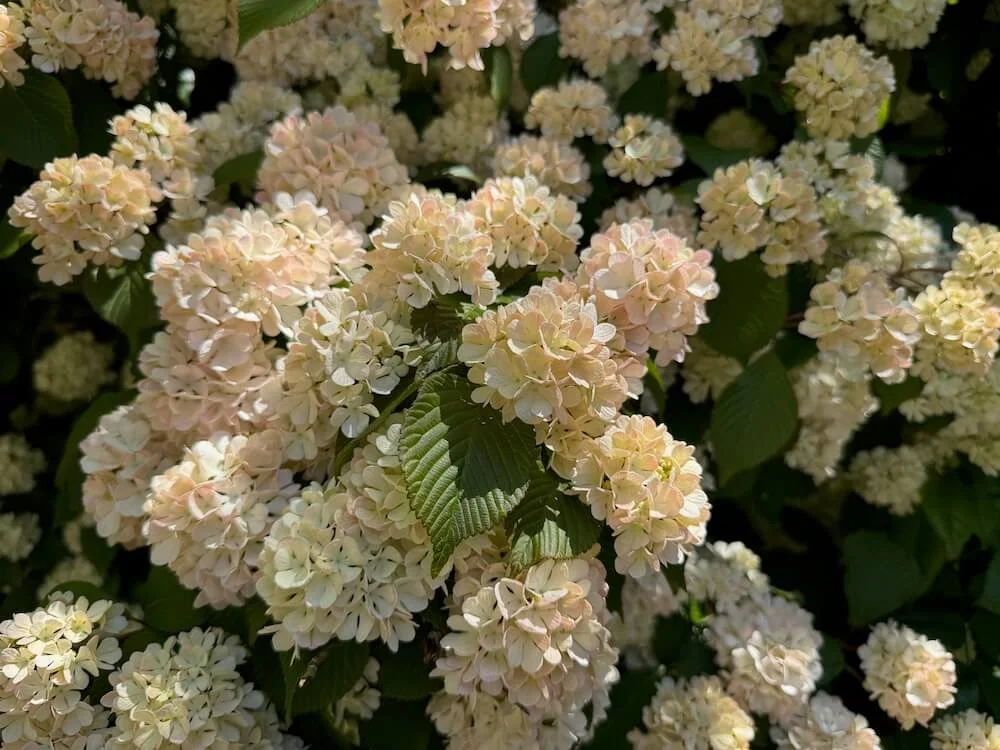
Viburnum plicatum f. plicatum 'Mary Milton'
Mary Milton Japanese Snowball Tree
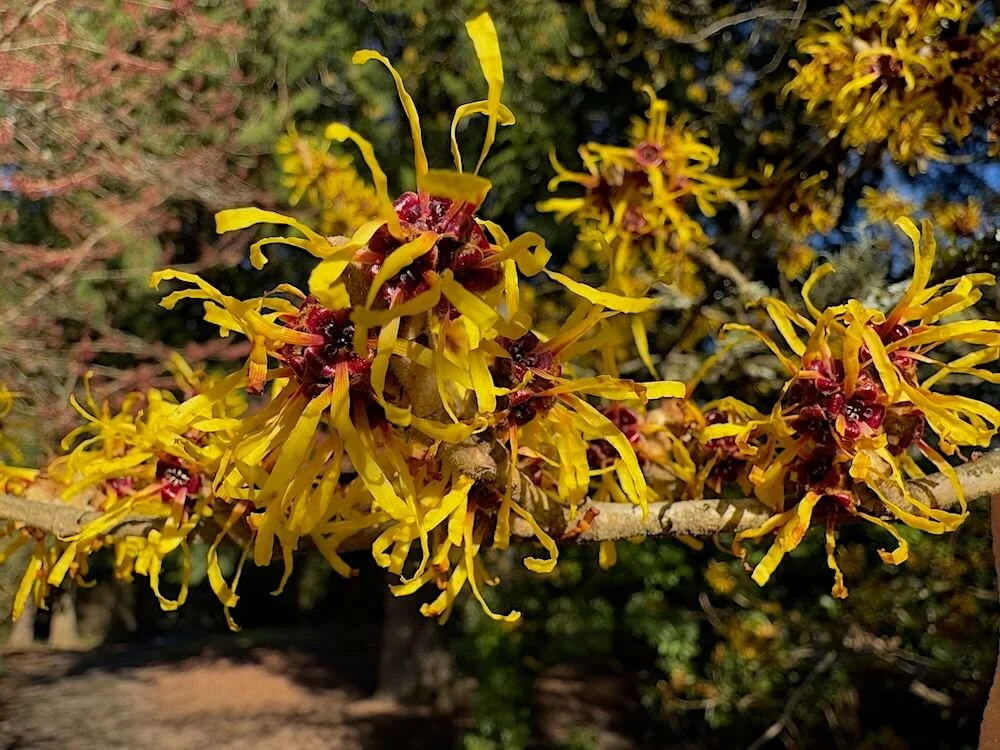
Hamamelis mollis
Chinese Witch Hazel
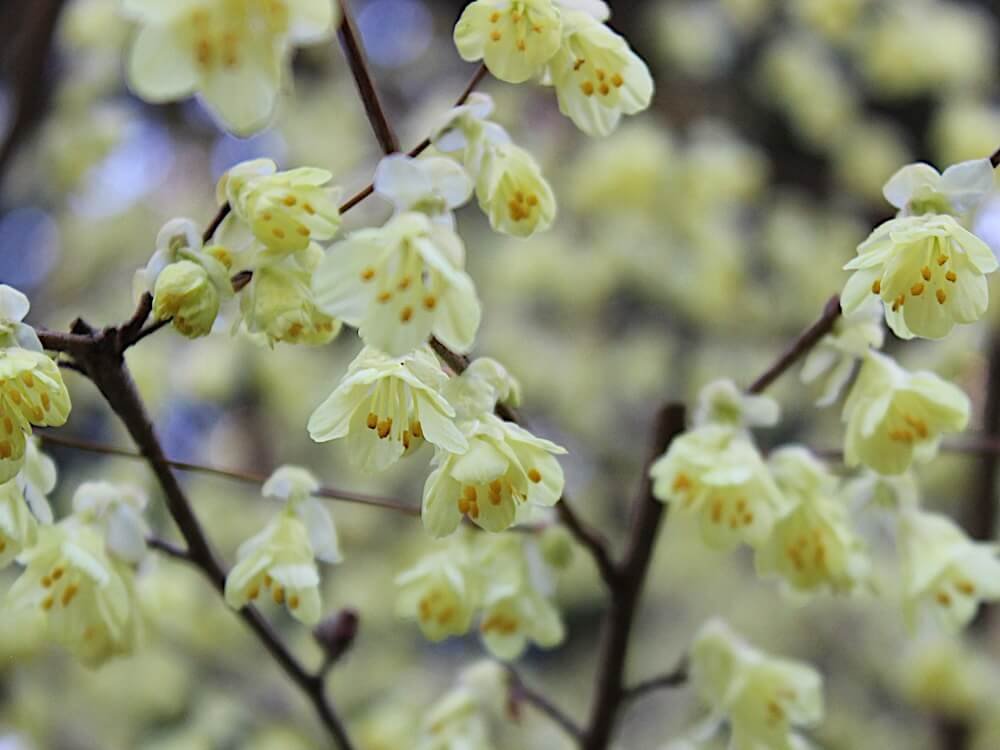
Corylopsis pauciflora
Buttercup Winter Hazel
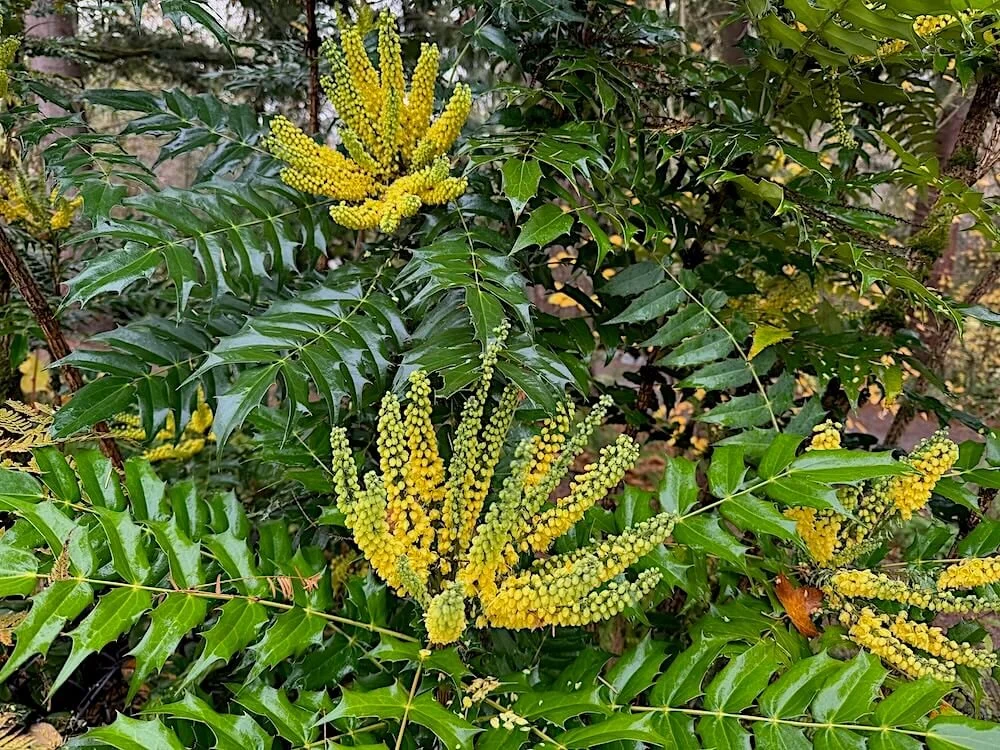
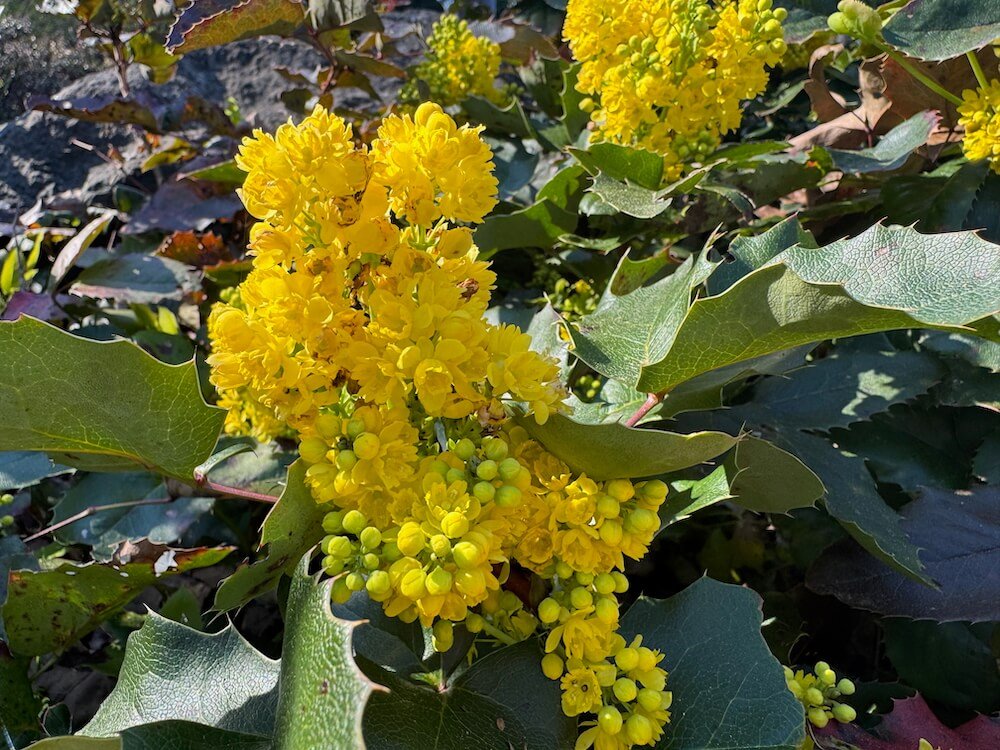
Mahonia x media 'Charity'
Charity Oregon Grape
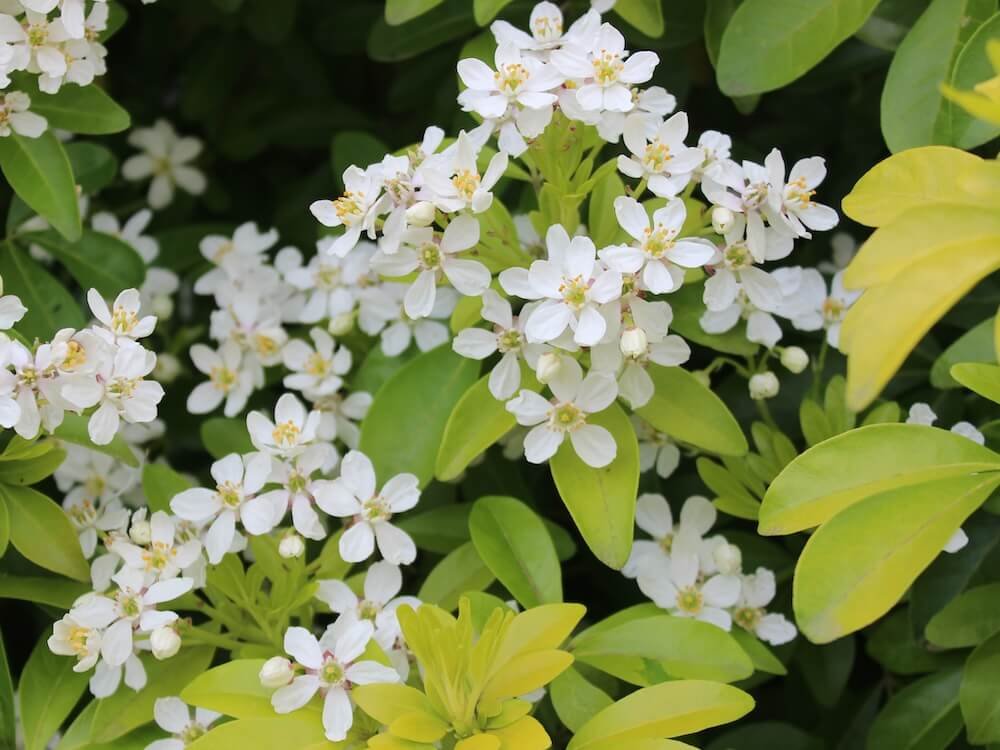
LONG BLOOMING SHRUBS FOR POLLINATORS
Why bloom duration matters While early-season flowers are important, many pollinators benefit most from a consistent source of nectar and pollen over an extended period. Shrubs that bloom for weeks or months help sustain bees, butterflies, hoverflies, and other beneficial insects throughout the growing season. Long-lasting flowers also increase the likelihood of repeat visits and greater pollinator activity in the garden.
Creating continuous summer color Abelia, butterfly bush, fuchsia, rosemary, spiraea, and other long-blooming shrubs provide color and wildlife value at the same time. Their extended flowering period helps fill seasonal gaps between spring and fall bloomers while contributing structure and interest to borders and mixed plantings. Combining several long-flowering shrubs can significantly increase the amount of nectar available during the warmest months of the year.
Encouraging repeat visits Pollinators quickly learn where dependable food sources are located. Gardens that provide a steady supply of flowers often attract greater diversity and activity than those with short-lived bloom periods. Including shrubs that flower over many weeks encourages pollinators to return regularly while helping maintain a healthy and active garden ecosystem.
Long Blooming Shrubs for Pollinators
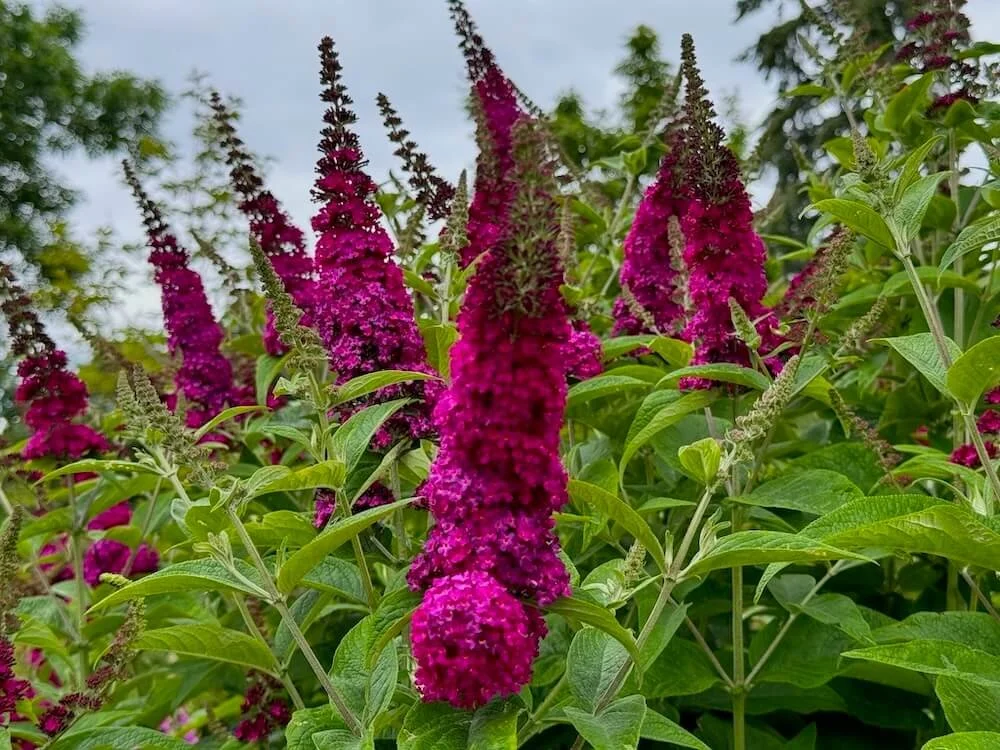
Buddleia davidii 'Miss Molly'
Miss Molly Butterfly Bush
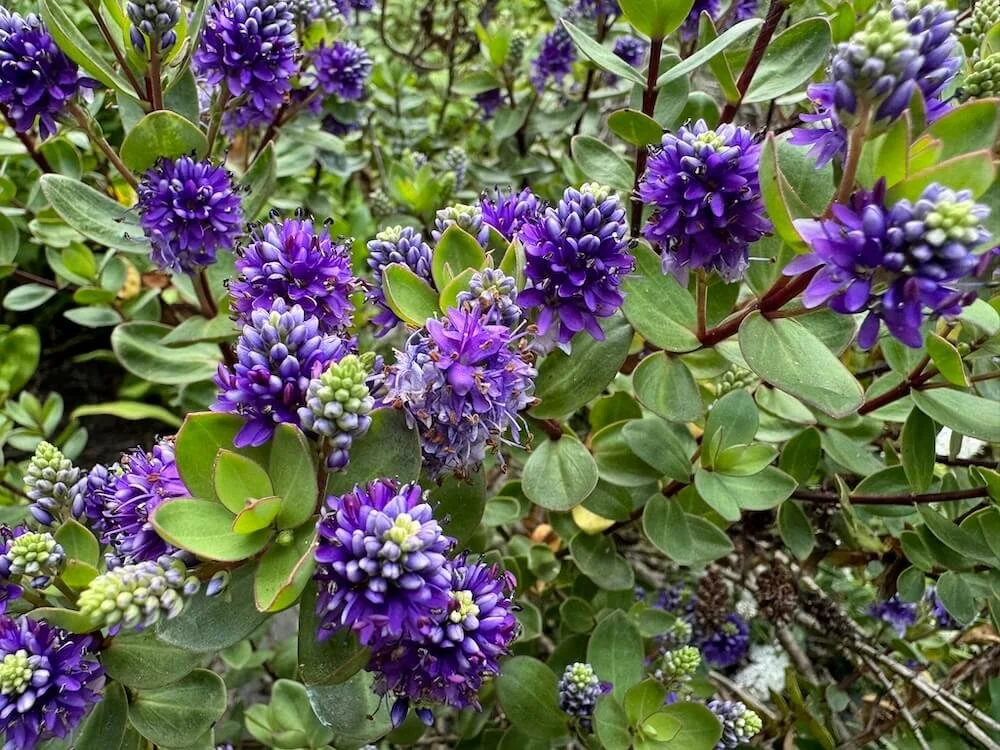
Veronica x franciscana 'Blue Gem'
Blue Gem Hebe
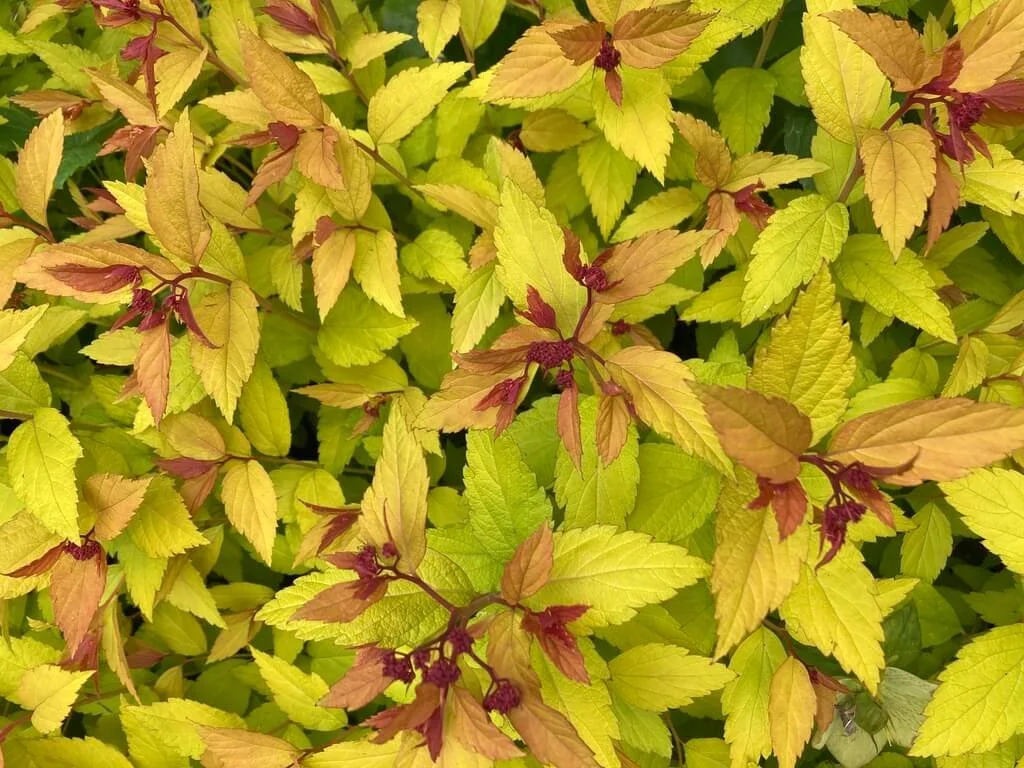
Spiraea japonica ‘Minspil04’
Little Spark Japanese Spirea
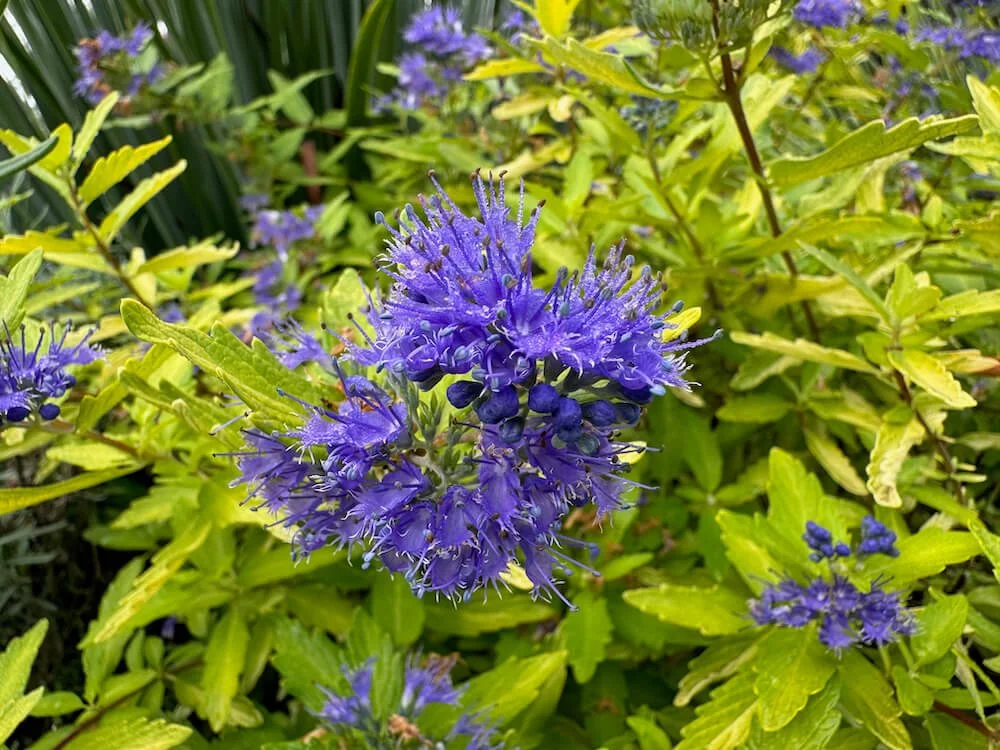
Caryopteris x clandonensis 'Gold Crest'
Gold Crest Bluebeard
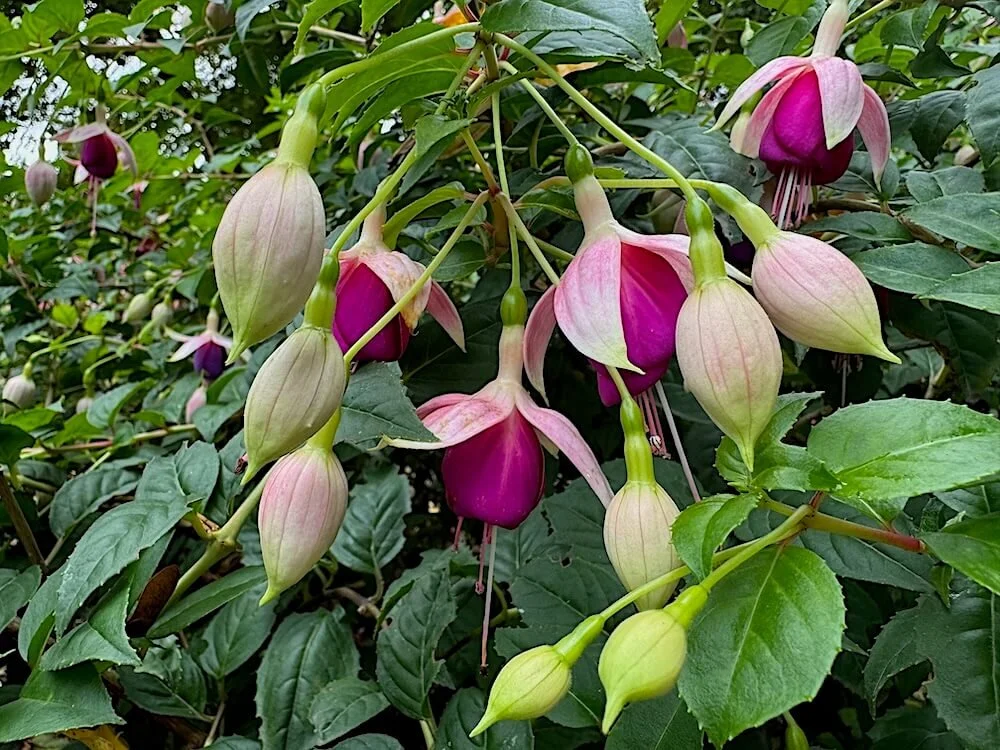
Fuchsia 'Minnesota'
Minnesota Fuchsia
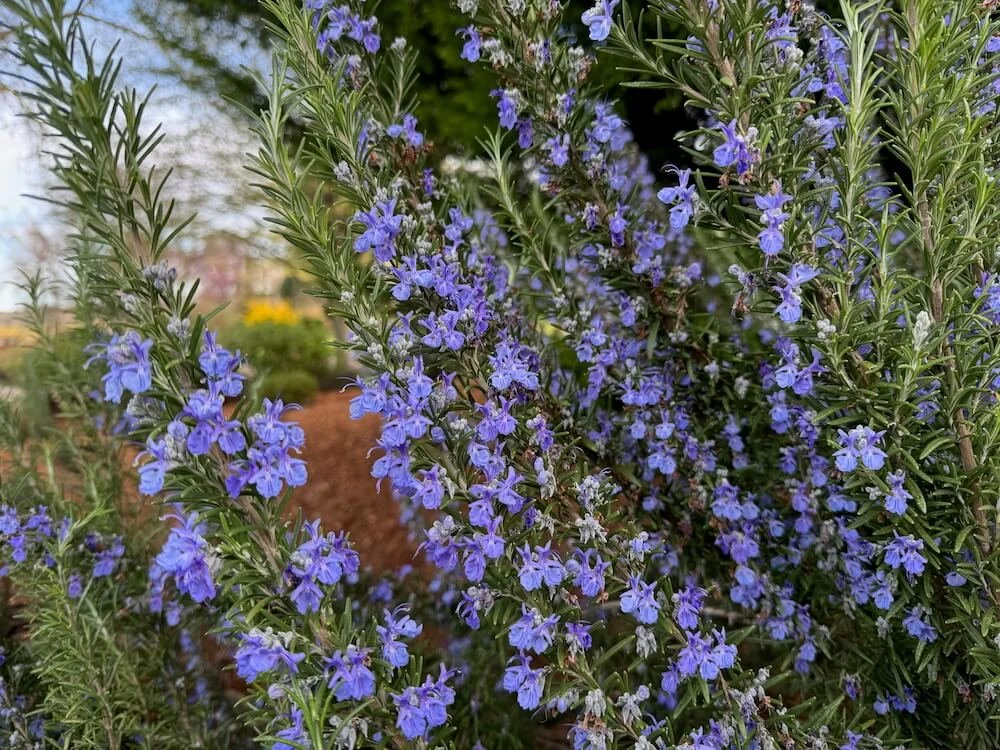
Rosmarinus officinalis 'Tuscan Blue'
Tuscan Blue Rosemary
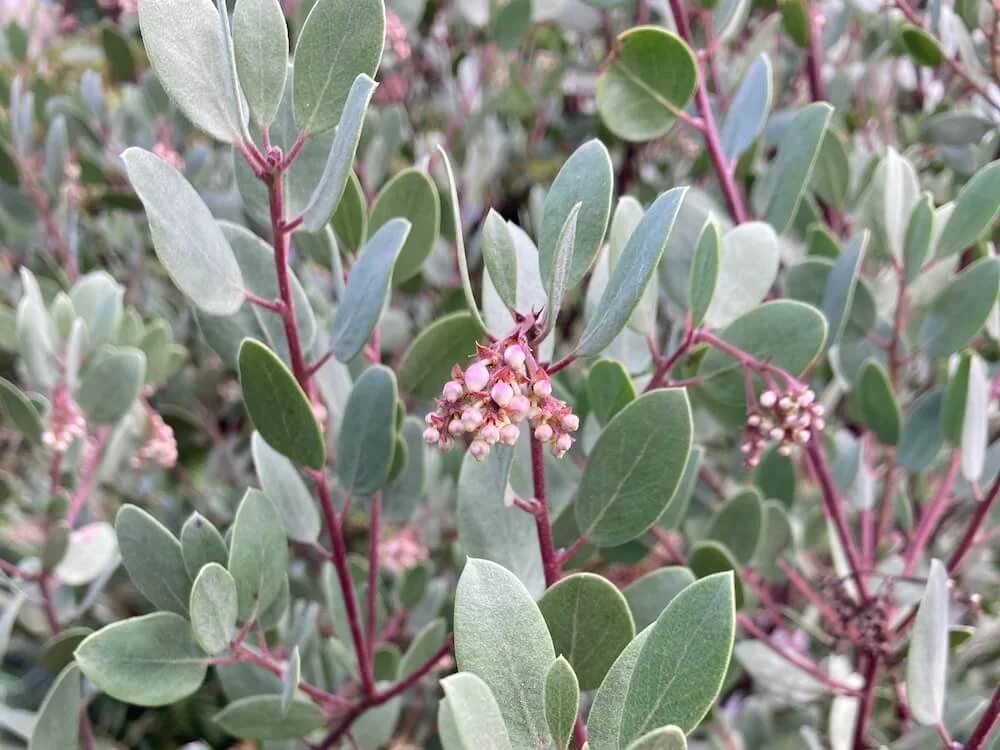
NATIVE & WILDLIFE-FRIENDLY SHRUBS
Why native shrubs are valuable Native shrubs often support a broader range of wildlife than ornamental plants alone. Many have evolved alongside local pollinators and provide nectar, pollen, shelter, nesting habitat, berries, and seeds that contribute to a healthier garden ecosystem. These plants help support not only bees and butterflies, but also birds and other beneficial wildlife.
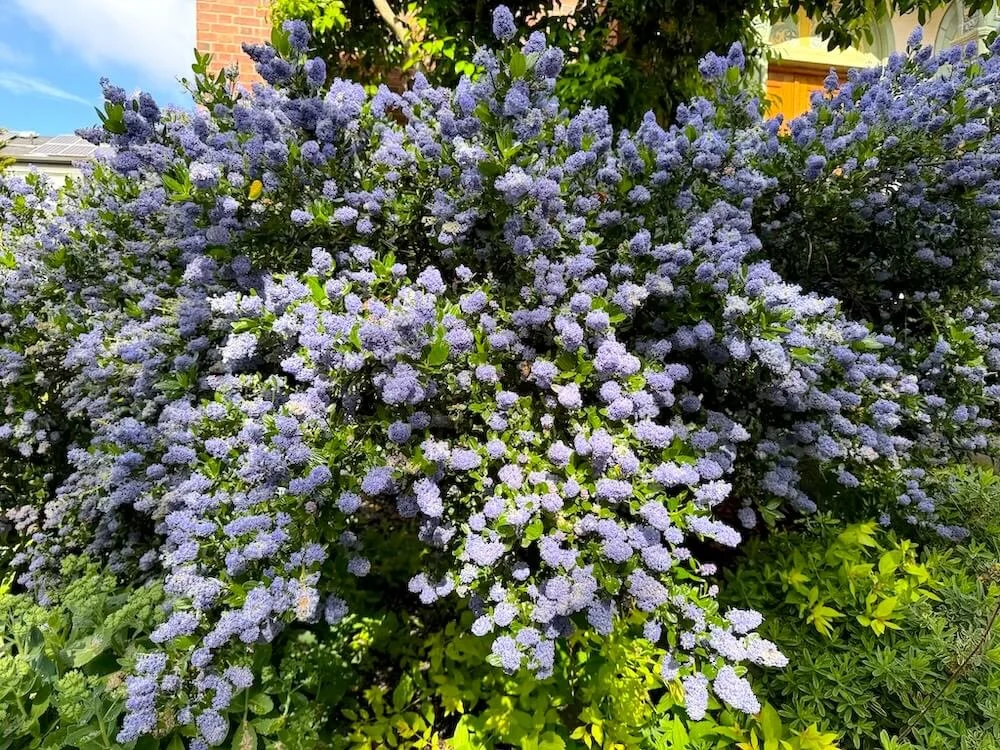
Creating habitat beyond flowers Pollinator-friendly gardens are most successful when they provide more than just nectar. Native shrubs such as ceanothus, manzanita, Oregon grape, flowering currant, and evergreen huckleberry offer food resources while also creating shelter and protection. Dense branching and evergreen foliage can provide valuable cover throughout the year.
Building a more resilient garden Combining native and wildlife-friendly shrubs with perennials, grasses, and trees creates a layered landscape that supports a wider variety of species. Gardens that include diverse plant types tend to provide food over a longer season and are often better able to support pollinators during changing weather conditions. Over time, these plantings can become some of the most active and ecologically valuable areas of the garden.